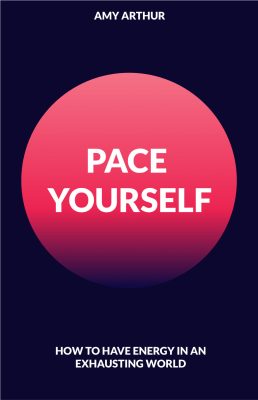
Reviews
“The perfect book for the huge numbers of people struggling with fatigue in the 21st century.” —Claudia Hammond, author of The Art of Rest
“An exciting journey through human thought and scientific discoveries, encouraging each of us to step back, reflect and discover the pace of life that achieves our optimal energy balance. Pace Yourself is all about taking control so that we can fulfil our potential and, in the process, live happier, healthier lives.” —Prof Russell Foster, author of Life Time
In Pace Yourself: How to Have Energy in an Exhausting World, Amy Arthur offers a fresh perspective on managing energy in our increasingly demanding lives. This timely guide stands out in the self-help genre by providing practical strategies to combat fatigue and burnout, tailored for the modern world. Arthur’s unique approach combines scientific research with real-world applications, making it a must-read for anyone feeling drained by daily life. The book’s distinctive selling point is its focus on sustainable energy management rather than quick fixes, offering readers a long-term solution to thrive in today’s fast-paced environment.
Amy Arthur is a renowned energy management expert and wellness consultant with over two decades of experience in the field. Her background in psychology and human performance has led her to work with Fortune 500 companies, professional athletes, and individuals seeking to optimize their energy levels. Arthur’s expertise is grounded in both academic research and hands-on work with clients, giving her a comprehensive understanding of energy dynamics in various contexts. Pace Yourself is her third book, following her bestsellers “The Energy Equation” and “Recharge: The Science of Sustainable Performance.”
Imagine a world where you wake up each morning feeling refreshed, tackle your day with enthusiasm, and still have energy left for your personal life. Sounds too good to be true? Amy Arthur begs to differ in her groundbreaking book, Pace Yourself: How to Have Energy in an Exhausting World.
In a society that glorifies busyness and burnout, Arthur’s message is both radical and necessary. She challenges the notion that exhaustion is a badge of honor, instead proposing a revolutionary approach to energy management. Through a blend of cutting-edge research and practical advice, Pace Yourself offers a roadmap to reclaiming your vitality in a world that seems designed to drain it.
Arthur’s approach is not about quick fixes or energy hacks. Instead, she delves into the science of human energy, exploring how our bodies and minds work together to create sustainable vitality. From the role of circadian rhythms to the impact of nutrition and exercise, she leaves no stone unturned in her quest to help readers understand and optimize their energy levels.
But Pace Yourself is more than just a science lesson. Arthur brings her concepts to life with relatable examples and easy-to-implement strategies. She introduces the concept of “energy budgeting,” teaching readers how to allocate their resources effectively throughout the day. She also explores the often-overlooked impact of emotional and social factors on our energy levels, offering insights on how to navigate energy-draining relationships and situations.
Perhaps most importantly, Arthur addresses the elephant in the room: our always-on, hyperconnected world. She provides practical advice on how to create boundaries with technology, carve out time for rest and recovery, and find balance in a world that often feels anything but balanced.
By reading Pace Yourself, you’ll learn how to identify your personal energy patterns, create a customized energy management plan, and implement sustainable habits that will transform your day-to-day life. You’ll discover how to work with your body’s natural rhythms, rather than against them, and how to build resilience in the face of energy-depleting challenges.
In essence, Pace Yourself is not just a book – it’s a toolkit for thriving in the modern world. It’s a guide to reclaiming your vitality, improving your productivity, and ultimately, living a more fulfilling life. Arthur’s message is clear: in a world that’s constantly trying to speed us up, sometimes the most revolutionary act is to slow down and pace ourselves.
The central thesis of Pace Yourself is that sustainable energy management is the key to thriving in our exhausting world. Arthur argues that instead of constantly pushing ourselves to the brink, we need to adopt a more balanced approach to energy use and replenishment. She likens our energy to a bank account – we can’t keep withdrawing without making deposits. Just as a savvy financial planner balances spending with saving, Arthur teaches readers to become expert “energy investors,” making strategic choices about how they use and replenish their vital resources.
Pace Yourself has made significant waves in the wellness and productivity fields since its release. Its fresh take on energy management has resonated with readers worldwide, challenging the prevailing “hustle culture” narrative. The book has been praised for its science-based approach, making it stand out in a sea of self-help titles. While some critics argue that Arthur’s methods require significant lifestyle changes, many readers report transformative results from implementing her strategies. Pace Yourself has been recognized with the “Best Wellness Book” award by the Health and Wellness Association and has been featured in major publications like Time Magazine and The New York Times, cementing its place as a significant contribution to the ongoing conversation about work-life balance and personal well-being in the 21st century.
After a thorough analysis of Pace Yourself: How to Have Energy in an Exhausting World by Amy Arthur, we find it to be a valuable contribution to the fields of personal development and wellness. The book’s comprehensive approach to energy management sets it apart from many other works in the productivity and self-help genres. By addressing physical, mental, emotional, and social aspects of energy, Arthur provides readers with a holistic framework for understanding and optimizing their vitality.
We appreciate the book’s strong foundation in scientific research, which lends credibility to Arthur’s recommendations. The author’s ability to translate complex concepts from chronobiology, psychology, and nutrition science into accessible language and practical strategies is commendable. This scientific grounding, combined with the author’s engaging writing style, makes the book both informative and enjoyable to read.
The practical nature of the advice offered in Pace Yourself is one of its strongest assets. Arthur doesn’t just present theories; she provides concrete, implementable strategies that readers can start using immediately. From the innovative concept of “energy budgeting” to the practical “two-minute rule” for task management, the book is filled with actionable advice. This practicality increases the likelihood that readers will be able to make meaningful changes in their lives.
We also value the book’s emphasis on individualization. Arthur consistently encourages readers to adapt her strategies to their unique circumstances, acknowledging that there’s no one-size-fits-all solution to energy management. This approach increases the book’s relevance and potential effectiveness for a diverse readership.
However, we must note some limitations. The book could benefit from more discussion on sustaining energy management practices over the long term, especially in the face of major life changes or unexpected challenges. Additionally, while the wealth of information provided is generally a strength, it might be overwhelming for some readers. A more structured approach to implementation could have enhanced the book’s usability.
We also observe that the book could have addressed systemic issues affecting energy levels more thoroughly. While individual strategies are valuable, a broader discussion of workplace culture, societal expectations, and economic pressures would have provided readers with a more complete understanding of the challenges they face.
Despite these limitations, we strongly recommend Pace Yourself to anyone struggling with energy management in today’s fast-paced world. The book offers a fresh perspective on productivity and well-being, shifting the focus from time management to energy optimization. Its blend of scientific insights and practical strategies makes it a valuable resource for individuals seeking to improve their vitality and overall quality of life.
We believe this book will be particularly beneficial for professionals, students, and anyone feeling overwhelmed by the demands of modern life. While it may require some effort to implement the strategies, the potential benefits in terms of increased energy, improved productivity, and enhanced well-being make it a worthwhile investment. For those willing to engage with the material and personalize the strategies to their own lives, Pace Yourself has the potential to be a transformative read.
Energy management is at the core of Amy Arthur’s Pace Yourself. She argues that understanding and optimizing our energy levels is crucial for navigating the demands of modern life. Arthur introduces the concept of “energy budgeting,” drawing parallels between financial management and energy management. Just as we allocate financial resources, she suggests we should consciously distribute our energy across various activities and responsibilities. This approach helps readers identify energy drains and implement strategies to boost their vitality.
The book emphasizes the importance of aligning with our natural circadian rhythms. Arthur explains how our bodies have innate cycles of energy and fatigue, and working against these rhythms can lead to exhaustion and burnout. She provides strategies for identifying personal energy patterns and structuring daily routines to maximize productivity during peak energy times. By syncing our activities with our body’s natural rhythms, we can enhance performance and reduce fatigue.
Stress management plays a significant role in Arthur’s energy optimization framework. She explores how chronic stress depletes our energy reserves and offers techniques for managing stress effectively. Arthur introduces the concept of “energy-positive” and “energy-negative” stressors, helping readers distinguish between challenges that invigorate and those that drain. She provides practical tools for transforming energy-negative situations into opportunities for growth and vitality.
Recovery and renewal are key themes throughout the book. Arthur challenges the notion that constant productivity is ideal, instead advocating for intentional periods of rest and rejuvenation. She introduces various recovery techniques, from micro-breaks during the workday to more extended periods of downtime. The author emphasizes that strategic recovery is not a luxury but a necessity for sustained high performance and overall well-being.
Nutrition and physical activity are presented as fundamental pillars of energy management. Arthur delves into the science of how different foods affect our energy levels and provides guidelines for creating an energy-optimizing diet. She also explores the role of exercise in boosting energy, challenging common misconceptions about the relationship between physical activity and fatigue. The book offers practical advice on integrating movement into daily routines to enhance vitality.
Social connections and their impact on our energy levels form another crucial aspect of the book. Arthur examines how relationships can either drain or replenish our energy reserves. She provides strategies for cultivating energy-positive relationships and setting boundaries with energy vampires. The author also explores the concept of “social energy” and how to harness the power of positive interactions to boost overall vitality.
Technology management is a significant focus in Pace Yourself. Arthur addresses the energy-draining effects of constant connectivity and provides strategies for creating a healthier relationship with digital devices. She introduces the concept of “digital energy hygiene,” offering practical tips for reducing screen time, managing notifications, and creating tech-free zones. By regaining control over our digital lives, Arthur argues we can reclaim valuable energy for more fulfilling pursuits.
Mindfulness and self-awareness are woven throughout the book as essential tools for energy management. Arthur guides readers in developing a deeper understanding of their energy patterns, triggers, and needs. She introduces various mindfulness techniques that can help readers tune into their body’s signals and make more conscious choices about energy expenditure. By cultivating this awareness, readers can become more proactive in managing their energy levels.
The CEO’s Turnaround: Arthur shares the story of a high-powered executive who was on the brink of burnout. By implementing energy budgeting techniques, the CEO restructured her day to align with her natural energy peaks, resulting in improved productivity and work-life balance.
The Night Owl’s Revelation: A case study follows a self-proclaimed night owl who struggled with morning productivity. After learning about circadian rhythms and adjusting his schedule accordingly, he experienced a significant boost in energy and job satisfaction.
The Stress-Busting Banker: Arthur recounts how a stressed investment banker transformed his approach to high-pressure situations. By reframing challenges as energy-positive stressors, he not only improved his performance but also reduced his overall stress levels.
The Micro-Break Miracle: A teacher’s experience illustrates the power of strategic recovery. By incorporating two-minute micro-breaks between classes, she found her energy levels remained consistently high throughout the day, improving her teaching quality and job satisfaction.
The Nutrition Makeover: Arthur shares the transformation of a busy mother who revamped her diet based on the book’s nutritional advice. By making simple changes to her eating habits, she experienced a significant increase in energy, allowing her to keep up with her children and personal goals.
The Social Energy Experiment: A case study follows an introvert who discovered the power of social connections. By cultivating energy-positive relationships and setting boundaries with energy vampires, he found a new balance that enhanced both his personal and professional life.
The Digital Detox Challenge: Arthur describes a tech entrepreneur’s journey to better technology management. By implementing digital energy hygiene practices, he not only improved his focus and productivity but also rediscovered hobbies he had abandoned due to lack of time and energy.
The Mindful Manager: A story of a middle manager showcases the impact of mindfulness on energy levels. By incorporating short mindfulness practices throughout her day, she became more attuned to her energy needs, making better decisions about task management and self-care.
Energy budgeting is a cornerstone concept in Pace Yourself. Arthur suggests treating your energy like a financial budget, allocating it consciously throughout the day. To apply this, start by tracking your energy levels hourly for a week, noting activities that drain or boost your energy. Then, create a daily “energy budget” allocating your most demanding tasks to your high-energy periods. For instance, if you’re a morning person, schedule important meetings or creative work before noon. Reserve low-energy periods for less demanding tasks like checking emails or organizing files. Review and adjust your energy budget weekly, just as you would a financial budget, to optimize your energy expenditure over time.
Arthur introduces the concept of ultradian rhythms – natural cycles of high and low energy that occur throughout the day. These cycles typically last 90-120 minutes. To leverage these rhythms, structure your workday in 90-minute focused work blocks followed by 20-30 minute breaks. During the work blocks, eliminate distractions and focus intensely on a single task or related tasks. Use the breaks for activities that replenish energy, such as a short walk, light stretching, or a healthy snack. This rhythm-based approach can significantly boost productivity and prevent the afternoon energy slump many people experience.
While many rely on caffeine for an energy boost, Arthur provides insights on optimizing its use. She recommends delaying your first caffeine intake until 9:30-10:30 am, about 2-3 hours after waking. This timing aligns with the natural dip in cortisol levels, maximizing caffeine’s effectiveness. Additionally, limit caffeine intake to 200mg (about two cups of coffee) before 2 pm to avoid disrupting sleep. For an afternoon boost, try a “coffee nap”: drink a cup of coffee quickly and then take a 20-minute nap. You’ll wake up as the caffeine kicks in, feeling doubly refreshed.
Arthur emphasizes the significant impact of social interactions on our energy levels. She recommends conducting an “energy audit” of your relationships. List the ten people you interact with most frequently and rate them on a scale from -5 (extremely draining) to +5 (extremely energizing). For energy-negative relationships you can’t avoid (like certain coworkers), develop strategies to limit their impact. This might involve setting clear boundaries, limiting interaction time, or having a specific energy-boosting activity planned for after these interactions. For energy-positive relationships, consciously increase your time and engagement with these individuals, treating them as valuable resources for your overall vitality.
Contrary to the belief that exercise always requires significant time and effort, Arthur introduces the concept of “micro-movements” for quick energy boosts. These are brief, simple physical activities that can be done anywhere, anytime. Examples include 60 seconds of jumping jacks, 5 minutes of brisk walking, or a set of 10 desk push-ups. Arthur recommends incorporating at least five micro-movement sessions into your day, especially during energy lulls. Set reminders on your phone or link these activities to regular habits, like doing squats while waiting for your coffee to brew. These short bursts of activity increase blood flow, release endorphins, and provide a noticeable energy uplift.
To prevent small tasks from accumulating and becoming energy drains, Arthur presents the Two-Minute Rule. If a task will take two minutes or less to complete, do it immediately rather than putting it off. This applies to both work and personal tasks – replying to a quick email, washing a dish, or making a brief phone call. By immediately handling these small tasks, you prevent them from piling up and becoming overwhelming energy sinks later. Implement this rule by quickly assessing each new task as it arises. If it’s a two-minute task, tackle it on the spot. This practice not only boosts productivity but also gives you a sense of accomplishment, which in turn energizes you for larger tasks.
Constant worrying can be a significant energy drain. Arthur suggests implementing a daily “worry time” to contain and manage anxious thoughts. Set aside 15-20 minutes each day, preferably in the early evening, as designated worry time. When worries arise during the day, jot them down briefly and defer thinking about them until your scheduled worry time. During this time, review your list and problem-solve or plan as needed. This technique prevents worries from continuously sapping your energy throughout the day and trains your brain to compartmentalize concerns. Over time, you may find you need less of your allotted worry time as you become more efficient at processing concerns.
To balance focused work with necessary breaks, Arthur introduces the 50-10 focus technique. Work with intense concentration for 50 minutes, then take a mandatory 10-minute break. During the 50 minutes, eliminate all distractions – turn off notifications, close unnecessary browser tabs, and focus solely on the task at hand. Use a timer to keep track. The 10-minute break should be a complete step away from work – stretch, take a short walk, or practice deep breathing exercises. This technique leverages your natural attention span, preventing mental fatigue and maintaining high energy levels throughout extended work sessions. Aim to complete 3-4 of these cycles before taking a longer break.
Arthur stresses the importance of a consistent nighttime routine for optimizing next-day energy. Start by setting a “wind-down” alarm 90 minutes before your intended bedtime. When it goes off, begin your nighttime routine: dim the lights, switch all screens to night mode or avoid them entirely, and engage in calming activities like reading or gentle stretching. An hour before bed, write down three things you’re grateful for and three priorities for the next day – this practice clears your mind and sets a positive tone for sleep. Finish with a few minutes of deep breathing or meditation. Consistently following this routine signals to your body that it’s time to sleep, improving both the quality and quantity of your rest, leading to higher energy levels the next day.
Pace Yourself stands out for its holistic view of energy management. Arthur doesn’t just focus on physical energy but explores mental, emotional, and social dimensions as well. This comprehensive approach acknowledges the interconnected nature of human energy systems, providing readers with a full toolkit for optimizing their vitality. By addressing multiple facets of energy, the book offers solutions that can be tailored to individual needs and circumstances, making it relevant to a wide audience.
Arthur’s book is firmly grounded in scientific research, lending credibility to her recommendations. She skillfully translates complex concepts from fields like chronobiology, nutrition science, and psychology into accessible language and practical strategies. For instance, her explanations of circadian rhythms and their impact on energy levels are both informative and actionable. This scientific foundation sets Pace Yourself apart from many self-help books that rely more on anecdotal evidence or personal experience.
One of the book’s major strengths lies in its practicality. Arthur doesn’t just present theories; she provides concrete, step-by-step strategies that readers can implement immediately. From the energy budgeting technique to the two-minute rule for task management, the book is filled with actionable advice. Each concept is accompanied by clear examples and often includes templates or worksheets, making it easy for readers to apply the ideas to their own lives.
Pace Yourself introduces several innovative concepts that offer fresh perspectives on energy management. Ideas like “energy budgeting” and “digital energy hygiene” provide new frameworks for thinking about familiar problems. These novel approaches can help readers break out of ineffective patterns and find creative solutions to their energy challenges. The originality of these concepts makes the book engaging and thought-provoking, even for readers who are already familiar with productivity and wellness literature.
Arthur consistently emphasizes the importance of personalization in energy management. She acknowledges that there’s no one-size-fits-all solution and encourages readers to experiment and adapt her strategies to their unique situations. This focus on individualization increases the book’s relevance and effectiveness, as it allows readers to create energy management systems that truly work for their specific lifestyles, personalities, and challenges.
The book’s writing style is another significant strength. Arthur strikes a balance between being informative and engaging, using clear language and relatable examples to illustrate her points. She incorporates personal anecdotes and case studies effectively, bringing her concepts to life and making the reading experience enjoyable. This accessible style helps maintain reader interest throughout the book, even when discussing complex scientific concepts.
While Pace Yourself provides numerous strategies for immediate implementation, it somewhat lacks in long-term follow-up. The book could benefit from more discussion on how to sustain these energy management practices over extended periods, especially when facing major life changes or unexpected challenges. Including more information on troubleshooting common obstacles or adapting strategies over time would enhance the book’s long-term value to readers.
The wealth of information and strategies presented in the book, while comprehensive, might be overwhelming for some readers. Arthur introduces numerous concepts and techniques, which could potentially lead to decision paralysis for those unsure where to start. A more structured approach to implementation, perhaps with a suggested order for trying out different strategies, could help readers navigate the abundance of information more effectively.
While Arthur’s focus on individual strategies is valuable, the book could benefit from a broader discussion of systemic issues that impact energy levels. Factors like workplace culture, societal expectations, and economic pressures play significant roles in energy management, yet receive relatively little attention. Addressing these larger context issues could provide readers with a more complete understanding of the challenges they face and potentially inspire collective solutions.
Although Arthur strives for inclusivity, the book sometimes falls short in addressing the diverse life circumstances of potential readers. Many of the examples and case studies seem to focus on professional, middle-class individuals with a degree of control over their schedules. More attention to energy management strategies for shift workers, caregivers, or those facing significant financial stress would make the book more universally applicable.
A potential blind spot in Pace Yourself is its heavy focus on individual responsibility for energy management. While personal strategies are crucial, this approach might inadvertently downplay the role of external factors in energy depletion. Readers might misinterpret their energy struggles as personal failings rather than recognizing the impact of systemic issues like overwork culture or insufficient social support. Books like The Burnout Society by Byung-Chul Han or Burnout: The Secret to Unlocking the Stress Cycle by Emily and Amelia Nagoski offer complementary perspectives that address societal and physiological aspects of burnout and energy management.
While Arthur discusses technology management, there’s a potential blind spot in the reliance on technological solutions for energy management. Many of the tracking and reminder strategies suggested in the book depend on smartphones or other devices. This approach might not account for the paradoxical effect of increasing screen time to manage energy levels. Moreover, it may not be suitable for individuals trying to reduce their reliance on technology. Digital Minimalism by Cal Newport provides an alternative perspective on technology use that could complement Arthur’s strategies.
Pace Yourself primarily draws from Western research and cultural norms around productivity and energy. This approach might overlook valuable insights from other cultural perspectives on work, rest, and energy management. For instance, the book doesn’t explore concepts like the Japanese practice of “forest bathing” or the Scandinavian idea of “hygge” for energy renewal. Readers might miss out on these alternative approaches that could be equally or more effective for their energy management. Books like Ikigai: The Japanese Secret to a Long and Happy Life by Héctor García and Francesc Miralles offer complementary cultural perspectives on well-being and energy.
The detailed strategies and tracking methods suggested in the book could potentially feed into perfectionist tendencies for some readers. There’s a risk that individuals might become overly focused on optimizing every aspect of their energy management, paradoxically creating more stress and energy drain. This blind spot could lead to readers missing the forest for the trees, becoming so caught up in perfecting their energy management that they lose sight of the ultimate goal of feeling more energized and balanced. The Gifts of Imperfection by Brené Brown offers a counterbalance to this potential pitfall, emphasizing the importance of self-compassion and accepting imperfection in personal growth efforts.
The Power of Full Engagement by Jim Loehr and Tony Schwartz
The Power of Full Engagement shares similarities with Pace Yourself in its focus on energy management rather than time management. Both books emphasize the importance of balancing energy expenditure with recovery. However, Loehr and Schwartz’s work places a stronger emphasis on high-performance athletics and corporate environments, while Arthur’s approach in Pace Yourself is more broadly applicable to everyday life. The Power of Full Engagement also introduces the concept of “energy rituals,” which are more structured than Arthur’s flexible strategies. Arthur’s book offers a more updated perspective, incorporating recent research on topics like digital overwhelm and mindfulness practices.
When: The Scientific Secrets of Perfect Timing by Daniel Pink
Pink’s When aligns with Pace Yourself in its emphasis on working with natural rhythms for optimal performance. Both books draw on chronobiology research to help readers understand their personal energy patterns. However, Pink’s focus is primarily on timing and scheduling, while Arthur takes a more holistic view of energy management. When provides deeper insights into the science of timing and its impact on decision-making and performance, whereas Pace Yourself offers a broader toolkit for overall energy optimization. Arthur’s book complements Pink’s work by providing more practical, day-to-day strategies for energy management beyond optimal scheduling.
Burnout: The Secret to Unlocking the Stress Cycle by Emily Nagoski and Amelia Nagoski
While both Burnout and Pace Yourself address energy management and stress, their approaches differ significantly. The Nagoski sisters focus more on the physiological aspects of stress and burnout, particularly in women, and emphasize the importance of completing the stress cycle. Arthur’s book, on the other hand, takes a more gender-neutral approach and covers a broader range of energy management strategies. Burnout provides deeper insights into the emotional and societal factors contributing to energy depletion, while Pace Yourself offers more practical, day-to-day techniques for energy optimization. Readers might benefit from combining the physiological understanding provided in Burnout with the practical strategies in Pace Yourself.
Atomic Habits by James Clear
Clear’s Atomic Habits and Arthur’s Pace Yourself both emphasize the power of small, consistent changes in improving one’s life. However, Clear focuses on habit formation and behavior change in general, while Arthur specifically targets energy management. Atomic Habits provides a more detailed framework for building and breaking habits, which could be useful in implementing some of Arthur’s energy management strategies. On the other hand, Pace Yourself offers more specific insights into energy dynamics and how they affect productivity and well-being. The books complement each other well, with Clear’s habit-formation strategies potentially enhancing the implementation of Arthur’s energy management techniques.
Digital Minimalism by Cal Newport
Newport’s Digital Minimalism and Arthur’s Pace Yourself both address the impact of technology on our energy and well-being. However, their approaches differ significantly. Newport advocates for a more radical approach to technology use, suggesting periods of digital detox and a highly selective approach to technology adoption. Arthur, while acknowledging the energy-draining potential of technology, offers more moderate strategies for “digital energy hygiene” that can be integrated into daily life without drastic changes. Digital Minimalism provides a deeper exploration of the philosophical and practical aspects of technology use, while Pace Yourself situates technology management within a broader framework of energy optimization.
Step 1: Conduct an Energy Audit
Step 2: Implement Energy Budgeting
Step 3: Optimize Your Circadian Rhythm
Step 4: Implement the 50-10 Focus Technique
Step 5: Practice Strategic Caffeine Consumption
Step 6: Incorporate Micro-Movements
Step 7: Implement the Two-Minute Rule
Step 8: Conduct a Relationship Energy Audit
Step 9: Establish a Worry Time Ritual
Step 10: Develop a Nighttime Routine for Energy Optimization
Step 11: Implement Digital Energy Hygiene
Step 12: Regular Review and Adjustment
Implement Company-Wide Energy Audits
Organizations can benefit significantly from conducting company-wide energy audits, similar to the individual energy assessments described in Pace Yourself. This process involves employees tracking their energy levels throughout the workday, noting peaks and troughs, and identifying energy-draining and energy-boosting activities. By aggregating this data, companies can gain valuable insights into collective energy patterns and potential areas for improvement in workflow and workplace environment.
However, implementing such a widespread audit can face several challenges. Employees may be resistant to what they perceive as additional work or monitoring. There might also be concerns about privacy and how the data will be used. Furthermore, coordinating a large-scale audit across different departments and potentially multiple locations can be logistically complex.
To overcome these obstacles, companies should emphasize the benefits of the audit for both individual employees and the organization as a whole. Clear communication about data privacy and usage is crucial. Implementing the audit in phases, starting with volunteer departments or teams, can help iron out issues and demonstrate value before a full rollout. Providing user-friendly tools, such as a simple mobile app for energy tracking, can also increase participation and data accuracy.
Redesign Work Schedules Around Energy Rhythms
Based on the insights from Pace Yourself, businesses can redesign work schedules to align with natural energy rhythms. This could involve implementing flexible start times to accommodate different chronotypes, scheduling important meetings and high-focus tasks during typical energy peak times, and allowing for more breaks or low-intensity tasks during common energy dips.
The main challenge in implementing this approach is the potential disruption to established business processes and the need for coordination across teams. There may also be resistance from management who are accustomed to traditional work schedules. Additionally, some roles, particularly those involving customer service or specific shift work, may have less flexibility in scheduling.
To address these challenges, companies can start with a pilot program in departments where flexible scheduling is more feasible. Providing training for managers on the science behind energy rhythms and the potential productivity benefits can help gain buy-in. For roles with less scheduling flexibility, focus on optimizing task allocation within the existing schedule and providing more frequent micro-breaks. Emphasize that the goal is increased productivity and employee well-being, not reduced work hours.
Introduce the 50-10 Focus Technique
Organizations can adopt the 50-10 focus technique company-wide to improve productivity and energy management. This involves encouraging employees to work in focused 50-minute blocks followed by 10-minute breaks. During the breaks, employees are encouraged to engage in energy-boosting activities like short walks, stretches, or relaxation exercises.
Implementing this technique across an organization can be challenging. It may disrupt existing workflow patterns and meeting schedules. Some employees or managers might view the frequent breaks as unproductive time. There’s also the risk of desynchronization among team members if everyone is on different 50-10 cycles.
To overcome these obstacles, companies can start by educating employees and managers about the benefits of this technique, backed by relevant research on productivity and energy management. Implementing company-wide break times (e.g., 10 minutes every hour) can help maintain synchronization. Providing designated break areas with facilities for quick exercises or relaxation can encourage productive use of break times. It’s also important to reassure employees that this technique is about working smarter, not longer, and that they won’t be penalized for taking structured breaks.
Develop Energy-Aware Leadership Training
Inspired by the principles in Pace Yourself, companies can develop leadership training programs focused on energy management. This training would teach managers how to recognize signs of energy depletion in their teams, how to structure work for optimal energy use, and how to model good energy management practices themselves.
The main challenges in implementing such training are time constraints for busy managers and potential skepticism about the impact of energy management on business outcomes. There may also be resistance from leaders who view pushing through fatigue as a sign of dedication or strength.
To address these issues, companies should integrate energy management principles into existing leadership development programs rather than creating entirely new trainings. Providing concrete examples of how energy-aware leadership has improved productivity and employee satisfaction in other organizations can help overcome skepticism. It’s also crucial to tie energy management to key business metrics like productivity, employee retention, and innovation to demonstrate its value. Encouraging senior leaders to share their own experiences with energy management can help shift the cultural perception around the importance of sustainable work practices.
Create Energy-Optimized Workspaces
Drawing from the book’s insights on environmental factors affecting energy, businesses can redesign their physical workspaces to support optimal energy levels. This could include introducing more natural light, creating quiet zones for focused work, providing standing desks and movement-friendly spaces, and designing break areas that encourage relaxation and social interaction.
The main obstacles to this approach are the potential costs involved in workplace redesign and the disruption caused by renovations. There may also be resistance from employees who are attached to traditional office layouts or personal workspace arrangements.
To overcome these challenges, companies can implement changes gradually, starting with low-cost, high-impact modifications like reorganizing existing spaces to maximize natural light or creating makeshift quiet zones. Involving employees in the redesign process through surveys and focus groups can increase buy-in and ensure changes meet actual needs. For more significant renovations, consider a phased approach, demonstrating the benefits in one area before expanding to others. Emphasize the long-term benefits in terms of increased productivity, improved employee well-being, and potential reductions in sick days and turnover.
Implement Digital Energy Hygiene Policies
Based on the book’s recommendations for managing digital overwhelm, companies can implement policies to promote better digital energy hygiene. This could include establishing email-free hours, encouraging “deep work” periods without digital interruptions, and providing training on effective use of digital tools.
Challenges in implementing these policies include potential resistance from employees who feel constant connectivity is necessary for their job, concerns about reduced responsiveness to clients or colleagues, and the difficulty of changing ingrained digital habits.
To address these issues, start by clearly communicating the rationale behind digital hygiene policies, emphasizing benefits like improved focus and reduced stress. Implement policies gradually, perhaps starting with one email-free hour per day and expanding from there. Provide training on time management and prioritization to help employees feel confident about being less constantly connected. Encourage senior leaders to model good digital hygiene practices. Consider using technology itself as part of the solution, such as apps that block distracting websites during designated focus times or that remind employees to take screen breaks.
Establish Company-Wide Recovery Rituals
Inspired by the book’s emphasis on recovery and renewal, businesses can establish company-wide rituals that encourage regular energy replenishment. This could include designated quiet hours, group meditation or exercise sessions, or even “recharge rooms” where employees can take short breaks for relaxation or power naps.
Potential obstacles include skepticism about the business value of such practices, concerns about lost productivity during recovery times, and difficulty in coordinating rituals across different departments or shift schedules.
To overcome these challenges, start by piloting recovery rituals in one department and tracking metrics like productivity, job satisfaction, and stress levels to demonstrate their value. Offer a variety of recovery options to cater to different preferences and needs. Integrate recovery times into the workday rather than adding them on top of existing schedules. Emphasize that these rituals are about enhancing productivity, not reducing it. Consider making participation optional but strongly encouraged, and have leaders actively participate to demonstrate organizational commitment to employee well-being.
The concepts in Pace Yourself align with emerging trends in workplace design. Future offices may incorporate features specifically designed to support energy management. Think of spaces that adapt to employees’ circadian rhythms, with lighting that shifts throughout the day. Quiet pods for focused work and energizing social areas could become standard. We might see the integration of biophilic design elements to boost energy naturally.
As artificial intelligence continues to advance, we could see the development of AI-powered personal energy assistants. These tools might use data from wearables and work patterns to provide real-time energy management suggestions. They could recommend optimal times for challenging tasks, suggest breaks, and even adjust your environment to support your energy levels.
Just as companies track financial and productivity metrics, energy management could become a key performance indicator. We might see the emergence of “Chief Energy Officers” responsible for optimizing organizational energy. Companies could start reporting on employee energy levels alongside traditional metrics in their annual reports.
The book’s emphasis on working with natural rhythms could lead to broader societal changes. Schools might adjust start times to align with adolescent sleep patterns. Universities could offer classes at various times to cater to different chronotypes. Flexible work hours could become the norm rather than the exception, with employees choosing shifts that match their energy peaks.
As energy management becomes more recognized, we might see the gamification of these practices. Apps and workplace programs could turn energy optimization into a fun, competitive activity. Imagine earning points for taking regular breaks, maintaining consistent sleep schedules, or achieving a balanced “energy budget”. This could make energy management more engaging and help solidify healthy habits.
Pace Yourself has the potential to significantly influence both individual practices and broader societal conversations about work, productivity, and well-being. As burnout rates continue to rise globally, Arthur’s emphasis on sustainable energy management offers a timely and necessary perspective.
In the short term, the book’s practical strategies may lead to shifts in personal habits and workplace practices. Individuals implementing Arthur’s techniques might experience improved productivity, better work-life balance, and enhanced overall well-being. This could spark conversations about energy management in professional settings, potentially leading to changes in workplace policies and cultures. Companies might begin to recognize the value of energy-aware practices, such as respecting ultradian rhythms in scheduling or encouraging micro-breaks.
The book’s holistic approach to energy management could contribute to a broader shift in how society views productivity and success. By emphasizing sustainable energy use over constant hustle, Pace Yourself challenges prevailing narratives about overwork and burnout being necessary for achievement. This could influence educational curricula, with schools and universities incorporating energy management techniques into their programs to better prepare students for the demands of modern life.
In the long term, the ideas presented in Pace Yourself might contribute to larger societal changes. As more people become aware of their energy patterns and needs, there could be increased demand for flexible work arrangements that allow for better energy management. This could accelerate trends towards remote work, flexible hours, and results-oriented work environments.
The book’s insights on the energy impact of technology use might also influence product design and digital wellness initiatives. Tech companies might increasingly incorporate energy-aware features into their products, such as more sophisticated “do not disturb” modes or AI-powered suggestions for optimal usage times based on personal energy patterns.
However, the long-term impact of Pace Yourself will likely depend on how well its ideas are integrated with broader discussions about systemic issues affecting energy and well-being. While individual strategies are valuable, lasting change may require addressing larger societal and economic factors that contribute to energy depletion and burnout.
As conversations about work-life balance, burnout prevention, and sustainable productivity continue to evolve, Pace Yourself is positioned to be a significant reference point. Its blend of scientific backing and practical applicability gives it staying power in the self-help and productivity genre. The book’s ideas may be refined and expanded upon by future researchers and authors, potentially spawning a new sub-genre focused specifically on energy management as distinct from time management or general productivity.
Deep Work by Cal Newport: Newport’s book provides a perfect companion to Pace Yourself, focusing on the importance of concentrated, distraction-free work. While Arthur emphasizes energy management, Newport explores how to create the conditions for peak cognitive performance. His strategies for deep focus complement Arthur’s energy optimization techniques, offering readers a comprehensive approach to maximizing their productive potential.
Why We Sleep by Matthew Walker: For readers intrigued by Arthur’s discussion of sleep’s role in energy management, Walker’s book offers a deep dive into the science of sleep. It explores how sleep affects every aspect of our physical and mental health, providing a scientific foundation that reinforces many of Arthur’s recommendations. Walker’s work can help readers understand the ‘why’ behind many of the sleep-related strategies in Pace Yourself.
The Power of When by Michael Breus: Breus’s book expands on the concept of working with your body’s natural rhythms, which Arthur touches on in Pace Yourself. Breus introduces the idea of “chronotypes” – personal biological clocks that differ from person to person. This book can help readers further personalize the energy management strategies they learn from Arthur, tailoring them to their unique chronobiological profile.
Essentialism by Greg McKeown: McKeown’s book on the disciplined pursuit of less pairs well with Arthur’s energy management strategies. While Pace Yourself focuses on optimizing energy, Essentialism helps readers identify what’s truly important, allowing them to channel their optimized energy into the most impactful activities. This combination can lead to a more purposeful and energized life.
The Happiness Advantage by Shawn Achor: Achor’s work on positive psychology complements Arthur’s energy management strategies by focusing on how happiness and positivity can fuel success and productivity. Many of Achor’s recommendations for boosting mood align with Arthur’s energy-boosting techniques, providing readers with a holistic approach to improving both their energy and their outlook on life.
Atomic Habits by James Clear: Clear’s book on habit formation offers valuable insights for readers looking to implement the strategies in Pace Yourself. While Arthur provides the ‘what’ of energy management, Clear’s work can guide readers on the ‘how’ of turning these practices into lasting habits. The combination of these books can help readers create sustainable, energy-optimizing routines.
Rest: Why You Get More Done When You Work Less by Alex Soojung-Kim Pang: Pang’s book serves as an excellent companion to Pace Yourself, delving deeper into the importance of rest for productivity and creativity. While Arthur touches on the need for recovery in energy management, Pang provides a comprehensive exploration of how deliberate rest can enhance performance. This book can help readers better understand and implement the recovery aspects of Arthur’s energy management strategies.
Energy Project: This website, founded by Tony Schwartz, offers a wealth of resources on energy management and sustainable high performance. It includes articles, assessment tools, and training programs that align with many of the principles discussed in Pace Yourself. (https://theenergyproject.com/)
Huberman Lab: Dr. Andrew Huberman’s website provides science-based information on neuroscience, including topics related to energy management, sleep, and productivity. The site offers articles, podcasts, and tool kits that can help readers deepen their understanding of the biological basis of energy management. (https://hubermanlab.com/)
Calm: This meditation and mindfulness app offers guided sessions that can support the relaxation and recovery strategies mentioned in Pace Yourself. It includes programs specifically designed for energy management and stress reduction. (https://www.calm.com/)
World Sleep Congress: This annual conference brings together sleep medicine professionals and researchers from around the world. While more scientifically oriented, it offers cutting-edge insights into sleep and circadian rhythms that can deepen understanding of energy management principles. (https://worldsleepsociety.org/wsc/)
Mindful Leadership Summit: This conference focuses on bringing mindfulness into the workplace, with many sessions relevant to energy management and sustainable productivity. It’s an excellent resource for readers interested in implementing these concepts in a business context. (https://mindfulleader.org/summit/)
International Association of Worksite Health Promotion: This organization provides resources and networking opportunities for professionals interested in workplace wellness, including energy management strategies. Their conferences and webinars often cover topics relevant to the ideas in Pace Yourself. (https://www.acsm-iawhp.org/)
Society for Human Resource Management (SHRM): While broader in scope, SHRM often addresses topics related to employee well-being and productivity. Their resources can be valuable for readers looking to implement energy management strategies in an organizational context. (https://www.shrm.org/)
The Peter Attia Drive: Dr. Peter Attia’s podcast often covers topics related to health optimization, including sleep, exercise, and cognitive performance. Many episodes provide deep dives into the science behind energy management strategies. (https://peterattiamd.com/podcast/)
Sleep With Me: While not directly about energy management, this podcast is designed to help listeners fall asleep. It can be a useful tool for those struggling with the sleep optimization strategies discussed in Pace Yourself. (https://www.sleepwithmepodcast.com/)
The Energy Blueprint Podcast: Hosted by Ari Whitten, this podcast focuses on science-based strategies for overcoming fatigue and increasing energy. It often features expert interviews that can provide additional context to the strategies in Arthur’s book. (https://www.theenergyblueprint.com/podcast/)
Learning How to Learn: This popular Coursera course, taught by Dr. Barbara Oakley, explores the science of learning and includes sections on managing energy and focus for optimal cognitive performance. It provides a scientific foundation that complements many of Arthur’s practical strategies. (https://www.coursera.org/learn/learning-how-to-learn)
The Science of Well-Being: Taught by Yale professor Dr. Laurie Santos, this course explores the science of happiness and well-being. While not specifically about energy management, many of its concepts align with the overall goal of living a more balanced, energized life. (https://www.coursera.org/learn/the-science-of-well-being)
Take Your Pills: This Netflix documentary explores the use of cognitive enhancement drugs in our high-pressure, always-on society. While not endorsing these methods, it provides an interesting counterpoint to the natural energy management strategies discussed in Pace Yourself. (Available on Netflix)
The Mind, Explained: This Netflix series includes episodes on topics like sleep and mindfulness, providing visual explanations of concepts related to energy management and cognitive performance. (Available on Netflix)