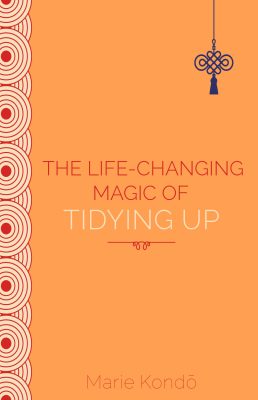
Reviews
“Ms. Kondo delivers her tidy manifesto like a kind of Zen nanny, both hortatory and animistic.”—The New York Times
“A literal how-to-heave-ho, and I recommend it for anyone who struggles with the material excess of living in a privileged society. (Thanks to Ms. Kondo, I kiss my old socks goodbye.) … To show you how serious my respect for Ms. Kondo is: if I ever get a tattoo, it will say, Spark Joy!”—Jamie Lee Curtis, Time
“This book lives up to its title: it will change your life.”—B.J. Novak, People
“This book is a cult. A totally reasonable, scary cult that works, doesn’t kill people (a bonus), but does drastically change your life. In this case — for the better.”—BuzzFeed
“The most organized woman in the world.”—PureWow
“The Japanese expert’s ode to decluttering is simple and easy to follow.”—Vogue
“Her voice … is by turns stern and enchanted, like a fairy godmother for socks.”—The Wall Street Journal
“Reading it, you glimpse a glittering mental freedom from the unread/uncrafted/unworn, buyer’s remorse, the nervous eyeing of real estate listings. Life’s overwhelm, conquered.”—The Atlantic
“All hail the new decluttering queen Marie Kondo, whose mess-busting bestseller has prompted a craze for tidying in homes across the world … one proper clear out is all you need for the rest of your life.”—Good Housekeeping (UK)
“How could this pocket-sized book, which has already sold over 2 million copies and sits firmly atop the New York Times Best Seller list, make such a big promise? Here’s the short answer: Because it’s legit… Kondo’s method really can change your life — if you let it.”—Today
“Kondo challenges you to ask yourself whether each object you have is achieving a purpose. Is it propelling you forward or holding you in the past?”—USA Today
“A brief and bracing practical guide to tidying up your home.”—Financial Times
“[It is] enough to salute Kondo for her recognition of something quietly profound: that mess is often about unhappiness, and that the right kind of tidying can be a kind of psychotherapy for the home as well as for the people in it … Its strength is its simplicity.”—The London Times
This book is a revolutionary guide to decluttering and organizing your home. It introduces the KonMari Method, a simple but effective approach to tidying that transforms your space and your life. The central theme revolves around the idea that decluttering your physical environment can lead to a more serene and joyful life. The unique selling point of the book is its holistic approach, which not only focuses on the physical act of tidying but also emphasizes the emotional and psychological impact of living in a clutter-free space. What sets this book apart is its blend of practical tips and the underlying philosophy that possessions should bring joy to your life.
This book is ideal for anyone feeling overwhelmed by clutter in their home or life. It speaks to individuals seeking a more organized, efficient, and serene living environment. The primary audience includes adults who struggle with managing their possessions, whether they are working professionals, stay-at-home parents, or retirees. The secondary audience encompasses minimalists and enthusiasts of self-improvement and lifestyle design. The book’s language is accessible and straightforward, making it easy for readers of all backgrounds to grasp and implement its concepts.
Imagine living in a space that only contains things that spark joy. Sounds impossible?
Marie Kondō’s The Life-Changing Magic of Tidying Up: The Japanese Art of Decluttering and Organizing challenges everything you know about tidying. Kondō’s radical approach suggests that our homes—and by extension, our lives—are cluttered with items that don’t make us happy. With a blend of practical advice and a touch of Japanese philosophy, Kondō presents the KonMari Method, which has revolutionized homes around the world. The method is deceptively simple yet incredibly powerful: keep only what sparks joy and discard the rest.
Marie Kondō begins by asking readers to reflect on their relationship with their belongings. She posits that our homes are not just storage spaces but environments that influence our mood and mindset. By tidying up, we can reset our lives. Kondō shares compelling anecdotes of clients who have transformed their lives by following her method, emphasizing that tidying is not just about physical space but also about mental clarity and emotional well-being.
The book takes readers through a step-by-step process of decluttering, starting with clothes and moving on to books, papers, miscellaneous items, and finally, sentimental items. Kondō’s unique folding technique for clothes, which she describes in detail, is one of the book’s highlights. This technique not only saves space but also makes it easier to see and appreciate all your belongings at a glance. The emphasis is always on joy—if an item doesn’t bring happiness, it has no place in your home.
The Life-Changing Magic of Tidying Up also dives into the psychology behind why we accumulate clutter. Kondō explores common reasons people hold onto things, such as guilt, fear of the future, and attachment to the past. She provides practical tips for overcoming these emotional barriers, empowering readers to let go of what no longer serves them. The result is a home that reflects who you are and what you love, rather than a chaotic collection of unused items.
Readers will learn how to identify what truly sparks joy, how to let go of items without guilt, and how to organize their homes in a way that enhances their lives. The KonMari Method is not just a cleaning strategy; it’s a lifestyle change that promises long-term results. Kondō’s philosophy extends beyond tidying; it’s about cultivating a mindset of gratitude and mindfulness. By appreciating what you have and letting go of excess, you can create a life that is both functional and beautiful.
The central message of The Life-Changing Magic of Tidying Up is that our possessions should bring us joy and support our ideal lifestyle. Marie Kondō uses the metaphor of a garden to illustrate this idea. Just as a gardener tends to plants, removing weeds and pruning branches to ensure healthy growth, we should curate our possessions, keeping only what nourishes our lives. This process of selection and organization leads to a more focused and joyful existence.
Kondō’s method challenges the conventional approach to tidying, which often involves incremental cleaning and organizing. Instead, she advocates for a dramatic, one-time event of tidying up, which she believes has a lasting impact on how we live. By focusing on joy, the KonMari Method helps individuals reconnect with their true desires and values, making their homes a reflection of their best selves.
The Life-Changing Magic of Tidying Up has made a significant impact on the field of home organization and self-help. Marie Kondō’s book has sold millions of copies worldwide and has been translated into numerous languages, reflecting its universal appeal. The KonMari Method has sparked a global movement, with countless individuals and families sharing their tidying journeys on social media and in community groups. The book’s success also led to a popular Netflix series, Tidying Up with Marie Kondō, further cementing Kondō’s influence.
One of the book’s controversial points is its stance on sentimental items. Kondō argues that keeping items out of guilt or obligation can weigh us down emotionally. This perspective has sparked debates about the balance between preserving memories and maintaining a clutter-free space. Despite this, many readers have found liberation in letting go of items that no longer serve them, often experiencing a profound sense of relief and clarity.
The book’s impact extends beyond individual homes. Businesses and organizations have adopted the KonMari Method to create more efficient and harmonious work environments. By applying Kondō’s principles, workplaces can foster a culture of mindfulness and intentionality, leading to improved productivity and employee satisfaction. The method’s emphasis on joy and simplicity resonates with contemporary values of minimalism and sustainability, making it a relevant and timely contribution to modern living.
Marie Kondō’s The Life-Changing Magic of Tidying Up offers a refreshing and impactful approach to decluttering and organizing. We find the KonMari Method both innovative and effective, providing practical steps that are easy to follow and implement. The focus on keeping items that spark joy transforms the act of tidying into a positive, emotionally fulfilling experience. This approach encourages a mindful relationship with our belongings and promotes a sense of gratitude and intentionality.
The book’s structure, which guides readers through tidying by category, is another strength. By breaking down the process into manageable steps, Kondō ensures that the daunting task of decluttering becomes achievable. Her detailed descriptions of folding techniques and storage solutions are both practical and visually appealing. These elements make the book not only a guide to tidying but also an inspiration for creating a home that reflects joy and order.
Marie Kondō’s engaging writing style and the use of personal anecdotes add a relatable and human touch to the book. Her conversational tone makes the complex task of organizing accessible to a broad audience. The holistic philosophy underlying the KonMari Method, which connects physical tidiness to mental and emotional well-being, provides readers with a deeper understanding of the benefits of a clutter-free environment.
However, we recognize that the book has its limitations. The cultural specificity of some of Kondō’s methods may not resonate with everyone. Additionally, the focus on a one-time dramatic tidying event might be overwhelming for some readers. The book could benefit from more guidance on maintaining tidiness and balancing minimalism with practicality. Despite these critiques, the strengths of the book far outweigh its weaknesses.
We highly recommend The Life-Changing Magic of Tidying Up to anyone looking to transform their living space and their mindset towards possessions. Marie Kondō’s method is simple yet profound, offering practical steps that lead to significant changes. Whether you are struggling with clutter or simply seeking a more joyful and organized home, this book provides valuable insights and techniques that can make a real difference.
For those interested in minimalism, mindfulness, and a more intentional lifestyle, The Life-Changing Magic of Tidying Up is a must-read. It not only offers a practical guide to tidying but also inspires a broader reflection on the role of material possessions in our lives. By applying the KonMari Method, readers can create a living space that truly supports their happiness and well-being.
At the heart of The Life-Changing Magic of Tidying Up by Marie Kondō is the transformative power of tidying. The book presents the KonMari Method, which is built on the principle of joy. This method goes beyond traditional tidying by focusing on keeping only those items that spark joy in the individual. The concept of sparking joy is central to the book, encouraging readers to evaluate each item in their home based on the happiness it brings.
Marie Kondō’s approach is revolutionary in its insistence on tidying by category, not by location. This means tackling all your clothes at once, then moving on to books, papers, miscellaneous items, and finally sentimental items. This categorical approach ensures that you confront the full extent of your belongings and make conscious decisions about each one. It’s a thorough, all-encompassing method that leads to a more organized and intentional living space.
The KonMari Method also emphasizes the importance of a one-time, dramatic tidying event rather than incremental tidying. Kondō believes that a complete and swift overhaul is necessary to achieve lasting results. This one-time event is designed to reset your life, changing your relationship with your belongings and setting you on a path to long-term tidiness. The process is both practical and philosophical, aiming to instill a new mindset towards possessions.
Another key element of the book is the detailed guidance on how to fold and store clothes. Marie Kondō introduces a unique folding technique that maximizes space and allows you to see all your clothes at once. This method transforms your drawers into a visual delight, making it easy to find and appreciate every item you own. It’s not just about saving space but about treating your belongings with respect and care.
Marie Kondō also addresses the emotional and psychological barriers to tidying. She explores why people hold onto items they don’t need, such as fear of the future or attachment to the past. By identifying and overcoming these barriers, readers can free themselves from the emotional weight of clutter. This aspect of the book highlights the deeper, emotional impact of tidying, suggesting that a tidy home leads to a clearer mind and a more joyful life.
Transforming a Cluttered Apartment:
One of the most compelling examples in the book is the story of a woman whose apartment was overflowing with clothes, books, and miscellaneous items. She felt overwhelmed and stuck in her life. By following the KonMari Method, she was able to systematically go through her possessions, keeping only those that sparked joy. The result was a dramatically transformed living space that was clean, organized, and serene. The woman reported feeling a renewed sense of clarity and motivation in her personal and professional life.
The Impact on a Family:
Marie Kondō shares the experience of a family of four who struggled with constant clutter and disorganization. Each family member had their own clutter zones, contributing to a chaotic household environment. By implementing the KonMari Method together, the family was able to create a more harmonious and organized home. Each member learned to appreciate their belongings and became more mindful of their possessions. This collective effort not only improved their living space but also strengthened their family bonds.
A Busy Professional’s Transformation:
Another notable example is a busy professional who felt overwhelmed by the clutter in her home office. Papers, books, and office supplies were scattered everywhere, making it difficult for her to focus and be productive. After applying the KonMari Method, she was able to clear out unnecessary items and create a functional, organized workspace. This not only improved her efficiency at work but also reduced her stress levels. She reported feeling more in control and confident in her professional life.
Rediscovering Joy Through Tidying:
Marie Kondō tells the story of a retiree who had accumulated decades’ worth of belongings. His house was filled with items that no longer served a purpose, yet he found it hard to let go. Through the KonMari Method, he was able to systematically evaluate his possessions and keep only those that sparked joy. The process allowed him to rediscover items he had forgotten and find joy in them once again. This experience brought a new sense of purpose and happiness to his retirement years.
Innovative Approach to Tidying:
Marie Kondō introduces a novel and refreshing perspective on decluttering that goes beyond the conventional methods. Her emphasis on joy as the primary criterion for keeping or discarding items is both unique and intuitive. This approach not only makes the process more enjoyable but also shifts the focus from obligation to personal happiness. The KonMari Method encourages readers to reflect on their relationships with their belongings, promoting mindfulness and intentionality in daily life.
Practical and Actionable Advice:
The book provides clear, step-by-step instructions that are easy to follow and implement. Kondō’s detailed guidance on tidying by category, folding clothes, and storing items is practical and accessible. The inclusion of specific techniques, such as her unique folding method, offers readers tangible skills they can immediately apply. This practical applicability ensures that readers can see immediate results, reinforcing the book’s effectiveness.
Engaging Writing Style:
Marie Kondō’s writing is engaging and approachable, making complex ideas easy to understand. She uses a conversational tone that draws readers in and makes them feel as if they are receiving personal advice from a trusted friend. Her anecdotes and real-life examples add depth and relatability to the content, making the book enjoyable to read. The straightforward language and clear explanations ensure that the book is accessible to a wide audience.
Holistic Philosophy:
The KonMari Method is not just about tidying up physical spaces but also about fostering a positive and joyful mindset. Kondō’s holistic approach addresses the emotional and psychological aspects of clutter, helping readers to overcome the underlying reasons for their disorganization. This comprehensive perspective makes the book more than just a cleaning guide; it’s a lifestyle philosophy that promotes overall well-being.
Broad Appeal and Relevance:
The principles outlined in The Life-Changing Magic of Tidying Up are universally applicable, making the book relevant to people of all ages, backgrounds, and living situations. Whether you live in a small apartment or a large house, the KonMari Method can be adapted to fit your needs. The book’s focus on joy and simplicity resonates with contemporary values of minimalism and sustainability, broadening its appeal.
Emphasis on Mindfulness and Gratitude:
Marie Kondō’s emphasis on mindfulness and gratitude sets her method apart from other organizing systems. By encouraging readers to thank their items before discarding them, she fosters a deeper appreciation for what they own. This practice promotes a more mindful approach to consumption and helps readers develop a healthier relationship with their possessions. It also adds a positive emotional component to the tidying process, making it more meaningful and fulfilling.
Innovative Approach to Tidying:
Marie Kondō introduces a novel and refreshing perspective on decluttering that goes beyond the conventional methods. Her emphasis on joy as the primary criterion for keeping or discarding items is both unique and intuitive. This approach not only makes the process more enjoyable but also shifts the focus from obligation to personal happiness. The KonMari Method encourages readers to reflect on their relationships with their belongings, promoting mindfulness and intentionality in daily life.
Practical and Actionable Advice:
The book provides clear, step-by-step instructions that are easy to follow and implement. Kondō’s detailed guidance on tidying by category, folding clothes, and storing items is practical and accessible. The inclusion of specific techniques, such as her unique folding method, offers readers tangible skills they can immediately apply. This practical applicability ensures that readers can see immediate results, reinforcing the book’s effectiveness.
Engaging Writing Style:
Marie Kondō’s writing is engaging and approachable, making complex ideas easy to understand. She uses a conversational tone that draws readers in and makes them feel as if they are receiving personal advice from a trusted friend. Her anecdotes and real-life examples add depth and relatability to the content, making the book enjoyable to read. The straightforward language and clear explanations ensure that the book is accessible to a wide audience.
Holistic Philosophy:
The KonMari Method is not just about tidying up physical spaces but also about fostering a positive and joyful mindset. Kondō’s holistic approach addresses the emotional and psychological aspects of clutter, helping readers to overcome the underlying reasons for their disorganization. This comprehensive perspective makes the book more than just a cleaning guide; it’s a lifestyle philosophy that promotes overall well-being.
Broad Appeal and Relevance:
The principles outlined in The Life-Changing Magic of Tidying Up are universally applicable, making the book relevant to people of all ages, backgrounds, and living situations. Whether you live in a small apartment or a large house, the KonMari Method can be adapted to fit your needs. The book’s focus on joy and simplicity resonates with contemporary values of minimalism and sustainability, broadening its appeal.
Emphasis on Mindfulness and Gratitude:
Marie Kondō’s emphasis on mindfulness and gratitude sets her method apart from other organizing systems. By encouraging readers to thank their items before discarding them, she fosters a deeper appreciation for what they own. This practice promotes a more mindful approach to consumption and helps readers develop a healthier relationship with their possessions. It also adds a positive emotional component to the tidying process, making it more meaningful and fulfilling.
Cultural Specificity:
Some aspects of the KonMari Method may not translate well across different cultures. Marie Kondō’s approach is deeply rooted in Japanese culture, which places a high value on minimalism and simplicity. In cultures where material abundance and large homes are more common, the emphasis on radical decluttering and minimalism might feel less relevant or more challenging to implement. This cultural specificity can limit the method’s applicability in diverse contexts.
Limited Scope of Examples:
While the book includes numerous anecdotes and examples, they primarily focus on individual clients and their personal homes. There is a lack of diversity in the types of spaces and situations addressed. For instance, the book could benefit from more examples related to tidying shared living spaces, offices, or public areas. Expanding the range of scenarios would provide a more comprehensive understanding of how the KonMari Method can be applied in different contexts.
Potential for Misinterpretation:
The principle of keeping only items that spark joy can be somewhat subjective and open to misinterpretation. Readers might struggle with understanding what constitutes joy and how to apply this criterion consistently. Additionally, some people might misinterpret this advice as an excuse to keep items that are not essential or practical, simply because they have a sentimental attachment to them. More guidance on balancing joy with practicality would enhance the book’s effectiveness.
Over-Simplification of Emotional Complexity:
While Marie Kondō addresses the emotional aspects of tidying, some readers might find her approach overly simplistic. The suggestion to thank items before discarding them, while well-intentioned, might not be sufficient for individuals dealing with deeper emotional or psychological issues related to their possessions. The book could benefit from a more nuanced exploration of these emotional complexities and additional strategies for addressing them.
The Emotional Weight of Letting Go:
One of the potential blind spots in The Life-Changing Magic of Tidying Up is the oversimplification of the emotional difficulty associated with letting go of possessions. While Marie Kondō acknowledges the sentimental value of items, her method might not fully address the deep emotional and psychological struggles that some individuals face. For instance, people dealing with grief, trauma, or depression may find it extremely challenging to part with items that carry emotional weight. Books like Buried in Treasures by David Tolin, Randy Frost, and Gail Steketee offer a more in-depth look at the psychological aspects of clutter and hoarding, providing a complementary perspective that can help readers better understand and navigate their emotional responses to decluttering.
Minimalism vs. Practicality:
Another blind spot is the potential conflict between minimalism and practicality. Marie Kondō’s method emphasizes keeping only items that spark joy, which can sometimes overlook the practical needs of daily life. For instance, essential items that don’t necessarily spark joy but are needed for everyday functions, such as kitchen utensils or cleaning supplies, might be undervalued. Books like The Minimalist Home by Joshua Becker focus on achieving a balance between minimalism and practicality, ensuring that the home remains functional while also being clutter-free. This perspective can help readers find a middle ground that accommodates both joy and utility.
Cultural and Socioeconomic Considerations:
The KonMari Method, with its roots in Japanese culture, may not fully account for the cultural and socioeconomic diversity of its global audience. In cultures where material abundance is less common or where homes are smaller, the method’s emphasis on reducing possessions might be more easily embraced. However, in cultures with larger homes and a greater emphasis on material success, this approach might seem less practical or appealing. Goodbye, Things by Fumio Sasaki provides additional insights into minimalism from a Japanese perspective, while The More of Less by Joshua Becker explores minimalism in a Western context, addressing cultural differences and offering strategies that can be adapted to various lifestyles and cultural backgrounds.
Sustainability and Environmental Impact:
While Marie Kondō’s method encourages decluttering, it does not deeply address the environmental impact of discarding items. Rapid disposal of unwanted items can contribute to waste and environmental degradation. A more sustainable approach would involve considering the lifecycle of items, including recycling, repurposing, or donating them responsibly. Books like Sustainable Home by Christine Liu and Zero Waste Home by Bea Johnson delve into the environmental aspects of decluttering and provide strategies for minimizing waste, promoting a more eco-friendly approach to tidying that complements the KonMari Method.
Maintenance of Tidying Gains:
The book emphasizes a one-time dramatic tidying event, but it offers less guidance on maintaining these gains over the long term. For some readers, the challenge lies not in achieving a tidy home but in sustaining it amidst the demands of daily life. Marie Kondō briefly touches on the importance of developing habits to maintain tidiness, but more comprehensive strategies and tips could be beneficial. Atomic Habits by James Clear provides an in-depth look at how small, incremental changes can lead to long-lasting habits, offering practical advice that can help readers maintain the tidiness achieved through the KonMari Method.
Individual Differences in Tidying Needs:
Another overlooked aspect is the variation in individual needs and lifestyles. The KonMari Method presents a one-size-fits-all approach that may not suit everyone. For example, families with young children, individuals with disabilities, or those with highly demanding jobs might find it challenging to implement the method as prescribed. Books like Organizing Solutions for People with ADHD by Susan Pinsky offer tailored strategies for different needs, ensuring that tidying solutions are accessible and effective for a wider range of individuals. Integrating these diverse approaches can help readers customize the KonMari Method to better fit their unique circumstances and challenges.
Goodbye, Things by Fumio Sasaki:
Goodbye, Things by Fumio Sasaki shares a similar minimalist philosophy with The Life-Changing Magic of Tidying Up. Both books advocate for reducing possessions to create a more fulfilling life. However, Sasaki’s approach is more extreme, as he shares his journey from living with an overwhelming amount of belongings to adopting a minimalist lifestyle with very few items. While Marie Kondō emphasizes joy in keeping possessions, Sasaki focuses on the liberation and clarity that come from owning as little as possible. Sasaki’s personal transformation and the practical tips he offers provide a compelling contrast to Kondō’s more balanced approach.
The Minimalist Home by Joshua Becker:
The Minimalist Home by Joshua Becker complements Marie Kondō’s book by emphasizing minimalism as a lifestyle choice that extends beyond tidying. Becker’s approach is holistic, addressing the entire home environment and focusing on how minimalism can enhance family life, productivity, and overall well-being. Unlike Kondō’s categorical tidying method, Becker offers room-by-room advice, which might be more practical for some readers. Both books share the goal of creating a more intentional and joyful living space, but Becker’s perspective is more pragmatic and broad, encompassing a wider range of minimalism’s benefits.
Atomic Habits by James Clear:
While Atomic Habits by James Clear is not solely focused on tidying, it offers valuable insights into habit formation that can enhance the effectiveness of the KonMari Method. Clear’s book provides a detailed analysis of how small, incremental changes can lead to significant improvements over time. This complements Marie Kondō’s method by offering strategies to maintain the tidiness achieved through a one-time dramatic event. Clear’s emphasis on habit formation and behavioral change provides a useful framework for sustaining the organizational gains from The Life-Changing Magic of Tidying Up, bridging a gap in Kondō’s approach.
Buried in Treasures by David Tolin, Randy Frost, and Gail Steketee:
Buried in Treasures offers a clinical perspective on clutter and hoarding, contrasting with the more lifestyle-focused approach of Marie Kondō. This book provides an in-depth look at the psychological and behavioral aspects of hoarding, offering strategies for individuals who struggle with severe clutter issues. While Kondō’s method is accessible and intuitive, Buried in Treasures presents evidence-based techniques and therapeutic interventions for those with deeper psychological barriers to decluttering. This comparison highlights the importance of understanding the diverse needs of individuals facing clutter and the value of integrating psychological insights into tidying strategies.
Visualize Your Ideal Lifestyle
Tidy by Category, Not Location
Implement Effective Storage Solutions
Develop a Routine for Maintaining Tidiness
Address Emotional Barriers
Apply the KonMari Method in Professional Settings
Cultivate Mindfulness and Gratitude
Creating a Joyful Workspace
Marie Kondō’s principle of keeping only items that spark joy can be translated into the business environment to create a more positive and productive workspace. By evaluating office items, furniture, and even digital tools based on their contribution to employee well-being and productivity, businesses can foster a more engaging and motivating atmosphere. Implementing the KonMari Method can help employees feel more connected to their workspace, increasing job satisfaction and efficiency.
Implementing this strategy in a business setting may face resistance from employees who are accustomed to their current environment and hesitant to change. Some may find it difficult to part with items they feel are necessary, even if they do not contribute to a joyful or productive workspace. Additionally, the process may be time-consuming, disrupting regular business operations.
To overcome these challenges, businesses can start with a pilot program in one department to demonstrate the benefits of a joyful workspace. Involve employees in the decision-making process to ensure their concerns are addressed and provide clear guidelines on how to evaluate items based on their contribution to joy and productivity. Offering workshops or training sessions on the KonMari Method can help employees understand and embrace the new approach.
Streamlining Processes by Category
Applying Kondō’s principle of organizing by category rather than by location can streamline business processes and improve efficiency. This involves categorizing tasks, documents, and digital files into specific groups, allowing for a more systematic and thorough organization. For example, categorizing all client-related documents together, regardless of their physical or digital location, can make it easier to find and manage information.
A potential challenge in implementing this approach is the initial disruption it may cause. Employees may be used to organizing their tasks and documents by project or department, and reorganizing by category can be confusing and time-consuming. There may also be resistance to changing long-established workflows and filing systems.
To address these obstacles, businesses should provide a clear rationale for the change and how it will benefit overall efficiency and productivity. Gradually phase in the new system to allow employees to adjust, starting with one category at a time. Providing training and support during the transition period can help employees adapt to the new method, and regular feedback sessions can identify and address any issues that arise.
Decluttering Digital Spaces
Just as physical spaces can become cluttered, so too can digital environments. Applying the KonMari Method to digital files, emails, and software can help businesses maintain a more organized and efficient digital workspace. By regularly reviewing and organizing digital assets, businesses can ensure that only necessary and useful information is retained, improving overall digital hygiene and reducing clutter.
One of the main challenges in decluttering digital spaces is the sheer volume of data that businesses accumulate. Sorting through digital files and emails can be overwhelming, and employees may struggle to determine what is truly necessary. There is also the risk of accidentally deleting important information, which can have serious consequences.
To overcome these challenges, businesses can implement a structured digital decluttering plan. Start with clear guidelines on what constitutes necessary and useful information, and provide tools or software to help automate the process. Regularly scheduled digital decluttering sessions can prevent the buildup of digital clutter, and backup systems can ensure that important information is not lost during the process.
Fostering a Culture of Mindfulness and Gratitude
Integrating the principles of mindfulness and gratitude from the KonMari Method into the workplace can enhance employee morale and productivity. Encouraging employees to practice gratitude for their tools, colleagues, and work environment can create a more positive and cohesive workplace culture. This practice can also help employees develop a more mindful approach to their work, leading to increased focus and satisfaction.
Implementing a culture of mindfulness and gratitude may face skepticism from employees who view these practices as irrelevant or superficial. There may also be resistance from management if they do not see the immediate value in these practices. Additionally, without proper guidance, these initiatives may not be effectively integrated into daily business operations.
To address these challenges, businesses can start by incorporating mindfulness and gratitude practices into regular meetings or team-building activities. Leadership should model these behaviors to demonstrate their importance and value. Providing resources, such as mindfulness workshops or gratitude journals, can help employees understand and adopt these practices. Regularly measuring the impact of these initiatives on employee morale and productivity can also help justify their continued implementation.
Developing Efficient Storage Solutions
Implementing efficient storage solutions based on the KonMari Method can optimize the use of space in a business environment. This involves evaluating and organizing storage needs systematically, ensuring that every item has a designated place and is stored in a way that maximizes space and accessibility. Efficient storage solutions can reduce time spent searching for items and improve overall organizational efficiency.
A potential obstacle in developing efficient storage solutions is the cost and effort involved in reorganizing existing storage systems. Employees may also be resistant to changing how they store and access items, especially if they have been using their current systems for a long time. There may also be physical space constraints that limit the effectiveness of new storage solutions.
To overcome these challenges, businesses can conduct a thorough assessment of their storage needs and current systems before implementing changes. Involve employees in the planning process to ensure that the new solutions meet their needs and preferences. Gradually phase in the new storage systems to minimize disruption and provide training on how to use them effectively. Investing in high-quality storage solutions that are versatile and adaptable can also help maximize the benefits of the new system.
Overcoming Emotional Barriers to Change
Applying the KonMari Method in a business context requires addressing the emotional barriers that employees may have towards change. This involves understanding the reasons behind resistance and providing support to help employees overcome these barriers. By creating a supportive environment that encourages open communication and empathy, businesses can facilitate a smoother transition to new organizational methods.
One of the main challenges in overcoming emotional barriers is the deeply ingrained habits and attachments that employees may have to their current ways of working. Change can be stressful, and employees may fear that new methods will be less effective or more demanding. There may also be a lack of trust in the process if employees do not fully understand the benefits.
To address these challenges, businesses can provide clear and consistent communication about the reasons for change and the benefits it will bring. Offer support through training sessions, one-on-one meetings, and feedback opportunities to help employees feel heard and understood. Encourage a culture of experimentation and flexibility, allowing employees to adapt the new methods in ways that work best for them. Recognizing and celebrating small successes along the way can also help build momentum and trust in the process.
Marie Kondō’s principles align perfectly with the growing trend towards minimalism and simplification. As people become increasingly overwhelmed by material excess and fast-paced lifestyles, minimalism offers a path to greater clarity and peace. The KonMari Method encourages keeping only items that bring joy, which resonates with the minimalist ethos of living with less but better. This trend is likely to continue as more individuals seek to reduce stress and find balance in their lives.
Sustainability is a critical focus today, and the KonMari Method supports this by encouraging mindful consumption. By advocating for keeping only what sparks joy, Kondō implicitly promotes reducing waste and valuing quality over quantity. This approach can lead to more sustainable purchasing habits, as individuals become more selective about what they bring into their homes. As environmental concerns continue to rise, the emphasis on sustainability will make Kondō’s ideas even more relevant.
The connection between a tidy environment and mental well-being is increasingly recognized. Marie Kondō’s approach highlights how decluttering can lead to reduced stress and improved mental clarity. This fits into the broader trend of prioritizing mental health and self-care. As more people seek ways to improve their mental well-being, the KonMari Method offers practical steps to create a more serene and supportive living space.
With the rise of remote work, maintaining an organized home environment has become more important than ever. The principles in The Life-Changing Magic of Tidying Up provide valuable guidance for creating a productive and clutter-free home office. As remote work continues to be a significant aspect of the modern workforce, the relevance of Kondō’s method in helping individuals optimize their home workspaces will likely increase.
The concept of decluttering is extending into the digital realm. As people accumulate vast amounts of digital data, the need for digital organization becomes clear. Kondō’s principles can be applied to digital files, emails, and even social media, encouraging individuals to keep only what sparks joy in their digital lives. As technology continues to advance and digital clutter grows, the importance of digital decluttering will become more prominent, making Kondō’s approach highly relevant.
The Life-Changing Magic of Tidying Up, published in 2010, remains highly relevant today. Its continued popularity and the global impact of the KonMari Method suggest that the book has touched a universal nerve. The principles of joy, mindfulness, and intentional living resonate with contemporary values of minimalism and sustainability, making the book a timeless guide for creating a more meaningful and clutter-free life. As environmental concerns and the minimalist movement gain momentum, Kondō’s philosophy will likely continue to influence future generations.
The broader societal impact of The Life-Changing Magic of Tidying Up extends beyond individual homes. The book has inspired a cultural shift towards valuing experiences over possessions and embracing simplicity. This shift is evident in various aspects of society, from the rise of tiny homes and minimalistic interior design to the growing popularity of zero-waste lifestyles. Marie Kondō’s influence has also permeated corporate environments, with businesses adopting her principles to create more organized and efficient workspaces.
Looking ahead, the principles outlined in The Life-Changing Magic of Tidying Up are likely to continue shaping how people approach their living and working environments. The emphasis on mindfulness and intentionality aligns with broader trends in wellness and mental health, suggesting that the KonMari Method will remain a relevant and valuable tool for achieving a balanced and joyful life. As technology continues to advance and the pace of life accelerates, the need for clear, organized, and serene spaces will become even more critical, ensuring the enduring relevance of Marie Kondō’s insights.
Marie Kondō’s approach may also inspire further innovation in related fields, such as interior design, organizational psychology, and environmental sustainability. By integrating her principles with emerging trends and technologies, new methods and tools could be developed to help people manage their possessions and spaces more effectively. This potential for ongoing influence underscores the lasting significance of The Life-Changing Magic of Tidying Up in promoting a more intentional and joyful way of living.
Goodbye, Things by Fumio Sasaki
Goodbye, Things by Fumio Sasaki offers a deeper dive into minimalism from a Japanese perspective. Sasaki shares his personal journey from living with excess to finding freedom in minimalism. This book complements Marie Kondō’s ideas by presenting a more extreme approach to letting go of possessions and focusing on the emotional and psychological benefits of living with less.
The Minimalist Home by Joshua Becker
Joshua Becker’s The Minimalist Home provides practical advice for adopting a minimalist lifestyle throughout your entire house. Becker offers room-by-room strategies, making it easy for readers to apply minimalism incrementally. His focus on the broader benefits of minimalism, such as increased family time and reduced stress, aligns well with the holistic approach presented in The Life-Changing Magic of Tidying Up.
Atomic Habits by James Clear
Atomic Habits by James Clear explores how small changes can lead to significant improvements in our lives. This book is a valuable complement to Marie Kondō’s method by offering strategies to maintain the organization achieved through tidying. Clear’s insights into habit formation provide practical tools for sustaining a clutter-free environment, making integrating the KonMari Method into daily routines easier.
Sustainable Home by Christine Liu
Christine Liu’s Sustainable Home offers insights into creating an eco-friendly and sustainable living space. This book complements Kondō’s principles by emphasizing the environmental benefits of mindful consumption and reducing waste. Liu provides practical tips for making sustainable choices in everyday life, aligning with the minimalist and mindful approach advocated by Marie Kondō.
The More of Less by Joshua Becker
The More of Less by Joshua Becker encourages readers to discover the life-giving benefits of owning less. Becker’s emphasis on finding more meaning and joy through minimalism echoes the core messages of the KonMari Method. This book offers a broader perspective on how minimalism can enhance various aspects of life, from relationships to personal fulfillment, making it a perfect companion to The Life-Changing Magic of Tidying Up.
Essentialism by Greg McKeown
Essentialism by Greg McKeown focuses on the disciplined pursuit of less but better. McKeown’s approach to cutting out the non-essential and focusing on what truly matters complements Marie Kondō’s emphasis on joy and intentionality. This book provides a framework for applying minimalist principles to all areas of life, including work and personal development, enhancing the insights gained from the KonMari Method.
Buried in Treasures by David Tolin, Randy Frost, and Gail Steketee
Buried in Treasures offers a clinical perspective on clutter and hoarding, providing evidence-based techniques for overcoming these challenges. This book complements The Life-Changing Magic of Tidying Up by addressing the psychological barriers to decluttering and offering therapeutic strategies. For readers who struggle with more severe clutter issues, Buried in Treasures provides valuable tools and insights to help them on their journey.
Zero Waste Home by Bea Johnson
Bea Johnson’s Zero Waste Home outlines practical steps for reducing household waste and living a more sustainable lifestyle. Johnson’s focus on reducing, reusing, and recycling complements Kondō’s principles by promoting a mindful approach to consumption. This book provides actionable strategies for minimizing waste and creating an eco-friendly home, aligning well with the sustainable aspects of the KonMari Method.
KonMari Official Website
The KonMari Official Website (konmari.com) is the ultimate resource for anyone looking to deepen their understanding of Marie Kondō’s method. It offers a wealth of information, including blog posts, tips, and success stories from people who have transformed their lives using the KonMari Method. The site also features a shop for organizational tools and access to certified KonMari consultants who can provide personalized guidance.
The Minimalists
The Minimalists (theminimalists.com) is a popular website and blog run by Joshua Fields Millburn and Ryan Nicodemus. They share insights and advice on living a minimalist lifestyle, focusing on decluttering and simplifying various aspects of life. Their resources include essays, podcasts, and a documentary, all aimed at helping people find more meaning and happiness with less.
Becoming Minimalist
Becoming Minimalist (becomingminimalist.com) is a website created by Joshua Becker that offers practical tips and inspiration for adopting a minimalist lifestyle. The site features articles, courses, and resources that align with the principles discussed in The Life-Changing Magic of Tidying Up. It is an excellent resource for anyone looking to explore minimalism further.
The Minimalists Podcast
Hosted by Joshua Fields Millburn and Ryan Nicodemus, The Minimalists Podcast explores various aspects of minimalism, including decluttering, financial independence, and simple living. Each episode features discussions and interviews that provide practical advice and inspiration for those seeking a more intentional life. The podcast complements Marie Kondō’s teachings by offering broader insights into minimalism.
Spark Joy Podcast
Spark Joy Podcast is a dedicated podcast about the KonMari Method, hosted by certified KonMari consultants. The podcast features interviews with experts and clients, sharing stories and tips on how to successfully implement Marie Kondō’s principles. It’s a valuable resource for anyone looking to deepen their understanding of the method and stay motivated on their tidying journey.
Minimalism Conferences
Minimalism conferences, such as the SimpleREV conference, bring together enthusiasts and experts to discuss and share insights on minimalist living. These events often feature speakers like Joshua Becker and other leaders in the minimalist movement. Attending such conferences can provide new perspectives and practical tips that align with the principles in The Life-Changing Magic of Tidying Up.
National Association of Productivity & Organizing Professionals (NAPO)
NAPO (napo.net) is a professional organization for productivity and organizing professionals. It offers resources, training, and networking opportunities for those interested in professional organizing. Members can access educational materials and certifications that deepen their knowledge of effective organizing techniques, complementing the KonMari Method.
Courses
KonMari Consultant Certification Course
For those deeply interested in mastering the KonMari Method, the KonMari Consultant Certification Course offers comprehensive training. The course includes workshops, practical sessions, and mentorship from certified consultants, equipping participants with the skills to become professional organizers using Marie Kondō’s principles.
Minimalism: A Documentary About the Important Things
Minimalism: A Documentary About the Important Things explores the lives of minimalists from various walks of life. Featuring interviews with Joshua Fields Millburn, Ryan Nicodemus, and other minimalism advocates, the film delves into the benefits of living with less. It provides a visual and narrative complement to the ideas presented in The Life-Changing Magic of Tidying Up.
Tidying Up with Marie Kondō
Tidying Up with Marie Kondō is a Netflix series that brings the KonMari Method to life. Each episode features Marie Kondō working with different families to help them declutter and organize their homes. The series provides practical demonstrations of her techniques and showcases the transformative impact of her method on people’s lives.