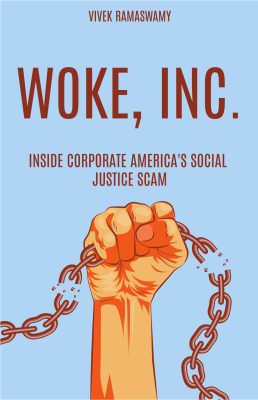
Reviews
“A provocative critique, wrapped in a gripping personal story that pulls you in from page one. Vivek Ramaswamy is breakthrough brilliant and arrestingly original. Woke, Inc. is essential reading for anyone who cares about America’s democracy, economy, and future.”―Amy Chua, Yale Law professor and author of Battle Hymn of the Tiger Mother and Political Tribes: Group Instinct and the Fate of Nations
“Vivek Ramaswamy provides the single most informative and insightful analysis yet of woke ideology…Woke, Inc. is indispensable for understanding how America’s newest and most consequential cultural dogma is fundamentally transforming virtually every sector of our lives.”―Glenn Greenwald, journalist, constitutional lawyer, and author of four New York Times bestselling books
In Woke, Inc., Vivek speaks the truth without fear: woke identity politics is dividing and weakening America at every level. He urges us to lift up all Americans, rather than to pit ourselves against each other. His combination of honesty, intellect, and foresight are exactly what we need to overcome our challenges in the years ahead. ―Ambassador Nikki Haley
“A provocative, compelling, and highly readable look at the uneasy relationship between business and politics. I may not agree with all of Vivek’s answers, but every thinking American needs to come to grips with the questions he poses.”―N. Gregory Mankiw, professor, Department of Economics at Harvard University
“In a world where many fear to say what they think, Vivek courageously attacks the hypocrisy of corporations and their managements…his speaking truth to power will elevate this important discussion and advance our understanding of the heretofore not-to-be-discussed risks of stakeholder capitalism. I strongly recommend you give this book a careful read.”―Bill Ackman, Founder and CEO of Pershing Square Capital Management
“Many CEOs bend the knee to the woke because they benefit from it, but Vivek Ramaswamy shows us what true courage requires. Scathing yet inspiring, Woke, Inc. is an important book for our time.”―Ayaan Hirsi Ali, Research Fellow, Hoover Institution and Founder, AHA Foundation
“In this engaging, brilliant book, Vivek Ramaswamy hits the nail on the head: companies go woke because they get richer from division rather than unity. This book is an essential weapon in the battle to reclaim America’s soul.”―JD Vance, author of Hillbilly Elegy and venture capitalist
“Vivek Ramaswamy…offers a path back toward a more free and prosperous society.”―Arthur C. Brooks, professor, Harvard Kennedy School and Harvard Business School, and New York Times bestselling author
In this eye-opening book, the author critiques the trend of corporations adopting social justice rhetoric and policies. He argues that many companies use social justice as a marketing tool, often at the expense of genuine social progress. The book explores how these practices can create a façade of morality while potentially causing harm. The author provides a unique perspective by combining his experience in the business world with a critical analysis of modern corporate practices. This book stands out for its candid and thought-provoking take on the intersection of business and social issues.
This book is ideal for business professionals, entrepreneurs, and corporate leaders interested in the ethics and practices of modern corporations. It’s also valuable for students and academics in business and social sciences who seek a critical perspective on corporate America. The language is accessible, making it suitable for a general audience interested in understanding the deeper implications of social justice movements within the corporate sphere.
Is corporate America genuinely interested in social justice, or is it just a smokescreen to mask their self-serving agendas? This provocative question lies at the heart of Woke, Inc.: Inside Corporate America’s Social Justice Scam by Vivek Ramaswamy. The author takes readers on a compelling journey through boardrooms and corporate strategies, unveiling the paradoxical relationship between capitalism and social justice. He argues that many corporations champion social causes not out of genuine concern but as a strategic maneuver to enhance their brand image and market share.
Ramaswamy begins by highlighting how corporations have increasingly adopted social justice rhetoric to appeal to a socially conscious customer base. He provides a stark example of companies that publicly support movements like Black Lives Matter while continuing to engage in practices that undermine these very causes. The author questions the sincerity of these actions and suggests that such corporate behavior is more about profit than principle. This contradiction sets the stage for a deeper exploration of how corporate America exploits social justice for financial gain.
The book meticulously dissects the mechanisms by which companies co-opt social justice language to deflect criticism and avoid accountability. Ramaswamy illustrates this with case studies of major corporations that have faced scandals but managed to maintain public favor by aligning themselves with popular social movements. He argues that this trend is not just harmless hypocrisy but has serious implications for society. By prioritizing superficial gestures over substantive change, corporations perpetuate the very injustices they claim to oppose.
Readers will learn how to critically evaluate corporate social responsibility claims and distinguish between genuine efforts and performative acts. Ramaswamy provides a roadmap for understanding the complex interplay between business practices and social justice, encouraging readers to look beyond the surface. He also explores the broader economic and political ramifications of this trend, suggesting that it could ultimately undermine trust in both corporate and social institutions.
In essence, Woke, Inc. serves as a wake-up call, urging readers to question the true motives behind corporate social justice initiatives. Ramaswamy does not merely critique the current state of affairs but also offers a vision for a more ethical and transparent business environment. By exposing the gap between corporate rhetoric and reality, the book challenges readers to demand more from the companies they support and to recognize the power of genuine activism.
The central message of Woke, Inc. is that many corporate social justice initiatives are driven by self-interest rather than genuine concern for societal issues. Ramaswamy uses the metaphor of a Trojan horse to illustrate how corporations use social justice as a strategic tool to gain public trust and market advantage. This metaphor powerfully conveys the idea that beneath the surface of noble intentions lies a calculated effort to manipulate public perception and safeguard profits.
Woke, Inc. has sparked significant debate and controversy, challenging the prevailing narrative around corporate social responsibility. Its bold critique has resonated with readers who feel disillusioned by the performative nature of corporate activism. The book has garnered praise for its insightful analysis and has been featured in various media outlets, amplifying its impact.
Ramaswamy’s work contributes to the field by providing a critical lens through which to view corporate behavior. By exposing the gap between rhetoric and reality, Woke, Inc. calls for greater transparency and accountability in business practices. The book’s controversial stance has not only sparked conversations but has also influenced how stakeholders—consumers, investors, and policymakers—approach corporate social responsibility.
Woke, Inc. offers a thought-provoking examination of the motives behind corporate social justice initiatives. Ramaswamy’s compelling examples and clear arguments challenge readers to reconsider their perceptions of corporate activism. The book’s significance lies in its ability to provoke critical thought and inspire a demand for genuine ethical practices in the business world.
Woke, Inc.: Inside Corporate America’s Social Justice Scam by Vivek Ramaswamy presents a compelling and controversial critique of modern corporate practices. We find that Ramaswamy’s insights into the performative nature of corporate social justice initiatives are both timely and thought-provoking. His arguments are well-supported with extensive research and detailed case studies, making a strong case for the need to critically evaluate the motives behind corporate social justice efforts. By highlighting the gap between corporate rhetoric and reality, the book challenges readers to rethink their perceptions of corporate ethics and social responsibility.
One of the book’s strengths is its clear and engaging writing style. Ramaswamy’s ability to distill complex topics into accessible and understandable arguments makes the book suitable for a wide audience, from business professionals to general readers interested in corporate ethics. The practical applicability of the book’s insights, encouraging readers to critically assess corporate claims and support genuine efforts, adds significant value to the narrative. Moreover, the book’s engaging anecdotes and real-world examples ensure that readers remain interested throughout.
However, we also recognize some limitations. The book’s lack of diverse perspectives and its primarily negative portrayal of corporate social justice efforts may lead to an overly cynical view of corporate practices. Additionally, the potential bias introduced by Ramaswamy’s background as a former CEO and entrepreneur could detract from the objectivity of the analysis. While the book offers a critical look at the flaws in current corporate social justice practices, it falls short in providing comprehensive solutions and may benefit from a more balanced approach.
Despite these weaknesses, Woke, Inc. makes a significant contribution to the discourse on corporate social responsibility. Its critical perspective fills a gap in the literature, prompting necessary conversations about the authenticity and impact of corporate social initiatives. By exposing the performative aspects of these efforts, the book encourages greater transparency and accountability in business practices. This can lead to more meaningful and sustainable social contributions from corporations in the future.
Our Recommendation
We recommend Woke, Inc. to anyone interested in corporate ethics, social responsibility, and the intersection of business and social justice. The book offers valuable insights that challenge conventional views and prompt readers to critically evaluate the motives behind corporate social initiatives. Business professionals, policymakers, and socially conscious consumers will particularly benefit from the book’s thorough analysis and practical recommendations.
For those seeking a balanced view of corporate social responsibility, it may be helpful to complement this book with other works that offer diverse perspectives and solutions. Nevertheless, Woke, Inc. is a must-read for understanding the complexities and potential pitfalls of corporate social justice practices. It serves as a wake-up call to demand more genuine and transparent efforts from companies, ultimately contributing to a more ethical and accountable corporate landscape.
Woke, Inc. by Vivek Ramaswamy centers around the theme that corporate social justice initiatives are often more about public relations and profit than genuine commitment to social causes. One of the key topics explored in the book is the commodification of social justice. Ramaswamy argues that companies adopt social justice language and initiatives as a strategy to enhance their brand image and attract socially conscious consumers. This commodification turns social issues into marketing tools, which can dilute the effectiveness of genuine activism and perpetuate superficial changes instead of substantive ones.
Another critical topic is the manipulation of public perception. Corporations, according to Ramaswamy, use social justice as a shield to protect themselves from criticism and regulatory scrutiny. By aligning themselves with popular social movements, companies can create a facade of moral responsibility while continuing practices that may be ethically questionable. This manipulation not only misleads the public but also shifts attention away from the real issues, allowing corporations to operate without meaningful accountability.
Ramaswamy also delves into the concept of “woke capitalism,” where businesses exploit social justice for financial gain. This concept highlights the paradox where companies, while appearing to champion social causes, often engage in practices that contradict their public stance. The book argues that this form of capitalism is a cynical ploy to leverage the growing demand for ethical and socially responsible business practices, without making any real sacrifices or changes to their core operations.
The book touches on the role of Environmental, Social, and Governance (ESG) criteria in this context. Ramaswamy critiques ESG as a tool used by corporations to project an image of social responsibility. While ESG standards are intended to guide ethical investing, they can be manipulated to meet the bare minimum requirements, thus providing companies with a shield against criticism without necessitating genuine reform. This critique points to a broader issue of superficial compliance versus authentic commitment to social and environmental causes.
A significant portion of Woke, Inc. is dedicated to discussing the broader implications of corporate social justice on society. Ramaswamy posits that by co-opting social justice movements, corporations can undermine the grassroots nature of these initiatives. When companies take over the narrative, they can steer it in directions that benefit their interests rather than those of the communities they purport to support. This corporate takeover can dilute the effectiveness of social movements and divert resources away from genuine activism.
Nike and Colin Kaepernick
One of the most illustrative examples Ramaswamy uses is Nike’s endorsement of Colin Kaepernick. The former NFL player became a polarizing figure for his protests against racial injustice. Nike’s decision to feature Kaepernick in their advertising campaigns was widely seen as a bold stand for social justice. However, Ramaswamy argues that this move was primarily a strategic business decision aimed at appealing to younger, socially conscious consumers. He highlights how, despite this public stance, Nike continues to face criticism for labor practices in its supply chain, illustrating the gap between their marketing and operational ethics.
Gillette and Toxic Masculinity
Ramaswamy also discusses Gillette’s controversial ad campaign addressing toxic masculinity. The campaign, which encouraged men to challenge harmful behaviors and stereotypes, received both praise and backlash. Ramaswamy uses this case to demonstrate how companies use social issues to generate buzz and align themselves with contemporary social movements. He argues that while the campaign aimed to promote positive change, it also served as a marketing tactic to reposition the brand in a market increasingly driven by social values. The mixed reactions to the ad underscore the complexities and potential pitfalls of corporate involvement in social justice discourse.
Facebook and Data Privacy
Another example is Facebook’s response to the data privacy scandals. Following revelations about data breaches and misuse, Facebook publicly committed to improving user privacy and protecting personal data. Ramaswamy suggests that these promises were part of a broader strategy to restore public trust and mitigate regulatory pressures. Despite these assurances, ongoing concerns about privacy practices reveal the limitations of such commitments. This example highlights the tension between corporate promises and actual practices, a recurring theme in Woke, Inc.
Starbucks and Racial Bias Training
Ramaswamy examines Starbucks’ decision to close its stores for a day to conduct racial bias training after a high-profile incident of racial discrimination. While this move was praised as a proactive step towards addressing systemic racism, Ramaswamy questions the depth and efficacy of such measures. He argues that while the training day served as a powerful public relations move, it did little to address the underlying structural issues within the company. This case exemplifies the author’s contention that corporate social justice efforts are often more about image management than meaningful change.
The Business Roundtable’s Statement on Corporate Purpose
Lastly, Ramaswamy analyzes the 2019 statement by the Business Roundtable, in which over 180 CEOs pledged to redefine the purpose of a corporation to promote “an economy that serves all Americans.” The statement was hailed as a significant shift towards stakeholder capitalism. However, Ramaswamy critiques it as largely symbolic, pointing out that many of the signatories have continued to prioritize shareholder profits over broader social responsibilities. This example underscores the book’s central thesis that corporate commitments to social justice are frequently more about optics than substance.
The Power of Public Perception
One of the key insights from Woke, Inc. is the significant influence of public perception on corporate behavior. Ramaswamy demonstrates how companies meticulously craft their public images to align with popular social causes, often prioritizing this image over genuine ethical practices. To apply this insight, consumers and investors should critically assess the authenticity of a company’s social justice initiatives. By looking beyond marketing campaigns and analyzing actual business practices and policies, stakeholders can make more informed decisions about which companies truly align with their values.
Superficial Compliance vs. Genuine Commitment
Ramaswamy argues that many corporations engage in superficial compliance with social justice norms to avoid backlash while continuing problematic practices. This creates a veneer of responsibility without substantial change. To apply this insight, organizations should conduct thorough internal audits to ensure that their social justice policies are not just performative. This involves setting measurable goals, regularly reviewing progress, and making necessary adjustments to ensure that initiatives lead to real, positive outcomes.
Economic and Political Ramifications of Woke Capitalism
The book highlights the broader economic and political implications of woke capitalism, where companies use social justice as a tool to influence markets and policy. Ramaswamy suggests that this can undermine democratic processes and economic fairness. To apply this insight, policymakers and regulators should consider stricter guidelines and transparency requirements for corporate social responsibility (CSR) efforts. This can help ensure that corporate influence is balanced and that social justice initiatives are genuinely beneficial to society.
Importance of Consumer Skepticism
Ramaswamy encourages consumers to adopt a healthy skepticism towards corporate social justice claims. He argues that many companies exploit social causes for profit, which can mislead well-intentioned consumers. To apply this insight, consumers should research and support companies with a proven track record of ethical behavior. This might include checking third-party ratings, reading independent reviews, and supporting businesses that are transparent about their operations and impact.
Corporate Social Justice as a Marketing Strategy
The book reveals that corporate social justice initiatives often serve as sophisticated marketing strategies designed to attract and retain customers. To apply this insight, marketing professionals should be mindful of the ethical implications of using social justice in their campaigns. While it is important to align with social causes, marketers should ensure that their campaigns are backed by genuine corporate practices and contributions, rather than merely leveraging these issues for commercial gain.
Impact on Genuine Activism
Ramaswamy discusses how corporate involvement in social justice can sometimes undermine grassroots activism by redirecting resources and attention. To apply this insight, activists and nonprofit organizations should seek to maintain independence from corporate sponsorships that might dilute their message or objectives. Collaboration should be strategic and conditional on the company’s genuine commitment to the cause, rather than merely their financial contributions.
Need for Authentic Leadership
The book underscores the necessity of authentic leadership in promoting true social change within corporations. Leaders should not only endorse social justice rhetorically but also embed these values into the corporate culture and operations. To apply this insight, executives and managers should lead by example, demonstrating genuine commitment through transparent actions and decisions. This might include implementing fair labor practices, fostering inclusive work environments, and making ethical choices that prioritize long-term societal benefits over short-term profits.
Risks of ESG Manipulation
Ramaswamy highlights how companies can manipulate Environmental, Social, and Governance (ESG) criteria to appear more responsible than they are. To apply this insight, investors should perform due diligence when considering ESG investments. This means looking beyond ESG scores and examining the actual practices and outcomes of companies. Investors might also advocate for more rigorous and standardized ESG reporting requirements to reduce the potential for manipulation.
Corporate Accountability and Transparency
The book emphasizes the importance of holding corporations accountable for their social justice claims. Ramaswamy points out that without accountability, companies can continue to benefit from a façade of social responsibility. To apply this insight, stakeholders should demand greater transparency from companies regarding their social justice initiatives. This includes asking for detailed reports on their efforts, outcomes, and any challenges faced. Engaging in shareholder activism or supporting regulatory measures that enforce transparency can also be effective strategies.
Balancing Profit with Purpose
Ramaswamy argues that the true challenge for modern corporations is to balance profit with a genuine commitment to social justice. To apply this insight, business leaders should integrate social responsibility into their core business strategies rather than treating it as an add-on. This might involve aligning business goals with social impact, investing in sustainable practices, and creating products and services that contribute positively to society. By doing so, companies can achieve long-term success and maintain public trust.
Insightful Critique of Corporate Practices
Woke, Inc. offers a thorough critique of modern corporate practices, particularly the use of social justice as a marketing tool. Ramaswamy’s insights into how corporations adopt social justice rhetoric to enhance their public image are compelling and well-supported by numerous case studies. His arguments highlight the discrepancies between corporate rhetoric and actual practices, prompting readers to question the sincerity of corporate social justice initiatives. This critical perspective is valuable for consumers, investors, and policymakers looking to understand the true motives behind corporate actions.
Depth of Research and Case Studies
Ramaswamy backs his arguments with extensive research and detailed case studies. He provides concrete examples, such as Nike’s endorsement of Colin Kaepernick and Facebook’s response to data privacy scandals, to illustrate how corporations use social justice for profit. These case studies are meticulously detailed and help to substantiate his claims. The depth of research adds credibility to his critique and offers readers a clear understanding of how widespread these practices are in the corporate world.
Clarity of Arguments
The book’s arguments are presented with clarity and precision, making complex topics accessible to a broad audience. Ramaswamy writes in a straightforward, engaging style that avoids jargon, ensuring that his message is easy to understand. This clarity is particularly important given the intricate nature of the subject matter. By breaking down complicated concepts into easily digestible points, Ramaswamy ensures that readers can follow his arguments and grasp the implications of corporate social justice practices.
Practical Applicability
Woke, Inc. is not just a critique but also a call to action. Ramaswamy provides practical suggestions for how consumers, investors, and policymakers can respond to the issues he identifies. He encourages readers to critically assess corporate social justice claims and to support companies that demonstrate genuine ethical practices. This practical focus makes the book relevant and actionable, empowering readers to make informed decisions in their personal and professional lives.
Engaging Writing Style
Ramaswamy’s engaging writing style makes Woke, Inc. an enjoyable read. He uses a mix of short and long sentences to create a conversational tone, which keeps the reader engaged. His use of anecdotes and real-world examples adds a human element to the book, making it relatable and interesting. This writing style ensures that the book is not only informative but also entertaining, which is a significant strength given the often dry nature of business literature.
Lack of Diverse Perspectives
One of the book’s main weaknesses is its lack of diverse perspectives. Ramaswamy primarily focuses on his own viewpoint and experiences, which can limit the scope of his analysis. Including more voices from different backgrounds, including those directly affected by corporate social justice practices, would have provided a more balanced and comprehensive view. This could have strengthened his arguments by showing how these practices impact various stakeholders differently.
Overemphasis on Negativity
While Ramaswamy’s critique of corporate practices is insightful, the book tends to focus predominantly on the negative aspects of corporate social justice. This one-sided approach may lead readers to overlook instances where corporations genuinely contribute to social causes. A more balanced analysis, acknowledging both the positive and negative aspects, would have provided a more nuanced understanding of the issue. This could also have helped in identifying best practices that other companies might emulate.
Potential Bias and Personal Agenda
Ramaswamy’s background as a former CEO and entrepreneur might introduce a bias into his analysis. His arguments sometimes come across as promoting a personal agenda against corporate social justice, which could detract from the objectivity of the book. While his insights are valuable, a more neutral stance would have enhanced the credibility of his critique. Including counterarguments or perspectives from proponents of corporate social justice could have provided a more rounded discussion.
Insufficient Solutions for Identified Problems
Although Ramaswamy identifies numerous issues with corporate social justice practices, the book falls short in offering comprehensive solutions. While he encourages readers to be critical and seek genuine efforts, more detailed strategies and frameworks for addressing these problems would have been beneficial. This lack of concrete solutions might leave readers feeling informed but uncertain about how to effectively respond to the issues highlighted. Providing more actionable recommendations would have added significant value to the book.
Oversimplification of Corporate Motives
One potential blind spot in Woke, Inc. is the oversimplification of corporate motives. Ramaswamy often portrays corporations as monolithic entities with singular, profit-driven intentions behind their social justice initiatives. However, the reality is more complex, with various stakeholders within companies—including employees, executives, and shareholders—having diverse motivations and values. This simplification may lead readers to adopt a cynical view of all corporate social justice efforts, potentially overlooking sincere initiatives aimed at creating positive change. To gain a more nuanced perspective, readers might explore Corporate Social Responsibility: Readings and Cases in a Global Context by Andrew Crane, Dirk Matten, and Laura Spence, which provides a broader understanding of the multifaceted nature of corporate motivations and the genuine efforts made by some companies to contribute to social good.
Neglect of Systemic Factors
Ramaswamy’s critique tends to focus on individual corporations and their strategies, often neglecting the systemic factors that drive companies to adopt social justice rhetoric. Factors such as regulatory pressures, consumer demands, and competitive dynamics play significant roles in shaping corporate behavior. By not addressing these broader influences, the book may leave readers with an incomplete understanding of why corporations engage in these practices. For a more comprehensive analysis, readers can refer to The Political Economy of Corporate Social Responsibility by Lisa Keister and Lisa Tomaskovic-Devey, which explores the systemic and structural forces that influence corporate social responsibility initiatives.
Limited Exploration of Stakeholder Perspectives
Woke, Inc. primarily reflects Ramaswamy’s perspective, with limited exploration of the viewpoints of various stakeholders affected by corporate social justice practices. This includes employees who might genuinely support these initiatives, communities that benefit from corporate involvement, and activists who partner with businesses for social causes. By not incorporating these perspectives, the book may overlook the positive impacts and support for corporate social justice from different quarters. To address this blind spot, readers might find value in Stakeholder Theory: The State of the Art by R. Edward Freeman, which offers a comprehensive view of the diverse interests and perspectives that influence corporate decision-making.
Potential Misunderstanding of Corporate Social Responsibility (CSR)
Another blind spot is the potential misunderstanding of the broader concept of Corporate Social Responsibility (CSR). Ramaswamy’s critique often conflates CSR with the more specific phenomenon of “woke capitalism,” potentially leading readers to a narrow view of CSR as inherently cynical and profit-driven. In reality, CSR encompasses a wide range of practices and philosophies, many of which are driven by genuine ethical considerations and a commitment to sustainability. For a deeper understanding of CSR, readers can turn to Corporate Social Responsibility: A Very Short Introduction by Jeremy Moon, which provides an accessible overview of the principles and practices of CSR, highlighting both its challenges and its potential for positive impact.
Overlooked Positive Examples of Corporate Social Justice
While Woke, Inc. focuses on the negative aspects of corporate social justice initiatives, it often overlooks positive examples where companies have made substantial and genuine contributions to social causes. This one-sided view may prevent readers from recognizing and supporting corporations that are genuinely trying to make a difference. To balance this perspective, readers could explore The Triple Bottom Line: Does It All Add Up? by Adrian Henriques and Julie Richardson, which presents case studies of companies successfully integrating social, environmental, and financial performance, thereby demonstrating the potential for positive corporate contributions to society.
Impact on Small and Medium Enterprises (SMEs)
Ramaswamy’s analysis predominantly centers on large, multinational corporations, leaving out the experiences and challenges faced by small and medium enterprises (SMEs) in adopting social justice initiatives. SMEs often operate under different constraints and motivations compared to large corporations, and their efforts in social responsibility can be driven by community engagement and local impact rather than global market strategies. To gain insights into how SMEs approach social responsibility, readers can refer to CSR for SMEs: Practical Advice from a Multi-Stakeholder Approach edited by Marie-Ange Schiltz, which offers practical guidance and examples of CSR practices tailored to smaller businesses.
Winners Take All: The Elite Charade of Changing the World by Anand Giridharadas
Winners Take All by Anand Giridharadas offers a critical look at how the global elite use philanthropy and social initiatives to maintain their power and influence while appearing benevolent. Both books share a skeptical view of corporate social justice and philanthropy, arguing that these efforts often serve to enhance the power and image of the elites rather than bringing about genuine social change. However, while Ramaswamy focuses on the performative aspects of corporate social justice, Giridharadas delves into the broader implications of elite philanthropy on societal structures. Giridharadas provides a more holistic critique, encompassing not only corporations but also wealthy individuals and foundations, thus offering a broader perspective on how power dynamics shape social initiatives.
The Purpose Economy by Aaron Hurst
In The Purpose Economy, Aaron Hurst argues that the future of the economy lies in creating purpose for individuals and organizations. Hurst believes that businesses can and should play a vital role in solving social problems, driven by a genuine commitment to purpose rather than profit. This optimistic view contrasts with Ramaswamy’s more cynical take on corporate social justice. While Ramaswamy sees corporate social initiatives as largely performative, Hurst emphasizes the potential for businesses to create meaningful change when driven by a purpose beyond profit. The differing viewpoints highlight the spectrum of opinions on the role of businesses in addressing social issues, with Hurst providing a counterpoint to Ramaswamy’s skepticism by showcasing examples of companies successfully integrating purpose into their core operations.
Conscious Capitalism by John Mackey and Raj Sisodia
Conscious Capitalism by John Mackey and Raj Sisodia advocates for a business model where companies operate ethically while pursuing profits, emphasizing the importance of stakeholder engagement and conscious leadership. Mackey and Sisodia argue that businesses can thrive by aligning their interests with those of all stakeholders, including employees, customers, and communities. This perspective contrasts with Ramaswamy’s critique of woke capitalism, which he sees as a façade for profit-driven motives. While Woke, Inc. exposes the potential for abuse in corporate social justice, Conscious Capitalism presents an aspirational model where businesses can genuinely contribute to societal well-being. The comparison highlights the tension between skepticism of corporate motives and the belief in the transformative potential of ethical business practices.
No Logo by Naomi Klein
Naomi Klein’s No Logo offers a scathing critique of corporate power and its impact on culture and society. Klein’s focus is on the branding and exploitation tactics used by multinational corporations to dominate markets and suppress dissent. Both Klein and Ramaswamy criticize the superficiality of corporate social responsibility, but Klein’s work is broader, encompassing issues of globalization, labor exploitation, and consumer culture. Klein’s critique is more radical, advocating for grassroots resistance against corporate dominance, whereas Ramaswamy’s Woke, Inc. centers more narrowly on the hypocrisy of corporate social justice initiatives. The comparative analysis reveals a shared concern for corporate accountability but through different lenses and with varying scopes of critique.
Step 1: Critical Evaluation of Corporate Claims
Step 2: Informed Consumer Choices
Step 3: Engaged and Skeptical Citizenship
Step 4: Professional Applications
Step 5: Personal Integrity and Ethical Living
Step 1: Genuine Commitment to Social Justice
Businesses must move beyond performative gestures and demonstrate a genuine commitment to social justice. This means integrating social responsibility into the core values and operations of the company. By doing so, businesses can build trust with consumers, attract talent, and create a positive impact on society. Genuine commitment involves setting clear goals, dedicating resources, and regularly assessing the effectiveness of social initiatives.
Implementing genuine social justice initiatives can be challenging due to resource constraints and potential pushback from stakeholders focused on short-term profits. Companies may also face skepticism from the public if previous efforts have been perceived as performative. Additionally, aligning social justice goals with business objectives can be complex and requires careful planning and coordination.
To overcome these challenges, businesses should start by conducting thorough assessments to identify areas where they can make the most significant impact. Engaging with stakeholders, including employees, customers, and community members, can help build support and ensure initiatives are aligned with both social justice goals and business objectives. Transparent communication about the goals, processes, and outcomes of these initiatives can help build trust and demonstrate genuine commitment.
Step 2: Transparent Reporting and Accountability
Transparency is crucial for building trust and credibility. Businesses should provide clear and detailed reports on their social justice initiatives, including goals, strategies, and measurable outcomes. This transparency helps stakeholders evaluate the effectiveness of these efforts and holds companies accountable for their commitments. Regular reporting also allows businesses to adjust their strategies based on feedback and changing circumstances.
One of the main challenges in transparent reporting is the potential exposure of shortcomings or failures. Businesses might be reluctant to disclose negative outcomes, fearing reputational damage. Additionally, creating comprehensive and honest reports requires significant effort and resources, which can be a burden, especially for smaller companies.
To address these challenges, businesses should adopt a culture of continuous improvement and learning. Acknowledging and addressing failures transparently can enhance credibility and show a genuine commitment to improvement. Companies can also streamline the reporting process by using standardized frameworks and tools, which can reduce the burden and ensure consistency. Engaging third-party auditors can add credibility to the reports and provide an unbiased assessment of the company’s efforts.
Step 3: Employee Engagement and Inclusion
Engaging employees in social justice initiatives is essential for fostering a committed and motivated workforce. Businesses should create inclusive environments where employees feel valued and empowered to contribute to social justice efforts. This can involve establishing diversity and inclusion programs, offering training and development opportunities, and encouraging employee participation in community service projects.
Challenges in employee engagement include overcoming resistance to change, addressing unconscious biases, and ensuring that initiatives are meaningful and not seen as tokenism. Employees might also be skeptical of the company’s motives if past efforts have lacked authenticity. Additionally, balancing these initiatives with business operations can be difficult.
To overcome these obstacles, businesses should involve employees in the development and implementation of social justice initiatives from the start. Creating employee resource groups and providing platforms for open dialogue can help address concerns and foster a sense of ownership. Regular training on diversity, equity, and inclusion can help mitigate biases and promote a more inclusive culture. Recognizing and rewarding employee contributions to social justice can further motivate participation and commitment.
Step 4: Aligning Social Justice with Business Strategy
To ensure sustainability and effectiveness, social justice initiatives must be aligned with the overall business strategy. This means integrating social responsibility into the company’s mission, vision, and strategic goals. By doing so, businesses can create a cohesive approach that drives both social impact and business success. This alignment helps ensure that social initiatives are not seen as separate or secondary to the company’s primary objectives.
One of the main challenges is balancing social justice goals with profitability and shareholder expectations. There may be conflicts between long-term social goals and short-term financial performance. Additionally, integrating social justice into business strategy requires a shift in mindset and culture, which can be difficult to achieve, especially in traditional or conservative industries.
To address these challenges, businesses should communicate the long-term value and benefits of integrating social justice into their strategy to stakeholders. This involves demonstrating how social responsibility can drive innovation, customer loyalty, and employee satisfaction, which ultimately contribute to the company’s success. Leaders should lead by example, embedding social justice into decision-making processes and incentivizing initiatives that align with both social and business goals. Regularly reviewing and adjusting strategies based on feedback and performance can help maintain this alignment.
Step 5: Partnering with External Organizations
Partnering with external organizations, such as nonprofits, community groups, and advocacy organizations, can enhance the effectiveness of social justice initiatives. These partnerships can provide businesses with expertise, resources, and credibility. Collaborating with external organizations allows companies to leverage existing networks and knowledge, ensuring that their initiatives are impactful and aligned with broader social movements.
Forming effective partnerships can be challenging due to differences in goals, priorities, and operating styles between businesses and external organizations. There may also be concerns about co-opting or diluting the mission of the partner organization. Additionally, managing partnerships requires coordination and communication, which can be resource-intensive.
To overcome these challenges, businesses should approach partnerships with a genuine commitment to collaboration and mutual benefit. Establishing clear goals, roles, and expectations from the outset can help align efforts and minimize conflicts. Regular communication and joint planning sessions can ensure that both parties are on the same page and can adjust strategies as needed. Businesses should also be transparent about their motives and ensure that partnerships are based on shared values and objectives. By building trust and maintaining open lines of communication, companies can create strong, effective partnerships that enhance their social justice initiatives.
Rise of Consumer Skepticism
Consumers are becoming increasingly skeptical of corporate claims, especially those related to social justice and environmental responsibility. This trend aligns with the arguments presented in Woke, Inc. As more people become aware of the potential for performative activism, they demand greater transparency and accountability from businesses. Companies will need to provide concrete evidence of their social impact and move beyond superficial gestures to maintain consumer trust. This skepticism could lead to more rigorous standards and certifications that verify the authenticity of corporate social responsibility initiatives.
Emphasis on Corporate Transparency
Transparency is becoming a key expectation from consumers, investors, and regulators. The ideas in Woke, Inc. support this trend by highlighting the need for businesses to openly report their social justice efforts. In the future, we can expect more companies to adopt transparent practices, such as publishing detailed sustainability reports and third-party audits. This shift will likely be driven by both regulatory requirements and market demands for accountability. As a result, businesses will need to be more honest and forthcoming about their practices and their impacts on society.
Integration of Social Responsibility into Core Business Strategy
Integrating social responsibility into core business strategy is gaining traction. This trend is crucial for addressing the criticisms outlined in Woke, Inc. Companies are beginning to realize that social responsibility cannot be a side project but must be embedded in their mission and operations. This means developing products, services, and business models that inherently support social and environmental goals. In the future, businesses that successfully integrate these elements into their core strategy are likely to see stronger brand loyalty and long-term success.
Influence of ESG Investing
Environmental, Social, and Governance (ESG) investing is on the rise. Investors are increasingly looking at ESG criteria to make decisions. Woke, Inc. critiques the potential for superficial compliance in ESG practices, but the trend towards genuine ESG integration continues to grow. Investors are pushing for more reliable and transparent ESG metrics. This pressure from the financial community is likely to drive more authentic and meaningful corporate social responsibility efforts. As ESG investing becomes more mainstream, companies will be incentivized to adopt more rigorous and genuine social justice initiatives.
Technological Advancements and Accountability
Technology is playing a significant role in enhancing corporate accountability. Blockchain, for example, offers transparent and immutable records of corporate practices, which can be used to verify claims about social and environmental impact. The arguments in Woke, Inc. about the need for genuine accountability are supported by these technological trends. In the future, we may see more widespread use of technology to track and report on corporate social responsibility efforts. This could lead to a new era of transparency and trust in corporate practices.
Woke, Inc. is a relatively new book, and its potential long-term influence on the field of corporate ethics and social responsibility is significant. By exposing the performative aspects of corporate social justice, Ramaswamy has sparked important conversations about the authenticity and impact of corporate actions. If the book gains widespread readership and critical acclaim, it could lead to increased scrutiny of corporate social initiatives and pressure for more transparency and genuine commitment to social causes. This shift could encourage businesses to move beyond superficial compliance and adopt more meaningful and sustainable practices.
The book’s broader societal impacts might include a more informed and skeptical public, better equipped to differentiate between genuine and performative corporate social justice efforts. This awareness could drive demand for higher standards of corporate behavior and more robust regulatory frameworks to ensure that companies’ social initiatives are not merely marketing tools but genuine contributions to societal well-being. In the long term, Woke, Inc. could influence business education, shaping the curriculum to include critical perspectives on corporate social responsibility and encouraging future business leaders to prioritize ethics and authenticity in their practices.
Moreover, Ramaswamy’s critique might inspire other authors and researchers to explore the nuances of corporate social justice further, leading to a richer and more diverse body of literature on the subject. This could foster a more comprehensive understanding of the complexities and challenges associated with aligning business practices with social values, ultimately contributing to more effective and ethical corporate governance.
If Woke, Inc. remains relevant over the coming years, it could help shape public discourse on corporate ethics and social responsibility, pushing for a re-evaluation of how businesses interact with society. By highlighting the potential pitfalls and manipulations within corporate social justice, Ramaswamy’s work may serve as a catalyst for more robust and genuine efforts to address social issues through business practices. This enduring relevance could ensure that the book continues to influence debates and policies surrounding corporate social responsibility well into the future.
Winners Take All: The Elite Charade of Changing the World by Anand Giridharadas
Winners Take All provides a critical examination of how the global elite use philanthropy and social initiatives to maintain their power while appearing altruistic. Giridharadas’ insights complement Ramaswamy’s critique by expanding the focus to include wealthy individuals and foundations. This book enriches the reader’s understanding of how power dynamics shape social justice efforts and offers a broader perspective on the intersection of wealth and social change.
No Logo by Naomi Klein
No Logo is a seminal work that explores the branding and exploitation tactics of multinational corporations. Klein’s critique of corporate power and consumer culture aligns with Ramaswamy’s arguments about the performative nature of corporate social responsibility. This book provides historical context and a more radical perspective on corporate behavior, making it a valuable complement to the themes explored in Woke, Inc.
The Purpose Economy by Aaron Hurst
In The Purpose Economy, Hurst argues for a business model driven by purpose and social impact rather than profit alone. His optimistic view contrasts with Ramaswamy’s skepticism, offering readers a balanced perspective on the potential for businesses to create meaningful change. This book is essential for understanding how integrating purpose into business strategy can lead to both social and economic benefits.
Conscious Capitalism by John Mackey and Raj Sisodia
Conscious Capitalism advocates for ethical business practices that consider the well-being of all stakeholders. Mackey and Sisodia’s vision of businesses as agents of positive change provides a hopeful counterpoint to Ramaswamy’s critique. This book is a must-read for those interested in exploring how companies can operate ethically while still achieving financial success, offering a practical framework for aligning profit with purpose.
The Political Economy of Corporate Social Responsibility by Lisa Keister and Lisa Tomaskovic-Devey
This book provides a comprehensive analysis of the systemic and structural forces that influence corporate social responsibility. It complements Ramaswamy’s focus on individual corporations by examining the broader economic and political contexts that drive CSR practices. Readers will gain a deeper understanding of the complex interplay between business practices and social justice efforts.
Corporate Social Responsibility: Readings and Cases in a Global Context by Andrew Crane, Dirk Matten, and Laura Spence
This collection of readings and case studies offers a diverse range of perspectives on corporate social responsibility. It provides practical examples and theoretical insights that enrich the discussion started by Woke, Inc. This book is valuable for readers who want to explore various dimensions of CSR and understand how it is implemented across different industries and regions.
Stakeholder Theory: The State of the Art by R. Edward Freeman
Freeman’s comprehensive overview of stakeholder theory is an essential read for understanding the diverse interests that influence corporate decision-making. This book complements Ramaswamy’s critique by providing a framework for considering the perspectives of various stakeholders in corporate social responsibility efforts. It highlights the importance of balancing these interests to achieve genuine and sustainable social impact.
The Triple Bottom Line: Does It All Add Up? by Adrian Henriques and Julie Richardson
This book examines the concept of the triple bottom line, which focuses on social, environmental, and financial performance. Henriques and Richardson’s analysis provides practical insights into how companies can integrate these three dimensions into their business practices. This approach aligns with the call for more authentic corporate social responsibility efforts, offering a roadmap for businesses seeking to balance profit with positive social impact.
Harvard Business Review (HBR.org)
Harvard Business Review offers a wealth of articles and case studies on corporate social responsibility and ethical business practices. Their insights from leading experts in the field provide readers with a deeper understanding of the complexities and challenges in integrating social justice into corporate strategy. The platform’s accessible content is valuable for business professionals and academics alike.
Stanford Social Innovation Review (SSIR.org)
Stanford Social Innovation Review is an online platform that provides in-depth analysis and insights on social innovation and corporate responsibility. SSIR’s articles and research papers explore the latest trends and best practices in the field, helping readers stay informed about innovative approaches to social justice in business. The site also features case studies and interviews with thought leaders.
Business for Social Responsibility (BSR) Conference
The BSR Conference is an annual event that brings together business leaders, sustainability experts, and social entrepreneurs to discuss and promote corporate social responsibility. The conference features keynote speeches, panel discussions, and workshops focused on practical solutions for integrating social justice into business practices. Attending the BSR Conference provides networking opportunities and access to cutting-edge research and strategies.
Sustainable Brands Conference
The Sustainable Brands Conference is a global event that focuses on sustainability and corporate responsibility. It gathers professionals from various industries to share insights and best practices for building sustainable and socially responsible brands. The conference’s sessions cover a wide range of topics, including environmental impact, social justice, and ethical business practices, making it a valuable resource for anyone interested in these issues.
Business for Social Responsibility (BSR)
Business for Social Responsibility is a global nonprofit organization that works with businesses to create a more just and sustainable world. BSR provides consulting services, research, and networking opportunities to help companies integrate social responsibility into their operations. Membership in BSR offers access to a community of like-minded professionals and resources to support corporate social justice efforts.
The Ethics & Compliance Initiative (ECI)
The Ethics & Compliance Initiative is a nonprofit organization dedicated to promoting ethical practices in business. ECI provides training, certification, and resources for professionals working in ethics and compliance roles. Their programs help organizations develop and implement effective ethics programs, fostering a culture of integrity and social responsibility.
The Social Impact Show
The Social Impact Show is a podcast that explores the latest trends and best practices in corporate social responsibility and social impact. Hosted by professionals in the field, the show features interviews with experts, case studies, and practical advice for implementing social justice initiatives in business. The podcast is a valuable resource for staying updated on current developments and gaining actionable insights.
Sustainable Business Fridays
Sustainable Business Fridays is a podcast series that discusses various aspects of sustainability and corporate responsibility. Each episode features interviews with business leaders, academics, and policymakers who share their experiences and insights on creating sustainable and socially responsible businesses. The podcast provides practical tips and inspiration for those looking to integrate social justice into their business strategies.
Corporate Social Responsibility (CSR) by University of London on Coursera
This online course offered by the University of London on Coursera provides a comprehensive overview of corporate social responsibility. The course covers the principles of CSR, its implementation in business, and the evaluation of CSR initiatives. It is designed for professionals looking to enhance their understanding of CSR and apply it in their organizations.
Sustainable Business Strategy by Harvard Business School Online
Harvard Business School Online offers a course on Sustainable Business Strategy that explores how businesses can create value by integrating sustainability and social responsibility into their strategies. The course features case studies, interactive learning experiences, and insights from leading experts. It is ideal for business professionals and leaders seeking to develop sustainable and socially responsible business practices.
The Corporation
The Corporation is a documentary that critically examines the behavior and impact of large corporations on society and the environment. It explores the history, legal status, and actions of corporations, providing a comprehensive critique of their role in modern society. The film’s insights complement the themes discussed in Woke, Inc., offering a deeper understanding of corporate power and responsibility.
An Inconvenient Truth
An Inconvenient Truth is a documentary film featuring former Vice President Al Gore, which addresses the issue of climate change and the urgent need for environmental action. While the film focuses primarily on environmental issues, it also highlights the role of corporations in contributing to and addressing these challenges. It provides valuable context for understanding the environmental aspect of corporate social responsibility.

Discover the key takeaways from top non-fiction books in minutes. Get the wisdom you need to succeed fast. Here, learning is quick, engaging, and always at your fingertips.
© 2025 All Rights Reserved.