Reviews
“Norton lauds the capacity of ritual to infuse quotidian acts with a sense of consequence…enjoyable fare…abounds in recommendations for ways we readers may add the emollient of ritual to our own lives.”—Wall Street Journal
“Amiable and diverting…offers a reason for cautious optimism: in a disenchanted world, attention to tiny rituals can clear a little space for everyday magic.”—The Guardian
“The Ritual Effect isn’t your typical, preachy self-help manual. In fact, Norton has no interest in telling you which rituals are worth adopting—that part is up to you. Instead, the book breaks down the true meaning of rituals and positive ways they can impact your relationships, personal and professional lives, and sense of self, reframing the concept as something much fresher, more special, and more accessible than you may have once thought.”—SELF Magazine
“Norton’s fascinating The Ritual Effect encourages us to experiment with, explore, and discover rituals to help transform the ordinary into the extraordinary…lively…may be just what the doctor ordered.”—Book Page
“An eye-opening window into why we swear by certain routines—and how we can build more enriching ones.”—Adam Grant, #1 New York Times bestselling author of Hidden Potential and Think Again, and host of the podcast Re:Thinking
“Fascinating…Featuring lively storytelling and cutting-edge science, The Ritual Effect sticks with you.”—Charles Duhigg, New York Times bestselling author of The Power of Habit and Supercommunicators
“A masterclass…opens our eyes to the rituals we already perform—and the ones we can choose to create—which have the remarkable power to infuse the mundane with meaning and emotion.”—Angela Duckworth, #1 New York Times bestselling author of Grit
“Endlessly fascinating…will stir you to see your beliefs and relationships with fresh eyes.”—Daniel H. Pink, #1 New York Times bestselling author of The Power of Regret, Drive, and When
“Masterfully shows that, from the religious to the secular, rituals in your life play a central role in reaping full value from each moment.”—Arthur C. Brooks, Professor, Harvard Kennedy School and Harvard Business School, and #1 New York Times bestselling author of From Strength to Strength
“A witty, thought-provoking guide…If you want to understand and harness the psychological power of rituals to live and think better, this is the book for you.”—Laurie Santos, Chandrika and Ranjan Tandon Professor of Psychology at Yale University and host of The Happiness Lab podcast
“Illuminating and inspiring…The Ritual Effect gives readers new insights into the everyday actions that shape our lives.”—BJ Fogg, New York Times bestselling author of Tiny Habits: The Small Changes That Change Everything
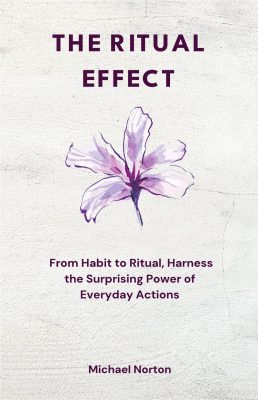
In The Ritual Effect, Harvard Business School professor Michael Norton unveils the hidden power of rituals in our daily lives. This groundbreaking book explores how transforming routine habits into meaningful rituals can significantly boost our productivity, relationships, and overall well-being. Norton draws on cutting-edge research and real-world examples to demonstrate how small, intentional actions can lead to profound changes in our personal and professional lives. The Ritual Effect stands out in the self-improvement genre by offering a fresh perspective on the age-old concept of rituals, making it relevant and applicable to modern life.
The Ritual Effect is primarily aimed at individuals seeking to improve their personal and professional lives through practical, evidence-based strategies. The book’s accessible language and relatable examples make it suitable for a general audience, including busy professionals, students, and anyone interested in personal development. While the concepts are rooted in academic research, Norton’s engaging writing style ensures that readers without a background in psychology or behavioral economics can easily grasp and apply the ideas. The book also appeals to managers and organizational leaders looking to enhance team performance and workplace culture through the power of rituals.
Have you ever wondered why some people seem to effortlessly achieve their goals while others struggle? The secret might lie in the power of rituals. In The Ritual Effect, Michael Norton challenges our understanding of daily routines and habits, proposing a revolutionary approach to personal growth and success.
Norton’s book begins with a provocative claim: the difference between a habit and a ritual can be the key to unlocking our full potential. Through a blend of scientific research and captivating anecdotes, he illustrates how seemingly insignificant actions, when imbued with intention and meaning, can transform our lives.
From the boardroom to the bedroom, Norton explores various domains where rituals can make a significant impact. He delves into the psychology behind why rituals work, explaining how they tap into our innate need for structure and meaning. The author presents compelling evidence that rituals can reduce anxiety, boost confidence, and even improve physical performance.
One of the book’s strengths lies in its practical approach. Norton doesn’t just theorize; he provides actionable strategies for readers to create their own meaningful rituals. He guides readers through the process of identifying areas in their lives that could benefit from ritualization and offers step-by-step instructions for designing effective rituals.
Perhaps most intriguingly, Norton challenges the notion that rituals must be grand or time-consuming to be effective. He argues that even small, everyday actions can be powerful when performed with intention and consistency. This perspective makes the book’s teachings accessible and applicable to anyone, regardless of their lifestyle or time constraints.
By reading The Ritual Effect, you’ll learn how to harness the power of intention to transform mundane tasks into meaningful experiences. You’ll discover techniques for creating rituals that align with your goals and values, and understand how to leverage these rituals for personal and professional growth. Norton’s insights will help you cultivate a more mindful approach to your daily activities, potentially leading to increased productivity, stronger relationships, and a greater sense of fulfillment.
The central thesis of The Ritual Effect is that intentionally transforming habits into rituals can dramatically enhance our lives. Norton argues that the key difference between a habit and a ritual lies in the meaning and intention we attach to our actions. While habits are often performed automatically and mindlessly, rituals are imbued with purpose and significance. This shift in perspective, Norton contends, can lead to profound improvements in our performance, relationships, and overall well-being.
To illustrate this concept, consider the simple act of drinking coffee in the morning. As a habit, it might be a rushed, mindless activity done while scrolling through emails. But when transformed into a ritual—perhaps by using a special mug, focusing on the aroma, and taking a moment to set intentions for the day—it becomes a powerful tool for starting the day with purpose and mindfulness. This example encapsulates Norton’s message: by infusing our everyday actions with meaning, we can create positive change in our lives.
The Ritual Effect makes a significant contribution to the field of behavioral psychology and self-improvement literature. Norton’s work bridges the gap between academic research and practical application, offering readers evidence-based strategies they can implement in their daily lives.
The book has garnered attention for its fresh take on the often-overlooked power of rituals in modern life. While much has been written about habits and routines, Norton’s focus on the intentional and meaningful aspects of ritualized behavior sets his work apart. His research challenges conventional wisdom about productivity and success, suggesting that the key to achieving our goals may lie not in working harder, but in working more mindfully.
Norton’s ideas have sparked discussions in both academic and professional circles about the role of rituals in personal development, team building, and organizational culture. Some critics have praised the book for its potential to revolutionize approaches to productivity and well-being, while others have debated the extent to which rituals can be consciously created and maintained.
Despite some controversy, The Ritual Effect has been widely recognized for its innovative approach. It has been featured in numerous publications and has earned Norton invitations to speak at prestigious conferences and corporations worldwide. While it’s too soon to tell if the book will receive formal awards, its impact on readers and its contribution to the ongoing conversation about personal growth and productivity is undeniable.
In our assessment, The Ritual Effect by Michael Norton offers a valuable and innovative perspective on personal development and behavioral change. We find that Norton’s approach of reframing everyday actions as meaningful rituals provides a refreshing alternative to traditional self-help literature. The book’s strength lies in its ability to blend scientific research with practical applications, making it accessible to a wide range of readers.
We appreciate Norton’s emphasis on intentionality and meaning in daily actions. This focus addresses a common shortcoming in many productivity and habit-formation books, which often neglect the psychological and emotional aspects of behavior change. By encouraging readers to infuse their routines with purpose, Norton’s work has the potential to create more sustainable and fulfilling changes in people’s lives.
The book’s comprehensive scope is another aspect we find commendable. Norton’s exploration of rituals across various domains – from personal productivity to workplace dynamics – demonstrates the versatility of his ideas. This broad applicability enhances the book’s value, making it relevant to readers in different life stages and professional contexts.
We also note the strong scientific foundation of Norton’s work. As academics ourselves, we appreciate the rigorous research that underpins the book’s claims. This evidence-based approach lends credibility to Norton’s arguments and distinguishes The Ritual Effect from many other self-help titles that rely more heavily on anecdotal evidence.
However, we do acknowledge some limitations in the book. The lack of long-term studies on the effectiveness of ritualization is a notable gap. While the short-term benefits are well-documented, more research is needed to understand the sustained impact of these practices over time. Additionally, we feel the book could have benefited from a more in-depth discussion of potential pitfalls, such as the risk of over-ritualization or the need to adapt rituals as circumstances change.
Despite these shortcomings, we believe that The Ritual Effect makes a significant contribution to the field of personal development and behavioral psychology. Norton’s fresh perspective on daily habits and routines offers readers a new tool for enhancing their lives and finding greater meaning in their everyday actions.
We wholeheartedly recommend The Ritual Effect to readers seeking a thoughtful and scientifically grounded approach to personal growth and behavioral change. The book’s insights are particularly valuable for individuals feeling stuck in their current routines or searching for ways to inject more meaning into their daily lives. Professionals in fields such as management, education, and mental health may also find Norton’s ideas particularly relevant to their work.
However, we suggest that readers approach the book with a critical mind, considering how Norton’s ideas can be balanced with other approaches to personal development. While the concept of ritualizing actions is powerful, it should be seen as one tool among many for enhancing one’s life. We encourage readers to experiment with Norton’s suggestions, adapt them to their personal circumstances, and remain mindful of maintaining a healthy balance in their approach to daily routines and rituals.
The power of intention in daily actions forms the cornerstone of Norton’s thesis in The Ritual Effect. He argues that by infusing our routine behaviors with purpose and meaning, we can transform them from mere habits into powerful rituals. This shift in perspective, Norton contends, can lead to significant improvements in various aspects of our lives. The author presents compelling evidence from psychological studies and real-world examples to demonstrate how ritualized actions can enhance focus, reduce anxiety, and boost performance.
The psychological mechanisms behind ritual effectiveness are extensively explored in the book. Norton delves into the cognitive and emotional processes that make rituals so impactful. He explains how rituals can serve as anchors for our attention, helping us to be more present in the moment and less distracted by external stimuli or internal worries. The author also discusses how rituals can trigger positive emotional states, such as calmness or confidence, which in turn can improve our performance in various tasks.
The role of rituals in building and strengthening relationships is another key topic Norton addresses. He examines how shared rituals can create a sense of belonging and intimacy in both personal and professional relationships. The author provides insights into how couples, families, and teams can use rituals to foster connection, improve communication, and build trust. Norton’s research shows that even simple, regular actions, when performed together with intention, can significantly enhance relationship satisfaction and longevity.
The concept of ritual design is a crucial element of Norton’s work. He provides a framework for creating effective rituals, emphasizing the importance of personalization and alignment with individual goals and values. The author guides readers through the process of identifying areas in their lives that could benefit from ritualization and offers practical strategies for developing meaningful rituals. Norton stresses that effective rituals don’t need to be time-consuming or elaborate; even small, consistent actions can yield significant benefits when performed with intention.
The impact of rituals on productivity and goal achievement is thoroughly examined in The Ritual Effect. Norton presents research showing how rituals can help overcome procrastination, increase motivation, and improve focus. He explains how pre-performance rituals can enhance confidence and reduce anxiety, leading to better outcomes in high-pressure situations. The author also discusses how rituals can be used to mark transitions between different activities or roles, helping individuals to shift their mindset and energy more effectively.
The cultural and historical context of rituals is explored to provide a deeper understanding of their universal appeal and effectiveness. Norton draws on anthropological research to show how rituals have been used across cultures and throughout history to create meaning, foster community, and navigate life’s challenges. By connecting modern personal rituals to this broader cultural context, the author helps readers appreciate the deep-rooted human need for ritualized behavior and its potential for enhancing our lives in the contemporary world.
Coffee Ritual: Norton describes a study where participants were asked to create a mindful coffee-drinking ritual. Those who followed a specific sequence of actions (such as smelling the coffee, pouring it slowly, and taking three deep breaths before the first sip) reported significantly higher levels of enjoyment and engagement compared to those who drank their coffee as usual.
Pre-Game Rituals in Sports: The author discusses how many professional athletes use pre-game rituals to enhance their performance. He cites the example of basketball player Michael Jordan, who always wore his University of North Carolina shorts under his Chicago Bulls uniform as part of his game-day ritual. Norton explains how such rituals can serve as a psychological trigger for peak performance.
Workplace Team-Building Ritual: Norton shares a case study of a tech company that implemented a weekly “gratitude circle” ritual. Team members would gather to share one thing they were grateful for about a colleague’s work that week. This simple ritual led to improved team cohesion, increased job satisfaction, and better overall performance.
Bedtime Reading Ritual: The author presents research on families who established a consistent bedtime reading ritual. Children in these families not only showed improved literacy skills but also reported feeling closer to their parents. Norton uses this example to illustrate how rituals can simultaneously serve practical and emotional purposes.
Mindful Eating Experiment: Norton describes an experiment where participants were asked to eat a meal in complete silence, focusing on the sensory experience of each bite. Those who engaged in this eating ritual reported greater satisfaction with their meal and were less likely to overeat compared to a control group. This example demonstrates how turning a routine activity into a ritual can lead to healthier behaviors.
Corporate Onboarding Ritual: The book discusses how a large corporation revamped its onboarding process to include more ritualistic elements. New employees were given a symbolic welcome gift and participated in a team-building ritual on their first day. This approach resulted in higher employee engagement and retention rates compared to the company’s previous, more routine onboarding process.
Writing Ritual for Creativity: Norton shares the story of a novelist who developed a specific writing ritual to overcome writer’s block. The ritual involved lighting a particular candle, playing a certain piece of music, and writing longhand for exactly 30 minutes. The author uses this example to show how personalized rituals can enhance creativity and productivity in various fields.
Relationship Reconnection Ritual: The book presents a study of long-distance couples who created a ritual of sharing a virtual meal together once a week. These couples reported feeling more connected and satisfied with their relationships compared to those who simply had regular phone conversations. Norton uses this to illustrate how rituals can maintain and strengthen bonds even across physical distances.
Exam Preparation Ritual: Norton describes a study conducted with students preparing for exams. One group was taught to create a pre-study ritual involving deep breathing, arranging study materials in a specific way, and reciting a personal mantra. This group showed lower anxiety levels and better test performance compared to students who prepared without a specific ritual.
Grief Coping Ritual: The author shares a poignant example of how rituals can aid in processing grief. He discusses a widow who created a ritual of writing a letter to her deceased husband on the anniversary of his death each year. This annual ritual provided a structured way to acknowledge her loss and celebrate her husband’s memory, helping her navigate the grieving process over time.
One of the key insights from The Ritual Effect is that the power of rituals lies in the intention behind them. Norton argues that by consciously imbuing our routine actions with meaning and purpose, we can elevate them from mere habits to powerful rituals. To apply this insight, start by identifying a daily habit you’d like to transform. For instance, if you typically rush through your morning coffee, turn it into a ritual by using a special mug, focusing on the aroma, and taking a moment to set intentions for the day. The key is to perform each step mindfully, with full attention and purpose. Over time, this intentional approach can turn a mundane activity into a meaningful ritual that enhances your daily experience and overall well-being.
Norton presents compelling evidence that pre-performance rituals can significantly improve outcomes in various domains. This insight is particularly valuable for anyone facing high-pressure situations. To apply this, develop a personal pre-performance ritual tailored to your specific challenge. For example, before a important presentation, you might create a ritual that includes deep breathing exercises, power posing, and reciting a personal mantra. The key is consistency and belief in the ritual’s effectiveness. By practicing your ritual regularly, you create a psychological trigger that helps you enter an optimal mental state for performance. This can reduce anxiety, increase confidence, and ultimately lead to better results in challenging situations.
A crucial insight from the book is the power of shared rituals in building and maintaining strong relationships. Norton emphasizes that regularly performed shared actions, when imbued with meaning, can significantly enhance connection and trust. To apply this in a professional context, consider implementing a team ritual. For instance, you could start each weekly meeting with a quick round where team members share a recent success or express gratitude for a colleague’s help. In personal relationships, you might create a ritual of having a tech-free dinner once a week where you focus on meaningful conversation. The key is consistency and mutual engagement in the ritual, which over time creates a shared experience that strengthens bonds.
Norton stresses the importance of personalizing rituals to align with individual values and goals. This insight is crucial for creating rituals that truly resonate and stick. To apply this, reflect on your personal values and objectives before designing a ritual. For example, if environmental consciousness is important to you, you might create a ritual around reducing waste, such as a weekly session of planning meals to minimize food waste. The ritual could involve reviewing your pantry, planning menus, and making a detailed shopping list, all while reflecting on your impact on the environment. By aligning your rituals with your values, you’re more likely to maintain them and derive greater satisfaction from them.
An important insight from The Ritual Effect is that effective rituals don’t need to be elaborate or time-consuming. Norton provides evidence that even small, simple actions, when performed consistently and with intention, can have significant impacts. To apply this, look for opportunities to create micro-rituals throughout your day. For instance, you might create a brief ritual to mark the transition from work to personal time if you work from home. This could be as simple as closing your laptop, taking three deep breaths, and changing your clothes. The key is to perform this sequence mindfully every day, using it as a cue to shift your mental state. Such small rituals can help create structure and meaning in your daily life without requiring a significant time investment.
Norton highlights how rituals can provide a sense of control and stability during challenging or uncertain times. This insight is particularly relevant in today’s fast-paced, often unpredictable world. To apply this, consider creating a ritual to ground yourself during stressful periods. For example, you might develop a morning journaling ritual where you write three things you’re grateful for and three goals for the day. During times of stress or change, this ritual can serve as a constant, providing a sense of normalcy and focus. The key is to maintain the ritual consistently, especially when you feel overwhelmed, as it can serve as an anchor and help you navigate through turbulent times.
A significant insight from the book is how rituals can be used as tools for increasing mindfulness and present-moment awareness. Norton explains that the focused attention required in performing rituals can help quiet the mind and increase engagement with the present moment. To apply this insight, consider transforming a routine activity into a mindfulness ritual. For instance, you could turn your daily walk into a mindfulness ritual by focusing on your senses – noticing the feeling of your feet touching the ground, the sounds around you, the sensation of the air on your skin. The key is to approach the activity with intentional awareness, using it as an opportunity to fully engage with your immediate experience. This can help reduce stress, increase appreciation for daily life, and improve overall well-being.
Norton provides insights into how rituals can be strategically used to break undesirable habits. This is particularly useful for anyone struggling with behaviors they wish to change. To apply this, identify a habit you want to break and design a replacement ritual. For example, if you want to stop mindlessly scrolling through social media before bed, create a new bedtime ritual. This might involve putting your phone in another room, doing some light stretching, and reading a few pages of a book. The key is to make the new ritual more appealing and rewarding than the old habit. Consistency is crucial – commit to performing your new ritual every night for at least a month to help it become ingrained.
An intriguing insight from The Ritual Effect is how rituals can be used to boost creativity and enhance problem-solving skills. Norton presents research showing that engaging in ritualistic behaviors before a creative task can lead to improved outcomes. To apply this, develop a pre-creative work ritual. This could involve arranging your workspace in a specific way, playing a particular piece of music, or doing a quick sketch before starting your main creative work. The key is to perform these actions consistently before engaging in creative tasks. Over time, this ritual can serve as a psychological trigger, signaling to your brain that it’s time to enter a creative state. This can help overcome creative blocks and enhance your ability to think innovatively.
The Ritual Effect offers a fresh and innovative take on the well-trodden subject of habits and routines. Norton’s approach of reframing everyday actions as potential rituals provides readers with a new lens through which to view their daily lives. This perspective shift is particularly valuable in a world where productivity and self-improvement literature often focuses on discipline and willpower. By emphasizing the power of intention and meaning in our actions, Norton presents a more sustainable and fulfilling approach to personal growth and daily living.
One of the book’s major strengths lies in its robust scientific underpinning. Norton, as a Harvard Business School professor, brings academic rigor to his work, grounding his arguments in solid research and empirical evidence. He skillfully weaves together findings from psychology, neuroscience, and behavioral economics to support his theories about the power of rituals. This scientific approach lends credibility to the book’s claims and distinguishes it from many self-help titles that rely more heavily on anecdotal evidence or personal experience.
The Ritual Effect excels in bridging the gap between theory and practice. Norton doesn’t just explain the concept of rituals; he provides readers with concrete strategies for implementing ritualistic practices in their own lives. The book offers step-by-step guidance on how to design personal rituals, along with numerous examples of how these principles can be applied in various contexts, from personal routines to workplace practices. This practical orientation makes the book’s insights accessible and actionable for readers from all walks of life.
Another strength of the book is its comprehensive exploration of rituals across different domains of life. Norton examines the impact of rituals on individual productivity, emotional well-being, relationships, and even organizational culture. This wide-ranging approach allows readers to see the potential applications of ritual-making in multiple areas of their lives, enhancing the book’s relevance and value. By demonstrating the universal applicability of his ideas, Norton creates a compelling case for the transformative power of rituals.
Norton’s writing style is a significant asset to the book. He manages to convey complex scientific concepts in an accessible and engaging manner, making the material approachable for a general audience. The author uses a mix of research findings, real-world examples, and thought-provoking questions to keep readers engaged throughout the book. This balance of academic rigor and readability ensures that The Ritual Effect can appeal to both casual readers and those seeking a more in-depth understanding of the subject.
The book demonstrates a commendable level of cultural sensitivity in its treatment of rituals. Norton acknowledges the diverse cultural backgrounds from which rituals can originate and avoids a one-size-fits-all approach. He explores how rituals manifest differently across various cultures and emphasizes the importance of personal meaning in ritual creation. This nuanced approach adds depth to the book’s insights and makes them more universally applicable.
While Norton provides ample evidence for the short-term benefits of rituals, the book somewhat lacks in long-term studies demonstrating the sustained impact of ritualistic practices. The effectiveness of rituals over extended periods and their potential for creating lasting change in individuals’ lives could have been explored more thoroughly. This gap in long-term evidence may leave some readers questioning the enduring value of the book’s recommendations.
The Ritual Effect could benefit from a more thorough discussion of the potential downsides of excessive ritualization. While the book touches on the risk of rituals becoming compulsive behaviors, it could have delved deeper into strategies for maintaining a healthy balance. Some readers might find themselves tempted to over-ritualize their lives, potentially leading to rigidity or anxiety when rituals can’t be performed. A more comprehensive exploration of these risks and how to mitigate them would have strengthened the book’s overall message.
The book could have provided more guidance on how to adapt rituals over time as personal circumstances and goals change. While Norton emphasizes the importance of personalizing rituals, he offers limited insight into the process of evolving or retiring rituals that may no longer serve their original purpose. A more detailed exploration of how to recognize when a ritual has outlived its usefulness and how to modify or replace it would have added valuable depth to the book’s practical applications.
While Norton’s enthusiasm for the power of rituals is infectious, the book could have benefited from a more balanced presentation of critical perspectives. Including viewpoints from skeptics or alternative approaches to personal development would have provided readers with a more comprehensive understanding of the subject. This inclusion of contrasting views could have strengthened Norton’s arguments by addressing potential counterpoints directly.
One potential blind spot in The Ritual Effect is the limited discussion of individual differences in how people respond to rituals. While Norton acknowledges the importance of personalizing rituals, he doesn’t fully explore how factors such as personality traits, cultural background, or cognitive styles might influence the effectiveness of ritualistic practices. Some readers might find that certain types of rituals work better for them than others, or that they struggle to derive benefits from rituals that work well for others. Books like Susan Cain’s Quiet: The Power of Introverts in a World That Can’t Stop Talking offer insights into how personality differences can affect our responses to various practices, which could complement Norton’s work.
Another area that could benefit from more attention is the potential for individuals to become overly dependent on their rituals. While rituals can provide structure and comfort, there’s a risk of them becoming crutches that inhibit flexibility and spontaneity. Norton could have explored more deeply how to maintain a healthy relationship with rituals without becoming rigid or anxious when they can’t be performed. Charles Duhigg’s The Power of Habit provides a complementary perspective on how habits (and by extension, rituals) can be modified or broken when necessary, which could address this potential blind spot.
The Ritual Effect primarily focuses on the individual and organizational benefits of rituals, but it doesn’t extensively explore the potential societal impacts if ritualistic practices were to be widely adopted. For instance, how might the widespread use of personal rituals affect social norms, work culture, or even economic behaviors? While this may be beyond the scope of Norton’s book, it represents an interesting area for further consideration. Works like Yuval Noah Harari’s Sapiens: A Brief History of Humankind offer broader perspectives on how shared practices and beliefs shape societies, which could provide interesting context for considering the larger implications of Norton’s ideas.
While Norton provides valuable insights into creating effective rituals, the book could benefit from a more thorough examination of the ethical considerations involved in designing rituals, particularly in organizational contexts. There’s potential for rituals to be used manipulatively or to reinforce problematic power structures. A deeper exploration of how to ensure rituals are designed and implemented ethically, especially in workplace settings, would have added an important dimension to the book’s guidance. Daniel Pink’s Drive: The Surprising Truth About What Motivates Us offers complementary insights into motivation and could provide a useful framework for considering the ethical implications of using rituals to influence behavior.
The Power of Habit by Charles Duhigg shares some common ground with Norton’s work in its focus on daily behaviors and their impact on our lives. However, while Duhigg primarily explores the science behind habit formation and change, Norton’s The Ritual Effect takes a different approach by emphasizing the intentional and meaningful aspects of ritualized behavior. Duhigg’s book provides a more mechanistic view of behavior change, focusing on the cue-routine-reward loop, while Norton’s work highlights the psychological and emotional benefits of infusing actions with deeper meaning. Where Duhigg offers strategies for breaking bad habits and forming new ones, Norton provides insights into how to elevate existing habits into meaningful rituals. Both books offer valuable perspectives, with Duhigg’s work perhaps being more suited to those seeking to understand and modify specific behaviors, while Norton’s book appeals to readers looking for ways to inject more meaning and intention into their daily lives.
James Clear’s Atomic Habits is another influential book in the field of habit formation and personal development. Like Norton, Clear emphasizes the power of small, consistent actions in creating significant life changes. However, Clear’s focus is more on the mechanics of habit formation and the compounding effects of marginal gains, while Norton’s work centers on the transformative power of intention and meaning in our actions. Clear provides a systematic approach to building good habits and breaking bad ones, offering practical strategies like habit stacking and environment design. In contrast, Norton’s approach is more about reframing existing actions through a lens of intentionality and significance. While both books aim to help readers improve their lives through daily actions, Clear’s work is more focused on the ‘how’ of behavior change, while Norton’s book addresses the ‘why,’ encouraging readers to find deeper meaning in their routines.
Julia Cameron’s The Artist’s Way, while primarily focused on creativity, shares some interesting parallels with Norton’s work. Cameron’s book introduces the concept of “morning pages” – a daily writing ritual designed to unlock creativity and self-awareness. This aligns with Norton’s emphasis on the power of intentional daily practices. However, while Cameron’s work is specifically geared towards creative unblocking and artistic expression, Norton’s book has a broader application across various life domains. Cameron’s approach is more prescriptive, offering a 12-week course with specific exercises, while Norton provides a framework for readers to design their own meaningful rituals. Both books recognize the transformative power of consistent, intentional practices, but they differ in their specific focus and methodology.
Carol S. Dweck’s Mindset offers an interesting contrast to Norton’s work. While not directly about habits or rituals, Dweck’s book focuses on how our beliefs about our abilities can profoundly impact our success and personal growth. There’s an interesting intersection between Dweck’s concept of a “growth mindset” and Norton’s ideas about the power of rituals. Norton’s work could be seen as providing practical tools for cultivating the kind of mindset that Dweck describes. However, where Dweck’s book is more about shifting fundamental beliefs, Norton’s is about changing behaviors and infusing them with meaning. Both books offer valuable insights for personal development, but they approach it from different angles – Dweck from a cognitive perspective and Norton from a behavioral one.
Identify Areas for Ritualization
Design Meaningful Rituals
Implement and Practice
Evaluate and Refine
Integrate Rituals into Daily Life
Maintain Flexibility
Deepen Your Understanding
Teach and Share
Implement Team-Building Rituals
Norton’s insights on the power of shared rituals can be particularly valuable for businesses looking to enhance team cohesion and productivity. By introducing meaningful team rituals, companies can foster a sense of belonging, improve communication, and boost overall morale. These rituals could range from daily stand-up meetings with a unique twist to monthly team-building activities imbued with purpose and intention.
However, implementing team rituals in a diverse workplace can present challenges. Employees may have different cultural backgrounds, personal preferences, or varying levels of comfort with ritualistic practices. There’s also the risk of rituals feeling forced or inauthentic if not carefully designed and introduced. Additionally, remote or hybrid work environments can make it difficult to establish and maintain consistent team rituals.
To overcome these challenges, businesses should take a collaborative approach to ritual design. Involve team members in the process of creating and refining rituals, ensuring they reflect the team’s collective values and goals. Offer flexibility in how rituals are performed, allowing for personal interpretation while maintaining the core purpose. For remote teams, leverage technology to create virtual rituals that can be performed synchronously or asynchronously. Regular feedback and iteration are crucial to ensure rituals remain meaningful and effective over time.
Enhance Onboarding and Training Processes
The concept of rituals can be applied to improve employee onboarding and training processes. By designing meaningful rituals around key milestones in an employee’s journey, companies can create more impactful and memorable experiences. This could include welcome ceremonies for new hires, rites of passage for completing training programs, or rituals to mark promotions and career advancements.
Implementing such rituals can be challenging in large organizations with frequent hiring and diverse departments. There’s a risk of rituals becoming perfunctory or losing their significance if performed too often. Moreover, designing rituals that are meaningful across different roles and levels within the organization can be complex. There’s also the challenge of maintaining consistency in ritual performance across different teams or locations.
To address these issues, companies should create a framework for ritual design that allows for customization at the departmental or team level while maintaining core elements that reflect the organization’s values. Train managers and HR personnel in the importance of these rituals and how to perform them effectively. Consider creating a ‘ritual committee’ responsible for designing, implementing, and regularly reviewing organizational rituals. Use technology to support and track ritual performance, ensuring consistency and allowing for virtual participation when necessary.
Ritualize Strategic Planning and Goal-Setting
Norton’s work suggests that ritualizing important business processes like strategic planning and goal-setting can enhance their effectiveness. By transforming these often dry, routine activities into meaningful rituals, companies can increase engagement, foster creativity, and improve follow-through on plans and goals.
However, there are several potential obstacles to this approach. Long-standing corporate cultures may resist changes to traditional planning processes. There’s a risk of the ritual aspect overshadowing the practical outcomes of these sessions. Additionally, cynical employees might view attempts to ritualize business processes as gimmicky or insincere.
To successfully implement this strategy, start by educating leadership on the potential benefits of ritualizing these processes. Design rituals that balance symbolic elements with practical outcomes. For example, a goal-setting ritual might include a symbolic action to represent commitment, followed by concrete steps for achievement and accountability. Gradually introduce ritual elements into existing processes rather than overhauling everything at once. Regularly gather feedback and be prepared to adjust the rituals based on their effectiveness and reception.
Create Customer Experience Rituals
The principles outlined in “The Ritual Effect” can be applied to enhance customer experiences and build brand loyalty. By creating meaningful rituals around product use or service interactions, companies can deepen customer engagement and create memorable brand experiences.
Implementing customer-facing rituals presents unique challenges. Different customer segments may respond differently to ritualistic elements. There’s a risk of rituals feeling forced or inauthentic if not carefully designed. Additionally, maintaining consistency in ritual delivery across different touchpoints and channels can be difficult, especially for large organizations with multiple customer-facing teams.
To overcome these obstacles, companies should start by deeply understanding their customer base and identifying moments in the customer journey that could benefit from ritualization. Conduct pilot tests with small customer groups to refine rituals before broader implementation. Train customer-facing staff thoroughly in the purpose and execution of these rituals, emphasizing authenticity and personalization. Use technology to support ritual delivery and ensure consistency across different channels. Regularly gather customer feedback and be prepared to evolve rituals over time to maintain their impact and relevance.
Ritualize Innovation and Creativity Processes
Norton’s insights on how rituals can enhance performance and creativity can be applied to innovation processes within businesses. By creating rituals around brainstorming sessions, project kick-offs, or problem-solving meetings, companies can potentially boost creative output and improve the quality of innovative ideas.
However, ritualizing creativity processes may face skepticism, particularly in industries or companies that pride themselves on spontaneity and unconventional thinking. There’s a risk that overly structured rituals could stifle creativity rather than enhance it. Additionally, different team members may have varying preferences for how they engage in creative processes, making it challenging to design universally effective rituals.
To address these challenges, focus on designing flexible rituals that provide a framework for creativity without being overly prescriptive. For example, a pre-brainstorming ritual might involve a brief mindfulness exercise and the symbolic “opening” of the creative space, but allow for various brainstorming methods within that framework. Involve the creative teams in the design of these rituals to ensure buy-in and alignment with their working styles. Regularly evaluate the impact of these rituals on creative output and be open to evolving them based on feedback and results.
Develop Leadership Rituals
The concept of meaningful rituals can be applied to leadership practices, potentially enhancing communication, decision-making, and team motivation. Leaders could develop personal rituals for reflection and planning, as well as team rituals for important interactions like performance reviews or strategy discussions.
Implementing leadership rituals may face resistance from leaders who view them as unnecessary or time-consuming. There’s also a risk of rituals becoming performative rather than genuinely meaningful. In organizations with diverse leadership styles, creating consistent yet flexible leadership rituals can be challenging.
To overcome these obstacles, start by educating leaders on the potential benefits of ritualistic practices, backed by data and case studies. Encourage leaders to develop personal rituals that align with their individual styles and values, while also creating some core organizational leadership rituals for consistency. Provide coaching and support to help leaders integrate these practices effectively. Regularly gather feedback from both leaders and their teams on the impact of these rituals, and be prepared to refine them over time.
As technology continues to advance, we may see a growing trend of incorporating digital elements into personal and organizational rituals. This could involve using apps for ritual tracking and reminders, or creating virtual spaces for shared rituals in remote work environments. Augmented and virtual reality technologies might also play a role in enhancing ritual experiences, especially for distributed teams or global organizations.
Future research in neuroscience may provide deeper insights into how rituals affect our brains. Advanced neuroimaging techniques could reveal the specific neural pathways activated by meaningful rituals. This scientific validation could lead to more targeted and effective ritual design in both personal and professional contexts.
As artificial intelligence becomes more sophisticated, we might see the development of AI assistants specifically designed to help individuals create and maintain personal rituals. These AI could analyze user data to suggest optimal times for rituals, provide personalized ritual ideas based on individual goals and preferences, and even adapt rituals in real-time based on user feedback and changing circumstances.
The integration of ritualistic practices in mental health treatments may become more prevalent. Therapists and mental health professionals might increasingly incorporate personalized ritual design as part of their treatment plans for conditions such as anxiety, depression, or PTSD. This trend could lead to a more holistic approach to mental wellness that combines traditional therapies with meaningful daily rituals.
As businesses recognize the potential benefits of organizational rituals, we might see the emergence of specialized consultants focusing on ritual design for corporate environments. These experts could help companies create meaningful rituals to enhance company culture, improve employee engagement, and boost productivity. This trend could lead to ritual design becoming a key component of organizational development strategies.
The Ritual Effect has the potential to significantly influence both individual behavior and organizational practices in the coming years. As society grapples with issues of burnout, lack of engagement, and the search for meaning in work and personal life, Norton’s insights offer a fresh perspective on how to address these challenges.
On an individual level, the book’s emphasis on finding meaning in everyday actions could lead to a shift in how people approach personal development and well-being. Rather than always seeking to add new habits or routines, people might focus more on deepening their engagement with existing activities. This could result in a more sustainable and fulfilling approach to self-improvement, potentially reducing the cycle of enthusiasm and burnout that often accompanies new year’s resolutions or productivity fads.
In the workplace, Norton’s ideas could influence management practices and organizational culture. Companies might start to place more emphasis on creating meaningful rituals to boost employee engagement, foster team cohesion, and enhance performance. This could lead to a reimagining of workplace routines, from meetings to onboarding processes, with a focus on infusing them with greater intention and significance.
The book’s insights could also have implications for mental health and wellness practices. As the importance of mindfulness and present-moment awareness becomes increasingly recognized, Norton’s approach to rituals could offer a practical way for people to incorporate these concepts into their daily lives. This could potentially lead to new approaches in therapy and counseling, where the creation of personal rituals might be used as a tool for managing anxiety, depression, or other mental health challenges.
In education, Norton’s ideas might influence teaching methods and curriculum design. Educators could explore ways to create meaningful rituals in the classroom to enhance learning, boost student engagement, and foster a sense of community. This could lead to new pedagogical approaches that emphasize the role of intention and meaning in the learning process.
Looking further ahead, The Ritual Effect could contribute to a broader cultural shift towards finding meaning and purpose in everyday life. In an increasingly fast-paced and often impersonal world, the idea of transforming routine actions into meaningful rituals could appeal to many people seeking a greater sense of connection and significance in their daily experiences. This could potentially influence everything from how we approach technology use to how we engage with our communities.
However, the long-term impact of the book will likely depend on how well its ideas can be practically implemented and sustained over time. It will be important to see if people can consistently transform habits into meaningful rituals, and whether the benefits Norton describes can be maintained in the long term. Future research building on Norton’s work could help to clarify these questions and further refine our understanding of the role of rituals in personal and professional life.
Atomic Habits by James Clear: Clear’s book offers a systematic approach to habit formation that complements Norton’s focus on rituals. While Norton emphasizes the power of meaning in our actions, Clear provides practical strategies for building good habits and breaking bad ones. Readers of The Ritual Effect will find Clear’s concepts of habit stacking and environment design particularly useful in implementing and maintaining their rituals.
The Power of Habit by Charles Duhigg: Duhigg’s exploration of the science behind habit formation provides a valuable foundation for understanding why rituals can be so effective. His discussion of the habit loop (cue, routine, reward) offers insights that can enhance readers’ ability to design and implement meaningful rituals based on Norton’s principles.
Mindset: The New Psychology of Success by Carol S. Dweck: Dweck’s work on growth mindset pairs well with Norton’s ideas about rituals. Understanding how our beliefs about our abilities affect our success can help readers approach ritual creation and maintenance with a more productive mindset, enhancing the effectiveness of Norton’s strategies.
The Artist’s Way by Julia Cameron: Cameron’s book, while focused on creativity, introduces the concept of daily rituals for self-discovery and expression. Her morning pages practice is a concrete example of how a simple daily ritual can have profound effects, complementing Norton’s broader exploration of ritual’s power in various life domains.
Flow: The Psychology of Optimal Experience by Mihaly Csikszentmihalyi: Csikszentmihalyi’s work on the state of flow provides interesting parallels to Norton’s discussion of meaningful rituals. Understanding how to achieve flow states can enhance readers’ ability to design rituals that not only have meaning but also promote engagement and enjoyment.
The 7 Habits of Highly Effective People by Stephen Covey: Covey’s classic self-help book offers a different perspective on personal development that can complement Norton’s focus on rituals. Covey’s emphasis on aligning actions with personal values resonates with Norton’s idea of infusing daily activities with meaning and purpose.
Essentialism: The Disciplined Pursuit of Less by Greg McKeown: McKeown’s book on focusing on what’s truly important can help readers of The Ritual Effect prioritize which areas of their lives would benefit most from ritualization. His concepts can guide readers in designing rituals that align with their core values and goals.
The Happiness of Pursuit by Chris Guillebeau: Guillebeau’s exploration of how pursuing meaningful goals can lead to happiness offers an interesting counterpoint to Norton’s focus on finding meaning in daily actions. Readers can draw insights from both approaches to create a more fulfilling life, using rituals as a tool to support larger life quests.
Greater Good Science Center: This website, associated with UC Berkeley, offers a wealth of research-based articles and practices related to well-being, including many that explore the power of rituals and mindful practices. https://greatergood.berkeley.edu/
Mindful.org: A comprehensive resource for mindfulness practices, which often intersect with ritual creation. The site offers articles, guided meditations, and courses that can support readers in developing mindful rituals. https://www.mindful.org/
Ritual Design Lab: Founded by experts in behavioral design, this website offers insights and tools for creating meaningful rituals in various contexts, from personal growth to organizational culture. https://www.ritualdesignlab.org/
Ritual Conference: An annual event that brings together researchers, practitioners, and enthusiasts to explore the role of rituals in various aspects of life, including personal development, organizational culture, and societal change.
Mindfulness & Well-being at Work Conference: While not specifically about rituals, this conference often includes sessions on incorporating mindful practices (which can include rituals) into work environments.
International Positive Psychology Association (IPPA): This organization, which focuses on the scientific study of what makes life worth living, often includes research and practices related to meaningful rituals. https://www.ippanetwork.org/
Association for Psychological Science (APS): A leading organization for psychological research, which often includes studies on habit formation, behavior change, and the psychological impacts of rituals. https://www.psychologicalscience.org/
Hidden Brain: Hosted by Shankar Vedantam, this podcast often explores topics related to human behavior and psychology, including episodes that touch on the power of rituals and habits. https://www.npr.org/series/423302056/hidden-brain
The Psychology Podcast: Hosted by Dr. Scott Barry Kaufman, this podcast features interviews with leading psychology experts, often touching on topics related to personal growth, habits, and meaningful practices. https://scottbarrykaufman.com/podcast/
The Science of Well-Being: This popular Yale course, available on Coursera, includes discussions on habit formation and the creation of meaningful practices that align with Norton’s ideas about rituals. https://www.coursera.org/learn/the-science-of-well-being
Mindfulness-Based Stress Reduction (MBSR): While not directly about rituals, this widely available course teaches mindfulness practices that can be incorporated into daily rituals for enhanced well-being.
The Social Dilemma: While not directly about rituals, this documentary explores how technology shapes our behavior, offering an interesting counterpoint to discussions about intentional ritual creation in the digital age.
Happy: This documentary explores the science of happiness across cultures, touching on various practices and rituals that contribute to well-being.


Discover the key takeaways from top non-fiction books in minutes. Get the wisdom you need to succeed fast. Here, learning is quick, engaging, and always at your fingertips.
© 2025 All Rights Reserved.