Reviews
‘Couldn’t come at a better time … an easy-to-read therapy crash course that anyone can benefit from.’ — Mail on Sunday
‘Haven’t got the time or money to see a therapist Psychotherapist and former NHS clinical lead Owen O’Kane can teach you how to help yourself … Owen provides short techniques and empowering solutions to help you to move forward.’ — Woman & Home
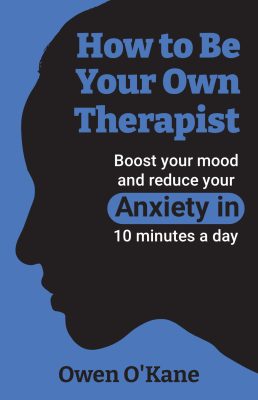
In How to Be Your Own Therapist, Owen O’Kane provides readers with a practical guide to mental well-being, promising a significant boost in mood and reduction in anxiety with just 10 minutes of daily practice. This book stands out in the self-help genre by combining O’Kane’s extensive experience as a therapist with actionable steps that anyone can incorporate into their busy lives. The unique selling point is its straightforward approach to mental health, making it accessible to those who might feel overwhelmed by more comprehensive self-help manuals.
This book is ideal for anyone seeking to improve their mental health without the commitment of lengthy therapy sessions. The primary audience includes busy professionals, parents, and students who experience stress and anxiety but have limited time for self-care. The secondary audience includes individuals who are new to self-help and therapy, offering them an accessible entry point. The language and concepts are straightforward, ensuring that even those with no prior knowledge of psychology can easily understand and apply the techniques.
Imagine being able to manage your mental health with the same ease as brushing your teeth—simple, routine, yet incredibly effective. In How to Be Your Own Therapist: Boost Your Mood and Reduce Your Anxiety in 10 Minutes a Day, Owen O’Kane offers readers a toolkit for achieving just that. He starts by illustrating how small, consistent actions can lead to significant improvements in our emotional well-being. Much like maintaining dental hygiene to prevent cavities, O’Kane suggests that dedicating just ten minutes a day to mental exercises can stave off anxiety and boost mood. This book promises a practical, no-nonsense approach to mental health that fits seamlessly into even the busiest of lives.
The author begins by addressing the universal experience of stress and anxiety, acknowledging how overwhelming it can be. He then introduces a range of techniques designed to be easily integrated into daily life. From mindfulness practices to cognitive restructuring exercises, O’Kane provides a variety of strategies tailored to different personalities and lifestyles. The idea is not to overhaul your life but to make minor adjustments that accumulate over time, leading to substantial changes in your mental health.
One of the book’s strengths is its practical approach. O’Kane breaks down complex psychological concepts into understandable and actionable steps. He uses everyday examples to illustrate how these techniques can be applied, making the content relatable and easy to grasp. For instance, he compares negative thought patterns to bad habits that can be broken with consistent effort and the right tools. This demystification of therapy techniques makes the book accessible to a broad audience, from those new to self-help to individuals seeking to supplement their ongoing therapy.
Throughout the book, O’Kane emphasizes the importance of self-compassion and patience. He acknowledges that change is not immediate and that setbacks are a natural part of the process. By fostering a kind and understanding approach to self-improvement, he helps readers cultivate a healthier relationship with themselves. This focus on self-compassion is a refreshing departure from the often harsh, self-critical tone found in many self-help books.
Readers will learn practical methods to manage their anxiety, improve their mood, and build resilience against future stress. Techniques such as mindfulness, journaling, and cognitive behavioral strategies are explained in detail, with step-by-step instructions on how to implement them. The book also offers guidance on creating a personalized mental health plan, helping readers identify which techniques work best for them and how to incorporate these practices into their daily routines.
At the heart of How to Be Your Own Therapist is the idea that mental health care doesn’t have to be complicated or time-consuming. O’Kane argues that just as we maintain our physical health through regular, simple practices like brushing our teeth or going for a walk, we can maintain our mental health with small, consistent actions. This approach challenges the notion that significant time and resources are required to improve mental well-being, making it accessible to everyone, regardless of their circumstances.
How to Be Your Own Therapist has made a significant impact in the self-help and mental health fields due to its practical, accessible approach. O’Kane’s methods have been praised for their simplicity and effectiveness, resonating with a wide audience looking for manageable ways to improve their mental health. The book’s popularity is a testament to the growing recognition of mental health’s importance and the need for accessible resources to support it.
The book has sparked discussions about the democratization of mental health care, highlighting the importance of providing everyone with the tools they need to take control of their well-being. O’Kane’s approach is somewhat controversial in its simplicity, as it challenges the traditional view that therapy must be a complex and prolonged process. However, this very simplicity is what makes the book so appealing and effective, providing an entry point for those who might otherwise feel overwhelmed by the idea of therapy.
How to Be Your Own Therapist has not only garnered positive reviews from readers but has also been recognized by mental health professionals for its contribution to the field. By empowering individuals to take charge of their mental health, O’Kane has created a valuable resource that bridges the gap between professional therapy and self-help, offering practical tools that can be used by anyone, anywhere.
How to Be Your Own Therapist: Boost Your Mood and Reduce Your Anxiety in 10 Minutes a Day by Owen O’Kane is a refreshing and practical guide for anyone looking to improve their mental health without the need for extensive therapy sessions. O’Kane’s background as a psychotherapist, combined with his compassionate and accessible writing style, makes this book a valuable resource. It stands out for its ability to distill complex psychological concepts into simple, actionable steps that can be easily integrated into daily routines.
We appreciate the book’s focus on small, manageable changes that can lead to significant improvements in mental well-being. This approach is particularly beneficial for busy individuals who may feel overwhelmed by the prospect of making major lifestyle changes. The variety of techniques covered, including mindfulness, cognitive restructuring, and self-compassion, offers readers multiple tools to address their specific needs. O’Kane’s empathetic tone and use of personal anecdotes further enhance the book’s appeal, making it feel like guidance from a trusted friend rather than a clinical manual.
The book does have some limitations, such as its heavy reliance on self-help techniques without delving deeply into the role of professional intervention for more severe mental health issues. Additionally, the lack of in-depth research citations might leave some readers seeking more robust scientific backing. However, these points do not significantly detract from the book’s overall value, especially for those looking for practical and immediate strategies to improve their mental health.
O’Kane’s emphasis on self-compassion and mindfulness aligns well with contemporary mental health practices, and his holistic approach ensures that multiple aspects of well-being are addressed. While the book might oversimplify certain complex issues, it provides a much-needed entry point for individuals new to mental health practices.
Our Recommendation
We highly recommend How to Be Your Own Therapist to anyone seeking to enhance their mental health through practical, daily practices. Its accessibility and the ease with which its techniques can be implemented make it a standout in the self-help genre. Whether you are experiencing mild anxiety, looking to boost your mood, or simply interested in maintaining your mental health, this book offers valuable tools and insights.
For those dealing with more severe mental health challenges, we suggest using this book as a supplement to professional therapy rather than a replacement. O’Kane’s techniques can provide immediate relief and long-term benefits, but professional guidance may be necessary for more complex issues. Overall, How to Be Your Own Therapist is a worthwhile addition to anyone’s mental health toolkit, offering simple yet effective strategies to foster emotional well-being in just ten minutes a day.
The essence of How to Be Your Own Therapist by Owen O’Kane lies in its straightforward approach to mental health, emphasizing small, daily practices that collectively lead to significant improvements in mood and anxiety levels. One of the key topics is the power of mindfulness. O’Kane explains mindfulness as a way to stay present and fully engage with the current moment, which helps reduce anxiety about the future and rumination on the past. He provides practical exercises for incorporating mindfulness into daily routines, such as mindful breathing and sensory awareness activities, making it an accessible tool for readers.
Another critical element is cognitive restructuring, a concept borrowed from cognitive behavioral therapy (CBT). O’Kane teaches readers how to identify and challenge negative thought patterns that contribute to anxiety and depression. By reframing these thoughts and replacing them with more balanced and positive ones, individuals can alter their emotional responses and behaviors. He outlines specific techniques for cognitive restructuring, such as thought records and Socratic questioning, and emphasizes the importance of consistency in applying these methods.
Self-compassion is another fundamental topic in the book. O’Kane underscores the importance of treating oneself with kindness and understanding, especially during difficult times. He argues that self-compassion can counteract the harsh self-criticism that often exacerbates mental health issues. Through exercises like compassionate self-talk and writing self-compassionate letters, readers learn to cultivate a more forgiving and supportive inner dialogue.
The book also highlights the significance of routine and structure in maintaining mental health. O’Kane suggests that having a predictable daily schedule can provide a sense of stability and control, which is particularly beneficial for those prone to anxiety. He advises readers to create routines that incorporate mental health practices, such as setting aside specific times for mindfulness exercises, journaling, or physical activity. By integrating these practices into their daily lives, individuals can make mental health care a habitual part of their routine.
Social connections and community support are also emphasized as vital components of mental well-being. O’Kane discusses the role of relationships in providing emotional support and reducing feelings of isolation. He encourages readers to nurture their social networks, reach out to friends and family, and seek support groups if necessary. Building and maintaining these connections can help create a sense of belonging and provide a buffer against stress.
Mindfulness in Action:
O’Kane shares the story of a busy executive who struggled with constant anxiety about work and future responsibilities. By introducing mindfulness practices into his daily routine, such as taking a few minutes each day to focus on his breathing and practice sensory awareness, the executive was able to reduce his anxiety significantly. This simple yet effective change allowed him to stay present in the moment and manage his stress more effectively.
Cognitive Restructuring:
In another example, O’Kane describes a young woman dealing with pervasive negative thoughts about her self-worth. Through cognitive restructuring exercises, such as keeping a thought diary and challenging her negative beliefs with evidence, she was able to transform her thinking patterns. Over time, she began to see herself in a more positive light, which improved her overall mood and reduced her anxiety.
Self-Compassion Practice:
O’Kane illustrates the impact of self-compassion with the story of a man who was extremely hard on himself after losing his job. By practicing self-compassion exercises, like writing letters to himself from the perspective of a kind friend, he gradually learned to treat himself with more kindness and understanding. This shift in his inner dialogue helped him recover from his setback and approach new opportunities with a healthier mindset.
Routine and Structure:
An example of the importance of routine is highlighted through the experience of a single mother juggling work and childcare. By establishing a structured daily schedule that included time for mindfulness, physical activity, and self-care, she found a sense of stability and control in her chaotic life. This routine not only improved her mental health but also made her more efficient and less stressed.
Social Connections:
O’Kane shares the story of an elderly man who felt isolated after the death of his spouse. Encouraged by O’Kane’s advice, he began to reconnect with old friends and join local community groups. These social interactions provided him with emotional support and a renewed sense of purpose, significantly improving his mood and reducing his feelings of loneliness.
Mindfulness Reduces Stress
One of the book’s key insights is the power of mindfulness to reduce stress. Mindfulness involves paying full attention to the present moment, without judgment. By practicing mindfulness, individuals can break free from the cycle of stress and anxiety caused by ruminating on the past or worrying about the future. To apply this, set aside a few minutes each day to focus on your breathing or engage in a mindful activity, such as eating or walking. Pay attention to the sensations, smells, and sounds around you. This practice can help ground you in the present moment, reducing stress and promoting a sense of calm.
Challenge Negative Thoughts
O’Kane emphasizes the importance of challenging negative thoughts to improve mental health. Negative thought patterns can contribute to anxiety and depression, but by recognizing and reframing these thoughts, individuals can alter their emotional responses. To apply this insight, start by identifying negative thoughts as they arise. Write them down and then ask yourself if these thoughts are based on facts or assumptions. Challenge them by finding evidence that contradicts them and replace them with more balanced, positive thoughts. This cognitive restructuring can help shift your mindset and improve your overall mood.
Practice Self-Compassion
Another critical insight is the role of self-compassion in mental well-being. Many people are their own harshest critics, which can exacerbate stress and anxiety. O’Kane suggests practicing self-compassion by treating yourself with the same kindness and understanding you would offer a friend. To apply this, try speaking to yourself in a compassionate tone, especially during difficult times. You can also write a letter to yourself from the perspective of a kind friend, offering support and understanding. This practice can help you develop a more forgiving and supportive inner dialogue, promoting emotional resilience.
Create a Daily Routine
Routine and structure are essential for maintaining mental health, according to O’Kane. A predictable daily schedule can provide a sense of stability and control, which is particularly beneficial for those prone to anxiety. To apply this, create a daily routine that includes time for mindfulness, physical activity, and self-care. Stick to this routine as consistently as possible, even on weekends. By integrating these practices into your daily life, you can create a stable foundation that supports your mental well-being.
Nurture Social Connections
O’Kane highlights the importance of social connections and community support in mental health. Relationships can provide emotional support and reduce feelings of isolation, which are critical for mental well-being. To apply this insight, make an effort to nurture your social connections. Reach out to friends and family regularly, and consider joining local community groups or online forums that interest you. Building and maintaining these connections can help create a sense of belonging and provide a buffer against stress.
Use Journaling as a Therapeutic Tool
Journaling is another practical tool for improving mental health that O’Kane recommends. Writing about your thoughts and feelings can help you process emotions and gain clarity on issues that are causing stress or anxiety. To apply this, set aside a few minutes each day to write in a journal. Reflect on your experiences, thoughts, and feelings, and consider writing about what you are grateful for or what went well that day. This practice can help you gain insight into your mental state and promote a positive outlook.
Prioritize Physical Activity
Physical activity is crucial for mental health, as highlighted by O’Kane. Exercise releases endorphins, which are natural mood boosters, and can help reduce stress and anxiety. To apply this insight, incorporate physical activity into your daily routine. Find an activity you enjoy, whether it’s walking, running, yoga, or dancing, and aim to do it regularly. Even short bursts of exercise can have a positive impact on your mood and overall well-being.
Practice Gratitude
O’Kane also emphasizes the power of gratitude in improving mental health. Focusing on the positive aspects of your life can help shift your mindset and reduce feelings of anxiety and depression. To apply this, take a few minutes each day to reflect on what you are grateful for. You can write these reflections in a journal or simply think about them. This practice can help you cultivate a positive outlook and enhance your overall sense of well-being.
Develop a Healthy Sleep Routine
Sleep is essential for mental health, and O’Kane discusses the importance of developing a healthy sleep routine. Poor sleep can exacerbate stress and anxiety, while good sleep can enhance mood and cognitive function. To apply this insight, create a bedtime routine that promotes relaxation. Avoid screens before bed, create a comfortable sleep environment, and aim to go to bed and wake up at the same time each day. Prioritizing good sleep hygiene can significantly improve your mental health.
Set Realistic Goals
Setting realistic and achievable goals is another important aspect of mental health, according to O’Kane. Having clear, attainable goals can provide a sense of purpose and direction, which can reduce feelings of anxiety and stress. To apply this, set small, manageable goals for yourself and celebrate your progress. Break larger goals into smaller steps and focus on what you can achieve in the short term. This approach can help you stay motivated and build confidence in your ability to overcome challenges.
Practical and Actionable Advice
One of the book’s most significant strengths is its practical and actionable advice. Owen O’Kane offers readers clear, straightforward steps to improve their mental health. Each chapter provides specific techniques that can be easily integrated into daily life, such as mindfulness exercises, cognitive restructuring methods, and journaling prompts. This practical focus makes the book highly accessible, even to those who are new to mental health practices or feel overwhelmed by more comprehensive self-help books. By offering tangible suggestions, O’Kane ensures that readers can immediately start implementing the strategies and see real improvements in their mental well-being.
Accessibility and Clarity
O’Kane excels in making complex psychological concepts easy to understand. His writing is clear and concise, avoiding jargon and technical language that could alienate readers. Instead, he uses relatable examples and straightforward explanations to convey his points. This clarity makes the book accessible to a broad audience, from those with no prior knowledge of psychology to individuals looking to deepen their understanding of mental health practices. The author’s ability to distill complex ideas into simple, actionable steps is a significant strength that enhances the book’s impact and usability.
Empathy and Compassion
Another strength of the book is O’Kane’s empathetic and compassionate tone. He writes with a deep understanding of the struggles that people face in managing their mental health, and this empathy shines through in his advice and guidance. He encourages readers to approach their mental health with kindness and self-compassion, which is a refreshing change from the often harsh and critical tone found in some self-help literature. This compassionate approach helps readers feel understood and supported, which can be incredibly motivating and comforting.
Incorporation of Personal Experience
O’Kane draws on his extensive experience as a psychotherapist and his own personal journey with mental health to provide insights and advice. This blend of professional expertise and personal experience adds depth and authenticity to the book. Readers can trust that the strategies and techniques O’Kane recommends are not only theoretically sound but also practically effective. His anecdotes and personal stories make the book more engaging and relatable, helping readers connect with the material on a deeper level.
Focus on Small, Manageable Changes
The book’s emphasis on small, manageable changes is another key strength. O’Kane recognizes that significant lifestyle overhauls can be daunting and unsustainable for many people. Instead, he advocates for incremental adjustments that can be easily incorporated into daily routines. This focus on small changes makes the book’s advice more realistic and attainable, increasing the likelihood that readers will stick with the practices and see long-term benefits. By promoting gradual progress, O’Kane helps readers build sustainable habits that support their mental health.
Holistic Approach
O’Kane takes a holistic approach to mental health, addressing various aspects of well-being, including mindfulness, cognitive techniques, physical activity, sleep hygiene, and social connections. This comprehensive perspective ensures that readers receive well-rounded advice that covers multiple dimensions of mental health. By integrating different practices, O’Kane provides a more complete and balanced approach to managing mental well-being, recognizing that mental health is influenced by a range of factors.
Lack of In-Depth Research
One critique of the book is its lack of in-depth research to support some of its claims. While O’Kane’s practical experience and personal insights are valuable, the book could benefit from a stronger foundation of scientific evidence. References to studies and research findings are sparse, which might lead some readers to question the validity of the techniques presented. Including more detailed citations and discussions of relevant research would enhance the book’s credibility and provide a more robust basis for the recommended practices.
Over-Simplification of Complex Issues
While the book’s simplicity and accessibility are strengths, they can also be seen as a weakness. Some readers might find that the book oversimplifies complex mental health issues. Not all mental health challenges can be addressed with ten minutes of daily practice, and for some individuals, more intensive therapy or medical intervention may be necessary. The book could do more to acknowledge the limitations of self-help techniques and provide guidance on when to seek professional help.
Repetition of Concepts
Another potential weakness is the repetition of certain concepts and techniques throughout the book. While repetition can reinforce learning, it may also lead to redundancy for some readers. A more varied approach or the introduction of additional techniques could keep the material fresh and engaging. By diversifying the content, O’Kane could ensure that readers remain interested and continue to find new, valuable insights as they progress through the book.
Limited Depth in Some Areas
Certain topics in the book could benefit from a deeper exploration. For example, the discussions on mindfulness and cognitive restructuring are valuable but somewhat surface-level. Providing more detailed explanations, case studies, and examples could help readers gain a better understanding of these concepts and how to apply them effectively. Expanding on these areas would add depth to the book and offer readers a more comprehensive toolkit for managing their mental health.
Over-Reliance on Self-Help Techniques
One potential blind spot in How to Be Your Own Therapist is its heavy emphasis on self-help techniques without sufficiently acknowledging the importance of professional intervention for more severe mental health issues. While the book is incredibly valuable for those experiencing mild to moderate anxiety or mood fluctuations, it may inadvertently give the impression that self-help is always sufficient. For individuals dealing with severe depression, anxiety disorders, or other significant mental health conditions, professional therapy or medication may be necessary. Books like The Noonday Demon by Andrew Solomon and Lost Connections by Johann Hari provide a deeper understanding of depression and anxiety, emphasizing the need for professional help and broader societal changes in conjunction with personal strategies.
Limited Discussion on Medication
Another overlooked aspect is the book’s limited discussion on the role of medication in mental health management. O’Kane’s focus is on behavioral and cognitive techniques, which are undoubtedly beneficial, but medication can also play a crucial role for many people. By not addressing this topic, the book might leave some readers without a full picture of their treatment options. An Unquiet Mind by Kay Redfield Jamison, a memoir by a clinical psychologist who also has bipolar disorder, explores the necessity of medication alongside therapy, providing a balanced view that could complement O’Kane’s advice.
Cultural and Societal Contexts
O’Kane’s strategies are presented in a way that assumes a certain level of cultural and societal stability, which might not be applicable to everyone. People from different cultural backgrounds or those facing significant socio-economic challenges might find some of the advice less relevant or harder to implement. Understanding mental health within diverse cultural contexts is crucial, and books like The Spirit Catches You and You Fall Down by Anne Fadiman highlight how cultural differences can impact mental health and treatment. Such perspectives could enrich O’Kane’s approach by making it more inclusive and adaptable to various cultural contexts.
Impact of Social Media and Technology
The book does not deeply explore the impact of social media and technology on mental health, which is a significant aspect of modern life. While O’Kane discusses mindfulness and reducing anxiety, he does not specifically address how constant connectivity and social media can exacerbate these issues. Books like Digital Minimalism by Cal Newport delve into the effects of technology on our mental state and offer strategies for managing digital consumption, which could provide a valuable complement to O’Kane’s advice.
Broader Environmental and Structural Factors
Lastly, the book tends to focus on individual strategies for mental health without sufficiently addressing broader environmental and structural factors that contribute to stress and anxiety. Work environments, societal expectations, and economic pressures play a significant role in mental well-being, and solely focusing on personal change can overlook these critical influences. The Body Keeps the Score by Bessel van der Kolk emphasizes the importance of understanding trauma and its long-term impact on the body and mind, advocating for a more holistic approach that includes changing the environment and receiving appropriate support.
The Happiness Trap by Russ Harris
The Happiness Trap by Russ Harris offers a contrasting approach to mental health compared to How to Be Your Own Therapist. Harris focuses on Acceptance and Commitment Therapy (ACT), which emphasizes accepting difficult emotions rather than trying to eliminate them. This differs from O’Kane’s cognitive restructuring techniques, which aim to change negative thought patterns. Harris argues that striving for constant happiness can actually lead to greater dissatisfaction, whereas O’Kane promotes the idea that consistent small changes can lead to a significant improvement in mental health. Both books are practical and accessible, but Harris places more emphasis on mindfulness and acceptance, while O’Kane focuses on actionable daily practices.
Feeling Good by David D. Burns
Feeling Good by David D. Burns is a seminal work in cognitive behavioral therapy (CBT), which shares some common ground with O’Kane’s methods. Burns’ book is more detailed in explaining the theory behind CBT and provides extensive exercises for combating negative thoughts. In contrast, How to Be Your Own Therapist is less theoretical and more focused on quick, practical techniques that can be integrated into daily routines. Burns’ work is more comprehensive and may be better suited for readers looking for an in-depth understanding of CBT, while O’Kane’s book is ideal for those seeking straightforward and quick-to-implement strategies.
Radical Acceptance by Tara Brach
Tara Brach’s Radical Acceptance provides a spiritual approach to mental health, rooted in Buddhist philosophy. Brach emphasizes the importance of embracing oneself fully, including flaws and painful emotions. This perspective contrasts with O’Kane’s focus on cognitive techniques and structured routines. Brach’s methods involve deeper, often meditative practices that require more time and emotional investment. O’Kane’s approach is more accessible to those with limited time, offering brief exercises that can fit into a busy schedule. While both books aim to reduce suffering and improve mental health, they cater to different audiences and needs.
The Body Keeps the Score by Bessel van der Kolk
Bessel van der Kolk’s The Body Keeps the Score focuses on the impact of trauma on both the mind and body, offering a comprehensive look at how traumatic experiences can shape mental health. This book provides a deep dive into the science of trauma and offers various methods for healing, including body-focused therapies and mindfulness. O’Kane’s book, while touching on trauma, does not go into the same depth and breadth. Van der Kolk’s work is essential for those dealing with significant trauma, while O’Kane provides practical tools for everyday mental health maintenance.
Lost Connections by Johann Hari
Lost Connections by Johann Hari explores the broader societal and environmental factors contributing to depression and anxiety. Hari critiques the over-reliance on medication and individual-focused solutions, arguing that disconnection from meaningful work, relationships, and community is a significant cause of mental health issues. This perspective contrasts with O’Kane’s focus on individual daily practices. While O’Kane offers practical, personal strategies for improving mental health, Hari highlights the need for systemic change and greater social support to address mental health on a larger scale. Both perspectives are valuable, with Hari providing a macro view and O’Kane offering micro-level interventions.
Daily Mindfulness Practice
Cognitive Restructuring Techniques
Practice Self-Compassion
Create a Consistent Daily Routine
Nurture Social Connections
Incorporate Physical Activity
Utilize Journaling as a Therapeutic Tool
Prioritize Good Sleep Hygiene
Set Realistic and Achievable Goals
Implementing Daily Mindfulness Practices
Mindfulness practices can be highly beneficial in a business setting, helping to reduce stress and improve focus among employees. Encouraging staff to take a few minutes each day for mindfulness exercises can enhance overall productivity and workplace satisfaction. Activities such as mindful breathing, short meditation sessions, or mindful walking can be incorporated into the daily schedule.
Implementing mindfulness practices in the workplace may face challenges such as resistance from employees who are skeptical about its benefits or feel too busy to participate. Additionally, finding appropriate times and spaces for these activities without disrupting the workflow can be difficult.
To overcome these challenges, businesses can start by offering educational sessions that highlight the scientifically proven benefits of mindfulness. Management can lead by example, participating in mindfulness activities and creating a culture that values mental well-being. Providing dedicated spaces and flexible times for mindfulness sessions can also help integrate these practices into the daily routine without causing disruptions.
Promoting Cognitive Restructuring Techniques
Encouraging employees to practice cognitive restructuring can help improve their problem-solving skills and reduce workplace stress. Training sessions can be organized to teach staff how to identify and challenge negative thoughts, fostering a more positive and proactive work environment.
However, cognitive restructuring requires a certain level of self-awareness and commitment, which some employees may lack. There may also be initial resistance to adopting these techniques, especially if they are perceived as psychological interventions rather than practical tools.
To address these obstacles, businesses can integrate cognitive restructuring techniques into regular professional development programs, presenting them as skills that enhance overall performance rather than solely as mental health strategies. Providing continuous support and resources, such as access to coaching or mental health professionals, can encourage employees to embrace and consistently apply these techniques.
Fostering a Culture of Self-Compassion
Creating a workplace culture that promotes self-compassion can lead to a more supportive and resilient workforce. Encouraging employees to treat themselves with kindness, especially during stressful times, can reduce burnout and increase job satisfaction. Workshops and team-building activities focused on self-compassion can help instill these values across the organization.
One challenge in fostering self-compassion is the existing workplace culture that may prioritize high performance and productivity over employee well-being. There may also be skepticism about the relevance of self-compassion in a professional setting.
To overcome these challenges, leadership should openly advocate for and practice self-compassion, demonstrating its importance and effectiveness. Policies that support work-life balance, such as flexible working hours and mental health days, can reinforce the value of self-compassion. Regular training sessions and resources on self-compassion can help integrate this concept into the organizational culture.
Establishing Consistent Daily Routines
Encouraging employees to develop consistent daily routines can enhance productivity and reduce stress. This could include setting specific times for focused work, breaks, and mental health practices. A structured workday helps create predictability, which can be particularly beneficial in high-stress environments.
Employees may resist changes to their established routines or feel that imposed structures limit their flexibility. Additionally, different roles and responsibilities may require varying levels of routine, making it challenging to implement a one-size-fits-all approach.
To address these challenges, businesses can offer guidelines rather than rigid schedules, allowing employees to tailor routines to their specific needs and responsibilities. Encouraging open communication about what routines work best for different roles can foster a collaborative approach. Providing tools such as planners or time management software can also support employees in establishing and maintaining effective routines.
Enhancing Social Connections in the Workplace
Promoting strong social connections among employees can lead to a more cohesive and supportive work environment. Initiatives such as team-building activities, social events, and collaborative projects can help strengthen relationships and improve overall morale.
Challenges to enhancing social connections may include geographical dispersion of teams, remote work arrangements, and existing interpersonal conflicts. Additionally, some employees may prefer to keep their work and social lives separate, leading to resistance.
To overcome these challenges, businesses can leverage technology to facilitate virtual team-building activities and regular check-ins for remote teams. Creating a variety of social events and activities that cater to different interests can encourage broader participation. Addressing and resolving interpersonal conflicts through mediation and open dialogue can also help foster a more connected and harmonious workplace.
Encouraging Regular Physical Activity
Incorporating physical activity into the workday can boost employees’ physical and mental health, leading to increased energy levels and productivity. Businesses can offer on-site fitness facilities, organize group exercise sessions, or provide incentives for participating in physical activities.
Implementing regular physical activity can be challenging due to time constraints and varying levels of interest and fitness among employees. There may also be logistical issues, such as lack of space for on-site facilities or coordination difficulties for group activities.
To address these challenges, businesses can offer flexible options that accommodate different schedules and fitness levels. Providing virtual fitness classes or partnerships with local gyms can make physical activity more accessible. Encouraging employees to incorporate short physical activity breaks into their workday, such as walking meetings or stretching sessions, can also promote regular exercise without significant time investment.
Increased Focus on Mental Health in the Workplace
There’s a growing recognition of the importance of mental health in the workplace. Companies are increasingly offering mental health resources, such as counseling services and mental health days. O’Kane’s book fits perfectly into this trend. It provides practical strategies that employees can use to manage their mental health daily. As this trend continues, we can expect more businesses to adopt such practices. Employees will benefit from having actionable tools to reduce stress and anxiety.
Rise of Self-Care and Wellness Culture
Self-care and wellness are becoming integral parts of everyday life. People are looking for simple, effective ways to take care of their mental health. How to Be Your Own Therapist aligns with this trend by offering easy-to-implement techniques that don’t require extensive time commitments. The book’s focus on self-compassion, mindfulness, and cognitive restructuring is in sync with the increasing demand for accessible self-care practices. As wellness culture grows, the relevance of O’Kane’s methods is likely to increase.
Integration of Technology and Mental Health
Technology is playing a significant role in mental health management. Apps and online platforms offering mindfulness, therapy, and self-help resources are becoming more popular. O’Kane’s book can be seen as a complement to these digital tools. His techniques can be easily integrated into digital formats, making them even more accessible. In the future, we might see collaborations between authors like O’Kane and tech developers to create comprehensive mental health solutions.
Shift Towards Preventative Mental Health Care
There is a shift towards preventative care in mental health, focusing on maintaining well-being rather than only addressing issues when they arise. O’Kane’s approach is preventative at its core. By encouraging daily practices that boost mood and reduce anxiety, the book aligns with this shift. As more people understand the importance of maintaining mental health, preventative strategies like those in O’Kane’s book will become even more relevant.
Personalization in Mental Health Strategies
Personalization is becoming a key trend in mental health care. People want strategies tailored to their specific needs and lifestyles. O’Kane’s book supports this trend by offering a variety of techniques that readers can choose from and adapt to their routines. This flexibility is crucial as it allows individuals to personalize their mental health practices. As the demand for personalized mental health care grows, the adaptable nature of O’Kane’s advice will become increasingly valuable.
How to Be Your Own Therapist has the potential to make a lasting impact on the field of mental health by popularizing the idea that small, daily practices can significantly improve well-being. Its accessibility and practicality can encourage a broader audience to take proactive steps towards managing their mental health. By making mental health care more approachable, O’Kane’s book could help reduce the stigma associated with seeking help and promote a culture of self-care and mental wellness.
In the wider societal context, the book may contribute to a shift in how mental health is perceived and managed. If more people adopt the practices suggested by O’Kane, there could be a collective improvement in mental health, reducing the overall burden on healthcare systems. This shift towards preventative mental health care could lead to more productive and happier communities. The book’s emphasis on self-compassion and mindfulness might also influence how workplaces and educational institutions approach mental health, promoting environments that support psychological well-being.
Furthermore, the book’s success could inspire other mental health professionals to create similar resources, increasing the availability of practical self-help tools. This could lead to a more diverse range of approaches and techniques becoming mainstream, providing individuals with a variety of options to choose from based on their personal needs and preferences. The ripple effect of O’Kane’s book could thus extend beyond individual readers, influencing broader practices and policies related to mental health care.
The Happiness Trap by Russ Harris
The Happiness Trap by Russ Harris is an excellent complement to O’Kane’s book. It introduces Acceptance and Commitment Therapy (ACT), which emphasizes accepting negative emotions rather than trying to eliminate them. This book provides a different approach to managing stress and anxiety, helping readers understand that striving for constant happiness can sometimes be counterproductive. Harris’s practical exercises and clear explanations align well with O’Kane’s focus on actionable strategies.
Feeling Good by David D. Burns
David D. Burns’ Feeling Good is a foundational text in cognitive behavioral therapy (CBT). It offers detailed insights into identifying and restructuring negative thoughts, similar to the techniques O’Kane recommends. This book dives deeper into the theory and practice of CBT, providing readers with a comprehensive understanding of how to apply these methods effectively. It’s a valuable resource for those looking to expand their knowledge and enhance their mental health practices.
Radical Acceptance by Tara Brach
Radical Acceptance by Tara Brach provides a spiritual and philosophical perspective on self-compassion and mindfulness. Brach’s approach, rooted in Buddhist teachings, offers profound insights into accepting oneself and finding inner peace. This book complements O’Kane’s practical techniques by adding a deeper layer of emotional and spiritual understanding. It’s particularly useful for readers interested in exploring mindfulness and self-compassion on a more profound level.
Lost Connections by Johann Hari
Johann Hari’s Lost Connections explores the societal and environmental factors contributing to depression and anxiety. It provides a broader context to the personal strategies O’Kane advocates, highlighting the importance of social connections and community support. Hari’s investigative approach and compelling narrative offer readers a comprehensive understanding of mental health beyond individual practices, making it a perfect companion to O’Kane’s book.
The Body Keeps the Score by Bessel van der Kolk
The Body Keeps the Score by Bessel van der Kolk is a seminal work on the impact of trauma on mental health. Van der Kolk’s extensive research and clinical experience provide deep insights into how trauma affects both the mind and body. This book complements O’Kane’s practical advice by offering a detailed exploration of trauma’s long-term effects and various healing methods. It’s essential reading for those looking to understand the complexities of trauma and its treatment.
Digital Minimalism by Cal Newport
Cal Newport’s Digital Minimalism addresses the impact of technology and social media on mental health. Newport’s strategies for managing digital consumption align well with O’Kane’s focus on mindfulness and mental well-being. This book provides practical advice on creating a healthier relationship with technology, which is increasingly relevant in today’s digital age. It’s a valuable addition for readers seeking to balance their digital lives with their mental health practices.
An Unquiet Mind by Kay Redfield Jamison
An Unquiet Mind by Kay Redfield Jamison is a powerful memoir that offers personal insights into living with bipolar disorder. Jamison’s dual perspective as a clinical psychologist and someone with lived experience provides a unique and valuable viewpoint. This book adds depth to the conversation around mental health, highlighting the importance of professional intervention alongside self-help strategies. It’s an inspiring read for those looking to understand the complexities of mental illness.
Ten to Zen by Owen O’Kane
Ten to Zen by Owen O’Kane, another book by the author, complements How to Be Your Own Therapist perfectly. It offers a ten-minute daily mental workout designed to reduce stress and improve mental clarity. This book provides additional techniques and insights that align with O’Kane’s practical approach, making it an excellent resource for readers who appreciate his accessible and straightforward style.
Mindful.org
Mindful.org is an excellent resource for anyone interested in learning more about mindfulness and meditation. It offers a wealth of articles, guided practices, and resources on how to incorporate mindfulness into daily life. This platform complements O’Kane’s teachings by providing additional techniques and insights from leading mindfulness experts.
Headspace
Headspace (headspace.com) is a well-known online platform and app that provides guided meditation and mindfulness practices. It offers a variety of programs tailored to different needs, such as stress reduction, better sleep, and improved focus. The accessible and user-friendly format makes it easy for users to incorporate mindfulness into their daily routines, aligning perfectly with the practical advice in O’Kane’s book.
Wisdom 2.0
Wisdom 2.0 (wisdom2conference.com) is an annual conference that explores the intersection of mindfulness, technology, and society. It brings together leaders in mindfulness, business, and technology to discuss how to live with greater awareness and purpose. Attending this conference can provide valuable insights and networking opportunities for individuals and businesses looking to integrate mindfulness practices into their lives.
The Mindful Leadership Summit
The Mindful Leadership Summit (mindfulleader.org) is a premier event focused on mindfulness and leadership. It gathers experts, practitioners, and organizational leaders to explore how mindfulness can enhance leadership and organizational performance. This summit is particularly relevant for business leaders interested in applying the principles from O’Kane’s book to create more mindful and effective workplaces.
American Mindfulness Research Association (AMRA)
The American Mindfulness Research Association (mindfulexperience.org) is dedicated to supporting empirical research on mindfulness and its applications. It provides resources, publications, and networking opportunities for researchers and practitioners. Joining AMRA can help individuals stay updated on the latest research and developments in mindfulness, complementing the practical strategies in O’Kane’s book.
Association for Behavioral and Cognitive Therapies (ABCT)
The Association for Behavioral and Cognitive Therapies (abct.org) is a professional organization that promotes evidence-based cognitive and behavioral therapies. It offers resources, conferences, and professional development opportunities for therapists and mental health professionals. ABCT is a valuable resource for those interested in the cognitive restructuring techniques discussed in O’Kane’s book.
The Mindful Kind
Hosted by Rachael Kable, The Mindful Kind podcast offers practical advice on mindfulness and mental health. Each episode provides tips and insights on how to incorporate mindfulness into daily life, making it a great complement to O’Kane’s teachings. The podcast’s accessible and engaging format helps reinforce the concepts found in the book.
10% Happier with Dan Harris
10% Happier with Dan Harris is a podcast that explores mindfulness and meditation with a variety of experts. Hosted by Dan Harris, a journalist who turned to mindfulness after experiencing a panic attack on live TV, the podcast offers practical advice and real-world applications of mindfulness techniques. This resource aligns well with O’Kane’s practical approach to mental health.
MBSR (Mindfulness-Based Stress Reduction)
The Mindfulness-Based Stress Reduction (MBSR) program, developed by Jon Kabat-Zinn, is a comprehensive course that teaches mindfulness practices to reduce stress and improve well-being. Offered by various institutions worldwide, including online platforms like the Center for Mindfulness at the University of Massachusetts Medical School (umassmed.edu), MBSR provides structured and evidence-based training in mindfulness, complementing the practices in O’Kane’s book.
The Science of Well-Being
The Science of Well-Being, a course offered by Yale University through Coursera (coursera.org), teaches scientifically-backed strategies for improving happiness and well-being. The course covers various topics, including mindfulness and cognitive strategies, providing a solid foundation that aligns with the principles in O’Kane’s book. This free course is accessible to anyone interested in enhancing their mental health.
The Mindfulness Movement
The Mindfulness Movement is a documentary that explores the growing trend of mindfulness and meditation. It features interviews with leading mindfulness experts and real-life stories of individuals who have benefited from mindfulness practices. This film provides a broad overview of the mindfulness movement, offering additional context and insights that complement the teachings in O’Kane’s book.
Heal
Heal is a documentary that examines the mind-body connection and how our thoughts, beliefs, and emotions impact our health. Featuring interviews with leading scientists and spiritual teachers, the film explores various healing modalities, including mindfulness and cognitive techniques. Heal provides a holistic perspective on mental and physical health, making it a valuable resource for readers of How to Be Your Own Therapist.


Discover the key takeaways from top non-fiction books in minutes. Get the wisdom you need to succeed fast. Here, learning is quick, engaging, and always at your fingertips.
© 2025 All Rights Reserved.