Reviews
“This brilliant book will shatter your assumptions about what it takes to improve and succeed. I wish I could go back in time and gift it to my younger self. It would’ve helped me find a more joyful path to progress.”—Serena Williams, 23-time Grand Slam singles tennis champion
“This is a book that should be read by parents, leaders, coaches, and every school board member in America. Adam Grant reveals that everything you think about developing potential is wrong.”—Mark Cuban, Shark Tank investor, owner of the Dallas Mavericks, and cofounder of Cost Plus Drugs
“I read Hidden Potential in one sitting, loved it, and have been thinking about it ever since. Which is the highest praise I can give a book. This is Adam Grant’s finest work—it will inspire you to bigger dreams.” —Malcolm Gladwell, author of Outliers and host of Revisionist History
“Hidden Potential teaches us to reach new levels of mastery and unlock our greatest resource: our humanity. We would all be better off if we took Adam Grant’s wise counsel seriously!”—Yo-Yo Ma, 19-time Grammy-winning cellist
“Wickedly entertaining and deeply insightful, Adam Grant has done it again. You have more in common with Mozart and Steph Curry than you know, and Hidden Potential will show you how to achieve your absolute best. You’ll devour it and find yourself begging for more.”—U.S. Navy Admiral William H. McRaven, author of Make Your Bed and The Wisdom of the Bullfrog
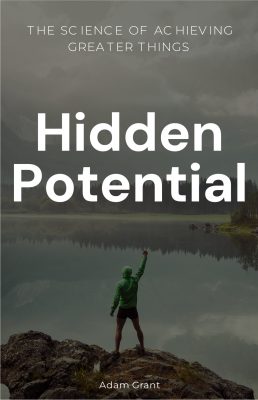
This book explores how untapped potential can be harnessed to achieve remarkable success. Focusing on the science behind talent and growth, it challenges traditional notions of inherent ability and highlights how environmental factors, mindset, and strategic efforts can lead to greater accomplishments. The author draws on extensive research and real-world examples to provide a compelling narrative on how anyone can unlock their hidden potential. The book’s unique angle lies in its data-driven approach, offering practical advice that is both inspirational and grounded in scientific evidence.
This book is ideal for professionals, educators, and anyone interested in personal and professional development. The primary audience includes managers, leaders, and individuals striving to enhance their performance and achieve greater success. The secondary audience encompasses students, career changers, and lifelong learners looking to understand the science behind growth and achievement. The book’s language is accessible, with clear explanations of scientific concepts and engaging stories that make complex ideas easy to grasp for a broad readership.
Ever wondered why some people achieve more than others, despite having similar resources and opportunities?
Imagine a seed lying dormant in the soil. With the right conditions—sunlight, water, and nutrients—it has the potential to grow into a towering tree. This metaphor captures the essence of Hidden Potential: The Science of Achieving Greater Things by Adam Grant. The book dives deep into the often overlooked factors that allow individuals to transform their latent abilities into extraordinary achievements. Through meticulous research and compelling storytelling, Grant argues that talent is just a starting point and that true success hinges on one’s environment, mindset, and persistent effort.
Grant opens with an intriguing story about a chess prodigy who defies the odds not because of inherent genius but due to a supportive environment and relentless practice. This sets the stage for a broader discussion on how potential is often hidden beneath the surface, waiting to be unlocked. Grant uses this narrative to challenge the conventional wisdom that talent alone dictates success, emphasizing that it’s the nurturing of potential that leads to greatness.
The book is a treasure trove of practical insights backed by scientific research. Readers will learn about the critical role of mindset in achieving success, drawing on Carol Dweck’s concept of a growth mindset. Grant also explores how strategic efforts, such as deliberate practice and seeking feedback, can significantly enhance one’s capabilities. Furthermore, the book delves into the importance of resilience and adaptability in overcoming obstacles, illustrating how setbacks can be transformed into opportunities for growth.
One of the key takeaways from Hidden Potential is the power of our social environment. Grant highlights how the people we surround ourselves with can either propel us forward or hold us back. He uses examples from various fields, including sports, business, and education, to demonstrate how mentors, peers, and communities contribute to the development of potential. This idea underscores the notion that success is a collective effort, and fostering a supportive network is crucial for achieving greater things.
Adam Grant’s engaging writing style and ability to distill complex concepts into relatable stories make Hidden Potential a must-read for anyone looking to understand the science of success. The book not only provides a fresh perspective on what it takes to excel but also offers actionable advice that readers can implement in their own lives. By the end of the book, readers will have a comprehensive understanding of how to unlock their hidden potential and achieve greater things.
The central message of Hidden Potential is that greatness is not a product of innate talent alone but the result of nurturing one’s potential through the right mindset, environment, and strategic effort. Grant uses the metaphor of a gardener tending to a plant to illustrate this point. Just as a gardener provides the necessary conditions for a plant to thrive, individuals must create an environment that fosters growth and actively work on developing their abilities.
Hidden Potential has made a significant impact in the fields of psychology and personal development by challenging the traditional view of talent and success. The book’s emphasis on the science of achieving greater things has sparked conversations about the role of mindset, environment, and effort in personal and professional growth. Grant’s rigorous approach to research and his ability to translate academic findings into practical advice have earned the book widespread acclaim.
The book has been recognized for its contributions to understanding human potential, receiving praise from both academics and practitioners. It has also generated some controversy, particularly among those who believe that talent is the primary determinant of success. Grant addresses these criticisms head-on, providing compelling evidence to support his arguments and encouraging readers to rethink their assumptions about talent and achievement.
By highlighting the importance of nurturing potential, Hidden Potential has inspired individuals and organizations to adopt new strategies for developing talent. The book’s insights have been applied in various contexts, from educational programs aimed at fostering a growth mindset in students to corporate training initiatives designed to enhance employee performance. This widespread application underscores the book’s relevance and its potential to drive meaningful change in how we approach success and personal development.
Hidden Potential: The Science of Achieving Greater Things by Adam Grant is a compelling and insightful read that challenges conventional wisdom about talent and success. Throughout the book, Grant makes a strong case for the importance of mindset, environment, and deliberate practice in unlocking one’s potential. His engaging writing style, combined with a wealth of research and practical advice, makes this book accessible to a wide audience. Whether you’re a professional aiming to enhance your career, an educator seeking to inspire students, or simply someone interested in personal development, Grant’s insights are both valuable and actionable.
We appreciate how Grant breaks down complex concepts into relatable and understandable terms. His use of real-world examples and anecdotes keeps the reader engaged while providing concrete illustrations of his points. This approach not only makes the book enjoyable to read but also ensures that the principles discussed can be easily applied in various contexts. Grant’s emphasis on a growth mindset, deliberate practice, and the influence of supportive environments offers a holistic perspective on what it takes to achieve greatness.
However, the book is not without its shortcomings. At times, the repetition of certain concepts can feel redundant, and the reliance on anecdotes may leave readers wanting more in-depth analysis of the underlying theories. Additionally, the book’s focus on individual effort and mindset may overlook broader systemic issues and the significant impact of socioeconomic factors on personal development. These limitations, while notable, do not significantly detract from the overall value of the book.
Grant’s insights into resilience and adaptability are particularly relevant in today’s fast-paced and ever-changing world. His discussion on the importance of motivation and the role of a supportive social environment provides a comprehensive framework for understanding and nurturing potential. While some areas could benefit from deeper exploration, the book’s strengths far outweigh its weaknesses, making it a worthwhile read for anyone looking to maximize their capabilities.
Our Recommendation
We highly recommend Hidden Potential to anyone interested in understanding the science behind personal and professional success. Adam Grant’s ability to blend rigorous research with practical advice makes this book both informative and inspiring. It provides readers with actionable strategies for fostering a growth mindset, engaging in deliberate practice, and creating a supportive environment conducive to growth. These insights are applicable across various domains, from education and business to personal development.
For those who are looking to make tangible improvements in their lives or careers, Hidden Potential offers a roadmap for unlocking and maximizing one’s abilities. Its focus on practical steps and real-world examples makes it a useful guide for implementing the principles discussed. While it’s important to supplement this book with other readings that address its blind spots, Grant’s work stands out as a significant contribution to the field of personal development. We believe that readers will find it both enlightening and motivating, providing the tools needed to achieve greater things.
Hidden Potential: The Science of Achieving Greater Things by Adam Grant revolves around the idea that success is not solely determined by innate talent but by nurturing one’s potential through strategic effort, the right environment, and a growth mindset. One of the key topics in the book is the concept of a growth mindset, which is the belief that abilities can be developed through dedication and hard work. Grant emphasizes that adopting a growth mindset can transform how individuals approach challenges and setbacks, making them more resilient and willing to learn from their experiences.
Another critical element of the book is the role of deliberate practice in achieving excellence. Deliberate practice involves focused, goal-oriented training that targets specific skills and seeks continuous improvement through feedback and refinement. Grant argues that deliberate practice is more effective than mere repetition or talent alone, as it pushes individuals to stretch beyond their current capabilities and build expertise systematically.
The book also explores the impact of the social environment on personal growth. Grant highlights how the people we surround ourselves with can influence our development, either positively or negatively. Supportive mentors, peers, and communities can provide encouragement, constructive feedback, and opportunities for growth, while negative influences can stifle potential and hinder progress. This theme underscores the importance of building a network that fosters and nurtures one’s abilities.
Resilience and adaptability are also pivotal topics in Hidden Potential. Grant discusses how the ability to bounce back from setbacks and adapt to changing circumstances is crucial for long-term success. He presents resilience not just as a trait but as a skill that can be developed through experiences and intentional practice. This focus on resilience ties into the broader theme of growth and continuous improvement, showing that setbacks are not just obstacles but opportunities for learning and growth.
Finally, the book delves into the science of motivation, exploring what drives individuals to pursue their goals and how intrinsic and extrinsic motivators can be harnessed effectively. Grant explains that understanding what motivates us can help in structuring our environment and activities in a way that aligns with our long-term objectives, making the pursuit of excellence more sustainable and rewarding.
The Chess Prodigy: Grant starts the book with the story of a chess prodigy who defies expectations not because of inherent genius but due to a supportive environment and relentless practice. This example serves to illustrate the idea that potential is often hidden beneath the surface and can be unlocked through the right conditions and effort. The prodigy’s journey from novice to champion highlights the importance of deliberate practice, strategic effort, and a growth mindset in achieving greatness.
The Basketball Coach: In another compelling example, Grant discusses a basketball coach who revolutionized the game by focusing on players’ potential rather than their current abilities. This coach implemented innovative training techniques and fostered a culture of continuous improvement, leading his team to unprecedented success. The coach’s approach exemplifies how belief in potential, coupled with deliberate effort and a supportive environment, can lead to extraordinary outcomes.
The Power of Mentorship: Grant shares the story of a young entrepreneur who flourished under the guidance of a seasoned mentor. The mentor provided not only industry knowledge but also emotional support and critical feedback, helping the mentee navigate challenges and seize opportunities. This example underscores the impact of a positive social environment on personal and professional growth, highlighting the role of mentors in unlocking hidden potential.
Resilience in Action: A powerful case study in the book is that of a startup founder who faced multiple failures before achieving success. Through resilience and adaptability, the founder learned from each setback, adjusted strategies, and eventually built a thriving company. This story illustrates how resilience is a crucial skill for overcoming obstacles and achieving long-term success, reinforcing Grant’s message that setbacks can be valuable learning experiences.
Motivation in the Workplace: Grant examines the case of a corporation that transformed its work culture by aligning intrinsic and extrinsic motivators with employees’ goals. By understanding what drives their workforce, the company was able to create an environment that fostered motivation, engagement, and high performance. This example demonstrates the importance of understanding and harnessing motivation to achieve greater things, both individually and organizationally.
Adopt a Growth Mindset
One of the central insights from the book is the importance of adopting a growth mindset. A growth mindset, as opposed to a fixed mindset, is the belief that abilities and intelligence can be developed through dedication and hard work. To apply this insight, start by challenging your own limiting beliefs. When you encounter a setback, view it as an opportunity to learn rather than a failure. Encourage yourself to embrace challenges and persist in the face of difficulties. This mindset shift can transform how you approach your goals and ultimately lead to greater achievements.
Engage in Deliberate Practice
Deliberate practice is another key insight from the book. Unlike regular practice, which might involve mindless repetition, deliberate practice is highly focused and goal-oriented. To apply this insight, identify specific areas where you need improvement and set clear, measurable goals. Break down complex skills into smaller, manageable parts and practice each part with full concentration. Seek feedback from mentors or peers and use it to refine your skills continuously. This targeted approach can significantly enhance your performance and expertise over time.
Leverage the Power of a Supportive Environment
Grant emphasizes the role of the social environment in personal growth. Surrounding yourself with supportive mentors, peers, and communities can provide encouragement, constructive feedback, and valuable opportunities. To apply this insight, seek out mentors who can guide you and offer honest feedback. Join communities or groups that share your interests and goals, and actively participate in their activities. Building a network of supportive relationships can create an environment that nurtures your potential and accelerates your progress.
Cultivate Resilience and Adaptability
Resilience and adaptability are crucial for overcoming setbacks and achieving long-term success. Grant suggests that resilience is not just an innate trait but a skill that can be developed. To cultivate resilience, practice reframing challenges as opportunities for growth. Develop a habit of reflecting on your experiences and learning from them. When faced with obstacles, focus on what you can control and take proactive steps to address the situation. Building resilience will help you navigate adversity and stay on course toward your goals.
Understand and Harness Motivation
Understanding what motivates you can help you align your efforts with your long-term objectives. Grant explores the science of motivation, highlighting the importance of both intrinsic and extrinsic motivators. To apply this insight, take time to identify what drives you, whether it’s personal fulfillment, recognition, or financial rewards. Structure your environment and activities to align with these motivators. For example, if you’re motivated by personal growth, set challenging goals that push you out of your comfort zone. If recognition drives you, seek opportunities to showcase your achievements. Aligning your efforts with your motivations can make the pursuit of excellence more sustainable and rewarding.
Set Clear, Achievable Goals
Goal setting is a critical component of unlocking potential. Grant emphasizes the importance of setting clear, achievable goals that provide direction and motivation. To apply this insight, start by defining your long-term objectives and break them down into smaller, actionable steps. Use the SMART criteria—Specific, Measurable, Achievable, Relevant, and Time-bound—to ensure your goals are well-defined. Regularly review your progress and adjust your goals as needed. Setting and achieving small milestones can build momentum and keep you motivated toward your larger aspirations.
Seek Continuous Feedback
Feedback is essential for growth and improvement. Grant highlights how constructive feedback can help you identify areas for development and refine your skills. To apply this insight, actively seek feedback from mentors, peers, and even from your own reflections. Create a feedback loop where you consistently review your performance, gather input, and make necessary adjustments. Be open to criticism and use it as a tool for growth rather than a personal attack. Continuous feedback can accelerate your learning and enhance your performance.
Develop a Habit of Lifelong Learning
Lifelong learning is crucial for staying relevant and achieving long-term success. Grant stresses the importance of continuously acquiring new knowledge and skills. To apply this insight, commit to a habit of regular learning. Read books, attend workshops, take online courses, and engage in other activities that expand your knowledge and skills. Stay curious and open-minded, and seek opportunities to learn from different perspectives. Making lifelong learning a habit can keep you adaptable and prepared for future challenges and opportunities.
Foster a Culture of Growth in Teams
Creating a culture of growth within teams can amplify collective potential. Grant suggests that leaders should foster an environment where team members are encouraged to develop their skills and pursue excellence. To apply this insight, as a leader, promote a growth mindset within your team. Encourage open communication, provide regular feedback, and recognize individual and collective achievements. Offer opportunities for professional development and create a supportive atmosphere where team members feel valued and motivated to grow. A culture of growth can enhance team performance and drive organizational success.
Embrace Failure as a Learning Opportunity
Grant highlights the importance of viewing failure as a learning opportunity rather than a setback. To apply this insight, shift your perspective on failure. When you experience a failure, take time to analyze what went wrong and what you can learn from the experience. Use these insights to improve your approach and strategies moving forward. Encourage a similar mindset within your team or organization, where failures are seen as valuable learning experiences that contribute to growth and improvement. Embracing failure as a part of the learning process can foster resilience and continuous improvement.
Depth of Research
One of the primary strengths of Hidden Potential is the depth of research that Adam Grant brings to the table. The book is grounded in extensive scientific studies and empirical data, which lends credibility and weight to the arguments presented. Grant meticulously cites sources and integrates findings from various fields, such as psychology, education, and organizational behavior, to support his claims. This rigorous approach ensures that readers are not just receiving anecdotal advice but are being exposed to well-substantiated insights that have real-world applicability.
Clarity of Arguments
Grant excels at presenting complex concepts in a clear and accessible manner. His writing style is engaging and easy to follow, making the book suitable for a wide audience. Whether discussing the intricacies of deliberate practice or the nuances of a growth mindset, Grant breaks down sophisticated ideas into digestible pieces. He uses relatable analogies and real-world examples to illustrate his points, which helps readers grasp the material more effectively. This clarity makes the book a valuable resource for anyone looking to understand and apply its principles.
Practical Applicability
The practical applicability of Hidden Potential is another significant strength. Grant doesn’t just provide theoretical insights; he offers concrete strategies and actionable advice that readers can implement in their own lives. From techniques for fostering a growth mindset to methods for engaging in deliberate practice, the book is filled with practical tips that can be applied in various contexts. This focus on actionable steps ensures that readers can translate the book’s concepts into real-world success, enhancing its overall value.
Engaging Writing Style
Grant’s engaging writing style is a highlight of the book. He has a knack for storytelling, weaving in anecdotes and case studies that bring the material to life. This narrative approach keeps readers engaged and makes the book an enjoyable read. Grant’s ability to connect with his audience through relatable stories and humor adds an element of entertainment to the educational content, making it easier for readers to stay invested in the material.
Holistic Perspective
The holistic perspective presented in Hidden Potential is another noteworthy strength. Grant doesn’t focus solely on individual effort or talent; he considers the broader context, including environmental factors and social influences. By addressing the multifaceted nature of potential, he provides a more comprehensive understanding of what it takes to achieve greatness. This well-rounded approach ensures that readers appreciate the interplay between personal, social, and environmental factors in realizing their potential.
Inspiring and Motivational
The book’s inspiring and motivational tone is also a key strength. Grant’s optimistic outlook and emphasis on the possibility of growth and improvement are encouraging for readers. He challenges the notion that talent is fixed and instead promotes the idea that everyone has the potential to achieve greater things with the right mindset and effort. This motivational aspect can inspire readers to take action and pursue their goals with renewed vigor.
Repetition of Concepts
One of the weaknesses of Hidden Potential is the repetition of certain concepts throughout the book. While the emphasis on key ideas such as a growth mindset and deliberate practice is important, the frequent reiteration of these points can feel redundant at times. This repetition might lead some readers to feel that the book is reiterating the same ideas without offering new insights, which can detract from the overall reading experience.
Over-reliance on Anecdotes
While anecdotes and case studies are effective for illustrating concepts, Hidden Potential sometimes relies too heavily on these narrative elements. There are instances where the book could benefit from a more in-depth analysis or discussion of the underlying theories and research. This over-reliance on storytelling can make the book feel anecdotal rather than deeply analytical, which might be a limitation for readers seeking a more rigorous exploration of the topics covered.
Limited Scope on Individual Differences
The book tends to generalize the principles of growth and potential, occasionally overlooking individual differences. While the strategies presented are broadly applicable, they may not account for the unique circumstances and challenges faced by different individuals. For example, factors such as socioeconomic background, personal circumstances, and inherent limitations are not thoroughly addressed, which could make the advice less relevant for some readers.
Simplification of Complex Issues
Another weakness is the potential oversimplification of complex issues. While Grant’s goal is to make the material accessible, there are moments where the simplification of concepts might lead to a loss of nuance. For example, the interplay between innate talent and environmental factors is complex and multifaceted, and reducing it to a straightforward formula might not capture the full picture. This simplification can sometimes lead to an underestimation of the complexities involved in personal growth and achievement.
Overemphasis on Growth Mindset
One potential blind spot in Hidden Potential is the overemphasis on the growth mindset as a panacea for success. While adopting a growth mindset is undoubtedly beneficial, it is not a cure-all. Grant’s focus on this concept might lead readers to underestimate the importance of other factors such as inherent abilities, access to resources, and external circumstances. Books like Mindset by Carol Dweck, which originally popularized the growth mindset, provide a more balanced view by acknowledging that while mindset is crucial, it must be complemented by a supportive environment and access to opportunities. Similarly, Grit by Angela Duckworth emphasizes the importance of perseverance and passion in conjunction with a growth mindset, offering a more nuanced perspective on what drives success.
Underplaying Socioeconomic Factors
Another blind spot is the underplaying of socioeconomic factors that significantly impact one’s ability to achieve greater things. Grant discusses the importance of the social environment and mentorship but does not sufficiently address the barriers faced by individuals from disadvantaged backgrounds. Socioeconomic status can profoundly influence access to education, resources, and opportunities, which are critical for unlocking potential. Books like The Meritocracy Trap by Daniel Markovits and The Privileged Poor by Anthony Abraham Jack delve deeper into how socioeconomic factors create systemic barriers to success, providing a more comprehensive understanding of the challenges faced by individuals from less privileged backgrounds.
Neglecting Mental Health Considerations
The book also tends to overlook the role of mental health in personal and professional development. While Grant emphasizes resilience and adaptability, he does not sufficiently address how mental health issues can affect one’s ability to apply these principles. Anxiety, depression, and other mental health conditions can significantly impact motivation, cognitive function, and overall well-being, which in turn affect one’s potential for growth. Lost Connections by Johann Hari and The Body Keeps the Score by Bessel van der Kolk offer valuable insights into how mental health and trauma can influence personal development and success, highlighting areas that Hidden Potential does not fully explore.
Simplification of Systemic Issues
Grant’s focus on individual effort and mindset might lead readers to overlook systemic issues that can hinder personal growth. For instance, institutional biases and discrimination can significantly impact one’s opportunities and ability to succeed, regardless of personal effort or mindset. Books like Stamped from the Beginning by Ibram X. Kendi and The New Jim Crow by Michelle Alexander provide a thorough examination of systemic issues such as racism and discrimination, which can limit potential despite individual efforts to overcome obstacles.
Limited Cultural Perspective
Finally, Hidden Potential has a limited cultural perspective, primarily focusing on Western contexts and examples. This narrow focus might not fully resonate with readers from different cultural backgrounds, where concepts of success, potential, and growth can vary significantly. Books like Outliers by Malcolm Gladwell explore cultural influences on success, providing a broader perspective that takes into account how cultural factors shape individual and collective potential. Similarly, The Culture Code by Daniel Coyle examines how different cultural contexts influence organizational success, offering insights that complement and expand on Grant’s ideas.
Mindset by Carol Dweck
Hidden Potential and Mindset by Carol Dweck share a central focus on the concept of a growth mindset. Both books emphasize that the belief in the ability to develop skills and intelligence through effort is crucial for success. However, Mindset delves more deeply into the psychological underpinnings of this concept, exploring the fixed mindset in greater detail and providing more extensive evidence from educational settings. Dweck’s work is foundational in understanding how mindset influences behavior and achievement, offering a more nuanced exploration of the internal psychological processes. In contrast, Grant’s Hidden Potential extends this idea by incorporating practical strategies and a broader discussion on the impact of environmental factors.
Grit by Angela Duckworth
Grit by Angela Duckworth complements Grant’s Hidden Potential by focusing on the role of perseverance and passion in achieving long-term goals. While Grant highlights the importance of a growth mindset and supportive environments, Duckworth emphasizes the significance of sustained effort and resilience over time. Both authors agree that talent alone is insufficient for success, but Grit provides a more detailed examination of how grit—defined as a combination of passion and perseverance—contributes to high achievement. Duckworth’s perspective adds depth to the conversation by highlighting the importance of maintaining effort and enthusiasm for extended periods, which is somewhat less emphasized in Grant’s book.
Outliers by Malcolm Gladwell
Malcolm Gladwell’s Outliers offers a different viewpoint by examining the external factors that contribute to success, such as culture, timing, and opportunities. While Grant’s Hidden Potential focuses on individual and environmental factors, Outliers delves into the often overlooked contextual elements that can significantly influence outcomes. Gladwell’s exploration of the 10,000-hour rule complements Grant’s emphasis on deliberate practice, but Outliers provides a broader perspective on how extraordinary success often results from a combination of personal effort and fortunate circumstances. This comparison highlights how both books contribute to a more comprehensive understanding of the multifaceted nature of success.
The Talent Code by Daniel Coyle
The Talent Code by Daniel Coyle aligns with Hidden Potential in its exploration of how talent can be cultivated through deep practice, ignition, and master coaching. Coyle’s book delves into the neurological basis of skill development, providing scientific explanations for why certain methods are effective in nurturing talent. Both authors emphasize the importance of deliberate practice, but Coyle’s work offers a more in-depth look at the biological mechanisms underlying talent development. This comparison shows how The Talent Code and Hidden Potential complement each other by combining psychological insights with neurological evidence, offering readers a more complete picture of how talent is developed.
Range by David Epstein
David Epstein’s Range contrasts with Hidden Potential by advocating for the benefits of a diverse skill set and a generalist approach. While Grant emphasizes focused, deliberate practice to hone specific skills, Epstein argues that breadth of experience and versatility are crucial for success in complex and unpredictable environments. Range challenges the notion that specialization is always superior, suggesting that exploring various fields and interests can lead to more innovative and adaptive thinking. This differing viewpoint adds a valuable dimension to the discussion on achieving potential, highlighting the importance of adaptability and cross-disciplinary learning.
Adopt a Growth Mindset
Engage in Deliberate Practice
Leverage the Power of a Supportive Environment
Cultivate Resilience and Adaptability
Understand and Harness Motivation
Set Clear, Achievable Goals
Seek Continuous Feedback
Develop a Habit of Lifelong Learning
Foster a Culture of Growth in Teams
Embrace Failure as a Learning Opportunity
Foster a Growth Mindset Culture
Adopting a growth mindset within an organization can lead to significant improvements in employee performance and innovation. By encouraging employees to view challenges as opportunities for learning and development, businesses can create a culture that values continuous improvement and resilience. This involves promoting the idea that skills and intelligence can be developed through effort and persistence.
Implementing a growth mindset culture can be challenging, as it requires a shift in the organization’s existing mindset and practices. Employees may be accustomed to a fixed mindset environment where mistakes are punished rather than viewed as learning opportunities. Additionally, senior management may be resistant to change, fearing that it could disrupt current processes and productivity.
To overcome these challenges, businesses should start with leadership buy-in. Leaders should model a growth mindset by sharing their own experiences of learning from failures and encouraging open discussions about challenges and solutions. Training programs and workshops on growth mindset principles can help shift the organizational culture. Recognizing and rewarding efforts and improvements, rather than just outcomes, can also reinforce the new mindset.
Implement Deliberate Practice
Deliberate practice involves structured, focused training aimed at improving specific skills. In a business context, this means creating opportunities for employees to engage in targeted practice with clear goals and feedback. This can lead to significant skill development and increased productivity.
One of the main challenges in implementing deliberate practice is finding the time and resources for employees to engage in such focused training. Regular work responsibilities and tight deadlines can make it difficult for employees to dedicate time to deliberate practice. Additionally, employees may be resistant to intensive training sessions if they do not see immediate benefits.
To address these challenges, businesses can integrate deliberate practice into regular work schedules by setting aside dedicated time for skill development. This could be in the form of “learning hours” or regular training sessions. Providing resources such as access to online courses, workshops, and mentorship programs can also support deliberate practice. Clear communication about the long-term benefits of deliberate practice, along with immediate incentives for participation, can help increase employee buy-in.
Leverage Mentorship and Networking
Mentorship and networking are powerful tools for professional growth. By establishing mentorship programs and encouraging networking opportunities, businesses can help employees develop their skills, gain new insights, and build valuable relationships. This can lead to improved job satisfaction, higher retention rates, and a more skilled workforce.
Implementing effective mentorship and networking programs can be challenging due to logistical issues and varying levels of engagement. Finding suitable mentors, matching them with mentees, and ensuring regular, meaningful interactions can be difficult. Additionally, not all employees may feel comfortable or see the value in participating in these programs.
To overcome these obstacles, businesses can formalize mentorship programs with clear guidelines and objectives. Providing training for mentors and mentees can help set expectations and improve the quality of interactions. Regularly scheduled networking events, both in-person and virtual, can facilitate relationship-building. Encouraging participation by highlighting success stories and offering incentives can also help increase engagement.
Cultivate Resilience and Adaptability
Resilience and adaptability are essential for navigating the rapidly changing business environment. By fostering these qualities in employees, businesses can enhance their ability to respond to challenges and seize new opportunities. This involves creating a supportive work environment where employees feel empowered to take risks and learn from their experiences.
Cultivating resilience and adaptability can be difficult in a high-pressure business environment. Employees may fear negative consequences for taking risks or making mistakes, leading to a culture of caution and stagnation. Additionally, constant change and uncertainty can cause stress and burnout, reducing overall resilience.
To address these challenges, businesses should focus on creating a supportive and psychologically safe work environment. This can be achieved by encouraging open communication, providing resources for stress management, and recognizing and rewarding adaptive behaviors. Offering training on resilience and stress management can also help employees develop these skills. Leadership should model resilience and adaptability by being transparent about challenges and demonstrating positive coping strategies.
Align Motivation with Organizational Goals
Understanding and harnessing employee motivation is crucial for aligning individual efforts with organizational goals. By identifying what drives their employees and structuring tasks and rewards accordingly, businesses can increase engagement, productivity, and job satisfaction. This involves regular check-ins with employees to understand their motivations and tailoring their roles to align with these drivers.
One of the challenges in aligning motivation with organizational goals is the diversity of motivations among employees. What motivates one employee may not necessarily motivate another. Additionally, rigid organizational structures and policies may limit the ability to tailor roles and rewards to individual motivations.
To overcome these challenges, businesses should adopt a flexible approach to employee roles and rewards. Conducting regular surveys and one-on-one meetings can help identify individual motivations. Creating a more flexible and dynamic work environment where roles can be adjusted and rewards personalized can help align individual efforts with organizational goals. Leadership should be open to experimenting with different motivational strategies and be willing to adapt based on employee feedback.
Promote Lifelong Learning
Encouraging lifelong learning within an organization can lead to continuous improvement and innovation. By providing opportunities for ongoing education and skill development, businesses can ensure that their workforce remains competitive and adaptable. This involves offering access to training programs, courses, and other educational resources.
The primary challenge in promoting lifelong learning is ensuring that employees have the time and motivation to engage in continuous education. Workload pressures and a lack of immediate relevance to job tasks can make it difficult for employees to prioritize learning. Additionally, without a clear connection to career advancement, employees may not see the value in lifelong learning.
To address these challenges, businesses can integrate learning into the regular work schedule by setting aside dedicated time for education. Providing a clear connection between learning opportunities and career advancement can also increase motivation. Offering incentives such as promotions, certifications, or bonuses for completing training programs can encourage participation. Leadership should actively promote and participate in lifelong learning to set an example for the rest of the organization.
Encourage a Culture of Experimentation and Innovation
Creating a culture that encourages experimentation and innovation can drive business growth and competitiveness. This involves fostering an environment where employees feel safe to try new ideas, take risks, and learn from failures. Encouraging a culture of innovation can lead to new products, services, and processes that enhance business performance.
Implementing a culture of experimentation can be challenging due to inherent risks and the potential for failure. Employees may be hesitant to experiment if they fear negative repercussions. Additionally, existing processes and structures may be resistant to change, making it difficult to implement new ideas.
To overcome these challenges, businesses should establish clear guidelines for experimentation that include risk assessment and management strategies. Creating a failure-tolerant environment where mistakes are viewed as learning opportunities can encourage innovation. Providing resources such as time, funding, and support for experimental projects can also facilitate a culture of innovation. Leadership should actively support and participate in experimentation, demonstrating their commitment to innovation and continuous improvement.
Increasing Emphasis on Lifelong Learning
As the pace of technological advancement accelerates, the need for lifelong learning becomes increasingly important. The ideas presented in Hidden Potential by Adam Grant align well with this trend. The book’s focus on continuous improvement and skill development fits perfectly with the demand for ongoing education. Organizations and individuals who prioritize lifelong learning will be better equipped to adapt to the ever-changing landscape. This trend will likely see a rise in the popularity of online courses, workshops, and professional development programs. Companies that foster a culture of continuous learning will stay competitive.
Growth of Remote and Hybrid Work Models
The shift towards remote and hybrid work models is another trend where the book’s ideas are relevant. With more employees working from home, creating a supportive environment becomes challenging yet crucial. The principles of deliberate practice and growth mindset can help remote workers stay productive and engaged. Companies will need to find innovative ways to provide feedback, mentorship, and support in a virtual setting. This trend highlights the importance of leveraging technology to maintain a connected and supportive work culture.
Focus on Mental Health and Well-being
There is a growing awareness of the importance of mental health and well-being in the workplace. The ideas in Hidden Potential support this trend by emphasizing the need for resilience and adaptability. Addressing mental health issues and providing support for stress management will become standard practice in progressive organizations. Employers will need to create environments that promote psychological safety and support employees in developing coping strategies. This trend underscores the necessity of integrating mental health initiatives into corporate culture.
Personalization of Employee Development
Another emerging trend is the personalization of employee development programs. As companies recognize the diverse motivations and needs of their workforce, they will move towards more customized approaches to professional growth. Hidden Potential advocates for understanding individual motivations and aligning them with organizational goals. This trend will see the rise of tailored training programs, personalized career paths, and individual development plans. Organizations that can effectively personalize development opportunities will likely see higher engagement and retention rates.
Integration of AI and Machine Learning
The integration of AI and machine learning into various aspects of business operations is a rapidly growing trend. These technologies can be used to support the principles outlined in Hidden Potential. For example, AI-driven tools can provide personalized feedback and recommendations for deliberate practice. Machine learning algorithms can identify skill gaps and suggest targeted learning resources. This trend suggests that future workplaces will increasingly rely on technology to enhance employee development and performance.
Hidden Potential has the potential to significantly influence the fields of psychology, education, and organizational behavior. By challenging the traditional focus on inherent talent and emphasizing the importance of environmental factors and strategic effort, the book encourages a more holistic approach to understanding success. This shift in perspective could lead to changes in educational practices, where fostering a growth mindset and providing supportive environments become central to curricula. Schools and educators might place greater emphasis on developing students’ resilience and adaptability, preparing them for the challenges of an ever-changing world.
In the workplace, Grant’s insights could inspire organizations to rethink their talent development strategies. Companies might invest more in creating environments that nurture employees’ potential, offering opportunities for continuous learning and growth. This could lead to a more dynamic and innovative workforce, capable of adapting to new challenges and driving organizational success. The focus on mentorship and supportive networks might also encourage leaders to adopt more collaborative and inclusive management styles, fostering a culture of mutual growth and development.
On a broader societal level, Hidden Potential could contribute to a more equitable and inclusive understanding of success. By highlighting the role of external factors and the importance of effort and mindset, the book challenges the notion that success is solely a product of innate ability. This perspective might help to reduce societal biases and stereotypes about talent and intelligence, promoting a more inclusive view of potential. Policymakers could use these insights to design programs and initiatives that provide more equitable opportunities for all individuals, regardless of their background or starting point.
Furthermore, the book’s emphasis on resilience and adaptability has important implications for addressing societal challenges. In an era marked by rapid technological change and global uncertainties, the ability to bounce back from setbacks and adapt to new circumstances is crucial. Hidden Potential encourages individuals and organizations to view challenges as opportunities for growth, fostering a more resilient and innovative society. This mindset could drive progress in various fields, from education and business to social innovation and public policy, ultimately contributing to a more adaptable and forward-thinking world.
Mindset by Carol Dweck
Mindset by Carol Dweck is essential reading for anyone interested in the concepts presented in Hidden Potential. Dweck’s pioneering research on the growth mindset provides a deeper understanding of how our beliefs about our abilities can shape our success. Her book complements Grant’s work by offering more detailed strategies for developing a growth mindset and practical examples from education, sports, and business.
Grit by Angela Duckworth
Grit by Angela Duckworth explores the importance of perseverance and passion in achieving long-term goals. Duckworth’s focus on grit as a key component of success complements Grant’s emphasis on deliberate practice and resilience. Her research and anecdotes provide valuable insights into how sustained effort and a steadfast commitment to objectives can lead to extraordinary achievements, making it a perfect companion to Grant’s work.
The Talent Code by Daniel Coyle
The Talent Code by Daniel Coyle delves into the neuroscience behind skill development and mastery. Coyle’s exploration of deep practice, ignition, and master coaching aligns well with the principles of deliberate practice discussed in Hidden Potential. His book offers scientific explanations and practical advice for building talent, making it an excellent resource for readers looking to understand the biological basis of skill acquisition.
Outliers by Malcolm Gladwell
Outliers by Malcolm Gladwell provides a broader perspective on the factors that contribute to exceptional success. Gladwell’s examination of cultural background, timing, and opportunities offers a contrasting viewpoint to Grant’s focus on individual effort and mindset. His analysis of the 10,000-hour rule and other external influences complements Grant’s ideas and enriches the reader’s understanding of success.
Range by David Epstein
Range by David Epstein argues for the benefits of a diverse skill set and a generalist approach to success. Epstein’s viewpoint contrasts with the emphasis on specialization and deliberate practice in Hidden Potential. His book provides evidence that breadth of experience can lead to innovative thinking and adaptability, offering a different angle on achieving greatness that balances Grant’s focus on targeted skill development.
The Power of Habit by Charles Duhigg
The Power of Habit by Charles Duhigg explores how habits are formed and how they can be changed to improve personal and professional outcomes. Duhigg’s insights into the science of habit formation complement Grant’s emphasis on deliberate practice and resilience. His book provides practical strategies for developing positive habits that support long-term goals, making it a valuable addition to the conversation on unlocking potential.
The Culture Code by Daniel Coyle
The Culture Code by Daniel Coyle examines the elements that create successful group cultures. Coyle’s focus on the importance of safety, vulnerability, and purpose in fostering high-performing teams aligns with Grant’s ideas about supportive environments and mentorship. His book offers actionable insights for building cohesive and innovative teams, making it a useful resource for readers interested in organizational dynamics.
The Art of Learning by Josh Waitzkin
The Art of Learning by Josh Waitzkin provides a personal account of mastering multiple disciplines, from chess to martial arts. Waitzkin’s emphasis on the process of learning and the mindset required to achieve high levels of performance resonates with the themes in Hidden Potential. His book offers a unique perspective on the journey of mastery, blending personal anecdotes with practical advice that complements Grant’s research and insights.
Coursera Coursera offers a wide range of online courses that align with the principles discussed in Hidden Potential. Courses on growth mindset, resilience, and deliberate practice can be found, taught by top university professors and industry experts. These courses provide structured learning paths and practical exercises to deepen your understanding and application of the book’s concepts. Coursera
TED Talks TED Talks feature numerous presentations by experts on topics such as growth mindset, motivation, and personal development. Speakers like Carol Dweck and Angela Duckworth share insights that complement the ideas in Hidden Potential, providing additional perspectives and practical advice. These short, engaging talks are a great way to gain new insights and stay inspired. TED
World Business Forum The World Business Forum gathers business leaders, scholars, and professionals to discuss the latest trends and ideas in leadership and personal development. Attending this conference can provide valuable networking opportunities and insights from top thinkers in the field, aligning well with the themes of growth and potential discussed in Adam Grant’s book. World Business Forum
Positive Psychology & Well-Being Conference This conference focuses on the latest research and practices in positive psychology, resilience, and well-being. It brings together experts and practitioners who share strategies for fostering a growth mindset and personal development, echoing the principles in Hidden Potential. Attendees can gain practical tools and connect with like-minded professionals. Positive Psychology & Well-Being Conference
Society for Industrial and Organizational Psychology (SIOP) SIOP is a leading professional organization for those interested in workplace behavior and psychology. It provides resources, research, and networking opportunities that can enhance understanding of topics like motivation, resilience, and organizational development, which are central to Hidden Potential. Membership offers access to journals, conferences, and professional development tools. SIOP
International Coaching Federation (ICF) ICF is a global organization for professional coaches. It provides resources, certifications, and a community for those looking to develop their coaching skills, which are crucial for fostering a growth mindset and mentoring others. The principles of effective coaching discussed by the ICF align closely with the mentorship and development strategies in Grant’s book. ICF
The Knowledge Project by Shane Parrish The Knowledge Project features interviews with leading thinkers in various fields, discussing their insights on learning, growth, and personal development. This podcast complements the themes of Hidden Potential by providing practical advice and strategies from experts who have mastered their fields. The Knowledge Project
WorkLife with Adam Grant Adam Grant’s own podcast, WorkLife, explores the science of making work not suck. Grant discusses various aspects of organizational behavior, motivation, and personal development, often highlighting real-world applications of the concepts in Hidden Potential. This podcast is a direct extension of his work and offers additional insights and stories. WorkLife
Learning How to Learn on Coursera This course, taught by Dr. Barbara Oakley and Dr. Terrence Sejnowski, provides practical techniques for mastering tough subjects and unlocking your learning potential. It aligns perfectly with the principles of deliberate practice and growth mindset discussed in Hidden Potential. The course offers insights into how our brains work and strategies for effective learning. Learning How to Learn
Mindshift on Coursera Also taught by Dr. Barbara Oakley, this course helps learners make significant shifts in their careers and lives through the application of new skills and knowledge. It focuses on the idea that our potential is not fixed and that we can continually grow and adapt, echoing the central themes of Grant’s book. Mindshift
Jiro Dreams of Sushi This documentary tells the story of Jiro Ono, an 85-year-old sushi master who embodies the principles of deliberate practice and continuous improvement. Jiro’s dedication to his craft and his relentless pursuit of perfection provide a compelling real-life example of the ideas discussed in Hidden Potential. The film highlights the importance of passion, hard work, and mastery.
The Pursuit of Happyness Starring Will Smith, The Pursuit of Happyness is based on the true story of Chris Gardner’s struggle with homelessness while raising his son and pursuing a career in finance. This film illustrates the themes of resilience, perseverance, and the power of a growth mindset, showcasing how determination and hard work can lead to extraordinary success despite significant obstacles.
Inside Bill’s Brain: Decoding Bill Gates This Netflix documentary series delves into the mind of Bill Gates, exploring his life, career, and the principles that have driven his success. It provides insights into his problem-solving approach, resilience, and continuous learning, aligning with the themes of potential and growth discussed in Grant’s book. The series offers a deep dive into how one of the world’s most influential figures leverages these principles in his work and philanthropy.

Discover the key takeaways from top non-fiction books in minutes. Get the wisdom you need to succeed fast. Here, learning is quick, engaging, and always at your fingertips.
© 2025 All Rights Reserved.