Reviews
“In Good Habits, Bad Habits… the social psychologist Wendy Wood refutes both [William] James’s determinism and glib exhortations to be proactive, and seeks to give the general reader more realistic ideas for how to break habits. Drawing on her work in the field, she sees the task of sustaining positive behaviors and quelling negative ones as involving an interplay of decisions and unconscious factors … Even people who score high on self-control questionnaires may owe their apparent virtue to situational factors rather than to sheer fortitude.” ―Jerome Groopman, The New Yorker
“Many authors have written about habits … but Wood is also a premier scientist in psychology, working on how habits affect and are affected by the human mind. Top tip: Willpower isn’t enough. But through her original research, Wood explains what does work.” ―Bethanne Patrick, The Washington Post
“[An] enlightening debut … [Wendy Wood] eloquently explains current research on the role habits play in everyday activities such as snacking, exercising, and commuting … Her insightful, data-driven advice includes tactics such as “stacking”―grouping desired behaviors together with already-established behavioral patterns to incorporate actions into routines. Wood’s research and perspective on the malleability of habits will bring hope to any reader looking to create long-term behavioral change.” ―Publishers Weekly (starred review)
“Fascinating and fun, this book will change a lot of lives. So much of human behavior is habitual―sometimes for better, sometimes for worse. Wood brings state-of-the-art social science into contact with the most pressing issues in daily life. She’s a tremendous guide.” ―Cass R. Sunstein, Robert Walmsley University Professor, Harvard University, and author of How Change Happens
“Wendy Wood is the most thoughtful, innovative researcher studying the central role habits play in human behavior. Her work on habits has guided scientific understanding and will have a similar impact on public knowledge. I can’t imagine a better person writing this book.” ―Dan Ariely, author of Predictably Irrational
“Wendy Wood is the world’s leading expert on habits―how we make them, break them, and change them. I expect that her book will be both eye-opening and immensely useful in teaching people how to get more done, quit smoking, start exercising, make better choices, and stop annoying their partners.” ―Adam Grant, author of Originals
“Wendy Wood is the world’s foremost expert in the field, and this book is essential.” ―Angela Duckworth, author of Grit: The Power and Passion of Perseverance
“No one has studied how habits form and influence behavior better than Wendy Wood. More importantly for readers, no one has done a better job of showing how to change negative habits into powerful, helpful versions.” ―Robert B. Cialdini, author ofInfluence and Pre-Suasion
“An insightful guidebook from the world’s preeminent habits researcher. Good Habits, Bad Habits is a captivating tale of the science of habits and how you can use them to improve your life.” ―Jonah Berger, author of Contagious: Why Things Catch On
“Drawing on decades of research, combined with the results of her own meticulous studies, Wendy Wood shows us how conventional advice on creating good habits and eliminating bad habits is bound to fail. Wood’s research reveals the surprisingly simple features that lie at the heart of good and bad habits. In Good Habits, Bad Habits, she shows how understanding these features is crucial to making habits stick and teaches us how to shape our own habits to improve our lives.” ―Samuel D. Gosling, personality and social psychologist
“Good Habits, Bad Habits is a fascinating tour of the science of habits, and Wendy Wood is the consummate tour guide. One of the world’s leading habit researchers, Wood shares decades of her own research with wit, charm, and a keen eye for the stories that illuminate the processes of habit-making, habit-breaking, and habit-reshaping. If you want to understand your own habits―and how they form and can be reformed―Good Habits, Bad Habits is for you.” ―Adam Alter, NYU Stern School of Business
“Good Habits, Bad Habits is a huge achievement. Wendy Wood manages to distill the science of habit formation, most of which emerges from her own lab, in a manner that is fascinating but also, above all, extremely useful for people looking to make positive change in their life.”―David Kessler, New York Times-bestselling author of The End of Overeating and Capture
Exploring the intricate world of habits, this book offers a comprehensive guide to understanding and mastering the behaviors that shape our lives. Combining cutting-edge scientific research with practical advice, the book reveals how habits are formed, how they can be changed, and why they are so powerful in our daily lives. What sets this book apart is its blend of rigorous science with accessible language, making complex concepts easy to grasp. It uniquely delves into both the formation of good habits and the breaking of bad ones, providing actionable steps for readers to create lasting positive changes.
This book is particularly beneficial for individuals looking to understand and improve their habits, including professionals, students, and anyone interested in personal development. Secondary audiences include psychologists, educators, and business leaders who wish to apply the science of habits in their work or teachings. The book’s language is accessible, making complex scientific concepts easy to understand for a general audience without a background in psychology.
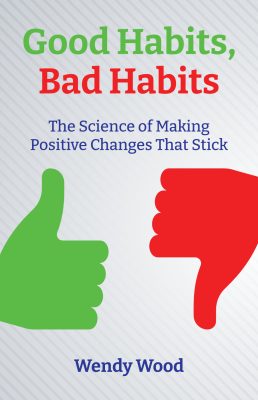
Imagine your life as a carefully choreographed dance, each step and movement dictated by routines so ingrained you hardly notice them. In Good Habits, Bad Habits: The Science of Making Positive Changes That Stick, Wendy Wood takes readers on a journey through the science of these unconscious patterns. She poses a provocative idea: what if the key to transforming your life lies not in willpower or conscious decision-making, but in understanding and manipulating the habits that drive your everyday behavior?
Wendy Wood begins by explaining the mechanics of habit formation, grounding her discussion in decades of psychological research. She demystifies the concept by breaking it down into three components: the cue, the routine, and the reward. By examining each element in detail, she provides a clear framework for understanding how habits work. Wood uses relatable examples to illustrate her points, such as why we might find ourselves reaching for our phones the moment we wake up or how we effortlessly navigate the route to work without conscious thought.
One of the book’s most engaging aspects is its practical approach. Readers will learn actionable strategies for fostering good habits and breaking bad ones. Wood emphasizes the importance of the environment in shaping behavior, suggesting ways to modify our surroundings to support desired habits. For instance, she discusses how placing healthier food options at eye level can encourage better eating habits, or how setting up a workspace free of distractions can boost productivity. These insights are not only informative but immediately applicable to daily life.
Furthermore, Good Habits, Bad Habits delves into the interplay between habits and self-control. Wood challenges the commonly held belief that self-control is a finite resource, arguing instead that it is our habits that primarily govern our actions. She presents compelling evidence to show that people who appear to have strong self-control are often simply those who have developed better habits. This perspective shift can be empowering, as it suggests that anyone can improve their life by strategically cultivating beneficial habits.
Throughout the book, Wood intertwines scientific research with personal anecdotes and case studies, making complex ideas accessible and engaging. Readers will encounter stories of individuals who have successfully transformed their lives through habit change, as well as those who have struggled despite their best efforts. These narratives serve to humanize the science, providing both inspiration and cautionary tales.
Readers of Good Habits, Bad Habits will gain a comprehensive understanding of how habits form and influence behavior. They will learn to identify the cues, routines, and rewards that underpin their habits and discover strategies to modify their environment to support positive changes. The book provides actionable advice on how to establish new habits and eliminate detrimental ones, all grounded in scientific research. Additionally, readers will come away with a new perspective on self-control and the realization that anyone can improve their life by strategically managing their habits.
At the heart of Good Habits, Bad Habits lies the central message that our lives are largely shaped by the habits we develop, often unconsciously. Wendy Wood uses the metaphor of a river to illustrate this idea: our habits are the currents that guide the flow of our daily actions, steering us toward certain behaviors while making others less likely. Just as a river carves out its path over time, our habits solidify through repetition, creating a default mode of operation that can be both beneficial and detrimental.
Wood argues that by understanding the mechanics of habit formation and the triggers that sustain them, we can take control of these automatic behaviors. This involves recognizing the cues that prompt a habit, the routines that follow, and the rewards that reinforce it. For example, a smoker may find that stress (cue) leads them to light a cigarette (routine), providing a sense of relief (reward). By identifying and altering these components, it’s possible to break negative cycles and establish positive ones.
Good Habits, Bad Habits makes a significant contribution to the field of psychology by bridging the gap between academic research and practical application. Wendy Wood’s work challenges traditional notions of self-control and willpower, offering a fresh perspective on behavior change. Her insights are backed by extensive research, making the book a credible source of information on the subject.
The book has sparked discussions and debates within the psychological community and beyond. Some critics have questioned Wood’s dismissal of willpower as a primary driver of behavior, arguing that it still plays a crucial role in habit formation. Nevertheless, the book has been praised for its accessible writing style and practical advice, making complex scientific concepts understandable to a broad audience.
In Good Habits, Bad Habits: The Science of Making Positive Changes That Stick, Wendy Wood presents a compelling and thoroughly researched exploration of how habits form and how we can harness them to improve our lives. Drawing from decades of scientific research, Wood offers a clear and practical framework for understanding the mechanics of habits, emphasizing the roles of cues, routines, and rewards. Her insights are grounded in rigorous science yet delivered in an accessible and engaging manner, making complex concepts easy to grasp and apply.
One of the book’s standout qualities is its practical applicability. Wood doesn’t just explain the science behind habits; she provides actionable strategies that readers can implement immediately. From modifying our environments to leveraging habit discontinuity, her advice is concrete and backed by evidence. This practical focus makes the book an invaluable resource for anyone looking to make lasting changes in their behavior, whether for personal development, professional growth, or overall well-being.
The clarity and relatability of Wood’s writing also deserve praise. She uses personal anecdotes, relatable examples, and humor to keep readers engaged. This approach helps demystify the subject matter, making it accessible to a broad audience. Whether you’re a layperson interested in self-improvement or a professional in psychology or education, you’ll find the book’s insights both informative and enjoyable.
However, the book is not without its limitations. It occasionally overemphasizes environmental factors at the expense of emotional and psychological triggers, and it sometimes adopts a one-size-fits-all approach. Additionally, while the focus on reducing reliance on willpower is refreshing, it might lead some readers to underestimate the importance of initial motivation and conscious effort in establishing new habits. Despite these minor shortcomings, the overall quality and depth of the content remain high.
Our Recommendation
We highly recommend Good Habits, Bad Habits to anyone looking to understand and improve their habits. The book’s blend of scientific rigor and practical advice makes it a valuable guide for making positive changes that stick. Its accessible writing style ensures that even complex concepts are easily understood, making it suitable for a wide range of readers.
Whether you’re striving to break a bad habit, establish a new routine, or simply gain a deeper understanding of the behaviors that shape your life, Wendy Wood’s insights will provide you with the tools and knowledge you need. By applying the strategies outlined in the book, you can create an environment that supports your goals, automate positive behaviors, and ultimately lead a more fulfilling and productive life. Good Habits, Bad Habits is a must-read for anyone serious about mastering the science of behavior change.
One of the key topics in Good Habits, Bad Habits by Wendy Wood is the structure of habits, which comprises cues, routines, and rewards. Wood explains that habits are automatic responses to specific triggers in our environment. These cues set off a chain reaction, leading to a routine, which is the habitual behavior, and ends with a reward, which reinforces the behavior. Understanding this loop is essential to altering or establishing new habits.
Another critical element is the role of environment in habit formation. Wood emphasizes that our surroundings heavily influence our behavior. By adjusting our environment to make desirable behaviors easier and undesirable ones harder, we can effectively shape our habits. For example, placing healthy snacks within easy reach can promote better eating habits, while removing distractions from the workspace can enhance productivity.
The interplay between habits and self-control is also a pivotal topic. Wood challenges the traditional notion that self-control is the primary factor in behavior change. Instead, she presents evidence suggesting that strong habits reduce the need for self-control. People who seem to have high self-control often have simply developed effective habits that guide their behavior automatically, reducing the cognitive effort required to make good choices.
Wood introduces the concept of habit discontinuity, which occurs when significant changes in our environment disrupt established routines, creating an opportunity to form new habits. Life events such as moving to a new city, starting a new job, or entering a new stage of life can break old habits and make space for new ones. Recognizing these moments of discontinuity can be a strategic advantage in habit formation and behavior change.
Finally, Wood discusses the importance of repetition in habit formation. She explains that habits are strengthened through repeated actions over time. The more frequently a behavior is performed in response to a specific cue, the more automatic it becomes. This principle underscores the importance of consistency and persistence in developing new habits and underscores why sporadic efforts often fail to produce lasting change.
The Story of the Office Worker
One illustrative example Wood uses is that of an office worker trying to adopt a healthier lifestyle. She describes how this individual identified the cue (feeling sluggish in the afternoon), the routine (grabbing a sugary snack), and the reward (a temporary energy boost). By understanding this loop, the worker replaced the sugary snack with a walk around the block. The new routine provided a similar reward—an energy boost—while promoting better health.
The Case of the New Mother
Wood also discusses a new mother struggling with the habit of checking her phone first thing in the morning. The cue was waking up, the routine was checking social media, and the reward was feeling connected and informed. She managed to replace this habit by placing a book on her nightstand instead of her phone, making reading the new routine. This small environmental change led to a more relaxing and productive start to her day.
The Experiment with College Students
Another compelling case study involved college students trying to improve their study habits. Wood described an experiment where students identified cues that led to procrastination, such as sitting at their desks but browsing the internet. By changing their environment—such as studying in a designated quiet area and using apps to block distracting websites—they were able to create a routine of focused study sessions, resulting in better academic performance.
The Impact of Habit Discontinuity
Wood provides an example of habit discontinuity through the story of a man who moved to a new city for a job. This significant life change disrupted his routine of eating fast food for lunch. Seizing this opportunity, he began packing healthy meals from home, leveraging the disruption to establish a new, healthier habit. This change was easier to implement during the period of transition, demonstrating the power of habit discontinuity.
The Role of Repetition in Learning New Skills
Finally, Wood highlights the story of a musician learning to play a new instrument. By setting aside a consistent time each day for practice, the musician leveraged repetition to build a habit. Over time, the repeated practice sessions became automatic, reducing the need for motivation and willpower to continue. This example underscores the importance of consistency and repetition in habit formation.
Understand the Habit Loop
One of the fundamental insights from the book is the concept of the habit loop, which consists of a cue, routine, and reward. To change a habit, you must first identify these components. For instance, if your goal is to stop snacking on junk food, identify the cue (e.g., feeling stressed), the routine (eating a snack), and the reward (temporary relief from stress). By recognizing these elements, you can substitute the routine with a healthier one, such as taking a short walk or drinking a glass of water, which provides a similar reward.
Modify Your Environment
Wood emphasizes the importance of shaping your environment to support positive habits. Small changes in your surroundings can have a significant impact on your behavior. For example, if you want to read more, place books in visible and accessible locations around your home. Conversely, if you want to reduce screen time, keep your phone in another room while you work. By making desirable behaviors easier and undesirable ones harder, you can nudge yourself toward better habits.
Leverage Habit Discontinuity
Life transitions, such as moving to a new city or starting a new job, disrupt established routines, creating opportunities for habit change. Wood suggests using these moments of habit discontinuity to establish new, positive habits. For example, if you’ve just moved, take advantage of the new environment to start a daily exercise routine. The break in your old routine can make it easier to adopt new behaviors, as you’re not fighting against ingrained habits.
Focus on Small Changes
Wood advises starting with small, manageable changes rather than attempting a complete overhaul of your habits. Small changes are more sustainable and less overwhelming. For instance, if your goal is to eat healthier, begin by incorporating one additional serving of vegetables into your meals each day. Gradually, as this becomes a habit, you can build on it by making further adjustments to your diet. Small wins accumulate over time, leading to significant long-term changes.
Automate Positive Behaviors
Automating positive behaviors can help ensure they become ingrained habits. This means setting up routines that require minimal conscious effort. For example, if you want to exercise regularly, schedule your workouts at the same time every day and prepare your workout clothes in advance. By reducing the number of decisions you need to make, you increase the likelihood of sticking to your new habit.
Use Implementation Intentions
Wood discusses the power of implementation intentions, which are specific plans that link a behavior to a particular context. This strategy involves specifying when, where, and how you will perform a desired behavior. For example, if you want to practice mindfulness, you might set an intention to meditate for five minutes each morning right after brushing your teeth. Clear, concrete plans increase the chances of following through on your intentions.
Harness the Power of Repetition
Repetition is crucial for habit formation. The more often you perform a behavior in response to a cue, the more automatic it becomes. Wood recommends creating opportunities for frequent practice of new habits. For example, if you want to improve your public speaking skills, seek out regular opportunities to speak in front of others, whether through meetings, presentations, or social gatherings. Consistent practice helps solidify the habit.
Track Your Progress
Monitoring your progress can reinforce positive behaviors and provide motivation to continue. Wood suggests keeping a journal or using an app to track your habits. For instance, if your goal is to drink more water, note each glass you consume throughout the day. Seeing your progress can boost your confidence and commitment, making it easier to stay on track.
Find Social Support
Social support plays a significant role in habit formation and maintenance. Surrounding yourself with people who share your goals or who support your efforts can enhance your likelihood of success. Wood encourages joining groups or finding a buddy who can hold you accountable. For example, if you aim to run regularly, joining a running club or finding a running partner can provide motivation and accountability.
Be Kind to Yourself
Lastly, Wood emphasizes the importance of self-compassion in the habit-change process. Setbacks and failures are part of the journey, and being too hard on yourself can be counterproductive. Instead, treat yourself with kindness and view setbacks as learning opportunities. If you miss a workout or fall back into an old habit, acknowledge it without self-criticism and refocus on your goals. This approach helps maintain motivation and resilience over the long term.
Insightful Analysis of Habit Mechanics
One of the book’s greatest strengths lies in its detailed analysis of how habits function. Wendy Wood breaks down the complex process of habit formation into understandable components—cues, routines, and rewards. This clear framework allows readers to easily grasp the mechanics behind their behaviors. The use of relatable examples, such as everyday activities and common challenges, helps ground these concepts in real-life situations, making the theory highly accessible and practical for readers.
Extensive Research and Scientific Foundation
Wendy Wood draws from over three decades of research, providing a solid scientific foundation for her arguments. The book is rich with references to studies and experiments that support her claims, lending credibility and depth to the content. This rigorous approach not only reinforces the validity of her insights but also educates readers on the underlying science of habits. By bridging academic research with practical advice, Wood offers a comprehensive resource that stands out in the self-help genre.
Practical and Actionable Advice
The book excels in translating scientific insights into actionable strategies. Wood provides concrete steps that readers can implement immediately to change their habits. Her advice on modifying the environment, leveraging habit discontinuity, and using implementation intentions offers practical tools for behavior change. The inclusion of specific examples and case studies demonstrates how these strategies can be applied in various contexts, making the advice both practical and relatable.
Engaging and Accessible Writing Style
Wood’s writing style is another significant strength of the book. She manages to convey complex scientific concepts in a way that is easy to understand and engaging. The use of personal anecdotes, stories, and humor keeps the reader interested and helps demystify the subject matter. This approachable tone makes the book suitable for a wide audience, from laypeople interested in self-improvement to professionals in the field of psychology.
Comprehensive Coverage of Habit Change
The book offers a thorough exploration of both the formation and alteration of habits. Wood covers a wide range of topics, from the impact of environment and repetition to the role of self-control and social support. This comprehensive approach ensures that readers gain a well-rounded understanding of habits and how to manage them. The breadth of coverage makes the book a valuable resource for anyone looking to make lasting changes in their behavior.
Overemphasis on Environmental Factors
While the emphasis on environmental factors in habit formation is a key strength, it can also be seen as a limitation. Wood places significant focus on how changing one’s surroundings can influence habits, sometimes at the expense of exploring other critical factors such as emotional and psychological triggers. While environmental adjustments are undoubtedly powerful, a more balanced approach that equally considers internal motivators could have provided a more holistic view of habit change.
Limited Exploration of Individual Differences
The book occasionally adopts a one-size-fits-all approach to habit formation and change, which may not account for the variability in individual experiences and psychological makeup. Factors such as personality traits, mental health conditions, and personal circumstances can significantly influence how habits are formed and maintained. A deeper dive into these individual differences, with tailored strategies for diverse readers, could have enhanced the book’s applicability and effectiveness.
Simplification of Complex Concepts
While the book’s accessibility is a strength, it sometimes leads to an oversimplification of complex concepts. In making the science of habits understandable to a broad audience, some nuances and intricacies may be glossed over. This simplification might leave more knowledgeable readers wanting more detailed explanations and a deeper understanding of the research. Balancing simplicity with depth could have enriched the content without sacrificing clarity.
Potential Redundancy in Examples
Though the use of examples is generally effective, there are instances where the repetition of similar scenarios can feel redundant. Some readers might find the recurrence of certain themes, like dietary habits or exercise routines, somewhat monotonous. Diversifying the range of examples to include a wider variety of habits and life contexts could have maintained reader interest and showcased the universality of Wood’s principles more effectively.
Overlooking Emotional Triggers
One potential blind spot in Good Habits, Bad Habits is the limited attention given to emotional triggers. While the book thoroughly addresses environmental cues, it does not delve deeply into how emotions such as stress, anxiety, or boredom can drive habitual behaviors. Emotional states can significantly influence habits, often triggering actions that provide temporary relief or comfort. Books like The Power of Habit by Charles Duhigg and Atomic Habits by James Clear provide more comprehensive discussions on the emotional aspects of habit formation. These works highlight how understanding and managing emotional triggers can be crucial for sustainable behavior change, a perspective that could have enhanced Wood’s analysis.
Insufficient Focus on Social and Cultural Influences
The book tends to underplay the role of social and cultural factors in shaping habits. Social norms, peer influence, and cultural expectations can profoundly impact our behaviors and the habits we form. For instance, social pressure can reinforce both positive and negative habits, making it easier to adopt behaviors that are common or accepted within a community. Influence: The Psychology of Persuasion by Robert Cialdini offers an in-depth look at how social dynamics and cultural factors can drive behavior. Incorporating insights from Cialdini’s work could have provided a more nuanced understanding of how external social factors contribute to habit formation and change.
Neglecting the Role of Willpower and Motivation
Although Wood effectively argues that habits often outweigh willpower, this perspective might lead to the misconception that willpower and motivation are irrelevant in the process of habit change. There are scenarios where initial motivation and conscious effort are critical to establishing new habits. Books like Willpower: Rediscovering the Greatest Human Strength by Roy Baumeister and John Tierney explore the interplay between willpower and habits, suggesting that while habits can automate behavior, the initial establishment of those habits often requires a significant motivational push. A more balanced discussion acknowledging the role of willpower could prevent readers from undervaluing its importance in the early stages of habit formation.
Lack of Attention to Individual Variability
The book’s approach sometimes assumes a uniform response to habit strategies, potentially overlooking the significant variability among individuals. People’s responses to habit-change techniques can differ based on personality traits, genetic predispositions, and personal circumstances. Personality Isn’t Permanent by Benjamin Hardy explores how individual differences affect behavior and personal growth. By integrating such insights, Wood’s book could have addressed the diverse ways individuals experience and manage habits, offering more personalized strategies for readers.
Underestimating Long-Term Challenges
Wood’s focus on practical and immediate strategies for habit change might overshadow the long-term challenges and complexities involved in maintaining those changes. Sustaining new habits over the long term often requires ongoing effort, adaptation, and resilience, which can be influenced by various life events and changes in personal circumstances. The Marshmallow Test by Walter Mischel delves into the science of self-control and long-term planning, emphasizing the ongoing nature of maintaining behavioral change. Incorporating a discussion on long-term maintenance strategies and potential setbacks could have provided a more comprehensive guide for readers aiming for enduring transformation.
The Power of Habit by Charles Duhigg
Charles Duhigg’s The Power of Habit offers a comprehensive exploration of how habits shape individuals and organizations. While both Duhigg and Wood focus on the habit loop of cue, routine, and reward, Duhigg places more emphasis on the role of willpower and the importance of the “keystone habits” that have the power to start a chain reaction of other positive habits. Duhigg also delves into the application of habit principles in corporate and organizational settings, showcasing how companies can leverage habits for success. Wood, on the other hand, provides a more detailed examination of the psychological mechanisms behind habits and offers more granular, practical advice for individuals seeking personal change. The two books complement each other, with Duhigg’s broader perspective on habits in various contexts and Wood’s deep dive into the psychological underpinnings and practical strategies.
Atomic Habits by James Clear
James Clear’s Atomic Habits shares similarities with Wood’s work in emphasizing the power of small, incremental changes. Clear focuses extensively on the idea that tiny habits, when compounded over time, lead to significant transformations. Both authors highlight the importance of environmental design in habit formation, but Clear provides a more structured framework with his Four Laws of Behavior Change, which include making habits obvious, attractive, easy, and satisfying. Clear’s approach is highly systematic and prescriptive, which can be incredibly useful for readers looking for a clear step-by-step guide. Wood’s book, while also practical, is more focused on the scientific theories and psychological research, offering a deeper understanding of why these strategies work. Readers might find Clear’s method easier to implement, while Wood’s insights provide a robust foundation for understanding the science behind these methods.
Willpower: Rediscovering the Greatest Human Strength by Roy Baumeister and John Tierney
Willpower by Roy Baumeister and John Tierney offers a different perspective by emphasizing the role of self-control and its limits in behavior change. Baumeister’s research suggests that willpower is a finite resource that can be depleted, which contrasts with Wood’s argument that habits reduce the need for willpower by automating behaviors. While Wood downplays the role of willpower in favor of habit formation, Baumeister and Tierney highlight strategies to strengthen and conserve willpower. The two books present differing viewpoints on the importance of self-control, providing a more nuanced understanding when read together. Readers can benefit from understanding both perspectives: how habits can minimize the reliance on willpower and how willpower can be managed and enhanced to support habit change.
Influence: The Psychology of Persuasion by Robert Cialdini
Robert Cialdini’s Influence explores the principles of persuasion and how they affect human behavior. While not exclusively about habits, Cialdini’s insights into social and psychological triggers complement Wood’s work by highlighting external influences on behavior. Cialdini’s principles, such as social proof, authority, and reciprocity, offer additional layers of understanding how external factors can shape habits. Wood’s focus on environmental and internal cues aligns with Cialdini’s discussion on how our surroundings and interactions influence our actions. Together, these books provide a comprehensive view of both internal habit mechanisms and external persuasive forces, enriching the reader’s toolkit for behavior change.
Step 1: Identify Your Habit Loops
Step 2: Modify Your Environment
Step 3: Leverage Habit Discontinuity
Step 4: Focus on Small Changes
Step 5: Automate Positive Behaviors
Step 6: Use Implementation Intentions
Step 7: Harness the Power of Repetition
Step 8: Find Social Support
Step 9: Be Kind to Yourself
Step 1: Design an Optimal Work Environment
Creating a workspace that supports productive habits is crucial for enhancing employee performance. This involves arranging the physical layout to minimize distractions and promote focus. For instance, open-plan offices can be modified to include quiet zones for focused work, while common areas can be designed to encourage collaboration and creativity.
One challenge is the diversity of employee preferences and work styles. What works for one person might not work for another, leading to dissatisfaction or reduced productivity among some employees. Additionally, budget constraints might limit the extent to which physical changes can be made to the workspace.
To address these challenges, businesses can conduct surveys or focus groups to gather input from employees about their workspace preferences. Creating flexible work environments that offer a variety of spaces—such as quiet zones, collaborative areas, and relaxation spots—can accommodate different work styles. For budget constraints, start with low-cost modifications like rearranging furniture, providing noise-canceling headphones, and ensuring ergonomic setups.
Step 2: Implement Habit-Forming Routines
Encouraging employees to develop positive work habits through structured routines can enhance efficiency and reduce the need for micromanagement. For example, instituting a morning routine where employees set daily goals and prioritize tasks can create a habit of intentionality and focus.
Resistance to change is a common obstacle. Employees might be skeptical about adopting new routines or feel that imposed routines infringe on their autonomy. There might also be inconsistencies in how different teams or departments implement these routines, leading to fragmentation.
To overcome resistance, involve employees in the design of these routines and clearly communicate the benefits. Providing training and workshops can help employees understand the value and learn how to integrate new habits into their workday. Encouraging a culture of experimentation where employees can adapt routines to fit their needs can also foster acceptance and consistency.
Step 3: Foster a Supportive Culture
Building a culture that supports habit change is vital. This includes creating an environment where positive behaviors are recognized and rewarded. Regularly celebrating small wins and milestones can reinforce desired behaviors and build a supportive community.
Establishing a new culture requires time and consistent effort. There may be deeply ingrained behaviors and attitudes that resist change. Additionally, it can be challenging to ensure that recognition and rewards are perceived as fair and meaningful across the organization.
Leadership plays a crucial role in fostering a supportive culture. Leaders should model the desired behaviors and actively participate in recognition and reward programs. Implementing transparent and inclusive reward systems where employees can nominate peers for recognition can enhance fairness. Regular feedback sessions can help adjust the approach based on employee input, ensuring the system remains effective and appreciated.
Step 4: Utilize Technology for Habit Tracking
Leveraging technology to track and promote positive habits can provide employees with immediate feedback and motivation. Implementing apps or software that help employees track their goals and progress can make habit formation more manageable and visible.
Privacy concerns and data security are significant challenges. Employees might be wary of sharing personal information or having their activities monitored. Additionally, the effectiveness of these tools depends on user engagement, which can vary widely.
To address privacy concerns, ensure that all data collected is anonymized and used solely for the purpose of personal improvement. Communicate clearly how the data will be used and the benefits of participation. Encourage voluntary participation and provide incentives for engagement. Offering training on how to use these tools effectively can also increase adoption and sustained use.
Step 5: Encourage Continuous Learning and Development
Promoting a culture of continuous learning can help employees stay motivated and engaged. Offering regular professional development opportunities, workshops, and access to learning resources can help employees develop new skills and habits that enhance their performance.
Time constraints and workload pressures can make it difficult for employees to prioritize learning and development. There may also be a lack of alignment between the provided training and the actual needs or interests of employees.
To overcome these challenges, integrate learning opportunities into the regular work schedule and make them a part of the company culture. Provide a variety of learning formats (e.g., online courses, in-person workshops, peer learning groups) to cater to different preferences. Regularly assess the training needs of employees through surveys and feedback sessions to ensure that the offerings are relevant and valuable.
Increased Focus on Behavioral Science in Business
Businesses are increasingly turning to behavioral science to understand employee behavior and enhance productivity. Wendy Wood’s insights on habit formation are highly relevant in this context. As companies seek to create environments that foster positive habits, her strategies for modifying cues and routines will be instrumental. This trend is likely to grow as organizations recognize the value of scientifically grounded approaches to employee engagement and performance.
Personalized Wellness Programs
Personalized wellness programs are becoming more popular in the workplace. Companies are realizing that one-size-fits-all solutions are less effective than tailored approaches. Wood’s emphasis on understanding individual habit loops can help design personalized wellness plans that cater to each employee’s unique needs. As technology advances, these programs will become more sophisticated, incorporating data-driven insights to support habit change.
Integration of Technology and Habit Formation
Technology is increasingly being used to track and influence behavior. From fitness apps to productivity tools, technology helps individuals monitor their habits and progress. Wood’s principles can guide the development of these technologies, ensuring they effectively promote positive behavior change. The future will likely see more advanced tools that integrate seamlessly into daily life, using AI and machine learning to provide personalized habit-forming strategies.
Emphasis on Mental Health and Well-being
Mental health and well-being are becoming top priorities for individuals and organizations. Understanding habits and their impact on mental health is crucial. Wood’s research highlights how small changes in daily routines can significantly improve mental well-being. This knowledge will be increasingly applied in developing mental health programs and interventions, helping people build habits that support their emotional and psychological health.
Sustainable Behavior Change Initiatives
As society becomes more aware of environmental issues, there is a growing emphasis on sustainable behavior change. Wood’s insights into habit formation can be applied to encourage environmentally friendly practices. By understanding the habit loop, individuals and organizations can design interventions that promote sustainable behaviors, such as reducing waste and conserving energy. This trend will be vital in addressing global environmental challenges.
Good Habits, Bad Habits has the potential to significantly influence both academic research and practical approaches to behavior change. By grounding her arguments in robust scientific research, Wendy Wood bridges the gap between theory and practice, making the science of habits accessible to a broad audience. Her emphasis on the automaticity of habits and the role of environmental design could reshape how professionals in psychology, education, and business approach behavior modification. The practical strategies offered in the book can be adopted in various settings, from personal development programs to organizational behavior interventions.
In the long term, Wood’s insights might contribute to a shift in how society understands and addresses behavior change. By highlighting the limitations of willpower and the power of automated behaviors, the book challenges traditional self-help narratives that often overemphasize self-discipline. This perspective could lead to more effective public health campaigns, educational programs, and workplace wellness initiatives that focus on creating environments conducive to positive habits rather than solely relying on individual effort.
Moreover, the book’s accessible style and practical advice ensure its potential impact beyond academia and professional settings, reaching a wide readership interested in self-improvement. As more people understand the science behind their habits, there is potential for a societal shift toward more deliberate and informed approaches to personal and collective behavior change. This broader awareness could foster environments that support healthier, more productive, and more fulfilling lifestyles, ultimately contributing to improved well-being and societal progress.
The Power of Habit by Charles Duhigg
The Power of Habit by Charles Duhigg provides a thorough exploration of how habits function at individual, organizational, and societal levels. It complements Wendy Wood’s work by delving into the concept of “keystone habits” that can trigger widespread change. Duhigg’s book also offers numerous case studies that illustrate the principles of habit formation and change, making it a practical companion to Good Habits, Bad Habits.
Atomic Habits by James Clear
James Clear’s Atomic Habits focuses on the power of small, incremental changes and how they can lead to significant transformations over time. Clear’s structured approach, with his Four Laws of Behavior Change, offers practical, step-by-step guidance that aligns well with Wood’s emphasis on practical application. The book is a great resource for those looking to implement habit changes in a systematic and sustainable way.
Willpower: Rediscovering the Greatest Human Strength by Roy Baumeister and John Tierney
Willpower by Roy Baumeister and John Tierney explores the concept of self-control and its limits. It provides a different perspective on behavior change by emphasizing the role of willpower alongside habits. This book complements Wood’s arguments by offering a broader understanding of the psychological mechanisms behind self-control and how it interacts with habit formation.
Mindset: The New Psychology of Success by Carol S. Dweck
Carol S. Dweck’s Mindset introduces the concept of fixed versus growth mindsets and their impact on personal and professional development. This book enriches the conversation around habit formation by highlighting the importance of mindset in achieving long-term change. Dweck’s insights into how beliefs shape behavior can provide valuable context for readers looking to change their habits.
Nudge: Improving Decisions About Health, Wealth, and Happiness by Richard H. Thaler and Cass R. Sunstein
Nudge by Richard H. Thaler and Cass R. Sunstein examines how small changes in the way choices are presented can significantly influence decision-making. This book aligns with Wood’s emphasis on environmental cues and offers additional strategies for designing environments that promote better habits. It’s a valuable read for understanding how subtle shifts in context can lead to meaningful behavior change.
Switch: How to Change Things When Change Is Hard by Chip Heath and Dan Heath
Switch by Chip Heath and Dan Heath explores why change is difficult and provides a framework for making successful changes in both personal and organizational contexts. The Heath brothers’ focus on directing the rider (rational mind), motivating the elephant (emotional mind), and shaping the path (environment) complements Wood’s insights into the multifaceted nature of habit change.
Influence: The Psychology of Persuasion by Robert B. Cialdini
Influence by Robert B. Cialdini delves into the principles of persuasion and how they affect human behavior. While not exclusively about habits, Cialdini’s exploration of social and psychological triggers can enhance understanding of external influences on behavior. This book provides additional context for how social norms and persuasive tactics can support or hinder habit formation.
Tiny Habits: The Small Changes That Change Everything by BJ Fogg
BJ Fogg’s Tiny Habits presents a method for behavior change that focuses on starting small to achieve big results. Fogg’s approach of designing tiny, easily achievable habits aligns with Wood’s emphasis on making small changes and building from there. This book offers practical techniques for starting and maintaining new habits, making it a useful supplement to Good Habits, Bad Habits.
NPR’s Hidden Brain
NPR’s Hidden Brain is a podcast and radio show that explores the unconscious patterns that drive human behavior. Hosted by Shankar Vedantam, it delves into a range of topics relevant to habit formation and behavior change, often featuring interviews with leading experts in psychology and neuroscience. Visit NPR Hidden Brain for episodes that complement the themes in Good Habits, Bad Habits.
Behavioral Scientist
The Behavioral Scientist website offers articles, interviews, and research summaries on the latest developments in behavioral science. It provides insights from experts in psychology, economics, and other related fields, helping readers stay informed about current trends and findings in habit research. Visit Behavioral Scientist for more information.
Coursera
Coursera offers a variety of online courses in psychology and behavioral science from top universities. Courses like “The Science of Well-Being” by Yale University and “A Life of Happiness and Fulfillment” by the Indian School of Business provide in-depth exploration of the principles discussed in Wendy Wood’s book. Visit Coursera to find relevant courses.
Behavioral Science & Policy Association Annual Conference
The Behavioral Science & Policy Association (BSPA) hosts an annual conference that brings together researchers, practitioners, and policymakers to discuss the latest findings and applications in behavioral science. Attending this conference can provide valuable insights and networking opportunities for those interested in habit formation and behavior change. Visit BSPA Conference for details.
Society for Personality and Social Psychology (SPSP) Annual Convention
The SPSP Annual Convention is a major event for psychologists and researchers in the fields of personality and social psychology. It features presentations and workshops on a wide range of topics, including habits and behavior change. This conference is ideal for professionals looking to deepen their understanding of the psychological mechanisms behind habits. Visit SPSP Annual Convention for more information.
Association for Psychological Science (APS)
The Association for Psychological Science is a leading organization dedicated to the advancement of scientific psychology. Membership provides access to journals, newsletters, and events that cover a broad spectrum of psychological research, including habit formation. Joining APS can help individuals stay connected with the latest research and professional developments. Visit APS for more information.
American Psychological Association (APA)
The American Psychological Association offers resources, publications, and conferences that cover a wide range of psychological topics. The APA’s extensive library of research articles and books can provide additional depth on habit formation and behavior change. Visit APA for more details.
The Habit Coach with Ashdin Doctor
The Habit Coach podcast, hosted by Ashdin Doctor, provides practical tips and strategies for building good habits and breaking bad ones. Each episode focuses on a specific aspect of habit formation, offering actionable advice that complements Wendy Wood’s insights. This podcast is an excellent resource for ongoing habit development. Visit The Habit Coach for episodes.
The Tim Ferriss Show
Tim Ferriss’s podcast features interviews with top performers from various fields, many of whom discuss their habits and routines. These conversations provide diverse perspectives on how successful individuals develop and maintain their habits, offering valuable insights for readers of Good Habits, Bad Habits. Visit The Tim Ferriss Show for episodes.
The Science of Well-Being by Yale University
Offered through Coursera, this course by Professor Laurie Santos covers the latest scientific research on happiness and habits that lead to a more fulfilling life. It aligns well with Wendy Wood’s teachings by providing practical exercises and strategies to improve well-being through habit change. Visit The Science of Well-Being for more information.
Behavioral Economics in Action by University of Toronto
This Coursera course explores how behavioral economics principles can be applied to real-world issues, including habit formation and behavior change. It complements Wood’s insights by providing a broader economic context for understanding habits. Visit Behavioral Economics in Action for details.
The Social Dilemma
The Social Dilemma is a documentary that explores how social media platforms design their services to influence user behavior and create habits. It provides a stark look at the power of cues and rewards in shaping habits on a large scale. This film complements Wendy Wood’s exploration of habit mechanics and the impact of environment on behavior. Available on Netflix.
Happy by Roko Belic
Happy is a documentary that examines what makes people happy and how various cultures approach happiness. It features insights from psychologists and neuroscientists, including discussions on habits that promote well-being. This film can help viewers understand the connection between positive habits and overall happiness. Available on streaming platforms.

Discover the key takeaways from top non-fiction books in minutes. Get the wisdom you need to succeed fast. Here, learning is quick, engaging, and always at your fingertips.
© 2025 All Rights Reserved.