Reviews
“Sapolsky has created an immensely readable, often hilarious romp through the multiple worlds of psychology, primatology, sociology and neurobiology to explain why we behave the way we do. It is hands-down one of the best books I’ve read in years. I loved it.” —Dina Temple-Raston, The Washington Post
“It’s no exaggeration to say that Behave is one of the best nonfiction books I’ve ever read.” —David P. Barash, The Wall Street Journal
“A quirky, opinionated and magisterial synthesis of psychology and neurobiology that integrates this complex subject more accessibly and completely than ever … a wild and mind-opening ride into a better understanding of just where our behavior comes from. Darwin would have been thrilled.” —Richard Wrangham, The New York Times Book Review
“[Sapolskly’s] new book is his magnum opus, but is also strikingly different from his earlier work, veering sharply toward hard science as it looms myriad strands of his ruminations on human behavior. The familiar, enchanting Sapolsky tropes are here—his warm, witty voice, a sleight of hand that unfolds the mysteries of cognition—but Behave keeps the bar high … A stunning achievement and an invaluable addition to the canon of scientific literature, certain to kindle debate for years to come.” —Minneapolis Star Tribune
“A masterly cross-disciplinary scientific study of human behavior: What in our glands, our genes, our childhoods explains our species’ capacity for both altruism and brutality? This comprehensive and friendly survey of a ‘big sprawling mess of a subject’ is leavened by an impressive data-to-silly joke ratio. It has my vote for science book of the year.” —Parul Sehgal, New York Times
“A monumental contribution to the scientific understanding of human behavior that belongs on every bookshelf and many a course syllabus … It is a magnificent culmination of integrative thinking, on par with similar authoritative works, such as Jared Diamond’s Guns, Germs, and Steel and Steven Pinker’s The Better Angels of Our Nature.” —Michael Shermer, American Scholar
“Behave is the best detective story ever written, and the most important. If you’ve ever wondered why someone did something—good or bad, vicious or generous—you need to read this book. If you think you already know why people behave as they do, you need to read this book. In other words, everybody needs to read it. It should be available on prescription (side effects: chronic laughter; highly addictive). They should put Behave in hotel rooms instead of the Bible: the world would be a much better, wiser place” —Kate Fox, author of Watching the English
“Magisterial … This extraordinary survey of the science of human behaviour takes the reader on an epic journey … Sapolsky makes the book consistently entertaining, with an infectious excitement at the puzzles he explains … a miraculous synthesis of scholarly domains.” —Steven Poole, The Guardian
“Rarely does an almost 800-page book keep my attention from start to finish, but if anyone can save evolutionary biology from TED talkers and pop-science fabulists, it might be Sapolsky… Behave ranges at great length from moral philosophy to social science, genetics to Sapolsky’s home turf of neurons and hormones—but all of it is aimed squarely at the question of why humans are so awful to each other, and whether the condition is terminal.” —Vulture
“Robert Sapolsky’s students must love him. In Behave, the primatologist, neurologist and science communicator writes like a teacher: witty, erudite and passionate about clear communication. You feel like a lucky auditor in a fast-paced undergraduate course, where the implications of fascinating scientific findings are illuminated through topical stories and pop-culture allusions.” —Nature
“Sapolsky’s book shows in exquisite detail how culture, context and learning shape everything our genes, brains, hormones and neurons do.” —Times Literary Supplement
“Behave is like a great historical novel, with excellent prose and encyclopedic detail. It traces the most important story that can ever be told.” —Edward O. Wilson
“Truly all-encompassing … detailed, accessible, fascinating.” —The Telegraph
“A wide-ranging, learned survey of all the making-us-tick things that, for better or worse, define us as human … An exemplary work of popular science, challenging but accessible.” —Kirkus Reviews, starred
“[Sapolsky] weaves science storytelling with humor … [His] big ideas deserve a wide audience and will likely shape thinking for some time.” —Publishers Weekly (starred review)
“[Sapolsky] does an excellent job of bringing together the expansive literature of thousands of fascinating studies with clarity and humor … A tour-de-force.” —Library Journal (starred review)
“Sapolsky finds not the high moral drama of the soul choosing good or evil but rather down-to-earth biology … a remarkably encyclopedic survey of the sciences illuminating human conduct.” —Booklist(starred review)
“Read Robert Sapolsky’s marvelous book Behave and you’ll never again be surprised by the range and depth of our own bad behavior. We all carry the potential for unconscious biases, to be damaged by our childhoods and map that damage onto our own loved ones, and to form the tribal ‘Us’ groups that treat outsiders as lesser ‘Thems.’ But to read this book is also, marvelously, to be given the hope that we have much more control of those behaviors than we think. And Behave gives us more than hope—it gives us the knowledge of how to act on that aspiration, to manifest more of our best selves and less of our worst, individually and as a society. That’s very good news indeed.” —Charles Duhigg, author of The Power of Habit and Smarter Faster Better
“As wide as it is deep, this book is colorful, electrifying, and moving. Sapolsky leverages his deep expertise to ask the most fundamental questions about being human—from acts of hate to acts of love, from our compulsion to dehumanize to our capacity to rehumanize.” —David Eagleman, PhD, neuroscientist at Stanford, author, presenter of PBS’s The Brain
“Behave is a beautifully crafted work about the biology of morality. Sapolsky makes multiple passes at the target, using different time scales and systems. He shows you how all the perspectives and systems connect, and he makes you laugh and marvel along the way. Sapolsky is not just a leading primatologist; he’s a great writer and a superb guide to human nature.” —Jonathan Haidt, New York University, author of The Righteous Mind
“This is a miraculous book, by far the best treatment of violence, aggression, and competition ever. It ranges from how neurons and hormones interact, how emotions are an essential part of decision making, why adolescents are more likely to be violent than adults, why genes influence cultures and vice-versa, and the ins and outs of “we versus them,” all the way to “live and let live” truces in World War I and the My Lai massacre. Its depth and breadth of scholarship are amazing, building on Sapolsky’s own research and his vast knowledge of the neurobiology, genetic, and behavioral literature. For instance, Behave includes fair evaluations of complex debates (like over sociobiology) that I was involved in, and tackles controversial questions such as whether our hunter-gatherer ancestors warred on each other. He even takes on “free will” with a clarity usually absent from the writings of philosophers on the subject. All this is done brilliantly with a light and funny touch that shows why Sapolsky is recognized as one of the greatest teachers in science today.” —Paul R. Ehrlich, author of Human Natures
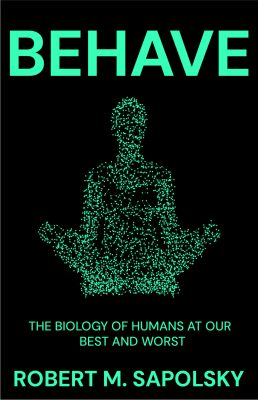
Why do humans act the way they do? This book delves into the biology behind our behavior, examining everything from our brain chemistry to our evolutionary history. The book is a comprehensive exploration of how various factors, from our genetics to our environment, influence our actions. It’s a unique blend of science and storytelling that sheds light on the complexities of human behavior, making it a fascinating read for anyone interested in understanding the why behind our actions.
This book is ideal for readers who are curious about the science behind human behavior, including those with an interest in psychology, biology, and neuroscience. It is also valuable for professionals in the fields of mental health, education, and social sciences. The book’s language is accessible, making it suitable for a general audience without a deep scientific background, but it also offers enough depth to engage readers with a more advanced understanding of the subject.
Why do we do the things we do? Is it all in our brains, or is there more to it?
Imagine you are in a crowded room, and suddenly a loud noise causes everyone to react in different ways—some freeze, some run, some shout. This scenario, simple yet revealing, captures the essence of Robert M. Sapolsky’s Behave: The Biology of Humans at Our Best and Worst. Why do we react so differently to the same stimulus? Sapolsky embarks on an ambitious journey to answer this question, peeling back the layers of our behavior to expose the intricate interplay between our biology, environment, and experiences. The book examines these reactions not just in the immediate aftermath of a stimulus, but also by looking back seconds, minutes, hours, days, and even lifetimes before the event to uncover the true roots of human behavior.
Behave is a fascinating exploration of the factors that shape our actions. Sapolsky starts with the brain, explaining how different areas are activated depending on the situation. He delves into the role of hormones, describing how they can influence our responses to various stimuli. The narrative then expands to include the influence of our early experiences, genetics, and even the environment in which we were raised. Each chapter builds on the previous one, gradually constructing a comprehensive picture of why we behave the way we do.
The book also tackles some of the most controversial topics in modern science. For instance, Sapolsky discusses the biological underpinnings of aggression, exploring how our understanding of violence can be informed by examining the brain’s structure and function. He also delves into the biology of empathy and altruism, shedding light on how these seemingly contrasting behaviors can coexist within the same individual. Through these discussions, Behave challenges readers to rethink their assumptions about human nature.
Readers will learn about the intricate mechanisms that govern their actions and reactions. Sapolsky provides insights into how factors like stress, upbringing, and even cultural background can influence behavior. He also explains how our understanding of neuroscience and biology can be applied to address some of the most pressing social issues, such as crime and mental health. By the end of the book, readers will have a deeper appreciation for the complexity of human behavior and the many factors that contribute to it.
Sapolsky’s writing is not just informative but also engaging, filled with anecdotes and examples that bring the science to life. His ability to explain complex concepts in an accessible manner makes Behave a compelling read for anyone interested in understanding the biological roots of our actions. Whether you are a student of psychology, a professional in the field, or simply a curious reader, this book offers a wealth of knowledge and insights that will leave you thinking long after you turn the last page.
At its heart, Behave posits that human behavior is the result of a complex interplay between our biology, our experiences, and our environment. Imagine a tapestry woven from countless threads, each representing a different factor that influences how we act. This metaphor captures the essence of Sapolsky’s thesis: behavior cannot be attributed to a single cause but rather emerges from the interaction of multiple influences. He illustrates this with compelling examples, such as how a single stressful event can trigger a cascade of biological reactions that shape our responses in profound ways. The core message is clear—understanding human behavior requires a holistic approach that considers the immediate and distant causes.
Behave has made a significant impact in the fields of neuroscience, psychology, and behavioral science. It has been praised for its comprehensive approach and the way it synthesizes a vast amount of research into a coherent narrative. The book challenges traditional views on human behavior, presenting a more nuanced understanding that takes into account the complexity of the factors involved. Sapolsky’s work has been recognized with several awards and has sparked discussions in both academic and popular circles. Some of the controversial points include his views on the biological basis of morality and the implications for our justice system, prompting readers to reconsider their beliefs about free will and responsibility. This thought-provoking and deeply researched book has cemented Sapolsky’s reputation as a leading voice in the study of human behavior.
Behave: The Biology of Humans at Our Best and Worst by Robert M. Sapolsky is an ambitious and comprehensive exploration of the factors that shape human behavior. Through meticulous research and engaging writing, Sapolsky successfully breaks down complex scientific concepts into understandable and relatable insights. The depth of the research and the clarity of the arguments presented make this book a valuable resource for anyone interested in understanding the biological, psychological, and social underpinnings of our actions.
We find Sapolsky’s multidisciplinary approach particularly compelling. By integrating insights from neuroscience, psychology, and anthropology, he provides a holistic view of human behavior that is both enlightening and thought-provoking. The book’s practical applicability is another major strength, offering readers concrete strategies for managing stress, understanding social dynamics, and fostering empathy. Sapolsky’s engaging writing style, combined with his ability to explain intricate concepts clearly, makes the book accessible to a broad audience, from those with a scientific background to curious readers with no prior knowledge of the subject.
However, Behave is not without its limitations. The dense information and the heavy emphasis on biological determinism can be overwhelming and may lead to an oversimplification of the complexities of human behavior. Additionally, the occasional lack of cohesion between chapters might make it challenging for readers to follow the overarching narrative. Despite these minor shortcomings, the book’s strengths far outweigh its weaknesses.
Our Recommendation
We highly recommend Behave: The Biology of Humans at Our Best and Worst to readers who are curious about the science behind human actions. Whether you are a student, a professional in the mental health field, or simply someone interested in understanding why we do what we do, this book offers a wealth of knowledge and insights. Its comprehensive and multidisciplinary approach ensures that you will come away with a deeper appreciation of the complexities of human behavior.
For those seeking to enhance their understanding of the interplay between biology, psychology, and social influences, Behave is an invaluable resource. Its practical applications make it a worthwhile read for anyone looking to apply scientific insights to improve their personal and professional lives. While the book demands careful reading and reflection, the effort is well rewarded with a richer, more nuanced understanding of ourselves and those around us. In conclusion, Behave is a must-read for anyone interested in the intricate tapestry of human behavior.
Behave: The Biology of Humans at Our Best and Worst by Robert M. Sapolsky explores the myriad factors that influence human behavior, presenting a holistic view that combines biology, psychology, and sociology. The book’s essence lies in its detailed examination of how our actions are shaped by a complex interplay of various elements, from immediate neural responses to long-term environmental influences.
One of the key topics is the role of the brain in determining behavior. Sapolsky explains how different parts of the brain are involved in various aspects of our actions. For example, the amygdala is central to our emotional responses, particularly fear and aggression, while the prefrontal cortex is crucial for decision-making and impulse control. By understanding the functions of these brain regions, we can better grasp why we react the way we do in different situations.
Hormones also play a significant role in shaping behavior. The book delves into how hormones like cortisol, adrenaline, and testosterone influence our reactions. Cortisol, known as the stress hormone, affects how we respond to stressful situations, potentially leading to anxiety or aggressive behavior. Testosterone, often associated with aggression, also plays a role in risk-taking and competitive behavior. These hormonal influences are crucial for understanding the biological underpinnings of our actions.
Genetics and early development are another critical area explored in the book. Sapolsky discusses how our genetic makeup and early life experiences can set the stage for future behavior. For instance, certain genetic predispositions can make individuals more susceptible to stress or mental health issues. Additionally, childhood experiences, such as exposure to stress or nurturing environments, can have long-lasting effects on how we handle challenges and interact with others.
The influence of culture and society on behavior is also a major theme. Sapolsky highlights how cultural norms and societal structures shape our actions and beliefs. For example, different cultures have varying attitudes toward aggression, cooperation, and empathy. Understanding these cultural influences helps explain why behaviors that are acceptable in one society may be frowned upon in another.
The book also examines the biological basis of morality. Sapolsky explores how our sense of right and wrong is influenced by both our biology and our environment. He discusses the neural and hormonal mechanisms that underpin moral decision-making, as well as the role of empathy and social norms in shaping our moral judgments. This exploration provides a deeper understanding of how complex and multifaceted our moral reasoning can be.
The Murderer’s Brain
Sapolsky uses the example of a convicted murderer to illustrate how brain abnormalities can influence behavior. The individual in question had a tumor pressing against his amygdala, which is known to affect emotional regulation. This example highlights how changes in the brain’s structure can lead to drastic changes in behavior, making the case for considering biological factors when evaluating criminal actions.
Stress and Social Hierarchy in Baboons
Drawing on his extensive research with baboons, Sapolsky explains how social hierarchy influences stress levels and health outcomes. Baboons lower in the social hierarchy experience higher levels of stress hormones, leading to poorer health and increased aggression. This example demonstrates the link between social status, stress, and behavior, showing parallels between baboon societies and human social structures.
The Good Samaritan Experiment
Sapolsky references the famous Good Samaritan experiment to discuss how situational factors influence behavior. In this study, seminary students were less likely to help a person in distress when they were in a hurry, despite being on their way to give a talk about the Good Samaritan parable. This experiment underscores how immediate environmental factors, such as time pressure, can override moral intentions and shape our actions.
Childhood Adversity and Adult Behavior
The book discusses research on how childhood adversity affects adult behavior. Children who experience high levels of stress or trauma are more likely to develop mental health issues and exhibit aggressive or antisocial behavior as adults. This example illustrates the long-term impact of early experiences on behavior, emphasizing the importance of nurturing environments in early development.
Cultural Differences in Moral Reasoning
Sapolsky explores how different cultures approach moral dilemmas, using the example of attitudes toward infanticide in various societies. In some cultures, infanticide is viewed as a necessary response to resource scarcity, while in others, it is considered morally reprehensible. This example highlights the role of cultural context in shaping moral judgments and behaviors, demonstrating that morality is not universal but influenced by societal norms and values.
Testosterone and Risk-Taking
The book discusses how testosterone levels influence risk-taking behavior, using examples from both human studies and animal research. Higher levels of testosterone are associated with increased risk-taking and competitive behaviors, which can be advantageous in certain contexts but detrimental in others. This example shows the dual nature of hormonal influences, where the same biological factor can lead to both positive and negative outcomes depending on the situation.
The Role of the Amygdala in Fear and Aggression
One of the key insights from the book is the critical role of the amygdala in fear and aggression. The amygdala is a small, almond-shaped structure in the brain that is responsible for processing emotions, particularly fear. Understanding this can help individuals recognize that fear responses are often automatic and deeply rooted in our biology. To apply this insight, one can practice mindfulness and stress-reduction techniques to help manage fear and anxiety. By acknowledging that fear and aggression are natural responses, individuals can work on developing healthier coping mechanisms to deal with stressful situations.
Impact of Early Childhood Experiences
Early childhood experiences have a profound impact on adult behavior. The book emphasizes how adverse experiences in childhood, such as trauma or neglect, can lead to long-term psychological and behavioral issues. To mitigate these effects, it’s crucial to provide supportive and nurturing environments for children. Parents, educators, and policymakers can apply this insight by prioritizing early childhood education and intervention programs that focus on emotional and psychological well-being. Ensuring that children have access to safe and supportive environments can significantly improve their long-term health and behavior.
The Influence of Hormones on Behavior
Hormones play a significant role in influencing behavior, with cortisol and testosterone being particularly noteworthy. Cortisol, the stress hormone, affects how we respond to stress, while testosterone influences aggression and risk-taking behaviors. Recognizing the influence of these hormones can help individuals better understand their own reactions and those of others. For practical application, stress management techniques such as regular exercise, meditation, and adequate sleep can help regulate cortisol levels. Understanding the effects of testosterone can also be useful in managing situations that involve competition or aggression, encouraging strategies that promote cooperation and empathy.
Cultural Contexts Shape Moral Judgments
Cultural contexts significantly shape our moral judgments and behaviors. The book illustrates how different cultures have varying norms and values, which influence what is considered right or wrong. To apply this insight, it is important to develop cultural competence and sensitivity. By educating oneself about different cultural practices and perspectives, individuals can foster greater empathy and understanding in a diverse world. This can be particularly useful in professional settings, where cross-cultural interactions are common. Promoting inclusivity and respect for diverse viewpoints can lead to more harmonious and productive relationships.
Neuroscience of Decision-Making
Sapolsky discusses the neuroscience behind decision-making, highlighting the roles of the prefrontal cortex and the limbic system. The prefrontal cortex is involved in rational thinking and impulse control, while the limbic system governs emotions. Understanding this dual influence can help individuals make more balanced decisions. To apply this, one can practice techniques that strengthen the prefrontal cortex, such as critical thinking exercises and reflective practices. Being aware of the emotional underpinnings of decisions can also help in managing biases and making more objective choices.
The Genetic Basis of Behavior
Behavior is also influenced by genetics, with certain genetic predispositions affecting how individuals respond to their environment. While we cannot change our genetic makeup, understanding its influence can help in developing personalized strategies for behavior management. For instance, individuals who are genetically predisposed to anxiety can benefit from tailored therapeutic approaches that address their specific needs. This insight encourages a more personalized approach to mental health, recognizing that one-size-fits-all solutions may not be effective for everyone.
Stress and Social Hierarchy
The book highlights the relationship between stress and social hierarchy, using examples from both human societies and animal research. Individuals lower in social hierarchies often experience higher levels of stress, which can impact their health and behavior. To address this, organizations and communities can implement policies that reduce social inequalities and promote a sense of belonging and support. Providing access to mental health resources, promoting work-life balance, and encouraging social support networks can help mitigate the negative effects of stress associated with lower social status.
Empathy and Altruism
Sapolsky explores the biological basis of empathy and altruism, explaining how these behaviors are not just social constructs but are also rooted in our biology. Understanding that empathy and altruism have a biological basis can encourage individuals to cultivate these qualities. Practical applications include engaging in activities that promote empathy, such as volunteering, practicing active listening, and fostering connections with others. Encouraging empathetic behavior in both personal and professional settings can lead to stronger, more supportive communities.
Impact of Environmental Factors
Environmental factors, such as exposure to toxins or living conditions, can significantly influence behavior. The book discusses how these factors can affect brain development and function, leading to behavioral changes. To apply this insight, it is important to advocate for clean and healthy environments. This can involve supporting policies that reduce pollution, ensuring access to clean water and air, and promoting healthy living conditions. By addressing environmental factors, we can create conditions that support optimal brain health and behavior.
The Biological Basis of Morality
Finally, the book delves into the biological basis of morality, examining how our sense of right and wrong is influenced by neural and hormonal mechanisms. Understanding this can help in developing more effective moral education and ethical frameworks. For instance, recognizing the role of empathy in moral decision-making can encourage the development of educational programs that emphasize emotional intelligence and ethical reasoning. By integrating biological insights into moral education, we can foster a more nuanced understanding of ethics that takes into account the complexities of human behavior.
Comprehensive Research and Depth
One of the most impressive strengths of Behave is the sheer depth and breadth of research that Robert M. Sapolsky brings to the table. The book is a product of extensive study, pulling from various disciplines, including neuroscience, psychology, anthropology, and sociology. Sapolsky meticulously examines the biological underpinnings of human behavior, providing readers with a thorough understanding of how different factors interconnect. This multidisciplinary approach allows readers to appreciate the complexity of human behavior and ensures that the book is grounded in a robust scientific foundation.
Clarity of Arguments
Despite the complexity of the subject matter, Sapolsky excels in presenting his arguments with clarity and precision. He has a knack for breaking down intricate scientific concepts into easily digestible pieces of information. His explanations of neural mechanisms, hormonal influences, and genetic factors are straightforward and accessible, making the book engaging for readers without a scientific background. The clarity with which he presents his arguments helps demystify the science of human behavior and makes the book an enlightening read.
Engaging Writing Style
Sapolsky’s engaging writing style is another significant strength of the book. He combines scientific rigor with storytelling, using anecdotes, examples, and humor to illustrate his points. This approach makes the book not only informative but also enjoyable to read. His ability to weave narrative elements into scientific discussions helps maintain the reader’s interest and makes complex topics more relatable. This blend of storytelling and science enhances the overall reading experience and ensures that the book appeals to a broad audience.
Practical Applicability
Behave offers practical insights that readers can apply to their daily lives. By explaining the biological and environmental factors that influence behavior, Sapolsky provides readers with tools to better understand themselves and others. This knowledge can be used to develop healthier coping mechanisms, improve interpersonal relationships, and foster empathy and understanding. The practical applications of the book’s insights make it a valuable resource for anyone interested in personal development, mental health, or social dynamics.
Integration of Multiple Perspectives
Another strength of the book is its integration of multiple perspectives. Sapolsky doesn’t just focus on biological explanations for behavior; he also considers psychological, social, and cultural factors. This holistic approach provides a more comprehensive understanding of human behavior, acknowledging that no single factor can explain it entirely. By incorporating diverse perspectives, the book offers a richer, more nuanced view of why we act the way we do, making it a well-rounded and insightful read.
Balanced Discussion of Controversial Topics
Sapolsky handles controversial topics, such as the biological basis of morality and the nature of free will, with a balanced and thoughtful approach. He presents various viewpoints and discusses the evidence supporting each side, allowing readers to form their own opinions. This balanced discussion is a strength because it encourages critical thinking and fosters an open-minded exploration of complex issues. Rather than pushing a particular agenda, Sapolsky invites readers to engage with the material and consider multiple angles.
Density of Information
While the comprehensive nature of Behave is a strength, it can also be a weakness. The book is densely packed with information, which can be overwhelming for some readers. The level of detail and the breadth of topics covered might make it challenging for those without a background in science to fully grasp all the concepts. The density of the information requires careful and attentive reading, which could deter readers looking for a more straightforward or leisurely read.
Occasional Lack of Cohesion
Given the vast range of topics covered, the book sometimes lacks cohesion. The transitions between different subjects and chapters can feel abrupt, making it difficult to follow the overarching narrative. This issue might cause some readers to lose track of the main points and struggle to see how all the pieces fit together. A more seamless integration of the various topics and a clearer connection between chapters could enhance the book’s readability and coherence.
Heavy Focus on Biological Determinism
Another critique is the book’s heavy emphasis on biological determinism. While Sapolsky does address environmental and cultural influences, the focus on biological explanations can sometimes overshadow these other factors. This emphasis might lead readers to overestimate the role of biology in shaping behavior and underappreciate the importance of social and environmental contexts. A more balanced approach that gives equal weight to non-biological influences could provide a more complete picture of human behavior.
Accessibility of Language
Although Sapolsky does an admirable job of simplifying complex concepts, the language and terminology used in the book can still be challenging for some readers. Technical jargon and scientific terms are frequently used, which might alienate those without a background in science. While the author’s efforts to clarify these terms are evident, a greater emphasis on plain language and more frequent explanations of technical terms could make the book more accessible to a wider audience.
Underestimation of Social Influences
One potential blind spot in Behave is the underestimation of social influences compared to biological factors. While Sapolsky does address social and cultural contexts, the extensive focus on biological determinism might lead readers to believe that biology is the predominant factor in shaping behavior. This could result in overlooking the significant role that socialization, community, and interpersonal relationships play in human behavior. For a more balanced perspective, The Social Animal by Elliot Aronson provides an in-depth look at how social interactions and group dynamics influence behavior, offering insights into the powerful impact of our social environment.
Simplification of Complex Human Experiences
Another blind spot is the potential oversimplification of complex human experiences. While Sapolsky’s explanations are rooted in science, the reduction of behaviors to neural and hormonal activities can sometimes fail to capture the richness and variability of human life. This might lead to a deterministic view that doesn’t fully account for individual agency and the subjective nature of human experiences. Books like Man’s Search for Meaning by Viktor E. Frankl offer a profound exploration of human experiences from a psychological and existential perspective, emphasizing the role of personal meaning and choice in shaping behavior.
Limited Discussion on Mental Health
The book’s discussion on mental health, though present, could be seen as insufficient considering the complexity of the topic. While Sapolsky covers the biological aspects of stress and psychological disorders, the exploration might not be comprehensive enough for readers seeking a deeper understanding of mental health issues. This could lead to misconceptions about the treatment and management of mental health conditions. To bridge this gap, The Body Keeps the Score by Bessel van der Kolk provides an extensive look at the impact of trauma on the mind and body, offering a more holistic view of mental health that includes therapeutic approaches and recovery strategies.
Overlooked Ethical Implications
Sapolsky’s exploration of the biological basis of morality is insightful, yet it might overlook some ethical implications of such a perspective. The emphasis on biological determinism could raise questions about free will and responsibility, potentially leading to ethical dilemmas regarding accountability and justice. This oversight might result in readers questioning the implications for personal and societal ethics. Free Will by Sam Harris delves into the debate about free will versus determinism, offering a critical examination of the ethical and philosophical questions that arise from a deterministic view of human behavior.
Insufficient Focus on Positive Human Behavior
While the book comprehensively addresses behaviors at our worst, such as aggression and fear, it might not equally emphasize behaviors at our best, such as creativity, love, and altruism. This imbalance could lead to a skewed perception of human nature, where negative behaviors are more deeply analyzed than positive ones. For a more balanced exploration, The Power of Kindness by Piero Ferrucci examines the role of positive behaviors and emotions in human life, highlighting the importance of kindness, empathy, and compassion in shaping our actions and interactions.
Potential Misapplication of Findings
A significant blind spot is the potential misapplication of the book’s findings in real-world scenarios. Readers might incorrectly assume that understanding the biological basis of behavior is sufficient to address complex social issues, such as crime or mental health, without considering the multifaceted nature of these problems. Misunderstandings could arise from attempting to apply biological explanations in isolation. Books like The Righteous Mind by Jonathan Haidt explore the intersection of biology, culture, and morality, providing a more integrated approach to understanding and addressing societal issues.
The Social Animal by Elliot Aronson
The Social Animal by Elliot Aronson offers a compelling comparison to Sapolsky’s Behave. While Sapolsky’s focus is predominantly on the biological and neurological underpinnings of behavior, Aronson delves deeply into social psychology, emphasizing how group dynamics, social influences, and interpersonal relationships shape our actions. Aronson’s work highlights the importance of situational factors and social context, contrasting with Sapolsky’s more biologically driven explanations. Where Behave might suggest that behavior is heavily influenced by neural and hormonal mechanisms, The Social Animal asserts that our social environment plays a crucial role, providing a counterbalance to the biological perspective by showing how external social forces can equally dictate behavior.
Man’s Search for Meaning by Viktor E. Frankl
In Man’s Search for Meaning, Viktor E. Frankl presents a viewpoint that emphasizes the importance of personal meaning and choice, diverging significantly from Sapolsky’s biological determinism. Frankl’s experiences as a Holocaust survivor and his development of logotherapy underscore the human capacity for finding purpose, even in the most harrowing circumstances. This perspective contrasts with Sapolsky’s approach, which might be perceived as deterministic and rooted in biological processes. Frankl’s assertion that individuals can transcend their biological and environmental limitations through the pursuit of meaning provides a powerful counter-narrative to the idea that behavior is predominantly biologically driven.
The Body Keeps the Score by Bessel van der Kolk
The Body Keeps the Score by Bessel van der Kolk offers a holistic view of mental health, focusing on how trauma affects both the mind and body. Van der Kolk’s work aligns with Sapolsky’s discussions on the impact of stress and trauma but extends beyond by emphasizing therapeutic approaches and the body’s role in healing. While Sapolsky provides a detailed examination of the biological effects of stress, van der Kolk delves into practical applications for recovery and treatment. This broader approach offers readers actionable insights for managing trauma, complementing Sapolsky’s more theoretical discussions with practical, therapeutic perspectives.
Free Will by Sam Harris
Sam Harris’s Free Will provides a critical examination of the concept of free will, engaging with themes similar to those in Behave. Harris argues that free will is an illusion, suggesting that our actions are determined by prior causes, including biological and environmental factors. This viewpoint complements Sapolsky’s discussions on the biological basis of behavior, reinforcing the idea that our actions are not entirely under conscious control. However, Harris’s philosophical approach provides a more direct challenge to traditional notions of free will and responsibility, offering a more explicit argument against the concept of autonomous decision-making compared to Sapolsky’s scientific explorations.
The Righteous Mind by Jonathan Haidt
Jonathan Haidt’s The Righteous Mind explores the intersection of biology, culture, and morality, providing a comprehensive understanding of how these factors shape our ethical judgments. Haidt’s focus on moral psychology complements Sapolsky’s discussions on the biological basis of morality, but Haidt places a greater emphasis on cultural influences and evolutionary psychology. This broader perspective offers a more integrated approach, showing how moral behavior is influenced by a combination of innate predispositions and cultural conditioning. Haidt’s work highlights the complexity of moral judgments and the interplay between biology and culture, offering a richer, more nuanced view of human morality compared to the primarily biological focus in Behave.
Recognize Biological Triggers
Practice Mindfulness
Develop Healthy Coping Mechanisms
Early Childhood Interventions
Educational Programs
Manage Cortisol Levels
Understand Testosterone’s Role
Cultural Sensitivity Training
Practice Empathy
Balance Rational and Emotional Thinking
Manage Biases
Tailored Therapies
Holistic Health Practices
Promote Equality
Stress Management Programs
Encourage Kindness and Compassion
Build Supportive Relationships
Promote Stress Management and Employee Well-being
Implementing stress management programs in the workplace can significantly enhance employee well-being and productivity. Such programs can include mindfulness training, regular physical activity sessions, and workshops on stress reduction techniques. By addressing the biological and psychological aspects of stress, businesses can create a healthier work environment that supports employee mental health.
However, introducing stress management programs can face challenges such as lack of participation, skepticism from employees, and difficulty in measuring effectiveness. Employees might be reluctant to engage in activities they perceive as non-essential or time-consuming, and there might be resistance to adopting new practices that require changes to their routines.
To overcome these challenges, businesses should start by fostering a culture that values and prioritizes mental health. This can be achieved by securing buy-in from leadership, who can lead by example and participate in stress management activities. Offering incentives for participation, such as wellness rewards or recognition, can also encourage employee involvement. Additionally, integrating stress management practices into the regular workflow, rather than as separate activities, can help normalize these practices and ensure higher engagement.
Encourage Empathy and Cultural Competence
Fostering empathy and cultural competence within an organization can improve communication, teamwork, and overall workplace harmony. Training programs that focus on empathy, active listening, and understanding diverse cultural perspectives can help employees better relate to each other and work more effectively in diverse teams.
The main obstacle to implementing such training programs is the potential for resistance from employees who may not see the immediate value or relevance to their job roles. Additionally, there might be a lack of resources or expertise within the organization to deliver effective training.
To address these obstacles, businesses can start by clearly communicating the benefits of empathy and cultural competence training, linking these skills to tangible business outcomes like improved team collaboration and customer satisfaction. Partnering with external experts who specialize in diversity and inclusion training can provide the necessary expertise and credibility. Offering ongoing support and follow-up sessions can reinforce the training and help embed these values into the company culture.
Enhance Decision-Making Processes
Improving decision-making processes by integrating both rational analysis and emotional intelligence can lead to more balanced and effective outcomes. Encouraging employees to strengthen their prefrontal cortex through critical thinking exercises and reflective practices can enhance their ability to make thoughtful and informed decisions.
A challenge in enhancing decision-making processes is the potential for cognitive biases and emotional influences to persist, even with training. Employees may default to ingrained habits or emotional responses, undermining efforts to improve decision-making.
To mitigate these challenges, businesses can implement structured decision-making frameworks that incorporate both data-driven analysis and consideration of emotional factors. Providing regular training on cognitive biases and creating opportunities for team discussions and reflections on past decisions can help employees recognize and counteract their biases. Encouraging a culture of feedback and continuous improvement can also support the development of better decision-making skills over time.
Support Personalized Approaches to Mental Health
Adopting personalized approaches to mental health in the workplace acknowledges that each employee has unique needs and circumstances. Offering tailored mental health resources, such as access to counseling, flexible work arrangements, and personalized stress management plans, can better support individual well-being.
The challenge in implementing personalized mental health approaches is the potential for privacy concerns and the complexity of managing individualized plans. Employees might be hesitant to disclose personal information, and HR departments may struggle to coordinate and monitor personalized support effectively.
To overcome these challenges, businesses can ensure confidentiality and build trust by clearly communicating privacy policies and the steps taken to protect employee information. Investing in training for HR staff to manage personalized plans efficiently and using technology to streamline the process can also help. Regularly gathering feedback from employees on the effectiveness of mental health support and making adjustments based on their needs can improve the overall implementation of personalized approaches.
Address Social Hierarchies and Promote Equality
Reducing the negative impact of social hierarchies and promoting equality within the workplace can enhance employee morale and reduce stress. Implementing policies that ensure fair treatment, equal opportunities, and recognition for all employees can create a more inclusive and supportive work environment.
Challenges to promoting equality include deeply ingrained biases, resistance to change, and the complexity of addressing systemic issues. Employees and management may be resistant to policies perceived as disruptive to the status quo, and efforts to promote equality may face pushback or slow adoption.
To address these challenges, businesses can start by conducting thorough assessments of current practices and identifying areas where inequality exists. Engaging in open dialogue with employees to understand their perspectives and involving them in the development of new policies can help build buy-in and support. Providing training on unconscious bias and the benefits of diversity can also help shift attitudes and create a more inclusive culture. Monitoring the impact of these initiatives and being transparent about progress can reinforce the commitment to equality and encourage ongoing improvement.
Foster a Culture of Kindness and Compassion
Encouraging kindness and compassion in the workplace can improve employee satisfaction, teamwork, and overall organizational climate. Promoting random acts of kindness, recognizing compassionate behavior, and fostering supportive relationships can create a more positive and productive work environment.
The challenge in fostering a culture of kindness lies in maintaining consistency and ensuring that these behaviors are genuinely integrated into the workplace culture. There might be skepticism about the authenticity of such initiatives, and employees could view them as superficial or temporary.
To overcome these challenges, businesses can lead by example, with management demonstrating kindness and compassion in their interactions. Integrating these values into company policies, performance evaluations, and recognition programs can help reinforce their importance. Encouraging peer recognition and creating platforms for employees to share their positive experiences can also help embed kindness and compassion into the daily fabric of the organization.
Implement Evidence-Based Practices for Better Outcomes
Using evidence-based practices in decision-making and organizational policies can enhance effectiveness and credibility. Relying on data and scientific research to guide business strategies can lead to more informed and successful outcomes.
The main challenge in implementing evidence-based practices is the potential resistance to change and the difficulty in accessing and interpreting relevant data. Employees and managers may prefer familiar methods and be skeptical of new approaches based on scientific evidence.
To address these challenges, businesses can start by building a culture that values continuous learning and improvement. Providing training on the importance of evidence-based practices and how to access and use relevant data can help build the necessary skills. Encouraging experimentation and pilot programs can demonstrate the benefits of these practices and build support for wider adoption. Regularly reviewing and adjusting policies based on new evidence can also help maintain their relevance and effectiveness.
Personalized Medicine and Mental Health
One of the significant trends in healthcare is the move towards personalized medicine, where treatments and interventions are tailored to an individual’s genetic makeup, lifestyle, and environmental factors. Behave aligns well with this trend, particularly in the context of mental health. Sapolsky’s detailed examination of the biological underpinnings of behavior supports the notion that personalized approaches can be more effective than one-size-fits-all solutions. As our understanding of genetics and neurobiology advances, the insights from Behave could help shape personalized treatment plans for mental health conditions, making therapies more effective and targeted.
This trend also extends to stress management in the workplace, where personalized wellness programs can address the unique stressors faced by different employees. By considering individual differences in stress response, businesses can implement more effective strategies that cater to the specific needs of their workforce. This personalized approach can improve overall employee well-being and productivity, reflecting a broader application of the book’s ideas.
Integration of Neuroscience in Business
Another emerging trend is the integration of neuroscience into business practices. As companies seek to optimize performance and innovation, understanding the brain’s role in decision-making, creativity, and stress can provide a competitive edge. Behave offers valuable insights into how biological factors influence behavior, which can be applied to various aspects of business, from leadership development to team dynamics.
For example, by recognizing how stress affects decision-making, organizations can create environments that minimize unnecessary stressors, thereby enhancing cognitive function and productivity. Furthermore, understanding the neural basis of empathy and cooperation can help foster better teamwork and communication within organizations. As neuroscience continues to inform business strategies, the principles outlined in Behave will become increasingly relevant.
Advancements in AI and Human Behavior Prediction
The rapid development of artificial intelligence (AI) and machine learning technologies is transforming our ability to predict and understand human behavior. Behave provides a comprehensive framework for understanding the biological basis of behavior, which can inform the development of more sophisticated AI systems. By integrating insights from neuroscience and psychology, AI can be designed to more accurately predict human actions and improve interactions between humans and machines.
This trend has significant implications for various industries, including marketing, healthcare, and customer service. For instance, AI systems that understand human behavior at a biological level can tailor marketing strategies to individual preferences, improving engagement and effectiveness. In healthcare, AI can assist in diagnosing and treating mental health conditions by analyzing patterns in behavior and physiological responses. The ideas presented in Behave will be instrumental in shaping the future of AI and its applications in understanding and predicting human behavior.
Emphasis on Holistic Health Approaches
There is a growing recognition of the importance of holistic health approaches that consider the interconnectedness of physical, mental, and emotional well-being. Behave highlights the complex interplay between biological, psychological, and environmental factors in shaping behavior, supporting the move towards holistic health models. As healthcare providers and wellness programs adopt more integrated approaches, the book’s insights into the biological aspects of stress, empathy, and decision-making will be crucial.
Holistic health approaches are being increasingly adopted in workplaces, schools, and communities, where comprehensive wellness programs address various dimensions of health. By understanding the biological foundations of behavior, these programs can be more effectively designed to promote overall well-being. The emphasis on holistic health reflects a broader societal shift towards recognizing and addressing the multifaceted nature of health and behavior.
Focus on Emotional Intelligence in Leadership
Emotional intelligence (EI) is becoming a key focus in leadership development as organizations recognize the importance of empathy, self-awareness, and emotional regulation in effective leadership. Behave provides a deep dive into the biological basis of these traits, offering a scientific perspective on why EI is crucial for leadership success. As companies invest in developing emotionally intelligent leaders, the principles from Sapolsky’s work can inform training programs and leadership strategies.
Leaders who understand the neural and hormonal influences on behavior can better manage their own emotions and those of their teams, leading to more resilient and adaptive organizations. By applying the insights from Behave, businesses can cultivate leaders who are not only effective decision-makers but also empathetic and supportive, fostering a positive organizational culture. The focus on EI in leadership aligns with the book’s emphasis on the biological roots of behavior and its impact on personal and professional success.
Behave: The Biology of Humans at Our Best and Worst has the potential to significantly influence the fields of neuroscience, psychology, and behavioral science. By providing a comprehensive overview of the biological factors that influence behavior, Sapolsky’s work encourages a deeper understanding of the complexities of human actions. This understanding can have profound implications for various domains, including mental health, criminal justice, and education. For instance, the insights into the biological underpinnings of behavior could lead to more effective treatments for psychological disorders and stress-related conditions, emphasizing the importance of early intervention and supportive environments.
In the criminal justice system, Sapolsky’s exploration of the biological basis of aggression and violence could inform more nuanced approaches to rehabilitation and punishment, shifting the focus from purely punitive measures to strategies that address underlying biological and psychological issues. This could promote a more compassionate and effective justice system that recognizes the complex interplay of factors influencing criminal behavior.
Educationally, the book’s insights into the role of early experiences and environmental influences on behavior could lead to policies and practices that foster healthier developmental environments for children. This could include greater investment in early childhood education, mental health support, and programs that mitigate the effects of adverse childhood experiences.
Societally, the book encourages a more empathetic understanding of human behavior, recognizing that actions are influenced by a multitude of factors beyond individual control. This perspective can foster greater compassion and tolerance, promoting a more inclusive and supportive society. By highlighting the biological roots of behavior, Sapolsky’s work can help bridge the gap between scientific understanding and social policy, leading to more informed and humane approaches to addressing behavioral issues on both an individual and societal level.
The Social Animal by Elliot Aronson
The Social Animal by Elliot Aronson provides an in-depth exploration of social psychology, focusing on how social interactions and group dynamics influence human behavior. This book complements Behave by offering a broader perspective on the social factors that shape our actions. Aronson’s engaging writing and use of real-world examples make complex psychological concepts accessible, enhancing the reader’s understanding of how social environments impact behavior. By integrating insights from both biological and social perspectives, readers can gain a more comprehensive view of human behavior.
Thinking, Fast and Slow by Daniel Kahneman
Thinking, Fast and Slow by Daniel Kahneman delves into the dual systems of thinking that drive human decision-making. Kahneman, a Nobel laureate in economics, explains how our minds are prone to biases and errors due to the interplay between intuitive and analytical thinking. This book complements Sapolsky’s work by providing a detailed analysis of cognitive processes and how they influence behavior. Understanding these mental shortcuts and biases can enhance the insights gained from Behave, particularly in the context of decision-making and rationality.
The Righteous Mind by Jonathan Haidt
The Righteous Mind by Jonathan Haidt explores the psychological and evolutionary bases of morality and politics. Haidt’s examination of how morality is shaped by both innate predispositions and cultural influences provides a valuable counterpoint to Sapolsky’s focus on the biological aspects of behavior. This book offers a deeper understanding of the moral dimensions of human behavior, complementing the insights from Behave by highlighting the complex interplay between biology, culture, and morality. Haidt’s engaging style and thought-provoking arguments make it an essential read for those interested in the foundations of human ethics.
Why Zebras Don’t Get Ulcers by Robert M. Sapolsky
Why Zebras Don’t Get Ulcers by Robert M. Sapolsky is another key work by the same author, focusing on the effects of stress on the body and mind. This book provides a comprehensive look at the biological mechanisms of stress, offering practical advice on managing stress in everyday life. It serves as an excellent complement to Behave, delving deeper into the specific topic of stress and its impact on health and behavior. By reading both books, readers can gain a more detailed and nuanced understanding of stress and its role in human behavior.
Man’s Search for Meaning by Viktor E. Frankl
Man’s Search for Meaning by Viktor E. Frankl offers a unique perspective on human behavior through the lens of existential psychology. Frankl’s experiences as a Holocaust survivor and his development of logotherapy emphasize the importance of finding meaning and purpose in life. This book complements Behave by providing a psychological and philosophical approach to understanding human behavior, highlighting the role of personal agency and meaning. Frankl’s profound insights into the human condition add a valuable dimension to the biological and environmental factors discussed by Sapolsky.
The Body Keeps the Score by Bessel van der Kolk
The Body Keeps the Score by Bessel van der Kolk explores the impact of trauma on the mind and body, offering a comprehensive look at how traumatic experiences can shape behavior and health. Van der Kolk’s work aligns with Sapolsky’s discussions on stress and trauma, but it extends further by providing practical therapeutic approaches for healing. This book is an essential complement to Behave, offering actionable insights and methods for addressing the long-term effects of trauma. Van der Kolk’s holistic approach to mental health provides a more complete understanding of the interplay between body and mind.
Free Will by Sam Harris
Free Will by Sam Harris examines the concept of free will, arguing that our actions are determined by prior causes, including biological and environmental factors. This book complements Behave by delving into the philosophical implications of determinism and how it relates to human behavior. Harris’s clear and concise arguments provide a critical perspective on the notion of autonomous decision-making, enhancing the reader’s understanding of the limitations and influences on human actions. This exploration of free will offers a thought-provoking addition to the biological insights presented by Sapolsky.
Emotional Intelligence by Daniel Goleman
Emotional Intelligence by Daniel Goleman emphasizes the importance of emotional intelligence (EI) in personal and professional success. Goleman’s exploration of how emotional awareness and regulation can influence behavior and decision-making complements Sapolsky’s biological approach by highlighting the practical applications of understanding and managing emotions. This book provides valuable strategies for developing EI, making it a useful resource for readers looking to apply the insights from Behave in their daily lives. Goleman’s work underscores the significance of emotions in shaping behavior, aligning well with the themes discussed by Sapolsky.
ScienceDaily
ScienceDaily (www.sciencedaily.com) is an excellent resource for staying updated on the latest research in neuroscience, psychology, and biology. The website provides summaries of recent studies and articles from reputable scientific journals, making complex topics accessible to a general audience. This platform is valuable for readers who want to explore further the scientific concepts discussed in Behave and stay informed about ongoing developments in the field.
Greater Good Science Center
The Greater Good Science Center at UC Berkeley (www.greatergood.berkeley.edu) focuses on the science of well-being and social connections. Their website offers a wealth of articles, research summaries, and practical tools for understanding and enhancing empathy, compassion, and other pro-social behaviors. This resource complements Sapolsky’s discussions on empathy and altruism by providing practical applications and further reading on these topics.
Coursera
Coursera (www.coursera.org) offers a variety of online courses in psychology, neuroscience, and mental health from top universities worldwide. Courses such as “The Science of Well-Being” by Yale University and “Foundations of Positive Psychology” by the University of Pennsylvania provide deeper insights into the topics covered in Behave. These courses can help readers gain a more structured and comprehensive understanding of the biological and psychological factors influencing behavior.
Society for Neuroscience Annual Meeting
The Society for Neuroscience Annual Meeting (www.sfn.org/meetings/neuroscience-2023) is one of the largest gatherings of neuroscientists worldwide. Attending this conference offers the opportunity to learn about the latest research in neuroscience, including studies related to behavior, stress, and mental health. The conference features presentations, workshops, and networking opportunities with leading experts in the field, making it an invaluable resource for professionals and enthusiasts alike.
American Psychological Association (APA) Annual Convention
The APA Annual Convention (www.apa.org/convention) brings together psychologists, researchers, and practitioners to discuss the latest advancements in psychology. The convention covers a wide range of topics, including mental health, stress, and behavioral science, aligning closely with the themes in Behave. Attendees can benefit from keynote addresses, symposiums, and poster sessions that provide new insights and practical applications for understanding human behavior.
Society for Neuroscience (SfN)
The Society for Neuroscience (www.sfn.org) is a professional organization dedicated to advancing the understanding of the brain and nervous system. Membership provides access to a wealth of resources, including journals, newsletters, and networking opportunities with other professionals in the field. SfN is an excellent resource for those interested in the neurological aspects of behavior discussed in Behave.
American Psychological Association (APA)
The American Psychological Association (www.apa.org) is a leading organization for psychologists and mental health professionals. It offers extensive resources, including research publications, educational materials, and professional development opportunities. APA’s resources can help deepen understanding of the psychological theories and practices related to behavior, complementing the biological insights provided by Sapolsky.
The Hidden Brain
The Hidden Brain (www.hiddenbrain.org) is a podcast that explores the unconscious patterns driving human behavior. Hosted by Shankar Vedantam, it combines science and storytelling to reveal insights into why we think and act the way we do. This podcast is a great complement to Behave, offering engaging episodes that delve into the psychological and biological aspects of behavior.
Brain Science Podcast
The Brain Science Podcast (www.brainsciencepodcast.com) is hosted by Dr. Ginger Campbell and focuses on the latest discoveries in neuroscience and their implications for human behavior. The podcast features interviews with leading scientists and discussions on topics such as stress, decision-making, and empathy, providing a deeper understanding of the concepts explored in Behave.
The Science of Well-Being by Yale University
Offered through Coursera (www.coursera.org/learn/the-science-of-well-being), this course teaches practical strategies for improving personal well-being and happiness, drawing on psychological and behavioral science. The course’s insights into the factors that contribute to well-being complement the discussions in Behave and provide actionable steps for applying these principles in everyday life.
Foundations of Positive Psychology by University of Pennsylvania
Also available on Coursera (www.coursera.org/specializations/positive-psychology), this specialization includes courses on resilience, positive interventions, and the science of character strengths. These courses provide a comprehensive understanding of positive psychology, which aligns with Sapolsky’s exploration of empathy, stress, and behavior. They offer practical tools for enhancing well-being and personal development.
Stress: Portrait of a Killer
Produced by National Geographic, Stress: Portrait of a Killer features Robert Sapolsky and explores the impact of chronic stress on the body and mind. This documentary visually complements the concepts discussed in Behave, providing real-world examples and scientific explanations of how stress affects our health and behavior.
Inside Out
Inside Out is an animated film by Pixar that offers a creative and insightful look into the emotions and psychological processes that drive human behavior. While aimed at a younger audience, the film effectively illustrates concepts such as emotional regulation and the interplay of different emotions, making it a useful and engaging resource for understanding some of the ideas presented in Behave.

Discover the key takeaways from top non-fiction books in minutes. Get the wisdom you need to succeed fast. Here, learning is quick, engaging, and always at your fingertips.
© 2025 All Rights Reserved.