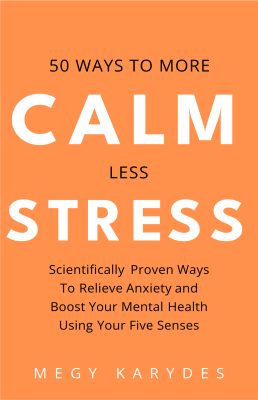
This book delves into practical, scientifically-backed techniques to manage anxiety and enhance mental well-being using the five senses. Each method is designed to be easy to implement, helping readers to experience more calm and less stress in their daily lives. The central theme revolves around the idea that small, sensory-based changes can significantly impact one’s mental health. This book stands out by offering straightforward, evidence-based strategies anyone can apply to achieve a more balanced and serene life.
This book is ideal for anyone seeking practical ways to manage stress and improve their mental health. Primary audiences include individuals experiencing chronic anxiety and those looking for holistic approaches to enhance their well-being. Secondary audiences might include mental health professionals, educators, and wellness coaches looking for new techniques to support their clients. The language is accessible and easy to understand, making it suitable for readers without a deep background in psychology or neuroscience.
Have you ever felt overwhelmed by the chaos of daily life?
Imagine walking into a garden. It’s not just any garden, but one designed specifically to soothe your mind. The colors, the scents, the sounds of rustling leaves, and the texture of soft moss under your feet—all play a role in calming your senses. This metaphor perfectly encapsulates the essence of 50 Ways to More Calm, Less Stress: Scientifically Proven Ways to Relieve Anxiety and Boost Your Mental Health Using Your Five Senses by Megy Karydes. The book is a well-crafted guide that teaches readers how to harness their senses to create an internal garden of calm, effectively reducing anxiety and enhancing mental well-being. Megy Karydes, with her wealth of experience and knowledge, provides a treasure trove of practical, science-based methods to help readers navigate the stresses of daily life.
The author begins by exploring the power of sight in managing stress. She explains how the visual stimuli around us can significantly impact our mental state. Through compelling examples and easy-to-follow advice, readers learn how to create visually soothing environments that promote relaxation. Karydes emphasizes the importance of colors, light, and visual organization in reducing anxiety. She provides practical tips on how to declutter spaces, use calming colors, and incorporate natural elements to create a visually peaceful atmosphere.
Next, the book delves into the sense of sound, highlighting how auditory experiences can influence our emotional well-being. Karydes discusses the benefits of nature sounds, soothing music, and even silence in calming the mind. She offers practical advice on curating soundscapes that promote tranquility and reduce stress. The author also explores the detrimental effects of noise pollution and how to mitigate them, providing readers with actionable steps to create a more serene auditory environment.
The sense of smell is another key focus in the book. Karydes explains how certain scents can trigger relaxation and improve mood. She introduces readers to the world of aromatherapy, explaining the science behind various essential oils and their effects on mental health. Through simple, yet effective techniques, readers learn how to incorporate calming scents into their daily routines, from using essential oil diffusers to creating personalized scent sachets.
Taste and touch are also explored in detail, with Karydes providing insights into how these senses can be harnessed to reduce stress. She explains the concept of mindful eating and how paying attention to flavors and textures can transform meals into moments of calm. The author also discusses the therapeutic benefits of tactile experiences, such as using stress-relief toys, engaging in creative activities like painting or knitting, and incorporating soft, comforting fabrics into everyday life.
What makes this book stand out is not just the comprehensive coverage of each sense but the practical, easy-to-implement advice. Readers will learn how to create their own sensory toolkit to manage stress and improve mental health. From setting up a calming corner in their home to incorporating daily rituals that engage their senses, 50 Ways to More Calm, Less Stress offers a myriad of strategies to help readers lead a more balanced and serene life. Megy Karydes ensures that the advice is grounded in scientific research, making it both credible and accessible.
The core message of 50 Ways to More Calm, Less Stress is that our senses are powerful tools that can be used to manage stress and enhance mental well-being. Megy Karydes emphasizes that by paying attention to what we see, hear, smell, taste, and touch, we can create environments and routines that promote calm and reduce anxiety. Imagine your senses as a control panel for your mental health. Each button and dial represents a different sensory input that can be adjusted to create a more balanced state of mind. Karydes provides readers with the knowledge and tools to effectively use this control panel, empowering them to take charge of their mental health in simple, practical ways.
The book makes a significant contribution to the field of mental health and wellness by providing a holistic, sensory-based approach to managing stress. Megy Karydes’ focus on the five senses is both innovative and accessible, making the techniques easy to implement for a broad audience. The book’s impact is further amplified by its grounding in scientific research, lending credibility to the strategies it presents. While the book may not have garnered major awards, its practical, evidence-based approach has resonated with readers and wellness advocates alike. It stands out in the crowded field of self-help books by offering a fresh perspective on stress management, focusing on the everyday experiences of sight, sound, smell, taste, and touch.
50 Ways to More Calm, Less Stress by Megy Karydes offers a refreshingly practical and scientifically grounded approach to stress management. The book stands out for its accessible and engaging writing style, making complex psychological concepts easy to understand and apply. Karydes does an excellent job of providing actionable advice that can be implemented immediately, which is a significant advantage for readers seeking quick and effective solutions to everyday stress. Her focus on the five senses as pathways to reduce anxiety and enhance mental well-being is both innovative and effective, offering readers a comprehensive toolkit for stress management.
The strength of this book lies in its holistic approach, addressing the various sensory experiences that impact our mental health. By covering sight, sound, smell, taste, and touch, Karydes ensures that there is something for everyone, regardless of individual preferences or circumstances. Each technique is supported by scientific evidence, adding credibility and trustworthiness to the advice given. This evidence-based approach reassures readers that the methods are not just anecdotal but have a solid foundation in research, distinguishing the book from many others in the self-help genre.
However, the book is not without its limitations. The vast number of techniques presented might overwhelm some readers, and the superficial exploration of certain concepts could leave those seeking deeper understanding wanting more. The focus on individual responsibility for stress management might also overlook broader social and environmental factors that contribute to stress. Despite these shortcomings, the book remains a valuable resource for those looking to manage their stress through practical, everyday methods.
The accessible writing style and relatable examples make the book suitable for a wide audience, including those without a background in psychology or wellness. Karydes’ conversational tone invites readers in and keeps them engaged, making the book a pleasure to read. The structured and organized layout enhances usability, allowing readers to easily navigate through the content and implement the strategies presented.
Our Recommendation
We recommend 50 Ways to More Calm, Less Stress to anyone looking for practical, easy-to-implement strategies for managing stress and improving mental health. Whether you are dealing with mild anxiety or simply want to enhance your overall well-being, this book offers a comprehensive toolkit that can be tailored to your individual needs. The sensory-based techniques are not only effective but also enjoyable to incorporate into daily life, making stress management a more pleasant and manageable endeavor.
For those new to stress management, the book provides a solid foundation of techniques grounded in scientific research. For more seasoned readers, it offers a fresh perspective on sensory engagement and mindfulness. While the book might not cover every aspect of stress management in depth, its strengths far outweigh its weaknesses, making it a worthwhile addition to anyone’s wellness library. In summary, 50 Ways to More Calm, Less Stress is a valuable resource that can help readers create a calmer, more balanced life through simple, practical changes.
50 Ways to More Calm, Less Stress by Megy Karydes revolves around the central idea that our five senses can be harnessed to manage anxiety and improve mental health. The book emphasizes that small, sensory-based changes in our daily routines and environments can lead to significant improvements in our overall well-being. By focusing on practical, scientifically-backed strategies, Karydes provides readers with tools to create more serene, balanced lives.
One key topic is the visual environment. Karydes explains that what we see around us can deeply impact our mental state. She highlights the importance of using calming colors, organizing spaces to reduce clutter, and incorporating natural elements like plants to create visually soothing environments. The concept here is that our visual surroundings can either contribute to our stress or help alleviate it, depending on how they are structured.
Another critical element is the role of sound in managing stress. Karydes discusses how different types of sounds—nature sounds, music, and even silence—can influence our mood and stress levels. She provides insights into creating personalized soundscapes that promote tranquility and how to minimize noise pollution, which can be a significant source of stress in modern life.
Smell is also a powerful tool for stress management, according to Karydes. She introduces readers to aromatherapy, explaining how different scents can trigger relaxation and improve mental clarity. The book includes practical advice on using essential oils, incense, and other aromatic elements to create a calming olfactory environment.
Taste and mindful eating are explored as well. Karydes emphasizes that paying attention to the flavors and textures of our food can transform eating into a calming, mindful experience. She discusses the benefits of savoring each bite and how this practice can help reduce stress and promote a sense of well-being.
Touch is another essential sense covered in the book. Karydes explains how tactile experiences can be therapeutic and help manage anxiety. From using stress-relief toys to engaging in creative activities like painting or knitting, the book offers a variety of ways to incorporate soothing tactile experiences into daily life.
Underlying these sensory-based strategies is a broader concept of mindfulness. Karydes suggests that by being more aware of our sensory experiences, we can live more in the moment and reduce the constant mental chatter that contributes to stress. This mindfulness is not just about meditation but about integrating a mindful approach into everyday activities, using our senses as a guide.
Calming Colors in the Home
Karydes provides an example of how changing the color scheme of a home can lead to reduced stress levels. She cites studies showing that certain colors, like blue and green, have a calming effect on the mind. One case study involves a woman who painted her living room in soft blue tones and added green plants. The woman reported feeling more relaxed and less anxious in her newly decorated space, demonstrating the impact of visual stimuli on mental health.
Personalized Soundscapes
In another example, Karydes discusses a busy professional who created a personalized playlist of nature sounds to listen to during breaks at work. This individual found that taking short breaks to listen to these sounds significantly reduced his stress levels and improved his focus. The use of sound as a stress management tool illustrates how auditory experiences can be tailored to individual preferences to enhance well-being.
Aromatherapy for Sleep
Karydes shares the story of a man who struggled with insomnia and chronic stress. He started using a diffuser with lavender essential oil in his bedroom, following advice from the book. Within a few weeks, he noticed an improvement in his sleep quality and a reduction in his overall stress. This example highlights the power of smell in promoting relaxation and improving mental health.
Mindful Eating Practices
An example of mindful eating is provided through the experience of a woman who began practicing this technique to manage her stress. By focusing on the flavors and textures of her food, she found that her meals became more enjoyable and her stress levels decreased. She reported feeling more present and less rushed during meals, which translated to a greater sense of calm throughout her day.
Tactile Creativity
Karydes tells the story of an artist who used tactile creativity to manage her anxiety. By engaging in activities like sculpting and knitting, the artist found a therapeutic outlet for her stress. These activities provided a tactile, hands-on way to channel her anxiety into something productive and calming, illustrating the benefits of incorporating touch into stress management strategies.
Use Calming Colors in Your Environment
One of the key insights is the impact of color on our mood and stress levels. Karydes explains that certain colors, like soft blues and greens, can create a calming effect, while bright or harsh colors might increase anxiety. To apply this insight, consider repainting your living or workspace in soothing colors. Add elements like plants or artwork with calming hues to create a more serene environment. This small change can make a significant difference in your overall sense of calm.
Create a Personalized Soundscape
Sound plays a crucial role in how we feel, and Karydes highlights the importance of creating a personalized soundscape to manage stress. Nature sounds, calming music, or even white noise can help reduce anxiety. Start by identifying the sounds that relax you the most. You can create playlists or use sound machines to incorporate these into your daily routine. For instance, listen to a nature sounds playlist during your morning routine or use a white noise machine to drown out disruptive background noise while you work.
Incorporate Aromatherapy into Your Routine
Karydes introduces aromatherapy as an effective tool for reducing stress and improving mental clarity. Essential oils like lavender, chamomile, and eucalyptus can have calming effects. To apply this insight, use a diffuser to spread your favorite calming scent throughout your home or office. You can also add a few drops of essential oil to your bath or use scented candles. Experiment with different scents to see which ones have the most relaxing effect on you.
Practice Mindful Eating
Mindful eating is another powerful technique discussed in the book. By paying attention to the flavors, textures, and smells of your food, you can turn meals into a calming experience. To apply this, start by eliminating distractions during meals—turn off the TV and put away your phone. Focus on each bite, savoring the taste and texture of your food. This practice can help you enjoy your meals more and reduce the stress associated with rushed eating.
Engage in Tactile Activities
Touch is a sense that can be used to manage anxiety, and Karydes emphasizes the importance of engaging in tactile activities. Activities like knitting, sculpting, or even using stress-relief toys can provide a soothing tactile experience. To apply this, find a tactile activity that you enjoy and incorporate it into your routine. Whether it’s a hobby like gardening or a simple activity like squeezing a stress ball, these tactile experiences can help reduce anxiety and promote relaxation.
Designate a Calming Space
Creating a designated calming space in your home is another practical insight from Karydes. This space should be free from clutter and filled with elements that engage your senses in a soothing way. To apply this, choose a corner or a room in your home and fill it with calming colors, soft textures, and your favorite scents. Use this space for relaxation, meditation, or any activity that helps you unwind. Having a specific place to retreat to can make it easier to manage stress.
Use Breathing Exercises to Calm the Mind
Breathing exercises are a simple yet effective way to reduce anxiety. Karydes explains that deep, mindful breathing can help lower stress levels and improve mental clarity. To apply this, practice deep breathing exercises daily. Start by taking slow, deep breaths in through your nose, holding for a few seconds, and then exhaling slowly through your mouth. Doing this for just a few minutes can help calm your mind and reduce anxiety.
Integrate Nature into Your Environment
Connecting with nature can have a profound impact on your mental health. Karydes suggests integrating elements of nature into your living and working spaces to create a more serene environment. To apply this, bring plants into your home, use natural materials in your decor, and open windows to let in fresh air and natural light. Spending time outdoors, even if it’s just a short walk, can also help reduce stress and improve your mood.
Establish a Consistent Routine
Karydes emphasizes the importance of having a consistent daily routine to manage stress. Routines provide structure and predictability, which can help reduce anxiety. To apply this insight, establish a daily schedule that includes time for relaxation and self-care. Start your day with a calming activity, such as reading or stretching, and end it with a relaxing ritual, like a warm bath or meditation. Consistency in your routine can create a sense of stability and reduce stress.
Practice Gratitude
Practicing gratitude is another powerful technique to improve mental well-being. Karydes explains that focusing on positive aspects of your life can help shift your mindset and reduce anxiety. To apply this, keep a gratitude journal and write down three things you’re thankful for each day. Reflecting on these positive aspects can help you maintain a more positive outlook and manage stress more effectively.
Insightful and Practical Advice
One of the standout strengths of 50 Ways to More Calm, Less Stress by Megy Karydes is the practical, actionable advice provided throughout the book. Each technique is grounded in scientific research, making the strategies credible and effective. The author’s ability to distill complex psychological and physiological concepts into easy-to-understand tips is commendable. Readers are not only informed about why certain practices work but are also given clear instructions on how to implement them in their daily lives, enhancing the book’s practical applicability.
Comprehensive Coverage of the Senses
The book’s comprehensive approach to exploring how each of the five senses can be utilized to manage stress is another significant strength. Karydes covers sight, sound, smell, taste, and touch in detail, providing a well-rounded perspective on sensory-based stress management. This holistic approach ensures that readers have a variety of tools at their disposal, allowing them to find the techniques that work best for their unique preferences and lifestyles. The depth and breadth of this coverage set the book apart from other stress management guides.
Accessible and Engaging Writing Style
Karydes’ writing style is both accessible and engaging, making the book a pleasure to read. She uses a conversational tone that draws readers in and keeps them interested. The mix of short and long sentences, along with relatable examples and anecdotes, helps maintain a reader-friendly pace. This style ensures that complex ideas are broken down into digestible pieces, making the book suitable for a wide audience, including those without a background in psychology or wellness.
Use of Scientific Evidence
The incorporation of scientific evidence to support the advice given in the book is a major strength. Karydes references studies and research findings to validate the techniques she suggests, adding a layer of credibility to her recommendations. This evidence-based approach reassures readers that the methods are not just anecdotal but have a solid scientific foundation. It also helps differentiate the book from others that may rely more on personal opinion or unverified claims.
Focus on Mindfulness
A key strength of the book is its emphasis on mindfulness, not just as a standalone practice but integrated into everyday activities. Karydes encourages readers to be mindful of their sensory experiences in daily life, which can significantly impact stress levels. This focus on mindfulness helps readers cultivate a more present and aware state of mind, contributing to long-term mental well-being. The practical tips on how to incorporate mindfulness into routines are particularly valuable for those new to the concept.
Flexibility and Adaptability of Techniques
The flexibility and adaptability of the techniques presented in the book are another strong point. Karydes provides a wide range of strategies that can be tailored to individual preferences and circumstances. Whether a reader prefers visual changes, auditory adjustments, or tactile activities, there is something for everyone. This adaptability ensures that the book’s advice can be applied in various settings, from home to work, making it a versatile resource for stress management.
Limited In-Depth Exploration
While the book offers a broad overview of sensory-based stress management techniques, it sometimes lacks in-depth exploration of certain concepts. For readers who are looking for a more detailed understanding of the science behind each method, the explanations may feel a bit superficial. A deeper dive into the neurological and psychological mechanisms at play could enhance the book’s value for those seeking a more comprehensive understanding.
Potential for Overwhelming Readers
Given the sheer number of techniques presented, there is a risk that readers may feel overwhelmed by the options. The book could benefit from a more structured approach to guide readers on how to prioritize and implement the strategies. A step-by-step plan or a suggested starting point for beginners might help mitigate this issue, making it easier for readers to integrate the advice into their lives without feeling inundated.
Lack of Personal Stories or Testimonials
While the book is filled with practical advice and scientific evidence, it could be enriched by the inclusion of more personal stories or testimonials from individuals who have successfully applied the techniques. These narratives could provide additional motivation and relatability, showing readers real-life examples of how the strategies have worked for others. This could also help to humanize the content and make it more engaging.
Repetitive Elements
At times, the book can feel repetitive, with similar advice or concepts appearing in multiple sections. While repetition can reinforce important points, it might also lead to redundancy, reducing the overall impact of the content. Streamlining the information and ensuring that each piece of advice is distinct and necessary would enhance the book’s readability and effectiveness.
Overemphasis on Individual Responsibility
One potential blind spot in 50 Ways to More Calm, Less Stress is the overemphasis on individual responsibility for managing stress. While the book offers valuable techniques for personal stress management, it tends to overlook the broader social and environmental factors that contribute to anxiety and stress. Readers might misconstrue the message to mean that their stress is solely a result of their personal actions or lack thereof. However, factors such as workplace culture, socioeconomic status, and community support play significant roles in an individual’s mental health. Books like The End of Stress as We Know It by Bruce McEwen and The Burnout Society by Byung-Chul Han explore these external influences more comprehensively, highlighting the systemic changes needed to support individual well-being.
Simplification of Sensory Techniques
Another blind spot is the simplification of sensory techniques for stress management. While Karydes provides practical advice on using the senses to reduce stress, the book might give the impression that these methods are quick fixes rather than components of a broader strategy. Readers might misunderstand the effectiveness of these techniques if they expect immediate results without consistent practice. Books like The Relaxation Response by Herbert Benson offer a more nuanced view of how relaxation techniques work over time and the importance of integrating them into a daily routine. These works emphasize that the benefits of such practices are cumulative and require regular engagement.
Neglecting Severe Mental Health Issues
The book’s focus on everyday stress management techniques might lead readers to overlook the need for professional help in cases of severe mental health issues. While the strategies presented are useful for managing daily stress and mild anxiety, they are not substitutes for professional treatment for conditions like clinical depression, severe anxiety disorders, or PTSD. Readers might mistakenly believe that they can handle all levels of stress and anxiety with these methods alone. Books such as The Anxiety and Phobia Workbook by Edmund J. Bourne and Feeling Good: The New Mood Therapy by David D. Burns provide a more comprehensive approach that includes when to seek professional help and how to combine self-help techniques with clinical treatment.
Cultural and Individual Differences
Karydes’ recommendations might not fully account for cultural and individual differences in sensory perception and stress responses. Sensory preferences and stress triggers can vary widely among individuals and across cultures. For example, certain scents or sounds that are calming to some people might be irritating or stressful to others. The book might lead readers to believe that there is a one-size-fits-all approach to sensory-based stress management. Cultural Stress: How We Create Stress and What We Can Do About It by Gerti Schoen and The Healing Power of the Mind by Rolf Alexander explore how cultural contexts influence stress and coping mechanisms, offering a broader perspective on how to tailor stress management techniques to diverse populations.
Misunderstanding of Mindfulness Practice
The book’s emphasis on mindfulness through sensory engagement could lead to misconceptions about mindfulness as a practice. Some readers might think that simply being aware of sensory experiences constitutes full mindfulness practice. However, mindfulness involves a deeper, more sustained attention and non-judgmental awareness of the present moment. Wherever You Go, There You Are by Jon Kabat-Zinn and The Miracle of Mindfulness by Thich Nhat Hanh provide more detailed guidance on the principles and practices of mindfulness, helping readers understand its depth beyond just sensory awareness. These books clarify that mindfulness is a comprehensive practice that goes beyond just paying attention to sensory inputs.
Lack of Integration with Lifestyle Changes
While 50 Ways to More Calm, Less Stress offers numerous techniques, it might fall short in guiding readers on how to integrate these practices into a broader lifestyle change. Stress management is most effective when combined with other healthy habits such as regular exercise, a balanced diet, and adequate sleep. Readers might misunderstand the book’s strategies as standalone solutions rather than components of a holistic approach to well-being. The Power of Full Engagement by Jim Loehr and Tony Schwartz emphasizes the importance of balancing energy expenditure and renewal across various aspects of life, providing a more integrated approach to managing stress and improving overall health.
The Relaxation Response by Herbert Benson
Herbert Benson’s The Relaxation Response is a seminal work in the field of stress management and offers a broader historical context and scientific foundation for relaxation techniques. While 50 Ways to More Calm, Less Stress provides practical sensory-based techniques, Benson’s book focuses on the physiological changes that occur during relaxation and the importance of the relaxation response as a counterbalance to the fight-or-flight response. Benson’s approach is more focused on the medical and scientific basis for relaxation, whereas Karydes’ book is more hands-on and accessible for everyday use. Both books are valuable, but Benson’s work provides a deeper understanding of the mechanisms behind stress reduction, which complements the more practical advice found in Karydes’ book.
Wherever You Go, There You Are by Jon Kabat-Zinn
Jon Kabat-Zinn’s Wherever You Go, There You Are is a foundational text on mindfulness and offers a more comprehensive exploration of mindfulness practices than Karydes’ book. While 50 Ways to More Calm, Less Stress incorporates mindfulness into its sensory techniques, Kabat-Zinn’s work delves deeply into the philosophy and practice of mindfulness as a way of life. Kabat-Zinn’s book emphasizes sustained attention and non-judgmental awareness, providing readers with a thorough guide to mindfulness meditation. In contrast, Karydes’ book offers a more straightforward, practical approach to integrating mindfulness into daily activities. Both books are effective in their own right, but Kabat-Zinn’s work provides a more in-depth exploration for those seeking a deeper mindfulness practice.
The Power of Full Engagement by Jim Loehr and Tony Schwartz
The Power of Full Engagement by Jim Loehr and Tony Schwartz emphasizes the importance of managing energy rather than time, focusing on balancing energy expenditure and renewal across physical, emotional, mental, and spiritual dimensions. This holistic approach contrasts with Karydes’ sensory-based methods by providing a broader framework for lifestyle changes and performance enhancement. While 50 Ways to More Calm, Less Stress offers specific, actionable techniques for reducing stress, The Power of Full Engagement provides a more comprehensive strategy for overall well-being and productivity. Both books are complementary, with Karydes offering immediate practical tips and Loehr and Schwartz presenting a larger framework for sustained energy management.
The Anxiety and Phobia Workbook by Edmund J. Bourne
Edmund J. Bourne’s The Anxiety and Phobia Workbook is a detailed, therapeutic guide designed to help individuals manage anxiety and phobias through a range of cognitive-behavioral techniques. While Karydes’ book provides sensory-based strategies that are easy to implement in daily life, Bourne’s workbook offers a more clinical approach with exercises and worksheets that delve into the cognitive processes underlying anxiety. Bourne’s work is more suited for individuals with severe anxiety disorders, whereas Karydes’ book is accessible for those looking to manage everyday stress and mild anxiety. Together, these books cover a broad spectrum of stress and anxiety management techniques, from everyday practical tips to more intensive therapeutic interventions.
Create a Calming Visual Environment
Personalize Your Soundscape
Incorporate Aromatherapy into Your Routine
Practice Mindful Eating
Engage in Tactile Activities
Designate a Calming Space
Establish a Consistent Routine
Practice Gratitude
Incorporate Calming Visual Elements in the Workplace
Creating a visually soothing environment in the workplace can significantly reduce stress and increase productivity. By incorporating calming colors, natural light, and plants into office spaces, businesses can create a more relaxed atmosphere that fosters creativity and well-being. Employees are likely to feel more comfortable and less anxious in an environment that is visually appealing and calming.
Implementing these visual changes can be challenging due to budget constraints and the existing office layout. Repainting walls, purchasing new decor, and incorporating plants can be expensive and time-consuming. Additionally, some office spaces might not have access to natural light, making it difficult to create the desired effect.
Businesses can start small by introducing affordable changes like desk plants, posters or artwork with calming colors, and reorganizing spaces to reduce clutter. They can also seek employee input to prioritize the most impactful changes. For offices without natural light, investing in quality artificial lighting that mimics natural light can help achieve a similar effect. Gradual implementation and employee involvement can make the transition smoother and more cost-effective.
Create Personalized Soundscapes for Employees
Personalized soundscapes, such as background music or nature sounds, can help reduce workplace stress and improve focus. Allowing employees to use headphones to listen to calming sounds or providing common areas with soothing background music can enhance the overall work environment.
One of the main challenges is catering to diverse sound preferences among employees. Some might find certain sounds calming, while others might find them distracting or irritating. There might also be resistance to the idea of wearing headphones at work, which could be seen as unprofessional in some settings.
Conducting a survey to understand employees’ sound preferences and offering a range of options can help address diverse needs. Providing guidelines on appropriate times and places for headphone use can mitigate concerns about professionalism. Additionally, creating designated quiet zones or relaxation areas where background music is played can offer employees a choice to use these spaces as needed.
Implement Aromatherapy in the Workplace
Aromatherapy can be a powerful tool for reducing stress and promoting mental clarity in the workplace. Introducing diffusers with calming scents like lavender or eucalyptus in common areas can help create a more relaxing atmosphere for employees.
Implementing aromatherapy in a shared office space can be challenging due to differing scent sensitivities and preferences among employees. Some individuals might have allergies or negative reactions to certain scents, making it difficult to find a universally acceptable solution.
Businesses can start by using aromatherapy in designated relaxation areas or break rooms rather than throughout the entire office. Offering scent-free zones and providing personal aromatherapy options, like essential oil rollers, can allow employees to choose what works best for them. Consulting with employees about their preferences and sensitivities before implementing aromatherapy can also help ensure a positive experience for everyone.
Promote Mindful Eating Practices
Encouraging mindful eating practices in the workplace can help employees manage stress and improve overall well-being. Providing healthy snack options, promoting regular meal breaks, and creating a pleasant dining area can support this initiative.
The main challenge is changing existing eating habits and ensuring that employees take regular breaks to practice mindful eating. Busy work schedules and a culture that prioritizes constant productivity over breaks can hinder the adoption of mindful eating practices.
To overcome these challenges, businesses can set an example by scheduling regular meal breaks and encouraging employees to step away from their desks to eat. Providing education on the benefits of mindful eating through workshops or informational materials can also help shift the workplace culture. Creating a comfortable and inviting dining area can further encourage employees to take breaks and enjoy their meals mindfully.
Engage Employees in Tactile Activities
Incorporating tactile activities, such as stress-relief toys or creative workshops, can help employees manage stress and foster a sense of community. Offering these activities during breaks or as part of team-building exercises can provide a relaxing and enjoyable outlet for stress.
Employees might initially be hesitant to participate in tactile activities, viewing them as unprofessional or unnecessary. There might also be logistical challenges in organizing and facilitating these activities, especially in larger organizations.
To encourage participation, businesses can integrate tactile activities into existing wellness programs or team-building events. Highlighting the benefits of these activities for stress relief and productivity can help change perceptions. Starting with simple, low-cost activities like providing stress balls or fidget toys at desks can gradually build acceptance. Regular feedback from employees can help tailor activities to their interests and needs, ensuring sustained engagement.
Establish a Consistent Relaxation Routine
Encouraging employees to establish consistent relaxation routines, such as regular breaks for deep breathing exercises or short walks, can help manage stress and improve focus. Providing resources and support for these practices can enhance their effectiveness.
Employees may struggle to find time for relaxation routines amidst their busy work schedules. There may also be a lack of understanding or awareness of the benefits of these practices, leading to low participation rates.
Businesses can integrate relaxation routines into the workday by scheduling regular break times and creating designated relaxation areas. Providing training or workshops on the benefits of these practices can increase awareness and participation. Encouraging managers to lead by example and support their teams in taking regular breaks can also help embed these routines into the company culture.
Foster a Culture of Gratitude
Promoting a culture of gratitude in the workplace can enhance employee morale and reduce stress. Encouraging employees to express appreciation for each other’s contributions and providing opportunities for recognition can create a more positive work environment.
Cultivating a culture of gratitude can be challenging if it is not already part of the organizational ethos. Employees may feel uncomfortable expressing gratitude or may not see it as a priority amidst their other responsibilities.
To foster a culture of gratitude, businesses can implement formal recognition programs and provide platforms for employees to share their appreciation. Regularly highlighting acts of kindness and contributions during meetings or through internal communications can normalize gratitude. Offering training on the benefits of gratitude and how to express it effectively can also help integrate this practice into the workplace.
Rise of Mindfulness Practices
The rise of mindfulness practices has become a significant trend in both personal and professional settings. 50 Ways to More Calm, Less Stress aligns perfectly with this movement by incorporating mindfulness into its sensory-based techniques. As more organizations and individuals recognize the benefits of mindfulness for reducing stress and improving focus, the book’s practical advice on integrating mindfulness into everyday activities will become increasingly relevant. Future workplaces might adopt these practices more widely, offering mindfulness training and creating environments that promote mindful living.
Emphasis on Mental Health in the Workplace
There is a growing emphasis on mental health in the workplace. Companies are now more aware of the importance of supporting their employees’ mental well-being. 50 Ways to More Calm, Less Stress provides valuable tools that businesses can implement to create a healthier work environment. Techniques such as personalized soundscapes, aromatherapy, and tactile activities can be part of comprehensive mental health programs. As the focus on mental health continues to grow, the book’s strategies will likely become integral to workplace wellness initiatives.
Adoption of Biophilic Design
Biophilic design, which incorporates natural elements into building design, is gaining popularity. This trend emphasizes the connection between humans and nature, aiming to create environments that enhance well-being. Karydes’ recommendations for using calming colors, natural light, and plants in the workplace fit seamlessly into this trend. As biophilic design becomes more mainstream, the sensory-based techniques from 50 Ways to More Calm, Less Stress will be seen as essential components of creating stress-reducing environments.
Personalized Wellness Programs
The shift towards personalized wellness programs reflects the understanding that one size does not fit all. Individuals have unique preferences and needs when it comes to managing stress. 50 Ways to More Calm, Less Stress supports this trend by offering a variety of techniques that can be tailored to individual sensory preferences. As personalized wellness becomes the norm, the book’s approach to customizing stress management strategies will be highly valued.
Integration of Technology and Wellness
The integration of technology and wellness is another emerging trend. Apps and digital platforms that promote mental health and well-being are becoming more common. 50 Ways to More Calm, Less Stress can easily be adapted to these technological advances. For instance, apps could guide users through sensory-based relaxation techniques, or workplaces could use technology to create personalized soundscapes and aromatherapy experiences. As technology continues to evolve, the book’s practical advice will find new applications in the digital realm.
50 Ways to More Calm, Less Stress by Megy Karydes has the potential to significantly influence the field of stress management by popularizing sensory-based techniques. The book’s accessible approach makes it easy for a wide audience to incorporate stress reduction strategies into their daily lives, potentially leading to a greater public awareness of the importance of managing sensory inputs for mental health. This could result in more individuals seeking to create calming environments and routines, thereby reducing the overall societal burden of stress-related issues.
In the long term, Karydes’ emphasis on practical, scientifically-backed methods could encourage further research into the efficacy of sensory-based stress management techniques. As more people adopt these practices and report positive outcomes, it could lead to increased interest and investment in studying the sensory aspects of mental health. This might result in new therapeutic approaches and public health initiatives that integrate sensory strategies into broader mental health programs.
Additionally, the book’s focus on mindfulness and the integration of sensory experiences into everyday life could contribute to a broader cultural shift towards mindfulness and holistic well-being. As more people become aware of the benefits of sensory mindfulness, there could be a greater emphasis on creating sensory-friendly environments in public spaces, workplaces, and schools. This shift could enhance the overall quality of life, promoting a more mindful and balanced approach to modern living.
On a societal level, the widespread adoption of the techniques in Karydes’ book could lead to a decrease in the prevalence of stress-related illnesses and an improvement in mental health outcomes. By providing accessible tools for stress management, the book could empower individuals to take control of their mental health, leading to a more resilient and mentally healthy population. This could have far-reaching implications for public health, workplace productivity, and overall societal well-being.
The Relaxation Response by Herbert Benson
The Relaxation Response by Herbert Benson is essential for understanding the physiological basis of relaxation techniques. Benson, a pioneer in mind-body medicine, explains how simple practices can trigger the body’s relaxation response, counteracting stress’s harmful effects. This book complements 50 Ways to More Calm, Less Stress by providing a deeper scientific understanding of how and why relaxation techniques work. Readers interested in the medical and scientific foundations of stress reduction will find this book invaluable.
Wherever You Go, There You Are by Jon Kabat-Zinn
Jon Kabat-Zinn’s Wherever You Go, There You Are is a classic introduction to mindfulness and meditation. Kabat-Zinn, the founder of Mindfulness-Based Stress Reduction (MBSR), offers practical guidance on how to cultivate mindfulness in daily life. This book aligns well with Karydes’ emphasis on mindfulness and provides more detailed instructions on mindfulness practices. Readers looking to deepen their mindfulness practice will benefit from Kabat-Zinn’s comprehensive and accessible approach.
The Power of Full Engagement by Jim Loehr and Tony Schwartz
The Power of Full Engagement by Jim Loehr and Tony Schwartz focuses on managing energy rather than time to achieve peak performance and balance. The authors discuss the importance of balancing physical, emotional, mental, and spiritual energy. This holistic approach complements Karydes’ sensory-based strategies by providing a broader framework for overall well-being and productivity. Readers interested in a more extensive strategy for managing their energy and stress will find this book highly beneficial.
The Anxiety and Phobia Workbook by Edmund J. Bourne
Edmund J. Bourne’s The Anxiety and Phobia Workbook offers a comprehensive guide to managing anxiety and phobias through cognitive-behavioral techniques. This workbook provides detailed exercises and strategies that can help individuals with severe anxiety issues. It complements 50 Ways to More Calm, Less Stress by offering more in-depth therapeutic interventions. Readers looking for structured, clinically-backed exercises to manage anxiety will find Bourne’s workbook an excellent resource.
The Healing Power of the Mind by Rolf Alexander
The Healing Power of the Mind by Rolf Alexander explores the mental techniques that can aid in healing and stress management. Alexander’s approach focuses on the mind’s ability to influence physical health, providing insights into how mental practices can reduce stress and improve well-being. This book aligns with Karydes’ focus on sensory and mental techniques and offers additional perspectives on the power of the mind in achieving calm. Readers interested in the mental aspects of stress management will appreciate Alexander’s insights.
The Burnout Society by Byung-Chul Han
The Burnout Society by Byung-Chul Han critically examines the societal pressures that lead to chronic stress and burnout. Han’s philosophical analysis provides a contrasting viewpoint to the practical advice in Karydes’ book. This book helps readers understand the broader social and cultural factors contributing to stress, complementing the personal strategies offered in 50 Ways to More Calm, Less Stress. Readers seeking a deeper understanding of the systemic causes of stress will find Han’s analysis thought-provoking.
The End of Stress as We Know It by Bruce McEwen
Bruce McEwen’s The End of Stress as We Know It delves into the biological and neurological aspects of stress. McEwen, a renowned neuroscientist, explains how stress affects the brain and body and offers insights into managing it effectively. This book complements Karydes’ practical techniques by providing a scientific background on stress’s impact and management. Readers interested in the biological underpinnings of stress will find McEwen’s work enlightening.
Feeling Good: The New Mood Therapy by David D. Burns
David D. Burns’ Feeling Good: The New Mood Therapy focuses on cognitive-behavioral techniques to manage mood and anxiety. Burns provides practical strategies for changing negative thought patterns, which can significantly reduce stress and improve mental health. This book complements 50 Ways to More Calm, Less Stress by offering additional cognitive techniques that readers can use alongside sensory-based methods. Readers looking for practical mental strategies to complement sensory techniques will benefit from Burns’ book.
Headspace
Headspace (www.headspace.com) is a comprehensive online platform offering guided meditation and mindfulness exercises. It provides resources for stress management, improving focus, and enhancing well-being. The platform’s user-friendly app can help individuals integrate mindfulness practices into their daily lives, complementing the techniques suggested in 50 Ways to More Calm, Less Stress.
Calm
Calm (www.calm.com) is another leading app for meditation and sleep. It offers guided sessions on stress reduction, relaxation, and mindful movement. With various programs designed to address different aspects of mental health, Calm is a perfect digital companion to Karydes’ book, providing on-the-go access to mindfulness and relaxation exercises.
Wisdom 2.0
Wisdom 2.0 (www.wisdom2summit.com) is an annual conference that brings together leaders in mindfulness, technology, and business. The event focuses on integrating wisdom and mindfulness into modern life, offering insights that align well with the sensory-based stress management techniques in Karydes’ book. Attendees can gain new perspectives on balancing work, life, and inner well-being.
Global Wellness Summit
The Global Wellness Summit (www.globalwellnesssummit.com) is an international conference that covers a broad range of topics related to health and wellness. It features expert speakers and workshops on the latest trends and research in wellness, making it a valuable resource for those interested in the broader context of stress management and mental health.
American Institute of Stress
The American Institute of Stress (www.stress.org) provides extensive resources on stress management, including research articles, practical tips, and professional training programs. Membership offers access to webinars, publications, and a network of professionals dedicated to understanding and reducing stress.
Mindful Schools
Mindful Schools (www.mindfulschools.org) is an organization that integrates mindfulness into educational settings. It offers training and resources for educators, which can also be valuable for business leaders looking to implement mindfulness programs in the workplace. Their approach aligns with the sensory techniques in Karydes’ book, promoting mindfulness as a tool for stress reduction.
The Mindful Kind
Hosted by Rachael Kable, The Mindful Kind podcast explores mindfulness techniques and their applications in everyday life. Each episode offers practical advice and insights that complement the strategies found in 50 Ways to More Calm, Less Stress. The podcast is an excellent resource for ongoing inspiration and tips on incorporating mindfulness into daily routines.
On Being with Krista Tippett
On Being is a podcast that delves into the big questions of meaning, faith, ethics, and what it means to be human. Hosted by Krista Tippett, the show features conversations with experts in various fields, including mental health and wellness. The diverse topics and deep discussions can provide additional perspectives on the themes covered in Karydes’ book.
Mindfulness-Based Stress Reduction (MBSR)
The Mindfulness-Based Stress Reduction (MBSR) course, developed by Jon Kabat-Zinn, is offered by various institutions worldwide, including the University of Massachusetts Medical School (www.umassmed.edu/cfm/mindfulness-based-programs/mbsr). This course provides a comprehensive introduction to mindfulness and its applications for stress reduction, aligning well with the mindfulness techniques in Karydes’ book.
The Science of Well-Being
Offered by Yale University on Coursera (www.coursera.org/learn/the-science-of-well-being), The Science of Well-Being is a popular online course that explores the psychology behind happiness and how to implement practices that promote well-being. The course provides scientific insights and practical strategies that complement the sensory-based techniques in 50 Ways to More Calm, Less Stress.
Minimalism: A Documentary About the Important Things
Minimalism: A Documentary About the Important Things explores how simplifying one’s life can lead to reduced stress and greater happiness. The film, available on Netflix, aligns with Karydes’ advice on decluttering and creating calming environments. It provides real-life examples of how minimalism can positively impact mental health.
Heal
Heal is a documentary that investigates the power of the mind in healing the body. Featuring interviews with top scientists and spiritual teachers, the film, available on various streaming platforms, discusses the connection between mental practices and physical health. It complements the themes in Karydes’ book by highlighting the importance of mental well-being for overall health.


Discover the key takeaways from top non-fiction books in minutes. Get the wisdom you need to succeed fast. Here, learning is quick, engaging, and always at your fingertips.
© 2025 All Rights Reserved.