Reviews
“Perfect for readers of Arthur Brooks, Daniel Pink, Angela Duckworth, and other writers who explore how to fashion prosperous, fulfilling lives. An engrossing look at why relationships matter, featuring an unprecedented abundance of data to back it up.” ― Kirkus Reviews (starred review)
“Robert Waldinger and Marc Schulz lead us on an empowering quest towards our greatest need: meaningful human connection. Blending research from an ongoing 80-year study of life satisfaction with emotional storytelling proves that ancient wisdom has been right all along—a good life is built with good relationships.” — Jay Shetty, bestselling author of Think Like a Monk and host of the podcast On Purpose
“In a crowded field of life advice and even life advice based on scientific research, Schulz and Waldinger stand apart. Capitalizing on the most intensive study of adult development in history, they tell us what makes a good life and why.” — Angela Duckworth, author of Grit, Christopher H. Browne Distinguished Professor of Psychology, University of Pennsylvania, co-founder and CEO of Character Lab
“Fascinating… Combining intensive research with actionable steps, this penetrating testament to the power of human connection offers gems for almost anyone looking to improve their happiness.” ― Publishers Weekly
“Want the secret to the good life? Robert Waldinger and Marc Schulz give it to you in this magnificent new book. Based on the longest survey ever conducted over people’s lives, The Good Life reveals who winds up happy, who doesn’t, and why—and how you can use this information starting today.” — Arthur C. Brooks, Professor, Harvard Kennedy School and Harvard Business School, and #1 New York Times bestselling author
“Waldinger and Schulz are world experts on the counterintuitive things that make life meaningful. Their book will provide welcome advice for a world facing unprecedented levels of unhappiness and loneliness.” — Laurie Santos, PhD, Chandrika and Ranjan Tandon Professor of Psychology at Yale University and host of the podcast The Happiness Lab podcast
“The Good Life tells the story of a rare and fascinating study of lives over time. This insightful, interesting, and well-informed book reveals the secret of happiness—and reminds us that it was never really a secret, after all.” — Daniel Gilbert, author of the New York Times best-seller Stumbling on Happiness; and host of the PBS television series This Emotional Life
“Waldinger and Schulz have written an essential — perhaps the essential — book on human flourishing. Backed by extraordinary research and packed with actionable advice, The Good Life will expand your brain and enrich your heart.” — Daniel H. Pink, #1 New York Times bestselling author of The Power of Regret, Drive, and A Whole New Mind
“I’m beyond thrilled that Dr. Waldinger and Dr. Schulz are publishing the findings of the Harvard Study. Over the years, I’ve discussed their research and recommended Dr. Waldinger’s TED talk around the world. I can hardly wait to recommend The Good Life. It’s accessible, interesting, and grounded in research—and is bound to make a difference in the lives of millions.” — Tal Ben-Shahar, bestselling author of Being Happy: You Don’t Have to Be Perfect to Lead a Richer, Happier Life, and Happier: Learn the Secrets to Daily Joy and Lasting Fulfillment
“This book is simply extraordinary. It weaves ‘hard data’ and enlightening case studies and interviews together seamlessly in a way that stays true to the science while humanizing it. And what an important lesson it teaches. It helps people to understand how they should live their lives, and also provides a spectacular picture of what psychology can be at its best. It is data driven, of course, but data are just noise without wise interpretation.” — Barry Schwartz, author of Practical Wisdom (with Kenneth Sharpe) and Why We Work
Imagine unlocking the secrets to a fulfilling life, backed by decades of rigorous scientific research. This groundbreaking book offers exactly that, drawing from the Harvard Study of Adult Development – an unprecedented 85-year study tracking the same individuals throughout their lives. The authors, who led this remarkable project, distill a wealth of data into actionable insights about what truly leads to happiness and wellbeing. They challenge common misconceptions about success and contentment, revealing that the strength of our relationships is the most crucial factor in determining life satisfaction. Through compelling stories and evidence-based findings, readers are guided towards practical steps to cultivate deeper connections and live more meaningful lives.
This book caters to a broad audience of individuals seeking evidence-based guidance on achieving greater happiness and fulfillment in their lives. The primary readership includes adults of all ages who are interested in personal growth, relationship improvement, and understanding the factors that contribute to long-term wellbeing. It’s particularly relevant for those at life transitions or crossroads, such as young adults starting their careers, middle-aged individuals reassessing their priorities, or retirees contemplating their legacy. The secondary audience comprises professionals in psychology, sociology, and related fields who want to stay abreast of cutting-edge research on happiness and adult development. While the book draws from complex longitudinal research, the authors have skillfully translated scientific concepts into accessible language and relatable anecdotes, making it engaging for both general readers and academics alike.
What if the key to happiness was hiding in plain sight all along?
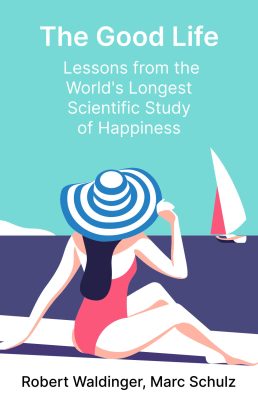
In The Good Life: Lessons from the World’s Longest Scientific Study of Happiness, authors Robert Waldinger and Marc Schulz challenge our conventional wisdom about what makes a fulfilling life. Drawing from the Harvard Study of Adult Development, an extraordinary 85-year research project, they reveal a surprising truth: it’s not fame, wealth, or achievement that lead to lasting contentment, but the quality of our relationships.
Imagine following the lives of hundreds of individuals from their teenage years well into their 90s. That’s exactly what the Harvard Study has done, amassing a treasure trove of data on what factors truly contribute to a well-lived life. Waldinger and Schulz, as the current stewards of this monumental project, distill decades of research into actionable insights for readers. They weave together scientific findings with compelling personal stories from study participants, creating a narrative that’s both intellectually rigorous and deeply human.
The book takes us on a journey through the different stages of life, exploring how our social connections shape our health, happiness, and even cognitive function as we age. From the importance of childhood attachments to the role of friendships in midlife and the value of community in our later years, the authors paint a comprehensive picture of how relationships influence our wellbeing throughout the lifespan. They challenge the notion that success and happiness are solitary pursuits, instead arguing that our lives are inextricably linked with those around us.
But The Good Life isn’t just a recitation of research findings. Waldinger and Schulz offer practical strategies for cultivating and maintaining meaningful relationships in an increasingly disconnected world. They address common obstacles to connection, such as technology overuse and the pressures of modern life, providing readers with tools to overcome these barriers and build a more satisfying social life.
Readers of The Good Life will learn how to assess the quality of their current relationships, techniques for deepening existing connections, and ways to expand their social network at any age. The book also explores the impact of relationships on physical health, offering insights into how strong social bonds can lead to better health outcomes and even increased longevity. Perhaps most importantly, it teaches us how to navigate the inevitable conflicts and challenges in our relationships, turning potential sources of stress into opportunities for growth and deeper connection.
The heart of The Good Life beats with a simple yet profound message: good relationships keep us happier and healthier. It’s not just about having a large number of friends or being constantly surrounded by people. Rather, it’s the quality and depth of our connections that matter most. The authors liken our relationships to a garden that requires constant tending. Just as a neglected garden will wither and die, our relationships need regular care and attention to flourish.
Waldinger and Schulz argue that investing in relationships is like making deposits in a “social bank account.” Every positive interaction, every moment of support given or received, every shared laugh or comforting embrace, is a deposit that accumulates over time. When life inevitably throws challenges our way, we can draw on this reservoir of goodwill and support to help us weather the storm. This metaphor vividly illustrates why cultivating strong relationships isn’t just a nice-to-have, but a crucial investment in our long-term happiness and resilience.
The Good Life stands out in the crowded field of self-help and happiness literature for several reasons. First, it’s grounded in one of the most comprehensive and long-running studies of human development ever conducted. This gives the book’s insights a level of credibility and depth that’s rare in popular psychology books. The Harvard Study of Adult Development has been featured in numerous academic publications and has informed policy discussions about health and aging.
Moreover, the book challenges some deeply ingrained cultural beliefs about what leads to a satisfying life. In a society that often equates success with individual achievement and material wealth, Waldinger and Schulz’s emphasis on relationships as the cornerstone of wellbeing is both refreshing and potentially controversial. They push back against the “lone wolf” mentality that pervades much of our thinking about personal and professional success.
The impact of The Good Life extends beyond individual readers to influence broader conversations about mental health, social policy, and even urban planning. By highlighting the crucial role of social connections in health and happiness, the book makes a compelling case for designing communities and institutions that foster rather than hinder human relationships. It’s sparked discussions among policymakers about how to combat the growing epidemic of loneliness and social isolation, particularly among older adults.
The book has received widespread acclaim, with praise coming from diverse quarters. Renowned psychologists, bestselling authors, and even spiritual leaders have lauded its insights. It’s been featured on numerous “Best Books” lists and has been translated into multiple languages, indicating its global relevance. While some critics have questioned whether the findings from a study largely focused on white, middle-class American men can be generalized to more diverse populations, the authors address this limitation honestly and supplement their core data with more recent, diverse studies that support their main conclusions.
In academic circles, The Good Life has reignited interest in longitudinal studies of human development. It’s prompted discussions about the value of long-term research projects in an era where quick results are often prioritized. The book’s success has also led to increased funding and support for similar longitudinal studies around the world, potentially paving the way for even more comprehensive understanding of human wellbeing across different cultures and contexts.
After thoroughly examining “The Good Life: Lessons from the World’s Longest Scientific Study of Happiness” by Robert Waldinger and Marc Schulz, we find it to be a compelling and insightful exploration of human happiness and wellbeing. The book’s greatest strength lies in its foundation: the Harvard Study of Adult Development, an unparalleled longitudinal research project spanning over eight decades. This extensive dataset provides a unique perspective on the factors that contribute to life satisfaction over the entire course of adulthood.
We are particularly impressed by the authors’ ability to transform complex scientific findings into accessible and engaging narratives. By weaving together research data with personal stories from study participants, Waldinger and Schulz have created a work that is both intellectually rigorous and emotionally resonant. This approach makes the book’s insights relatable and applicable to readers from various backgrounds.
The book’s central thesis – that the quality of our relationships is the single most important factor in determining long-term happiness and wellbeing – is both simple and profound. We appreciate how the authors challenge prevailing cultural assumptions about success and happiness, encouraging readers to reassess their priorities and invest more in their social connections.
However, we must note some limitations. The original study’s sample, consisting primarily of white, middle to upper-class men from the northeastern United States, raises questions about the generalizability of some findings to more diverse populations. While the authors acknowledge this limitation and incorporate data from other sources, a more comprehensive discussion of how these insights might apply across different demographic groups and cultures would have strengthened the book.
Additionally, we feel the book could have delved deeper into the challenges of maintaining relationships in the digital age and provided more nuanced strategies for navigating complex relationship dynamics. A more thorough exploration of how socioeconomic factors influence one’s ability to cultivate and maintain strong relationships would have made the book’s insights more accessible to a wider range of readers.
Despite these shortcomings, we believe “The Good Life” offers valuable insights that can significantly impact readers’ approach to life and relationships. The book’s emphasis on practical application, with actionable advice and exercises in each chapter, ensures that readers can translate the book’s concepts into tangible improvements in their lives.
Our Recommendation
We wholeheartedly recommend “The Good Life” to anyone seeking evidence-based guidance on achieving greater happiness and fulfillment. Whether you’re a young adult starting your career, a middle-aged individual reassessing your priorities, or a retiree contemplating your legacy, this book offers valuable insights that can enhance your quality of life.
For professionals in psychology, sociology, and related fields, this book provides a compelling synthesis of one of the most comprehensive studies on adult development, making it a worthwhile read for staying abreast of current research. However, we encourage readers to approach the book’s findings with a critical mind, considering how they might apply to diverse populations and contexts. Overall, “The Good Life” is a thought-provoking and potentially life-changing book that underscores the fundamental importance of human connection in our quest for a fulfilling life.
The essence of The Good Life revolves around the paramount importance of relationships in shaping our happiness, health, and overall wellbeing throughout our lives. Waldinger and Schulz argue that the quality of our social connections is the single most significant factor in determining life satisfaction and longevity. They emphasize that it’s not the quantity of relationships that matters, but their depth and authenticity. The authors highlight how strong social bonds act as a buffer against life’s stressors, provide emotional support, and contribute to better physical and mental health outcomes.
Another key topic explored in the book is the lifelong nature of relationship development and maintenance. The authors stress that it’s never too late to improve existing relationships or form new ones. They present relationship-building as a skill that can be learned and honed over time, rather than an innate ability some people have and others lack. This perspective empowers readers to take an active role in cultivating their social connections at any stage of life.
The concept of “social fitness” is introduced as a counterpart to physical fitness. Just as we exercise our bodies to maintain physical health, the authors argue that we need to regularly engage in activities that strengthen our social bonds. This includes practicing active listening, expressing gratitude, being vulnerable, and making time for face-to-face interactions. The book provides practical strategies for improving social fitness, emphasizing that small, consistent efforts can yield significant results over time.
Waldinger and Schulz also explore the impact of relationships on cognitive function and brain health as we age. They present compelling evidence from the Harvard Study showing that individuals with strong social connections tend to maintain sharper cognitive abilities and are at lower risk for dementia. The authors explain how social interactions provide mental stimulation, emotional regulation, and a sense of purpose, all of which contribute to cognitive resilience.
The book challenges the common notion that professional success and material wealth are the primary paths to happiness. While acknowledging the importance of financial stability, the authors present data showing that beyond a certain point, increases in income or status do not correlate with increased life satisfaction. Instead, they argue that investing time and energy in nurturing relationships yields far greater returns in terms of happiness and wellbeing. This perspective encourages readers to reassess their priorities and consider how they allocate their time and resources.
Lastly, The Good Life addresses the role of community engagement and social connection in fostering a sense of purpose and meaning. The authors discuss how involvement in community activities, volunteering, or participating in group hobbies can expand one’s social network and provide a sense of belonging. They emphasize that feeling connected to something larger than oneself is a crucial component of a fulfilling life, and that community involvement is an effective way to achieve this connection.
The Grant Study Participants
One of the most compelling examples used in the book comes from the original cohort of the Harvard Study, known as the Grant Study participants. These 268 Harvard sophomores, who began participating in the study in the late 1930s, have been followed for over 80 years. The authors share the story of one participant, referred to as John, who initially appeared to have everything going for him – good health, a successful career, and financial stability. However, as the years went by, John’s lack of close relationships and his tendency to push people away led to increasing isolation and unhappiness in his later years. In contrast, they present the case of another participant, David, who prioritized his relationships throughout his life. Despite facing significant challenges, including health issues and career setbacks, David reported higher levels of life satisfaction and showed better health outcomes in his older years. These contrasting life trajectories powerfully illustrate the long-term impact of relationship quality on overall wellbeing.
The Glueck Study Integration
Another significant example comes from the integration of the Glueck Study into the Harvard Study of Adult Development. The Glueck Study followed 456 men from inner-city Boston, providing a socioeconomically diverse counterpoint to the original Harvard cohort. Waldinger and Schulz use data from this group to show that the importance of relationships transcends socioeconomic boundaries. They share stories of Glueck Study participants who, despite facing significant economic hardships, found joy and resilience through strong family and community ties. One particularly moving example is that of Tony, who grew up in a troubled household but found stability and support through a close-knit group of friends. Despite never achieving significant financial success, Tony reported high levels of life satisfaction in his later years, attributing his happiness to the enduring friendships he had cultivated.
The Next Generation Study
The authors also draw examples from the Next Generation Study, which includes the children of the original participants. This multigenerational aspect provides unique insights into how relationship patterns and wellbeing are transmitted across generations. One striking example is the story of a mother-daughter pair. The mother, a participant in the original study, had struggled with maintaining close relationships throughout her life due to childhood trauma. Recognizing this pattern, she made conscious efforts to build a stronger bond with her daughter. The daughter, now an adult participant in the study, reports a more secure attachment style and greater ease in forming close relationships. This example illustrates how awareness and intentional effort can break negative relationship patterns and improve wellbeing across generations.
Workplace Relationships
To demonstrate the importance of relationships in professional settings, the authors present several examples from study participants’ work lives. One notable case is that of Sarah, a high-achieving executive who initially focused solely on career advancement at the expense of workplace relationships. After experiencing burnout and dissatisfaction, Sarah made a conscious effort to connect more deeply with her colleagues. The authors describe how this shift not only improved Sarah’s job satisfaction but also led to better team performance and career opportunities through strengthened professional networks. This example underscores the book’s argument that prioritizing relationships can enhance rather than hinder professional success.
Community Involvement and Aging
The book provides several examples of how community involvement contributes to healthy aging. One particularly illustrative case is that of Robert, a retiree who initially struggled with feelings of purposelessness after leaving his career. The authors describe how Robert’s decision to volunteer at a local school as a mentor dramatically improved his sense of wellbeing. Through this involvement, Robert not only found a renewed sense of purpose but also expanded his social network, leading to improved cognitive function and reported happiness in his later years. This example vividly demonstrates the book’s assertion that community engagement can be a powerful source of meaning and social connection, particularly in older adulthood.
Prioritize Face-to-Face Interactions
One of the most significant insights from The Good Life is the irreplaceable value of face-to-face interactions in building and maintaining strong relationships. Waldinger and Schulz emphasize that while digital communication has its place, it cannot fully substitute for in-person connections. They suggest setting aside dedicated time each week for face-to-face meetings with friends, family, or community members. This could involve scheduling regular dinner dates with friends, joining a local club or sports team, or simply making an effort to have more in-person conversations with colleagues at work. The authors recommend creating “tech-free zones” in your home or during social gatherings to encourage more direct interaction. They also advise practicing active listening during these encounters, focusing fully on the person you’re with rather than allowing distractions. By prioritizing face-to-face interactions, you can deepen your relationships and experience the full range of non-verbal cues and emotional connections that are often lost in digital communication.
Cultivate a Diversity of Relationships
Another key insight is the importance of cultivating a diverse network of relationships. The Harvard Study showed that individuals with varied social connections – including close friends, family, casual acquaintances, and community ties – tend to be more resilient and satisfied with life. To apply this insight, start by mapping out your current social network. Identify areas where you might lack diversity – perhaps you have many work colleagues but few friends outside your profession, or strong family ties but limited community involvement. Then, take steps to broaden your social circle. This could involve joining interest-based groups, volunteering for local organizations, or making an effort to turn casual acquaintances into deeper friendships. The authors suggest setting a goal to have at least one meaningful interaction with someone outside your usual social circle each week. Remember, diversity in relationships isn’t just about quantity, but also about the different types of support and perspectives these varied connections can provide.
Practice Vulnerability and Emotional Openness
Waldinger and Schulz highlight the crucial role of vulnerability and emotional openness in fostering deep, meaningful relationships. The study found that participants who were able to express their feelings and share their struggles tended to have stronger, more satisfying relationships. To apply this insight, start by identifying one trusted person with whom you can practice being more open. Share something you’ve been struggling with or a fear you’ve been harboring. Pay attention to how this openness affects the quality of your interaction. Gradually extend this practice to other relationships. The authors suggest keeping a “vulnerability journal” where you record instances of emotional openness and their outcomes. This can help you become more comfortable with vulnerability over time. They also recommend practicing empathetic listening when others open up to you, creating a reciprocal environment of trust and understanding. Remember, vulnerability doesn’t mean oversharing with everyone; it’s about cultivating deeper connections with those you trust.
Invest in Your “Social Fitness”
The concept of “social fitness” is a cornerstone insight of The Good Life. Just as we exercise our bodies, we need to regularly work on our social skills and relationships. To apply this insight, create a “social fitness routine” for yourself. This might include daily practices like expressing gratitude to someone in your life, weekly habits like reaching out to a friend you haven’t spoken to in a while, and monthly goals like attending a community event or trying a new social activity. The authors suggest setting reminders on your phone or calendar to prompt these social exercises. They also recommend tracking your social interactions and how they make you feel, much like you might track physical workouts. Pay attention to which interactions energize you and which drain you. Use this information to refine your social fitness routine over time. Remember, like physical fitness, social fitness requires consistent effort and may feel uncomfortable at first, but it becomes easier and more rewarding with practice.
Nurture Relationships Through Life Transitions
One of the most valuable insights from the Harvard Study is the importance of nurturing relationships through major life transitions. The research showed that individuals who maintained strong social connections during challenging times – such as career changes, moves, or health issues – fared better both emotionally and physically. To apply this insight, be proactive about your relationships when you know a big change is coming. If you’re moving to a new city, for example, research social groups or community organizations you can join before you arrive. Set up regular video calls with close friends and family to maintain those connections. If you’re going through a career transition, reach out to mentors or peers for support and advice. The authors suggest creating a “relationship continuity plan” for major life changes, outlining specific steps you’ll take to maintain and build connections. They also emphasize the importance of being there for others during their transitions, as supporting friends through challenges can strengthen your bonds.
Prioritize Quality Time in Romantic Relationships
The Good Life offers crucial insights into maintaining long-term romantic relationships. The Harvard Study found that couples who regularly engaged in new experiences together and made an effort to truly understand each other’s inner worlds reported higher levels of satisfaction. To apply this insight, schedule regular “date nights” with your partner, but go beyond the typical dinner and movie. Plan activities that allow for genuine conversation and shared experiences, such as taking a cooking class together, going on a hike, or visiting a museum. The authors suggest creating a “curiosity list” with your partner – a collection of questions about each other’s thoughts, dreams, and experiences that you can explore over time. They also recommend a practice of daily check-ins, where you and your partner share the highs and lows of your day, fostering ongoing emotional intimacy. Remember, quality time doesn’t always mean grand gestures; it’s about being fully present and engaged with your partner on a regular basis.
Engage in Intergenerational Relationships
An often overlooked insight from the Harvard Study is the value of intergenerational relationships. Participants who maintained connections with both older and younger individuals reported greater life satisfaction and a stronger sense of purpose. To apply this insight, seek out opportunities for intergenerational interaction. If you’re younger, consider volunteering at a senior center or joining a mentorship program where you can learn from older adults. If you’re older, look for ways to engage with younger generations, such as mentoring students or participating in community programs that bring different age groups together. The authors suggest starting an “intergenerational skills exchange” in your community, where people of different ages can teach each other valuable skills or share their experiences. They also recommend making an effort to strengthen relationships within your own family across generations, perhaps by organizing regular family gatherings or starting a family history project. These intergenerational connections can provide fresh perspectives, a sense of continuity, and mutual support across life stages.
Cultivate a Sense of Purpose Through Relationships
A key insight from The Good Life is that a strong sense of purpose is often intertwined with our relationships and community involvement. The study found that participants who felt they were contributing to something larger than themselves – often through their connections to others – reported higher levels of life satisfaction. To apply this insight, reflect on how your relationships and community involvement align with your values and sense of purpose. Consider volunteering for a cause you care about, or find ways to use your skills to help others in your community. The authors suggest creating a “purpose map” that outlines your core values and how different relationships and activities in your life contribute to those values. They also recommend seeking out or creating “purpose partnerships” – relationships built around shared goals or values. This could involve joining a local activist group, starting a community project with neighbors, or even aligning your career more closely with your values. Remember, purpose doesn’t have to be grandiose; finding meaning in everyday interactions and small acts of kindness can significantly enhance your sense of wellbeing.
Practice Forgiveness and Conflict Resolution
One of the most practical insights from the Harvard Study is the importance of forgiveness and effective conflict resolution in maintaining healthy long-term relationships. The research showed that individuals who were able to forgive and work through conflicts constructively had more satisfying and enduring relationships. To apply this insight, start by acknowledging that conflict is a normal part of any relationship. When conflicts arise, practice active listening to truly understand the other person’s perspective before responding. The authors suggest using “I” statements to express your feelings without blaming, and focusing on finding solutions rather than winning arguments. They also recommend developing a personal “cooling off” ritual for when emotions run high, such as taking a walk or practicing deep breathing exercises. For forgiveness, they suggest writing a letter (even if you don’t send it) expressing your feelings and your desire to move forward. Remember, forgiveness doesn’t mean forgetting or condoning hurtful behavior, but rather choosing to release negative emotions for your own wellbeing. Regularly practicing forgiveness and constructive conflict resolution can lead to stronger, more resilient relationships over time.
Unparalleled Longitudinal Research
The cornerstone of The Good Life is the Harvard Study of Adult Development, an extraordinary research project spanning over eight decades. This longitudinal study provides a depth and breadth of data that is virtually unmatched in the field of psychology and human development. By following the same individuals from their teenage years into their 90s, the study offers unique insights into the factors that contribute to wellbeing over an entire lifespan. This long-term perspective allows Waldinger and Schulz to draw conclusions with a level of confidence that shorter-term studies simply cannot match. The authors effectively leverage this rich dataset to challenge common assumptions about happiness and success, providing readers with evidence-based insights that go beyond pop psychology or self-help platitudes.
Compelling Narrative Structure
One of the book’s major strengths is its skillful blending of scientific findings with personal stories from study participants. Waldinger and Schulz have managed to transform what could have been a dry recitation of research data into a engaging narrative that brings the study’s findings to life. By weaving in the real-life experiences of participants, the authors create a powerful emotional connection with the reader. These stories serve not only to illustrate the study’s key findings but also to demonstrate how the insights play out in real people’s lives over time. This narrative approach makes the book accessible to a wide audience, from academics interested in the research methodology to general readers seeking practical advice for improving their lives.
Practical Applicability
The Good Life stands out for its strong focus on practical application of research findings. The authors don’t just present data; they provide concrete strategies for readers to implement the insights in their own lives. Each chapter includes actionable advice, exercises, and reflection questions that help readers translate the book’s concepts into personal growth opportunities. For example, the authors offer specific techniques for improving listening skills, strategies for expanding one’s social network, and exercises for cultivating gratitude in relationships. This emphasis on practical application ensures that the book’s impact extends beyond intellectual understanding to real-world behavior change.
Holistic Approach to Wellbeing
Another strength of the book is its holistic approach to understanding happiness and life satisfaction. While the central focus is on relationships, Waldinger and Schulz explore how social connections intersect with various aspects of life, including physical health, cognitive function, career success, and personal growth. They examine how relationships influence and are influenced by factors such as stress management, resilience, and sense of purpose. This comprehensive perspective provides readers with a nuanced understanding of wellbeing that goes beyond simplistic formulas for happiness. By acknowledging the complexity of human experience while still offering clear insights, the authors create a balanced and realistic guide to living a fulfilling life.
Challenging Cultural Assumptions
The Good Life excels in challenging deeply ingrained cultural assumptions about what leads to happiness and success. In a society that often equates wellbeing with individual achievement, wealth accumulation, and social status, the book’s emphasis on relationships as the primary driver of life satisfaction is both refreshing and potentially transformative. The authors present compelling evidence that contradicts common beliefs about the importance of career success or material wealth in determining happiness. By doing so, they encourage readers to reassess their priorities and potentially make significant changes in how they allocate their time and energy. This counter-cultural message, backed by robust longitudinal data, is one of the book’s most valuable contributions.
Accessibility and Readability
Despite dealing with complex psychological concepts and extensive research data, The Good Life maintains a high level of accessibility and readability throughout. Waldinger and Schulz have a gift for explaining scientific concepts in layman’s terms without oversimplifying or losing important nuances. They use relatable analogies and clear examples to illustrate key points, making the book engaging for readers regardless of their background in psychology or social sciences. The authors’ writing style is warm and conversational, creating a sense of connection with the reader that mirrors the book’s central theme of the importance of relationships. This approachability, combined with the book’s structure of shorter, focused chapters, makes it easy for readers to digest and reflect on the information presented.
Limited Diversity in Original Study Sample
One significant weakness of The Good Life stems from the limitations of the original Harvard Study sample. The initial cohort consisted primarily of white, middle to upper-class men from the northeastern United States. While the authors acknowledge this limitation and attempt to address it by incorporating data from the more diverse Glueck Study and referencing other research, the core longitudinal data still lacks representation from women, people of color, and individuals from diverse socioeconomic backgrounds. This lack of diversity raises questions about the generalizability of some findings to broader populations and different cultural contexts. The book could have benefited from a more extensive discussion of how the insights might apply (or not apply) across different demographic groups and cultures.
Insufficient Exploration of Technology’s Impact
While The Good Life touches on the role of technology in modern relationships, it falls short in providing a comprehensive analysis of how digital communication and social media are reshaping social connections. Given the dramatic changes in how people interact and form relationships in the digital age, particularly among younger generations, a more in-depth exploration of this topic would have strengthened the book’s relevance to contemporary readers. The authors could have delved deeper into strategies for maintaining meaningful connections in an increasingly digital world or examined how online communities might supplement or differ from traditional face-to-face relationships.
Limited Discussion of Socioeconomic Factors
Although the book acknowledges the role of financial stability in wellbeing, it could have provided a more nuanced discussion of how socioeconomic factors influence one’s ability to cultivate and maintain strong relationships. While the emphasis on relationships as key to happiness is valuable, it sometimes overlooks the practical challenges that economic hardship can pose to social connection. For instance, individuals working multiple jobs or facing financial stress may struggle to find time or resources for social activities. A more thorough examination of how to build and maintain relationships under various socioeconomic conditions would have made the book’s insights more accessible and applicable to a wider range of readers.
Overemphasis on Positive Aspects of Relationships
While The Good Life does address conflict and challenges in relationships, there’s a tendency to focus more heavily on the positive aspects of social connections. The book could have benefited from a more balanced exploration of the potential downsides or complexities of relationships. For example, a deeper discussion of toxic relationships, the challenges of setting boundaries, or the potential stress of caregiving responsibilities would have provided a more comprehensive picture of relational wellbeing. Additionally, more attention could have been given to strategies for individuals who struggle with social anxiety or those who find deep relationships challenging due to past trauma or neurodivergence.
Overemphasis on External Relationships
While The Good Life rightfully emphasizes the importance of social connections, it may inadvertently downplay the significance of one’s relationship with oneself. The book’s focus on external relationships could lead readers to neglect the crucial aspect of self-awareness and self-compassion in overall wellbeing. This blind spot might result in individuals seeking validation and happiness primarily through others, potentially leading to codependent behaviors or a loss of personal identity. The book could have explored the interplay between self-relationship and external relationships more thoroughly. Susan Cain’s Quiet: The Power of Introverts in a World That Can’t Stop Talking offers a compelling counterpoint, highlighting the value of solitude and introspection in fostering personal growth and, ultimately, healthier relationships. Similarly, Kristin Neff’s Self-Compassion: The Proven Power of Being Kind to Yourself provides insights into how cultivating a positive relationship with oneself can enhance overall life satisfaction and improve interpersonal relationships.
Cultural Bias in Relationship Norms
The Good Life may inadvertently present a westernized, individualistic view of relationships that doesn’t fully account for diverse cultural perspectives on social connections. The book’s advice on cultivating relationships and expressing emotions openly may not translate well to cultures that prioritize group harmony over individual expression or have different norms around emotional displays. This blind spot could lead readers from non-Western backgrounds to feel conflicted about applying the book’s insights in their cultural context. A more nuanced exploration of how relationship dynamics vary across cultures would have strengthened the book’s global applicability. Ethan Watters’ Crazy Like Us: The Globalization of the American Psyche offers valuable insights into how Western psychological concepts, including those related to relationships and wellbeing, may not universally apply. Additionally, Heidi Keller’s Cultures of Infancy provides a cross-cultural perspective on how early relationships shape development, offering a broader view that could complement Waldinger and Schulz’s work.
Underexploration of Online Relationships
While The Good Life acknowledges the role of technology in modern relationships, it may not fully explore the nuances and potential benefits of online connections. The book’s emphasis on face-to-face interactions, while valuable, could lead readers to underestimate the significance of digital relationships in today’s interconnected world. This blind spot might result in readers dismissing meaningful online connections or feeling guilty about time spent in virtual communities. A more balanced approach would have included strategies for fostering genuine connections in digital spaces and examining how online relationships can complement offline ones. Sherry Turkle’s Alone Together: Why We Expect More from Technology and Less from Each Other offers a thought-provoking analysis of how technology is reshaping human connections, providing a necessary counterpoint to the traditional view of relationships presented in The Good Life. Additionally, danah boyd’s It’s Complicated: The Social Lives of Networked Teens provides valuable insights into how younger generations navigate relationships in the digital age, offering a perspective that could enrich Waldinger and Schulz’s findings.
Potential Oversimplification of Relationship Quality
The Good Life might inadvertently lead readers to oversimplify the concept of relationship quality. While the book emphasizes the importance of strong social connections, it may not fully explore the complexities and potential challenges of maintaining high-quality relationships over time. This blind spot could result in readers setting unrealistic expectations for their relationships or feeling discouraged when facing inevitable conflicts or periods of distance. A more nuanced discussion of the ebbs and flows in relationship quality over a lifetime would have provided a more realistic picture. John Gottman’s The Seven Principles for Making Marriage Work offers a more detailed exploration of what constitutes a high-quality relationship, particularly in the context of romantic partnerships. Furthermore, Esther Perel’s Mating in Captivity challenges conventional wisdom about intimacy and desire in long-term relationships, providing a complementary perspective to the insights in The Good Life.
Underemphasis on Systemic Barriers to Relationship Building
While The Good Life provides valuable insights into the importance of relationships, it may not adequately address the systemic barriers that can hinder relationship building for certain groups. Factors such as racism, discrimination, economic inequality, and social segregation can significantly impact an individual’s ability to form and maintain the kinds of relationships the book advocates for. This blind spot could lead readers to view relationship difficulties primarily as personal failings rather than recognizing the broader societal factors at play. A more comprehensive examination of these systemic issues would have provided a more holistic understanding of the challenges in cultivating strong social connections. Michelle Alexander’s The New Jim Crow offers crucial insights into how systemic racism can disrupt community bonds and limit opportunities for relationship building. Additionally, Robert D. Putnam’s Bowling Alone: The Collapse and Revival of American Community provides a broader perspective on the decline of social capital in modern society, offering context that could enrich the individual-focused approach of The Good Life.
Outliers by Malcolm Gladwell
While both The Good Life and Outliers explore factors contributing to success and wellbeing, they approach the topic from different angles. Gladwell’s work focuses on the external circumstances and opportunities that lead to exceptional achievement, emphasizing the role of cultural background, timing, and accumulated advantages. In contrast, Waldinger and Schulz prioritize the quality of relationships as the primary driver of life satisfaction. Where Gladwell might attribute success to “10,000 hours” of practice or being born at the right time, The Good Life would likely argue that the support systems and relationships surrounding an individual play a more crucial role in overall life satisfaction and success. However, both books challenge the notion that individual merit alone determines one’s outcomes in life.
Atomic Habits by James Clear
Clear’s book focuses on the power of small, incremental changes in behavior to achieve significant life improvements. While Atomic Habits and The Good Life both aim to enhance readers’ quality of life, they differ in their core focus. Clear emphasizes individual habits and personal productivity, whereas Waldinger and Schulz highlight the importance of social connections. Atomic Habits might suggest that improving one’s life is primarily about optimizing personal routines and behaviors, while The Good Life argues that nurturing relationships is the key to long-term wellbeing. However, the books could be seen as complementary, with Clear’s strategies potentially being applied to building better relationship habits as suggested by Waldinger and Schulz.
Flow: The Psychology of Optimal Experience by Mihaly Csikszentmihalyi
Csikszentmihalyi’s work explores the concept of “flow” – a state of complete absorption in an activity – as a key to happiness and fulfillment. While Flow and The Good Life both aim to uncover the secrets of a satisfying life, they focus on different aspects of the human experience. Csikszentmihalyi emphasizes the importance of engaging in challenging, meaningful activities that match one’s skill level, whereas Waldinger and Schulz prioritize the quality of social connections. Flow might suggest that deep engagement in work or hobbies is the path to happiness, while The Good Life argues that it’s the strength of our relationships that ultimately determines our wellbeing. However, both books acknowledge the importance of finding meaning and purpose in life, albeit through different means.
Flourish: A Visionary New Understanding of Happiness and Well-being by Martin Seligman
Seligman, often considered the father of positive psychology, presents a multifaceted model of wellbeing in Flourish, which he calls PERMA (Positive emotions, Engagement, Relationships, Meaning, and Accomplishment). While both Flourish and The Good Life draw from psychological research to understand wellbeing, they differ in their emphasis. Seligman’s model gives equal weight to several factors, including relationships, whereas Waldinger and Schulz argue that relationships are the primary driver of life satisfaction. Flourish might suggest a more balanced approach to cultivating wellbeing across different life domains, while The Good Life focuses more intensely on the power of social connections. However, both books share a commitment to using empirical research to guide recommendations for living a fulfilling life.
The Happiness Hypothesis by Jonathan Haidt
Haidt’s book explores various ideas about happiness from ancient wisdom and modern psychology, synthesizing them into a comprehensive understanding of human flourishing. While both The Happiness Hypothesis and The Good Life draw on psychological research to understand wellbeing, they differ in their approach and focus. Haidt covers a broader range of topics, including the role of adversity, the importance of balance, and the impact of modern conditions on happiness. In contrast, Waldinger and Schulz concentrate more specifically on the role of relationships in determining life satisfaction. The Happiness Hypothesis might present a more varied set of factors contributing to happiness, while The Good Life argues more forcefully for the primacy of social connections. However, both books share an interest in bridging scientific findings with practical wisdom for living a good life.
Conduct a Relationship Audit
Start by taking a comprehensive inventory of your current relationships. Create a list of all the people in your life, including family members, friends, colleagues, and acquaintances. For each person, rate the quality of your relationship on a scale of 1-10. Consider factors such as how often you interact, the depth of your conversations, how supported you feel, and how much you enjoy their company. This audit will give you a clear picture of your current social landscape and help you identify areas for improvement.
Prioritize Face-to-Face Interactions
Expand Your Social Circle
Cultivate Emotional Openness
Invest in Your “Social Fitness”
Use reminders on your phone or calendar to prompt these social exercises. Keep track of your social interactions and how they make you feel, similar to how you might track physical workouts.
Practice Empathy and Perspective-Taking
Set aside time each week to practice perspective-taking. Choose a recent interaction or conflict and try to see the situation from the other person’s point of view. Write down your thoughts or discuss them with a trusted friend. Challenge yourself to find three valid reasons for the other person’s actions or viewpoint, even if you disagree with them.
Nurture Long-Term Relationships
Review and update these plans annually or when significant life changes occur.
Prioritize Quality Time in Romantic Relationships
Engage in Intergenerational Relationships
Cultivate a Sense of Purpose Through Relationships
Practice Forgiveness and Letting Go
Foster a Relationship-Centric Workplace Culture
The insights from “The Good Life” can be applied to create a more relationship-focused workplace culture. By prioritizing social connections and collaboration, businesses can improve employee satisfaction, retention, and overall productivity. This approach involves encouraging team-building activities, creating spaces for informal interactions, and recognizing and rewarding collaborative efforts.
However, implementing this strategy can face challenges such as resistance from employees who prefer a more individualistic work style, difficulty in measuring the impact of relationship-building efforts on the bottom line, and potential conflicts arising from increased social interactions. Some employees may view these efforts as forced or inauthentic, potentially leading to disengagement.
To overcome these obstacles, businesses can start by clearly communicating the rationale behind the relationship-centric approach, highlighting both personal and organizational benefits. Implement changes gradually, allowing employees to adjust at their own pace. Provide training on effective communication and conflict resolution to help navigate increased social interactions. Use a mix of structured team-building activities and informal opportunities for connection to cater to different preferences. Regularly collect feedback and adjust strategies accordingly to ensure the approach feels authentic and valuable to employees.
Implement Mentorship and Cross-Generational Learning Programs
Drawing from the book’s emphasis on intergenerational relationships, businesses can establish formal mentorship programs that pair younger employees with more experienced colleagues. This not only facilitates knowledge transfer but also creates meaningful connections across different age groups and experience levels, fostering a sense of continuity and shared purpose within the organization.
Challenges in implementing such programs include potential generational conflicts or misunderstandings, difficulty in matching mentors and mentees effectively, and ensuring consistent engagement from both parties. Some employees may view the program as an additional burden on their time, while others might feel threatened by the idea of knowledge sharing.
To address these issues, start by providing training for both mentors and mentees on effective communication and expectations. Develop clear guidelines for the mentorship program, including frequency of meetings and goals. Use personality assessments or interest surveys to create compatible matches. Implement a rotation system to prevent mentor burnout and provide fresh perspectives. Recognize and reward successful mentorship relationships to incentivize participation. Regularly evaluate the program’s effectiveness through surveys and adjust as needed.
Redesign Physical and Virtual Workspaces to Encourage Interaction
Applying the book’s insights on the importance of face-to-face interactions, businesses can redesign their physical and virtual workspaces to encourage more frequent and meaningful interactions among employees. This could involve creating open collaborative spaces, comfortable break areas, or implementing technology that facilitates spontaneous virtual meet-ups.
Potential obstacles include the cost of physical renovations, resistance from employees who value privacy or quiet work environments, and challenges in creating equally engaging virtual spaces for remote workers. There may also be concerns about decreased productivity if employees spend more time socializing.
To overcome these challenges, start with small, cost-effective changes such as rearranging existing furniture to create informal meeting areas. Implement a mix of open and private spaces to cater to different work styles and tasks. For virtual spaces, invest in user-friendly collaboration tools that mimic the spontaneity of in-person interactions. Establish clear guidelines for the use of these spaces to balance socializing with work responsibilities. Collect regular feedback on the new layouts and adjust as needed. Educate employees on the benefits of increased interaction and provide tips for maintaining productivity in more social environments.
Develop a Comprehensive Employee Wellbeing Program
Inspired by the book’s holistic approach to wellbeing, businesses can create a comprehensive program that addresses various aspects of employee health, including physical, mental, and social wellbeing. This could include offering fitness classes, mental health resources, and organized social activities.
Challenges in implementing such a program include budget constraints, varying employee interests and needs, potential privacy concerns, and ensuring equal access for remote workers. Some employees might view participation as an implicit job requirement, leading to stress rather than wellbeing.
To address these issues, start by surveying employees to understand their preferences and needs. Offer a diverse range of activities and resources to cater to different interests. Clearly communicate that participation is voluntary and respect employees’ privacy choices. For remote workers, provide virtual options or stipends for local activities. Partner with local businesses or use employee skills to offer some services, reducing costs. Regularly evaluate the program’s effectiveness through health metrics and employee feedback, and be prepared to adjust offerings based on utilization and impact.
Implement “Social Fitness” Metrics in Performance Reviews
Drawing from the book’s concept of “social fitness,” businesses can incorporate metrics related to relationship-building and collaboration into their performance review processes. This could include assessing an employee’s ability to work effectively in teams, their contributions to a positive work environment, and their efforts in mentoring or supporting colleagues.
Potential obstacles include difficulty in objectively measuring social skills, concerns about fairness in evaluation, and the risk of incentivizing superficial social behaviors rather than genuine connections. Some employees, particularly introverts, might feel disadvantaged by this approach.
To overcome these challenges, develop clear, behavioral-based criteria for assessing social skills and contributions. Provide training for managers on how to evaluate these soft skills objectively. Use a combination of self-assessment, peer feedback, and manager observations to get a comprehensive view. Ensure that social metrics are balanced with other performance indicators and are appropriate to each role. Offer resources and training for employees to develop their social skills. Regularly review and adjust the metrics to ensure they’re promoting genuine collaboration and not just social performance.
Create Cross-Departmental Project Teams
Applying the book’s insights on the benefits of diverse social connections, businesses can regularly form cross-departmental project teams to tackle specific challenges or innovate new solutions. This approach can break down silos, foster new relationships, and lead to more creative problem-solving.
Challenges include potential conflicts arising from different departmental cultures or priorities, difficulties in coordinating across departments, and resistance from employees comfortable with their current teams. There may also be concerns about the efficiency of working with unfamiliar colleagues.
To address these issues, start by clearly defining the goals and scope of each cross-departmental project. Provide team-building exercises at the start of each project to help members get to know each other and establish shared norms. Offer training in cross-functional collaboration and communication. Assign a dedicated project manager to facilitate coordination and resolve conflicts. Recognize and reward successful cross-departmental collaborations to incentivize participation. Regularly collect feedback on the process and use it to refine future cross-departmental initiatives.
Establish a “Relationship Bank” System
Inspired by the book’s emphasis on investing in relationships, businesses can create a “Relationship Bank” system where employees can earn and spend “social capital” through helpful actions or collaborative efforts. This could involve a points system where employees gain points for actions like assisting a colleague, participating in mentorship, or contributing to team projects, which can then be redeemed for rewards or recognition.
Potential obstacles include the risk of gamifying relationships in a way that feels inauthentic, difficulty in fairly assessing and assigning points, and the potential for the system to be gamed or abused. Some employees might feel uncomfortable with the idea of quantifying their social interactions.
To overcome these challenges, design the system to reward genuine, quality interactions rather than quantity. Involve employees in defining what actions should earn points to ensure buy-in. Use a combination of peer nominations and managerial oversight to assign points, reducing the risk of bias or gaming. Make participation voluntary and offer alternative ways to gain recognition for those uncomfortable with the system. Regularly review the impact of the system on workplace relationships and culture, and be prepared to adjust or discontinue if it’s not achieving the desired outcomes.
The Rise of Loneliness Epidemics
The insights from “The Good Life” are particularly relevant in the context of rising global loneliness. Many countries are reporting increasing rates of social isolation, especially among younger generations. This trend has been exacerbated by the COVID-19 pandemic and the shift to remote work. The book’s emphasis on the crucial role of relationships in wellbeing offers a timely antidote to this growing problem. As societies grapple with the health and economic impacts of loneliness, the strategies outlined in the book could inform public health initiatives and social policies. We may see increased funding for community-building programs and a greater emphasis on social prescribing in healthcare.
The Evolution of Work-Life Integration
As the boundaries between work and personal life continue to blur, the book’s insights on relationship quality become increasingly relevant. The future of work is likely to involve more flexible arrangements and remote options. This shift presents both challenges and opportunities for building and maintaining meaningful relationships. The book’s strategies for cultivating strong connections could help individuals navigate this new landscape. Companies might incorporate relationship-building into their corporate wellness programs. We may see the emergence of new roles, such as “Chief Relationship Officer,” focused on fostering connections within organizations.
Technological Advancements in Social Connection
While “The Good Life” emphasizes the importance of face-to-face interactions, future technological advancements may change how we perceive and experience social connections. Virtual and augmented reality technologies could create more immersive long-distance interactions. AI companions might supplement human relationships for some individuals. The book’s principles of quality over quantity in relationships will likely remain relevant. However, they may need to be adapted to these new forms of interaction. We might see the development of “relationship tech” designed to deepen connections rather than simply facilitate communication.
The Aging Global Population
As the global population ages, the book’s findings on the importance of relationships in healthy aging become increasingly significant. Many countries will face the challenge of caring for a larger elderly population. The book’s insights could inform policies and programs aimed at promoting social engagement among older adults. We might see increased investment in intergenerational housing projects or community programs. The healthcare industry may place greater emphasis on social prescribing and relationship-building as preventive care for age-related cognitive decline.
Shift Towards Eudaimonic Wellbeing
There’s a growing recognition that wellbeing involves more than just happiness or pleasure (hedonic wellbeing). The focus is shifting towards eudaimonic wellbeing, which emphasizes meaning, purpose, and self-realization. The book’s findings align well with this trend. Its emphasis on the depth and quality of relationships as key to life satisfaction fits the eudaimonic perspective. We may see this reflected in education systems, with more focus on teaching relationship skills and emotional intelligence. Corporate culture might evolve to prioritize meaningful connections and purpose over mere job satisfaction.
The Good Life, with its foundation in one of the longest-running longitudinal studies on adult development, has the potential to significantly influence both academic research and popular understanding of wellbeing. In the short term, the book’s emphasis on relationships as the primary driver of life satisfaction may lead to a shift in how individuals prioritize their time and energy. This could result in more people actively investing in their social connections, potentially leading to improvements in mental health outcomes and overall life satisfaction at a societal level.
In the field of psychology and social sciences, the book’s findings may spur increased interest in longitudinal studies of wellbeing and social connections. Researchers might be inspired to initiate new long-term studies in diverse populations, addressing some of the limitations of the original Harvard Study. This could lead to a more nuanced and culturally inclusive understanding of the role of relationships in human flourishing.
The book’s insights could also influence public policy decisions. Policymakers might place greater emphasis on initiatives that foster community connections and social support systems. This could manifest in urban planning decisions that prioritize communal spaces, educational policies that incorporate social-emotional learning, or healthcare approaches that recognize the impact of social connections on physical health outcomes.
In the corporate world, The Good Life might inspire a reevaluation of workplace cultures and practices. Companies may place greater emphasis on fostering positive relationships among employees and creating work environments that support work-life balance and social connections. This could lead to shifts in how success is measured in the business world, with metrics related to employee wellbeing and social capital gaining prominence alongside traditional financial indicators.
Looking further ahead, the book’s message could contribute to a broader cultural shift in how success and happiness are defined. If its insights gain widespread acceptance, we might see a move away from individualistic, achievement-oriented definitions of success towards ones that prioritize the quality of our relationships and social connections. This could have far-reaching implications for education, career counseling, and personal development practices.
However, the book’s long-term impact will likely depend on how its insights are integrated with emerging research on wellbeing, particularly studies that address its limitations in terms of sample diversity and the evolving nature of relationships in the digital age. As society continues to grapple with issues of loneliness, social isolation, and the changing nature of community in an increasingly connected yet physically distant world, the enduring relevance of The Good Life will hinge on how effectively its core message about the importance of relationships can be adapted to address these contemporary challenges.
Alone Together: Why We Expect More from Technology and Less from Each Other by Sherry Turkle
Alone Together offers a thought-provoking counterpoint to The Good Life by exploring how technology is reshaping human connections. Turkle’s work is crucial for understanding the challenges of maintaining deep relationships in a digital age. She examines how our increasing reliance on technology for social interaction might be changing the nature of our relationships. This book provides valuable context for readers of The Good Life who are grappling with how to apply its relationship-focused insights in an increasingly digital world. Turkle’s research complements Waldinger and Schulz’s work by highlighting potential pitfalls in modern communication and offering strategies for more meaningful connections.
Lost Connections: Uncovering the Real Causes of Depression – and the Unexpected Solutions by Johann Hari
Hari’s Lost Connections aligns with The Good Life in its emphasis on social connections for wellbeing, but focuses specifically on their role in mental health. This book explores how disconnection from meaningful work, other people, and values contribute to depression and anxiety. Hari’s work provides a deeper dive into the mental health implications of the relationship insights presented in The Good Life. It offers readers a broader understanding of how social connections impact not just general wellbeing, but also specific mental health outcomes. The book’s exploration of societal factors in mental health complements Waldinger and Schulz’s longitudinal perspective on life satisfaction.
The Village Effect: How Face-to-Face Contact Can Make Us Healthier and Happier by Susan Pinker
Pinker’s The Village Effect reinforces and expands on the importance of face-to-face interactions highlighted in The Good Life. Drawing on a wide range of studies, Pinker demonstrates how in-person social contact improves not just happiness, but also physical health and longevity. This book offers readers of The Good Life a deeper understanding of the biological and psychological mechanisms behind the benefits of social connections. Pinker’s work provides additional scientific context for Waldinger and Schulz’s findings, strengthening the case for prioritizing in-person relationships in our increasingly digital world.
Give and Take: A Revolutionary Approach to Success by Adam Grant
While The Good Life focuses on relationships for personal wellbeing, Grant’s Give and Take examines how our approach to relationships impacts professional success. Grant categorizes people as givers, takers, or matchers in their professional interactions, and shows how a giving approach can lead to greater success. This book offers readers a way to apply the relationship insights from The Good Life specifically to their professional lives. It provides strategies for building meaningful connections in the workplace, complementing Waldinger and Schulz’s more general relationship advice.
The Art of Gathering: How We Meet and Why It Matters by Priya Parker
Parker’s The Art of Gathering provides practical strategies for creating meaningful group experiences, which aligns with The Good Life’s emphasis on quality social connections. This book offers readers concrete tools for facilitating the kind of interactions that Waldinger and Schulz identify as crucial for wellbeing. Parker’s insights on how to make gatherings more purposeful and engaging can help readers actively cultivate the strong social bonds that The Good Life advocates for. This book is particularly valuable for those looking to apply The Good Life’s insights to their community or professional lives.
Emotional Intelligence: Why It Can Matter More Than IQ by Daniel Goleman
Goleman’s seminal work on emotional intelligence provides a foundational understanding of the skills necessary for building and maintaining the kind of relationships The Good Life identifies as crucial for wellbeing. Emotional Intelligence explores how our ability to recognize, understand, and manage emotions impacts our relationships and overall life satisfaction. This book offers readers of The Good Life a deeper dive into the personal skills they might need to develop to fully apply Waldinger and Schulz’s relationship insights. Goleman’s work complements The Good Life by providing a roadmap for developing the emotional competencies that underpin strong relationships.
The Blue Zones: Lessons for Living Longer From the People Who’ve Lived the Longest by Dan Buettner
Buettner’s The Blue Zones offers a different perspective on longevity and wellbeing that complements The Good Life. Through studying communities with high concentrations of centenarians, Buettner identifies lifestyle factors contributing to longevity, including strong social connections. This book provides additional real-world evidence for the importance of relationships in long-term wellbeing, supporting Waldinger and Schulz’s findings. The Blue Zones also offers readers practical lifestyle strategies that go beyond relationships, providing a more holistic approach to longevity and life satisfaction that can be integrated with the insights from The Good Life.
Harvard Study of Adult Development
The official website of the Harvard Study of Adult Development (https://www.adultdevelopmentstudy.org/) offers a wealth of information about the ongoing research that forms the basis of “The Good Life.” Visitors can explore the study’s history, methodology, and key findings. The site also provides updates on current research directions and opportunities for public engagement. This resource is invaluable for readers who want to delve deeper into the scientific foundation of the book’s insights.
Greater Good Science Center
The Greater Good Science Center at UC Berkeley (https://greatergood.berkeley.edu/) is a hub for cutting-edge research on well-being, compassion, and connection. Their website offers a vast array of articles, videos, and practical exercises related to the themes explored in “The Good Life.” The center’s focus on translating scientific findings into actionable strategies aligns well with the book’s approach, making it an excellent resource for readers looking to apply and expand on the book’s insights.
World Happiness Summit (WOHASU)
The World Happiness Summit (https://www.happinesssummit.world/) is an annual conference that brings together thought leaders, researchers, and practitioners in the field of happiness and well-being. The summit covers a wide range of topics related to the themes in “The Good Life,” including the role of relationships in happiness. Attendees can participate in workshops, listen to keynote speeches, and network with others interested in the science of well-being. This conference offers readers an opportunity to engage with cutting-edge research and practical applications in the field.
International Positive Psychology Association (IPPA) Conference
The biennial IPPA Conference (https://www.ippanetwork.org/conferences/) is a major gathering for researchers and practitioners in positive psychology. The conference covers a broad range of topics related to well-being, including the importance of relationships and social connections. Attendees can learn about the latest research findings, participate in workshops, and connect with experts in the field. This conference is particularly valuable for readers interested in the scientific underpinnings of the insights presented in “The Good Life.”
American Psychological Association (APA)
The APA (https://www.apa.org/) is the leading scientific and professional organization representing psychology in the United States. Their website offers a wealth of resources on topics related to relationships, well-being, and adult development. Members have access to journals, continuing education opportunities, and networking events. The APA’s Division 20 (Adult Development and Aging) is particularly relevant for those interested in the longitudinal aspects of “The Good Life.”
International Positive Psychology Association (IPPA)
IPPA (https://www.ippanetwork.org/) is a global organization dedicated to promoting the science and practice of positive psychology. Members have access to webinars, special interest groups, and a wealth of resources on topics related to well-being and positive relationships. IPPA’s focus on applying scientific findings to real-world settings aligns well with the practical approach of “The Good Life.”
The Science of Happiness
Produced by the Greater Good Science Center, “The Science of Happiness” podcast (https://greatergood.berkeley.edu/podcasts) explores scientific research on happiness and well-being. Many episodes focus on the role of relationships and social connections, aligning closely with the themes of “The Good Life.” The podcast often includes practical exercises for listeners, making it an excellent resource for those looking to apply the book’s insights in their daily lives.
Hidden Brain
NPR’s “Hidden Brain” podcast (https://www.npr.org/series/423302056/hidden-brain) explores the unconscious patterns that drive human behavior. While not exclusively focused on relationships, many episodes delve into topics relevant to “The Good Life,” such as the psychology of connection, the impact of loneliness, and the factors that contribute to life satisfaction. The podcast’s engaging storytelling approach complements the more research-focused content of the book.
The Science of Well-Being (Coursera)
Taught by Yale professor Laurie Santos, this popular online course (https://www.coursera.org/learn/the-science-of-well-being) explores many of the themes present in “The Good Life.” The course covers the misconceptions about happiness, the role of social connections in well-being, and strategies for improving life satisfaction. It offers a structured approach to applying scientific insights on well-being, complementing the narrative style of “The Good Life.”
Positive Psychology Specialization (Coursera)
This specialization (https://www.coursera.org/specializations/positivepsychology), offered by the University of Pennsylvania, provides a comprehensive introduction to the field of positive psychology. The courses cover topics such as resilience, character strengths, and positive relationships, all of which relate to the themes in “The Good Life.” This specialization offers a deeper dive into the scientific foundations of well-being research.
Happy (2011)
Directed by Roko Belic, this documentary explores the various factors that contribute to human happiness across different cultures. The film touches on many themes present in “The Good Life,” including the importance of social connections and community. It offers a global perspective on well-being that complements the more U.S.-centric focus of the Harvard Study.
I Am (2010)
Directed by Tom Shadyac, this documentary explores what’s wrong with our world and what we can do about it. The film touches on themes of interconnectedness and the importance of community, aligning with the relationship-focused message of “The Good Life.” It offers a thought-provoking exploration of how societal structures impact individual and collective well-being.