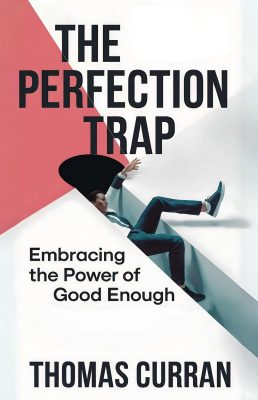
Reviews
“A powerful, poignant book about the impossibly high expectations that stand in the way of health, happiness, and success. Thomas Curran is the world’s leading expert on perfectionism, and he’s written the definitive book on why it’s rising, how it wreaks havoc on our lives, and what we can do to stop it. If you’ve ever found yourself fearing failure, ruminating about mistakes, or just feeling that you aren’t good enough, this is a must-read.”—Adam Grant, #1 New York Times bestselling author of Think Again and host of the TED podcast Re:Thinking
“Mr. Curran has produced a manifesto damning our economic system for creating and maintaining a warped set of values that drive perfectionism….I’ve always had a vague sense of these forces, but I’ve never seen this theory laid out so succinctly…. As an explanation of how the destructive illusion of perfectionism arises and as a critique of the economy that creates it, this is an important book.”—Bill Heavy, Wall Street Journal
“A clear-eyed look at how perfectionism and its capitalistic ‘obsession with boundless growth’ has contributed to mass discontent and insecurity…Supported by scholarly research and down-to-earth personal anecdotes, Curran’s explication is smart, thorough, and reassuring. The burned-out will find solace here.”—Publishers Weekly
“Timely and bracing…Curran shows that perfectionism corrodes our well-being rather than improves our performance—that it is the very opposite of resilience, flow, and genuine excellence. The Perfection Trap offers a hopeful beacon and a steady path for anyone struggling to find their footing in a world of impossible standards.”—Daniel H. Pink, #1 New York Times bestselling author of Drive and The Power of Regret
“Curran delivers many useful lessons and valuable insights…This book offers an alternative path to a fulfilling, productive life.”—Kirkus Reviews
“This remarkable book will illuminate some insidious effects of perfectionism in your life, as well as in society writ large. The Perfection Trap is research-based, wise, and practical.”—Amy Edmondson, Professor, Harvard Business School and author of Right Kind of Wrong
“A beautiful, reflective, and rigorous exploration of the causes and consequences of perfectionism…a fascinating and panoramic analysis.”—Grace Blakeley, staff writer at Tribune magazine, host of the A World to Win podcast and author of Stolen and The Corona Crash
“Packed with vivid and thought-provoking case studies, this book will transform how you think about success. It reveals how perfectionism has come to plague all our lives—and what we should do in response.”—Jake Humphrey and Damian Hughes, coauthors of High Performance
In The Perfection Trap: Embracing the Power of Good Enough, Thomas Curran takes readers on a thought-provoking journey through the perils of perfectionism and offers a refreshing alternative: the power of being “good enough.” This groundbreaking book challenges our society’s obsession with flawlessness, revealing how the pursuit of perfection often leads to anxiety, depression, and burnout. Curran skillfully blends research, personal anecdotes, and practical advice to show readers how to break free from the shackles of perfectionism and embrace a more balanced, fulfilling life. By exploring the cultural, social, and psychological factors that fuel our perfectionist tendencies, Curran provides a roadmap for readers to reclaim their mental well-being and find true success in imperfection.
The Perfection Trap caters to a wide range of readers, from young adults struggling with academic and career pressures to working professionals grappling with burnout and imposter syndrome. The primary audience includes individuals who recognize their perfectionist tendencies and seek practical strategies to overcome them. Parents, educators, and mental health professionals form a significant secondary audience, as the book offers valuable insights into nurturing a healthier mindset in children and clients. Curran’s writing style strikes a balance between academic rigor and accessibility, making complex psychological concepts understandable to the general reader. While the book is grounded in scientific research, it uses relatable examples and clear language, ensuring that readers without a background in psychology can easily grasp and apply its principles.
Ever felt like you’re running on a treadmill that never stops, chasing an elusive finish line that keeps moving further away? Welcome to the world of perfectionism, where good is never good enough and the pursuit of flawlessness leaves us exhausted, anxious, and paradoxically, underachieving. In The Perfection Trap: Embracing the Power of Good Enough, Thomas Curran rips off the glossy veneer of perfectionism to reveal its ugly underbelly and offers a liberating alternative.
Curran’s work is a wake-up call for a society drunk on the idea that only the best will do. He argues that our obsession with perfection is not just a personal quirk but a cultural epidemic fueled by social media, competitive education systems, and unrealistic workplace demands. Through a blend of scientific research, personal stories, and cultural analysis, Curran exposes how perfectionism has seeped into every aspect of our lives, from our careers and relationships to our self-image and mental health.
But The Perfection Trap is not just a critique of our perfection-obsessed culture. It’s a roadmap to freedom. Curran introduces readers to the revolutionary concept of “good enough” – not as a compromise or settling for less, but as a powerful tool for achieving true success and happiness. He challenges the notion that perfectionism drives excellence and instead shows how it often leads to procrastination, self-doubt, and missed opportunities.
Throughout the book, readers will find practical strategies to break free from perfectionist tendencies. Curran offers techniques for setting realistic goals, embracing failure as a learning opportunity, and cultivating self-compassion. He tackles the thorny issue of social comparison in the digital age and provides tools for building resilience against the constant barrage of “perfect” lives we see online.
By reading The Perfection Trap, you’ll learn how to:
The central thesis of The Perfection Trap is that perfectionism, far from being a virtue, is a destructive force that undermines our well-being, productivity, and relationships. Curran argues that embracing the concept of “good enough” is not about lowering standards, but about setting realistic, healthy expectations that allow for growth, creativity, and genuine fulfillment.
Picture perfectionism as a tightly wound spring. The more we try to compress it, the more tension builds up, until eventually, it snaps – often taking our mental health, relationships, and self-esteem with it. In contrast, the “good enough” approach is like a flexible rubber band. It can stretch to accommodate challenges and high standards, but it also knows when to relax, preventing burnout and allowing for sustainable progress.
The Perfection Trap arrives at a crucial moment when rates of anxiety, depression, and burnout are skyrocketing, particularly among younger generations. Curran’s work provides a much-needed counterpoint to the “hustle culture” narrative that dominates much of our discourse around success and achievement.
The book has sparked conversations in academic circles, workplaces, and social media about the costs of our perfectionistic tendencies. Its impact extends beyond individual readers to challenge institutional practices in education, corporate culture, and even parenting that inadvertently foster harmful perfectionist mindsets.
While some critics argue that advocating for “good enough” might lead to complacency, Curran’s nuanced approach has garnered praise for distinguishing between healthy striving and destructive perfectionism. The book has been recognized for its contribution to the field of positive psychology and has been featured in major publications for its fresh perspective on mental health and personal development.
The Perfection Trap doesn’t just identify a problem; it offers a paradigm shift in how we approach success, failure, and self-worth. By challenging deeply ingrained cultural beliefs about perfection, Curran’s work has the potential to influence policy makers, educators, and business leaders to create environments that prioritize well-being alongside achievement.
After thoroughly examining Thomas Curran’s The Perfection Trap: Embracing the Power of Good Enough, we find it to be a valuable contribution to the field of personal development and mental health. The book effectively addresses a pressing issue in modern society – the pervasive and often destructive pursuit of perfection. Curran’s blend of scientific research, practical strategies, and cultural analysis provides readers with a comprehensive understanding of perfectionism and its impacts.
We appreciate Curran’s ability to translate complex psychological concepts into accessible language, making the book’s insights available to a wide audience. The practical strategies offered throughout the book are particularly commendable, giving readers concrete tools to apply in their daily lives. The balance between theory and application makes The Perfection Trap not just an informative read, but a potentially transformative one for those struggling with perfectionist tendencies.
The book’s exploration of the cultural and societal factors contributing to perfectionism adds depth to the discussion, encouraging readers to consider how external pressures shape their behaviors and attitudes. This broader perspective is crucial for understanding perfectionism as more than just an individual psychological issue, but as a product of our current social environment.
However, we also recognize some limitations in Curran’s work. The book’s focus on Western, industrialized societies may limit its applicability to readers from different cultural backgrounds. Additionally, while the strategies presented are valuable, they may oversimplify the process of overcoming deeply ingrained perfectionist tendencies for some individuals.
We also note that the book could have benefited from a more nuanced exploration of how perfectionism manifests differently across various demographics and in high-stakes professions where extremely high standards are often necessary. A deeper dive into these areas would have provided a more comprehensive understanding of the complexities surrounding perfectionism.
Despite these limitations, we believe that The Perfection Trap offers significant value to its readers. The book’s strengths in addressing a timely issue, providing practical strategies, and offering a well-researched perspective on perfectionism outweigh its shortcomings.
Our Recommendation
We strongly recommend The Perfection Trap: Embracing the Power of Good Enough to anyone grappling with perfectionist tendencies or interested in understanding this pervasive issue in modern society. The book’s insights and strategies can be particularly beneficial for students, professionals, parents, and educators who often find themselves caught in the cycle of striving for unattainable perfection.
For those seeking to improve their mental well-being, increase productivity, and develop a healthier relationship with achievement, this book provides a valuable roadmap. However, we suggest complementing it with other resources that address some of its blind spots, particularly for readers from diverse cultural backgrounds or those in high-stakes professions. Overall, The Perfection Trap is a thought-provoking and practical guide that has the potential to significantly impact readers’ lives and contribute to broader discussions about success, achievement, and well-being in our society.
The essence of The Perfection Trap revolves around several key topics that form the core of Thomas Curran’s argument against perfectionism and in favor of embracing “good enough.” At the heart of the book is the concept of perfectionism itself, which Curran defines not as striving for excellence, but as an unhealthy obsession with flawlessness and an inability to accept anything less than perfect. He argues that perfectionism is not an innate trait but a learned behavior shaped by cultural, social, and personal factors. Curran explores how perfectionism manifests in different areas of life, from academics and career to relationships and self-image, and how it can lead to a range of negative outcomes including anxiety, depression, and burnout.
Another crucial topic is the cultural context that fosters perfectionism. Curran examines how societal pressures, particularly in Western cultures, have created an environment where perfectionism thrives. He points to the rise of social media, competitive educational systems, and a cutthroat job market as key contributors to the perfectionism epidemic. The book delves into how these factors create unrealistic standards and constant pressure to present an idealized version of ourselves, leading to a disconnect between our authentic selves and the image we feel compelled to project.
The concept of “good enough” is a cornerstone of Curran’s proposed solution to the perfectionism trap. He introduces this idea not as a call to mediocrity, but as a balanced approach to goal-setting and self-evaluation. The “good enough” mindset involves setting realistic standards, accepting imperfections as part of the human experience, and valuing effort and progress over flawless outcomes. Curran argues that adopting this mindset can lead to greater creativity, resilience, and overall life satisfaction.
Self-compassion emerges as another key topic in the book. Curran emphasizes the importance of treating oneself with kindness and understanding, especially in the face of failure or setbacks. He contrasts self-compassion with the harsh self-criticism often associated with perfectionism, showing how a more compassionate approach can lead to better mental health and more sustainable personal growth. The book provides strategies for cultivating self-compassion, including mindfulness practices and cognitive reframing techniques.
The role of failure in personal growth and learning is a significant theme throughout the book. Curran challenges the common perception of failure as something to be avoided at all costs, instead framing it as an essential part of the learning process. He argues that a fear of failure, often rooted in perfectionism, can lead to risk aversion and missed opportunities for growth. The book offers strategies for reframing failure, learning from mistakes, and developing a growth mindset that sees challenges as opportunities for improvement rather than threats to self-worth.
Lastly, Curran explores the concept of authenticity and its relationship to perfectionism and well-being. He argues that the pursuit of perfection often leads us to present a false or idealized version of ourselves to the world, creating a disconnect between our true selves and our public personas. This inauthenticity can lead to feelings of emptiness and dissatisfaction, even when we achieve outward success. The book emphasizes the importance of embracing our genuine selves, including our flaws and vulnerabilities, as a path to more fulfilling relationships and a stronger sense of self.
The Straight-A Student: A high-achieving college student who maintains a perfect GPA but suffers from chronic anxiety and insomnia. Despite her academic success, she feels constantly overwhelmed and unable to enjoy her accomplishments, illustrating how perfectionism can undermine well-being even when goals are achieved.
The Social Media Influencer: A young social media personality who curates a seemingly perfect life online but struggles with depression and low self-esteem in private. This example highlights the disconnect between curated online personas and authentic experiences, showing how the pressure to appear perfect can lead to emotional distress.
The Perfectionist Parent: A father who sets extremely high standards for his children’s academic and extracurricular performance, leading to strained relationships and anxiety in his kids. This case study demonstrates how perfectionism can be transmitted intergenerationally and impact family dynamics.
The Procrastinating Artist: A talented painter who struggles to complete projects due to fear of imperfection, often abandoning works before they’re finished. This example illustrates how perfectionism can paradoxically lead to underachievement and creative blockages.
The Burnout Executive: A successful business leader who drives herself to exhaustion trying to maintain an image of infallibility at work, eventually leading to a breakdown and forced sabbatical. This case shows the physical and mental health consequences of perfectionism in the workplace.
The Recovering Perfectionist: A former perfectionist who learns to embrace a “good enough” mindset, leading to improved relationships, increased productivity, and greater life satisfaction. This example provides a model for the positive changes that can occur when perfectionist tendencies are addressed and overcome.
The Imperfect Innovation: A tech startup that adopts a “fail fast, learn fast” approach, encouraging team members to take risks and learn from mistakes. This case study shows how embracing imperfection can foster innovation and create a more positive work culture.
The Mindful Athlete: A professional athlete who improves his performance by focusing on effort and progress rather than flawless execution, demonstrating how a “good enough” mindset can paradoxically lead to better results in high-pressure situations.
The Authentic Leader: A CEO who openly shares her struggles and vulnerabilities with her team, creating a culture of trust and psychological safety. This example illustrates how embracing imperfection can enhance leadership effectiveness and team performance.
The Self-Compassionate Student: A graduate student who learns to treat herself with kindness after a failed experiment, leading to increased resilience and eventually a breakthrough in her research. This case highlights the power of self-compassion in overcoming setbacks and fostering long-term success.
Curran challenges the common belief that perfectionism is a fixed personality trait. Instead, he argues that it’s a learned behavior shaped by our environment, experiences, and cultural influences. This insight is empowering because it means perfectionism can be unlearned. To apply this, start by identifying the sources of your perfectionist tendencies. Were you praised only for achievements as a child? Did you grow up in a highly competitive environment? Once you recognize these influences, you can begin to challenge and reframe them. For example, if you realize your perfectionism stems from a fear of disappointing others, practice setting boundaries and communicating your own needs and limitations. Gradually expose yourself to situations where “perfect” isn’t possible, and observe how you and others react. This process of exposure and reflection can help rewire your response to imperfection over time.
Contrary to the belief that perfectionism drives success, Curran demonstrates how a “good enough” mindset can actually boost creativity and productivity. When we’re not paralyzed by the fear of imperfection, we’re more likely to take risks, experiment, and generate innovative ideas. To cultivate this mindset, start by setting time limits for tasks. For instance, give yourself 30 minutes to draft an email or proposal, then send it off without excessive editing. In creative projects, try the “30% rule” – aim to complete about 30% of the project quickly, then step back and reassess. This approach allows for more iteration and improvement based on real feedback rather than imagined standards. Additionally, keep a “good enough” journal where you record instances when your “good enough” efforts led to positive outcomes. This practice will help reinforce the value of this mindset over time.
Curran emphasizes that treating ourselves with kindness and understanding is far more productive than harsh self-criticism. Self-compassion leads to greater emotional resilience, motivation, and overall well-being. To practice self-compassion, start by developing a self-compassionate phrase or mantra to use when you face setbacks or make mistakes. For example, “This is a moment of difficulty, and that’s part of being human.” When you catch yourself in self-critical thoughts, pause and ask, “What would I say to a friend in this situation?” Then direct those compassionate words to yourself. Another practical technique is the self-compassion break: when facing a challenge, acknowledge your struggle, remind yourself that suffering is part of the shared human experience, and offer yourself words of kindness. Regular practice of these techniques can gradually shift your internal dialogue from criticism to compassion.
One of Curran’s key insights is reframing failure as a crucial component of personal and professional development, rather than a threat to self-worth. To apply this insight, start keeping a “failure resume” alongside your traditional resume. In this document, record your failures, what you learned from them, and how they led to future successes or new opportunities. When facing a new challenge, remind yourself of past failures that ultimately led to growth. Additionally, practice “micro-failures” – intentionally put yourself in low-stakes situations where failure is likely (like trying a new hobby or speaking up in a meeting with an unpolished idea). This exposure helps build resilience and reduces the fear associated with failure. In team settings, foster a culture that celebrates learning from failures by regularly sharing and discussing mistakes in a non-judgmental way.
Curran highlights how social media platforms create an environment ripe for comparison and the cultivation of perfectionist ideals. To combat this, implement a strategic approach to social media use. Start by conducting a social media audit: for one week, log your social media use, noting how you feel before and after each session. Identify accounts or types of content that trigger feelings of inadequacy or the need to present a perfect image. Unfollow or mute these sources. Next, set specific time limits for social media use and stick to them using app blockers if necessary. When you do use social media, practice mindful engagement by asking yourself, “Is this a realistic representation of life?” and “How does this information serve me?” Finally, balance your social media diet with real-world connections and activities that align with your values and bring genuine satisfaction.
Curran argues that striving for authenticity rather than perfection leads to more meaningful relationships and a stronger sense of self. To cultivate authenticity, start by identifying your core values through exercises like writing your own eulogy or imagining your ideal day. Once you’ve clarified your values, practice aligning your actions with them, even when it means going against societal expectations. In social situations, challenge yourself to share one genuine thought or feeling, even if it’s not perfectly formulated. In your professional life, look for opportunities to bring your authentic self to work – this might mean speaking up about a project you’re passionate about or suggesting a new approach that aligns with your values. Keep an “authenticity journal” where you reflect on moments when you felt most true to yourself and the outcomes of those experiences.
Curran reveals that procrastination is often a symptom of perfectionism rather than laziness. The fear of not meeting impossibly high standards can lead to task avoidance. To overcome this, use the “five-minute rule”: commit to working on a task for just five minutes. Often, getting started is the hardest part, and you’ll find yourself continuing beyond the initial five minutes. For larger projects, break them down into small, manageable steps and focus on completing one step at a time rather than achieving a perfect final product. Implement a “good enough” deadline for each task – a point at which you’ll consider the task complete even if it’s not perfect. This prevents endless tweaking and helps build momentum. Additionally, practice cognitive restructuring by challenging thoughts like “It has to be perfect” with more realistic ones like “It needs to be functional and on time.”
Curran points out that perfectionist tendencies are often passed down from parents to children, sometimes unintentionally. If you’re a parent or planning to become one, reflect on your own perfectionist tendencies and how they might impact your parenting style. Practice praising effort and progress rather than just outcomes in your children. Encourage a growth mindset by using phrases like “You worked really hard on that” instead of “You’re so smart.” Share your own mistakes and failures with your children, and discuss what you learned from them. Create family rituals that celebrate imperfection, like a weekly “Failure Friday” dinner where everyone shares a mistake they made and what they learned. If you recognize perfectionist tendencies in your children, help them set realistic goals and teach them to break large tasks into smaller, manageable steps.
Curran discusses how workplace environments can significantly influence perfectionist behaviors. If you’re in a leadership position, audit your organization’s culture for perfectionist expectations. Do employees feel safe taking risks and making mistakes? Are there unrealistic standards for performance or work hours? Implement policies that encourage work-life balance, such as no-email weekends or mandatory vacation time. Create a “failure lab” where team members can share projects that didn’t work out and lessons learned. Recognize and reward not just successes, but also valuable failures that lead to important insights. In performance reviews, focus on growth and learning rather than just achievement. If you’re not in a leadership role, you can still influence your workplace culture by modeling a “good enough” approach, openly discussing your learning experiences from mistakes, and supporting colleagues who take risks or admit to failures.
The Perfection Trap addresses a critical issue that has become increasingly prevalent in modern society. Thomas Curran’s exploration of perfectionism comes at a time when rates of anxiety, depression, and burnout are soaring, particularly among younger generations. The book’s focus on the detrimental effects of perfectionism and the benefits of embracing a “good enough” mindset is particularly relevant in today’s high-pressure, social media-driven world. Curran’s work provides a much-needed counterpoint to the “hustle culture” narrative that dominates much of our discourse around success and achievement. By challenging deeply ingrained cultural beliefs about perfection, the book offers readers a fresh perspective on how to approach their personal and professional lives in a healthier, more sustainable way.
One of the book’s major strengths lies in its solid grounding in empirical research. Curran, as a social psychologist, brings his academic expertise to bear on the topic, drawing from a wide range of studies and data to support his arguments. He doesn’t rely solely on anecdotal evidence or personal opinion but instead presents a comprehensive overview of the current scientific understanding of perfectionism and its effects. This research-based approach lends credibility to the book’s claims and provides readers with a deeper understanding of the psychological mechanisms at play. Curran’s ability to translate complex scientific concepts into accessible language allows readers to grasp the nuances of perfectionism and its impact on mental health, productivity, and overall well-being.
The Perfection Trap doesn’t just identify problems; it offers concrete solutions. Curran provides readers with a wide array of practical strategies and techniques for overcoming perfectionist tendencies and embracing a “good enough” mindset. These range from cognitive restructuring exercises to help challenge perfectionist thoughts, to mindfulness practices for cultivating self-compassion. The book includes specific exercises, journaling prompts, and action steps that readers can immediately implement in their lives. This focus on practical application makes the book not just an interesting read, but a valuable tool for personal growth and change. Curran’s strategies are designed to be accessible and adaptable to various life situations, making them relevant to a wide range of readers.
Curran presents a nuanced view of perfectionism, acknowledging that striving for excellence can have positive aspects while focusing on the harmful effects of excessive perfectionism. This balanced approach adds depth to the book’s arguments and makes them more convincing. Rather than demonizing all forms of high achievement or ambition, Curran carefully distinguishes between healthy striving and destructive perfectionism. This nuanced perspective allows readers to critically examine their own behaviors and motivations without feeling that all forms of self-improvement or high standards are inherently problematic. The book encourages readers to find a middle ground where they can pursue their goals and maintain high standards without falling into the trap of perfectionism.
Despite dealing with complex psychological concepts, The Perfection Trap maintains an engaging and accessible writing style throughout. Curran’s prose is clear and concise, avoiding unnecessary jargon while still conveying sophisticated ideas. He employs a variety of rhetorical techniques to keep the reader engaged, including personal anecdotes, case studies, and thought-provoking questions. The book’s structure is well-organized, with each chapter building logically on the previous one, making it easy for readers to follow the overall argument. Curran’s use of real-life examples and relatable scenarios helps to illustrate abstract concepts and makes the book’s ideas feel relevant and applicable to readers’ lives.
One of the book’s strengths is its examination of perfectionism not just as an individual psychological phenomenon, but as a product of broader cultural and societal forces. Curran provides insightful analysis of how factors such as social media, competitive educational systems, and changing workplace dynamics contribute to the rise of perfectionism. This wider lens allows readers to understand their own experiences within a larger context and recognize how external pressures may be shaping their behaviors and attitudes. By addressing these systemic issues, the book encourages readers to think critically about the societal values and structures that promote perfectionism and consider how these might be challenged or changed.
Limited Focus on Diverse Perspectives
While The Perfection Trap provides a comprehensive examination of perfectionism, it may not fully capture the experiences of individuals from diverse cultural backgrounds. The book’s perspective is primarily rooted in Western, industrialized societies, and may not adequately address how perfectionism manifests in other cultural contexts. For instance, the pressure to be perfect may take different forms or have different implications in collectivist societies compared to individualistic ones. Additionally, the book could have benefited from a more in-depth exploration of how factors such as race, class, and gender intersect with perfectionist tendencies. A more diverse range of case studies and examples could have broadened the book’s applicability and provided a more inclusive understanding of perfectionism.
Potential Oversimplification of Solutions
While the book offers many practical strategies for overcoming perfectionism, there’s a risk that some readers might perceive these solutions as overly simplistic. Changing deeply ingrained perfectionist tendencies is often a long and complex process, potentially requiring professional help in some cases. While Curran does acknowledge this to some extent, the book might benefit from a more explicit discussion of the challenges and potential setbacks individuals might face when trying to implement these strategies. Additionally, more guidance on when and how to seek professional help could have been valuable for readers struggling with severe perfectionism or related mental health issues.
Limited Exploration of Positive Aspects of High Standards
In its effort to highlight the dangers of perfectionism, the book may not fully explore the potential benefits of maintaining high standards in certain contexts. While Curran does attempt to distinguish between healthy striving and unhealthy perfectionism, some readers might feel that the book doesn’t give enough credit to the role that high standards and attention to detail can play in achieving excellence in various fields. A more nuanced discussion of how to maintain high standards without falling into perfectionist traps could have provided a more balanced perspective. This could include more examples of individuals or organizations that have successfully navigated this balance, maintaining high quality without succumbing to the negative effects of perfectionism.
Lack of Long-Term Follow-Up Data
While the book presents compelling arguments and strategies, it lacks long-term follow-up data on the effectiveness of the proposed interventions. Given that perfectionism is often a deeply rooted pattern of thinking and behavior, readers might benefit from information about the long-term outcomes of individuals who have applied these strategies. Including case studies or data from longitudinal studies showing the sustained effects of adopting a “good enough” mindset could have strengthened the book’s arguments and provided readers with more confidence in the proposed approaches. This kind of long-term perspective could also have addressed potential challenges or adaptations needed to maintain these changes over time.
One potential blind spot in The Perfection Trap is the limited exploration of perfectionism as a coping mechanism for underlying issues such as trauma, anxiety, or low self-esteem. While Curran touches on the psychological roots of perfectionism, he could have delved deeper into how it often serves as a protective strategy. Readers might misunderstand that simply adopting a “good enough” mindset will resolve their perfectionist tendencies, without addressing the underlying emotional needs or past experiences that drive this behavior. In real-world scenarios, individuals might find it challenging to let go of perfectionism if they haven’t yet developed alternative coping strategies or addressed core emotional issues. Books like The Gifts of Imperfection by Brené Brown and Complex PTSD: From Surviving to Thriving by Pete Walker offer complementary perspectives on how perfectionism intertwines with shame, trauma, and self-worth. These works provide valuable insights into the deeper emotional landscape that often underlies perfectionist behaviors, offering readers a more comprehensive understanding of the complex factors at play.
While The Perfection Trap provides a thorough analysis of perfectionism in Western contexts, it may overlook the nuances of how perfectionism manifests in different cultural settings. This blind spot could lead to misapplications of the book’s strategies in diverse cultural contexts. For instance, in cultures where collective harmony and meeting family expectations are highly valued, the line between healthy striving and destructive perfectionism might be drawn differently. Readers from non-Western backgrounds might find it challenging to apply some of the individualistic strategies proposed in the book without considering their cultural implications. The Geography of Thought by Richard Nisbett offers insights into how Eastern and Western cultures differ in their approaches to achievement and self-concept, which could provide a valuable counterpoint to Curran’s work. Additionally, Crazy Rich Asians by Kevin Kwan, while a work of fiction, provides a vivid illustration of how perfectionism and high achievement expectations can manifest in Asian cultures, offering a different cultural lens through which to view the phenomenon.
Another potential blind spot in The Perfection Trap is the limited exploration of how gender dynamics influence perfectionist tendencies. While Curran touches on societal pressures, a more in-depth analysis of how gender norms and expectations shape perfectionism could have provided valuable insights. For instance, women often face unique pressures to be “perfect” in multiple areas of life simultaneously – career, appearance, parenting – which can exacerbate perfectionist tendencies. Men, on the other hand, might experience perfectionism differently, perhaps more focused on career achievement or physical prowess. Without this nuanced understanding, readers might overlook how their gender identity and societal expectations intersect with their perfectionist tendencies. Feminist Fight Club by Jessica Bennett offers a perspective on how gender dynamics play out in the workplace, including the pressure on women to be “perfect,” while The Man They Wanted Me to Be by Jared Yates Sexton explores how masculine ideals can fuel perfectionism in men. These books provide complementary insights into the gendered aspects of perfectionism that could enrich readers’ understanding beyond what’s presented in The Perfection Trap.
The Perfection Trap might not fully address the complexities of managing perfectionist tendencies in professions where extremely high standards are not just encouraged but often necessary. Fields such as surgery, air traffic control, or certain areas of engineering require a level of precision and attention to detail that could be misconstrued as unhealthy perfectionism. Readers in these professions might struggle to reconcile the book’s advice with the demands of their work, potentially leading to confusion or inappropriate application of the “good enough” principle in situations where excellence is crucial. Checklist Manifesto by Atul Gawande offers a nuanced look at how to maintain high standards in high-stakes professions without succumbing to paralyzing perfectionism. Similarly, An Astronaut’s Guide to Life on Earth by Chris Hadfield provides insights into how astronauts balance the need for extreme precision with mental well-being, offering a valuable perspective on managing perfectionism in high-pressure environments.
While Curran discusses the impact of social media on perfectionist tendencies, The Perfection Trap might not fully explore the broader role of technology in perpetuating and exacerbating perfectionism. The constant connectivity and quantification of our lives through smartphones, fitness trackers, and productivity apps can create new avenues for perfectionist behaviors to manifest. Readers might overlook how their interaction with technology fuels their perfectionist tendencies, focusing instead on more traditional sources of pressure. In real-world scenarios, individuals might find it challenging to implement the book’s strategies without addressing their relationship with technology. Digital Minimalism by Cal Newport offers a complementary perspective on how our relationship with technology impacts our mental well-being and can drive compulsive behaviors. Additionally, The Shallows by Nicholas Carr explores how the internet is changing our cognitive processes, which could provide insights into how digital environments might be reshaping our relationship with perfectionism and achievement.
While both Curran and Brown address the issue of perfectionism, their approaches and focus differ significantly. Brown’s work is rooted in her research on shame and vulnerability, presenting perfectionism as a shield against feelings of unworthiness. She emphasizes the importance of embracing one’s authentic self and cultivating self-compassion. In contrast, Curran’s The Perfection Trap takes a more cognitive-behavioral approach, focusing on the societal and cultural factors that drive perfectionism. Curran provides more concrete strategies for changing perfectionist behaviors, while Brown’s work leans towards emotional and spiritual growth. Both books complement each other well, with Brown’s work providing the emotional foundation for overcoming perfectionism and Curran’s offering practical tools for implementation.
Dweck’s seminal work on growth mindset shares common ground with Curran’s book in challenging fixed notions of ability and success. However, while Dweck focuses on the belief that abilities can be developed through effort and learning, Curran specifically targets the perfectionist mindset that can hinder this growth. Mindset provides a broader framework for understanding how our beliefs about ability impact our success, while The Perfection Trap zeroes in on the specific pitfalls of perfectionism. Curran’s work can be seen as an extension of Dweck’s ideas, applying growth mindset principles to the specific challenge of overcoming perfectionism. Together, these books offer readers a comprehensive approach to developing a healthier relationship with achievement and personal growth.
Guillebeau’s book presents an interesting contrast to Curran’s work. While The Perfection Trap warns against the dangers of relentless pursuit of goals, The Happiness of Pursuit celebrates the joy of chasing ambitious dreams. Guillebeau argues that the process of working towards a challenging goal can be a source of fulfillment in itself. This presents a different perspective on achievement compared to Curran’s focus on the pitfalls of perfectionism. However, both authors agree on the importance of finding meaning beyond external markers of success. Curran’s work could be seen as a necessary counterbalance to Guillebeau’s, reminding readers to pursue their goals with a healthy mindset that allows for imperfection and growth.
While Cain’s book doesn’t directly address perfectionism, it shares with Curran’s work a critical examination of societal expectations and pressures. Cain challenges the “extrovert ideal” in Western culture, much as Curran challenges the perfectionist ideal. Both authors encourage readers to question societal norms that may not align with individual well-being. However, Cain’s focus is on personality traits, while Curran concentrates on achievement-oriented behaviors. Quiet provides valuable context for understanding how personality differences might influence susceptibility to perfectionist tendencies, complementing Curran’s more targeted approach to combating perfectionism.
In Daring Greatly, Brown explores the power of vulnerability, which relates closely to Curran’s advocacy for embracing imperfection. While Curran focuses specifically on perfectionism, Brown takes a broader view, examining how vulnerability impacts various aspects of life, including leadership, creativity, and relationships. Both authors argue for the importance of accepting imperfection and taking risks. However, Brown’s work dives deeper into the emotional and relational aspects of this journey, while Curran provides more concrete strategies for changing perfectionist behaviors. Reading these books in tandem could provide readers with both the emotional understanding and practical tools needed to overcome perfectionism.
Step 1: Self-Assessment and Awareness
Step 2: Reframe Perfectionist Thoughts
Step 3: Set Realistic Goals and Standards
Step 4: Embrace Failure and Imperfection
Step 5: Cultivate a Supportive Environment
Step 6: Implement Stress-Reduction Techniques
Step 7: Continuous Learning and Adaptation
Cultivate a “Good Enough” Culture
The core message of The Perfection Trap can be applied to businesses by fostering a culture that values progress and learning over perfectionism. This involves redefining success metrics, encouraging calculated risk-taking, and promoting a growth mindset across the organization. By embracing the “good enough” principle, companies can increase innovation, reduce employee burnout, and improve overall productivity.
Implementing this cultural shift can face significant resistance, particularly in industries where precision and high standards are paramount. Managers may worry that embracing “good enough” could lead to subpar work or decreased competitiveness. Employees accustomed to perfectionist standards might struggle to adjust their working style or feel that their efforts are undervalued in this new paradigm.
To overcome these challenges, businesses can start by clearly communicating the benefits of this approach, providing concrete examples of how it can lead to better outcomes. Implement a phased approach, starting with low-stakes projects to demonstrate the value of the “good enough” principle. Offer training sessions on growth mindset and the dangers of perfectionism. Celebrate and reward instances where embracing “good enough” led to innovation or increased efficiency. Regularly reassess and adjust performance metrics to ensure they align with this new cultural value.
Revamp Performance Evaluation Systems
Applying the book’s insights to business practices involves redesigning performance evaluation systems to focus on effort, growth, and impact rather than perfect execution. This could include implementing regular feedback sessions, emphasizing learning goals alongside performance goals, and recognizing employees for taking calculated risks or innovating, even if the outcomes aren’t perfect.
Changing established performance evaluation systems can be met with skepticism from both management and employees. There may be concerns about maintaining accountability and ensuring high standards. Some employees might feel that their past achievements under the old system are devalued, while others might struggle to understand how they’ll be evaluated under the new criteria.
To address these concerns, involve employees at all levels in the redesign process, gathering input and addressing concerns. Provide comprehensive training for managers on how to evaluate performance under the new system. Implement the changes gradually, running the new system alongside the old one for a transition period to allow for adjustments and comparisons. Regularly collect feedback and be prepared to make iterations to the system as needed. Clearly communicate how the new evaluation system aligns with company goals and values, and how it benefits both the organization and individual employees.
Implement Failure-Friendly Practices
Drawing from the book’s emphasis on embracing failure as a learning opportunity, businesses can implement practices that destigmatize failure and promote a culture of experimentation. This could include creating “failure forums” where teams share lessons learned from unsuccessful projects, establishing innovation labs where employees can work on high-risk ideas, and incorporating failure analysis into project post-mortems.
Promoting a failure-friendly environment can be challenging in businesses where mistakes can have significant financial or safety implications. There may be resistance from risk-averse stakeholders or concerns about maintaining quality standards. Employees may be hesitant to openly discuss their failures, fearing negative impacts on their career progression.
To implement this successfully, start by clearly defining acceptable versus unacceptable failures. Establish guidelines for responsible risk-taking that align with the company’s risk tolerance. Lead by example, with senior management openly sharing their own failures and lessons learned. Create a formal process for documenting and sharing insights from failures across the organization. Adjust reward structures to recognize valuable lessons learned from failures, not just successful outcomes. Provide training on how to conduct productive failure analysis sessions that focus on learning rather than blame.
Promote Work-Life Balance
The Perfection Trap emphasizes the importance of balance and self-compassion, which can be applied in a business context by promoting genuine work-life balance. This involves setting realistic workload expectations, encouraging employees to take their full allotment of time off, and implementing policies that support mental health and prevent burnout.
Implementing robust work-life balance policies can face resistance in competitive industries or companies with a culture of overwork. There may be concerns about decreased productivity or falling behind competitors. Some employees, particularly those with perfectionist tendencies, might resist these policies, feeling that they need to work longer hours to meet their own high standards.
To overcome these obstacles, educate employees and management about the long-term benefits of work-life balance, including increased productivity, creativity, and employee retention. Implement and enforce “no-email” hours or days to create clear boundaries between work and personal time. Provide training on time management and prioritization to help employees work more efficiently within regular hours. Lead by example, with management visibly adhering to work-life balance policies. Regularly assess workloads and adjust staffing or deadlines as needed to maintain balance. Consider piloting flexible work arrangements or reduced hours to demonstrate that quality work can be achieved with better balance.
Develop Mindfulness and Stress-Reduction Programs
Applying the book’s recommendations on mindfulness and stress reduction, businesses can implement programs that help employees manage perfectionist tendencies and work-related stress. This could include offering mindfulness training, providing access to meditation apps, creating quiet spaces in the office for relaxation, and hosting stress-management workshops.
Implementing such programs may face skepticism from employees who view them as “soft” initiatives that take time away from “real” work. There might be concerns about the cost of these programs and their tangible impact on the bottom line. Some employees might feel uncomfortable participating in mindfulness activities in a work setting.
To address these challenges, start by educating employees about the scientifically proven benefits of mindfulness and stress reduction on productivity, creativity, and decision-making. Offer a variety of program options to cater to different preferences and comfort levels. Integrate brief mindfulness practices into regular meetings to normalize the practice. Collect and share data on the impact of these programs on employee well-being and performance. Consider partnering with reputable mindfulness organizations to lend credibility to the initiative. Encourage senior leaders to participate and share their experiences, demonstrating the value of these practices at all levels of the organization.
Reframe Organizational Goal-Setting
Applying the book’s principles on setting realistic goals, businesses can revamp their goal-setting processes to focus on progress and learning rather than perfect outcomes. This involves setting “range” goals instead of specific targets, breaking large goals into smaller, manageable milestones, and regularly reassessing and adjusting goals based on changing circumstances.
Changing established goal-setting practices can be met with resistance, particularly in organizations accustomed to aggressive target-setting. There may be concerns about losing competitive edge or motivational drive. Stakeholders might worry about how to measure success or hold teams accountable without specific, numerical targets.
To implement this new approach effectively, start by educating leadership on the benefits of flexible goal-setting, including increased employee engagement and adaptability to market changes. Implement a pilot program with a few teams to demonstrate the effectiveness of this approach. Develop new metrics that capture progress and learning, not just end results. Create a regular review process where goals can be adjusted based on new information or changing priorities. Train managers on how to set and evaluate progress towards “range” goals. Celebrate and share stories of teams who have successfully used this approach to drive innovation or overcome challenges.
The ideas in The Perfection Trap align with the growing focus on mental health in society. As awareness of burnout, anxiety, and depression increases, Curran’s insights into perfectionism become increasingly relevant. Future workplaces may incorporate “anti-perfectionism” strategies as part of their mental health initiatives. Schools might integrate lessons on healthy goal-setting and self-compassion into their curricula. This trend could lead to a societal shift in how we view success and achievement.
The book’s emphasis on “good enough” and work-life balance fits into the evolving nature of work. As remote and flexible work arrangements become more common, traditional metrics of productivity are being challenged. Future work cultures may prioritize outcomes over hours worked, aligning with Curran’s ideas about focusing on progress rather than perfection. Companies might adopt more fluid goal-setting processes, allowing for adaptation and learning. The “hustle culture” could give way to a more balanced approach to career success.
As technology continues to advance, the relationship between perfectionism and digital tools will likely evolve. AI and automation might reduce the pressure for human perfection in certain tasks. However, they could also raise standards in other areas, potentially exacerbating perfectionist tendencies. Future discussions may center on how to maintain a healthy relationship with technology without falling into perfectionist traps. Digital wellness tools might incorporate anti-perfectionism features, helping users set realistic goals and celebrate progress.
Curran’s ideas could influence future educational models. There’s a growing recognition that current educational systems often foster unhealthy perfectionism. Future schools might move away from rigid grading systems and standardized testing. Instead, they could adopt more holistic evaluation methods that value effort, creativity, and personal growth. This shift would align with the book’s emphasis on embracing imperfection as part of the learning process. Educational technology might incorporate features that encourage a growth mindset and healthy goal-setting.
The book’s challenge to perfectionist ideals may contribute to a broader cultural shift in how success is portrayed and perceived. Future media might showcase more diverse paths to success, including stories of failure and resilience. Social media platforms could evolve to promote more authentic, less curated content. This trend could lead to a redefinition of role models and influencers, celebrating those who embody a balanced, “good enough” approach to life and work. The cultural narrative around success might shift from achieving perfection to continual growth and authenticity.
The Perfection Trap has the potential to significantly influence both individual behaviors and broader societal attitudes towards achievement and success. As awareness of mental health issues continues to grow, Curran’s work could contribute to a shift in how we approach education, parenting, and workplace cultures.
In education, the book’s insights could lead to reforms in how we assess and motivate students. Rather than focusing solely on grades and test scores, schools might place more emphasis on effort, creativity, and personal growth. This shift could help reduce academic stress and anxiety among students, potentially leading to more engaged and intrinsically motivated learners.
In the workplace, Curran’s ideas could inspire changes in performance evaluation systems and company cultures. Organizations might move away from rigid performance metrics and towards more holistic assessments that value innovation, collaboration, and employee well-being. This could result in more productive and satisfied employees, as well as more adaptable and resilient companies.
The book’s emphasis on the “good enough” mindset could also influence parenting practices. Parents might become more conscious of how their expectations and behaviors contribute to their children’s perfectionist tendencies. This awareness could lead to a generation of children who are more comfortable with imperfection and more resilient in the face of failure.
On a broader societal level, The Perfection Trap could contribute to ongoing discussions about work-life balance, mental health, and the nature of success. It might encourage a reevaluation of societal values, challenging the notion that constant striving and perfectionism are necessary for a fulfilling life. This could lead to a cultural shift towards valuing personal growth, authenticity, and well-being over external markers of success.
However, the long-term impact of the book will depend on how effectively its ideas are disseminated and implemented. While individual readers might benefit from Curran’s strategies, systemic change will require broader adoption of these principles in institutions and cultural narratives. The book’s success in influencing these larger systems will determine its lasting impact on society.
Furthermore, as our understanding of mental health and well-being continues to evolve, future research may build upon or challenge Curran’s ideas. The book’s long-term relevance will depend on how well its core principles hold up in light of new psychological and sociological findings. Nonetheless, by bringing attention to the widespread issue of perfectionism and offering practical solutions, The Perfection Trap has laid important groundwork for future discussions and research in this area.
Mindset: The New Psychology of Success by Carol S. Dweck: Dweck’s seminal work on growth mindset provides a foundational understanding that complements Curran’s approach to perfectionism. While Curran focuses specifically on overcoming perfectionist tendencies, Dweck’s book offers a broader framework for understanding how our beliefs about ability impact our success and personal growth. Readers of The Perfection Trap will find Dweck’s insights on fixed versus growth mindsets particularly relevant in understanding the root causes of perfectionism and strategies for cultivating a more adaptive approach to challenges and setbacks.
The Gifts of Imperfection by Brené Brown: Brown’s exploration of shame, vulnerability, and authenticity offers a valuable companion to Curran’s work. While Curran approaches perfectionism from a more cognitive-behavioral perspective, Brown delves into the emotional underpinnings of perfectionist tendencies. Her emphasis on embracing imperfection as a path to a more wholehearted life aligns with Curran’s message but approaches it from a different angle. Readers will find Brown’s personal anecdotes and research on shame particularly illuminating in understanding the emotional landscape that often fuels perfectionism.
Atomic Habits by James Clear: Clear’s book on habit formation provides practical strategies that can support the implementation of Curran’s ideas. While Curran focuses on the mindset shift necessary to overcome perfectionism, Clear offers concrete techniques for building new habits and breaking old ones. Readers looking to put Curran’s insights into practice will find Clear’s system for making small, incremental changes particularly useful in cultivating a “good enough” approach to daily tasks and long-term goals.
The Happiness of Pursuit by Chris Guillebeau: Guillebeau’s book offers an interesting counterpoint to Curran’s work, celebrating the joy of pursuing ambitious goals. While it might seem at odds with Curran’s warnings about perfectionism, Guillebeau’s emphasis on finding fulfillment in the process of working towards a goal, rather than just the outcome, aligns with Curran’s message about valuing progress over perfection. Readers will find Guillebeau’s stories of unconventional success inspiring and thought-provoking, offering a balanced perspective on achievement and personal growth.
Digital Minimalism by Cal Newport: Newport’s exploration of our relationship with technology provides valuable insights for readers of The Perfection Trap. While Curran touches on how social media can exacerbate perfectionist tendencies, Newport’s book dives deeper into how our digital habits impact our mental well-being and productivity. His strategies for cultivating a more intentional relationship with technology can help readers implement Curran’s advice in an increasingly digital world, offering practical ways to reduce the perfectionist pressures that often come from constant connectivity and comparison.
The Upside of Stress by Kelly McGonigal: McGonigal’s work on reframing stress offers a valuable perspective for readers grappling with the anxiety often associated with perfectionism. While Curran focuses on reducing perfectionist tendencies, McGonigal suggests that changing our relationship with stress can enhance our resilience and performance. Her research on how our mindset about stress impacts its effects on us provides a complementary approach to managing the pressures that often fuel perfectionism, offering readers additional tools for thriving in challenging situations.
Quiet: The Power of Introverts in a World That Can’t Stop Talking by Susan Cain: Cain’s exploration of introversion provides an interesting lens through which to view perfectionism. While not directly about perfectionism, Cain’s work challenges societal norms and expectations in a way that parallels Curran’s critique of perfectionist ideals. Readers, especially those who identify as introverts, may find Cain’s insights helpful in understanding how personality traits can intersect with perfectionist tendencies. Her advocacy for embracing one’s natural inclinations rather than trying to fit a societal mold aligns well with Curran’s message of accepting oneself beyond perfectionist standards.
The Perfectionism Network: This online platform provides a wealth of resources for individuals struggling with perfectionism, including articles, self-assessment tools, and forums for discussion. It offers a supportive community for those working to overcome perfectionist tendencies. (https://www.perfectionismnetwork.com)
The Center for Clinical Interventions – Perfectionism in Perspective: This website offers a free, comprehensive self-help course on managing perfectionism. It includes downloadable worksheets and modules covering various aspects of perfectionism and strategies for overcoming it. (https://www.cci.health.wa.gov.au/Resources/Looking-After-Yourself/Perfectionism)
Psychology Today – Perfectionism: This section of Psychology Today’s website features articles from various experts on perfectionism, offering diverse perspectives and practical advice. It’s regularly updated with new content, making it a valuable ongoing resource. (https://www.psychologytoday.com/us/basics/perfectionism)
International Conference on Perfectionism: This annual conference brings together researchers, clinicians, and educators to discuss the latest findings and interventions related to perfectionism. It offers an opportunity to learn about cutting-edge research and network with experts in the field.
Anxiety and Depression Association of America (ADAA) Annual Conference: While not exclusively focused on perfectionism, this conference often includes sessions on perfectionism as it relates to anxiety and depression. It provides valuable insights into the clinical aspects of perfectionism. (https://adaa.org/conference)
International Perfectionism Network: This organization connects researchers and practitioners interested in perfectionism. It provides resources, networking opportunities, and updates on the latest research in the field. Membership offers access to a community of experts and ongoing learning opportunities.
American Psychological Association (APA) – Division 12 (Clinical Psychology): While not specific to perfectionism, this division of the APA often addresses perfectionism in its resources and conferences. It provides access to a wide range of psychological research and practices that can inform understanding of perfectionism. (https://div12.org/)
The Perfectionism Project: Hosted by Sam Laura Brown, this podcast offers practical strategies for overcoming perfectionism and building a fuller life. It covers a range of topics related to perfectionism, productivity, and personal growth. (https://samlaurabrown.com/podcast/)
The Happiness Lab: While not exclusively about perfectionism, this podcast hosted by Dr. Laurie Santos often touches on related topics such as self-compassion, goal-setting, and the psychology of happiness. It provides scientific insights that complement the ideas in Curran’s book. (https://www.happinesslab.fm/)
Coursera – “De-Mystifying Mindfulness”: This course from Leiden University explores mindfulness practices, which can be valuable tools for managing perfectionist tendencies. It offers practical exercises and theoretical understanding of mindfulness. (https://www.coursera.org/learn/mindfulness)
edX – “The Science of Happiness”: Offered by UC Berkeley, this course explores positive psychology principles that can help counter perfectionist thinking. It provides research-based strategies for increasing well-being and resilience. (https://www.edx.org/course/the-science-of-happiness-3)
The Race to Nowhere: This documentary examines the pressures faced by American students and the culture of achievement that often fosters perfectionism. It offers a critical look at the education system and its impact on students’ well-being.
The Social Dilemma: While not directly about perfectionism, this documentary explores how social media and technology shape our perceptions and behaviors. It provides valuable context for understanding how digital platforms can exacerbate perfectionist tendencies.
Happy: This documentary explores the concept of happiness across cultures, offering insights into well-being that can help shift perspectives away from perfectionist ideals. It presents alternative views of success and fulfillment that align with Curran’s message.