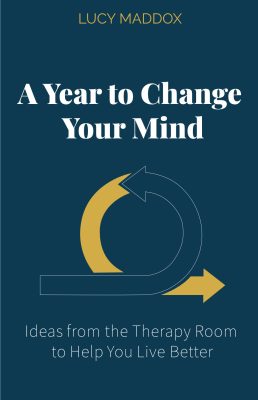
Imagine having a personal therapist guiding you through an entire year, offering insights and strategies to transform your life. That’s exactly what Lucy Maddox delivers in this groundbreaking book. Drawing from her extensive experience as a clinical psychologist, Maddox takes readers on a month-by-month journey of self-discovery and personal growth. She skillfully translates complex psychological concepts into practical, actionable advice, making this book a standout in the self-help genre. Whether you’re grappling with anxiety, seeking to improve relationships, or simply aiming to live a more fulfilling life, this book offers a roadmap to lasting change.
A Year to Change Your Mind caters to a broad audience of individuals seeking personal growth and better mental health. The primary audience includes adults of all ages who are interested in self-improvement, from young professionals navigating career stress to older adults reflecting on life transitions. It’s particularly suited for those who may be considering therapy but are hesitant to take the plunge, offering a gentle introduction to psychological concepts. The book’s accessible language and practical approach make it suitable for readers with varying levels of familiarity with psychology, from complete novices to those with some background knowledge. Additionally, it may appeal to psychology students or professionals in related fields looking for fresh perspectives on applying therapeutic techniques in daily life.
Imagine stepping into a therapist’s office, not just for an hour, but for an entire year. That’s the journey Lucy Maddox invites readers to embark on in A Year to Change Your Mind: Ideas from the Therapy Room to Help You Live Better. This book isn’t your typical self-help guide; it’s a month-by-month exploration of the human psyche, offering a unique blend of psychological insights and practical strategies to transform your life.
Maddox structures her book around the calendar year, with each month focusing on a different aspect of mental wellbeing. January kicks off with a deep dive into self-awareness, encouraging readers to reflect on their thoughts, feelings, and behaviors. As the year progresses, Maddox tackles topics like managing anxiety (April), nurturing relationships (June), and finding purpose (September). By December, readers have a comprehensive toolkit for personal growth and emotional resilience.
What sets this book apart is Maddox’s ability to distill complex psychological concepts into digestible, actionable advice. She draws from various therapeutic approaches, including cognitive-behavioral therapy, mindfulness, and psychodynamic theory, presenting them in a way that’s both accessible and engaging. Maddox doesn’t just tell readers what to do; she explains the science behind why certain strategies work, empowering readers to make informed choices about their mental health.
Throughout the book, Maddox weaves in real-life case studies from her therapy practice, anonymized to protect client privacy. These stories serve as powerful illustrations of the challenges many people face and the transformative potential of applying psychological principles to everyday life. From a young professional grappling with imposter syndrome to a couple on the brink of divorce, these narratives help readers see themselves in the pages and understand how the book’s strategies can apply to their own lives.
Readers of A Year to Change Your Mind will learn a wide array of skills and insights. They’ll discover how to identify and challenge negative thought patterns, develop healthier coping mechanisms for stress and anxiety, improve communication in relationships, set meaningful goals, and cultivate self-compassion. Maddox also introduces mindfulness techniques, explaining how to incorporate them into daily routines for better emotional regulation. Perhaps most importantly, readers will gain a deeper understanding of themselves and the psychological factors that influence their behaviors and choices, laying the groundwork for lasting personal growth.
The core message of A Year to Change Your Mind is that meaningful personal change is possible, but it requires consistent effort and a willingness to engage with our inner world. Maddox argues that by applying evidence-based psychological principles to our daily lives, we can gradually reshape our thoughts, emotions, and behaviors, leading to improved mental health and overall wellbeing.
A Year to Change Your Mind makes a significant contribution to the field of popular psychology by bridging the gap between clinical practice and self-help literature. While many self-help books offer quick fixes or one-size-fits-all solutions, Maddox’s work stands out for its nuanced, evidence-based approach that acknowledges the complexity of human psychology.
The book has garnered praise from both mental health professionals and lay readers for its accessible yet comprehensive exploration of psychological concepts. Several mental health organizations have recommended it as a valuable resource for individuals seeking to improve their emotional wellbeing, particularly those who may be hesitant to seek traditional therapy.
However, the book has also sparked some debate within the psychological community. Some critics argue that its self-guided approach may not be sufficient for individuals with severe mental health issues, emphasizing the importance of professional intervention in such cases. Maddox addresses this concern in the book, clearly stating when professional help should be sought and providing resources for doing so.
Despite these discussions, A Year to Change Your Mind has been recognized for its innovative approach to mental health education. It received the British Psychological Society’s Popular Science Book Award, with judges praising its ability to demystify psychological concepts and empower readers to take an active role in their mental health. The book’s impact extends beyond individual readers, as some therapists have reported using it as a supplementary tool in their practice, assigning relevant chapters to clients as homework between sessions.
After carefully examining Lucy Maddox’s A Year to Change Your Mind, we find it to be a valuable contribution to the self-help and personal growth genre. The book’s innovative year-long structure provides readers with a manageable framework for tackling complex psychological concepts and implementing lasting change. We appreciate Maddox’s ability to translate her clinical expertise into accessible language and practical exercises, making the book suitable for a wide audience.
The integration of various therapeutic approaches, including cognitive-behavioral therapy, mindfulness, and positive psychology, offers readers a comprehensive toolkit for improving their mental wellbeing. We find this integrative approach particularly valuable, as it acknowledges that different strategies may work better for different individuals or situations.
We’re impressed by the book’s emphasis on practical application. The inclusion of numerous exercises, reflections, and action steps encourages active engagement with the material, potentially increasing the likelihood of readers experiencing meaningful change. The use of anonymized case studies further enhances the book’s relatability and illustrates how the concepts can be applied in real-life situations.
The focus on self-compassion as a foundation for personal growth is another strength we want to highlight. In a culture that often promotes harsh self-criticism as a path to improvement, Maddox’s gentle, understanding approach offers a refreshing and psychologically healthier alternative.
However, we also recognize some limitations of the book. While it provides excellent guidance for general mental wellbeing and personal growth, it may not adequately address the needs of individuals dealing with severe mental health issues. We believe the book could benefit from more explicit discussions about when to seek professional help.
Additionally, the sheer volume of information and exercises presented could potentially overwhelm some readers. We think more guidance on how to prioritize or customize the exercises based on individual needs and capacities would be beneficial.
We also note that the book’s approach is largely rooted in Western psychological traditions and may not fully account for cultural differences in approaches to mental health and personal growth. Readers from diverse cultural backgrounds may need to adapt some of the strategies to fit their cultural contexts.
Our Recommendation
Despite these limitations, we believe A Year to Change Your Mind offers significant value to readers seeking to improve their mental wellbeing and engage in personal growth. The book’s accessible approach to psychological concepts, practical exercises, and year-long structure provide a solid framework for making meaningful changes in one’s life.
We recommend this book to individuals who are interested in gaining a deeper understanding of their thoughts, emotions, and behaviors, and who are committed to engaging in a long-term process of self-improvement. It’s particularly well-suited for those who appreciate a structured approach and are willing to dedicate time each day to personal reflection and practice. However, readers should approach the book with realistic expectations, understanding that personal growth is a ongoing process that often extends beyond a year. For those dealing with severe mental health issues, we suggest using this book as a complement to, rather than a replacement for, professional mental health support.
The essence of A Year to Change Your Mind revolves around several key topics that form the backbone of Lucy Maddox’s approach to personal transformation. Self-awareness serves as the foundation for all other aspects of mental health and personal growth. Maddox emphasizes the importance of understanding one’s thoughts, emotions, and behaviors as a crucial first step in making positive changes. She provides techniques for self-reflection, such as journaling and mindfulness practices, to help readers develop a clearer picture of their inner landscape.
Cognitive restructuring is another central theme, focusing on identifying and challenging negative thought patterns. Maddox explains how our thoughts influence our emotions and behaviors, and offers strategies to reframe unhelpful beliefs. She introduces readers to common cognitive distortions, such as all-or-nothing thinking and catastrophizing, and provides practical exercises to counteract these patterns.
Emotional regulation plays a significant role in the book, with Maddox exploring various techniques to manage difficult emotions. She discusses the importance of acknowledging and accepting emotions rather than suppressing them, and introduces strategies like grounding exercises and progressive muscle relaxation to help readers cope with overwhelming feelings.
Interpersonal relationships are given considerable attention, reflecting their crucial role in mental wellbeing. Maddox explores concepts like attachment theory and provides guidance on improving communication, setting boundaries, and cultivating empathy. She emphasizes the importance of healthy relationships in fostering resilience and personal growth.
Mindfulness and present-moment awareness are woven throughout the book as essential tools for mental health. Maddox explains the science behind mindfulness and its benefits for reducing stress and anxiety. She offers a variety of mindfulness exercises, from formal meditation practices to informal ways of incorporating mindfulness into daily activities.
Goal-setting and personal values are addressed as key components of a fulfilling life. Maddox guides readers through the process of identifying their core values and aligning their goals with these values. She introduces the concept of SMART goals (Specific, Measurable, Achievable, Relevant, Time-bound) and provides strategies for overcoming obstacles in goal pursuit.
Self-compassion is presented as a crucial element of mental health, with Maddox challenging the notion that self-criticism is necessary for improvement. She explains the three components of self-compassion: self-kindness, common humanity, and mindfulness, and offers exercises to cultivate a more compassionate inner voice.
Resilience and coping strategies form another central theme, with Maddox exploring how to build psychological flexibility in the face of life’s challenges. She discusses the importance of developing a growth mindset and provides tools for managing stress and bouncing back from setbacks.
The Anxious Athlete
To illustrate the concept of cognitive restructuring, Maddox shares the story of James, a talented amateur runner plagued by performance anxiety. Before races, James would catastrophize, imagining himself failing spectacularly and disappointing everyone. Maddox guides readers through the process of helping James identify his negative thought patterns and challenge them with evidence-based reasoning. She shows how James learned to reframe his pre-race thoughts from “I’m going to fail miserably” to “I’ve trained hard and I’ll do my best.” This shift in thinking not only improved James’s race performance but also enhanced his overall enjoyment of running.
The Mindful Manager
To demonstrate the practical application of mindfulness in daily life, Maddox presents the case of Sarah, a high-powered executive struggling with chronic stress. Sarah initially scoffed at the idea of meditation, claiming she didn’t have time for “sitting around doing nothing.” Maddox describes how she introduced Sarah to brief mindfulness exercises that could be incorporated into her busy schedule, such as mindful breathing during her commute or a body scan while waiting for meetings to start. Over time, Sarah noticed a significant reduction in her stress levels and an improvement in her decision-making abilities, illustrating the transformative power of small, consistent mindfulness practices.
The Relationship Rebuilders
To explore the topic of improving interpersonal relationships, Maddox shares the story of Maya and Tom, a couple on the brink of divorce due to communication issues. She walks readers through the process of teaching Maya and Tom active listening skills and “I” statements to express their feelings without blame. Maddox also introduces the concept of love languages, showing how understanding each other’s preferred ways of giving and receiving affection helped Maya and Tom reconnect. This example illustrates how psychological principles can be applied to real-life relationship challenges, offering hope and practical strategies for readers facing similar issues.
The Perfectionist’s Journey
To illustrate the importance of self-compassion, Maddox presents the case of Alex, a high-achieving student struggling with burnout and low self-esteem. She describes how Alex’s perfectionism and harsh self-criticism were actually hindering his performance and wellbeing. Maddox guides readers through the process of helping Alex develop self-compassion, showing how treating himself with kindness rather than judgment led to improved mental health and academic performance. This example powerfully demonstrates the counterintuitive truth that self-compassion, not self-criticism, often leads to better outcomes.
The Resilient Career Changer
To explore the concept of resilience and coping with major life changes, Maddox shares the story of Priya, a mid-career professional facing unemployment. She describes Priya’s journey from initial despair to renewed purpose, highlighting the coping strategies and mindset shifts that enabled her resilience. Maddox shows how Priya used techniques like values clarification to identify what truly mattered to her, and how she applied problem-solving skills to navigate the challenges of a career transition. This example illustrates how the book’s principles can be applied to real-life crises, offering hope and practical guidance for readers facing their own upheavals.
The Power of Self-Awareness
Maddox emphasizes that self-awareness is the cornerstone of personal growth and mental wellbeing. She argues that many of our problems stem from a lack of understanding about our own thoughts, emotions, and behaviors. To cultivate self-awareness, Maddox suggests keeping a daily journal, focusing on recording not just events but also the associated thoughts and feelings. She recommends setting aside 10 minutes each evening for this practice. Additionally, she introduces the concept of the ‘observing self’ – the part of our consciousness that can step back and observe our thoughts and feelings without judgment. To develop this skill, Maddox proposes a simple exercise: spend five minutes each day sitting quietly and observing your thoughts as if they were clouds passing in the sky, acknowledging them without engaging or trying to change them. This practice can help create distance from overwhelming thoughts and emotions, fostering a sense of calm and clarity.
Challenging Cognitive Distortions
One of the key insights Maddox presents is the impact of cognitive distortions on our mental health. These are habitual thought patterns that skew our perception of reality, often in a negative direction. Common distortions include all-or-nothing thinking, overgeneralization, and catastrophizing. To combat these, Maddox introduces a three-step process: identify the distortion, challenge it with evidence, and reframe the thought more realistically. For example, if you find yourself thinking “I always mess up important presentations,” you would first identify this as overgeneralization. Then, challenge it by recalling presentations that went well. Finally, reframe the thought to something like “While I sometimes struggle with presentations, I have also had successes, and each one is an opportunity to improve.” Maddox suggests practicing this process daily, perhaps by keeping a thought record where you write down negative thoughts and work through these steps.
The Role of Values in Goal-Setting
Maddox highlights the importance of aligning our goals with our core values for sustainable motivation and fulfillment. She guides readers through a process of identifying their values and using these as a compass for goal-setting. To put this into practice, Maddox suggests creating a ‘values mind map.’ Start by writing down what matters most to you in life (e.g., family, creativity, health), then branch out from each value with specific ways you could honor it. For instance, if ‘creativity’ is a core value, branches might include ‘take a weekly art class’ or ‘spend 30 minutes each day on a creative project.’ Use this mind map to set goals that truly resonate with your values. Maddox also introduces the concept of ‘valued action’ – small, daily choices that align with your values. She recommends identifying one valued action to practice each day, no matter how small, to build a sense of purpose and satisfaction.
Cultivating Mindfulness in Daily Life
While formal meditation can be beneficial, Maddox emphasizes the importance of integrating mindfulness into everyday activities for lasting change. She introduces the concept of ‘micro-mindfulness’ – brief moments of present-moment awareness sprinkled throughout the day. To practice this, Maddox suggests setting reminders on your phone to take three mindful breaths at various points during the day. Another technique she recommends is the ‘5-4-3-2-1’ grounding exercise: when feeling stressed or overwhelmed, pause and notice 5 things you can see, 4 things you can touch, 3 things you can hear, 2 things you can smell, and 1 thing you can taste. This exercise quickly brings your attention to the present moment, breaking the cycle of rumination or anxiety. Maddox also suggests choosing a daily activity, such as brushing your teeth or washing dishes, to practice mindful attention, focusing fully on the sensory experience of the task.
The Importance of Self-Compassion
Maddox argues that self-compassion, not self-criticism, is the key to personal growth and resilience. She breaks self-compassion down into three components: self-kindness, common humanity, and mindfulness. To cultivate self-kindness, Maddox suggests writing a compassionate letter to yourself as you would to a dear friend facing a similar struggle. For recognizing common humanity, she recommends regularly reminding yourself “This is a moment of suffering. Suffering is a part of life. May I be kind to myself in this moment.” To practice mindfulness in self-compassion, Maddox introduces the ‘self-compassion break’: when facing a difficult situation, pause and place your hands over your heart, feeling the warmth and gentle touch of your hands. Take a few deep breaths and repeat a phrase like “May I accept myself as I am” or “May I give myself the compassion I need.” Maddox encourages practicing this whenever you notice self-criticism arising.
Improving Communication in Relationships
Effective communication is crucial for healthy relationships, and Maddox provides several strategies to enhance this skill. One key insight is the importance of active listening. To practice this, Maddox suggests the ‘speaker-listener technique’: in conversations about sensitive topics, one person speaks while the other listens without interrupting, then paraphrases what they heard before responding. This ensures both parties feel heard and understood. Another valuable tool Maddox introduces is the use of ‘I’ statements. Instead of saying “You never help around the house,” which can sound accusatory, try “I feel overwhelmed when I have to handle all the housework.” This approach expresses your feelings without blaming the other person, making them more likely to respond positively. Maddox also emphasizes the importance of non-verbal communication, suggesting a daily practice of making eye contact and smiling at your partner, even for just a few seconds, to maintain connection.
Building Resilience Through Psychological Flexibility
Maddox introduces the concept of psychological flexibility as a key component of resilience. This involves being able to adapt to changing situations and persevere in the face of challenges while staying connected to your values. To develop this skill, Maddox suggests practicing ‘cognitive defusion’ – the ability to step back from thoughts and see them as mental events rather than absolute truths. One technique she recommends is to prefix thoughts with “I’m having the thought that…” For example, instead of “I’m a failure,” think “I’m having the thought that I’m a failure.” This small change can create enough distance to reduce the thought’s emotional impact. Another exercise Maddox proposes is the ‘flexibility diary’: at the end of each day, write down one situation where you demonstrated flexibility (perhaps by changing plans or trying a new approach to a problem) and one where you could have been more flexible. Reflect on how increased flexibility might have changed the outcome in the latter situation.
Innovative Structure
Lucy Maddox’s decision to structure A Year to Change Your Mind around the calendar year is a significant strength of the book. This approach provides a clear, manageable framework for readers to engage with complex psychological concepts over time. By assigning different themes to each month, Maddox creates a natural progression that allows readers to build on their knowledge and skills gradually. This structure also mimics the pacing of long-term therapy, giving readers a sense of ongoing support and guidance throughout their journey of self-improvement. The month-by-month format makes the book’s content less overwhelming, as readers can focus on one area of personal growth at a time, potentially increasing the likelihood of sustained engagement and lasting change.
Accessibility of Complex Concepts
One of the book’s major strengths lies in Maddox’s ability to translate complex psychological theories and therapeutic techniques into accessible language and practical exercises. She skillfully breaks down concepts like cognitive restructuring, mindfulness, and attachment theory, explaining them in ways that readers without a background in psychology can easily grasp. For instance, when discussing cognitive behavioral therapy techniques, Maddox uses relatable examples and step-by-step explanations that demystify the process of identifying and challenging negative thought patterns. This accessibility extends to the exercises and activities she proposes, which are designed to be integrated into daily life without requiring specialized knowledge or extensive time commitments.
Integration of Multiple Therapeutic Approaches
A Year to Change Your Mind stands out for its comprehensive approach, drawing from various schools of psychological thought and therapeutic modalities. Maddox doesn’t limit herself to a single framework but instead incorporates elements from cognitive-behavioral therapy, mindfulness-based approaches, psychodynamic theory, and positive psychology, among others. This integrative approach provides readers with a rich toolkit of strategies and insights, acknowledging that different techniques may resonate with different individuals or be more appropriate for specific challenges. By exposing readers to this range of approaches, Maddox empowers them to explore and find what works best for their unique situations.
Practical Applicability
A significant strength of the book is its focus on practical application. Maddox doesn’t just explain psychological concepts; she provides concrete strategies for implementing them in real life. Each chapter includes a variety of exercises, reflections, and action steps that readers can immediately put into practice. For example, when discussing emotional regulation, Maddox offers specific grounding techniques and breathing exercises that readers can use in moments of stress or anxiety. The inclusion of worksheets, journaling prompts, and daily practices makes the book highly interactive, encouraging readers to actively engage with the material rather than passively consume it.
Use of Case Studies and Examples
Maddox’s use of anonymized case studies from her clinical practice significantly enhances the book’s impact. These real-life examples serve multiple purposes: they illustrate how psychological principles apply in practical situations, they provide relatable scenarios that readers might see themselves in, and they demonstrate the process of change over time. By following these case studies throughout the book, readers can see how different techniques and approaches can be applied to various life challenges, from relationship issues to career stress. This narrative element not only makes the book more engaging but also helps readers envision how they might apply the book’s insights to their own lives.
Emphasis on Self-Compassion
A notable strength of A Year to Change Your Mind is its strong emphasis on self-compassion as a foundation for personal growth. Maddox challenges the common belief that harsh self-criticism is necessary for improvement, instead advocating for a kinder, more understanding approach to oneself. She provides compelling evidence for the benefits of self-compassion and offers practical exercises to cultivate it. This focus on self-compassion sets the book apart from many self-help titles that inadvertently reinforce perfectionism or self-judgment. By teaching readers to treat themselves with kindness and understanding, Maddox creates a more sustainable and psychologically healthy approach to personal development.
Limited Attention to Severe Mental Health Issues
While A Year to Change Your Mind offers valuable insights for general mental wellbeing and personal growth, it may not adequately address the needs of individuals dealing with severe mental health issues. Maddox acknowledges when professional help should be sought, but the book’s self-guided approach might not be sufficient for readers struggling with clinical depression, anxiety disorders, or other significant mental health challenges. The book could benefit from more explicit discussions about the limitations of self-help approaches and clearer guidance on when and how to seek professional mental health support.
Potential for Overwhelm
Despite the book’s structured monthly approach, the sheer volume of information, exercises, and techniques presented could potentially overwhelm some readers. Each month introduces multiple concepts and practices, which, while valuable, might be too much for readers to realistically implement in their daily lives. Some readers might feel pressured to engage with all the material, potentially leading to feelings of inadequacy if they can’t keep up. The book could benefit from more guidance on how to prioritize or customize the exercises based on individual needs and capacities.
Cultural Limitations
While Maddox draws from a wide range of psychological theories and practices, the book may not fully account for cultural differences in approaches to mental health and personal growth. The concepts and exercises presented are largely rooted in Western psychological traditions and may not resonate or be equally applicable across all cultural contexts. For instance, the emphasis on individual self-improvement and self-expression may clash with more collectivist cultural values. The book could be strengthened by acknowledging these cultural limitations and providing guidance on how readers from diverse backgrounds might adapt the strategies to fit their cultural contexts.
Lack of Digital Integration
In an increasingly digital world, the book misses an opportunity to integrate digital tools or resources that could enhance the reader’s experience and engagement with the material. While the focus on traditional practices like journaling and in-person exercises is valuable, the absence of complementary digital resources (such as an accompanying app, online community, or interactive website) may limit the book’s appeal and effectiveness for tech-savvy readers or those who prefer digital tools for tracking their progress and maintaining motivation over the year-long journey.
Overemphasis on Individual Change
One significant blind spot in A Year to Change Your Mind is its focus on individual change without adequately addressing systemic and environmental factors that impact mental health. While personal growth and self-improvement are valuable, readers might mistakenly believe that all their problems can be solved through individual effort alone. This perspective could lead to feelings of guilt or inadequacy when facing challenges rooted in broader societal issues such as economic inequality, discrimination, or lack of access to resources. The book would benefit from acknowledging these external factors and providing guidance on how to navigate them. For a more comprehensive understanding of the interplay between individual psychology and social systems, readers might turn to The Body Keeps the Score by Bessel van der Kolk, which explores how trauma intersects with societal structures, or Crazy Like Us by Ethan Watters, which examines how cultural context shapes our understanding and experience of mental health.
Potential for Toxic Positivity
While Maddox’s approach is generally balanced, there’s a risk that some readers might interpret the book’s emphasis on positive thinking and cognitive restructuring as a call to suppress or deny negative emotions. This misunderstanding could lead to a form of toxic positivity, where individuals feel pressured to maintain a positive outlook at all times, potentially invalidating their genuine experiences of pain or struggle. The book could benefit from more explicit discussions about the importance of acknowledging and processing difficult emotions as part of the healing process. For a deeper exploration of the role of negative emotions in psychological health, readers might consider The Upside of Your Dark Side by Todd Kashdan and Robert Biswas-Diener, which argues for the value of embracing all emotions, or Emotional Agility by Susan David, which offers strategies for engaging with difficult feelings in a productive way.
Oversimplification of Habit Formation
While A Year to Change Your Mind offers numerous strategies for personal change, it may oversimplify the complex process of habit formation and behavior change. Readers might come away with the impression that implementing new habits or breaking old ones is a straightforward process that simply requires willpower and the right techniques. This could lead to frustration when they encounter the often messy and non-linear nature of real-world behavior change. The book would benefit from a more nuanced discussion of the challenges involved in long-term habit change and the potential for relapse or setbacks. For a deeper dive into the science of habit formation and change, readers might turn to Atomic Habits by James Clear, which offers a comprehensive framework for understanding and implementing habit change, or The Power of Habit by Charles Duhigg, which explores the neuroscience behind habit formation.
Underemphasis on Physical Health
Although Maddox touches on the importance of physical wellbeing, the book may not sufficiently emphasize the strong connection between physical and mental health. Readers might overlook the significant impact that factors such as sleep, nutrition, and exercise can have on their psychological wellbeing. This blind spot could lead to an overreliance on psychological strategies while neglecting crucial physical aspects of mental health. The book could be strengthened by more explicitly integrating discussions of physical health into its monthly framework. For a more comprehensive understanding of the mind-body connection, readers might explore The Sleep Solution by W. Chris Winter, which delves into the crucial role of sleep in mental health, or Spark: The Revolutionary New Science of Exercise and the Brain by John J. Ratey, which examines the powerful effects of physical exercise on brain function and mental wellbeing.
Limitation of the Year-Long Structure
While the year-long structure of A Year to Change Your Mind provides a clear framework, it may inadvertently create the expectation that significant personal change can or should occur within a neat, predetermined timeframe. This could lead to disappointment or a sense of failure if readers don’t experience dramatic improvements within the year. The book might benefit from more discussion about the ongoing nature of personal growth and the reality that meaningful change often extends beyond arbitrary timelines. It could also address how to adapt the book’s structure for ongoing use beyond the initial year. For a perspective on long-term personal development that extends beyond fixed timelines, readers might consider Mindset: The New Psychology of Success by Carol S. Dweck, which emphasizes the importance of a growth mindset in ongoing personal development, or Designing Your Life by Bill Burnett and Dave Evans, which offers a more flexible, iterative approach to life planning and personal growth.
The Happiness Trap by Russ Harris
While both A Year to Change Your Mind and The Happiness Trap aim to improve readers’ mental wellbeing, they approach the task from different theoretical foundations. Maddox’s book draws from various psychological traditions, including cognitive-behavioral therapy and mindfulness, offering a broad toolkit for personal growth. In contrast, Harris’s book focuses specifically on Acceptance and Commitment Therapy (ACT), emphasizing the acceptance of difficult thoughts and feelings rather than trying to change them. Where Maddox might encourage readers to challenge and reframe negative thoughts, Harris would likely suggest acknowledging these thoughts without getting caught up in them. The books also differ in structure: Maddox’s year-long format provides a gradual, guided journey, while Harris’s approach is more focused on introducing key ACT concepts and techniques that readers can apply immediately. Both books value mindfulness, but The Happiness Trap places it more centrally in its approach to wellbeing.
The Power of Now by Eckhart Tolle
A Year to Change Your Mind and The Power of Now both emphasize the importance of present-moment awareness, but they approach this concept from vastly different perspectives. Maddox’s book is grounded in psychological research and clinical practice, offering practical exercises and evidence-based strategies. Tolle’s work, on the other hand, takes a more spiritual and philosophical approach, focusing on the concept of presence as a path to enlightenment and inner peace. While Maddox integrates mindfulness as one of many tools for mental wellbeing, Tolle presents it as the central key to personal transformation. A Year to Change Your Mind provides a structured, gradual approach to personal growth, whereas The Power of Now advocates for a more radical shift in consciousness. Maddox’s book might appeal more to readers seeking a scientific, practical approach, while Tolle’s work might resonate with those drawn to spiritual teachings.
Feeling Good: The New Mood Therapy by David D. Burns
Both A Year to Change Your Mind and Feeling Good aim to provide readers with tools for improving their mental health, but they differ in their focus and approach. Burns’s book centers specifically on cognitive-behavioral techniques for managing depression and anxiety, offering a deep dive into the relationship between thoughts, feelings, and behaviors. Maddox’s work, while incorporating cognitive-behavioral elements, takes a broader approach, addressing a wider range of mental health topics and drawing from multiple therapeutic traditions. Feeling Good provides more in-depth coverage of cognitive distortions and how to challenge them, while A Year to Change Your Mind offers a more holistic view of mental wellbeing, including topics like relationships and personal values. The structure of the books also differs significantly: Burns’s book is organized around specific cognitive techniques and common mental health issues, while Maddox’s year-long format provides a more guided, progressive journey of self-improvement.
Atomic Habits by James Clear
While A Year to Change Your Mind and Atomic Habits both aim to help readers make positive changes in their lives, they approach this goal from different angles. Maddox’s book focuses on psychological wellbeing and personal growth, offering a wide range of strategies drawn from various therapeutic approaches. Clear’s book, on the other hand, hones in specifically on the mechanics of habit formation and behavior change. Where Maddox might encourage readers to explore their thoughts and feelings around a particular behavior, Clear provides a systematic framework for building good habits and breaking bad ones. A Year to Change Your Mind takes a more holistic view of personal development, while Atomic Habits offers a deep dive into one specific aspect of change. The books complement each other well: Maddox’s work provides the psychological foundation for change, while Clear’s offers concrete strategies for implementing and sustaining new behaviors.
Step 1: Self-Assessment and Goal Setting
Begin your journey by conducting a thorough self-assessment. Set aside an hour or two in a quiet, comfortable space. Reflect on your current mental state, identifying areas where you feel content and areas where you’d like to see improvement. Consider your relationships, career, personal growth, and overall life satisfaction. Write down your observations in a journal, being as honest and detailed as possible.
Next, based on your self-assessment, set clear, specific goals for what you want to achieve over the next year. Use the SMART criteria (Specific, Measurable, Achievable, Relevant, Time-bound) to formulate your goals. For example, instead of a vague goal like “improve my relationships,” you might set a specific goal like “have a meaningful conversation with my partner for at least 15 minutes every day.”
Step 2: Create a Monthly Focus Calendar
Following Maddox’s year-long structure, create a calendar assigning a specific focus area to each month. For instance, January could be dedicated to self-awareness, February to challenging negative thought patterns, March to improving communication skills, and so on. Align these monthly themes with the goals you’ve set and the areas you’ve identified for improvement.
For each month, write down key concepts you want to explore and specific practices you’ll implement. This could include reading certain chapters of the book, practicing specific exercises, or focusing on particular aspects of your behavior or thinking patterns.
Step 3: Establish a Daily Reflection Routine
Set aside 15-20 minutes each day for reflection and practice. This time should be consistent and non-negotiable, like brushing your teeth. Choose a time that works best for you – perhaps first thing in the morning or before bed.
During this daily practice, engage with the exercises and concepts related to your monthly focus. This might involve journaling, meditation, practicing mindfulness exercises, or working through cognitive restructuring techniques. Keep a dedicated notebook or digital document to record your thoughts, progress, and challenges.
Step 4: Implement Mindfulness Practices
Incorporate mindfulness into your daily life, starting with small, manageable practices. Begin with a 5-minute mindfulness meditation each day, gradually increasing the duration as you become more comfortable. Use apps like Headspace or Calm if you need guided meditations.
Practice ‘micro-mindfulness’ moments throughout your day. Set reminders on your phone to take three mindful breaths several times a day. Choose one routine activity, like brushing your teeth or washing dishes, to practice mindful awareness, focusing fully on the sensory experience of the task.
Step 5: Challenge and Reframe Negative Thoughts
Start noticing your thought patterns, particularly negative or unhelpful ones. Keep a thought record for at least a week, writing down situations that trigger negative emotions, the automatic thoughts that arise, and the resulting feelings and behaviors.
Once you’ve identified common negative thought patterns, practice challenging and reframing them. Use the three-step process Maddox suggests: identify the cognitive distortion, challenge it with evidence, and reframe the thought more realistically. Do this exercise in writing at first, then try to apply it in real-time as negative thoughts arise.
Step 6: Cultivate Self-Compassion
Dedicate time each day to practicing self-compassion. Start by writing a compassionate letter to yourself, as you would to a dear friend facing a similar struggle. Read this letter whenever you’re feeling particularly self-critical.
Implement the ‘self-compassion break’ in your daily life. When facing a difficult situation, pause and place your hands over your heart. Take a few deep breaths and repeat a phrase like “May I accept myself as I am” or “May I give myself the compassion I need.” Practice this whenever you notice self-criticism arising.
Step 7: Enhance Communication Skills
Improve your communication skills by practicing active listening. In your next five conversations, focus entirely on what the other person is saying without planning your response. After they finish speaking, paraphrase what you heard before responding.
Practice using ‘I’ statements in your communications, especially when discussing sensitive topics. Instead of saying “You always…” or “You never…”, express your feelings using phrases like “I feel…” or “I need…”. Keep a log of situations where you successfully used ‘I’ statements and note the impact on the conversation.
Step 8: Align Actions with Values
Create a ‘values mind map.’ Start by writing down what matters most to you in life (e.g., family, creativity, health), then branch out from each value with specific ways you could honor it. Use this mind map to set goals and make decisions that align with your core values.
Identify one ‘valued action’ to practice each day, no matter how small. This could be spending 10 minutes on a creative project if creativity is a core value, or calling a family member if family connections are important to you. Keep a log of these actions and reflect on how they impact your sense of purpose and satisfaction.
Step 9: Build Resilience through Psychological Flexibility
Practice ‘cognitive defusion’ to build psychological flexibility. When you notice a troubling thought, prefix it with “I’m having the thought that…” For example, instead of “I’m a failure,” think “I’m having the thought that I’m a failure.” Do this exercise at least five times a day, especially when facing challenging situations.
Keep a ‘flexibility diary.’ At the end of each day, write down one situation where you demonstrated flexibility (perhaps by changing plans or trying a new approach to a problem) and one where you could have been more flexible. Reflect on how increased flexibility might have changed the outcome in the latter situation.
Step 10: Regular Review and Adjustment
At the end of each month, set aside an hour to review your progress. Reflect on what you’ve learned, what practices have been most helpful, and where you’ve seen improvements. Be honest about areas where you’ve struggled or haven’t seen the progress you hoped for.
Based on this review, adjust your plan for the coming month. You might decide to spend more time on certain practices, modify your goals, or shift your focus to a different area of improvement. Remember, personal growth is not linear, and it’s normal to need to adjust your approach as you go along.
Step 11: Seek Support and Accountability
Share your personal growth journey with a trusted friend or family member. Explain your goals and the practices you’re implementing. Ask if they’d be willing to check in with you regularly, perhaps weekly or bi-weekly, to discuss your progress and challenges.
Consider forming or joining a small group of individuals also working on personal growth. This could be an in-person meetup or an online group. Share experiences, offer support, and hold each other accountable. Meet or check in at least once a month to discuss progress, share insights, and offer encouragement.
Step 12: Integrate Physical Wellbeing
Recognize the connection between physical and mental health by incorporating physical wellbeing practices into your plan. Start with small, achievable goals like taking a 15-minute walk each day or preparing one healthy meal per day.
Gradually increase your focus on physical health. By the end of the year, aim to have established a regular exercise routine, improved your sleep habits, and made sustainable changes to your diet. Keep a log of how these physical changes impact your mental state and overall wellbeing.
Implementing a Company-Wide Wellbeing Program
Organizations can leverage the insights from A Year to Change Your Mind to develop a comprehensive, year-long wellbeing program for employees. This program could follow Maddox’s monthly structure, focusing on different aspects of mental health and personal growth throughout the year. For example, January could be dedicated to self-awareness, February to stress management, March to improving communication, and so on. Each month would include workshops, resources, and activities aligned with the theme, providing employees with practical tools to enhance their mental wellbeing and professional performance.
Implementing such a program may face several challenges. Employees might be skeptical about the relevance of mental health initiatives in the workplace, viewing them as irrelevant to their job responsibilities. There may also be concerns about privacy, with employees hesitant to engage in activities that require personal reflection or disclosure. Additionally, maintaining consistent participation over a year-long program can be difficult, especially in fast-paced work environments where immediate tasks often take precedence over long-term personal development.
To overcome these challenges, businesses can start by clearly communicating the connection between employee wellbeing and professional success, emphasizing how improved mental health can lead to increased productivity, creativity, and job satisfaction. To address privacy concerns, ensure that participation is voluntary and that personal information shared during activities remains confidential. To maintain engagement over the year, consider implementing a points system or other incentives for consistent participation. Regular check-ins and success stories from participants can also help maintain momentum.
Enhancing Leadership Development Programs
The concepts in Maddox’s book can be integrated into leadership development programs to cultivate more emotionally intelligent and resilient leaders. Focus areas could include self-awareness, empathy, effective communication, and stress management. These skills are crucial for leaders who need to navigate complex interpersonal dynamics, make difficult decisions, and support their team members’ wellbeing and performance.
One potential obstacle is that traditional business cultures often prioritize hard skills and measurable outcomes over soft skills like emotional intelligence. Some leaders might view these concepts as too “touchy-feely” or irrelevant to business success. Additionally, busy executives may struggle to find time for regular reflection and practice, which are essential for developing these skills.
To address these challenges, provide concrete examples and case studies demonstrating how improved emotional intelligence and mental wellbeing contribute to better business outcomes, such as increased team productivity, reduced turnover, and improved customer satisfaction. Consider incorporating these skills into performance evaluations and promotion criteria to underscore their importance. To accommodate busy schedules, offer a blend of in-person workshops and digital resources that can be accessed flexibly. Pair leaders with coaches or mentors who can provide ongoing support and accountability in applying these skills in real-world situations.
Improving Organizational Communication
Apply Maddox’s insights on effective communication to enhance organizational communication strategies. This could involve training employees in active listening techniques, using “I” statements for assertive communication, and practicing empathy in workplace interactions. Implement these strategies in team meetings, performance reviews, and conflict resolution processes.
Changing established communication patterns can be challenging, especially in organizations with entrenched cultures. Employees may resist new communication methods, viewing them as unnatural or time-consuming. There might also be inconsistency in adoption across different departments or levels of the organization, leading to confusion and frustration.
To overcome these obstacles, start by modeling the desired communication behaviors at the leadership level. Provide ample opportunities for practice through role-playing exercises and real-time feedback. Recognize and reward individuals and teams who effectively implement these new communication strategies. Consider appointing “communication champions” in each department to provide ongoing support and encouragement. Regularly gather feedback on the new communication approaches and be willing to adapt them based on the specific needs and culture of your organization.
Fostering a Culture of Mindfulness
Introduce mindfulness practices into the workplace, drawing from Maddox’s emphasis on present-moment awareness. This could include offering daily guided meditation sessions, creating quiet spaces for reflection, and encouraging “mindful moments” before meetings. These practices can help reduce stress, improve focus, and enhance overall employee wellbeing.
Implementing mindfulness practices in a busy work environment can face skepticism and practical challenges. Employees might view meditation or mindfulness as a waste of time, especially when facing tight deadlines. There may also be logistical issues in finding suitable spaces and times for these practices, particularly in open-plan offices or shift-based work environments.
To address these challenges, start with short, optional sessions and gradually increase their frequency and duration as interest grows. Educate employees about the scientific benefits of mindfulness, including improved focus, creativity, and stress reduction. Provide a variety of mindfulness options to suit different preferences, such as walking meditations, desk-based breathing exercises, or mindful eating practices. Consider incorporating mindfulness into existing structures, such as beginning meetings with a brief centering exercise. Use technology to support these efforts, such as providing access to mindfulness apps or sending periodic reminders for mindful breaks throughout the day.
Developing Resilience and Adaptability
Apply Maddox’s concepts of psychological flexibility and resilience to help employees better cope with change and uncertainty. This could involve workshops on cognitive reframing, stress management techniques, and cultivating a growth mindset. These skills are particularly valuable in today’s rapidly changing business environment, where adaptability is crucial for both individual and organizational success.
Resilience training may face resistance from employees who believe that stress and burnout are inevitable parts of their job. There might also be a misconception that discussing challenges or admitting to stress is a sign of weakness. In high-pressure environments, employees might feel they don’t have time to engage in resilience-building activities.
To overcome these obstacles, frame resilience as a professional skill that enhances performance rather than a remedy for weakness. Share stories of respected leaders or high-performers who use these techniques. Integrate resilience-building activities into existing workflows rather than adding them as separate tasks. For example, incorporate brief reflection exercises at the end of project debriefs or team meetings. Provide managers with training on how to support their team’s resilience, including recognizing signs of stress and burnout. Consider offering one-on-one coaching for employees in particularly high-stress roles to help them develop personalized resilience strategies.
Enhancing Employee Engagement through Values Alignment
Utilize Maddox’s emphasis on values-based living to enhance employee engagement. Help employees identify their core values and explore how these align with their work and the organization’s mission. This can lead to increased job satisfaction, motivation, and a sense of purpose in work.
One challenge in implementing this approach is that employees may struggle to see the connection between their personal values and their day-to-day work, especially in roles that feel routine or disconnected from the company’s broader mission. There might also be instances where an employee’s values conflict with certain aspects of their job or the organization’s practices.
To address these challenges, provide workshops or coaching sessions to help employees articulate their values and explore how these can be expressed in their work. Encourage managers to have regular conversations with team members about how their roles contribute to the larger organizational purpose. Create opportunities for employees to engage in projects or initiatives that align with their values, such as volunteer programs or cross-functional improvement teams. When conflicts arise between personal and organizational values, foster open dialogue to find creative solutions or compromises. Consider revising job descriptions and performance metrics to include value-aligned behaviors and outcomes.
Integration of Technology and Mental Health
As technology continues to advance rapidly, the ideas presented in A Year to Change Your Mind are likely to intersect with digital innovations in mental health care. The book’s emphasis on daily practices and self-reflection could be enhanced by smartphone apps, wearable devices, and AI-powered chatbots. For instance, mindfulness exercises could be delivered through virtual reality experiences, providing immersive environments for relaxation and meditation. Cognitive restructuring techniques might be supported by AI algorithms that help users identify and challenge negative thought patterns in real-time. The year-long structure of the book could be translated into personalized digital programs that adapt to individual progress and needs. However, as these technological integrations develop, it will be crucial to maintain the human element and personal insight that Maddox emphasizes. The challenge will be to use technology as a tool to enhance self-awareness and personal growth, rather than as a replacement for introspection and human connection.
Workplace Mental Health Revolution
The concepts explored in Maddox’s book align with a growing trend towards prioritizing mental health in the workplace. As awareness of the impact of mental wellbeing on productivity and job satisfaction increases, companies are likely to invest more in employee mental health programs. The book’s comprehensive approach to mental wellbeing could inspire more holistic employee assistance programs that go beyond crisis intervention to focus on ongoing personal development and stress management. We might see the emergence of “Chief Wellbeing Officers” in corporations, responsible for implementing year-round mental health initiatives similar to the structure proposed in the book. Additionally, the emphasis on self-awareness and emotional intelligence could become integral parts of leadership development programs. As remote and hybrid work models become more prevalent, the book’s strategies for maintaining mental health and work-life balance could prove particularly relevant, helping employees navigate the challenges of blurred boundaries between work and personal life.
Personalized Mental Health Approaches
The future of mental health care is likely to become increasingly personalized, a trend that aligns well with the varied approaches and techniques presented in A Year to Change Your Mind. As genetic testing and brain imaging technologies advance, we may see the development of more tailored mental health strategies based on an individual’s biological and neurological profile. The book’s integrative approach, drawing from various therapeutic traditions, could serve as a model for creating personalized mental health “toolkits” that combine techniques most effective for each individual. This trend towards personalization might also extend to the timing and pacing of interventions. While Maddox suggests a year-long structure, future approaches might use data from wearable devices and mood tracking apps to identify optimal times for introducing new concepts or practices based on an individual’s unique patterns and rhythms.
Eco-Psychology and Nature-Based Therapies
As environmental concerns continue to grow, there’s likely to be an increased focus on the connection between mental health and the natural world. While A Year to Change Your Mind touches on mindfulness and present-moment awareness, future trends might see these concepts more explicitly linked to nature-based experiences. We might see a rise in “eco-therapy” programs that combine psychological techniques with outdoor activities and environmental conservation efforts. The book’s emphasis on self-reflection and personal growth could be extended to include reflection on one’s relationship with the environment and the psychological benefits of connecting with nature. This trend could lead to new therapeutic approaches that integrate personal wellbeing with environmental stewardship, addressing both individual mental health and broader ecological concerns.
Global Mental Health Perspectives
As the world becomes increasingly interconnected, there’s likely to be a growing interest in diverse cultural approaches to mental health and wellbeing. While A Year to Change Your Mind draws primarily from Western psychological traditions, future trends might see a more global, multicultural approach to mental health. We might see increased integration of Eastern philosophies, indigenous healing practices, and diverse cultural perspectives on wellbeing into mainstream psychological approaches. This could lead to a more nuanced, culturally sensitive understanding of mental health that acknowledges different worldviews and value systems. The book’s year-long structure might be adapted to incorporate practices and insights from various cultural traditions, creating a more globally relevant approach to personal growth and mental wellbeing. This trend could also lead to increased cross-cultural research on mental health, potentially revealing universal principles of wellbeing as well as culture-specific approaches.
A Year to Change Your Mind has the potential to significantly impact both individual readers and the broader field of mental health. On an individual level, the book’s accessible approach to psychological concepts and techniques could demystify therapy for many readers, potentially encouraging more people to seek professional help when needed. The year-long structure and emphasis on daily practices could foster a more proactive, ongoing approach to mental health maintenance, shifting the paradigm from crisis intervention to consistent self-care. This could lead to improved mental health outcomes and reduced stigma around mental health issues.
In the broader field of psychology and self-help literature, Maddox’s integrative approach, combining insights from various therapeutic traditions, could inspire more holistic, flexible approaches to mental health treatment. The book’s success might encourage other mental health professionals to translate their clinical expertise into accessible formats for the general public, bridging the gap between academic psychology and popular self-help literature. This could lead to a more psychologically informed public, better equipped to understand and manage their mental health.
The book’s emphasis on self-compassion and mindfulness, if widely adopted, could contribute to a cultural shift towards more empathetic, mindful ways of relating to oneself and others. This could have far-reaching implications for areas such as education, workplace culture, and public health policy. For instance, schools might incorporate more mindfulness and emotional intelligence training into their curricula, while workplaces might place greater emphasis on employee mental health and work-life balance. The book’s month-by-month structure could inspire new approaches to long-term behavior change programs in various fields, from health and fitness to personal finance.
However, it’s important to note that the book’s impact will depend on how it’s received and implemented. If misinterpreted, it could potentially contribute to an overemphasis on individual responsibility for mental health, potentially overlooking systemic factors that impact wellbeing. Therefore, the book’s long-term influence will likely depend on how it’s contextualized within broader discussions of mental health and societal wellbeing.
The Body Keeps the Score by Bessel van der Kolk
While Maddox’s book provides a comprehensive overview of mental health strategies, The Body Keeps the Score offers a deeper exploration of how trauma affects both mind and body. Van der Kolk’s work complements A Year to Change Your Mind by providing a physiological perspective on mental health, explaining how traumatic experiences are stored in the body and how this impacts overall wellbeing. This book is particularly valuable for readers who want to understand the connection between past experiences and current mental health challenges. Van der Kolk introduces various body-based therapies that can complement the more cognitive and behavioral approaches outlined in Maddox’s work. For readers of A Year to Change Your Mind who find themselves struggling with deep-seated issues that don’t seem to resolve through cognitive techniques alone, The Body Keeps the Score offers additional insights and approaches that could be transformative.
Atomic Habits by James Clear
While A Year to Change Your Mind provides a broad framework for personal growth, Atomic Habits focuses specifically on the mechanics of habit formation and behavior change. Clear’s book offers a systematic approach to building good habits and breaking bad ones, which can be particularly helpful for readers trying to implement the daily practices suggested in Maddox’s work. Atomic Habits introduces concepts like habit stacking and environment design that can make the process of change more manageable and sustainable. This book is an excellent companion for readers who find themselves struggling to consistently apply the strategies outlined in A Year to Change Your Mind. Clear’s practical, science-based approach to habit formation can provide the tactical support needed to turn Maddox’s insights into lasting behavioral changes.
Mindset: The New Psychology of Success by Carol S. Dweck
Dweck’s work on growth mindset provides a valuable complement to the personal development strategies outlined in A Year to Change Your Mind. While Maddox touches on the importance of beliefs in shaping our experiences, Mindset delves deep into how our fundamental beliefs about our abilities impact our success and wellbeing. This book can help readers of A Year to Change Your Mind understand why some people seem to thrive on challenges while others are discouraged by them. Dweck’s research on the power of believing that you can improve is particularly relevant to anyone embarking on the year-long journey of personal growth that Maddox proposes. For readers who find themselves struggling with self-doubt or fear of failure as they work through Maddox’s program, Mindset offers valuable insights and strategies for developing a more growth-oriented approach to challenges and setbacks.
The Happiness of Pursuit by Chris Guillebeau
While A Year to Change Your Mind focuses on internal psychological processes, The Happiness of Pursuit explores the role of external quests and challenges in personal fulfillment. Guillebeau’s book can be a valuable complement for readers who are inspired by Maddox’s work to set ambitious personal growth goals. It offers insights into how pursuing challenging, meaningful projects can contribute to overall wellbeing and life satisfaction. The book features stories of individuals who have undertaken various quests, from traveling the world to mastering a skill, providing inspiration and practical advice for readers looking to complement their psychological growth with tangible achievements. For those who find themselves wanting to apply their newfound self-awareness and mental resilience to real-world challenges, The Happiness of Pursuit offers a roadmap for turning personal growth into concrete action.
The Upside of Stress by Kelly McGonigal
McGonigal’s book offers a fresh perspective on stress that can complement the stress management techniques presented in A Year to Change Your Mind. While Maddox provides strategies for reducing and coping with stress, The Upside of Stress challenges the assumption that stress is always harmful. McGonigal presents research showing how our beliefs about stress can shape its impact on our health and performance. This book can be particularly valuable for readers who find themselves still struggling with stress despite applying Maddox’s techniques. By reframing stress as potentially beneficial, McGonigal’s work can help readers develop a more nuanced, flexible approach to dealing with life’s challenges. The book also offers strategies for harnessing stress for personal growth, which can be integrated with the personal development framework provided in A Year to Change Your Mind.
Emotional Intelligence by Daniel Goleman
Goleman’s seminal work on emotional intelligence provides a deeper dive into the importance of understanding and managing emotions, a theme that runs throughout A Year to Change Your Mind. While Maddox touches on emotional awareness and regulation, Emotional Intelligence offers a comprehensive framework for developing these crucial skills. Goleman explores how emotional intelligence impacts various aspects of life, from personal relationships to professional success, offering a broader context for the personal growth journey outlined in Maddox’s book. For readers who find themselves particularly drawn to the sections on emotional awareness and interpersonal relationships in A Year to Change Your Mind, Goleman’s book provides additional insights and strategies for developing these critical life skills. The book’s exploration of the neurological basis of emotions can also provide a scientific foundation for many of the practices Maddox suggests.
The Power of Meaning by Emily Esfahani Smith
While A Year to Change Your Mind focuses on various aspects of mental wellbeing, The Power of Meaning hones in on the crucial role of purpose and meaning in life satisfaction. Smith’s book can be a valuable complement for readers who, in the process of working through Maddox’s program, find themselves grappling with deeper questions about purpose and fulfillment. The book explores four pillars of meaning: belonging, purpose, storytelling, and transcendence, offering a framework that can enrich the personal growth journey outlined in Maddox’s work. For readers who find that improving their mental health and self-awareness has opened up existential questions, The Power of Meaning provides insights and strategies for cultivating a sense of purpose and connection to something larger than oneself. This book can help readers integrate their personal growth work into a broader, more meaningful life narrative.
Mind.org.uk
Mind.org.uk is a comprehensive resource for mental health information and support. This UK-based charity offers a wealth of information on various mental health topics, including many of those covered in A Year to Change Your Mind. The website provides practical advice, legal information, and tips for supporting others with mental health issues. It’s an excellent resource for readers looking to supplement their understanding of the concepts discussed in Maddox’s book with additional research-based information and real-world support options.
Psychology Today
Psychology Today’s website (psychologytoday.com) offers a vast array of articles, blog posts, and resources on mental health and personal growth topics. Many of the themes explored in A Year to Change Your Mind are covered in depth on this platform, written by psychologists, therapists, and other mental health professionals. The site also features a therapist directory, which can be helpful for readers who decide they want professional support as they work through Maddox’s program.
Greater Good Science Center
The Greater Good Science Center at UC Berkeley (greatergood.berkeley.edu) is dedicated to the scientific understanding of happiness, compassion, and connection. Their website offers articles, videos, and practical exercises that align well with many of the concepts in A Year to Change Your Mind. Their resources on mindfulness, emotional intelligence, and resilience can provide additional context and techniques for readers working through Maddox’s book.
Positive Psychology Program
The Positive Psychology Program website (positivepsychology.com) is a comprehensive resource for anyone interested in the science of wellbeing and personal growth. It offers a wealth of articles, exercises, and tools that complement the approaches outlined in A Year to Change Your Mind. The site’s focus on evidence-based practices in positive psychology can provide readers with additional strategies to enhance their mental wellbeing and personal development journey.
American Psychological Association Annual Convention
The American Psychological Association’s Annual Convention is one of the largest gatherings of psychologists and mental health professionals in the world. While it’s primarily aimed at professionals, many sessions are accessible to the general public. Attendees can learn about the latest research and practices in psychology, many of which relate to the themes explored in A Year to Change Your Mind. For readers who become particularly interested in the psychological concepts Maddox introduces, this conference offers an opportunity to deepen their understanding and stay updated on new developments in the field.
Mindfulness & Meditation World Summit
This annual online summit brings together leading experts in mindfulness and meditation, offering talks, guided practices, and workshops. Many of the topics covered align closely with the mindfulness and self-awareness practices outlined in A Year to Change Your Mind. This summit can provide readers with additional perspectives and techniques to enhance their mindfulness practice, as well as the opportunity to learn from renowned teachers in the field.
International Positive Psychology Association (IPPA)
The International Positive Psychology Association (ippanetwork.org) is a professional organization dedicated to promoting the science and practice of positive psychology. Many of the themes in A Year to Change Your Mind, such as wellbeing, resilience, and personal growth, are central to positive psychology. IPPA offers resources, webinars, and a biennial conference that can provide readers with additional insights and research-based strategies to support their personal development journey.
Association for Contextual Behavioral Science (ACBS)
The Association for Contextual Behavioral Science (contextualscience.org) is an organization focused on the development and application of psychological approaches such as Acceptance and Commitment Therapy (ACT). While not explicitly based on ACT, A Year to Change Your Mind incorporates several compatible concepts. ACBS offers resources, training opportunities, and a yearly conference that can provide readers interested in deepening their understanding of psychological flexibility and mindfulness-based approaches with valuable information and networking opportunities.
The Happiness Lab with Dr. Laurie Santos
This podcast, hosted by Yale professor Dr. Laurie Santos, explores the science of happiness and wellbeing. Many episodes touch on themes relevant to A Year to Change Your Mind, such as the impact of our thought patterns on our emotions, the benefits of mindfulness, and strategies for building better habits. The podcast’s blend of scientific research and practical advice makes it an excellent complement to Maddox’s book, offering listeners additional insights and strategies to support their personal growth journey.
Hidden Brain
Hosted by Shankar Vedantam, the Hidden Brain podcast explores the unconscious patterns that drive human behavior, many of which are relevant to the personal growth process outlined in A Year to Change Your Mind. Episodes often delve into topics such as decision-making, emotions, relationships, and cognitive biases, providing listeners with a deeper understanding of the psychological principles underlying Maddox’s strategies.
The Science of Happiness
Produced by the Greater Good Science Center at UC Berkeley, this podcast explores evidence-based techniques for a happier, more meaningful life. Each episode focuses on a specific happiness-boosting strategy, many of which align with the practices suggested in A Year to Change Your Mind. The podcast not only explains the science behind these strategies but also features real people trying them out, offering listeners practical insights into how to implement these techniques in their own lives.
The Science of Well-Being (Coursera)
This popular online course, taught by Yale professor Laurie Santos, explores the science of happiness and offers practical strategies for increasing wellbeing. Many of the topics covered align closely with the themes in A Year to Change Your Mind, making it an excellent complement to Maddox’s book. The course provides a more structured, academic approach to many of the concepts Maddox introduces, which can be beneficial for readers who want to deepen their understanding of the scientific basis for these practices.
Foundations of Positive Psychology Specialization (Coursera)
This series of courses, offered by the University of Pennsylvania, provides a comprehensive introduction to the field of positive psychology. The specialization covers topics such as resilience, grit, and character strengths, many of which are touched upon in A Year to Change Your Mind. For readers who are particularly drawn to the positive psychology aspects of Maddox’s book, this specialization offers an opportunity to explore these concepts in greater depth.
Happy
This documentary explores the science of happiness and what it means to be happy across different cultures. It features interviews with people from all walks of life, as well as insights from psychologists and neuroscientists. Many of the themes explored in the film align with the concepts in A Year to Change Your Mind, offering viewers a visual and emotional complement to Maddox’s written work. The documentary’s global perspective can also provide readers with a broader context for understanding happiness and wellbeing.
The Mind, Explained
This Netflix documentary series, narrated by Emma Stone, explores various aspects of the human mind, including topics relevant to A Year to Change Your Mind such as mindfulness, anxiety, and dreams. Each episode provides an accessible, visually engaging exploration of complex psychological concepts, making it an excellent resource for readers who want to deepen their understanding of the mind’s workings as they work through Maddox’s program.
Inside Out
While primarily aimed at children, this Pixar animated film offers a surprisingly sophisticated exploration of emotions and their role in our mental lives. The film’s portrayal of how emotions interact and influence behavior can provide an engaging, visual complement to the discussions of emotional awareness and regulation in A Year to Change Your Mind. For readers working through Maddox’s book with their families, this film can be a valuable tool for discussing emotional health with children.