Reviews
“Sapolsky’s decades of experience studying the effects of the interplay of genes and the environment on behavior shine brightly … He provides compelling examples that bad luck compounds … convincingly argues against claims that chaos theory, emergent phenomena, or the indeterminism offered by quantum mechanics provide the gap required for free will to exist.” —Science
“The behavioural scientist engagingly lays out the reasons why our every action is predetermined—and why we shouldn’t despair about it … Determined is a bravura performance, well worth reading for the pleasure of Sapolsky’s deeply informed company … Absorbing and compassionate.” —The Guardian
“Few people understand the human brain as well as renowned neuroscientist Robert Sapolsky.” —Most Anticipated Fall Books, San Francisco Chronicle
“Witty and engaging, Determined is also a goldmine of fascinating information (most of it accessible even to those of us who aren’t scientifically literate) about neuroscience; philosophy; chaos theory; emergent complexity; quantum indeterminacy; evolving knowledge of the causes of epilepsy, schizophrenia, and autism; and, of course, the impact of nature and nurture on decision-making.” —Psychology Today
“Determined is a sustained attempt at demonstrating that the decisions we make every day are products of complex factors of which we’re not in charge … This is an amiable, surprisingly accessible and at times a persuasive book—a paean to empathy and tolerance that yearns for a world in which societies eventually realize that retribution is futile and wrong … [Sapolsky] can be pleased with the knowledge that what he’s written is stimulating to read, even for those who doubt his conclusions.” —San Francisco Chronicle
“Sapolsky presents in his inimitable style a cogent argument explaining that free will is an illusion … Sapolsky tackles many complicated facets of this demanding subject with aplomb, making difficult material accessible. His engaging style and silly humor make learning fun … The debate is essential.” —Booklist
“A neuroscientific takedown of the notion that free will guides us … [Sapolsky] is fearless in taking on a matter that is fraught with a long history of debate and division, and he covers a wide variety of disciplines, from philosophy to ethics and law, with admirable clarity … Sure to stir controversy, which, to judge by this long but lucid exposition, the author is perfectly willing to court.” —Kirkus (starred review)
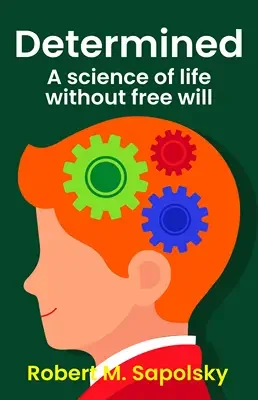
Imagine living in a world where every decision, every choice, and every action you take isn’t truly yours but rather the inevitable outcome of preceding events and biological processes. That’s the thought-provoking premise explored in Determined: A Science of Life without Free Will. The book dives deep into the controversial and often unsettling idea that free will is an illusion. With a blend of neuroscience, psychology, and philosophy, it challenges our understanding of human behavior and moral responsibility. By examining the scientific evidence behind our actions and decisions, it invites readers to reconsider how they perceive personal accountability and societal norms.
This book is ideal for readers interested in neuroscience, psychology, and philosophy, especially those who enjoy exploring challenging and provocative ideas about human behavior. It caters to both academic audiences and curious laypersons due to its accessible language and engaging storytelling. Students, educators, and professionals in the fields of science, mental health, and social sciences will find it particularly enlightening. Additionally, anyone interested in the broader implications of free will on morality, law, and society will benefit from its insights.
Have you ever wondered if we truly have control over our actions?
Imagine you’re a puppet, every string controlled not by a visible puppeteer but by an intricate web of biological processes and environmental influences. This is the striking metaphor Robert M. Sapolsky uses in Determined: A Science of Life without Free Will to challenge our most fundamental beliefs about autonomy and choice. The book provocatively argues that our sense of free will is nothing more than an elaborate illusion, meticulously deconstructing how every decision we think we make is actually a result of prior causes.
Sapolsky embarks on a comprehensive journey through the world of neuroscience, psychology, and genetics to unravel the mechanisms that govern our actions. He presents compelling evidence from various studies, such as the famous experiments by Benjamin Libet that suggest our brains make decisions milliseconds before we become consciously aware of them. This raises a profound question: If our brains decide before we do, are we ever truly in control? Through vivid examples and relatable anecdotes, Sapolsky illustrates how these scientific findings challenge the very notion of personal responsibility.
The author doesn’t stop at just presenting the science; he also delves into the philosophical and ethical implications of a world without free will. What does it mean for our legal systems, which are built on the concept of accountability? How do we reconcile this with our everyday experiences of making choices? Sapolsky addresses these questions head-on, suggesting that while the idea may seem disconcerting, it can also foster a more compassionate society. By understanding that people’s actions are products of their circumstances and biology, we might be more inclined to show empathy and seek rehabilitative rather than punitive solutions.
One of the book’s strengths is its ability to bridge complex scientific concepts with everyday experiences. Sapolsky uses analogies and metaphors to make the material accessible, such as comparing our decision-making process to a Rube Goldberg machine—where every action is triggered by a preceding one, leaving no room for random choice. He explains how factors ranging from genetic predispositions to prenatal environments shape our behaviors long before we even come into existence.
Readers of Determined will come away with a profound understanding of the forces that shape human behavior. They will learn about the intricate dance between genes and environment, the surprising ways in which our subconscious minds influence our actions, and the latest research in neuroscience that supports these ideas. The book also explores how this knowledge can be applied to various aspects of life, from improving mental health treatment to reforming the criminal justice system.
At the heart of Determined: A Science of Life without Free Will lies a provocative thesis: free will is an illusion. Robert M. Sapolsky meticulously constructs his argument by synthesizing findings from neuroscience, psychology, and genetics, showing that our behaviors are predetermined by a complex interplay of biological and environmental factors. To illustrate this, he uses the metaphor of a domino effect—each action and decision is a result of previous causes, leaving no room for independent choice. This compelling narrative forces readers to reconsider their understanding of autonomy and personal responsibility.
Determined makes a significant contribution to the ongoing debate about free will and determinism. By presenting a comprehensive and accessible account of the scientific evidence, Sapolsky challenges deeply ingrained beliefs about human agency. The book’s impact extends beyond the scientific community; it has sparked discussions in fields ranging from philosophy to law, as it questions the foundations of moral and legal responsibility. While controversial, its arguments are grounded in rigorous research, making it a thought-provoking read for anyone interested in the nature of human behavior.
The book has been praised for its clarity and depth, receiving accolades from both academic and popular audiences. It stands out not only for its bold claims but also for its empathetic approach to the implications of these claims. By suggesting that a deterministic view of human behavior can lead to greater compassion and understanding, Sapolsky offers a hopeful perspective amidst the unsettling idea of a life without free will.
In Determined: A Science of Life without Free Will, Robert M. Sapolsky presents a compelling and thought-provoking argument that challenges our most fundamental beliefs about autonomy and personal responsibility. His meticulous research and engaging writing style make complex scientific concepts accessible and interesting, drawing readers into a profound exploration of what it means to be human. Through a blend of neuroscience, psychology, and philosophy, Sapolsky effectively dismantles the illusion of free will, offering a deterministic view of human behavior that has significant implications for ethics, law, and society.
Sapolsky’s ability to weave together scientific evidence with relatable anecdotes and humor is one of the book’s greatest strengths. He provides a comprehensive examination of the factors that shape our actions, from genetic predispositions to environmental influences, presenting a nuanced picture of human behavior. This interdisciplinary approach enriches the narrative and helps readers appreciate the complexity of the forces at play. Moreover, his exploration of the ethical and philosophical implications of determinism is both thoughtful and compassionate, encouraging readers to reconsider their views on morality and justice.
While Determined is a rigorous and well-argued book, it is not without its challenges. Some readers may find the detailed scientific discussions overwhelming, despite Sapolsky’s efforts to simplify them. Additionally, the book’s repetitive nature might detract from its overall impact. Nevertheless, these minor shortcomings do not significantly diminish the value of Sapolsky’s work. The insights he provides are invaluable for anyone interested in understanding the true nature of human behavior and the illusion of free will.
The implications of Sapolsky’s arguments extend far beyond academic circles. For policymakers, educators, and mental health professionals, Determined offers a new perspective on how to approach issues related to behavior, justice, and personal development. By highlighting the deterministic factors that influence our actions, Sapolsky advocates for more compassionate and effective interventions that address the root causes of behavior rather than simply punishing the symptoms. This shift in perspective could lead to significant reforms in various areas, promoting a more humane and just society.
Our Recommendation
We wholeheartedly recommend Determined: A Science of Life without Free Will to anyone interested in the science of human behavior and the philosophical implications of determinism. Sapolsky’s engaging writing and thorough research make this book an enlightening read that challenges conventional wisdom and encourages critical thinking. Whether you are a student, a professional in a related field, or simply a curious reader, Determined offers valuable insights that will deepen your understanding of what drives human actions.
If you are ready to question deeply held beliefs about free will and personal responsibility, Determined is an essential read. Sapolsky’s compelling arguments and compassionate outlook will not only expand your knowledge but also inspire you to view human behavior through a more empathetic lens. By embracing the ideas presented in this book, we can all contribute to creating a more understanding and supportive society.
Determined: A Science of Life without Free Will by Robert M. Sapolsky delves into the idea that human behavior is not a product of free will but is instead determined by a complex interplay of biological and environmental factors. At the core of the book is the argument that every decision we make and action we take is influenced by a myriad of unseen forces, leaving little to no room for independent choice. Sapolsky unpacks this thesis through several key topics, each crucial to understanding the book’s overarching message.
One of the critical elements explored is the role of genetics in shaping behavior. Sapolsky discusses how our genetic makeup influences our predispositions and tendencies long before we are born. He presents the idea that genes can predispose individuals to certain behaviors and mental states, creating a framework within which our actions occur. This genetic blueprint interacts with environmental factors to shape our overall behavior, suggesting that much of what we consider personal choice is heavily influenced by our biology.
Another essential topic is the influence of the environment on behavior. Sapolsky emphasizes that our surroundings, including the social, economic, and cultural context in which we live, play a significant role in shaping our actions. From the prenatal environment to childhood experiences and societal norms, these external factors interact with our genetic predispositions to form the basis of our behavior. This comprehensive view highlights that individual actions cannot be understood in isolation but must be seen as part of a broader, interconnected system.
The book also explores the neuroscience behind decision-making. Sapolsky introduces readers to the intricate workings of the brain, explaining how neural processes and brain chemistry drive our decisions. He delves into studies that show how decisions are often made at the subconscious level before we are even aware of them, challenging the conventional notion of conscious choice. By illustrating how the brain’s architecture and function influence behavior, Sapolsky provides a compelling argument against the concept of free will.
Additionally, Sapolsky addresses the ethical and philosophical implications of a deterministic view of human behavior. He argues that understanding the lack of free will can lead to more compassionate and humane approaches to social and legal issues. If people’s actions are determined by factors beyond their control, then punitive systems of justice may need to be re-evaluated in favor of rehabilitative and preventative measures. This perspective encourages a shift towards empathy and support rather than judgment and punishment.
The Libet Experiments
One of the most compelling examples Sapolsky uses to illustrate his arguments is the famous experiments conducted by neuroscientist Benjamin Libet. These experiments demonstrated that the brain initiates decisions before we become consciously aware of them. Participants were asked to move a finger at a time of their choosing while their brain activity was monitored. The results showed that the brain’s readiness potential—a signal indicating preparation for movement—occurred several milliseconds before the participants reported making a conscious decision to move. This finding supports the idea that our conscious choices are influenced by subconscious processes, casting doubt on the notion of free will.
Genetic Influences on Behavior
Sapolsky highlights various studies that show how genetics can influence behavior, using examples from research on identical twins. Even when raised in different environments, identical twins often exhibit remarkably similar behaviors and preferences, suggesting a strong genetic component. For instance, studies on the genetic basis of aggression have identified specific genes that correlate with aggressive behavior, indicating that our genetic makeup can predispose us to certain behavioral traits. These examples underscore the significant role genetics play in shaping who we are and what we do.
Environmental Impacts
To illustrate the impact of the environment on behavior, Sapolsky discusses the effects of childhood adversity on long-term outcomes. He presents research showing that children who experience neglect, abuse, or severe stress are more likely to develop behavioral and psychological issues later in life. For example, the famous Adverse Childhood Experiences (ACE) study demonstrated a strong correlation between early trauma and a range of negative health and behavioral outcomes, from mental illness to criminal behavior. This example highlights how environmental factors interact with biological predispositions to influence behavior.
Neuroscientific Insights
Sapolsky delves into the role of brain chemistry in decision-making, citing studies on neurotransmitters like dopamine. Dopamine is known to play a crucial role in reward and motivation, influencing how we make decisions based on potential rewards and punishments. For instance, variations in dopamine receptor genes have been linked to differences in risk-taking behavior. People with certain genetic variants may be more prone to seeking out new and potentially risky experiences, illustrating how brain chemistry affects our choices and actions.
Ethical Implications
Sapolsky uses the example of criminal justice to explore the ethical implications of a deterministic view of behavior. He discusses how understanding the biological and environmental determinants of behavior could lead to a more rehabilitative approach to criminal justice. Instead of focusing solely on punishment, a system informed by this understanding might emphasize rehabilitation and prevention, recognizing that individuals’ actions are often beyond their control. For example, programs that address underlying issues such as addiction or mental illness could reduce recidivism more effectively than punitive measures alone.
Understanding Genetic Predispositions
One of the key insights from Sapolsky’s work is the significant role genetics play in shaping our behavior. Understanding that certain tendencies and behaviors are influenced by our genetic makeup can help us approach personal development with more self-compassion. For instance, if you have a genetic predisposition to anxiety, recognizing this can lead to more effective coping strategies, such as seeking therapy or practicing mindfulness. By acknowledging our genetic influences, we can tailor our personal growth efforts in ways that align with our inherent traits.
Influence of Early Life Experiences
Sapolsky emphasizes the profound impact of early life experiences on our long-term behavior and mental health. This insight is crucial for parents, educators, and policymakers. Creating supportive and nurturing environments for children can significantly enhance their developmental outcomes. For example, implementing programs that provide resources and support to families in underserved communities can help mitigate the adverse effects of childhood adversity. Ensuring that children have access to positive experiences can foster resilience and better long-term outcomes.
Neuroscience of Decision-Making
Sapolsky’s exploration of how our brains make decisions before we are consciously aware of them highlights the importance of understanding subconscious influences. This knowledge can be applied in fields such as marketing, where understanding consumer behavior at a subconscious level can lead to more effective strategies. For individuals, becoming aware of these subconscious processes can lead to more mindful decision-making. Practicing mindfulness and self-reflection can help us become more aware of our automatic responses and make more intentional choices.
Reevaluating Criminal Justice
One of the most impactful insights from Sapolsky’s book is the need to reevaluate our criminal justice system. If behaviors are largely determined by factors beyond an individual’s control, punitive measures may be less effective than rehabilitative ones. This suggests that criminal justice policies should focus more on rehabilitation and prevention. Programs that address underlying issues such as mental health, addiction, and education can be more effective in reducing recidivism. For policymakers, this means advocating for reforms that prioritize support and rehabilitation over punishment.
Compassionate Approach to Behavior
Understanding that behavior is determined by a complex interplay of factors can foster a more compassionate approach to others. This insight can be applied in everyday interactions by practicing empathy and withholding judgment. For example, if a colleague is struggling with performance, instead of immediately attributing it to laziness or incompetence, consider the possible underlying factors such as stress, mental health issues, or personal circumstances. Approaching others with empathy can improve relationships and create more supportive environments.
Impact of Stress on Behavior
Sapolsky’s research on the effects of stress provides valuable insights into how stress influences behavior and decision-making. This understanding is crucial for both individuals and organizations. For individuals, recognizing the impact of stress can lead to better stress management techniques, such as exercise, relaxation practices, and seeking social support. For organizations, creating a work environment that minimizes stress through supportive policies, reasonable workloads, and mental health resources can improve employee well-being and productivity.
Role of Culture and Society
Sapolsky highlights how cultural and societal norms shape our behaviors and perceptions. This insight can be particularly useful in fields such as social work, education, and public policy. Understanding the cultural context can lead to more effective interventions and programs. For instance, in education, recognizing how cultural values influence learning styles can help in developing more inclusive teaching methods. For public policy, understanding societal influences can aid in designing policies that address the root causes of social issues.
Mental Health Implications
Sapolsky’s arguments about the deterministic nature of behavior have significant implications for mental health. Accepting that certain mental health issues have biological and environmental causes can reduce stigma and promote a more supportive approach to treatment. This insight can be applied by healthcare professionals to advocate for comprehensive treatment plans that address both biological and environmental factors. For individuals, this understanding can lead to seeking appropriate help and not blaming themselves for conditions beyond their control.
Rehabilitation Over Punishment
Sapolsky argues for a shift from punitive justice to rehabilitative justice based on the understanding that behavior is largely predetermined. This insight suggests that society should invest more in rehabilitation programs that address the underlying causes of criminal behavior. For policymakers, this means supporting legislation that funds mental health services, education, and job training programs for offenders. For the community, it involves supporting initiatives that reintegrate former offenders into society in a productive manner.
Practical Applications in Everyday Life
One practical application of Sapolsky’s insights is in personal conflict resolution. Understanding that people’s actions are influenced by factors beyond their control can help in resolving conflicts more amicably. For example, in a disagreement with a partner or friend, recognizing that their behavior might be influenced by stress, upbringing, or other factors can lead to more constructive conversations. Practicing empathy and seeking to understand the underlying causes of behavior can improve personal relationships and foster a more harmonious environment.
Comprehensive Research Depth
Determined: A Science of Life without Free Will showcases Robert M. Sapolsky’s exceptional ability to compile and synthesize a vast array of scientific research. The book is backed by rigorous studies from diverse fields such as neuroscience, psychology, and genetics. Sapolsky meticulously references experiments, longitudinal studies, and real-life case studies to support his arguments, giving readers a thorough understanding of the scientific basis for his claims. This depth of research not only lends credibility to his thesis but also provides a rich resource for readers interested in further exploring the science behind human behavior.
Clarity of Arguments
Sapolsky excels in presenting complex scientific concepts in an accessible and engaging manner. Despite the intricate nature of topics such as brain chemistry, genetic predispositions, and subconscious decision-making, the book remains clear and understandable. Sapolsky’s ability to distill these complex ideas into straightforward explanations makes the content approachable for readers without a scientific background. His use of analogies and metaphors, such as comparing the brain to a Rube Goldberg machine, helps illuminate the concepts and keeps the reader engaged.
Thought-Provoking Ethical Implications
One of the standout strengths of Determined is its exploration of the ethical and philosophical implications of a deterministic view of human behavior. Sapolsky doesn’t shy away from discussing how this perspective challenges our conventional notions of morality and justice. He offers a compassionate outlook, suggesting that recognizing the determinants of behavior can lead to more humane and effective approaches to issues such as criminal justice and mental health. This thought-provoking angle encourages readers to reconsider deeply held beliefs and sparks meaningful discussions about the nature of responsibility and empathy.
Engaging Writing Style
Sapolsky’s writing style is both engaging and informative, striking a balance between scholarly and conversational tones. He weaves in anecdotes, humor, and personal insights, making the book enjoyable to read. This approach helps maintain reader interest and makes complex topics more relatable. By blending storytelling with scientific exposition, Sapolsky creates a narrative that is not only educational but also entertaining, ensuring that readers stay invested throughout the book.
Practical Applicability
The insights from Determined have practical applications across various domains, from personal development to public policy. Sapolsky provides tangible suggestions for how understanding the determinants of behavior can lead to more effective interventions in areas such as mental health, education, and criminal justice. For example, he advocates for rehabilitative approaches over punitive measures in the justice system, highlighting how these changes can lead to better outcomes. This practical applicability makes the book relevant for a broad audience, including professionals in related fields and individuals seeking to improve their own lives.
Interdisciplinary Approach
Sapolsky’s interdisciplinary approach is another notable strength. By integrating findings from neuroscience, psychology, genetics, and philosophy, he provides a holistic view of human behavior. This comprehensive perspective allows readers to appreciate the complexity of the factors that shape our actions and decisions. It also highlights the interconnectedness of various fields of study, demonstrating how insights from one discipline can inform and enhance understanding in another. This interdisciplinary approach enriches the reader’s comprehension and appreciation of the subject matter.
Complexity of Concepts
Despite Sapolsky’s efforts to simplify complex scientific ideas, some readers may still find certain sections challenging to understand. The detailed discussions on brain chemistry, genetic predispositions, and neural processes can be overwhelming for those without a background in science. While the use of analogies and metaphors helps, the sheer volume of technical information might be daunting for some readers, potentially hindering their engagement with the material.
Repetitiveness
At times, the book can feel repetitive, with similar points being reiterated multiple times. While this may be intended to reinforce key concepts, it can sometimes lead to a sense of redundancy. This repetitiveness might make the book feel longer than necessary and could potentially dilute the impact of the arguments. Streamlining these sections could enhance the overall reading experience and maintain the reader’s interest more effectively.
Controversial Assertions
The deterministic view of behavior presented in Determined is inherently controversial and may not sit well with all readers. Some might find Sapolsky’s dismissal of free will and personal responsibility too radical or unsettling. Although Sapolsky provides substantial evidence to support his claims, the philosophical implications of a deterministic worldview can be difficult to accept. This could lead to resistance from readers who hold strong beliefs in autonomy and free will, potentially limiting the book’s appeal.
Limited Practical Guidance
While Sapolsky discusses the practical implications of a deterministic view and offers suggestions for reform in areas like criminal justice and mental health, the book sometimes falls short in providing detailed, actionable steps for individuals. Readers seeking concrete advice on how to apply these insights to their daily lives might find the guidance somewhat lacking. More specific examples and practical tips could enhance the book’s usefulness for a broader audience, making it more applicable to personal growth and everyday decision-making.
Misconception of Determinism as Fatalism
One potential misconception arising from Determined: A Science of Life without Free Will is the conflation of determinism with fatalism. Readers might mistakenly interpret Sapolsky’s argument as suggesting that if our actions are predetermined, we have no agency or ability to effect change. However, determinism does not imply that our future is fixed in a way that renders our efforts meaningless. It’s crucial to understand that while our actions are influenced by prior causes, we still play an active role in shaping our lives through our responses to these influences. To address this, it might be useful to read The Self Illusion by Bruce Hood, which explores the concept of self and agency within a deterministic framework, helping to clarify the distinction between determinism and fatalism.
Overlooking the Role of Conscious Experience
Another blind spot in Sapolsky’s work is the insufficient attention to the subjective experience of consciousness. While Determined provides a thorough analysis of the biological and environmental factors that shape behavior, it does not deeply explore how these influences integrate into our conscious experience. Understanding how consciousness fits into the deterministic model is crucial for a comprehensive view of human behavior. Books like The Conscious Mind by David Chalmers offer insights into the complex relationship between brain processes and conscious experience, filling in the gaps left by Sapolsky’s primarily neuroscientific approach.
Neglecting the Social and Cultural Dimensions of Free Will
Sapolsky’s focus on the biological underpinnings of behavior can sometimes overshadow the social and cultural dimensions that also play a critical role. Free will and personal responsibility are not only philosophical or scientific issues but are also deeply embedded in cultural narratives and social structures. Ignoring these dimensions can lead to an incomplete understanding of how determinism affects real-world scenarios. For a more rounded perspective, Behave: The Biology of Humans at Our Best and Worst by Sapolsky himself does a better job of integrating social and cultural factors into the discussion of human behavior, though it still leaves room for further exploration.
Inadequate Coverage of Variability in Human Behavior
While Determined provides a compelling argument for determinism, it sometimes underplays the variability and unpredictability inherent in human behavior. The book tends to emphasize how behavior is shaped by predetermined factors, which could lead readers to underestimate the role of randomness and individual differences. In real-world scenarios, human behavior often deviates from predicted patterns, influenced by myriad subtle and often unpredictable factors. Books like Thinking, Fast and Slow by Daniel Kahneman delve into the cognitive biases and heuristics that contribute to this variability, offering a complementary perspective that accounts for the less deterministic aspects of human behavior.
Limited Discussion on Free Will in Different Contexts
Another potential blind spot is the limited discussion on how the concept of free will might differ across various contexts and cultures. Sapolsky’s arguments are primarily framed within a Western scientific context, potentially overlooking how different cultures understand and value the concept of free will. Understanding these cultural variations can provide a richer, more nuanced view of human behavior and personal responsibility. Free Will and Illusion by Saul Smilansky explores free will from diverse philosophical perspectives, including cultural differences, providing a broader context that can enhance the insights from Sapolsky’s work.
Underestimating the Practical Importance of Belief in Free Will
One significant blind spot is the potential underestimation of the practical importance of belief in free will for personal motivation and societal functioning. While the book convincingly argues against the existence of free will, it doesn’t fully address how the belief in free will influences behavior, motivation, and social cohesion. Research has shown that belief in free will can impact moral behavior, motivation, and even academic performance. To explore this further, Free Will by Sam Harris examines the implications of free will skepticism and its impact on society, offering insights into why the belief in free will might still hold practical value despite its scientific invalidation.
Free Will by Sam Harris
In Free Will, Sam Harris presents a concise and compelling argument against the existence of free will, much like Robert Sapolsky. However, while Sapolsky’s Determined: A Science of Life without Free Will dives deeply into the biological and neuroscientific underpinnings of behavior, Harris focuses more on the philosophical implications. Harris argues that free will is an illusion, emphasizing the ethical consequences of this understanding. While Sapolsky provides a more comprehensive and scientifically grounded narrative, Harris offers a straightforward philosophical critique, making his work more accessible to those interested in the broader ethical and existential questions. Both authors agree on the deterministic nature of human behavior but approach the subject from different angles, complementing each other’s work.
Behave: The Biology of Humans at Our Best and Worst by Robert Sapolsky
Interestingly, Sapolsky’s own Behave provides a broader context for understanding human behavior by integrating biological, psychological, and social factors. Behave covers a wider array of topics, from the neurobiology of aggression to the influence of societal structures on behavior, offering a more holistic view compared to the narrower focus of Determined. While Determined zeroes in on the argument against free will, Behave explores a variety of human behaviors in different contexts, providing a richer tapestry of insights. Readers who appreciate the depth of Determined may find Behave offers additional layers of understanding regarding how various factors interact to shape human behavior.
Thinking, Fast and Slow by Daniel Kahneman
Daniel Kahneman’s Thinking, Fast and Slow contrasts with Sapolsky’s work by focusing on the dual systems of thought that influence decision-making. Kahneman explores the cognitive biases and heuristics that lead to irrational decisions, providing a detailed look at the mental shortcuts our brains take. While Sapolsky attributes behavior to deterministic biological and environmental factors, Kahneman highlights the unpredictable and often irrational nature of human thought processes. Both books challenge the notion of rational, free decision-making but from different perspectives. Kahneman’s work is particularly valuable for understanding the variability in human behavior, complementing Sapolsky’s deterministic framework with insights into the quirks of cognitive processing.
The Self Illusion by Bruce Hood
Bruce Hood’s The Self Illusion aligns closely with Sapolsky’s thesis by arguing that our sense of self and free will are constructs of the brain. Hood focuses on how the brain creates the illusion of a coherent self, weaving together experiences and memories to form a narrative. Like Determined, Hood’s book relies on neuroscientific evidence to dismantle the idea of an autonomous self. However, Hood places more emphasis on the psychological aspects of identity formation, whereas Sapolsky is more concerned with the deterministic nature of behavior. Together, these books provide a comprehensive view of how our sense of self and autonomy is constructed and the implications of these constructs being illusory.
Understand Your Genetic Predispositions
Address Early Life Influences
Enhance Decision-Making Awareness
Foster Compassionate Interactions
Apply Deterministic Principles in Professional Life
Adopt a Holistic Approach to Mental Health
Practice Empathy in Personal Relationships
Promote a Rehabilitative Approach to Employee Behavior
Businesses can adopt a rehabilitative approach to address employee behavior issues by focusing on support and development rather than punitive measures. This involves creating programs that help employees improve their skills and address any personal or professional challenges they might face. Such an approach aligns with the understanding that behavior is influenced by a combination of genetic, environmental, and situational factors.
Implementing this strategy can be challenging as it requires a cultural shift within the organization. Traditional business environments often rely on punitive measures like warnings or termination to manage employee behavior. Convincing leadership and employees to adopt a rehabilitative mindset might be met with resistance due to entrenched beliefs and practices.
To overcome these challenges, businesses can start by educating their leadership team about the benefits of a rehabilitative approach. Providing training sessions and workshops on the latest behavioral science research can help build understanding and support for this strategy. Additionally, showcasing success stories from other organizations that have implemented similar approaches can help illustrate the potential positive outcomes.
Create a Stress-Reducing Work Environment
A stress-reducing work environment is crucial for enhancing employee well-being and productivity. This involves implementing policies that address work-life balance, provide mental health resources, and create a supportive workplace culture. Recognizing that stress significantly influences behavior and decision-making can help businesses develop effective strategies to mitigate it.
One of the main challenges in creating a stress-reducing work environment is the potential resistance from management who may prioritize productivity over employee well-being. Additionally, there may be a lack of awareness about the long-term benefits of reducing stress and the necessary resources to implement such policies.
To address these challenges, businesses can start by conducting an assessment to identify the key stressors within the workplace. Based on the findings, a tailored plan can be developed that includes flexible work hours, access to mental health resources, and regular wellness programs. Communication is key; clearly articulating the benefits of these initiatives for both employees and the organization can help gain buy-in from management and staff.
Foster a Culture of Continuous Learning
Businesses can enhance their organizational growth by fostering a culture of continuous learning. This involves providing ongoing training opportunities, encouraging professional development, and creating an environment where learning is valued and supported. By understanding that behavior and performance are influenced by both genetic and environmental factors, businesses can create personalized development plans that cater to individual needs.
The main obstacle in fostering a continuous learning culture is often the lack of time and resources. Employees may feel overwhelmed with their current workloads and find it challenging to allocate time for additional learning. Furthermore, businesses may struggle to provide the necessary resources and support for effective training programs.
To overcome these challenges, businesses can integrate learning into the daily workflow. This can be done by offering microlearning opportunities, such as short, focused training sessions that can be completed within a few minutes. Additionally, businesses can leverage technology to provide flexible and accessible learning resources. Encouraging a growth mindset and recognizing and rewarding employees’ efforts to learn and develop can also help in embedding this culture.
Adopt Empathetic Leadership Practices
Empathetic leadership practices involve leaders actively understanding and considering their employees’ perspectives and challenges. By recognizing that employees’ behaviors are shaped by a multitude of factors, empathetic leaders can create a more supportive and inclusive work environment. This approach can lead to improved employee morale, higher engagement, and better overall performance.
However, not all leaders naturally possess empathy, and traditional leadership models may emphasize authority and control over understanding and support. Additionally, developing empathetic leadership skills can be time-consuming and requires a genuine commitment to change.
To promote empathetic leadership, businesses can provide targeted training and development programs focused on emotional intelligence and active listening skills. Mentoring and coaching programs can also help leaders develop these skills by providing ongoing support and feedback. Creating a culture that values and rewards empathy in leadership can encourage more leaders to adopt these practices.
Implement Holistic Mental Health Programs
Implementing holistic mental health programs involves creating comprehensive support systems that address both the biological and environmental factors influencing mental health. This can include providing access to counseling services, promoting work-life balance, and fostering a supportive workplace culture that prioritizes mental well-being.
One significant challenge in implementing these programs is the stigma often associated with mental health issues. Employees may be reluctant to seek help due to fears of judgment or negative career implications. Additionally, businesses may struggle to allocate the necessary resources to develop and maintain comprehensive mental health programs.
To address these obstacles, businesses can start by fostering an open and supportive dialogue around mental health. Providing education and awareness programs can help reduce stigma and encourage employees to seek help when needed. Ensuring confidentiality and offering anonymous support options can also make employees feel more comfortable accessing mental health services. Allocating resources and partnering with external mental health organizations can provide the necessary support to sustain these programs.
Increasing Focus on Mental Health
The ideas in Determined: A Science of Life without Free Will align with the growing trend of prioritizing mental health. Understanding that behavior is influenced by genetics and environment can lead to more comprehensive mental health care. There is a push towards integrating mental health support in workplaces and schools. This trend is likely to continue, with more emphasis on early intervention and holistic approaches. Recognizing the determinants of behavior could drive better mental health policies and practices.
Shift Towards Rehabilitation in Criminal Justice
Rehabilitative approaches in criminal justice are gaining traction. Sapolsky’s ideas support this shift by emphasizing the role of biological and environmental factors in behavior. Instead of punitive measures, there is a trend towards programs that aim to rehabilitate offenders. This includes therapy, education, and vocational training. As the understanding of behavior determinants grows, we can expect more justice systems to adopt rehabilitative policies. This trend reflects a move towards more humane and effective ways to reduce recidivism.
Personalized Medicine and Behavioral Health
The concept of personalized medicine is becoming more prominent. By acknowledging the genetic and environmental influences on behavior, personalized approaches can be developed for both physical and mental health. This trend involves tailoring treatments based on individual genetic profiles and environmental histories. It can lead to more effective interventions and better health outcomes. As technology advances, personalized medicine will likely become a standard practice, incorporating insights from books like Determined.
Workplace Wellness Programs
Workplace wellness programs are evolving to include mental and emotional well-being. Recognizing the impact of stress and environment on behavior, companies are investing in comprehensive wellness initiatives. This trend is reflected in the increasing availability of employee assistance programs, stress management workshops, and mental health days. These programs aim to create a supportive work environment that fosters employee well-being. As businesses understand the importance of these factors, workplace wellness programs will continue to expand and improve.
Educational Reforms
Education systems are increasingly focusing on the whole child, not just academic performance. Sapolsky’s ideas highlight the importance of considering genetic and environmental factors in learning and behavior. Educational reforms are incorporating social-emotional learning and mental health support. This trend aims to address the diverse needs of students and create supportive learning environments. As understanding of these influences grows, educational policies will likely continue to evolve to better support student development.
The long-term influence of Determined: A Science of Life without Free Will on its field could be substantial, particularly in how we understand and approach human behavior. By presenting a strong case for determinism, Sapolsky’s work encourages a reevaluation of fundamental concepts in psychology, neuroscience, and ethics. This could lead to significant shifts in academic research, focusing more on the interplay of genetics and environment rather than free will as a driving force of behavior. Future studies may build on Sapolsky’s arguments, exploring new dimensions of how deterministic factors influence decision-making and moral responsibility.
In broader societal contexts, Determined has the potential to influence public policy, particularly in areas such as criminal justice, mental health, and education. If policymakers and practitioners embrace the idea that behavior is largely determined by biological and environmental factors, there could be a shift towards more rehabilitative and preventative measures. This approach could lead to reforms that prioritize support and intervention over punishment, fostering a more compassionate and effective system for addressing behavioral issues.
Additionally, the book’s insights could impact how we understand and address mental health. By recognizing that mental health conditions are influenced by a combination of genetic predispositions and environmental factors, there could be a greater emphasis on comprehensive treatment plans that address these underlying causes. This holistic approach could improve mental health outcomes and reduce stigma by framing mental health issues as part of a broader, deterministic framework rather than individual failings.
On a more personal level, Determined might encourage individuals to adopt a more empathetic and understanding attitude towards themselves and others. By acknowledging the complex factors that shape behavior, people may become more forgiving of their own and others’ shortcomings, leading to more supportive interpersonal relationships. This shift in perspective could promote mental well-being and reduce the judgment and criticism that often accompany misunderstandings of human behavior.
Free Will by Sam Harris
Free Will by Sam Harris presents a concise and compelling argument against the existence of free will. Harris provides a philosophical perspective that complements Sapolsky’s scientific approach. He delves into the ethical implications of accepting that free will is an illusion, offering a straightforward critique that is accessible to a broad audience. This book is valuable for readers interested in exploring the broader ethical and philosophical discussions surrounding free will.
Behave: The Biology of Humans at Our Best and Worst by Robert Sapolsky
Behave offers a broader context for understanding human behavior by integrating biological, psychological, and social factors. While Determined focuses on the argument against free will, Behave covers a wider array of topics, from the neurobiology of aggression to societal influences. This book provides a richer tapestry of insights, helping readers appreciate the complexity of factors that shape human behavior. It is an excellent companion read for those who enjoyed Sapolsky’s exploration of determinism.
The Self Illusion: How the Social Brain Creates Identity by Bruce Hood
The Self Illusion by Bruce Hood argues that our sense of self and free will are constructs created by the brain. Hood focuses on how the brain weaves together experiences and memories to form a coherent narrative. This book complements Determined by exploring the psychological aspects of identity formation and the illusion of autonomy. It offers a comprehensive view of how our sense of self is constructed and its implications for our understanding of free will.
Thinking, Fast and Slow by Daniel Kahneman
Daniel Kahneman’s Thinking, Fast and Slow explores the dual systems of thought that influence decision-making. Kahneman delves into the cognitive biases and heuristics that lead to irrational decisions, providing a detailed look at the mental shortcuts our brains take. This book contrasts with Sapolsky’s focus on deterministic biological factors by highlighting the variability and unpredictability of human thought processes. It is an essential read for those interested in the quirks of cognitive processing.
The Blank Slate: The Modern Denial of Human Nature by Steven Pinker
The Blank Slate by Steven Pinker challenges the notion that humans are born as blank slates, shaped entirely by their environment. Pinker argues that biology plays a significant role in human behavior and identity. This book provides a counterpoint to purely environmental explanations, aligning with Sapolsky’s emphasis on the interplay between genetics and environment. It is a thought-provoking read for anyone interested in the nature versus nurture debate.
The Gene: An Intimate History by Siddhartha Mukherjee
Siddhartha Mukherjee’s The Gene offers a comprehensive history of genetics and its impact on our understanding of human behavior. Mukherjee explores how genetic research has shaped our knowledge of identity, health, and destiny. This book complements Determined by providing an in-depth look at the scientific developments that underpin Sapolsky’s arguments. It is a fascinating read for those who want to delve deeper into the genetic influences on behavior.
Why Zebras Don’t Get Ulcers by Robert Sapolsky
Why Zebras Don’t Get Ulcers is another excellent work by Robert Sapolsky that explores the impact of stress on health and behavior. This book delves into the biological mechanisms of stress and its effects on the body and mind. It complements Determined by providing a detailed understanding of one of the key environmental factors that influence behavior. Readers interested in the practical implications of stress management will find this book highly informative.
The Nurture Assumption: Why Children Turn Out the Way They Do by Judith Rich Harris
Judith Rich Harris’s The Nurture Assumption challenges the traditional belief that parenting styles are the primary determinant of a child’s development. Harris argues that peer influence and genetics play more significant roles. This book complements Sapolsky’s exploration of environmental and genetic factors by providing a fresh perspective on the influences that shape human behavior. It is a compelling read for those interested in the dynamics of nature and nurture.
TED Talks
The TED Talks platform offers numerous presentations by experts in neuroscience, psychology, and behavioral science. Talks such as “The Illusion of Free Will” by Dan Dennett and “Are We in Control of Our Own Decisions?” by Dan Ariely provide valuable insights into the topics discussed in Determined. These talks are accessible at TED.com.
The Stanford Encyclopedia of Philosophy
This online resource provides comprehensive and in-depth articles on a wide range of philosophical topics, including free will, determinism, and consciousness. Articles are written by experts in the field and are regularly updated. It’s an excellent resource for readers seeking a deeper understanding of the philosophical implications of determinism. Visit plato.stanford.edu.
PubMed
PubMed is a free resource developed by the National Center for Biotechnology Information (NCBI) that provides access to a vast database of research articles in the fields of life sciences and biomedical topics. For readers interested in the scientific studies that underpin Sapolsky’s arguments, PubMed is an invaluable resource. Access it at pubmed.ncbi.nlm.nih.gov.
Society for Neuroscience Annual Meeting
The Society for Neuroscience (SfN) Annual Meeting is one of the largest gatherings of neuroscientists from around the world. It features presentations on the latest research in neuroscience, including studies on behavior, brain function, and neurological disorders. Attending this conference can provide firsthand insights into cutting-edge scientific discoveries. More information can be found at SfN.org.
Association for Psychological Science (APS) Annual Convention
The APS Annual Convention brings together researchers from various fields of psychology to discuss their latest findings. Topics often include behavioral science, cognition, and the impact of genetics and environment on behavior. This conference is ideal for those looking to explore the psychological aspects of Sapolsky’s work. Details are available at psychologicalscience.org.
American Psychological Association (APA)
The APA is a leading organization in the field of psychology, providing resources, publications, and professional development opportunities for psychologists. Membership with the APA grants access to a wealth of information on the latest research and trends in psychology, including areas relevant to determinism and behavior. Learn more at apa.org.
The Behavior Genetics Association (BGA)
The BGA focuses on the study of the genetic and environmental bases of behavior. It provides resources and networking opportunities for researchers and professionals in the field of behavior genetics. Membership and participation in their events can deepen understanding of the genetic factors influencing behavior. Visit bga.org.
The Brain Science Podcast
Hosted by Dr. Ginger Campbell, The Brain Science Podcast explores the latest research in neuroscience and its implications for understanding human behavior. Episodes often feature interviews with leading scientists and discussions on topics such as neuroplasticity, consciousness, and the brain’s role in behavior. This podcast is accessible at brainsciencepodcast.com.
You Are Not So Smart
Hosted by David McRaney, this podcast delves into the psychology behind self-delusion and decision-making. It covers topics related to cognitive biases, free will, and the factors that influence behavior. The podcast provides a fun and engaging way to learn more about the themes discussed in Sapolsky’s book. Listen at youarenotsosmart.com.
Coursera: Neuroscience and Behavior Specialization
Offered by the University of Chicago, this Coursera specialization covers fundamental concepts in neuroscience and behavior. It includes courses on brain function, the nervous system, and the biological bases of behavior. This online course is ideal for readers looking to gain a deeper scientific understanding of the topics in Determined. Enroll at coursera.org.
edX: Introduction to Neuroscience
This edX course, offered by Harvard University, provides an overview of neuroscience, including the biological and psychological underpinnings of behavior. It is a comprehensive course that aligns well with the scientific discussions in Sapolsky’s book. More information can be found at edx.org.
The Brain with David Eagleman
This PBS documentary series, hosted by neuroscientist David Eagleman, explores the inner workings of the brain and how it shapes our reality. It covers topics such as consciousness, decision-making, and the neural basis of behavior, providing a visual complement to the ideas discussed in Determined. Watch it at pbs.org.
Free Will: Who’s in Control?
This documentary examines the concept of free will through the lens of neuroscience and philosophy. It features interviews with leading scientists and philosophers who discuss the implications of determinism for personal responsibility and societal norms. The film provides a broader context for understanding the arguments in Sapolsky’s book. It can be found on various streaming platforms.
The Self Illusion: The Brain’s Magic Show
Based on Bruce Hood’s book, this documentary explores how the brain constructs the sense of self and the illusion of free will. It provides visual and narrative insights into the psychological and neuroscientific aspects of identity and autonomy, complementing the themes in Determined. It’s available on several educational streaming services.