Reviews
“Dexter Dias is on the side of the angels, who turn out to be us, the people. He writes like an angel too. Uplifting and indispensable.” —Howard Cunnell, author, Fathers and Sons
“In defining and describing his human types, he draws on lab experiments, the animal kingdom, and all the literature you might expect from a modern behaviourist. Yet the main body of the book, the bits that transfixed and stayed with me, stopped me sleeping but got me up in the morning, were the human stories that Dias has travelled the world to find. His interviewees are always people, the most vivid flesh and blood, never case studies. And yet that’s not what’s so extraordinary about it: storytellers are rare, but not vanishingly so … Dias’s work as a human rights lawyer gives him this instinctive, urgent belief that all injustices, all catastrophes, exploitations, acts of violence, all human misery can be taken on and overcome, somehow, if the right people try and there are enough of them. His combination of rigour, idealism and pragmatism makes fertile terrain out of the most appalling battlefields… I emerged from this book feeling better about almost everything. The ideas in The Ten Types of Human are a layperson’s opening into a fascinating academic field: but more than that, a mosaic of faces building into this extraordinary portrait of our species.” —Zoe Williams, Guardian
“The Ten Types of Human is a fantastic piece of non-fiction, mixing astonishing real-life cases with the latest scientific research to provide a guide to who we really are. It’s inspiring and essential.” —Charles Duhigg
The Ten Types of Human dives into the depths of human behavior, exploring what drives us to act the way we do. It’s a riveting exploration that combines storytelling with scientific inquiry to reveal ten fundamental human archetypes. Each type represents a different aspect of humanity, from the Protector to the Perceiver, and uncovers the psychological and societal influences shaping our actions. This book stands out in the genre for its unique approach to understanding human nature, blending real-life stories with rigorous research to offer a fresh perspective on who we are and who we can become.
This book is ideal for anyone interested in psychology, sociology, or human behavior. It caters to a broad audience, from professionals in the fields of mental health and human rights to everyday readers curious about what makes us tick. The language and concepts are accessible, making it an engaging read for those without a specialized background. Secondary audiences include educators, policymakers, and business leaders who can apply its insights to their work.
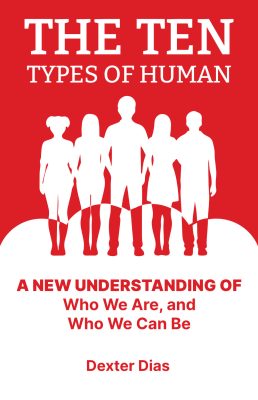
Imagine if you could break down the entire spectrum of human behavior into just ten categories. The Ten Types of Human: A New Understanding of Who We Are, and Who We Can Be by Dexter Dias does precisely that. It’s a provocative exploration into the diverse dimensions of humanity, revealing the underlying mechanisms that drive our actions. By examining ten distinct human archetypes, Dias offers a comprehensive and compelling look at what makes us who we are.
The book begins with a gripping tale of survival, highlighting the ‘Perceiver’ – a person who can see and understand the needs of others in dire situations. This sets the stage for a journey through various stories from different parts of the world, each illustrating a different human type. From the ‘Protector,’ who risks their life to save others, to the ‘Fighter,’ who stands up against oppression, Dias weaves a rich tapestry of narratives that are as enlightening as they are engaging.
Readers will learn about the psychological and social forces that shape our behavior, as Dias combines cutting-edge research with real-life stories. He delves into the evolutionary roots of these behaviors, explaining how ancient survival mechanisms manifest in modern contexts. Each chapter not only tells a story but also dissects it, offering insights into why people act the way they do and what this means for our understanding of humanity.
One of the most intriguing aspects of the book is its exploration of moral and ethical dilemmas. Dias doesn’t shy away from controversial issues, such as the motivations behind acts of extreme violence or the psychology of altruism. By presenting these topics through the lens of the ten human types, he encourages readers to question their assumptions and think deeply about their values and beliefs.
Ultimately, The Ten Types of Human is more than just a book about psychology or sociology. It’s a call to action, urging us to reflect on our behaviors and consider how we can harness our diverse human traits to create a better world. Dias’s narrative is both a mirror and a map, showing us who we are and guiding us toward who we can become.
The Ten Types of Human has made a significant impact on the fields of psychology and human rights. Its unique approach to categorizing human behavior has sparked discussions and debates among scholars and practitioners alike. Dias’s blend of storytelling and scientific analysis offers a fresh perspective that challenges traditional views of human nature.
The book has been recognized for its contribution to understanding complex social issues, receiving praise for its depth and accessibility. It has also been noted for its controversial take on certain human behaviors, prompting readers to reconsider their preconceived notions. By highlighting both the darker and more admirable sides of humanity, Dias provides a balanced and thought-provoking examination of what it means to be human.
Through awards and critical acclaim, The Ten Types of Human has established itself as a pivotal work in its genre. Its impact extends beyond academic circles, resonating with a wide audience and encouraging a broader conversation about human behavior and ethics. This book is a must-read for anyone seeking to gain a deeper understanding of the intricate and often contradictory nature of human beings.
The essence of The Ten Types of Human lies in its exploration of the diverse facets of human behavior and the underlying factors that drive these behaviors. At the core of the book is the idea that human actions can be understood through ten distinct archetypes. These archetypes encompass a range of behaviors, from altruism and empathy to aggression and self-preservation, each shaped by a combination of evolutionary instincts, social conditioning, and personal experiences.
One key topic is the concept of the ‘Protector,’ which illustrates our innate drive to safeguard others, especially in times of danger. This archetype is grounded in evolutionary psychology, suggesting that protecting members of our social group has historically increased our chances of survival. Dias uses compelling narratives to show how this protective instinct manifests in modern contexts, from parents shielding their children to activists defending vulnerable populations.
Another significant element is the ‘Perceiver,’ which focuses on individuals who possess a heightened awareness of the needs and emotions of others. This type is crucial in social dynamics, as perceivers often act as mediators and peacekeepers, using their sensitivity to navigate complex interpersonal relationships. The book highlights how perceivers can read subtle cues and respond with empathy, making them invaluable in both personal and professional settings.
The ‘Fighter’ archetype delves into the aspects of human nature that drive us to confront injustice and oppression. Fighters are characterized by their willingness to take risks and stand up against adversity, often at great personal cost. Dias explores the psychological and social roots of this behavior, emphasizing the role of fighters in effecting social change and challenging the status quo.
Dias also discusses the ‘Nurturer,’ focusing on the deep-seated instinct to care for and support others. This archetype is exemplified by caregivers who devote themselves to the well-being of their loved ones, often displaying extraordinary resilience and compassion. The nurturing behavior is linked to both biological imperatives and cultural norms, illustrating how this type has been essential for the survival and flourishing of human communities.
The book further explores the ‘Investigator,’ an archetype driven by curiosity and a desire to understand the world. Investigators are relentless in their pursuit of knowledge, often challenging existing paradigms and seeking new solutions to problems. Dias underscores the importance of this type in advancing human progress, as their discoveries and innovations can lead to significant societal benefits.
In The Ten Types of Human, Dexter Dias offers an engaging and enlightening exploration of the human psyche, breaking down the complexities of our behaviors into ten distinct archetypes. We appreciate how Dias uses a rich tapestry of real-world stories to illustrate each archetype, making the abstract concepts tangible and relatable. His approach allows us to see ourselves and those around us in new light, revealing the psychological and social dynamics that drive human actions.
Dias’s background in law and human rights adds a unique perspective, blending rigorous research with empathetic storytelling. The book is a testament to the power of narratives in understanding human nature, as Dias uses his legal expertise to tackle challenging issues such as genocide, modern slavery, and moral dilemmas. The book’s insights extend beyond mere theory, providing actionable ideas for personal growth and improved social interactions. This combination of storytelling and analysis keeps readers engaged while delivering a deep understanding of what motivates human behavior.
One of the strengths of The Ten Types of Human is its ability to speak to a diverse audience. It appeals to professionals in psychology and sociology, human rights advocates, and anyone curious about the forces shaping our actions. Dias writes in an accessible style, avoiding jargon and making complex theories understandable for those without a specialized background. This accessibility broadens the book’s appeal, allowing it to serve as both an educational resource and a tool for personal reflection and growth.
However, the book’s structure can be overwhelming at times, with a wealth of narratives and theoretical discussions that may be dense for some readers. There is also some repetition across chapters as similar themes recur in different archetypes. Despite these challenges, the depth of research and the engaging storytelling outweigh these drawbacks, offering a rewarding reading experience.
The Ten Types of Human encourages us to reflect on our own behaviors and consider how we can harness our diverse human traits to create a better world. The book’s exploration of moral and ethical dilemmas, particularly through the fighter and justice-oriented archetypes, prompts us to think critically about our values and the impact of our actions. This reflective quality is invaluable, as it fosters a deeper understanding of ourselves and the people around us.
Our Recommendation
We highly recommend The Ten Types of Human to anyone seeking a deeper understanding of human behavior and motivation. The book’s combination of storytelling and scientific inquiry offers a unique perspective that is both enlightening and engaging. It is particularly valuable for professionals in psychology, sociology, and human rights, but its insights are accessible enough to appeal to a general audience.
For those interested in personal growth, The Ten Types of Human provides practical tools for self-reflection and improvement. By understanding the ten archetypes, we can better navigate our own behaviors and interactions with others. Whether you are looking to enhance your professional skills or gain a better understanding of yourself and others, The Ten Types of Human is a must-read. It challenges us to look beyond the surface and explore the deeper motivations that shape our lives, offering a pathway to greater empathy and understanding in an increasingly complex world.
The essence of The Ten Types of Human lies in its exploration of the diverse facets of human behavior and the underlying factors that drive these behaviors. At the core of the book is the idea that human actions can be understood through ten distinct archetypes. These archetypes encompass a range of behaviors, from altruism and empathy to aggression and self-preservation, each shaped by a combination of evolutionary instincts, social conditioning, and personal experiences.
One key topic is the concept of the ‘Protector,’ which illustrates our innate drive to safeguard others, especially in times of danger. This archetype is grounded in evolutionary psychology, suggesting that protecting members of our social group has historically increased our chances of survival. Dias uses compelling narratives to show how this protective instinct manifests in modern contexts, from parents shielding their children to activists defending vulnerable populations.
Another significant element is the ‘Perceiver,’ which focuses on individuals who possess a heightened awareness of the needs and emotions of others. This type is crucial in social dynamics, as perceivers often act as mediators and peacekeepers, using their sensitivity to navigate complex interpersonal relationships. The book highlights how perceivers can read subtle cues and respond with empathy, making them invaluable in both personal and professional settings.
The ‘Fighter’ archetype delves into the aspects of human nature that drive us to confront injustice and oppression. Fighters are characterized by their willingness to take risks and stand up against adversity, often at great personal cost. Dias explores the psychological and social roots of this behavior, emphasizing the role of fighters in effecting social change and challenging the status quo.
Dias also discusses the ‘Nurturer,’ focusing on the deep-seated instinct to care for and support others. This archetype is exemplified by caregivers who devote themselves to the well-being of their loved ones, often displaying extraordinary resilience and compassion. The nurturing behavior is linked to both biological imperatives and cultural norms, illustrating how this type has been essential for the survival and flourishing of human communities.
The book further explores the ‘Investigator,’ an archetype driven by curiosity and a desire to understand the world. Investigators are relentless in their pursuit of knowledge, often challenging existing paradigms and seeking new solutions to problems. Dias underscores the importance of this type in advancing human progress, as their discoveries and innovations can lead to significant societal benefits.
The Protector:
Dias shares the story of a young woman in Syria who risked her life to rescue children from a bombed-out building. This example vividly illustrates the protective instinct, showing how extreme circumstances can bring out the most selfless and courageous aspects of human nature. Her actions are not just a response to immediate danger but are also shaped by her deep sense of responsibility and empathy for the vulnerable. This narrative highlights the powerful drive to protect others, even in the face of great personal risk.
The Perceiver:
An example of the perceiver archetype is a school counselor who identifies signs of distress in students that others overlook. Through their keen observational skills and empathy, the counselor can intervene early, providing support and preventing more serious issues from developing. Dias uses this case to demonstrate how perceivers play a crucial role in maintaining social harmony and well-being. This story emphasizes the importance of empathy and awareness in helping others and resolving conflicts.
The Fighter:
Dias tells the story of an environmental activist who took on a powerful corporation polluting a local river. Despite threats and legal battles, the activist’s determination and sense of justice prevailed, leading to significant environmental reforms. This narrative showcases the fighter’s tenacity and willingness to face significant challenges to uphold their principles and protect their community. It highlights the role of fighters in driving social change and challenging the status quo.
The Nurturer:
A powerful example of the nurturer archetype is a nurse who worked tirelessly during the Ebola outbreak in West Africa. The nurse’s dedication and compassion went beyond the call of duty, providing not just medical care but also emotional support to patients and their families. Dias highlights how the nurturer’s actions are driven by an intrinsic motivation to alleviate suffering and foster recovery, even in the most trying circumstances. This example underscores the importance of care and support in promoting well-being.
The Investigator:
Dias presents the story of a scientist who challenged established theories about climate change, leading to groundbreaking research that has since influenced global environmental policies. The investigator’s relentless curiosity and commitment to uncovering the truth exemplify how this archetype pushes the boundaries of knowledge and contributes to significant advancements in various fields. This story illustrates the investigator’s role in driving innovation and progress through a pursuit of knowledge and understanding.
The Survivor:
An example of the survivor archetype is a refugee who, after fleeing war and persecution, managed to build a new life in a foreign country. Despite facing numerous obstacles and challenges, the survivor’s resilience and adaptability enabled them to overcome adversity and find success. This narrative highlights the ability to withstand and endure difficult circumstances, demonstrating the strength and determination characteristic of survivors. It shows how resilience can lead to personal growth and transformation.
The Jester:
Dias describes a comedian who uses humor to address and critique social issues, challenging societal norms and prompting reflection. The jester’s ability to entertain while conveying important messages demonstrates the power of humor as a tool for social commentary and change. This example highlights the jester’s role in using wit and satire to provoke thought and spark discussions, illustrating how humor can be a force for challenging conventions and inspiring new perspectives.
The Pessimist:
An example of the pessimist archetype is an economist who accurately predicted an economic downturn based on careful analysis of warning signs that others ignored. While often dismissed as overly cautious, the pessimist’s perspective proved valuable in preparing for and mitigating the impacts of the crisis. This narrative shows how pessimists, by anticipating potential problems, can contribute to risk management and decision-making. It emphasizes the importance of considering worst-case scenarios in planning and preparation.
The Optimist:
Dias shares the story of an entrepreneur who, despite numerous setbacks and failures, remained hopeful and eventually succeeded in launching a successful business. The optimist’s positive outlook and belief in future possibilities drove them to persist in the face of adversity. This example highlights the role of optimism in motivating perseverance and encouraging innovation. It demonstrates how a positive mindset can lead to achieving goals and realizing dreams, even when faced with challenges.
The Humanitarian:
An example of the humanitarian archetype is an aid worker who dedicates their life to improving conditions in impoverished communities. Their commitment to social justice and equality drives them to work tirelessly for the betterment of others, often in difficult and dangerous environments. Dias uses this story to illustrate the humanitarian’s drive to make a meaningful impact and contribute to the greater good. This narrative emphasizes the importance of compassion and action in addressing societal issues and improving the lives of others.
Understanding and Leveraging the Protector Instinct
One of the key insights from The Ten Types of Human is the protector instinct that drives individuals to safeguard others, especially during crises. This instinct can be leveraged in various ways, both personally and professionally. For instance, in a workplace setting, recognizing and nurturing this trait can help create a supportive and resilient team culture. Managers can identify employees who naturally take on protective roles and assign them responsibilities that align with this inclination, such as team welfare or crisis management tasks. On a personal level, understanding this instinct can help individuals channel their protective energies more effectively, ensuring that they offer support without overstepping boundaries or becoming overbearing.
Enhancing Empathy Through the Perceiver Archetype
The perceiver archetype highlights the importance of empathy and emotional intelligence in social interactions. To apply this insight, individuals can practice active listening and mindfulness to better understand and respond to the needs and emotions of others. In professional environments, empathy can be fostered through training programs that emphasize these skills, improving communication and reducing conflicts. On a personal front, being a perceiver can help in strengthening relationships by making others feel understood and valued. Techniques such as reflective listening and maintaining an open body posture can further enhance empathetic interactions.
Harnessing the Fighter’s Tenacity for Social Change
Dias illustrates how the fighter archetype drives individuals to confront injustice and advocate for change. To harness this tenacity, individuals and organizations can engage in social activism or corporate social responsibility initiatives. Companies can support employees who are passionate about social issues by providing them with platforms and resources to advocate for change. On a personal level, individuals can become more active in community or social justice groups, using their determination to make a tangible impact. By setting clear, achievable goals and consistently working towards them, the fighter’s energy can be directed towards meaningful societal contributions.
Cultivating the Nurturer’s Compassion in Healthcare and Beyond
The nurturer archetype emphasizes the importance of care and support in fostering well-being. In healthcare settings, this insight can be applied by prioritizing patient-centered care, where the emotional and psychological needs of patients are given as much importance as their physical health. This approach can be extended to other sectors as well, such as education, where nurturing students’ emotional and intellectual growth is crucial. Individuals can apply this insight by volunteering for caregiving roles in their communities or simply being more attentive and supportive to those around them. Simple acts of kindness and a focus on building strong, supportive relationships can go a long way in nurturing others.
Encouraging Curiosity with the Investigator’s Mindset
The investigator archetype underscores the importance of curiosity and a relentless pursuit of knowledge. To apply this insight, organizations can foster a culture of innovation by encouraging employees to question the status quo and explore new ideas. Providing opportunities for continuous learning, such as workshops, courses, and conferences, can keep the investigative spirit alive. On an individual level, cultivating a habit of lifelong learning and curiosity can lead to personal and professional growth. Engaging in activities such as reading widely, taking up new hobbies, or exploring unfamiliar topics can help maintain an investigative mindset.
Fostering Altruism through Structured Opportunities
Dias’s exploration of altruistic behavior shows that people are often driven by a genuine desire to help others. To harness this altruism, organizations can create structured opportunities for volunteering and community service. Programs that allow employees to participate in charitable activities during work hours or match donations to causes they care about can significantly boost morale and foster a sense of purpose. On a personal level, individuals can commit to regular acts of kindness, whether through organized charity work or simple, everyday gestures. Being mindful of opportunities to help others and acting on them can create a positive ripple effect in one’s community.
Building Resilience with the Survivor Archetype
The survivor archetype focuses on the ability to withstand and overcome adversity. To build resilience, individuals and organizations can develop strategies to manage stress and recover from setbacks. This can include training programs that teach coping mechanisms, resilience workshops, and creating a supportive work environment that encourages open communication about challenges. On a personal level, building resilience can involve practices such as mindfulness, maintaining a strong support network, and setting realistic goals. Understanding that setbacks are a part of life and learning from them can help individuals emerge stronger and more adaptable.
Balancing Self-Interest and Community Welfare
Dias discusses the tension between self-interest and community welfare, emphasizing the importance of finding a balance. This insight can be applied in both personal and professional contexts by promoting a culture of mutual benefit. For example, organizations can implement policies that align individual incentives with collective goals, ensuring that personal success contributes to the overall well-being of the team or community. On a personal level, individuals can strive to balance their ambitions with acts that contribute to the greater good, such as mentoring others, participating in community projects, or supporting causes that benefit society at large.
Understanding the Role of Fear in Human Behavior
Fear is a powerful motivator that can influence a wide range of behaviors. By understanding the role of fear, individuals and organizations can develop strategies to manage and mitigate its effects. In the workplace, this can involve creating a safe and supportive environment where employees feel secure to take risks and express their ideas without fear of retribution. On a personal level, recognizing how fear affects decision-making can help individuals develop coping mechanisms, such as cognitive-behavioral techniques, to manage anxiety and stress. By confronting and understanding their fears, people can make more informed and rational decisions.
Promoting Justice with the Advocate Archetype
The advocate archetype represents those who fight for justice and equality. Organizations can harness this insight by promoting diversity and inclusion initiatives and creating policies that ensure fair treatment for all employees. This can include training programs on unconscious bias, establishing diversity committees, and providing support for underrepresented groups. On a personal level, individuals can become advocates for justice in their communities by standing up against discrimination and inequality. This can involve participating in local activism, educating oneself and others about social justice issues, and supporting policies and practices that promote fairness and equality.
Rich Storytelling
One of the primary strengths of The Ten Types of Human is its rich storytelling. Dexter Dias uses a wide range of real-life examples to illustrate each archetype, making the concepts relatable and engaging. These stories are not only compelling but also serve to humanize the psychological and sociological theories discussed. By weaving narratives from diverse cultures and contexts, Dias effectively demonstrates the universality of the ten human types. This storytelling approach helps to maintain the reader’s interest and makes complex ideas accessible and memorable.
In-Depth Research
The depth of research in The Ten Types of Human is another notable strength. Dias draws on a vast array of sources, including academic studies, psychological theories, and firsthand accounts. This comprehensive approach lends credibility to his arguments and provides a solid foundation for his exploration of human behavior. The meticulous research is evident in the detailed explanations and the diverse range of perspectives presented, ensuring that the book is both informative and authoritative. This thoroughness enhances the book’s value as a resource for understanding the complexities of human nature.
Clear and Engaging Writing Style
Dias’s writing style is both clear and engaging, making complex psychological and sociological concepts easy to understand. He avoids jargon and explains theories in straightforward language, which broadens the book’s appeal to a general audience. The mix of short and long sentences, combined with a casual and human tone, makes the text flow smoothly. This readability ensures that the book is not only informative but also enjoyable to read, making it accessible to readers with varying levels of familiarity with the subject matter.
Practical Applicability
The book’s practical applicability is another key strength. Dias doesn’t just explore theoretical concepts; he also provides tangible suggestions for applying these insights in everyday life. Whether it’s understanding the protector instinct to build supportive teams or fostering empathy through the perceiver archetype, readers can take actionable steps based on the book’s content. This practical focus makes the book relevant to a wide range of readers, from professionals looking to improve workplace dynamics to individuals seeking personal growth.
Broad Scope of Analysis
The broad scope of analysis in The Ten Types of Human allows for a comprehensive understanding of human behavior. Dias examines each archetype from multiple angles, including psychological, social, and evolutionary perspectives. This multidimensional approach ensures that the analysis is well-rounded and considers various factors influencing behavior. By addressing a wide array of human experiences and motivations, the book provides a holistic view of what drives us, which is valuable for both academic and personal insights.
Inspirational and Thought-Provoking
Lastly, the book is inspirational and thought-provoking, encouraging readers to reflect on their own behaviors and those of others. Dias’s exploration of moral and ethical dilemmas prompts readers to consider their values and the impact of their actions. This reflective quality inspires readers to think deeply about their role in society and how they can contribute to positive change. The book’s ability to provoke such introspection is a testament to its depth and the relevance of its insights.
Complexity in Structure
One of the weaknesses of The Ten Types of Human is the complexity in its structure. While the rich storytelling and in-depth analysis are strengths, they can also make the book feel dense and overwhelming at times. The multitude of narratives and theoretical discussions can be hard to follow, particularly for readers who are not accustomed to academic texts. This complexity might deter some readers from fully engaging with the content or lead to difficulties in retaining the information presented.
Repetition of Themes
Another critique is the repetition of themes throughout the book. While each archetype is distinct, there are overlaps in the underlying motivations and behaviors that can make some chapters feel redundant. For example, the nurturing and protective instincts share similarities that could have been streamlined to avoid redundancy. This repetition can slow down the pacing of the book and may cause readers to lose interest in the repetitive elements, despite the valuable insights they offer.
Lack of Counterarguments
The book occasionally falls short in presenting counterarguments to the theories and concepts discussed. While Dias’s perspectives are well-researched and compelling, offering alternative viewpoints or addressing potential criticisms could have strengthened the arguments. Including a more balanced discussion with counterpoints would have provided a more nuanced understanding and allowed readers to critically evaluate the concepts presented. This would have enriched the overall analysis and made the book more robust.
Limited Focus on Cultural Differences
Although the book includes examples from various cultures, there is a limited focus on how cultural differences specifically shape the ten human types. A deeper exploration of cultural variations and how they influence behavior could have added a valuable dimension to the analysis. Understanding the role of cultural context in shaping the archetypes would provide a more comprehensive view of human behavior, highlighting the diversity and complexity of human experiences across different societies. This limitation somewhat narrows the book’s scope, potentially missing out on important cultural nuances.
Simplification of Complex Behaviors
One potential blind spot in The Ten Types of Human is the simplification of complex human behaviors into distinct archetypes. While the categorization helps in understanding broad patterns, it risks oversimplifying the nuances of individual actions and motivations. Human behavior is influenced by a multitude of factors that may not fit neatly into ten types. Readers might misunderstand this framework as an exhaustive or rigid classification, overlooking the fluidity and intersectionality of human traits. Books like Thinking, Fast and Slow by Daniel Kahneman and Sapiens: A Brief History of Humankind by Yuval Noah Harari offer more detailed explorations into the complexity of human behavior, emphasizing the variability and contextual factors that Dias’s model might overlook.
Neglect of Socioeconomic Influences
Another blind spot is the limited attention given to socioeconomic influences on human behavior. While Dias touches on various social factors, the analysis does not fully address how economic conditions and social hierarchies shape the archetypes. For instance, the behaviors of the protector or nurturer may vary significantly in different economic contexts. By not delving deeply into these influences, the book might give readers an incomplete picture of the driving forces behind certain behaviors. The Spirit Level: Why Greater Equality Makes Societies Stronger by Richard Wilkinson and Kate Pickett delves into how socioeconomic disparities impact social behaviors and health, providing a more comprehensive view that complements and expands on Dias’s work.
Underrepresentation of Cultural Diversity
Dias’s book, while including some examples from various cultures, does not fully explore the vast cultural diversity and how it affects the ten types of human behavior. Cultural norms and values significantly shape behaviors, and a deeper exploration of these differences would have enriched the analysis. For instance, collectivist societies might exhibit different expressions of the protector and perceiver archetypes compared to individualist societies. The Geography of Thought: How Asians and Westerners Think Differently…and Why by Richard E. Nisbett offers an in-depth look at cultural cognitive differences, highlighting the importance of cultural context in understanding human behavior, which is somewhat underexplored in Dias’s framework.
Gender Dynamics
The book also overlooks the impact of gender dynamics on the ten human types. Gender roles and expectations can significantly influence behaviors such as nurturing, protecting, and fighting. By not addressing these dynamics, the book may miss critical insights into how gender influences the expression of these archetypes. Readers might misinterpret the behaviors as gender-neutral when, in reality, societal gender norms play a crucial role. Invisible Women: Data Bias in a World Designed for Men by Caroline Criado Perez highlights how gender biases permeate various aspects of life, providing a necessary lens to understand the gendered dimensions of human behavior, which Dias’s book does not adequately cover.
Static Archetype Perception
A potential misconception that might arise is viewing the ten human types as static traits rather than dynamic and situational behaviors. Dias categorizes behaviors into fixed types, which might lead readers to see these archetypes as unchanging parts of one’s personality. However, human behavior is often fluid and can change with circumstances and over time. Readers need to understand that these archetypes represent potential behaviors rather than fixed traits. Books like Mindset: The New Psychology of Success by Carol S. Dweck emphasize the importance of growth and change in human behavior, offering a counterpoint to the potentially static perception of archetypes in Dias’s book.
Overemphasis on Individual Agency
Lastly, The Ten Types of Human tends to emphasize individual agency without sufficiently acknowledging the structural and systemic factors that constrain or enable certain behaviors. This focus might lead readers to underestimate the role of systemic issues such as institutional racism, gender inequality, and economic barriers in shaping human behavior. Recognizing these structural factors is crucial for a holistic understanding of human actions. The New Jim Crow: Mass Incarceration in the Age of Colorblindness by Michelle Alexander provides a compelling examination of how systemic structures influence individual behavior, offering insights that can deepen the understanding of the contexts within which Dias’s archetypes operate.
Thinking, Fast and Slow by Daniel Kahneman
The Ten Types of Human and Thinking, Fast and Slow both explore the intricacies of human behavior, but they do so through different lenses. Dias categorizes behaviors into ten archetypes, each representing a fundamental aspect of humanity, while Kahneman delves into the dual-process theory of the mind, distinguishing between the fast, intuitive System 1 and the slow, deliberate System 2. While Dias uses storytelling to make psychological concepts accessible, Kahneman’s approach is more focused on cognitive psychology and decision-making processes. Kahneman’s work is deeply rooted in experimental psychology, offering insights into how biases and heuristics influence our decisions, whereas Dias provides a broader, more narrative-driven exploration of human behavior. Both books highlight the complexity of human nature but differ in their methodologies and focus areas, with Kahneman providing a more analytical perspective and Dias offering a holistic, narrative approach.
Sapiens: A Brief History of Humankind by Yuval Noah Harari
Harari’s Sapiens offers a sweeping history of humankind, exploring the development of human societies and the cognitive and agricultural revolutions that shaped our species. In contrast, The Ten Types of Human zeroes in on contemporary human behaviors through the lens of ten archetypes. Harari’s work is expansive, covering vast historical and cultural ground, while Dias’s book is more focused on individual and psychological aspects. Both authors share an interest in understanding what drives human behavior, but Harari’s macro-historical approach contrasts with Dias’s micro-psychological analysis. Harari provides a broad overview of human evolution and societal changes, while Dias delves into the psychological underpinnings of specific behaviors, making each book complementary in their exploration of humanity.
The Spirit Level: Why Greater Equality Makes Societies Stronger by Richard Wilkinson and Kate Pickett
Wilkinson and Pickett’s The Spirit Level examines the impact of socioeconomic inequality on societal well-being, arguing that more equal societies tend to be healthier and happier. The Ten Types of Human touches on social issues but primarily focuses on individual behaviors and archetypes. While Dias addresses psychological and evolutionary aspects of human behavior, Wilkinson and Pickett emphasize structural and systemic factors. Both books aim to enhance our understanding of human behavior, but from different vantage points—Dias from a psychological and narrative perspective, and Wilkinson and Pickett from a sociological and statistical viewpoint. The contrast highlights the importance of considering both individual and structural factors in understanding human behavior and societal outcomes.
Invisible Women: Data Bias in a World Designed for Men by Caroline Criado Perez
Criado Perez’s Invisible Women exposes the gender biases embedded in data and societal structures, arguing for the importance of gender-specific analysis in addressing inequality. The Ten Types of Human does not explicitly focus on gender, although gender dynamics implicitly influence the behaviors described. Criado Perez’s work provides a critical lens on how systemic biases affect half the population, a perspective that could complement Dias’s archetypes by highlighting how these behaviors might be differently experienced and expressed by men and women. Both books advocate for a deeper understanding of human behavior, with Criado Perez focusing on the need for gender-aware approaches and Dias on the psychological and evolutionary roots of behavior. The comparison underscores the value of integrating gender analysis into broader explorations of human nature.
Step 1: Recognize and Identify Your Archetypes
Step 2: Enhance Empathy and Understanding
Step 3: Leverage Your Strengths
Step 4: Develop Areas of Growth
Step 5: Apply Archetypes in Professional Settings
Step 6: Foster a Culture of Empathy and Support
Step 7: Commit to Continuous Learning
Step 8: Balance Personal and Professional Growth
Enhance Team Dynamics
One of the key applications of The Ten Types of Human in a business context is enhancing team dynamics by leveraging the strengths of different archetypes. Understanding the diverse behavioral types can help managers assign roles and responsibilities that align with each employee’s natural inclinations. For instance, protectors can be given roles in safety and compliance, nurturers in HR and team support, and investigators in research and development.
The challenge in implementing this strategy lies in accurately identifying the archetypes of team members and avoiding stereotyping. There is a risk of pigeonholing employees into roles based on perceived archetypes rather than actual strengths and interests. Additionally, employees might resist such categorizations if they feel constrained or misunderstood.
To overcome these challenges, businesses can use a combination of self-assessment tools and peer feedback to gain a more accurate understanding of each employee’s strengths. Regular training sessions and workshops can help employees and managers recognize and appreciate the diversity of archetypes without feeling limited by them. Creating an open dialogue about these roles can also ensure that employees feel valued and understood rather than constrained.
Improve Conflict Resolution
The Ten Types of Human can be instrumental in improving conflict resolution within organizations. By understanding the motivations and behaviors associated with different archetypes, managers can tailor their conflict resolution strategies to address underlying issues more effectively. For example, understanding the perceiver’s need for empathy can help mediate conflicts involving sensitive emotional issues.
A significant obstacle is the deeply ingrained nature of workplace conflicts, which often involve complex interpersonal dynamics and long-standing issues. Employees might be skeptical of new approaches or unwilling to engage in open discussions about their behaviors and motivations. Additionally, managers may lack the training to apply these concepts effectively.
To address these challenges, organizations can implement comprehensive training programs for managers and employees on conflict resolution techniques that incorporate the insights from Dias’s book. Establishing a neutral, confidential mediation process can also encourage employees to voice their concerns without fear of retribution. Regular team-building activities can help build trust and open communication, making it easier to address conflicts constructively.
Foster Innovation and Creativity
The archetypes identified in The Ten Types of Human can also be used to foster innovation and creativity within organizations. By recognizing and nurturing the investigator archetype, businesses can create an environment that encourages curiosity and the pursuit of new ideas. Encouraging a culture where questioning the status quo is valued can lead to significant advancements and innovative solutions.
However, fostering such a culture can be challenging, especially in organizations with rigid hierarchies or risk-averse mindsets. Employees might fear repercussions for proposing unconventional ideas, and management might struggle to balance innovation with operational stability. Additionally, fostering creativity requires a sustained effort and commitment from all levels of the organization.
To overcome these obstacles, businesses can establish innovation labs or think tanks where employees are encouraged to explore new ideas without the constraints of their daily roles. Implementing a reward system for creative contributions and ensuring that failure is seen as a learning opportunity rather than a setback can also help. Leadership must model and support this innovative mindset, demonstrating a commitment to fostering a culture of creativity and exploration.
Enhance Employee Well-Being and Retention
Understanding the nurturing and protective archetypes can significantly enhance employee well-being and retention. By creating a supportive and empathetic workplace environment, businesses can reduce stress, increase job satisfaction, and foster loyalty among employees. This approach can involve implementing wellness programs, providing mental health support, and creating policies that prioritize work-life balance.
The challenge here is that many organizations are often focused on productivity and profitability, sometimes at the expense of employee well-being. There might be resistance from upper management to invest in programs that do not have immediate, tangible returns. Additionally, implementing such programs requires a shift in organizational culture, which can be difficult and time-consuming.
To address these challenges, businesses can start by demonstrating the link between employee well-being and productivity through data and case studies. Small, incremental changes can be introduced to gradually build a culture of support and empathy. Involving employees in the design and implementation of wellness programs can also ensure that these initiatives meet their actual needs and preferences, increasing their effectiveness and acceptance.
Develop Leadership Skills
Dias’s insights can be leveraged to develop leadership skills within the organization. By understanding the different archetypes, leaders can adopt a more empathetic and inclusive approach, tailoring their management style to suit the diverse needs of their team members. This personalized approach can improve team morale and productivity, fostering a more cohesive and motivated workforce.
The main challenge in implementing this strategy is that leaders might be set in their ways and resistant to changing their management style. There might also be a lack of understanding or awareness of the benefits of such an approach. Additionally, developing these skills requires time and continuous effort, which can be difficult to prioritize in a busy work environment.
To overcome these obstacles, businesses can invest in leadership development programs that focus on emotional intelligence and inclusive management practices. Providing ongoing coaching and mentoring can help leaders gradually adapt to this new approach. Encouraging feedback from team members can also help leaders understand the impact of their management style and make necessary adjustments to better support their teams.
Increasing Focus on Emotional Intelligence
As businesses recognize the importance of soft skills, emotional intelligence (EQ) is becoming a critical component of effective leadership and teamwork. The Ten Types of Human fits perfectly into this trend by providing insights into different human archetypes and their emotional drivers. Understanding these archetypes can enhance EQ by helping individuals and managers empathize with and respond to others’ needs more effectively. This trend is likely to continue, with organizations increasingly valuing and training for emotional intelligence alongside technical skills.
Personalized Work Environments
The future of work is leaning towards personalization, where work environments are tailored to individual strengths and preferences. Dias’s archetypes offer a framework for identifying and leveraging these strengths. As companies move towards more flexible and adaptive workplaces, understanding and applying these archetypes can help create roles and tasks that maximize employee engagement and productivity. This approach aligns with the growing trend of customizing work experiences to fit individual profiles, fostering a more motivated and satisfied workforce.
Diversity and Inclusion Initiatives
Diversity and inclusion are at the forefront of many organizational agendas. The Ten Types of Human provides a valuable tool for understanding and appreciating the diverse behaviors and motivations within a team. By recognizing the unique contributions of each archetype, businesses can create more inclusive environments that value different perspectives. This trend will likely expand as companies strive to build workplaces that are not only diverse but also inclusive and equitable. Dias’s insights can play a crucial role in supporting these efforts.
Mental Health Awareness
There is a growing awareness of the importance of mental health in the workplace. The Ten Types of Human highlights the psychological aspects of human behavior, providing a deeper understanding of how to support mental well-being. Businesses can use this knowledge to create supportive environments that address the mental health needs of their employees. This trend is expected to grow as organizations recognize that employee well-being is directly linked to productivity and success. Implementing strategies that align with Dias’s archetypes can enhance mental health initiatives.
Ethical Leadership
Ethical leadership is becoming increasingly important as businesses navigate complex social and ethical issues. The Ten Types of Human encourages a deeper understanding of the motivations behind actions, which can help leaders make more ethical decisions. By fostering empathy and justice-oriented behaviors, leaders can build trust and integrity within their organizations. This trend will likely gain momentum as stakeholders demand greater accountability and ethical conduct from businesses. Dias’s framework can provide a guide for developing ethical leadership practices.
The Ten Types of Human has the potential to significantly influence how we understand and categorize human behavior. By providing a comprehensive framework of ten archetypes, Dias offers a tool for both laypeople and professionals to better grasp the complexities of human actions and motivations. This framework could be particularly useful in fields such as psychology, sociology, and human resources, where understanding diverse behaviors is crucial. If widely adopted, Dias’s model could inform the development of training programs, therapeutic approaches, and organizational strategies that are tailored to different behavioral types.
The book’s emphasis on storytelling and real-life examples makes its insights accessible to a broad audience, potentially fostering greater empathy and understanding among readers. This could lead to a more nuanced view of human behavior in everyday interactions, promoting tolerance and cooperation. Additionally, by highlighting the evolutionary and psychological underpinnings of behaviors, Dias’s work encourages a holistic view of humanity that acknowledges both our strengths and vulnerabilities.
In the wider societal context, The Ten Types of Human could contribute to discussions on moral and ethical behavior, particularly in the realms of social justice and human rights. Dias’s exploration of altruism, empathy, and justice resonates with ongoing debates about how to create fairer and more compassionate societies. The book’s insights could be applied to policy-making, education, and community initiatives aimed at fostering social cohesion and addressing systemic inequalities.
Looking ahead, The Ten Types of Human may inspire further research and exploration into the archetypes it describes. Scholars and practitioners might build on Dias’s framework, refining and expanding it to incorporate additional dimensions such as cultural, gender, and socioeconomic factors. As our understanding of human behavior continues to evolve, the book’s influence could extend into new areas of inquiry, enriching the field and offering new perspectives on what it means to be human.
Thinking, Fast and Slow by Daniel Kahneman
Thinking, Fast and Slow by Daniel Kahneman is a seminal work that delves into the dual processes of human thinking: the fast, intuitive System 1 and the slow, deliberate System 2. This book complements The Ten Types of Human by providing a deeper understanding of the cognitive processes that underlie the behaviors and archetypes Dias describes. Kahneman’s insights into decision-making and cognitive biases offer a valuable perspective on the automatic and reflective thought processes that drive human actions, enriching the reader’s grasp of the psychological mechanisms at play.
Sapiens: A Brief History of Humankind by Yuval Noah Harari
Yuval Noah Harari’s Sapiens: A Brief History of Humankind provides a comprehensive overview of human evolution and the development of societies. It complements Dias’s work by situating the ten human types within the broader context of human history. Harari’s exploration of cognitive, agricultural, and scientific revolutions offers a macro perspective that enhances the understanding of how these archetypes have evolved and adapted over time, providing a richer context for the behavioral insights presented by Dias.
Emotional Intelligence: Why It Can Matter More Than IQ by Daniel Goleman
Emotional Intelligence by Daniel Goleman is a foundational text that explores the importance of emotional intelligence (EQ) in personal and professional success. This book is a perfect complement to The Ten Types of Human, as it delves into the emotional and social competencies that underpin many of the behaviors Dias describes. Goleman’s work emphasizes the practical applications of EQ, offering strategies for developing self-awareness, self-regulation, empathy, and social skills that align with the archetypes of perceivers, nurturers, and protectors.
The Righteous Mind: Why Good People Are Divided by Politics and Religion by Jonathan Haidt
Jonathan Haidt’s The Righteous Mind examines the moral foundations that shape human behavior, particularly in the context of politics and religion. This book complements The Ten Types of Human by providing a deeper understanding of the moral psychology behind the fighter and justice-oriented archetypes. Haidt’s exploration of why people hold different moral views offers valuable insights into the ethical dimensions of human behavior, enhancing the reader’s ability to navigate moral and ethical dilemmas in both personal and professional settings.
Influence: The Psychology of Persuasion by Robert B. Cialdini
Influence by Robert B. Cialdini explores the principles of persuasion and how they shape human behavior. This book is a valuable complement to The Ten Types of Human, as it provides practical insights into the social and psychological mechanisms that influence decision-making and behavior. Cialdini’s principles of reciprocity, commitment, social proof, authority, liking, and scarcity offer additional tools for understanding and applying the archetypes identified by Dias, particularly in the context of leadership, marketing, and organizational behavior.
The Power of Habit: Why We Do What We Do in Life and Business by Charles Duhigg
The Power of Habit by Charles Duhigg explores the science of habit formation and its impact on behavior. This book complements The Ten Types of Human by providing a framework for understanding how habits influence the archetypes described by Dias. Duhigg’s insights into the habit loop of cue, routine, and reward offer practical strategies for modifying behaviors and developing positive habits that align with the strengths of different human types, making it a valuable resource for personal and professional growth.
Drive: The Surprising Truth About What Motivates Us by Daniel H. Pink
Drive by Daniel H. Pink examines the intrinsic and extrinsic motivations that drive human behavior. This book is a useful complement to The Ten Types of Human, as it delves into the motivational aspects of the archetypes Dias describes. Pink’s exploration of autonomy, mastery, and purpose provides a framework for understanding what motivates protectors, nurturers, fighters, and other archetypes, offering practical insights for enhancing motivation and engagement in personal and professional contexts.
Quiet: The Power of Introverts in a World That Can’t Stop Talking by Susan Cain
Quiet by Susan Cain explores the strengths and contributions of introverts, challenging the societal preference for extroversion. This book complements The Ten Types of Human by highlighting how introverted archetypes, such as perceivers and investigators, can be leveraged for their unique strengths. Cain’s work provides a valuable perspective on the diversity of human behavior and the importance of creating environments that support and celebrate different personality types, enriching the understanding of how to apply Dias’s insights in various settings.
APA (American Psychological Association) – www.apa.org
The American Psychological Association (APA) website offers a wealth of resources on psychological topics, including articles, research papers, and guidelines on understanding human behavior. It is a valuable resource for those looking to deepen their knowledge of the psychological underpinnings of the archetypes discussed in The Ten Types of Human. The site also provides information on current trends and advancements in psychology, making it a useful tool for both professionals and enthusiasts.
Coursera – www.coursera.org
Coursera offers a variety of online courses from top universities and institutions that cover topics related to human behavior, psychology, and emotional intelligence. Courses like “Introduction to Psychology” and “The Science of Well-Being” provide in-depth knowledge that complements the insights from The Ten Types of Human. These courses offer flexible learning options and are designed for individuals at all levels of familiarity with the subject matter.
Society for Personality and Social Psychology (SPSP) Annual Convention
The SPSP Annual Convention is one of the largest gatherings of social and personality psychologists. It offers presentations, workshops, and networking opportunities that focus on the latest research and developments in understanding human behavior. Attending this convention can provide valuable insights and professional connections that align with the themes explored in The Ten Types of Human.
World Congress of Behavioral and Cognitive Therapies
This global conference brings together leading experts in behavioral and cognitive therapies to discuss advancements and practical applications in the field. It is an excellent opportunity for professionals to learn about the latest research and techniques for understanding and influencing human behavior. The conference aligns well with the practical applications of the archetypes discussed in Dias’s book.
American Psychological Association (APA)
The APA is a leading organization for psychology professionals, providing resources, publications, and networking opportunities. Membership offers access to cutting-edge research, professional development, and a community of like-minded individuals focused on understanding and improving human behavior. The APA’s resources can enhance the application of the insights from The Ten Types of Human in both professional and personal contexts.
Society for Human Resource Management (SHRM)
SHRM is a global HR professional organization that provides resources, certifications, and networking opportunities for HR practitioners. The organization’s focus on workplace behavior, leadership, and organizational development complements the themes of The Ten Types of Human. SHRM offers tools and knowledge that can help implement Dias’s insights in a business setting, particularly in managing diverse teams and enhancing workplace dynamics.
The Hidden Brain – NPR
The Hidden Brain podcast, hosted by Shankar Vedantam, explores the unconscious patterns that drive human behavior. It provides stories and research that align with the themes of The Ten Types of Human, offering deeper insights into the psychological and social forces that shape our actions. The podcast is accessible and engaging, making it a valuable resource for further exploration of human behavior.
The Psychology Podcast
Hosted by Dr. Scott Barry Kaufman, The Psychology Podcast features interviews with leading psychologists and researchers who discuss their latest findings and insights into human behavior. The topics covered often intersect with the themes of The Ten Types of Human, providing listeners with a deeper understanding of the psychological principles behind the archetypes.
Yale University’s “The Science of Well-Being” – Coursera
This popular online course, taught by Professor Laurie Santos, delves into the science of happiness and well-being. It covers psychological principles and practical strategies for improving mental health and well-being, complementing the insights from The Ten Types of Human. The course is free to audit and provides a comprehensive understanding of the factors that contribute to a fulfilling life.
Harvard University’s “Introduction to Psychology” – edX
This course offers a broad overview of the fundamental principles of psychology, covering topics such as behavior, cognition, and emotion. It provides a solid foundation for understanding the psychological theories discussed in The Ten Types of Human. The course is taught by Harvard faculty and is accessible online, making it a convenient option for deepening one’s knowledge.
The Social Dilemma (2020)
The Social Dilemma is a documentary that explores the impact of social media on human behavior and society. It highlights the psychological techniques used by technology companies to influence and manipulate behavior, providing a real-world context to the insights from The Ten Types of Human. The film is available on Netflix and is a compelling watch for anyone interested in the intersection of technology and psychology.
Inside Out (2015)
Inside Out is an animated film by Pixar that offers a creative and insightful look at the emotions that drive human behavior. While it is designed for a younger audience, the film’s portrayal of emotional complexity resonates with the themes of The Ten Types of Human. It serves as an engaging and accessible way to understand the importance of emotions in shaping our actions and decisions.