Reviews
“Incredibly practical guidance and tips from John Lees. While grounded in today’s market context, the advice is timeless.” — Peter Yarrow, Global Head of Learning, abrdn
“These days it’s easy to find a job but it’s much harder to find a job you love. Packed with practical exercises this timely book will help you choose wisely whether you’re starting out or starting over again.” — Jacqueline Davies, NHS Director of Leadership, Talent & Lifelong Learning (MD The NHS Leadership Academy)
“I am delighted to recommend this latest edition. I have used John’s advice myself over the years and find it a wonderful source of guidance and direction. Work is such a fundamental part of our day to day wellbeing, ensuring you are doing something you truly enjoy and flourish at is one of the best investments you can make in your career. I would also recommend it to any HR professionals or Executive Coaches to aid your work in supporting career management. This edition is packed with helpful exercises and wise advice. John’s approach is a very practical and pragmatic one, helping you unlock your potential and adopt changes that will help you in a complex and often challenging employment market – throughout the various stages of your career.” — Gordon McFarland, Global Head of HR and Executive Coach—International Law Firm
“John brings a clarity and practical focus to helping people engage with their own career development. His choice of language and activities makes the text accessible and motivating. It really is a go-to resource for anyone who wants to invest in their own career or looking to secure a new role.” — Rosemary McLean, Director, The Career Innovation Company
“John Lees’ latest edition of How to Get a Job You Love does not disappoint and is packed full of practical and effective strategies to land that job. There is excellent new material on, amongst other things, networking, social media and telling your story. John Lees is a recognized authority on job hunting, and I can recommend this outstanding new edition to anyone wanting to boost their chances of getting a job, or for professionals assisting others in this important task.” — Dr Jim Bright, Organisational Psychologist, Director of Research and Impact, Become Education, author of How to write a Brilliant CV
“I frequently recommend job seekers or those at a career crossroads to read How to Get a Job You Love as it offers practical and easily accessible advice from someone with vast experience in the area.” — Joëlle Warren MBE, DL, Executive Chair & Founding Partner, Warren Partners
“John Lees’ advice on careers is always useful and interesting and often surprising and even fascinating. From getting ahead to changing your career completely, this book is great guide to navigating the treacherous waters of the modern workplace.” — Rhymer Rigby, FT journalist and author of 28 Business Thinkers Who Changed The World
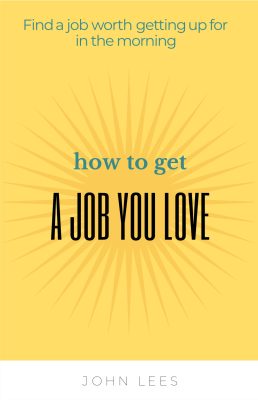
In this essential guide, the author provides a comprehensive roadmap for finding and securing a job that not only matches your skills and interests but also brings fulfillment and joy. This book goes beyond traditional job-hunting advice by delving into the psychological and practical aspects of career satisfaction. The central theme is to align your career with your personal values and passions, offering actionable strategies to help readers navigate the complexities of the job market, overcome obstacles, and ultimately find a job that makes them eager to start their day. What makes this book unique is its holistic approach, combining expert career advice with personal development insights to help readers not just get a job but get the job they love.
This book is ideal for anyone who feels unfulfilled in their current job and is searching for more meaningful work. It is particularly useful for mid-career professionals looking to make a significant career change and recent graduates entering the job market for the first time. Secondary audiences include career coaches, HR professionals, and anyone interested in personal development. The book’s language is accessible and straightforward, making complex concepts easy to understand for readers of all backgrounds and experience levels.
Have you ever wondered if it’s possible to not just work, but to enjoy every moment you spend at your job?
Imagine waking up every morning with a sense of excitement and purpose, eager to start your day because you genuinely love what you do. This vision is at the heart of How To Get A Job You Love by John Lees. The book offers a detailed guide for anyone who feels stuck in their current job and is yearning for something more fulfilling. Lees combines practical advice with psychological insights to help readers discover their true passions and align them with their career choices.
One of the book’s strengths is its practical approach to job hunting. Lees begins by encouraging readers to undertake a deep self-assessment, asking them to evaluate their skills, interests, and values. He provides tools and exercises to help readers pinpoint what truly motivates them. The book then shifts to more tactical advice, such as networking strategies, crafting a compelling resume, and acing job interviews. Lees emphasizes the importance of personal branding and how to effectively communicate one’s unique value to potential employers.
The author also addresses common obstacles that job seekers face, such as fear of change, self-doubt, and external pressures. He offers strategies to overcome these hurdles, drawing on examples from his extensive career coaching experience. For instance, Lees shares stories of individuals who successfully transitioned to careers they love, illustrating that it is possible to find work that is both meaningful and rewarding. He provides readers with actionable steps to create a career plan that aligns with their long-term goals.
In addition to practical advice, How To Get A Job You Love offers insights into the changing job market. Lees discusses trends such as the gig economy, remote work, and the increasing importance of soft skills. He advises readers on how to stay adaptable and continuously update their skills to remain competitive. The book underscores the importance of lifelong learning and staying curious, suggesting ways to seek out new opportunities for growth and development.
Readers will learn how to identify and leverage their strengths, build a network of supportive contacts, and create a job search strategy tailored to their unique needs. Lees provides guidance on negotiating job offers, ensuring that readers not only find a job they love but also secure a position that offers fair compensation and opportunities for advancement. By the end of the book, readers will have a clear roadmap to finding a job that aligns with their passions and brings them joy.
The core message of How To Get A Job You Love is that finding fulfilling work requires a blend of self-awareness, strategic planning, and proactive effort. Lees uses the metaphor of a treasure hunt to illustrate this journey. Just as a treasure hunt involves searching, deciphering clues, and sometimes changing direction, so does the quest for a satisfying career. He argues that the key to career happiness lies in understanding one’s core values and passions, and then actively seeking out roles that align with them.
Lees emphasizes that job satisfaction isn’t just about finding any job, but finding the right job. He encourages readers to look beyond traditional career paths and consider what genuinely excites them. Whether it’s a passion for helping others, a love for creativity, or a desire for financial independence, Lees believes that identifying these core motivations is crucial. He provides practical steps to help readers explore different career options and make informed decisions about their future.
How To Get A Job You Love has made a significant impact in the field of career development. It has been widely praised for its comprehensive approach and practical advice. The book’s emphasis on aligning one’s career with personal values and passions has resonated with many readers, offering a refreshing perspective in a market often focused solely on job acquisition. Lees’ blend of psychological insights and actionable strategies sets this book apart from other career guides.
The book has sparked conversations about the importance of job satisfaction and the role of personal fulfillment in career success. Lees’ approach challenges the conventional wisdom that a job is merely a means to an end, instead advocating for careers that offer intrinsic rewards. This perspective has been both celebrated and debated, highlighting the book’s influence and the relevance of its message in today’s job market.
In recognition of its contribution to the field, How To Get A Job You Love has received numerous accolades and positive reviews from career experts and readers alike. Its practical, user-friendly advice has helped countless individuals navigate their career transitions and find jobs that bring them joy and satisfaction. The book continues to be a valuable resource for anyone seeking to enhance their career and improve their quality of life.
How To Get A Job You Love by John Lees is an insightful and practical guide for anyone looking to find not just any job, but a job that truly aligns with their values and passions. Lees brings decades of career coaching experience to the table, offering a comprehensive roadmap that combines self-assessment, personal branding, and strategic job search techniques. His holistic approach integrates psychological insights with actionable advice, making the book both engaging and immensely useful.
We appreciate Lees’ emphasis on understanding one’s core values and interests. His tools and exercises for self-discovery are particularly valuable, as they help readers gain a deeper understanding of what drives them. This introspective process is crucial for making informed career choices that lead to long-term satisfaction. Lees’ advice on personal branding and networking is also strong, providing readers with practical strategies to stand out in a competitive job market. His detailed job search techniques cover every stage of the process, ensuring that readers are well-prepared to navigate the complexities of finding a fulfilling job.
One of the book’s standout features is its adaptability to the changing job market. Lees addresses current trends such as the gig economy and remote work, encouraging readers to stay flexible and continuously update their skills. This focus on adaptability is essential in today’s rapidly evolving work environment. Additionally, Lees’ engaging writing style makes complex concepts easy to understand, which enhances the overall reading experience.
However, we note some areas where the book could improve. There are moments when additional empirical evidence would strengthen Lees’ arguments, and a more balanced emphasis on networking alongside other job search strategies would be beneficial. The book also occasionally offers advice that feels generic, and the sheer volume of information can be overwhelming for new job seekers. Addressing these areas would make the book even more robust and comprehensive.
Our Recommendation
We highly recommend How To Get A Job You Love to anyone who feels unfulfilled in their current job and is searching for something more meaningful. The book’s practical advice and psychological insights make it a valuable resource for mid-career professionals considering a change, recent graduates entering the job market, and even career coaches looking to enhance their practices. Lees’ holistic approach ensures that readers not only find a job but find a job that brings them joy and satisfaction.
If you are willing to invest the time in self-reflection and are open to new strategies, this book will provide you with the tools you need to navigate your career journey successfully. Whether you are seeking to transition into a new field, enhance your current role, or explore alternative career paths, How To Get A Job You Love offers a wealth of insights and actionable steps to help you achieve your goals. By following Lees’ guidance, you can create a career that aligns with your passions and values, leading to a more fulfilling professional life.
At the heart of How To Get A Job You Love by John Lees is the belief that finding a fulfilling career involves a combination of self-discovery, strategic planning, and proactive job searching. The book’s key topics revolve around these central pillars.
One critical element is self-assessment. Lees emphasizes the importance of understanding your values, passions, and skills. He provides various tools and exercises to help readers reflect on what truly motivates them. This process involves not just thinking about what you are good at, but also what activities bring you joy and satisfaction. By identifying your core values and interests, you can start to see which career paths might align with your authentic self.
Another essential topic is personal branding. Lees stresses that in today’s competitive job market, it’s crucial to differentiate yourself from other candidates. This involves crafting a compelling personal narrative that highlights your unique strengths and experiences. Personal branding isn’t just about creating a standout resume—it’s about consistently presenting yourself in a way that aligns with the type of job you want. This includes everything from your social media presence to how you network and interview.
Networking is another key concept. Lees underscores the power of building and nurturing professional relationships. He provides practical advice on how to expand your network and leverage connections to uncover job opportunities. Networking isn’t just about attending events or reaching out on LinkedIn; it’s about forming genuine connections and providing value to others. Lees explains how these relationships can often lead to job opportunities that are not advertised publicly.
The book also covers job search strategies in detail. Lees guides readers through the entire job search process, from identifying potential employers to crafting tailored applications. He highlights the importance of being proactive and persistent, suggesting methods to stay organized and motivated. Lees also advises on how to handle rejections and setbacks, encouraging readers to view these experiences as opportunities to learn and improve.
Lees addresses the importance of adaptability in today’s ever-changing job market. He discusses how trends like the gig economy, remote work, and technological advancements are reshaping the landscape of work. He encourages readers to stay flexible and open to new opportunities, continuously updating their skills to stay relevant. This adaptability is not just about surviving in the job market, but thriving and finding new avenues for growth and satisfaction.
Discovering Core Values and Interests
Lees shares the story of Sarah, a mid-career professional who felt unfulfilled in her corporate job. Through a series of self-assessment exercises, Sarah realized that her true passion lay in environmental sustainability. This revelation led her to pursue a career in a nonprofit organization focused on conservation. By aligning her career with her core values, Sarah found renewed energy and satisfaction in her work.
Personal Branding in Action
Lees illustrates the power of personal branding with the example of David, a software engineer looking to transition into a product management role. David rebranded himself by highlighting his problem-solving skills and leadership experiences on his resume and LinkedIn profile. He also started a blog where he shared insights on product development, positioning himself as a thought leader in the field. This consistent and strategic approach helped David land his dream job.
The Impact of Networking
Lees recounts the experience of Tom, a recent graduate struggling to find a job in marketing. By actively attending industry events, joining professional groups, and reaching out to alumni from his university, Tom built a robust network of contacts. One of these connections eventually led to a referral for a marketing position at a top firm. This example highlights how networking can open doors and provide opportunities that might not be accessible through traditional job search methods.
Navigating Job Search Challenges
Lees describes how Maria, an experienced nurse, faced numerous rejections while trying to transition into a healthcare administration role. Instead of giving up, Maria used each rejection as a learning opportunity to refine her applications and interview techniques. She also sought feedback from industry professionals to improve her approach. Eventually, her persistence paid off, and she secured a role that not only utilized her nursing background but also fulfilled her administrative ambitions.
Adapting to Market Changes
Lees shares the story of James, a freelance graphic designer who saw a decline in traditional graphic design work due to increasing automation. Instead of resisting the change, James took courses in digital marketing and user experience design. This adaptability allowed him to expand his service offerings and tap into new market demands, ultimately leading to a thriving freelance career. This example underscores the importance of staying adaptable and continuously learning in a rapidly evolving job market.
Understand Your Core Values and Interests
One of the key insights from the book is the importance of understanding your core values and interests. Lees suggests that knowing what drives you and what you enjoy doing is crucial to finding a fulfilling career. He recommends exercises such as journaling about past job experiences, identifying common themes in your interests, and taking personality assessments. By understanding your core values, you can focus your job search on roles that will bring you satisfaction and joy. For example, if you value creativity, look for jobs that allow you to innovate and express yourself.
Build a Personal Brand
Lees emphasizes the importance of personal branding in today’s job market. Building a strong personal brand involves highlighting your unique strengths and experiences in a way that differentiates you from other candidates. Lees suggests creating a compelling LinkedIn profile, crafting a personal website, and consistently sharing insights and achievements on social media. For example, if you are an aspiring project manager, share case studies of successful projects you’ve managed and write articles about project management best practices. This visibility helps potential employers see your value and expertise.
Network Strategically
Networking is a powerful tool for finding job opportunities, and Lees provides concrete strategies for doing it effectively. He advises attending industry events, joining professional associations, and reaching out to alumni networks. Networking should not be seen as a one-time activity but as an ongoing process of building relationships. Lees suggests setting a goal to connect with a certain number of new people each month and following up with them regularly. For instance, after meeting someone at a conference, send a personalized LinkedIn request and schedule a coffee chat to learn more about their work.
Craft Tailored Applications
Lees stresses the importance of tailoring your job applications to each role you apply for. This means customizing your resume and cover letter to highlight the skills and experiences most relevant to the job description. Lees recommends using keywords from the job posting to ensure your application passes through applicant tracking systems. For example, if a job posting emphasizes leadership and project management, ensure these skills are prominently featured in your resume and cover letter. This targeted approach increases your chances of standing out to hiring managers.
Stay Resilient and Adaptable
Job searching can be challenging, and Lees highlights the importance of resilience and adaptability. He encourages readers to view setbacks as learning opportunities and to remain flexible in their job search approach. For instance, if you are not getting responses to your applications, consider revising your resume, improving your interview skills, or expanding your search to different industries. Staying adaptable also means being open to new roles or industries that you may not have previously considered but that align with your skills and interests.
Utilize Informational Interviews
Lees advocates for the use of informational interviews as a tool to explore career options and build professional relationships. Informational interviews involve reaching out to individuals in roles or industries you are interested in and asking for a brief meeting to learn more about their work. Lees suggests preparing thoughtful questions and using these meetings to gather insights and advice. For example, if you are considering a career in digital marketing, request informational interviews with professionals in the field to understand the skills required and the challenges they face.
Develop a Job Search Plan
A structured job search plan can significantly increase your efficiency and effectiveness in finding a job you love. Lees recommends setting specific goals, such as applying to a certain number of jobs each week, networking with a set number of new contacts, and dedicating time each day to job search activities. Keeping a job search journal to track your progress and reflect on what’s working and what’s not can also be beneficial. This systematic approach helps keep you organized and motivated throughout your job search.
Leverage Online Job Boards and Social Media
Lees highlights the importance of using online job boards and social media to uncover job opportunities. He advises regularly checking job boards specific to your industry and setting up job alerts to stay informed about new postings. Additionally, social media platforms like LinkedIn can be powerful tools for job searching. Lees suggests engaging with industry-related content, participating in relevant groups, and following companies you are interested in. This proactive online presence can help you discover job openings and connect with potential employers.
Enhance Your Skills Continuously
Continuous skill development is crucial in today’s rapidly changing job market. Lees emphasizes the need to stay current with industry trends and continuously improve your skills. He recommends taking online courses, attending workshops, and seeking certifications relevant to your field. For example, if you are in the tech industry, regularly updating your knowledge of the latest programming languages and tools can make you a more attractive candidate. By committing to lifelong learning, you position yourself as a knowledgeable and adaptable professional.
Negotiate Job Offers Effectively
Once you receive a job offer, Lees advises not to accept it immediately but to take time to evaluate and negotiate the terms. He suggests researching industry salary standards and considering other benefits such as work-life balance, growth opportunities, and company culture. When negotiating, Lees recommends being clear about your value and using data to support your requests. For instance, if you are negotiating a higher salary, provide examples of your past achievements and how they contributed to your previous employer’s success. Effective negotiation ensures that you start your new job on the right foot with terms that meet your needs and expectations.
Comprehensive Self-Assessment Tools
One of the book’s significant strengths is the comprehensive set of self-assessment tools it offers. John Lees provides readers with a variety of exercises and methods to deeply explore their values, interests, and skills. These tools are practical and easy to follow, making the process of self-discovery accessible to a broad audience. By encouraging readers to reflect on their past experiences and identify patterns, Lees helps them gain a clear understanding of what they truly want in a career. This structured approach is invaluable for anyone feeling lost or unsure about their career direction.
Actionable Advice on Personal Branding
Lees excels in offering actionable advice on personal branding, a critical aspect of job hunting in the modern market. He breaks down the concept into manageable steps, guiding readers on how to create a compelling personal narrative, craft an impressive LinkedIn profile, and maintain a consistent online presence. This advice is grounded in real-world applications, making it easy for readers to implement. The focus on personal branding helps job seekers stand out in a crowded job market by highlighting their unique strengths and experiences.
Effective Networking Strategies
The book’s insights into networking are another notable strength. Lees provides detailed strategies for building and leveraging professional networks. He emphasizes the importance of forming genuine connections and offers practical tips for reaching out to industry professionals, attending networking events, and maintaining these relationships. This guidance is particularly valuable for readers who may feel intimidated by the prospect of networking. Lees’ approach demystifies the process and shows how effective networking can open doors to new opportunities.
Detailed Job Search Techniques
Lees covers the job search process in depth, offering a wealth of practical techniques for every stage. From crafting tailored resumes and cover letters to mastering interview skills, the book provides clear and actionable steps. The advice is thorough and detailed, addressing common pitfalls and offering solutions to overcome them. Readers can follow these techniques with confidence, knowing they are using proven strategies to enhance their job search efforts. This practical focus ensures that readers are well-prepared for each step of the process.
Adaptability to Market Changes
The book’s emphasis on adaptability is particularly relevant in today’s rapidly changing job market. Lees discusses trends such as the gig economy, remote work, and technological advancements, providing readers with strategies to stay flexible and competitive. This focus on adaptability encourages readers to continuously update their skills and remain open to new opportunities. By highlighting the importance of lifelong learning and staying current with industry trends, Lees ensures that readers are equipped to navigate the evolving job landscape successfully.
Engaging Writing Style
Lees’ writing style is engaging and accessible, making complex concepts easy to understand. He uses a mix of short and long sentences, which mimics natural human writing and keeps the reader interested. The book is written in a conversational tone, which makes it feel like a personal coaching session rather than a dry instructional manual. This approachable style helps readers feel more connected to the content and motivated to apply the advice in their own lives.
Limited Evidence for Some Claims
One of the book’s weaknesses is that it occasionally lacks sufficient evidence to support some of its claims. While Lees provides numerous anecdotes and personal experiences to illustrate his points, there are times when more empirical data or references to studies would strengthen the arguments. For example, discussions on the effectiveness of certain networking strategies or the impact of personal branding would benefit from statistical backing or case studies. This lack of hard evidence may leave some readers questioning the validity of certain recommendations.
Overemphasis on Networking
While networking is undeniably important, the book may overemphasize its role at the expense of other job search strategies. Lees dedicates substantial portions of the book to networking techniques, sometimes overshadowing other critical aspects like skill development and market research. While networking is a valuable tool, it is not the only path to job success, and some readers may find the heavy focus on it somewhat limiting. A more balanced approach that equally emphasizes other job search components would provide a more comprehensive guide.
Generic Advice in Certain Sections
Some sections of the book offer advice that may come across as generic or overly simplistic. For instance, tips on resume writing and interview techniques, while practical, do not always provide new or innovative insights. Many of these recommendations can be found in other job search guides, which may diminish the book’s perceived value to experienced job seekers. More in-depth and unique strategies tailored to specific industries or career stages could enhance the book’s usefulness.
Potential for Overwhelming New Job Seekers
The sheer volume of advice and strategies presented in the book can be overwhelming for new job seekers. Lees covers a broad range of topics, which, while comprehensive, might make it difficult for readers to prioritize and implement the suggestions. New job seekers, in particular, might struggle with the extensive amount of information and feel unsure about where to start. A more streamlined approach or a step-by-step guide that breaks down the process into manageable phases could help mitigate this issue and make the book more user-friendly.
Overlooked Importance of Mental Health in Career Satisfaction
One significant blind spot in How To Get A Job You Love is the limited discussion on the impact of mental health on career satisfaction and job search success. While the book offers practical advice on finding fulfilling work, it does not sufficiently address how mental health issues such as anxiety, depression, or burnout can influence one’s career choices and job search process. This oversight can lead to misconceptions about the ease of implementing the book’s strategies for individuals struggling with mental health challenges. Books like The Happiness Advantage by Shawn Achor and First, We Make the Beast Beautiful by Sarah Wilson provide deeper insights into how mental well-being affects professional success and personal fulfillment. Including a discussion on mental health would offer a more holistic approach to career development.
Underrepresentation of Diversity and Inclusion
Another blind spot is the underrepresentation of diversity and inclusion topics. Lees focuses on general job search strategies but does not sufficiently address the unique challenges faced by marginalized groups, such as people of color, LGBTQ+ individuals, and those with disabilities. This omission can lead to an incomplete understanding of the barriers these groups face in the job market. Books like Inclusify by Stefanie K. Johnson and The Memo by Minda Harts explore these issues in more depth, offering strategies for navigating and overcoming systemic biases. A more inclusive approach in Lees’ book would benefit readers from diverse backgrounds by providing tailored advice that acknowledges and addresses their specific challenges.
The Changing Nature of Work and Technology
The book touches on the importance of adaptability in a changing job market but does not fully explore the rapid pace of technological advancements and their implications for the future of work. Topics such as artificial intelligence, automation, and the gig economy are mentioned but not discussed in detail. This lack of depth can lead to misunderstandings about the extent to which these changes will impact various industries and job roles. Books like The Future of Work by Jacob Morgan and Rise of the Robots by Martin Ford offer comprehensive analyses of these trends, helping readers better prepare for the technological transformations shaping the workplace. A deeper exploration of these topics would provide readers with a more realistic view of the skills and adaptability required for future career success.
Overemphasis on Traditional Job Search Methods
Lees’ book heavily emphasizes traditional job search methods such as networking, resumes, and interviews. While these are undeniably important, the book overlooks the growing significance of alternative job search strategies, such as leveraging online platforms, freelancing, and entrepreneurial ventures. This focus can lead to misconceptions that traditional paths are the only viable options for career success. Books like The Lean Startup by Eric Ries and Remote: Office Not Required by Jason Fried and David Heinemeier Hansson explore these alternative avenues, highlighting the potential for career satisfaction outside conventional employment structures. Including these perspectives would offer a more comprehensive view of the diverse paths to fulfilling work.
Limited Focus on Career Transitions Later in Life
The book primarily targets individuals early or mid-career, with less attention given to those seeking career transitions later in life. This oversight can lead to misconceptions about the feasibility and strategies for making significant career changes in one’s 50s or 60s. Older job seekers face unique challenges, such as age discrimination and the need to update skills. Books like Switchers by Dawn Graham and Encore Career Handbook by Marci Alboher provide valuable insights for older professionals looking to reinvent their careers. Addressing these issues in Lees’ book would make it more inclusive and useful for readers at different life stages.
Practical Challenges of Implementing Advice
While Lees provides detailed and actionable advice, the practical challenges of implementing these strategies can be overlooked. Factors such as time constraints, financial pressures, and existing commitments can make it difficult for readers to follow through with the book’s recommendations. This gap can lead to frustration and misconceptions about the ease of achieving career satisfaction. Books like Atomic Habits by James Clear and Getting Things Done by David Allen offer practical strategies for managing time and staying productive, which could complement Lees’ advice and help readers better integrate it into their daily lives. Recognizing these practical challenges and offering solutions would enhance the book’s applicability and effectiveness.
What Color Is Your Parachute? by Richard N. Bolles
How To Get A Job You Love and What Color Is Your Parachute? by Richard N. Bolles are both seminal works in the field of career development, offering practical advice for job seekers. Bolles’ book is well-known for its structured, systematic approach to job hunting, including the famous “Flower Exercise” that helps readers identify their unique skills, values, and interests. While Lees also emphasizes self-assessment, his approach is more narrative-driven and less formulaic. Bolles’ work is exhaustive and detailed, providing numerous worksheets and step-by-step guides, which can be both a strength and a drawback, depending on the reader’s preference for structure versus flexibility. Lees, on the other hand, offers a more holistic perspective that integrates psychological insights with career advice. Both books are valuable, but Bolles’ structured exercises might appeal more to those who prefer a clear, step-by-step methodology.
The Lean Startup by Eric Ries
While How To Get A Job You Love focuses on finding fulfillment within traditional employment frameworks, The Lean Startup by Eric Ries presents a different viewpoint by advocating for entrepreneurial thinking and innovation. Ries’ book is centered on building startups through iterative processes, validated learning, and adaptability. For readers considering entrepreneurship as a path to job satisfaction, The Lean Startup provides a contrasting approach to Lees’ focus on traditional job roles. Ries’ principles of pivoting and minimum viable products offer a dynamic, flexible alternative to the structured job search strategies found in Lees’ book. Both approaches highlight the importance of adaptability, but they cater to different audiences—Lees to those seeking fulfillment within established career paths, and Ries to those looking to create their own opportunities through innovation.
Designing Your Life by Bill Burnett and Dave Evans
Designing Your Life by Bill Burnett and Dave Evans shares common ground with Lees’ book in its focus on aligning career choices with personal values and interests. Burnett and Evans apply design thinking principles to life and career planning, encouraging readers to prototype and test different career paths before committing to them. This iterative, experimental approach contrasts with Lees’ more linear process of self-assessment, branding, networking, and job searching. While Lees provides a clear roadmap, Burnett and Evans emphasize the fluidity and flexibility of career design, suggesting that trying out multiple “versions” of one’s life can lead to a more fulfilling career. Both books offer valuable insights, but Burnett and Evans’ design thinking approach might appeal more to those who enjoy experimentation and hands-on learning.
Step 1: Conduct a Thorough Self-Assessment
Step 2: Build a Strong Personal Brand
Step 3: Expand and Leverage Your Network
Step 4: Develop a Targeted Job Search Strategy
Step 5: Continuously Improve and Adapt
Step 6: Negotiate and Secure the Right Job Offer
Step 7: Transition Smoothly and Thrive in Your New Role
Step 1: Foster a Culture of Self-Assessment and Personal Growth
Implementing a culture that encourages employees to regularly assess their values, skills, and interests can lead to higher job satisfaction and better alignment between personal and organizational goals. By providing tools and resources for self-assessment, businesses can help employees identify their strengths and areas for development, creating a more engaged and motivated workforce.
However, fostering a culture of self-assessment can be challenging. Employees may feel uncomfortable with introspection or fear that revealing their true interests and goals could jeopardize their current roles. Additionally, businesses might struggle to allocate time and resources for such activities without disrupting regular operations.
To overcome these challenges, businesses can integrate self-assessment into existing professional development programs. Offering workshops, online courses, and one-on-one coaching sessions as part of the employee development plan can make self-assessment a natural and non-threatening part of the work culture. Ensuring confidentiality and framing these activities as a way to enhance career growth within the organization can also alleviate fears and encourage participation.
Step 2: Develop Comprehensive Personal Branding Initiatives
Encouraging employees to build strong personal brands can benefit both the individual and the organization. A well-branded employee can serve as a powerful ambassador for the company, attracting new talent and clients. Providing training on personal branding, including social media presence, professional bios, and public speaking, can help employees effectively represent the company while advancing their careers.
Implementing personal branding initiatives can face resistance, as some employees might view this as self-promotion rather than a professional development opportunity. Additionally, balancing personal branding with the company’s brand and ensuring consistency can be difficult.
To address these challenges, businesses can create guidelines that align personal branding efforts with the company’s values and mission. Offering incentives, such as recognition programs or opportunities for advancement, can motivate employees to participate. Providing platforms and opportunities for employees to showcase their personal brands, such as company blogs, speaking engagements, and networking events, can also help integrate personal branding with organizational goals.
Step 3: Encourage Strategic Networking Within and Outside the Organization
Strategic networking can lead to innovative ideas, partnerships, and career development opportunities. Encouraging employees to build and maintain professional networks both within and outside the organization can enhance knowledge sharing and collaboration. Hosting networking events, facilitating mentorship programs, and supporting attendance at industry conferences are effective ways to promote strategic networking.
Challenges in encouraging networking include potential competition among employees and the possibility of high-performing individuals being poached by other companies. Additionally, introverted employees may find networking activities stressful or unappealing.
To mitigate these obstacles, businesses can foster a collaborative rather than competitive environment by highlighting the benefits of shared success and knowledge exchange. Providing structured networking opportunities, such as cross-departmental projects and social events, can make networking more accessible. For introverted employees, offering smaller, more intimate networking settings and providing training on networking skills can help them feel more comfortable and engaged.
Step 4: Implement Targeted Recruitment and Job Placement Strategies
Businesses can improve their recruitment and job placement processes by tailoring job descriptions and hiring practices to better match candidates’ values and skills with the company’s needs. This approach ensures that new hires are not only qualified but also aligned with the organization’s culture and mission, leading to higher retention rates and job satisfaction.
One challenge in implementing targeted recruitment is the potential for bias in the hiring process, which can lead to a lack of diversity. Additionally, this approach requires a deeper understanding of candidates’ values and motivations, which can be time-consuming and complex to assess.
To overcome these challenges, businesses can adopt structured interview processes that focus on values and cultural fit alongside technical skills. Utilizing diverse hiring panels and implementing blind recruitment practices can help reduce bias. Investing in tools and assessments that provide insights into candidates’ motivations and values can also streamline the process, making it easier to identify the best fit for the organization.
Step 5: Promote Continuous Learning and Adaptability
Encouraging a culture of continuous learning and adaptability is crucial in today’s fast-paced job market. Providing access to ongoing training, professional development resources, and opportunities for skill enhancement can help employees stay current and prepared for future challenges. This focus on lifelong learning benefits both the employee and the organization by fostering innovation and resilience.
The main obstacle to promoting continuous learning is the potential for burnout and the difficulty in balancing ongoing education with regular job responsibilities. Additionally, there might be resistance from employees who do not see the immediate value in further training or who are comfortable with their current skill set.
Businesses can address these challenges by creating a structured professional development plan that includes designated time for learning and clear links to career advancement opportunities. Offering a variety of learning formats, such as online courses, workshops, and hands-on projects, can cater to different learning preferences. Communicating the long-term benefits of continuous learning, such as job security and career growth, can also motivate employees to embrace ongoing education.
Step 6: Enhance Job Offer Negotiations and Onboarding Processes
Improving job offer negotiations and onboarding processes can lead to better employee satisfaction and retention. Clear, transparent communication about compensation, benefits, and growth opportunities helps set realistic expectations. A comprehensive onboarding process ensures that new hires feel welcomed, informed, and prepared to contribute to the organization from day one.
Challenges in this area include ensuring consistency in job offers and onboarding across different departments and managers. Additionally, the negotiation process can sometimes lead to tensions or misunderstandings if not handled with care.
To overcome these challenges, businesses can standardize job offer templates and onboarding checklists to ensure consistency. Providing training for managers on effective negotiation and onboarding practices can also help maintain a positive experience for new hires. Incorporating feedback from recent hires into the process can identify areas for improvement and ensure that the onboarding experience is continually enhanced.
Step 7: Support Smooth Career Transitions Within the Organization
Facilitating smooth career transitions within the organization can help retain talent and maintain employee engagement. Providing clear pathways for internal mobility and supporting employees through career changes, whether through promotions, lateral moves, or cross-departmental shifts, ensures that employees feel valued and motivated to grow within the company.
One challenge in supporting internal career transitions is the potential for skill mismatches and the time required for employees to adapt to new roles. Additionally, managers might resist losing top talent to other departments.
Businesses can address these challenges by offering training and development programs specifically designed to prepare employees for new roles. Encouraging a culture of internal mobility and highlighting success stories can demonstrate the benefits of career transitions. Ensuring that managers are involved in and supportive of employees’ career development plans can also help smooth the transition process. By prioritizing internal career growth, organizations can build a more versatile and engaged workforce.
Rise of Remote Work
How To Get A Job You Love is particularly relevant in the context of the rising trend of remote work. With more companies adopting flexible working arrangements, job seekers need to identify roles that align with their personal values and interests. Remote work offers a unique opportunity to find jobs that fit one’s lifestyle. Lees’ emphasis on self-assessment and personal branding becomes even more critical. In a remote work environment, where physical presence is limited, having a strong personal brand and understanding one’s core motivations are essential for success. This trend will likely continue to grow, making Lees’ insights invaluable.
Gig Economy and Freelancing
The gig economy is another trend that aligns well with Lees’ ideas. More professionals are opting for freelance and contract work instead of traditional employment. Lees’ strategies for self-assessment, personal branding, and networking are crucial for freelancers who need to market themselves and build a steady client base. As the gig economy expands, the ability to adapt and continuously learn new skills will be vital. Lees’ focus on adaptability and skill development prepares individuals to thrive in this dynamic work environment.
Emphasis on Work-Life Balance
There is a growing emphasis on work-life balance, with employees seeking jobs that offer flexibility and personal fulfillment. Lees’ book supports this trend by encouraging readers to find careers that align with their values and passions. The idea of finding a job you love fits perfectly with the increasing demand for work-life balance. Employers who recognize this trend and provide opportunities for meaningful work will attract and retain top talent. Lees’ insights can help individuals and organizations alike navigate this shift towards a more balanced approach to work.
Technological Advancements
Technological advancements are reshaping the job market, making adaptability a crucial skill. Lees’ emphasis on staying current with industry trends and continuously updating skills is particularly relevant in this context. As automation and artificial intelligence become more prevalent, workers need to be flexible and ready to pivot to new roles. Lees’ advice on lifelong learning and staying adaptable prepares readers for the future of work. This trend underscores the importance of Lees’ guidance on career planning and skill development.
Focus on Mental Health and Well-being
Mental health and well-being are becoming central to discussions about workplace culture and job satisfaction. Lees’ holistic approach to career development, which includes understanding one’s values and seeking fulfillment, aligns with this trend. As companies increasingly recognize the importance of mental health, finding a job that you love is not just about career success but also about personal well-being. Lees’ book provides strategies to achieve both, making it a valuable resource in the context of this growing focus on mental health.
How To Get A Job You Love has the potential to influence the field of career development by emphasizing the importance of aligning personal values and interests with professional choices. This approach encourages individuals to seek jobs that offer intrinsic satisfaction, rather than merely focusing on external rewards such as salary and status. Over time, this could lead to a shift in how career success is defined, with a greater emphasis on personal fulfillment and well-being. As more people prioritize finding meaningful work, employers may also begin to focus more on creating positive and engaging work environments to attract and retain talent.
The book’s holistic approach, which integrates psychological insights with practical job search strategies, could also influence career coaching practices. Career coaches might adopt Lees’ methods to help clients achieve deeper self-awareness and create more personalized career plans. This could lead to more effective career transitions and higher job satisfaction rates among those who seek professional guidance. As Lees’ strategies become more widely adopted, they could contribute to a broader understanding of the importance of mental health and well-being in career development.
Societally, if more individuals follow Lees’ advice and seek careers that align with their values, there could be a ripple effect on workplace culture. Companies may need to adapt to meet the growing demand for meaningful and fulfilling work, leading to changes in organizational policies and practices. This could include greater flexibility, opportunities for personal growth, and a stronger emphasis on work-life balance. As organizations become more attuned to the needs of their employees, overall job satisfaction and productivity could improve, benefiting both workers and employers.
In the long term, How To Get A Job You Love might also influence educational systems. If the principles of aligning career choices with personal values and interests are integrated into career counseling programs at schools and universities, students could be better prepared to make informed decisions about their future careers. This early intervention could help young people develop a clearer sense of purpose and direction, leading to more fulfilling professional lives from the outset.
The book’s emphasis on adaptability and continuous learning is particularly relevant in today’s rapidly changing job market. As technological advancements continue to reshape industries, the ability to adapt and learn new skills will become increasingly important. Lees’ advice on staying flexible and open to new opportunities could help individuals navigate these changes more effectively, ensuring they remain competitive and satisfied in their careers. This focus on lifelong learning and adaptability could also influence broader societal attitudes towards education and professional development, encouraging a culture of continuous improvement and growth.
What Color Is Your Parachute? by Richard N. Bolles
What Color Is Your Parachute? by Richard N. Bolles is a classic in the field of career development. This book offers a structured approach to job hunting with detailed exercises, including the famous Flower Exercise, which helps readers identify their skills, values, and interests. Bolles’ systematic methodology complements Lees’ more narrative-driven approach, providing readers with a variety of tools to understand themselves and navigate their career paths effectively.
Designing Your Life by Bill Burnett and Dave Evans
Designing Your Life by Bill Burnett and Dave Evans applies design thinking principles to career and life planning. The authors encourage readers to prototype different career paths and view their professional journeys as evolving projects. This book’s innovative approach to career design complements Lees’ focus on self-assessment and adaptability, offering additional strategies for readers to experiment with and refine their career choices.
The Lean Startup by Eric Ries
The Lean Startup by Eric Ries offers a different perspective by focusing on entrepreneurship and innovation. Ries’ principles of validated learning, pivoting, and building minimum viable products provide valuable insights for those considering entrepreneurial ventures. This book’s emphasis on adaptability and innovation aligns with Lees’ advice on staying flexible and continuously learning, making it a useful read for aspiring entrepreneurs.
Switchers by Dawn Graham
Switchers by Dawn Graham is an excellent resource for those looking to make significant career changes. Graham provides practical advice on how to leverage existing skills and experiences to transition into new industries or roles. Her strategies for overcoming common obstacles faced by career switchers complement Lees’ focus on self-assessment and personal branding, offering additional guidance for readers seeking major career shifts.
Atomic Habits by James Clear
Atomic Habits by James Clear explores the power of small, consistent changes in building new habits and achieving long-term goals. Clear’s insights into habit formation and behavior change are valuable for readers looking to implement the practical advice in Lees’ book. By understanding how to build effective habits, readers can better manage their career development efforts and stay committed to their goals.
Dare to Lead by Brené Brown
Dare to Lead by Brené Brown focuses on cultivating courageous leadership and creating a culture of trust and innovation within organizations. Brown’s emphasis on vulnerability and empathy in leadership complements Lees’ holistic approach to career fulfillment. For readers in or aspiring to leadership roles, this book offers valuable insights into leading with integrity and creating environments where both individuals and teams can thrive.
The Happiness Advantage by Shawn Achor
The Happiness Advantage by Shawn Achor examines how positive psychology can improve performance and success in the workplace. Achor’s research-based strategies for increasing happiness and well-being align with Lees’ focus on finding fulfilling work. This book provides additional insights into the psychological aspects of job satisfaction, helping readers understand the connection between happiness and career success.
Remote: Office Not Required by Jason Fried and David Heinemeier Hansson
Remote: Office Not Required by Jason Fried and David Heinemeier Hansson explores the benefits and challenges of remote work. As remote work becomes more prevalent, this book offers practical advice on how to succeed in a virtual work environment. The insights from this book complement Lees’ emphasis on adaptability and personal branding, providing strategies for thriving in remote roles and maintaining a strong professional presence online.
LinkedIn Learning LinkedIn Learning (www.linkedin.com/learning) offers a wide range of courses on career development, personal branding, and professional skills. With expert-led video tutorials, users can find content tailored to their specific career needs and interests. This platform complements the advice in How To Get A Job You Love by providing actionable learning opportunities that can enhance your job search strategy and career growth.
Coursera Coursera (www.coursera.org) provides access to courses from top universities and companies worldwide. Topics such as career development, negotiation skills, and adaptability are well-covered, offering practical knowledge and skills that align with John Lees’ teachings. Coursera’s diverse offerings make it an excellent resource for continuous learning and professional development.
Indeed Career Guide Indeed Career Guide (www.indeed.com/career-advice) is a valuable resource for job seekers, offering articles, tips, and tools for every stage of the job search process. From resume writing and interview preparation to networking and personal branding, Indeed’s content supports many of the strategies outlined in Lees’ book. This free resource is particularly useful for practical, day-to-day job search advice.
TED Conferences TED Conferences (www.ted.com/tedx) provide inspirational talks on various topics, including career development, leadership, and personal growth. Attending a TEDx event or watching TED Talks online can offer new perspectives and insights that align with the themes in How To Get A Job You Love. These conferences are a great way to stay motivated and learn from thought leaders across different industries.
HR Tech Conference The HR Tech Conference (www.hrtechconference.com) focuses on the latest trends and technologies in human resources. For those interested in the future of work and how technology is reshaping careers, this conference provides valuable insights. Topics like remote work, talent acquisition, and employee engagement are covered, complementing Lees’ emphasis on adaptability and continuous learning.
Society for Human Resource Management (SHRM) The Society for Human Resource Management (SHRM) (www.shrm.org) is a leading professional organization for HR practitioners. SHRM offers resources, certification programs, and networking opportunities that can help professionals stay updated on the latest HR practices and career development trends. Membership in SHRM can provide valuable support and information for implementing the strategies discussed in Lees’ book.
National Career Development Association (NCDA) The National Career Development Association (www.ncda.org) provides resources, training, and networking opportunities for career development professionals. The NCDA’s focus on career guidance and counseling aligns well with the themes of How To Get A Job You Love, offering additional support for those seeking to enhance their career planning and development skills.
The Tim Ferriss Show The Tim Ferriss Show (www.tim.blog/podcast) features interviews with top performers from various fields who share their insights on success, productivity, and career development. Tim Ferriss’ focus on actionable advice and self-improvement complements the strategies outlined in Lees’ book. Listening to this podcast can provide practical tips and inspiration for career growth.
HBR IdeaCast HBR IdeaCast (www.hbr.org/2018/01/podcast-ideacast) is a weekly podcast from Harvard Business Review that covers topics related to business, management, and career development. Episodes often feature expert guests discussing trends and strategies that align with the themes in How To Get A Job You Love. This podcast is a valuable resource for staying informed about the latest ideas in the business world.
Career Success Specialization by University of California, Irvine (Coursera) The Career Success Specialization (www.coursera.org/specializations/career-success) on Coursera offers a series of courses designed to enhance job seekers’ skills and knowledge. Topics include communication, personal branding, and emotional intelligence. This specialization provides a structured approach to career development, reinforcing many of Lees’ strategies.
Leadership and Management Certificate by Wharton Online (Coursera) The Leadership and Management Certificate (www.coursera.org/specializations/wharton-leadership-and-management) from Wharton Online offers courses on leadership skills, strategic management, and organizational dynamics. These courses are valuable for professionals looking to advance their careers and align with Lees’ emphasis on continuous learning and adaptability.
The Internship The Internship is a comedy film that explores themes of career transition and adaptability in the modern job market. The story of two older salesmen who start internships at Google highlights the importance of staying open to new opportunities and continuously learning new skills. This film complements Lees’ advice on career adaptability and resilience.
The Pursuit of Happyness The Pursuit of Happyness is an inspirational film based on the true story of Chris Gardner, who overcomes homelessness to become a successful stockbroker. The film’s themes of perseverance, determination, and personal growth resonate with the core messages in How To Get A Job You Love. It serves as a powerful example of overcoming adversity and finding fulfillment in one’s career.