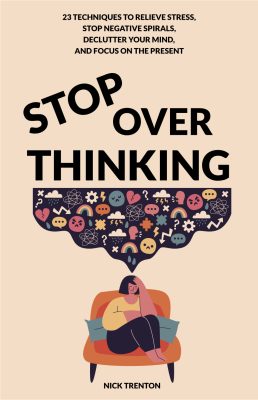
This book is a practical guide to breaking free from the shackles of overthinking and achieving a more focused, present, and stress-free life. By offering 23 actionable techniques, the book aims to help readers manage their thoughts and emotions more effectively. It stands out in the self-help genre by providing clear, concise methods that are easy to implement, making it an invaluable resource for anyone seeking mental clarity and emotional stability. The unique selling point is its focus on simplicity and practicality, ensuring that readers can immediately apply the techniques to their daily lives.
This book is ideal for individuals who find themselves trapped in cycles of overthinking and want practical solutions to manage their stress and anxiety. The primary audience includes working professionals, students, and anyone struggling with mental clutter. The secondary audience comprises mental health practitioners looking for additional tools to recommend to their clients. The language and concepts are accessible, making the book suitable for readers with no prior knowledge of psychology.
Ever felt like your own mind is your worst enemy, endlessly looping on the same worries?
Imagine standing in a room filled with endless chatter, each voice vying for your attention, making it nearly impossible to focus on a single thought. This is the experience of overthinking, a state where your mind becomes cluttered with unending loops of worries and negative spirals. In Stop Overthinking: 23 Techniques to Relieve Stress, Stop Negative Spirals, Declutter Your Mind, and Focus on the Present by Nick Trenton, the author provides a lifeline out of this mental chaos. The book is a practical manual designed to help readers regain control over their thoughts and emotions through straightforward, actionable strategies.
Trenton starts by identifying the common triggers of overthinking, such as stress, fear of failure, and the constant pressure to meet expectations. He explains how these triggers can lead to a debilitating cycle of worry that affects every aspect of life, from personal relationships to professional performance. The book promises to equip readers with techniques to break free from these negative patterns, offering relief and a path to a calmer, more focused mind.
Throughout the book, Trenton presents a series of 23 techniques, each one designed to address specific aspects of overthinking. These techniques range from mindfulness practices and cognitive-behavioral strategies to simple lifestyle changes. For instance, one technique involves the practice of “thought-stopping,” where individuals learn to recognize and halt negative thought patterns before they spiral out of control. Another technique focuses on the power of journaling to organize and process thoughts. The diversity of strategies ensures that there is something for everyone, regardless of their specific challenges.
Readers will learn how to identify and manage their overthinking triggers, implement practical techniques to calm their minds, and develop long-term habits that promote mental clarity and emotional stability. The book emphasizes the importance of self-awareness and consistent practice, encouraging readers to integrate these techniques into their daily routines. By the end of the book, readers will have a toolkit of strategies to help them navigate life’s challenges with greater ease and confidence.
What sets Stop Overthinking apart is its accessibility. Trenton’s writing is clear and engaging, making complex psychological concepts easy to understand and apply. He uses relatable examples and anecdotes to illustrate his points, ensuring that readers can see themselves in the scenarios he describes. This approach not only makes the book more enjoyable to read but also enhances its practicality, as readers can immediately relate to and implement the strategies.
The central message of Stop Overthinking is that overthinking is a mental habit that can be unlearned through awareness and practice. Trenton likens the mind to a garden, where negative thoughts are weeds that can choke the growth of positive, productive thoughts. Just as a gardener must diligently remove weeds to allow flowers to flourish, individuals must actively work to identify and remove negative thought patterns to cultivate a healthy, focused mind. The book emphasizes that while overthinking can feel overwhelming, it is within everyone’s power to change their thinking habits and achieve mental clarity.
Stop Overthinking makes a significant contribution to the field of self-help and mental health by providing practical, accessible strategies to manage a common yet often overlooked issue. The book has been praised for its straightforward approach and actionable advice, making it a valuable resource for anyone struggling with overthinking. While some may argue that the techniques are too simplistic or common sense, Trenton’s ability to present them in an organized and engaging manner has garnered a wide readership and positive reviews. The book’s impact is evident in its popularity and the numerous testimonials from readers who have found relief and improvement in their mental well-being.
Stop Overthinking: 23 Techniques to Relieve Stress, Stop Negative Spirals, Declutter Your Mind, and Focus on the Present by Nick Trenton is a valuable addition to the self-help genre, particularly for those struggling with excessive worry and mental clutter. The book’s strength lies in its practicality and accessibility, offering readers straightforward, actionable techniques to manage their thoughts and reduce stress. Trenton’s clear and engaging writing style ensures that complex psychological concepts are easy to understand and apply, making the book suitable for a wide audience, from novices to those familiar with psychological self-help strategies.
We appreciate Trenton’s holistic approach, which addresses both the mental and physical aspects of overthinking. His emphasis on mindfulness, cognitive-behavioral strategies, self-compassion, and practical time management provides a comprehensive toolkit for readers. The inclusion of relatable examples and anecdotes helps illustrate the techniques in real-life scenarios, enhancing their applicability and effectiveness. Furthermore, the research-based insights lend credibility to the book, reassuring readers that the methods are grounded in well-established psychological principles.
However, the book is not without its limitations. The repetition of certain techniques can make the content feel redundant at times, and the lack of deep theoretical exploration might leave some readers wanting more. Additionally, the book’s focus on individual responsibility could overlook the impact of external factors on mental health. Despite these shortcomings, the overall value of the book remains high, particularly for those seeking immediate, practical solutions to overthinking.
Trenton’s ability to distill complex concepts into easily digestible advice makes Stop Overthinking an excellent resource for those new to the topic. The book’s practical orientation ensures that readers can quickly implement the techniques and start seeing improvements in their mental clarity and emotional well-being. While the book might not provide comprehensive solutions for severe anxiety or trauma-related overthinking, it offers a solid foundation for managing everyday stress and negative thought patterns.
Our Recommendation
We believe that Stop Overthinking is a worthwhile read for anyone looking to gain better control over their thoughts and reduce mental stress. Its practical strategies are easy to incorporate into daily life, making it an accessible and effective tool for improving mental well-being. Whether you are a professional dealing with workplace stress, a student facing academic pressures, or simply someone looking to manage everyday worries, this book offers valuable insights and techniques to help you achieve a calmer, more focused mind.
For those with more severe issues related to anxiety or trauma, we recommend complementing the techniques from Stop Overthinking with additional resources and professional help. Books like The Body Keeps the Score by Bessel van der Kolk and Feeling Good by David D. Burns can provide deeper insights and more specialized strategies for addressing these challenges. Overall, Stop Overthinking is a practical, user-friendly guide that delivers on its promise to help readers manage their thoughts and live more peacefully in the present.
Stop Overthinking by Nick Trenton addresses the pervasive issue of overthinking through a comprehensive set of 23 practical techniques designed to help individuals manage their thoughts and reduce stress. One of the key topics is the identification and management of triggers. Trenton emphasizes the importance of recognizing the factors that lead to overthinking, such as stress, fear of failure, and societal pressures. By becoming aware of these triggers, individuals can take proactive steps to mitigate their impact.
Another critical element is the development of mindfulness practices. Mindfulness is presented as a powerful tool for staying present and avoiding the pitfalls of overthinking. Techniques such as focused breathing, meditation, and mindful observation help individuals anchor themselves in the present moment, reducing the tendency to ruminate on past mistakes or future uncertainties.
Trenton also highlights cognitive-behavioral strategies as a core component of the book. These strategies involve changing the way individuals think about and respond to their thoughts. Techniques like thought-stopping, cognitive restructuring, and reframing help individuals challenge and change negative thought patterns, fostering a more positive and constructive mindset.
The concept of self-compassion is another pivotal topic. Trenton argues that being kind and understanding toward oneself can significantly reduce overthinking. By practicing self-compassion, individuals learn to treat themselves with the same kindness and understanding they would offer a friend, which helps in reducing self-criticism and negative self-talk.
Time management and organization are also discussed as essential elements. Overthinking often stems from feeling overwhelmed by tasks and responsibilities. Trenton suggests practical steps to organize one’s time and environment, such as creating to-do lists, prioritizing tasks, and breaking down large projects into manageable steps. This structured approach can alleviate the mental clutter that fuels overthinking.
Lastly, Trenton underscores the importance of social support. Connecting with others, sharing concerns, and seeking advice from friends, family, or professionals can provide valuable perspectives and reduce the isolation that often accompanies overthinking. Building a supportive network helps individuals feel understood and supported, which can ease their mental burden.
Recognizing Triggers
Trenton shares the story of Sarah, a high-achieving professional who frequently finds herself overwhelmed by the fear of failure. Whenever Sarah is assigned a new project, she immediately starts worrying about all the things that could go wrong, leading to sleepless nights and constant anxiety. By identifying this fear as a trigger, Sarah begins to use techniques like journaling and cognitive restructuring to challenge her fears and develop a more balanced perspective. This awareness helps her break the cycle of overthinking and approach her work with greater confidence.
Mindfulness Practices
In another example, Trenton describes John, a college student who struggles with staying focused during exams due to constant overthinking. John learns about mindfulness techniques from the book and starts practicing focused breathing and mindful observation. During his next exam, instead of getting caught up in worries about his performance, John uses these techniques to stay present and concentrate on the questions at hand. This practice not only helps him perform better but also reduces his overall anxiety about exams.
Cognitive-Behavioral Strategies
The book illustrates the power of cognitive-behavioral strategies through the experience of Lisa, a mother of two who often worries excessively about her children’s safety. Lisa tends to imagine worst-case scenarios, leading to significant stress and overprotectiveness. By applying thought-stopping and cognitive restructuring techniques, Lisa learns to interrupt these negative thought patterns and replace them with more realistic and positive thoughts. Over time, she becomes more relaxed and trusting, both of herself and her children’s ability to navigate the world safely.
Self-Compassion
Trenton highlights the importance of self-compassion through the journey of Mark, a software developer who is highly critical of himself whenever he makes a mistake. Mark’s harsh self-judgment often spirals into prolonged periods of overthinking and self-doubt. By practicing self-compassion exercises, such as speaking kindly to himself and recognizing his efforts, Mark begins to change his internal dialogue. This shift not only reduces his tendency to overthink but also improves his overall well-being and productivity.
Time Management and Organization
The book provides an example of Emily, a marketing executive who feels constantly overwhelmed by her workload. Emily’s tendency to overthink is exacerbated by her lack of organization, leading to missed deadlines and stress. Trenton’s advice on time management helps Emily create a structured daily schedule, prioritize her tasks, and break large projects into smaller, manageable steps. This newfound organization reduces her mental clutter and allows her to focus on one task at a time, significantly decreasing her overthinking.
Social Support
Finally, Trenton shares the story of David, an entrepreneur who often feels isolated in his struggles. David’s overthinking is intensified by his tendency to keep his worries to himself. By following Trenton’s advice to build a support network, David starts reaching out to fellow entrepreneurs, friends, and mentors. These connections provide him with valuable advice and emotional support, helping him feel less alone in his challenges and reducing his overthinking.
Identify and Challenge Negative Thoughts
One of the main insights from the book is the importance of identifying and challenging negative thoughts. Overthinking often stems from a cycle of negative self-talk and irrational beliefs. Trenton suggests that readers take the time to recognize these negative thoughts as they occur and then question their validity. For example, if you find yourself thinking, “I always mess things up,” challenge this by asking, “Is that really true? Can I think of times when I succeeded?” By actively disputing these negative thoughts, you can start to break the cycle of overthinking and develop a more balanced perspective.
Practice Mindfulness Meditation
Mindfulness meditation is another powerful technique highlighted in the book. Trenton explains that mindfulness helps individuals stay present and focused, reducing the tendency to get lost in a spiral of thoughts. To practice mindfulness meditation, set aside a few minutes each day to sit quietly and focus on your breath. When your mind starts to wander, gently bring your attention back to your breath. This practice trains your brain to stay present and reduces the likelihood of overthinking. Consistency is key, so aim to incorporate mindfulness meditation into your daily routine.
Use the “5-4-3-2-1” Grounding Technique
The “5-4-3-2-1” grounding technique is a simple yet effective method to bring your focus back to the present moment. When you notice yourself overthinking, use this technique to engage your senses: identify five things you can see, four things you can touch, three things you can hear, two things you can smell, and one thing you can taste. This sensory exercise helps interrupt negative thought patterns and grounds you in the present. It’s particularly useful in situations where you feel overwhelmed by your thoughts.
Set Aside Worry Time
Trenton suggests setting aside a specific time each day to worry, which can help contain and manage overthinking. Choose a 15-30 minute period where you allow yourself to focus on your worries without trying to solve them. Outside of this designated time, if you catch yourself worrying, remind yourself to save it for the worry period. This technique helps compartmentalize worries, reducing their impact on your daily life and making it easier to stay focused on the present.
Practice Self-Compassion
Another key insight is the importance of practicing self-compassion. Overthinking is often fueled by harsh self-criticism and unrealistic expectations. Trenton encourages readers to treat themselves with the same kindness and understanding they would offer a friend. When you notice negative self-talk, counter it with compassionate and supportive language. For instance, instead of thinking, “I’m such a failure,” try saying, “I’m doing my best, and it’s okay to make mistakes.” This shift in mindset can significantly reduce the frequency and intensity of overthinking.
Create a Daily To-Do List
Creating a daily to-do list is a practical way to manage tasks and reduce overthinking. Trenton advises readers to write down their tasks for the day, prioritizing them based on importance and urgency. Breaking tasks into smaller, manageable steps can prevent feelings of overwhelm and help you stay focused. By having a clear plan, you can reduce the mental clutter that contributes to overthinking and increase your productivity.
Limit Information Overload
In today’s digital age, information overload can be a significant trigger for overthinking. Trenton recommends setting boundaries around your consumption of news, social media, and other information sources. Designate specific times of the day to check emails and social media, and avoid these activities before bed. By controlling the flow of information, you can reduce the likelihood of becoming overwhelmed and minimize the triggers for overthinking.
Engage in Physical Activity
Physical activity is a natural way to reduce stress and clear your mind. Trenton highlights the benefits of regular exercise in managing overthinking. Whether it’s a brisk walk, yoga, or a workout at the gym, physical activity helps release endorphins, which improve mood and reduce stress. Incorporating regular exercise into your routine can provide a healthy outlet for negative energy and help you maintain a clearer, more focused mind.
Journaling for Clarity
Journaling is another effective technique to manage overthinking. Trenton advises readers to set aside time each day to write down their thoughts and feelings. This practice helps organize and process thoughts, making them less overwhelming. By putting your worries on paper, you can gain clarity and perspective, which can reduce the intensity of overthinking. Additionally, journaling can serve as a reflective tool to track your progress and identify recurring patterns in your thoughts.
Seek Social Support
Connecting with others and sharing your thoughts can provide valuable perspective and reduce feelings of isolation. Trenton emphasizes the importance of building a support network of friends, family, or professionals who can offer advice and emotional support. Talking about your worries can help you see them from a different angle and often leads to solutions you might not have considered on your own. Regular social interactions can also boost your mood and provide a sense of belonging, which can mitigate the effects of overthinking.
Practical Techniques
Stop Overthinking excels in providing practical, actionable techniques that readers can easily implement in their daily lives. The 23 techniques are clearly explained, with step-by-step instructions that make them accessible to a wide audience. Trenton’s focus on practicality ensures that readers are not just passively absorbing information but actively applying the strategies to see tangible improvements in their mental well-being. This hands-on approach is particularly valuable for those seeking immediate relief from the effects of overthinking.
Clarity and Accessibility
Nick Trenton’s writing style is clear and straightforward, making complex psychological concepts easy to understand. He avoids jargon and overly technical language, which can often be a barrier for readers unfamiliar with the subject. This clarity ensures that the book is accessible to a broad audience, from those with no prior knowledge of psychology to professionals seeking additional tools. The examples and anecdotes used throughout the book further enhance understanding by illustrating how the techniques can be applied in real-life scenarios.
Engaging Writing Style
Trenton’s engaging writing style keeps readers interested and invested in the material. He uses relatable examples and a conversational tone that makes the book enjoyable to read. This style not only helps in retaining the reader’s attention but also in making the information more relatable and easier to digest. The use of metaphors and analogies to explain concepts adds an extra layer of engagement, making the book not just informative but also entertaining.
Research-Based Insights
The techniques and strategies presented in the book are grounded in research and evidence-based practices. Trenton draws on his background in clinical psychology to provide methods that are scientifically proven to be effective. This research depth adds credibility to the book and reassures readers that the advice is not based on mere opinion but on well-established psychological principles. By referencing relevant studies and theories, Trenton provides a solid foundation for the techniques he advocates.
Holistic Approach
The book takes a holistic approach to managing overthinking, addressing both the mental and physical aspects of the issue. Trenton emphasizes the importance of mindfulness, self-compassion, time management, and physical activity, offering a comprehensive toolkit for readers. This multifaceted approach ensures that readers can find strategies that resonate with them personally, increasing the likelihood of successfully managing their overthinking. By covering various aspects of well-being, Trenton provides a well-rounded guide that addresses the problem from multiple angles.
Focus on Self-Compassion
One of the standout strengths of the book is its emphasis on self-compassion. Trenton effectively communicates the importance of being kind to oneself and counters the harsh self-criticism that often fuels overthinking. By advocating for a kinder, more understanding approach to self-talk, the book helps readers develop a healthier relationship with themselves. This focus on self-compassion is a refreshing and necessary component, as it addresses a root cause of overthinking that many other self-help books overlook.
Repetition of Techniques
While the book offers a wide range of techniques, there is some repetition in the methods presented. Several techniques, such as mindfulness practices and cognitive-behavioral strategies, overlap in their principles and applications. This repetition can make some sections feel redundant and may lead readers to feel that they are receiving the same advice in different packaging. A more streamlined presentation could have enhanced the book’s effectiveness by avoiding this overlap.
Lack of Deep Theoretical Exploration
Although the book is grounded in research, it often prioritizes practical advice over a deeper exploration of the underlying theories. Trenton touches on various psychological principles but does not delve deeply into the science behind them. Readers who are looking for a more thorough understanding of the theoretical basis for the techniques may find this lack of depth disappointing. Including more detailed explanations and references to studies could have enriched the book’s content.
Simplistic Solutions for Complex Problems
Some readers might find that the solutions presented in the book are overly simplistic for the complex nature of overthinking and anxiety. While the techniques are practical and accessible, they may not fully address the deeper, more ingrained issues that some individuals face. For those dealing with severe anxiety or chronic overthinking, the book’s strategies might seem insufficient or too basic. Acknowledging the limitations of the techniques and providing guidance on seeking professional help could have added more depth to the book’s approach.
Insufficient Coverage of Individual Differences
The book does not adequately address individual differences in the experience and management of overthinking. Overthinking can manifest differently in various people, influenced by factors such as personality, life experiences, and mental health conditions. Trenton’s one-size-fits-all approach might not resonate with everyone. Including more personalized strategies or advice tailored to different types of overthinkers could have made the book more inclusive and effective for a broader audience.
Overemphasis on Individual Responsibility
One potential blind spot in Stop Overthinking is its emphasis on individual responsibility in managing overthinking. While personal strategies and techniques are crucial, the book somewhat overlooks the external factors that contribute to overthinking, such as workplace stress, societal pressures, and environmental influences. This narrow focus may lead readers to believe that all aspects of overthinking can be managed solely through personal effort, which is not always the case. Other significant books like Burnout: The Secret to Unlocking the Stress Cycle by Emily Nagoski and Amelia Nagoski provide a more comprehensive view by addressing how societal and cultural factors impact mental health, offering a more balanced perspective that includes both individual and systemic solutions.
Underestimation of Professional Help
Another overlooked aspect is the role of professional help in managing severe cases of overthinking and anxiety. While Stop Overthinking offers numerous self-help techniques, it does not sufficiently highlight when it might be necessary to seek professional assistance. This could lead some readers to persist with self-help methods that are insufficient for their level of distress, potentially exacerbating their issues. Books like Feeling Good: The New Mood Therapy by David D. Burns emphasize the importance of professional therapy and medication when necessary, providing a more rounded approach to mental health management.
Lack of Long-Term Strategies
The book’s focus is primarily on immediate, actionable techniques, but it lacks a robust discussion on long-term strategies for sustained mental well-being. While quick fixes can be beneficial, overthinking often requires ongoing effort and long-term changes in lifestyle and thinking patterns. Readers might misunderstand the book’s message, thinking that overthinking can be completely eradicated with a few simple steps. The Power of Now by Eckhart Tolle, for example, delves deeper into the concept of living in the present moment and offers more extensive guidance on maintaining long-term mental clarity and peace.
Generalization of Techniques
Trenton’s book generalizes techniques without fully considering the diverse needs and backgrounds of its readers. Overthinking can stem from various sources, such as trauma, chronic stress, or specific mental health conditions, which require tailored approaches. This one-size-fits-all methodology might not be effective for everyone. The Body Keeps the Score by Bessel van der Kolk, for instance, explores the unique ways trauma affects the brain and body, advocating for personalized treatment plans that address specific needs and experiences.
Neglect of Physical Health Interconnections
The interconnection between physical health and mental health is not thoroughly explored in Stop Overthinking. Physical ailments, sleep patterns, and dietary habits significantly impact mental processes, including overthinking. Neglecting these factors can limit the effectiveness of mental strategies alone. Books like Why We Sleep by Matthew Walker provide a deeper understanding of how physical health, particularly sleep, influences cognitive functions and emotional well-being, underscoring the necessity of a holistic approach to managing overthinking.
Simplification of Mindfulness Practices
While mindfulness practices are a key component of Trenton’s strategies, the book simplifies these techniques without exploring their depth and complexity. Mindfulness is a nuanced practice that can take time to master, and its benefits are often realized through consistent, long-term application. Readers might underestimate the commitment required to see significant results. The Miracle of Mindfulness by Thich Nhat Hanh offers a more detailed and philosophical approach to mindfulness, providing readers with a deeper understanding of its principles and practices.
Potential for Misapplication of Techniques
The book’s straightforward and broad presentation of techniques might lead to their misapplication. Without adequate context or understanding of underlying principles, readers might apply the techniques incorrectly or inappropriately. For instance, thought-stopping can be effective, but if not used properly, it might suppress emotions rather than address them. The Happiness Trap by Russ Harris, which discusses Acceptance and Commitment Therapy (ACT), provides a more nuanced approach to handling negative thoughts and emotions, emphasizing the importance of understanding and acceptance rather than mere suppression. This contrast highlights the need for careful application and deeper understanding of psychological techniques.
Burnout: The Secret to Unlocking the Stress Cycle by Emily Nagoski and Amelia Nagoski
Stop Overthinking and Burnout both address the mental challenges faced by individuals in modern society, yet they approach these challenges from different angles. Trenton’s book focuses on personal strategies to manage overthinking, offering immediate, actionable techniques to curb negative thought spirals. In contrast, Burnout delves into the broader context of stress and how societal pressures contribute to mental exhaustion. The Nagoski sisters emphasize the importance of completing the stress cycle and highlight systemic issues that exacerbate stress and burnout. While Trenton’s book is practical and technique-oriented, Burnout provides a more holistic view, considering both individual and societal factors. Readers might find that combining the personal strategies of Stop Overthinking with the broader insights from Burnout offers a more comprehensive approach to mental well-being.
Feeling Good: The New Mood Therapy by David D. Burns
David D. Burns’ Feeling Good is a seminal work in cognitive-behavioral therapy (CBT) and offers in-depth exploration and techniques similar to those found in Stop Overthinking. Both books aim to help readers manage negative thought patterns, but Burns provides a more extensive theoretical background and a detailed explanation of CBT principles. Trenton’s book, while grounded in psychological research, does not delve as deeply into the theory, focusing instead on practical application. For readers seeking a richer understanding of the psychological underpinnings of their thought processes, Feeling Good may provide the necessary depth, whereas Stop Overthinking excels in offering straightforward, easy-to-implement strategies.
The Power of Now by Eckhart Tolle
The Power of Now and Stop Overthinking both emphasize the importance of mindfulness and staying present. However, Tolle’s approach is more philosophical and spiritual, advocating for a deep shift in consciousness to live fully in the present moment. Trenton’s techniques are more practical and accessible, aimed at reducing immediate stress and anxiety through specific exercises. Tolle’s book encourages readers to transcend their ego and find peace through spiritual awakening, which can be a more abstract and challenging concept for many. For those who prefer a more concrete, step-by-step guide to managing overthinking, Trenton’s book may be more suitable. However, integrating the spiritual insights from The Power of Now with the practical techniques from Stop Overthinking could provide a balanced approach to achieving mental clarity.
The Body Keeps the Score by Bessel van der Kolk
Bessel van der Kolk’s The Body Keeps the Score offers a detailed exploration of how trauma affects the brain and body, presenting a comprehensive approach to healing. While Stop Overthinking focuses on cognitive techniques to manage negative thoughts, van der Kolk highlights the importance of addressing the physical and emotional impacts of trauma. His book advocates for therapies that include physical activity, mindfulness, and somatic experiencing, which can be crucial for those whose overthinking is rooted in traumatic experiences. Trenton’s book may be effective for general overthinking, but for individuals dealing with deeper trauma, The Body Keeps the Score provides essential insights and therapies that go beyond cognitive strategies.
The Happiness Trap by Russ Harris
The Happiness Trap introduces Acceptance and Commitment Therapy (ACT), a psychological approach that emphasizes accepting negative thoughts and feelings rather than trying to eliminate them. This contrasts with the more directive techniques in Stop Overthinking, which aim to stop or change negative thought patterns. Harris’s book teaches readers to live with their thoughts and feelings through mindfulness and values-based action, promoting psychological flexibility. This approach can be particularly effective for those who find it difficult to control or stop their thoughts. Combining the acceptance strategies from The Happiness Trap with the practical techniques from Stop Overthinking can offer a well-rounded method for managing overthinking.
Recognize Negative Thoughts:
Challenge the Validity:
Daily Meditation Routine:
Mindful Observation:
Implement the Technique:
Designate Worry Time:
Structured Reflection:
Self-Compassion Exercises:
Affirmations:
Organize Tasks:
Break Tasks Down:
Manage Information Consumption:
Curate Content:
Incorporate Regular Exercise:
Active Breaks:
Daily Journaling Habit:
Review and Reflect:
Build a Support Network:
Professional Help:
Promote Mindfulness Practices
Mindfulness practices can significantly benefit employees by enhancing focus, reducing stress, and improving overall mental well-being. Implementing mindfulness programs, such as guided meditation sessions, mindfulness workshops, or providing access to mindfulness apps, can help employees develop techniques to manage overthinking and stay present. Encouraging regular mindfulness breaks can foster a calmer, more focused work environment, ultimately boosting productivity and job satisfaction.
One of the main obstacles in promoting mindfulness practices is the potential skepticism among employees and management about its effectiveness. Additionally, finding the time and resources to incorporate these practices into an already busy work schedule can be challenging. Some employees might also feel uncomfortable or unfamiliar with mindfulness techniques, leading to resistance.
To overcome these challenges, start with small, voluntary mindfulness initiatives, such as brief guided meditation sessions during lunch breaks or short mindfulness exercises at the beginning of meetings. Providing education on the proven benefits of mindfulness through workshops or seminars can help address skepticism. Additionally, management support is crucial; when leaders participate and advocate for these practices, employees are more likely to follow suit. Offering flexible options, like access to mindfulness apps that can be used at employees’ convenience, can also help integrate mindfulness into the workplace without disrupting the workflow.
Implement Time Management Training
Effective time management is crucial in a business setting to prevent overthinking and increase productivity. Providing employees with training on time management techniques, such as prioritizing tasks, creating to-do lists, and time-blocking, can help them manage their workloads more efficiently. This training can be delivered through workshops, seminars, or online courses and should be tailored to the specific needs of the organization.
Employees may resist time management training due to a perception that it adds to their workload or because they believe they already manage their time effectively. Additionally, different roles within the organization may require different time management approaches, making it challenging to design a one-size-fits-all training program.
To address these challenges, emphasize the long-term benefits of time management training, such as reduced stress and increased efficiency. Provide real-life examples and testimonials from employees who have successfully implemented these techniques. Customizing the training to address the specific needs of different departments or roles within the organization can also enhance its relevance and effectiveness. Encouraging a culture of continuous improvement and providing ongoing support, such as follow-up sessions or access to time management tools, can help reinforce the training.
Encourage Open Communication and Feedback
Fostering an environment of open communication and regular feedback can help reduce overthinking among employees. Encouraging employees to share their concerns, ask questions, and seek feedback can prevent the buildup of unresolved issues that lead to stress and overthinking. Implementing regular one-on-one meetings, team check-ins, and anonymous feedback channels can facilitate this open communication.
Creating a culture of open communication can be challenging if employees fear negative repercussions or if there is a lack of trust between employees and management. Additionally, encouraging feedback without overloading employees or managers with excessive meetings and feedback sessions can be difficult.
Building trust and a safe environment where employees feel comfortable sharing their thoughts without fear of judgment or punishment is crucial. Leadership should model open communication and actively seek feedback to set the tone. Providing training on effective communication skills for both employees and managers can also help. Balancing the frequency of meetings and feedback sessions to ensure they are meaningful and productive, rather than burdensome, is essential. Anonymous feedback channels can provide an additional layer of safety for employees who may be hesitant to speak up directly.
Provide Access to Mental Health Resources
Offering access to mental health resources, such as employee assistance programs (EAPs), counseling services, or mental health workshops, can support employees in managing overthinking and stress. These resources can provide professional guidance and strategies tailored to individual needs, promoting overall well-being and productivity.
Stigma surrounding mental health issues may prevent employees from utilizing available resources. Additionally, there may be concerns about confidentiality and privacy, which can deter employees from seeking help. Ensuring that these resources are accessible and used effectively can also be challenging.
To overcome these obstacles, it is important to create a workplace culture that prioritizes and normalizes mental health. Leadership should openly discuss mental health and actively promote available resources. Ensuring confidentiality and privacy in accessing mental health services is crucial, and this should be clearly communicated to employees. Providing multiple access points, such as on-site counselors, online resources, and confidential helplines, can make it easier for employees to seek help. Regularly reminding employees about these resources through internal communications and integrating mental health discussions into broader wellness initiatives can also increase utilization.
Incorporate Regular Physical Activity
Encouraging physical activity in the workplace can significantly reduce stress and improve mental clarity, which are essential for managing overthinking. This can include initiatives such as organizing group exercise sessions, providing gym memberships, or creating spaces for physical activities, like walking trails or fitness rooms. Promoting regular breaks for stretching or short walks can also be beneficial.
Integrating physical activity into the workday can be challenging due to time constraints and varying levels of interest and ability among employees. Additionally, there may be logistical issues, such as lack of space or resources to support physical activity initiatives.
To address these challenges, offer a variety of physical activity options to cater to different interests and fitness levels. Promote the idea that even small amounts of physical activity can have significant benefits. Encourage employees to take short breaks for stretching or walking, and consider flexible scheduling to allow time for exercise. Partnering with local gyms or fitness centers to provide discounted memberships can be a cost-effective way to support employees’ physical activity. Leadership participation and support can also encourage employees to prioritize physical activity during the workday.
Increasing Focus on Mental Health
In recent years, there has been a significant shift towards prioritizing mental health both in personal lives and the workplace. The ideas presented in Stop Overthinking align perfectly with this trend, offering practical strategies to manage stress and promote mental clarity. As more organizations recognize the importance of mental well-being, the techniques from this book can become standard practices within wellness programs. In the future, we can expect to see a greater integration of mental health resources and practices into daily routines, making Trenton’s advice even more relevant. This growing focus on mental health will likely lead to the normalization of practices like mindfulness and self-compassion, which are key components of the book.
Adoption of Mindfulness and Meditation
Mindfulness and meditation have been gaining traction as effective tools for stress reduction and mental clarity. The strategies outlined in Stop Overthinking emphasize the importance of mindfulness practices, which are increasingly being adopted in both personal and professional settings. As the benefits of mindfulness become more widely recognized and supported by scientific research, these practices are likely to become more mainstream. Companies are already incorporating mindfulness training into their wellness programs, and this trend is expected to grow. The practical mindfulness exercises in the book are well-suited to this trend, providing individuals with accessible ways to incorporate these practices into their daily lives.
Remote Work and Flexible Schedules
The rise of remote work and flexible schedules, accelerated by the global pandemic, has transformed how we approach work-life balance. With the blurring of boundaries between work and personal life, managing overthinking and stress has become more critical than ever. Stop Overthinking offers valuable strategies for individuals navigating this new work environment, helping them maintain focus and reduce mental clutter. As remote work becomes a permanent fixture for many, the need for effective time management and mental health strategies will continue to grow. Trenton’s techniques for organizing tasks, setting boundaries, and maintaining mental clarity are especially pertinent in this context, providing essential tools for remote workers.
Increased Use of Digital Wellness Tools
The digital wellness industry is rapidly expanding, with more apps and online platforms offering resources for mental health and well-being. The techniques from Stop Overthinking can be easily integrated into these digital tools, providing users with practical exercises and strategies at their fingertips. As technology continues to evolve, we can expect to see a proliferation of digital wellness solutions that incorporate principles from Trenton’s book. This trend towards digital wellness will make it easier for individuals to access mental health resources and incorporate them into their daily routines, enhancing the relevance and applicability of the book’s teachings.
Holistic Health and Wellness
There is a growing recognition of the interconnectedness of mental, physical, and emotional health. Stop Overthinking supports this holistic approach by addressing both mental strategies and physical activities to manage stress. As the wellness industry continues to expand, emphasizing a holistic approach to health, the integration of mental and physical health practices will become more prevalent. The book’s focus on combining cognitive techniques with physical activity aligns with this trend, offering a comprehensive approach to well-being. This holistic perspective is likely to become a cornerstone of future wellness programs, making the book’s insights increasingly valuable.
Stop Overthinking has the potential to significantly influence the field of self-help and mental health by providing accessible, practical techniques for managing overthinking. Its emphasis on actionable strategies can empower individuals to take control of their mental well-being, making it a valuable resource for a broad audience. The book’s straightforward approach ensures that even those without a background in psychology can benefit from its insights, promoting mental health awareness and proactive management.
In a broader societal context, the book’s focus on self-compassion and mindfulness could contribute to a cultural shift towards greater self-awareness and emotional intelligence. As more people adopt these practices, there may be a reduction in stress and anxiety levels, leading to improved overall well-being and productivity. By highlighting the importance of managing one’s thoughts and emotions, Stop Overthinking encourages a more reflective and balanced approach to life, which could positively impact interpersonal relationships and community dynamics.
Furthermore, the book’s practical applicability makes it a valuable tool for mental health professionals, educators, and employers who seek to support the mental well-being of their clients, students, and employees. By incorporating the techniques from Stop Overthinking into various support programs, these stakeholders can foster environments that prioritize mental health and resilience. This could lead to a more holistic approach to well-being, where mental health is integrated into everyday practices and institutional policies.
In summary, while Stop Overthinking has its limitations, its potential long-term influence on individual mental health practices and broader societal attitudes towards mental well-being is significant. By providing practical tools and promoting a culture of self-awareness and compassion, the book can play a crucial role in enhancing the quality of life for many people.
Burnout: The Secret to Unlocking the Stress Cycle by Emily Nagoski and Amelia Nagoski
Burnout offers a broader perspective on managing stress and preventing burnout by addressing the completion of the stress cycle. While Stop Overthinking focuses on mental strategies to reduce overthinking, Burnout dives into the physiological and psychological aspects of stress, providing complementary insights into managing overall well-being. The Nagoski sisters’ emphasis on the importance of addressing societal pressures and systemic issues adds a valuable dimension to understanding and managing stress, making it an excellent companion read for those looking to deepen their knowledge.
Feeling Good: The New Mood Therapy by David D. Burns
Feeling Good is a classic in the field of cognitive-behavioral therapy (CBT) and offers a more in-depth exploration of CBT techniques. Burns’ book provides detailed explanations and exercises to help readers manage negative thoughts and improve their mood, complementing the practical strategies in Stop Overthinking. For readers interested in understanding the theoretical foundations of cognitive techniques and gaining additional tools for managing their mental health, Feeling Good is a valuable resource that enhances the practical advice found in Trenton’s book.
The Power of Now by Eckhart Tolle
The Power of Now delves into the importance of living in the present moment and offers a philosophical approach to mindfulness and consciousness. Tolle’s insights into transcending ego-driven thoughts and finding peace in the present provide a deeper, spiritual perspective on mindfulness, contrasting with the more practical and immediate techniques in Stop Overthinking. Readers seeking a more profound understanding of mindfulness and its spiritual aspects will find Tolle’s book an enriching complement to Trenton’s practical strategies.
The Body Keeps the Score by Bessel van der Kolk
The Body Keeps the Score explores the impact of trauma on the brain and body, offering a comprehensive view of how past experiences shape present mental health. Van der Kolk’s emphasis on the physical and emotional aspects of trauma provides essential insights for understanding the deeper causes of overthinking and anxiety. This book complements Stop Overthinking by addressing the root causes of mental health issues and offering holistic strategies for healing, making it an invaluable resource for those dealing with trauma-related overthinking.
The Happiness Trap by Russ Harris
The Happiness Trap introduces Acceptance and Commitment Therapy (ACT), a psychological approach that emphasizes accepting negative thoughts and feelings rather than trying to eliminate them. Harris’s book offers a different perspective on managing overthinking by focusing on acceptance and mindfulness, contrasting with the more directive techniques in Stop Overthinking. For readers interested in exploring alternative methods for handling negative thoughts and emotions, The Happiness Trap provides a valuable and complementary approach.
Why We Sleep by Matthew Walker
Why We Sleep provides a detailed exploration of the crucial role sleep plays in overall health and well-being. Walker’s book emphasizes the impact of sleep on cognitive functions, emotional regulation, and mental clarity, offering essential insights that complement the strategies in Stop Overthinking. Understanding the importance of sleep and how it affects overthinking and stress management can enhance the practical techniques in Trenton’s book, making Why We Sleep a critical addition to the reader’s knowledge base.
The Miracle of Mindfulness by Thich Nhat Hanh
The Miracle of Mindfulness is a foundational text on mindfulness by renowned Zen master Thich Nhat Hanh. This book offers practical exercises and philosophical insights into the practice of mindfulness, providing a deeper understanding of its principles. The detailed mindfulness techniques and gentle guidance in Hanh’s book complement the practical advice in Stop Overthinking, helping readers develop a more profound and sustained mindfulness practice.
Atomic Habits by James Clear
Atomic Habits focuses on the power of small habits and incremental changes to achieve significant personal and professional improvements. Clear’s emphasis on building effective habits and breaking bad ones offers practical strategies that align well with the techniques in Stop Overthinking. By understanding how to create positive habits and reduce behaviors that contribute to overthinking, readers can enhance their ability to manage stress and improve their overall well-being.
Mindful.org
Mindful.org is a comprehensive resource for anyone interested in mindfulness and meditation. The site offers articles, guided meditations, and courses designed to help individuals incorporate mindfulness into their daily lives. It provides practical advice and insights from experts in the field, making it an excellent complement to the mindfulness techniques in Stop Overthinking. The platform is ideal for those looking to deepen their mindfulness practice and understand its benefits in reducing overthinking and stress.
Headspace
Headspace (www.headspace.com) is a leading online platform and app that offers guided meditation and mindfulness practices. It provides a wide range of resources, including courses tailored for beginners and advanced practitioners, focusing on stress reduction, sleep improvement, and overall mental well-being. The structured programs and user-friendly interface make Headspace an excellent resource for implementing the mindfulness strategies recommended in Stop Overthinking.
Verywell Mind
Verywell Mind (www.verywellmind.com) is an online resource that offers a wealth of information on mental health topics, including anxiety, stress management, and cognitive-behavioral techniques. The site features articles written by mental health professionals, providing evidence-based advice and practical tips. This resource can deepen readers’ understanding of the psychological principles behind the techniques in Stop Overthinking and offer additional strategies for managing mental health.
Wisdom 2.0
Wisdom 2.0 (www.wisdom2summit.com) is an annual conference that brings together leaders in mindfulness, technology, and wellness to discuss how to live with greater awareness and presence in the digital age. The conference features speakers from diverse fields, including psychology, business, and meditation, offering insights that align with the mindfulness and mental clarity techniques in Stop Overthinking. Attending Wisdom 2.0 can provide valuable networking opportunities and deepen understanding of mindfulness practices.
The Mindful Leadership Summit
The Mindful Leadership Summit (www.mindfulleader.org) is a premier event for professionals interested in integrating mindfulness and compassionate leadership into their organizations. The summit features workshops, keynote speeches, and networking opportunities focused on the benefits of mindfulness in leadership and workplace settings. This conference is particularly relevant for business leaders and HR professionals looking to implement the strategies from Stop Overthinking in their organizations.
American Mindfulness Research Association (AMRA)
The American Mindfulness Research Association (AMRA) (www.goamra.org) is dedicated to supporting empirical research on mindfulness and promoting best practices based on scientific evidence. Membership provides access to the latest research, publications, and professional development opportunities. For readers of Stop Overthinking, AMRA offers a deeper understanding of the scientific basis for mindfulness practices and opportunities to connect with other professionals in the field.
Association for Behavioral and Cognitive Therapies (ABCT)
The Association for Behavioral and Cognitive Therapies (ABCT) (www.abct.org) is an organization dedicated to advancing cognitive-behavioral therapy through research, education, and clinical practice. ABCT offers resources for professionals and the public, including conferences, publications, and training programs. This organization can provide valuable information and support for those interested in the cognitive-behavioral strategies discussed in Stop Overthinking.
The Mindful Kind
The Mindful Kind, hosted by Rachael Kable, offers practical advice and insights on mindfulness, meditation, and stress management. Each episode features tips and strategies that listeners can apply in their daily lives, making it a useful resource for reinforcing the mindfulness techniques in Stop Overthinking. The podcast’s approachable and relatable style makes it accessible to a wide audience.
The Tim Ferriss Show
The Tim Ferriss Show is a podcast where bestselling author Tim Ferriss interviews world-class performers from various fields about their routines, habits, and strategies for success. Many episodes focus on mental health, mindfulness, and productivity, providing listeners with a diverse range of insights and techniques. This podcast complements the practical advice in Stop Overthinking by offering real-life examples and expert advice on managing overthinking and stress.
Mindfulness-Based Stress Reduction (MBSR)
Mindfulness-Based Stress Reduction (MBSR) is an evidence-based program developed by Jon Kabat-Zinn that teaches mindfulness to reduce stress and improve overall well-being. The course is available through various institutions and online platforms, including the Center for Mindfulness at the University of Massachusetts Medical School (www.umassmed.edu/cfm/mindfulness-based-programs/mbsr/). MBSR provides a structured and comprehensive approach to mindfulness, making it an excellent complement to the techniques in Stop Overthinking.
The Science of Well-Being
The Science of Well-Being is a free online course offered by Yale University through Coursera (www.coursera.org/learn/the-science-of-well-being). Taught by Professor Laurie Santos, the course explores evidence-based strategies for improving happiness and reducing stress. The practical exercises and psychological insights provided in this course align well with the strategies in Stop Overthinking, offering additional tools for enhancing mental health.
Heal (2017)
Heal is a documentary that explores the connection between the mind and body, highlighting the impact of thoughts, beliefs, and emotions on health. Featuring interviews with leading scientists and spiritual teachers, the film provides insights into the power of the mind in healing and stress management. This documentary complements the themes of mindfulness and mental well-being discussed in Stop Overthinking, offering a visual and engaging exploration of the subject.
The Mindfulness Movement (2020)
The Mindfulness Movement is a documentary that delves into the growing interest in mindfulness and its benefits for mental health and well-being. It features stories of individuals who have transformed their lives through mindfulness practices and includes insights from leading mindfulness teachers. This film is an excellent resource for those looking to understand the broader impact of mindfulness and how it can be integrated into various aspects of life, echoing the practical advice in Stop Overthinking.
The Happy Movie (2011)
The Happy Movie explores what makes people happy across different cultures and life circumstances. It combines scientific research with real-life stories to uncover the secrets of happiness and well-being. The documentary’s focus on happiness and mental health provides additional context and insights that complement the techniques in Stop Overthinking, offering a broader perspective on achieving a fulfilling and stress-free life.