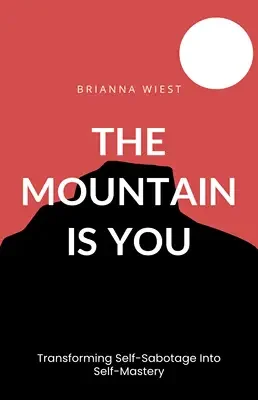
In The Mountain Is You, the central theme revolves around understanding and overcoming self-sabotage to achieve personal mastery. Brianna Wiest delves into the psychological and emotional barriers that hold us back, transforming our self-destructive habits into stepping stones for growth. This book is unique because it combines practical advice with deep introspection, offering readers a comprehensive guide to breaking free from their own limitations. It stands out in its genre by not only identifying common patterns of self-sabotage but also providing actionable steps to turn these challenges into opportunities for self-improvement and resilience.
The Mountain Is You is ideal for anyone looking to understand and overcome self-sabotaging behaviors, making it particularly beneficial for individuals seeking personal growth and self-improvement. The primary audience includes those struggling with procrastination, fear of failure, or lack of motivation. Secondary audiences might include mental health professionals, coaches, and educators who can use Wiest’s insights to support their clients or students. The book’s language is clear and accessible, making it suitable for readers with various levels of familiarity with psychological concepts.
Why do we often become our own biggest enemy?
Imagine climbing a mountain, each step weighed down by doubts, fears, and habits that hold you back. The Mountain Is You: Transforming Self-Sabotage Into Self-Mastery by Brianna Wiest uses this powerful metaphor to guide readers on a journey of overcoming personal obstacles. The book challenges the reader to see their struggles as mountains that can be conquered with the right mindset and tools. Wiest starts by explaining how our subconscious fears and doubts create these mountains, leading to patterns of self-sabotage that prevent us from achieving our full potential.
The author dives deep into the psychology behind self-sabotage, illustrating how deeply ingrained habits and beliefs can be our greatest enemies. Wiest argues that understanding these patterns is the first step to overcoming them. She provides real-life examples and psychological insights to help readers identify their self-destructive behaviors. By recognizing these patterns, readers can start to dismantle the mental and emotional blocks that have been holding them back.
In The Mountain Is You, Wiest not only identifies the problems but also offers practical solutions. She introduces techniques for developing self-awareness, emotional intelligence, and resilience. The book is filled with actionable steps that readers can take to start transforming their lives. From mindfulness exercises to journaling prompts, Wiest provides a toolkit for personal growth. These strategies are designed to help readers shift their mindset, build healthier habits, and ultimately, turn their challenges into triumphs.
Readers will learn to transform their self-sabotage into self-mastery by understanding the root causes of their behaviors. Wiest explains how to replace negative thought patterns with positive ones, how to set realistic goals, and how to create a life that aligns with one’s true desires. The book teaches readers to become their own greatest allies, fostering a sense of self-compassion and empowerment. By the end of the book, readers will have a clearer understanding of their inner world and how to navigate it with confidence and grace.
Wiest’s writing is both inspirational and practical, making complex psychological concepts easy to grasp and apply. She uses a combination of personal anecdotes, scientific research, and practical advice to keep readers engaged. The book’s accessible language and relatable examples make it a valuable resource for anyone looking to overcome personal challenges and achieve personal mastery.
At the heart of The Mountain Is You is the message that our greatest obstacles are often self-created, and overcoming them requires a shift in mindset. Brianna Wiest uses the metaphor of a mountain to illustrate how self-sabotage can be seen as a climb we must undertake. This mountain represents the internal barriers we set for ourselves, whether through fear, doubt, or ingrained habits. Wiest emphasizes that by understanding and addressing these internal obstacles, we can transform our lives.
The Mountain Is You has made a significant impact in the field of personal development, offering a fresh perspective on overcoming self-sabotage. Brianna Wiest’s approach is both innovative and practical, combining psychological insights with actionable advice. The book has received widespread acclaim for its ability to make complex psychological concepts accessible and relatable. It has resonated with readers worldwide, helping them to understand and overcome their self-sabotaging behaviors.
The book has sparked discussions about the importance of self-awareness and emotional intelligence in personal growth. Wiest’s emphasis on understanding the root causes of self-sabotage has challenged traditional approaches that focus solely on surface-level solutions. Her work has been praised for its depth and practicality, making it a valuable resource for both individuals and professionals in the field of psychology and personal development.
The Mountain Is You has also garnered attention for its innovative use of metaphors and storytelling to convey complex ideas. Wiest’s ability to blend personal anecdotes with scientific research has made her writing both engaging and informative. This approach has set her apart in the field, earning her recognition as a leading voice in personal development. The book continues to inspire readers to take control of their lives and transform their challenges into opportunities for growth.
In The Mountain Is You, Brianna Wiest delivers a thought-provoking and accessible guide to understanding and overcoming self-sabotage. We appreciate the depth of insight Wiest provides into the psychological and emotional barriers that hinder personal growth. Her use of relatable examples and metaphors makes complex concepts easy to grasp, ensuring that readers can connect with the material on a personal level. The practical advice and actionable steps are particularly valuable, offering concrete tools that readers can implement immediately to start transforming their lives.
Wiest’s writing style is engaging and clear, which helps to maintain the reader’s interest throughout the book. She skillfully blends personal anecdotes with scientific research, creating a narrative that is both informative and relatable. This balance between theory and practice enhances the book’s credibility and makes it a comprehensive resource for anyone looking to improve their self-awareness and emotional intelligence. The holistic approach, addressing various dimensions of personal growth, ensures that the book covers a wide range of issues related to self-sabotage.
However, we also recognize that The Mountain Is You has a few shortcomings. The repetition of certain concepts can sometimes feel redundant, and a more concise presentation could enhance readability. Additionally, while the book offers a wealth of practical advice, it occasionally lacks the depth of case studies that could provide a richer understanding of the long-term application of these strategies. The generalized nature of some advice may not fully address the unique circumstances of every reader, and there is room for a more nuanced exploration of external factors and cultural differences.
Despite these weaknesses, the book’s strengths far outweigh its limitations. Wiest’s ability to address the psychological roots of self-sabotage sets The Mountain Is You apart from many other self-help books. Her focus on emotional intelligence, mindset shifts, and self-awareness provides readers with a well-rounded toolkit for personal development. The book’s practical exercises and reflective prompts are designed to help readers make tangible changes in their lives, fostering a sense of empowerment and self-compassion.
Our Recommendation
We highly recommend The Mountain Is You to anyone who struggles with self-sabotaging behaviors and is seeking a deeper understanding of their underlying causes. This book is particularly valuable for individuals who are ready to embark on a journey of self-discovery and are looking for practical tools to help them along the way. Whether you are dealing with procrastination, perfectionism, or other forms of self-sabotage, Wiest’s insights and strategies can help you turn these challenges into opportunities for growth.
For those interested in personal development, emotional intelligence, and self-mastery, The Mountain Is You offers a comprehensive and actionable guide. Its clear, engaging writing style and practical advice make it accessible to a wide audience, from those new to self-help literature to seasoned readers looking for fresh perspectives. We believe that this book has the potential to inspire significant and lasting change, helping readers to overcome their internal barriers and achieve their full potential.
The Mountain Is You focuses on the transformative journey of overcoming self-sabotage and achieving self-mastery. One of the key topics is the understanding of self-sabotage itself. Wiest explains that self-sabotage is often a result of subconscious fears and limiting beliefs that manifest in behaviors that hinder our progress. These behaviors can include procrastination, perfectionism, and avoidance, which act as barriers to achieving our goals. By bringing these subconscious patterns to the surface, Wiest helps readers recognize and understand their own self-sabotaging habits.
Another critical element of the book is emotional intelligence. Wiest emphasizes the importance of understanding and managing our emotions as a cornerstone of personal growth. She argues that emotional intelligence is essential for identifying the root causes of self-sabotage and for developing healthier responses to stress and challenges. Techniques such as mindfulness, self-reflection, and emotional regulation are highlighted as practical tools for enhancing emotional intelligence and fostering personal resilience.
Wiest also discusses the significance of mindset in overcoming self-sabotage. She introduces the concept of a growth mindset, which is the belief that abilities and intelligence can be developed through effort and learning. This contrasts with a fixed mindset, where individuals believe their abilities are static and unchangeable. Wiest argues that adopting a growth mindset is crucial for transforming self-sabotage into self-mastery. By shifting their mindset, readers can reframe challenges as opportunities for growth and view failures as valuable learning experiences.
The book also covers the topic of self-awareness. Wiest believes that developing a deep understanding of oneself is fundamental to overcoming self-sabotage. Self-awareness involves recognizing one’s strengths, weaknesses, triggers, and motivations. Through self-awareness exercises and reflective practices, readers are encouraged to gain insights into their behavior patterns and make conscious choices that align with their true values and goals.
Wiest addresses the importance of setting and maintaining boundaries. She explains that boundaries are essential for protecting one’s time, energy, and emotional well-being. Without clear boundaries, individuals are more susceptible to burnout, stress, and self-sabotaging behaviors. The book provides strategies for establishing healthy boundaries in various aspects of life, including work, relationships, and personal time. By maintaining these boundaries, readers can create a supportive environment for personal growth and self-mastery.
Procrastination as Self-Sabotage Wiest illustrates the concept of self-sabotage through the example of procrastination. She explains that procrastination is not just a time-management issue but often a symptom of deeper emotional and psychological barriers. For instance, a person might procrastinate on a significant project because they fear failure or are overwhelmed by perfectionist tendencies. By procrastinating, they avoid confronting these fears but ultimately hinder their progress. Wiest provides practical tips for overcoming procrastination, such as breaking tasks into smaller steps, setting specific deadlines, and cultivating self-compassion to reduce the fear of failure.
Emotional Intelligence in Action To highlight the importance of emotional intelligence, Wiest shares a story of a client who struggled with anger and frustration at work. The client often found themselves in conflicts with colleagues and unable to handle criticism constructively. Through emotional intelligence training, the client learned to recognize their emotional triggers and develop healthier coping mechanisms. They practiced mindfulness to stay present in stressful situations and used self-reflection to understand the underlying causes of their anger. As a result, they were able to improve their relationships at work and approach challenges with a more balanced and constructive mindset.
Shifting to a Growth Mindset Wiest provides an example of a young entrepreneur who initially struggled with a fixed mindset. The entrepreneur believed that their lack of experience and failures meant they were not cut out for business. This belief led to self-doubt and avoidance of new opportunities. Through coaching and personal development work, the entrepreneur learned to adopt a growth mindset. They started viewing failures as learning opportunities and focused on developing new skills and knowledge. This shift in mindset allowed them to take calculated risks, innovate, and ultimately achieve success in their business endeavors.
Building Self-Awareness To demonstrate the power of self-awareness, Wiest recounts the journey of a woman who felt unfulfilled in her career despite outward success. Through self-awareness exercises, such as journaling and introspection, the woman discovered that her career choices were driven by external expectations rather than her true passions. This realization prompted her to make significant changes, including pursuing a different career path that aligned with her values and interests. By understanding her motivations and making conscious choices, she was able to find greater satisfaction and purpose in her professional life.
Establishing Boundaries Wiest discusses the importance of boundaries through the story of a busy professional who struggled with work-life balance. This individual often found themselves working long hours, neglecting personal relationships, and feeling constantly stressed. By learning to set and maintain clear boundaries, they were able to prioritize their time and energy more effectively. This included setting limits on work hours, delegating tasks, and making time for self-care and personal activities. Establishing these boundaries helped them reduce stress, improve their overall well-being, and achieve a healthier work-life balance.
Understand and Identify Self-Sabotage
One of the critical insights from The Mountain Is You is the importance of understanding and identifying self-sabotage. Self-sabotage manifests in various forms, such as procrastination, perfectionism, and avoidance, often driven by subconscious fears and limiting beliefs. To apply this insight, start by keeping a journal to track moments when you notice yourself engaging in these behaviors. Reflect on the underlying fears or beliefs that might be driving them. This process of self-examination helps bring subconscious patterns to the surface, making it easier to address and overcome them.
Develop Emotional Intelligence
Brianna Wiest emphasizes the importance of emotional intelligence in overcoming self-sabotage. Emotional intelligence involves recognizing, understanding, and managing your emotions effectively. To develop this skill, practice mindfulness techniques such as meditation or deep-breathing exercises to become more aware of your emotional states. Additionally, engage in regular self-reflection to understand the triggers and root causes of your emotions. By enhancing your emotional intelligence, you can respond to challenges more constructively and reduce the impact of negative emotions on your behavior.
Adopt a Growth Mindset
A central theme of the book is the distinction between a fixed mindset and a growth mindset. A fixed mindset leads to self-sabotage because it fosters a belief that abilities and intelligence are static. Conversely, a growth mindset encourages the belief that abilities can be developed through effort and learning. To adopt a growth mindset, reframe failures as learning opportunities. For instance, after encountering a setback, list three things you learned from the experience and how you can apply these lessons in the future. This practice helps shift your focus from limitations to possibilities.
Build Self-Awareness
Self-awareness is crucial for personal growth and overcoming self-sabotage. It involves a deep understanding of your strengths, weaknesses, motivations, and triggers. To build self-awareness, engage in regular practices such as journaling and self-reflection. Set aside time each week to write about your thoughts, feelings, and behaviors, and identify any patterns or recurring themes. Additionally, seek feedback from trusted friends or mentors to gain external perspectives on your behavior. This comprehensive understanding of yourself allows you to make more informed and conscious decisions.
Set Clear and Healthy Boundaries
Establishing boundaries is essential for protecting your time, energy, and emotional well-being. Without clear boundaries, you are more susceptible to stress, burnout, and self-sabotaging behaviors. To set clear and healthy boundaries, start by identifying your limits in different areas of life, such as work, relationships, and personal time. Communicate these boundaries assertively to others and be consistent in enforcing them. For example, if you decide not to answer work emails after 7 PM, stick to this rule and inform your colleagues of your decision. Maintaining these boundaries helps create a balanced and supportive environment for personal growth.
Practice Self-Compassion
Wiest highlights the importance of self-compassion in overcoming self-sabotage. Self-compassion involves treating yourself with kindness and understanding, especially during times of failure or difficulty. To practice self-compassion, replace self-critical thoughts with supportive and encouraging ones. For instance, if you make a mistake, instead of saying, “I’m such a failure,” say, “I’m human, and it’s okay to make mistakes. What can I learn from this?” Additionally, engage in self-care activities that nurture your well-being, such as taking breaks, exercising, or pursuing hobbies. This compassionate approach fosters a healthier and more resilient mindset.
Reframe Negative Thought Patterns
Another key insight is the power of reframing negative thought patterns. Negative thoughts can lead to self-sabotaging behaviors by creating a cycle of doubt and fear. To reframe these thoughts, practice cognitive restructuring techniques. When you notice a negative thought, challenge its validity by asking yourself for evidence that supports or contradicts it. For example, if you think, “I’ll never be good at this,” counter it with, “I’m still learning, and improvement takes time.” By consistently challenging and reframing negative thoughts, you can create a more positive and empowering mindset.
Take Small, Consistent Steps
Wiest advocates for the importance of taking small, consistent steps toward your goals. Large, overwhelming goals can trigger self-sabotage by creating fear and procrastination. To avoid this, break your goals into smaller, manageable tasks. Create a detailed action plan with specific, achievable steps and deadlines. For instance, if your goal is to write a book, set a daily word count target rather than focusing on completing the entire manuscript. Celebrate each small achievement along the way to maintain motivation and momentum. This approach makes large goals feel more attainable and reduces the likelihood of self-sabotage.
Cultivate a Supportive Environment
The book underscores the importance of a supportive environment in achieving self-mastery. Surrounding yourself with positive influences can significantly impact your ability to overcome self-sabotage. To cultivate a supportive environment, seek out relationships with individuals who inspire and motivate you. Join groups or communities aligned with your interests and goals. Additionally, create a physical environment that supports your well-being and productivity. This might involve organizing your workspace, reducing distractions, or incorporating elements that bring you joy and comfort. A supportive environment provides the encouragement and resources needed to stay on track.
Embrace Flexibility and Adaptability
Finally, Wiest emphasizes the need for flexibility and adaptability in the journey toward self-mastery. Rigid thinking and resistance to change can lead to self-sabotage when things don’t go as planned. To embrace flexibility, practice being open to new experiences and perspectives. When faced with unexpected challenges, view them as opportunities to learn and grow. Develop a habit of regularly reassessing your goals and strategies, and be willing to adjust them as needed. This adaptive approach allows you to navigate obstacles more effectively and stay aligned with your evolving priorities and values.
Insightful Understanding of Self-Sabotage
The Mountain Is You excels in its in-depth exploration of self-sabotage. Brianna Wiest provides a comprehensive understanding of how self-sabotage manifests and the underlying psychological mechanisms driving it. The author skillfully breaks down complex concepts into digestible parts, making it easier for readers to identify their self-destructive behaviors. This insight helps readers to see the root causes of their problems, which is the first step towards change.
Practical and Actionable Advice
One of the book’s significant strengths is its practical applicability. Wiest offers a plethora of actionable steps and exercises that readers can implement immediately. From mindfulness techniques to journaling prompts and emotional regulation strategies, the book is filled with tools that cater to various aspects of personal development. These practical tips make the book not just a theoretical guide but a hands-on manual for transformation.
Clarity and Accessibility
Wiest’s writing style is both clear and engaging. She uses straightforward language and avoids jargon, which makes the book accessible to a broad audience. The clarity of her arguments ensures that readers from different backgrounds can grasp the concepts without feeling overwhelmed. Additionally, her use of relatable examples and metaphors enhances understanding and keeps readers engaged throughout the book.
Blending Personal Anecdotes with Research
Another strength of The Mountain Is You is the seamless integration of personal anecdotes with scientific research. Wiest shares her experiences and those of others to illustrate her points, making the book more relatable and credible. This blend of personal and scientific perspectives enriches the content, providing readers with both emotional and intellectual engagement. It demonstrates how the concepts discussed have practical relevance in real-life scenarios.
Holistic Approach to Personal Growth
The book’s holistic approach is commendable. Wiest addresses various dimensions of personal growth, including emotional intelligence, mindset, self-awareness, and boundaries. This comprehensive coverage ensures that readers receive a well-rounded understanding of what it takes to overcome self-sabotage and achieve self-mastery. The holistic nature of the book allows it to cater to different needs and preferences, making it a versatile resource for personal development.
Repetition of Concepts
One notable weakness of the book is the repetition of certain concepts. While reinforcing key ideas can be beneficial, Wiest occasionally reiterates the same points without adding new insights. This repetition can make parts of the book feel redundant and may lead to reader fatigue. A more concise presentation of recurring themes could enhance the book’s overall readability and impact.
Lack of In-Depth Case Studies
While the book provides numerous examples, it could benefit from more in-depth case studies. Detailed case studies would offer a deeper exploration of how the concepts apply in various contexts and provide readers with a richer understanding of the practical implications. More thorough case studies could also help to illustrate the long-term effectiveness of the strategies discussed.
Generalized Advice
Some of the advice in the book can come across as generalized and may not be applicable to every reader’s situation. While Wiest offers a broad range of tips and strategies, the book sometimes lacks the specificity needed to address unique personal circumstances. Readers with complex or specific issues might find that the general advice does not fully meet their needs.
Insufficient Focus on Scientific Evidence
Although Wiest integrates personal anecdotes and research, the book could provide more rigorous scientific evidence to support its claims. Some arguments and strategies presented would benefit from a deeper exploration of the underlying scientific principles. Including more references to studies and expert opinions could strengthen the credibility of the book and provide a more robust foundation for the concepts discussed.
Overlooking Systemic Issues
One potential blind spot in The Mountain Is You is its focus on individual responsibility while overlooking systemic issues. The book emphasizes personal growth and self-mastery, which is valuable, but it doesn’t adequately address how external factors like socioeconomic conditions, cultural norms, and institutional barriers can impact an individual’s ability to overcome self-sabotage. For instance, books like The Body Keeps the Score by Bessel van der Kolk and The Power of Habit by Charles Duhigg delve into how external influences and trauma shape behavior and habits. By considering these broader contexts, readers can gain a more holistic understanding of their challenges and recognize that some obstacles might require systemic change, not just personal effort.
Neglecting the Complexity of Mental Health Issues
While Wiest provides useful strategies for overcoming self-sabotage, the book may oversimplify the complexity of mental health issues. Self-sabotage can sometimes be a symptom of deeper psychological conditions such as depression, anxiety, or trauma, which require professional intervention. The Noonday Demon by Andrew Solomon offers a comprehensive exploration of depression, providing insights into how mental health conditions can influence behavior and decision-making. By acknowledging the need for professional help in certain situations, Wiest could offer a more balanced perspective, ensuring that readers with serious mental health concerns seek appropriate support rather than relying solely on self-help strategies.
Assuming a Universal Fit
Another blind spot is the assumption that the strategies presented in the book will work universally for all readers. Personal development is highly individualized, and what works for one person may not necessarily be effective for another. Books like Atomic Habits by James Clear emphasize the importance of tailoring strategies to fit one’s unique lifestyle and circumstances. Clear’s approach highlights the necessity of customizing habit-building techniques, which could complement Wiest’s advice by offering more adaptable frameworks. Recognizing the diversity of experiences and needs among readers could enhance the book’s practical applicability.
Underestimating the Role of External Support
Wiest’s emphasis on self-mastery sometimes underestimates the role of external support systems. While self-reliance is important, external support from friends, family, mentors, and professionals can be crucial in overcoming self-sabotage. Books like Lean In by Sheryl Sandberg and Dare to Lead by Brené Brown explore the significance of community and support networks in personal and professional development. These works illustrate how leveraging external support can amplify one’s efforts and provide additional resources for growth. By incorporating the value of external support, Wiest’s book could offer a more comprehensive guide to personal transformation.
Simplifying the Journey of Change
The journey of personal change is often portrayed as a linear and straightforward process in The Mountain Is You. However, change is typically complex, non-linear, and fraught with setbacks. Switch: How to Change Things When Change Is Hard by Chip Heath and Dan Heath provides a nuanced view of change, acknowledging the psychological and practical challenges involved. The Heath brothers discuss how change requires addressing both rational and emotional aspects and often involves trial and error. Including a more realistic depiction of the change process could help readers manage their expectations and persist through difficulties.
Overlooking Cultural Differences
Cultural differences significantly impact how individuals perceive and deal with self-sabotage, yet this aspect is not deeply explored in The Mountain Is You. The book predominantly reflects a Western perspective on self-help and personal growth, which might not resonate with readers from diverse cultural backgrounds. The Art of Choosing by Sheena Iyengar delves into how cultural contexts influence decision-making and personal development. By integrating insights on cultural diversity, Wiest’s book could become more inclusive and relevant to a global audience, offering strategies that consider various cultural nuances and practices.
Atomic Habits by James Clear
The Mountain Is You and Atomic Habits both address personal development and behavior change, but they approach these topics differently. James Clear’s Atomic Habits focuses on the mechanics of habit formation, offering a detailed, step-by-step guide on how to build and maintain positive habits. Clear emphasizes the importance of small, incremental changes and the power of compounding improvements over time. In contrast, Brianna Wiest’s book delves deeper into the psychological and emotional roots of self-sabotage, exploring why we struggle to change and how our subconscious fears hold us back. While Clear provides a more structured approach to habit building, Wiest offers a more introspective journey into understanding and overcoming internal barriers. Both books are complementary, with Atomic Habits offering practical tools and The Mountain Is You providing the emotional and psychological insight necessary to make those tools effective.
The Power of Habit by Charles Duhigg
Charles Duhigg’s The Power of Habit explores the science behind why habits exist and how they can be changed. Like Wiest, Duhigg looks at the underlying mechanisms of behavior but focuses more on the neurological and sociological aspects. The Power of Habit introduces the concept of the habit loop—cue, routine, reward—and how understanding this loop can help in modifying behaviors. Wiest, on the other hand, emphasizes the emotional and psychological components, such as fear and self-doubt, that contribute to self-sabotage. While Duhigg’s book is more analytical and research-driven, Wiest’s book is more reflective and personal. Both perspectives are valuable; Duhigg provides a broad understanding of habit formation, while Wiest offers depth in understanding the personal barriers that prevent habit change.
Daring Greatly by Brené Brown
Brené Brown’s Daring Greatly explores the themes of vulnerability, courage, and worthiness, similar to the introspective approach of The Mountain Is You. Brown’s work focuses on how embracing vulnerability can lead to a more fulfilling and authentic life. Wiest also touches on vulnerability but through the lens of self-sabotage, examining how fear of vulnerability often leads to behaviors that undermine our success. Brown’s book is heavily rooted in qualitative research and includes numerous interviews and stories to support her theories, whereas Wiest’s book is more narrative and reflective, focusing on personal insights and psychological theories. Both books encourage readers to confront their fears and embrace change, but Brown provides a broader societal context, while Wiest offers a more personal roadmap.
Mindset: The New Psychology of Success by Carol S. Dweck
Carol Dweck’s Mindset introduces the concepts of fixed and growth mindsets, which align closely with Wiest’s discussions on overcoming self-sabotage through mindset shifts. Dweck’s research-based approach highlights how our beliefs about our abilities can significantly impact our success and resilience. Wiest builds on this foundation by explaining how these mindsets contribute to self-sabotage and providing strategies to shift from a fixed to a growth mindset. While Dweck’s book is more focused on educational and professional applications of mindset theory, Wiest expands the discussion to include emotional and psychological barriers. Both authors agree on the transformative power of adopting a growth mindset, but Wiest integrates this concept into a broader discussion of personal development and self-mastery.
Promote Emotional Intelligence in Leadership
Encouraging leaders to develop emotional intelligence is crucial for fostering a supportive and productive workplace. Leaders with high emotional intelligence can manage their own emotions and understand and influence the emotions of others, leading to better team dynamics and decision-making. Implementing training programs that focus on self-awareness, self-regulation, motivation, empathy, and social skills can help leaders build these competencies.
The challenge in implementing emotional intelligence training lies in its perceived value and the potential resistance from leaders who may view it as unnecessary or too “soft” compared to traditional leadership skills. Additionally, measuring the impact of such training can be difficult, leading to skepticism about its effectiveness.
To overcome these challenges, businesses can integrate emotional intelligence training into existing leadership development programs, emphasizing its role in improving performance, employee engagement, and retention. Providing data and case studies that showcase the tangible benefits of emotional intelligence in the workplace can help in gaining buy-in from skeptical leaders. Moreover, using feedback mechanisms and regular assessments can help track the progress and impact of the training.
Foster a Growth Mindset Culture
Creating a culture that embraces a growth mindset can lead to continuous improvement and innovation within an organization. Encouraging employees to view challenges as opportunities to learn and grow rather than as threats can enhance creativity, resilience, and overall performance. This can be achieved through workshops, mentorship programs, and by recognizing and rewarding efforts and improvements rather than just outcomes.
One of the main obstacles in fostering a growth mindset is changing the deeply ingrained fixed mindset attitudes that may exist within the organization. Employees and managers alike may be resistant to change, especially if they fear that their weaknesses will be exposed.
To address this, businesses can start by having leaders model a growth mindset, demonstrating vulnerability and a willingness to learn from failures. Providing training on the principles of a growth mindset and incorporating these principles into performance reviews and professional development plans can reinforce the desired cultural shift. Additionally, creating safe spaces for experimentation and encouraging open discussions about failures and lessons learned can help mitigate fear and resistance.
Implement Effective Self-Awareness Practices
Encouraging employees to develop self-awareness can lead to better interpersonal relationships and personal effectiveness. Businesses can implement practices such as regular self-assessment surveys, reflective exercises, and feedback sessions to help employees gain insights into their strengths, weaknesses, and behavioral patterns.
The challenge in promoting self-awareness is ensuring that employees take these practices seriously and engage in them honestly. There is also the risk that feedback sessions might be perceived as critical rather than constructive, leading to defensiveness and decreased morale.
To overcome these obstacles, organizations can create a supportive environment where self-awareness practices are seen as opportunities for growth rather than as evaluations. Training managers to provide constructive and empathetic feedback is essential. Encouraging a culture of continuous improvement, where feedback is normalized and not solely associated with performance reviews, can also help. Providing tools and resources, such as coaching or counseling, can support employees in their self-awareness journeys.
Set and Enforce Healthy Boundaries
Promoting the establishment of clear and healthy boundaries within the workplace can prevent burnout and enhance productivity. Encouraging employees to set limits on their work hours and communicate their availability can create a more balanced work environment. Leaders should model this behavior by respecting these boundaries and not expecting employees to be available outside of designated hours.
A significant challenge in setting boundaries is the pervasive culture of overwork in many organizations, where long hours are often equated with commitment and productivity. Employees might fear that setting boundaries will be viewed negatively by their peers and supervisors.
To address this challenge, organizations can implement policies that encourage work-life balance, such as flexible working hours and mandatory breaks. Leaders should openly discuss the importance of boundaries and actively respect and support them. Highlighting the long-term benefits of balanced work schedules, such as increased productivity and reduced turnover, can help shift the organizational mindset. Regular training and workshops on time management and stress reduction can also support the establishment and maintenance of healthy boundaries.
Encourage Self-Compassion Among Employees
Encouraging self-compassion can help employees manage stress and avoid burnout, leading to a healthier and more productive work environment. Organizations can promote self-compassion by integrating it into wellness programs, offering resources such as mindfulness training, and creating a culture that values and supports mental health.
The primary obstacle in promoting self-compassion is the stigma associated with mental health and self-care in the workplace. Employees may feel that taking time for self-care is a sign of weakness or that it could negatively impact their career prospects.
To overcome this, organizations should actively work to destigmatize mental health and self-care. This can be done by having leaders openly discuss their own self-care practices and the importance of mental health. Providing mental health resources, such as Employee Assistance Programs (EAPs) and counseling services, and ensuring confidentiality can encourage employees to seek help. Regularly promoting the benefits of self-compassion through internal communications and wellness initiatives can reinforce its importance and normalize it as a critical component of workplace well-being.
Create a Supportive and Inclusive Environment
Building a supportive and inclusive environment can enhance employee engagement and productivity. Organizations can achieve this by promoting diversity and inclusion initiatives, creating support networks such as Employee Resource Groups (ERGs), and encouraging open communication and collaboration across all levels.
Challenges in creating a supportive environment include overcoming existing biases and resistance to change, as well as ensuring that diversity and inclusion efforts are genuine and not merely performative.
To address these challenges, businesses can conduct regular training on unconscious bias and inclusive practices. Leadership should demonstrate a commitment to diversity and inclusion by actively participating in and supporting these initiatives. Establishing clear goals and metrics for diversity and inclusion can help track progress and hold the organization accountable. Additionally, fostering an open dialogue where employees feel safe to share their experiences and suggestions can contribute to a more inclusive culture.
Increasing Focus on Mental Health
The ideas in The Mountain Is You align with the growing emphasis on mental health and well-being. As more people recognize the importance of mental health, the book’s focus on understanding and overcoming self-sabotage will become increasingly relevant. Companies are integrating mental health programs and resources, encouraging employees to prioritize their well-being. This trend will likely continue, making Wiest’s insights valuable for both individuals and organizations striving for healthier work environments.
Rise of Emotional Intelligence in Leadership
Emotional intelligence is gaining traction as a critical skill for effective leadership. The ability to manage emotions, empathize with others, and navigate social complexities is essential for today’s leaders. The Mountain Is You emphasizes emotional intelligence as a tool for overcoming self-sabotage and fostering personal growth. As leadership models evolve, the principles outlined in the book will become integral to training and development programs, helping leaders build stronger, more cohesive teams.
Shift Towards Remote and Hybrid Work
The shift to remote and hybrid work models has highlighted the importance of self-management and personal accountability. Without the traditional office structure, employees must navigate their productivity and mental health. Wiest’s strategies for recognizing and addressing self-sabotage are crucial in this context. As remote work continues to be a significant part of the business landscape, the book’s teachings on self-awareness, boundary-setting, and self-compassion will help individuals thrive in less structured environments.
Integration of Technology in Personal Development
Technology is increasingly being used to support personal development and mental health. Apps for mindfulness, journaling, and emotional tracking are becoming mainstream. The Mountain Is You offers practical advice that can be complemented by these technological tools. The book’s insights into self-sabotage and personal growth can guide the development of more personalized and effective digital solutions. As technology continues to evolve, Wiest’s teachings will help shape the future of personal development tools.
Growing Emphasis on Diversity and Inclusion
Diversity and inclusion are more than just buzzwords; they are crucial for creating equitable and innovative workplaces. Understanding different perspectives and building inclusive environments require high emotional intelligence and self-awareness. The concepts in The Mountain Is You support this trend by encouraging individuals to confront their biases and foster empathy. As organizations prioritize diversity and inclusion, the book’s lessons will be vital in cultivating inclusive cultures and enhancing interpersonal dynamics.
The Mountain Is You is a relatively new addition to the self-help and personal development genre, yet it has already begun to make a significant impact. Its emphasis on understanding and overcoming self-sabotage resonates with a wide audience, particularly in an era where mental health and self-care are becoming increasingly prioritized. Wiest’s accessible writing style and practical advice make complex psychological concepts understandable and actionable for the average reader. As awareness of mental health issues continues to grow, the book’s insights into emotional intelligence, self-awareness, and personal growth are likely to remain relevant and valuable.
In the long term, The Mountain Is You has the potential to influence not only individual readers but also broader societal attitudes towards self-improvement and mental health. Its holistic approach, which combines psychological theory with practical application, can inspire other authors and practitioners to adopt a more integrated perspective on personal development. By highlighting the interplay between emotional and behavioral aspects of self-sabotage, Wiest’s book encourages a more comprehensive understanding of human behavior that could inform future research and practice in psychology and self-help.
Furthermore, as the conversation around mental health and wellness evolves, The Mountain Is You could play a role in promoting a more compassionate and self-aware society. Its focus on self-compassion, emotional intelligence, and mindset shifts aligns well with contemporary movements towards mindfulness and holistic health. The book’s practical tools and exercises provide readers with tangible ways to improve their mental and emotional well-being, potentially leading to a more resilient and empowered population.
Given its focus on self-sabotage, The Mountain Is You also addresses a critical gap in the self-help literature. Many self-help books focus on positive behaviors and strategies for success, but Wiest’s book dives into the darker side of human behavior—why we hold ourselves back and how to stop doing so. This perspective is not only refreshing but also essential for a balanced approach to personal development. As more people recognize the importance of addressing their internal barriers, the book’s insights could lead to more profound and sustainable personal growth for its readers.
Atomic Habits by James Clear
Atomic Habits by James Clear is an excellent complement to The Mountain Is You. Clear focuses on the mechanics of habit formation and provides a detailed, step-by-step guide to building and maintaining positive habits. His emphasis on small, incremental changes aligns well with Wiest’s advice on overcoming self-sabotage, offering practical tools that readers can implement alongside the psychological insights provided in The Mountain Is You.
Mindset: The New Psychology of Success by Carol S. Dweck
Mindset by Carol S. Dweck introduces the concept of fixed and growth mindsets, which is pivotal in transforming self-sabotaging behaviors. Dweck’s research-backed approach highlights how our beliefs about our abilities can significantly impact our success and resilience. This book provides a solid foundation for understanding the mindset shifts that Wiest advocates, making it a valuable addition for readers seeking to develop a growth-oriented perspective.
The Power of Habit by Charles Duhigg
The Power of Habit by Charles Duhigg explores the science behind why habits exist and how they can be changed. Duhigg’s insights into the habit loop—cue, routine, reward—complement Wiest’s exploration of self-sabotage by providing a deeper understanding of the neurological and sociological aspects of behavior. This book is ideal for readers who want to delve into the mechanics of habits and learn strategies for breaking negative cycles.
Daring Greatly by Brené Brown
Daring Greatly by Brené Brown examines the themes of vulnerability, courage, and worthiness, which resonate with Wiest’s discussions on self-sabotage and emotional intelligence. Brown’s work emphasizes the importance of embracing vulnerability to lead a more fulfilling and authentic life. Her research and personal anecdotes provide a broader societal context, enriching the reader’s understanding of the emotional barriers to personal growth.
Switch: How to Change Things When Change Is Hard by Chip Heath and Dan Heath
Switch by Chip Heath and Dan Heath offers a nuanced view of the change process, acknowledging the psychological and practical challenges involved. The Heath brothers discuss how change requires addressing both rational and emotional aspects, aligning well with Wiest’s focus on emotional intelligence and mindset shifts. This book provides practical strategies for implementing change, making it a useful resource for readers looking to apply Wiest’s insights in a structured manner.
The Body Keeps the Score by Bessel van der Kolk
The Body Keeps the Score by Bessel van der Kolk explores how trauma affects the body and mind, providing a deeper understanding of the psychological barriers to self-mastery. Van der Kolk’s work highlights the importance of addressing underlying trauma in overcoming self-sabotage, complementing Wiest’s insights into emotional intelligence and self-awareness. This book is essential for readers interested in the intersection of mental health and personal development.
Lean In by Sheryl Sandberg
Lean In by Sheryl Sandberg discusses the challenges women face in the workplace and offers insights on leadership, empowerment, and building supportive networks. Sandberg’s emphasis on the importance of external support systems aligns with Wiest’s advice on cultivating a supportive environment. This book provides valuable perspectives on overcoming barriers to success, particularly for women, and complements Wiest’s holistic approach to personal growth.
The Art of Choosing by Sheena Iyengar
The Art of Choosing by Sheena Iyengar delves into how cultural contexts influence decision-making and personal development. Iyengar’s exploration of choice and its implications provides a broader understanding of the external factors that can impact self-sabotage and personal growth. This book complements Wiest’s focus on self-awareness and emotional intelligence by offering a global perspective on the complexities of choice and behavior.
Positive Psychology Center
The Positive Psychology Center at the University of Pennsylvania (https://ppc.sas.upenn.edu) is a leading resource for research and information on positive psychology. It offers articles, research findings, and practical tools to help individuals apply positive psychology principles to enhance well-being and overcome self-sabotage.
Mindful
Mindful (https://www.mindful.org) is a comprehensive resource for mindfulness and meditation practices. It provides articles, guided meditations, and tips for incorporating mindfulness into daily life, aligning well with Brianna Wiest’s emphasis on emotional intelligence and self-awareness.
Wisdom 2.0
Wisdom 2.0 is an annual conference that explores the intersection of mindfulness, technology, and leadership. It brings together leaders, practitioners, and researchers to discuss how to live with greater wisdom and awareness in the digital age. This conference can provide further insights into the themes of emotional intelligence and personal growth discussed in The Mountain Is You.
International Conference on Positive Psychology
The International Conference on Positive Psychology is a gathering of researchers, practitioners, and educators focused on the latest developments in positive psychology. Attendees can gain a deeper understanding of how to apply positive psychology principles to overcome self-sabotage and achieve self-mastery.
American Psychological Association (APA)
The American Psychological Association (https://www.apa.org) is a leading organization for professionals in psychology. It offers resources, research publications, and continuing education opportunities that can enhance understanding of the psychological concepts discussed in The Mountain Is You.
Association for Psychological Science (APS)
The Association for Psychological Science (https://www.psychologicalscience.org) promotes scientific research and application in psychology. It provides access to journals, conferences, and networking opportunities, offering additional insights into the science of behavior change and emotional intelligence.
The Tim Ferriss Show
The Tim Ferriss Show is a popular podcast where Tim Ferriss interviews high achievers from various fields to uncover their strategies for success and overcoming obstacles. The episodes often explore themes related to self-mastery, personal growth, and overcoming self-sabotage.
The Happiness Lab with Dr. Laurie Santos
The Happiness Lab podcast, hosted by Dr. Laurie Santos, explores the latest scientific research on happiness and well-being. The insights shared in the podcast align with the principles in The Mountain Is You, offering practical advice on how to improve emotional intelligence and personal fulfillment.
The Science of Well-Being by Yale University
Available on Coursera, The Science of Well-Being is a course designed by Dr. Laurie Santos that covers the science of happiness and strategies for improving well-being. It provides practical exercises and insights that complement the teachings of Brianna Wiest.
Mindfulness-Based Stress Reduction (MBSR) Course
The MBSR course, available through various providers such as the University of Massachusetts Medical School’s Center for Mindfulness, teaches mindfulness practices to reduce stress and improve emotional regulation. These skills are crucial for overcoming self-sabotage and achieving self-mastery.
Inside Out
Inside Out is an animated film that provides a creative and insightful exploration of emotions and their impact on behavior. While it’s a family-friendly film, its portrayal of emotional intelligence and the inner workings of the mind offers valuable lessons that resonate with the themes in The Mountain Is You.
Heal
Heal is a documentary that explores the mind-body connection and how thoughts, beliefs, and emotions can influence health and healing. It features interviews with leading scientists, spiritual teachers, and people who have healed from chronic illnesses, aligning with the book’s focus on the power of mindset and emotional health.