Reviews
“It’s one of the best and most original finance books in years.” — Jason Zweig, The Wall Street Journal
“The Psychology of Money is bursting with interesting ideas and practical takeaways. Quite simply, it is essential reading for anyone interested in being better with money. Everyone should own a copy.” — James Clear, Author, million-copy bestseller, Atomic Habits
“Morgan Housel is that rare writer who can translate complex concepts into gripping, easy-to-digest narrative. The Psychology of Money is a fast-paced, engaging read that will leave you with both the knowledge to understand why we make bad financial decisions and the tools to make better ones.” — Annie Duke, Author, Thinking in Bets
“Housel’s observations often hit the daily double: they say things that haven’t been said before, and they make sense.” — Howard Marks, Director and Co-Chairman, Oaktree Capital & Author, The Most Important Thing and Mastering the Market Cycle
“Morgan Housel is one of the brightest new lights among financial writers. He is accessible to everyone wanting to learn more about the psychology of money. I highly recommend this book.” — James P. O’Shaughnessy, Author, What Works on Wall Street
“Few people write about finance with the graceful clarity of Morgan Housel. The Psychology of Money is an essential read for anyone who wants to make wiser decisions or live a richer life.” — Daniel H. Pink, #1 New York Times Bestselling Author of When, To Sell Is Human, and Drive
In a world where financial success is often seen as a complex web of strategies and formulas, this book demystifies the journey to wealth by focusing on human behavior. It argues that financial decisions are rarely made purely with logic and instead are heavily influenced by our personal experiences and emotions. By blending engaging storytelling with profound insights, the book reveals why financial success is less about what you know and more about how you behave. This unique perspective on money management sets it apart in the genre, making it a must-read for anyone looking to improve their financial well-being.
This book is perfect for anyone interested in improving their financial literacy, from seasoned investors to those just starting their financial journey. The primary audience includes individuals seeking to understand the behavioral aspects of money management. Secondary audiences include professionals in finance, psychology, and education who can benefit from the book’s interdisciplinary approach. The accessible language and relatable examples make complex concepts easy to understand, ensuring that readers from all backgrounds can grasp and apply the lessons shared.
What if I told you that mastering your finances isn’t about knowing all the latest investment strategies but understanding your own behavior?
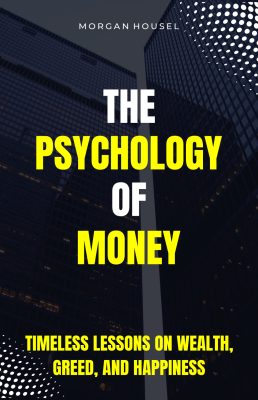
In The Psychology of Money: Timeless Lessons on Wealth, Greed, and Happiness, Morgan Housel challenges conventional wisdom by exploring the intricate relationship between human psychology and financial decision-making. Through engaging storytelling and insightful analysis, Housel reveals how our unique experiences and emotions shape our money management practices. He argues that financial success hinges less on knowledge and more on understanding why we think and behave the way we do when it comes to money.
Housel illustrates his ideas through compelling stories, such as the tale of Ronald Read, a janitor and gas station attendant who amassed an $8 million fortune by the time of his death. His success was not the result of a high income or financial expertise but rather consistent saving and investment over time. On the flip side, Housel contrasts Read’s story with that of Richard Fuscone, a former Merrill Lynch executive who declared bankruptcy despite his high income and status. These stories emphasize the book’s core message: financial outcomes are more about behavior than intelligence or skill.
Through this book, readers will learn about the role of luck and risk in financial success. Housel highlights how acknowledging these factors can help cultivate a more balanced and humble approach to wealth management. By understanding that outcomes are not always the result of skill alone, individuals can develop a greater appreciation for the unpredictable nature of life and finance, fostering resilience and adaptability in the face of challenges.
The book also provides practical advice on cultivating financial habits that lead to long-term success. Readers will gain insights into the power of compounding, the importance of living below one’s means, and the benefits of a frugal lifestyle. Housel emphasizes the significance of patience, discipline, and a long-term perspective in wealth accumulation. By applying these principles, individuals can build a more secure financial future and avoid the common pitfalls of greed and impulsivity.
Housel dives into the psychological biases that often sabotage financial plans, such as overconfidence, loss aversion, and herd mentality. By recognizing and understanding these biases, readers can develop strategies to counteract them and make more rational financial decisions. The book offers a roadmap for cultivating a mindset that prioritizes behavior modification over technical knowledge, empowering readers to achieve greater financial stability and success.
The central message of The Psychology of Money is that financial success is more about behavior and less about intelligence or knowledge. Housel uses the metaphor of a “financial garden” to illustrate this concept. Just as a gardener must understand the seasons, soil, and weather to cultivate a thriving garden, individuals must understand their own financial psychology to build lasting wealth. This means being aware of the emotional biases and irrational tendencies that can derail even the best-laid financial plans.
Housel argues that financial behaviors, such as patience, discipline, and long-term thinking, are the true drivers of wealth. He highlights that many people focus on acquiring more money, but few focus on cultivating the behaviors that sustain and grow that wealth over time. By sharing relatable stories and real-world examples, Housel makes a compelling case for why mastering one’s psychology is the ultimate key to financial success.
The Psychology of Money has made a significant impact on the field of personal finance by shifting the focus from technical financial knowledge to the psychological aspects of money management. Housel’s book has been praised for its accessibility, making complex psychological concepts understandable to a broad audience. It has sparked conversations about the importance of behavioral finance and has been recognized as a must-read for anyone interested in improving their financial well-being.
The book has received accolades for its insightful and thought-provoking content, including being named one of the best business books of the year by Forbes. Its controversial points, such as the idea that intelligence and knowledge play a lesser role in financial success than behavior, have challenged traditional financial advice and prompted readers to reevaluate their approach to money management. Housel’s work has contributed to a growing recognition of the importance of psychological factors in personal finance, paving the way for more research and discussion in this area.
In The Psychology of Money: Timeless Lessons on Wealth, Greed, and Happiness, Morgan Housel offers a refreshing perspective on personal finance by focusing on the psychological aspects that influence our financial decisions. His narrative is rich with real-life anecdotes and historical examples, making the complex subject of financial behavior both accessible and engaging. Housel’s talent for storytelling draws us into the world of money management, not through technical jargon, but through relatable stories that resonate on a personal level. This approach helps demystify financial success, presenting it as a result of our habits and attitudes rather than mere knowledge or luck.
Housel’s exploration of key financial concepts like the power of compounding, the importance of frugality, and the role of risk management is both insightful and practical. He challenges conventional wisdom by highlighting how our unique experiences shape our financial behavior, often more than any formal education or professional advice. By focusing on behavior rather than technical skill, Housel provides a toolkit for financial success that is grounded in self-awareness and discipline. His emphasis on long-term thinking and the behavioral aspects of finance offers a refreshing counterpoint to the often short-term, profit-driven mentality prevalent in financial literature.
The book’s strengths lie in its ability to convey deep insights with simplicity and clarity. Housel avoids unnecessary complexity, ensuring that his arguments are easily understood by readers from all backgrounds. The practical applicability of his advice makes the book a valuable resource for anyone looking to improve their financial habits. However, some may find the book’s focus on individual behavior to the exclusion of systemic factors a bit narrow. While Housel’s points are well-taken, a broader exploration of external influences on financial behavior could have provided a more comprehensive view.
Despite these minor limitations, The Psychology of Money stands out for its engaging style and practical wisdom. Housel’s ability to translate psychological principles into actionable financial advice makes this book a standout addition to the field of personal finance. It is particularly valuable for readers who seek to understand the ‘why’ behind their financial decisions and who want to develop habits that lead to long-term financial security.
We highly recommend The Psychology of Money for anyone interested in improving their financial well-being. Whether you are a seasoned investor or just starting on your financial journey, Housel’s insights can help you develop a more thoughtful and disciplined approach to money management. His emphasis on behavior over technical knowledge makes the book accessible and valuable for readers from all walks of life.
For those looking to gain a deeper understanding of how psychological factors influence financial decisions, this book is a must-read. Housel’s engaging writing style and practical advice provide a compelling guide to navigating the complexities of personal finance. By focusing on the behavioral aspects of money, he offers a fresh and insightful perspective that can help readers achieve lasting financial success. The Psychology of Money is not just a book about money; it’s a book about making better decisions and leading a more financially secure and fulfilling life.
The Psychology of Money: Timeless Lessons on Wealth, Greed, and Happiness by Morgan Housel explores the complex interplay between human psychology and financial decision-making. At its core, the book emphasizes that financial success is largely determined by how we think about and approach money rather than our technical knowledge of financial products or markets. This focus on behavior over knowledge encapsulates the essence of the book’s message.
One of the key topics Housel addresses is the role of luck and risk in financial outcomes. He argues that we often underestimate the impact of luck in financial success and fail to recognize the inherent risks in our decisions. By acknowledging that outcomes are not always the result of skill alone, we can develop a more balanced and humble approach to investing and wealth management. Housel stresses that understanding this interplay can prevent overconfidence and unrealistic expectations.
Another crucial element is the power of compounding. Housel illustrates how the slow and steady accumulation of wealth, driven by compounding returns, is a far more reliable path to financial security than attempting to achieve quick wins. He emphasizes that time is a powerful ally in wealth creation, and patience is essential. By investing consistently over long periods, individuals can harness the exponential growth of their investments, turning small contributions into substantial wealth.
Housel also delves into the concept of frugality and its role in financial well-being. He argues that living below one’s means and valuing financial independence over material possessions can lead to greater financial security and happiness. This mindset shift from consumption to savings helps individuals build a safety net and reduces financial stress. The author underscores that the habits of saving and spending wisely are more critical than the absolute amount of money one earns.
Behavioral biases are another significant topic in the book. Housel explains how cognitive biases like overconfidence, loss aversion, and herd mentality can lead to poor financial decisions. By understanding these biases, individuals can develop strategies to mitigate their effects and make more rational choices. Recognizing that everyone is susceptible to these biases is the first step toward managing them effectively.
The importance of flexibility and adaptability in financial planning is also highlighted. Housel argues that rigid plans can fail in the face of unexpected life events or market changes. He advocates for building financial strategies that allow for adjustments and contingencies. This approach ensures that individuals can navigate uncertainties and remain resilient in their financial journeys.
One compelling example Housel uses to illustrate these concepts is the story of Ronald Read. Read was a janitor and gas station attendant who quietly amassed an $8 million fortune by the time he passed away. His wealth accumulation was not due to a high income or advanced financial strategies but rather his consistent, long-term investing and frugal lifestyle. Read’s story exemplifies the power of compounding and the impact of living below one’s means. By investing modestly and regularly in a diversified portfolio, he harnessed the power of time and patience to build substantial wealth.
In contrast to Read, Housel presents the case of Richard Fuscone, a former Merrill Lynch executive who declared bankruptcy despite his high income and status. Fuscone’s financial downfall was due to over-leverage and living beyond his means. He owned multiple properties and maintained an extravagant lifestyle, which became unsustainable when economic conditions changed. Fuscone’s story highlights the dangers of overconfidence and the importance of frugality and risk management. It serves as a cautionary tale about the pitfalls of assuming that a high income guarantees financial security.
Housel also references historical events to illustrate financial principles, such as the South Sea Bubble of the early 18th century. This financial crisis was characterized by speculative investments in the South Sea Company, which led to a dramatic market crash. The frenzy and subsequent collapse were driven by herd mentality and overconfidence, showcasing how collective behavioral biases can lead to widespread financial disaster. The South Sea Bubble serves as a powerful example of how irrational behavior and speculation can destabilize entire economies.
Another example Housel uses is the 2008 financial crisis, which underscores the importance of understanding risk and avoiding overconfidence. Many financial institutions and investors believed that housing prices would continue to rise indefinitely, leading to excessive risk-taking and leverage. When the housing bubble burst, it resulted in massive financial losses and economic turmoil. This crisis highlights the need for humility and caution in financial planning, as well as the significance of recognizing and managing systemic risks.
The Role of Behavior Over Knowledge
Financial success is more about behavior than knowledge. Even individuals with limited financial expertise can achieve significant wealth by adopting prudent financial behaviors. To apply this insight, focus on cultivating habits such as saving consistently, avoiding debt, and investing wisely. It’s important to develop a long-term perspective and remain disciplined in your financial decisions, even when the market fluctuates. Creating a budget and sticking to it can help reinforce these behaviors and ensure steady progress toward financial goals.
The Power of Compounding
Compounding is one of the most powerful tools for building wealth over time. Small, consistent investments can grow exponentially due to the compound interest effect. To harness this power, start investing as early as possible and make regular contributions to your investment accounts. Avoid withdrawing from these accounts to let your investments compound over the long term. Even modest amounts can grow significantly if left to compound, highlighting the importance of patience and consistency in wealth accumulation.
The Importance of Frugality
Living below your means is crucial for financial stability and growth. Frugality allows you to save more and invest a larger portion of your income, which can lead to substantial wealth over time. To apply this insight, review your expenses regularly and identify areas where you can cut back without sacrificing your quality of life. Focus on spending money on things that truly matter and bring value to your life, while minimizing wasteful or impulsive purchases. This approach can help you build a strong financial foundation and reduce stress.
Recognizing and Managing Risk
Understanding and managing risk is essential for financial success. Many people fail to account for the inherent risks in their financial decisions, leading to unexpected losses. To apply this insight, always assess the potential risks and rewards of any investment or financial decision. Diversify your investments to spread risk and avoid putting all your eggs in one basket. Maintain an emergency fund to cover unexpected expenses and protect yourself from financial shocks. This proactive approach can help you navigate uncertainties and stay on track toward your financial goals.
The Impact of Luck and Humility
Luck plays a significant role in financial outcomes, and recognizing this can help you stay humble and grounded. Successful financial decisions often involve a combination of skill and luck, and it’s important to acknowledge the influence of external factors. To apply this insight, avoid becoming overconfident or complacent when you experience financial success. Stay aware of the potential for change and remain adaptable in your financial strategies. This mindset can help you make more balanced decisions and remain resilient in the face of unexpected challenges.
The Dangers of Overconfidence
Overconfidence can lead to risky financial behaviors and significant losses. People often overestimate their ability to predict market movements or make profitable investments. To counteract this, seek diverse perspectives and remain open to learning from others. Conduct thorough research and avoid making decisions based solely on gut feelings or incomplete information. A healthy dose of skepticism and humility can prevent you from making overconfident decisions that jeopardize your financial security.
The Benefits of Flexibility
Flexibility in financial planning allows you to adapt to changing circumstances and unexpected events. Rigid plans can fail when life throws curveballs, but a flexible approach can help you stay on course. To apply this insight, build contingencies into your financial plans. Set aside funds for emergencies, and be willing to adjust your goals and strategies as needed. Regularly review and update your financial plans to reflect your current situation and priorities. This adaptability can enhance your financial resilience and long-term success.
The Influence of Behavioral Biases
Behavioral biases, such as loss aversion and herd mentality, can negatively impact financial decisions. Understanding these biases is crucial for making more rational and informed choices. To apply this insight, educate yourself about common biases and how they affect financial behavior. Develop strategies to counteract these biases, such as setting clear financial goals, maintaining a long-term perspective, and avoiding emotional reactions to market fluctuations. By recognizing and managing your biases, you can improve your decision-making and achieve better financial outcomes.
The Value of Financial Independence
Financial independence provides security and freedom, reducing reliance on external sources of income. Striving for financial independence can motivate you to save and invest wisely. To apply this insight, focus on building a diverse portfolio of income-generating assets, such as investments in stocks, bonds, and real estate. Prioritize paying off debt and creating multiple streams of income to enhance your financial security. Achieving financial independence allows you to make life choices based on your values and goals rather than financial necessity.
The Importance of Long-Term Thinking
Long-term thinking is crucial for building sustainable wealth and achieving financial goals. Short-term decisions often lead to suboptimal outcomes, whereas a long-term perspective encourages patience and strategic planning. To apply this insight, set clear, long-term financial goals and create a plan to achieve them. Avoid reacting to short-term market fluctuations and focus on the overall trajectory of your investments. Regularly review your progress and adjust your strategies as needed to stay aligned with your long-term objectives. This approach can help you build lasting wealth and financial stability.
The Psychology of Money excels in exploring the psychological aspects of financial decision-making. Morgan Housel does an outstanding job of highlighting how our personal experiences and emotions significantly influence our financial choices. He breaks down complex psychological concepts into easily understandable narratives, making them accessible to a broad audience. This focus on behavior rather than technical knowledge provides readers with a unique and valuable perspective on managing money effectively.
Housel’s engaging writing style is a major strength of the book. He uses relatable stories and anecdotes to illustrate key points, which keeps the reader interested and makes the content more memorable. The use of real-life examples, such as the contrasting financial journeys of Ronald Read and Richard Fuscone, adds depth and realism to his arguments. This storytelling approach makes the book not only informative but also enjoyable to read, helping to demystify complex financial concepts.
The practical advice provided in The Psychology of Money is another strong point. Housel offers tangible strategies that readers can implement in their own lives, such as living below their means, understanding the power of compounding, and recognizing the importance of flexibility in financial planning. These actionable insights empower readers to make better financial decisions and build a more secure financial future. The book’s focus on behavior modification provides readers with tools that are immediately applicable, making the content highly relevant and useful.
Housel presents his arguments with remarkable clarity, ensuring that even complex ideas are easy to grasp. He avoids jargon and uses straightforward language, which makes the book accessible to readers with varying levels of financial knowledge. Each chapter builds logically on the previous one, creating a coherent narrative that enhances the reader’s understanding of the core concepts. This clarity ensures that readers can easily follow and apply the insights shared throughout the book.
The depth of research that underpins The Psychology of Money is evident in the wide range of examples and historical references Housel uses. From the South Sea Bubble to the 2008 financial crisis, he draws on a broad spectrum of case studies to support his arguments. This thorough research not only strengthens the credibility of his insights but also provides readers with a rich context for understanding the psychological dynamics of financial decision-making.
Lack of Technical Depth
While the book’s focus on psychological aspects is a strength, it may also be seen as a weakness for readers seeking in-depth technical knowledge about financial markets and investment strategies. Housel prioritizes behavioral insights over detailed financial analysis, which means the book lacks comprehensive coverage of specific investment techniques and financial instruments. Readers looking for detailed guidance on technical financial planning might find this aspect lacking.
Repetition of Themes
Some readers might find the repetition of themes throughout the book to be a downside. Housel reiterates key points multiple times, which can feel redundant to those who grasp the concepts quickly. While this repetition can reinforce important messages, it might also slow down the reading experience for some and give the impression of padding the content.
Overgeneralization
At times, Housel’s arguments may seem overly generalized, which can limit their applicability to specific situations. For example, the emphasis on living below one’s means and avoiding debt is sound advice, but it may not account for nuanced financial circumstances faced by individuals in different stages of life or with unique financial obligations. This broad-brush approach might not provide the detailed guidance needed for readers with more complex financial scenarios.
Limited Coverage of Diverse Perspectives
While the book provides valuable insights into common financial behaviors, it sometimes lacks coverage of diverse perspectives and experiences. Housel’s examples predominantly feature Western contexts and may not fully address cultural or socioeconomic factors that influence financial behavior in different regions of the world. Including a broader range of perspectives could have enhanced the book’s relevance to a more diverse global audience.
One potential blind spot in The Psychology of Money is its limited consideration of the broader economic and social contexts that influence financial behavior. Housel focuses on individual psychological factors, but financial decisions are often shaped by systemic issues such as economic inequality, access to financial education, and cultural norms. For instance, while the advice to save and invest is sound, it might not fully apply to individuals struggling with systemic barriers to financial stability. Books like Nudge: Improving Decisions About Health, Wealth, and Happiness by Richard H. Thaler and Cass R. Sunstein provide a more comprehensive view by integrating insights from behavioral economics with public policy considerations, highlighting how external factors can also shape financial behavior.
Housel’s emphasis on personal responsibility for financial outcomes can sometimes overshadow the role of external factors beyond an individual’s control. While personal behavior is crucial, systemic issues such as job market fluctuations, healthcare costs, and educational expenses also significantly impact financial stability. This overemphasis might lead readers to overlook these external influences. Robert Shiller’s Irrational Exuberance offers a more balanced perspective by examining how market dynamics and broader economic trends impact individual financial decisions, providing a counterpoint to the idea that personal behavior alone dictates financial success.
The book tends to simplify the concept of risk management by focusing primarily on individual actions like saving and diversification. However, risk management in finance often involves more complex strategies and considerations, particularly in a globalized economy where market volatility and geopolitical events can have far-reaching impacts. For readers interested in a more nuanced understanding of risk, Against the Gods: The Remarkable Story of Risk by Peter L. Bernstein provides a historical and analytical exploration of risk management, emphasizing the evolution of financial theories and practices that help mitigate risk on a broader scale.
Housel’s advice often assumes a one-size-fits-all approach to financial goals, focusing on wealth accumulation and financial security. However, individuals have diverse financial aspirations that might include philanthropy, social impact investing, or achieving a specific lifestyle. The book does not deeply explore how different financial goals require different strategies. Your Money or Your Life by Vicki Robin and Joe Dominguez delves into the concept of financial independence and rethinking money’s role in achieving personal fulfillment, offering a broader perspective on how financial strategies can align with varied life goals.
While Housel adeptly identifies various behavioral biases that affect financial decision-making, he offers limited discussion on interventions or techniques to overcome these biases. Understanding psychological pitfalls is crucial, but readers might benefit from more concrete strategies to change detrimental financial habits. Books like Thinking, Fast and Slow by Daniel Kahneman provide a more detailed exploration of cognitive biases and practical methods to counteract them, offering readers a toolkit for improving their decision-making processes in various aspects of life, including finance.
The Psychology of Money and Nudge both explore behavioral economics, but their approaches and focus areas differ. Housel emphasizes personal anecdotes and individual financial behaviors, while Thaler and Sunstein concentrate on how small changes in the environment can nudge people toward better decisions. While Housel focuses on self-awareness and personal responsibility in financial decision-making, Nudge highlights the role of policy and environmental changes in improving economic outcomes. This difference underscores a broader view in Nudge that acknowledges systemic and structural factors influencing behavior, whereas Housel’s book leans more towards individual behavioral change.
Kahneman’s Thinking, Fast and Slow provides a deep dive into cognitive biases and the dual systems of thinking that govern decision-making. Both Housel and Kahneman emphasize the impact of psychological factors on financial decisions, but Kahneman offers a more comprehensive theoretical framework and scientific analysis. Housel’s approach is more narrative and practical, making it accessible for a general audience. In contrast, Kahneman’s book is more academic, providing extensive research data and experiments to support its claims. For readers seeking a more detailed understanding of cognitive processes, Thinking, Fast and Slow complements Housel’s insights with a rigorous exploration of the mechanisms behind our thinking patterns.
Irrational Exuberance by Robert Shiller examines market dynamics and the psychological factors driving speculative bubbles. Shiller’s work contrasts with Housel’s by focusing more on macroeconomic factors and market psychology, whereas Housel centers on individual behavior and personal finance. Shiller’s analysis of market trends and collective behavior provides a broader context that can enhance understanding of the systemic risks Housel touches on. Both books offer valuable perspectives, but Shiller’s is more suitable for readers interested in the larger economic forces at play, while Housel’s is ideal for those looking for practical advice on personal financial management.
Understanding Behavioral Influences
Implementing Frugality
Harnessing the Power of Compounding
Risk Management
Long-Term Thinking
Flexibility and Adaptability
Practical Action Plan
Self-Assessment and Awareness
Budgeting and Frugality
Investing Early and Consistently
Risk Management Strategies
Setting and Achieving Long-Term Goals
Maintaining Flexibility
The Psychology of Money emphasizes the impact of human behavior on financial decisions, which is highly relevant in a business context. Businesses can benefit from understanding how psychological factors influence the financial behaviors of employees, customers, and stakeholders. Implementing training programs that focus on behavioral finance can help employees make better financial decisions, ultimately benefiting the organization’s financial health.
Potential obstacles include resistance to change and skepticism about the relevance of behavioral training in a corporate setting. Employees might not see the immediate value in understanding psychological aspects of finance, leading to low engagement with the programs.
To overcome these challenges, businesses can integrate behavioral finance training into broader financial wellness programs, highlighting the direct benefits to employees’ personal and professional lives. Demonstrating real-life examples and case studies where understanding behavioral finance led to improved decision-making can help in gaining buy-in from employees.
Housel’s emphasis on long-term thinking is crucial for business success. Encouraging a corporate culture that values long-term planning over short-term gains can lead to more sustainable growth. This involves setting long-term goals, incentivizing long-term performance, and communicating the importance of strategic patience to all levels of the organization.
One challenge is the prevalent focus on quarterly earnings and short-term performance metrics, which can create pressure on employees and managers to prioritize immediate results over sustainable growth. This short-termism can undermine efforts to instill a long-term perspective.
To address this issue, companies can revise their performance evaluation and reward systems to include long-term metrics. By aligning incentives with long-term goals, businesses can encourage employees to think and act with a future-oriented mindset. Regularly communicating the organization’s long-term vision and progress towards these goals can also reinforce this cultural shift.
The book’s insights into risk management are particularly applicable to businesses. Understanding and managing risk effectively is essential for organizational stability and growth. This involves diversifying investments, preparing for economic downturns, and developing robust risk assessment frameworks.
A significant obstacle in enhancing risk management practices is the inherent uncertainty and unpredictability of market conditions. Additionally, there might be resistance to adopting new risk management strategies due to a lack of understanding or fear of change.
Businesses can overcome these challenges by investing in risk management education and training for key personnel. Implementing advanced risk assessment tools and technologies can also help in identifying and mitigating risks more effectively. Encouraging a culture of continuous improvement and learning can ensure that risk management practices evolve with changing market conditions.
Housel’s advocacy for frugality can be applied to businesses through efficient resource management and cost control. By promoting a culture of frugality, organizations can ensure that resources are used effectively, reducing waste and improving profitability. This can include optimizing operational processes, renegotiating contracts, and eliminating unnecessary expenditures.
Implementing a culture of frugality can be challenging due to ingrained spending habits and the perception that cost-cutting measures may negatively impact quality or employee morale. Employees may also resist changes that require altering their usual ways of working.
To foster a culture of frugality, businesses can start with small, visible cost-saving initiatives that demonstrate the benefits of efficient resource management. Engaging employees in the process by encouraging suggestions for cost-saving measures and rewarding innovative ideas can also help. Clear communication about the reasons for cost control and its long-term benefits for the organization can mitigate resistance and promote buy-in.
Housel highlights the importance of flexibility and adaptability in financial planning, which is equally important for businesses. Organizations need to be able to pivot and adapt to changing market conditions, technological advancements, and unexpected challenges. This can involve flexible strategic planning, agile project management, and fostering a culture of innovation.
The main challenge in integrating flexibility and adaptability is overcoming organizational inertia and resistance to change. Established companies, in particular, may struggle with shifting long-standing processes and mindsets. Additionally, there can be a lack of skills or resources required to implement agile methodologies effectively.
Businesses can address these challenges by investing in change management programs that prepare employees for new ways of working. Offering training and development opportunities to build skills in agile methodologies and innovation can also help. Leadership commitment to flexibility and adaptability, demonstrated through actions and resource allocation, is crucial in driving this cultural transformation.
Understanding and addressing behavioral biases can improve corporate decision-making. By recognizing biases such as overconfidence, loss aversion, and herd mentality, businesses can make more rational and informed decisions. This involves training decision-makers to identify and mitigate these biases and incorporating behavioral insights into strategic planning and operations.
One obstacle is that behavioral biases are often subconscious, making them difficult to identify and address. Additionally, there may be skepticism about the impact of these biases on corporate decisions, leading to resistance in adopting new decision-making frameworks.
To overcome these obstacles, businesses can conduct workshops and training sessions that highlight common biases and their effects on decision-making. Using real-world examples and case studies to illustrate the impact of biases can also help in raising awareness. Implementing structured decision-making processes that include checks and balances to mitigate biases can further enhance the rationality of corporate decisions.
The ideas in The Psychology of Money align well with the growing field of behavioral finance. This trend highlights how psychological factors impact financial decisions, influencing markets and personal finance. As more institutions recognize the value of behavioral insights, Housel’s book serves as a crucial resource. It provides foundational knowledge that complements the academic and practical advancements in this area. We can expect further integration of behavioral finance principles in education, financial planning, and corporate strategies.
Financial literacy is becoming a key focus in education systems worldwide. Housel’s emphasis on the behavioral aspects of money management fits perfectly with this trend. Educators are increasingly incorporating lessons on financial behavior into their curricula. This helps students develop better financial habits early in life. As the demand for comprehensive financial education grows, The Psychology of Money offers practical insights that can be easily understood and applied by learners of all ages.
With the rise of fintech, personal finance management is more accessible than ever. Apps and platforms that use behavioral finance principles are gaining popularity. Housel’s insights into human behavior and money management can inform the development of these tools. By incorporating lessons from the book, fintech solutions can better address user needs and improve financial decision-making. This trend towards personalized, behavior-driven financial technology is likely to continue expanding.
There is a noticeable shift towards long-term investment strategies among individual investors. The volatile nature of markets and economic uncertainties have made short-term trading less appealing. Housel’s focus on the importance of patience, discipline, and long-term thinking supports this trend. Investors are increasingly looking for sustainable growth and financial security. The Psychology of Money provides the mindset and principles necessary to adopt and succeed with these long-term strategies.
Companies are starting to prioritize the financial well-being of their employees. This trend recognizes that financially secure employees are more productive and engaged. Housel’s ideas on financial behavior can be instrumental in shaping corporate financial wellness programs. By understanding the psychology behind money, companies can offer more effective support and resources. This approach can enhance overall employee satisfaction and contribute to a healthier workplace culture.
As a relatively recent publication, The Psychology of Money has the potential to influence both the field of personal finance and broader societal views on money management for years to come. Housel’s accessible writing style and focus on behavioral aspects of finance make the book appealing to a wide audience, including those who might be intimidated by more technical financial literature. By emphasizing the importance of behavior over knowledge, the book encourages a more reflective and mindful approach to personal finance, which could lead to more sustainable financial habits in society.
The book’s insights into human behavior and money could also have implications for financial education and policy-making. Educators might incorporate its principles into curricula to help students develop better financial habits from a young age. Policymakers could draw on its findings to design interventions and policies that account for common behavioral biases, potentially improving financial outcomes on a larger scale.
Moreover, The Psychology of Money highlights the importance of financial literacy and psychological awareness, which could spark increased interest in these areas. As more people recognize the influence of behavior on financial success, there may be a growing demand for resources and tools to help individuals manage their finances more effectively. This shift could lead to innovations in financial services and products designed to support better decision-making.
In the long term, Housel’s emphasis on patience, frugality, and risk management could contribute to a cultural shift towards more prudent and thoughtful financial practices. As individuals and society at large begin to appreciate the value of these traits, we might see a reduction in financial crises driven by speculative behavior and overconfidence. The book’s impact could thus extend beyond individual readers, fostering a more financially resilient and informed society.
Thinking, Fast and Slow provides a deep dive into the cognitive biases and psychological principles that influence our decisions. Kahneman’s exploration of System 1 (fast, intuitive thinking) and System 2 (slow, deliberate thinking) offers a comprehensive framework that complements Housel’s focus on financial behavior. This book is essential for readers who want to understand the underlying mental processes that drive financial decisions and learn how to manage them effectively.
Nudge explores how small changes in the environment can significantly impact decision-making, aligning well with the behavioral insights discussed in The Psychology of Money. Thaler and Sunstein’s concept of “nudging” provides practical strategies for influencing financial behavior in positive ways. This book is valuable for readers interested in applying behavioral economics principles to improve personal finance decisions and organizational policies.
Your Money or Your Life focuses on achieving financial independence through mindful spending, saving, and investing. Robin and Dominguez emphasize the importance of aligning financial choices with personal values, which complements Housel’s advocacy for frugality and long-term thinking. This book is ideal for readers looking to transform their relationship with money and achieve greater financial freedom through disciplined and intentional living.
Irrational Exuberance offers an in-depth analysis of speculative bubbles and market psychology, providing a macroeconomic perspective that contrasts with Housel’s focus on individual behavior. Shiller’s examination of how collective behavior influences financial markets enhances the reader’s understanding of systemic risks and the importance of prudent financial planning. This book is useful for readers interested in the broader economic context of financial decision-making.
The Millionaire Next Door examines the habits and lifestyles of wealthy individuals, highlighting the importance of frugality, hard work, and smart financial management. Stanley and Danko’s research aligns with Housel’s insights on the behaviors that lead to financial success. This book provides concrete examples of how ordinary people can achieve extraordinary wealth through disciplined financial practices, making it a valuable companion to The Psychology of Money.
Rich Dad Poor Dad contrasts the financial philosophies of Kiyosaki’s two father figures, offering lessons on wealth-building and financial literacy. Kiyosaki’s emphasis on financial education and the difference between assets and liabilities complements Housel’s focus on behavior and mindset. This book is beneficial for readers seeking practical advice on building wealth and improving their financial knowledge through different perspectives and approaches.
The Behavior Gap explores the common mistakes people make with their money due to emotional and psychological factors. Richards’ straightforward advice and illustrative sketches help readers understand and avoid these pitfalls, aligning with Housel’s emphasis on behavioral finance. This book is perfect for readers who want practical tips on how to manage their financial behavior and make smarter money decisions.
Atomic Habits provides a comprehensive guide to habit formation and change, which is directly relevant to improving financial behaviors. Clear’s strategies for building good habits and breaking bad ones can help readers implement the practical advice in The Psychology of Money. This book is ideal for those looking to create lasting changes in their financial habits and achieve their long-term financial goals through systematic and incremental improvements.
Investopedia (www.investopedia.com)
Investopedia is a comprehensive online resource that offers detailed articles, tutorials, and videos on various financial topics. It covers everything from basic personal finance principles to advanced investment strategies. For readers of The Psychology of Money, Investopedia provides valuable supplementary information and practical tools to enhance financial literacy and decision-making.
NerdWallet (www.nerdwallet.com)
NerdWallet is a personal finance website that helps users make smart financial decisions by providing expert advice, reviews, and comparison tools. It covers a wide range of topics, including budgeting, investing, and credit management. This resource can help readers apply Housel’s insights in practical ways and find the best financial products for their needs.
Behavioral Finance Symposium
The Behavioral Finance Symposium is an annual event that brings together leading experts in psychology, finance, and economics to discuss the latest research and trends in behavioral finance. Attending this conference can provide readers with deeper insights into the psychological factors that influence financial decision-making and connect them with professionals in the field.
Money20/20
Money20/20 is one of the largest conferences in the financial services industry, focusing on the future of money and financial technology. It covers a broad range of topics, including behavioral finance, fintech innovations, and consumer financial health. This conference is ideal for readers interested in how technological advancements and behavioral insights are shaping the future of finance.
Financial Planning Association (FPA) (www.onefpa.org)
The Financial Planning Association is a professional organization for certified financial planners and other finance professionals. It offers resources, education, and networking opportunities for those interested in personal finance and financial planning. Membership in the FPA can provide access to cutting-edge research, professional development, and industry best practices.
National Association of Personal Financial Advisors (NAPFA) (www.napfa.org)
NAPFA is a leading organization of fee-only financial advisors committed to high standards of professional competence and ethical practices. It provides resources and support for financial advisors and consumers alike. For readers of The Psychology of Money, NAPFA’s resources can offer additional guidance on finding trustworthy financial advice and improving financial decision-making.
The Behavioral Investor
The Behavioral Investor podcast, hosted by psychologist and behavioral finance expert Dr. Daniel Crosby, explores the intersection of human behavior and financial markets. Each episode delves into psychological principles that influence investment decisions, making it a perfect complement to the themes discussed in The Psychology of Money.
Planet Money
Planet Money is an NPR podcast that explains the complexities of the economy in a straightforward and engaging way. Covering a wide range of financial topics, including behavioral finance, it provides listeners with a deeper understanding of how economic principles impact their daily lives. This podcast can help readers contextualize Housel’s insights within broader economic trends.
Coursera – Behavioral Finance
Coursera offers online courses in behavioral finance from top universities and institutions. These courses cover the psychological factors that influence financial decisions and provide practical applications for personal and professional finance. Enrolling in a behavioral finance course can deepen readers’ understanding of the concepts discussed in The Psychology of Money.
edX – Financial Literacy
edX provides various courses on financial literacy that cover essential topics like budgeting, saving, investing, and managing debt. These courses are designed to help individuals make informed financial decisions and build solid financial foundations. For readers looking to enhance their practical financial skills, edX offers valuable learning opportunities.
Inside Job
Inside Job is an acclaimed documentary that examines the systemic corruption within the financial services industry that led to the 2008 financial crisis. This film provides context for understanding the broader economic forces and behavioral factors that influence financial markets, complementing the insights from The Psychology of Money.
The Big Short
Based on Michael Lewis’s book, The Big Short dramatizes the events leading up to the 2008 financial crisis. It highlights the human behaviors and systemic issues that contributed to the collapse, offering a compelling narrative that aligns with Housel’s exploration of financial psychology and decision-making.


Discover the key takeaways from top non-fiction books in minutes. Get the wisdom you need to succeed fast. Here, learning is quick, engaging, and always at your fingertips.
© 2025 All Rights Reserved.