Reviews
“By far the best book on investing ever written.” — Warren Buffett
“If you read just one book on investing during your lifetime, make it this one” — Fortune
“The wider Mr. Graham’s gospel spreads, the more fairly the market will deal with its public.” — Barron’s
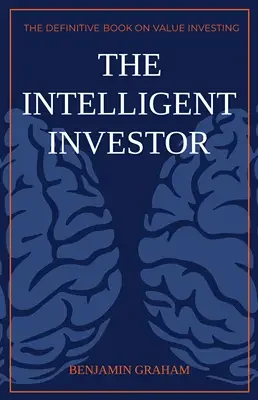
The Intelligent Investor is a seminal work in the field of investment strategy, offering a comprehensive guide to value investing. The book’s central theme revolves around the principles of investing wisely and safely to achieve long-term financial success. Graham provides readers with practical insights and detailed strategies for navigating the volatile stock market, emphasizing the importance of a disciplined and analytical approach to investing. What sets this book apart in the investment genre is its timeless wisdom, applicable across generations, and its emphasis on protecting oneself from substantial errors. The unique selling point is Graham’s clear methodology for distinguishing between speculative and sound investments, making it a must-read for anyone serious about building wealth responsibly.
The Intelligent Investor is ideal for both novice and experienced investors who are eager to deepen their understanding of value investing. The primary audience includes individual investors, financial advisors, and students of finance. Secondary audiences might include anyone interested in personal finance and wealth management. Graham’s language is accessible, and he takes care to explain complex concepts in a manner that is easy to grasp, making the book suitable for readers without a deep financial background.
Imagine you’re navigating a bustling marketplace filled with merchants shouting their wares. In this chaotic environment, how do you decide which merchants are trustworthy and which products are worth your hard-earned money? The Intelligent Investor by Benjamin Graham serves as a wise guide through the noisy marketplace of the stock market, teaching you how to discern true value amidst the clamor.
Graham opens the book by emphasizing the difference between investing and speculating. Investing is methodical and data-driven, focusing on the intrinsic value of a company, while speculating is akin to gambling, driven by whims and market trends. Through historical examples and analytical methods, Graham shows how investors often fall prey to their emotions, making decisions based on greed and fear rather than rational analysis.
A significant portion of the book is dedicated to the concept of “Mr. Market,” a metaphorical figure representing the stock market’s fluctuations. Graham uses Mr. Market to illustrate how prices often reflect emotional reactions rather than a company’s true value. By understanding Mr. Market’s mood swings, investors can learn to buy low when others are selling in panic and sell high when others are buying in euphoria.
Readers will learn a comprehensive approach to value investing, focusing on the principle of “margin of safety.” This principle is about buying securities at a price significantly below their intrinsic value to minimize risk. Graham meticulously explains how to evaluate a company’s financial health, including analyzing earnings, dividends, and growth potential, to determine its true worth.
Moreover, The Intelligent Investor explores various strategies for building a resilient investment portfolio. Graham advises on the importance of diversification, balancing between defensive and enterprising investments, and maintaining a long-term perspective. These strategies aim to shield investors from significant losses and provide steady growth over time.
At the heart of The Intelligent Investor is the principle that successful investing is about managing risk, not chasing returns. Graham’s central message is that investors should focus on the intrinsic value of their investments and insist on a margin of safety. This margin of safety acts as a buffer against market volatility and errors in judgment. To illustrate, consider the purchase of a house. You wouldn’t pay more than it’s worth, and you’d look for potential issues that could cost you later. Similarly, in investing, you should seek assets that are undervalued yet fundamentally strong.
Graham’s core message challenges the common misconception that the stock market is a quick way to wealth. Instead, he promotes patience, discipline, and a thorough understanding of market behavior. His investment philosophy is grounded in realism and caution, recognizing that while the market can be irrational in the short term, it tends to correct itself in the long run.
The Intelligent Investor has profoundly influenced the field of investment. Its impact is reflected in the success of its adherents, most notably Warren Buffett, who credits Graham as his mentor. The book is often lauded for its practical advice and timeless principles, remaining relevant despite the market’s evolution since its first publication in 1949.
Graham’s work has sparked debate, particularly his skepticism of speculative investments, which some modern investors might find restrictive. Despite this, the book’s acclaim is undeniable, often considered a bible for investors seeking to build wealth prudently. It has received numerous accolades and continues to be a best-seller, cementing its status as a classic in investment literature.
The Intelligent Investor by Benjamin Graham is a cornerstone in the world of investment literature. Over the decades, it has guided countless investors through the often turbulent waters of the stock market with its clear, methodical approach to value investing. Graham’s wisdom is built on the bedrock of rigorous financial analysis and a deep understanding of market psychology. He provides readers with a framework that emphasizes caution, discipline, and long-term thinking—qualities that are essential for anyone looking to build sustainable wealth.
One of the greatest strengths of The Intelligent Investor is its timelessness. Despite being first published in 1949, the principles it espouses are as relevant today as they were over seventy years ago. Graham’s focus on the intrinsic value of investments, the importance of a margin of safety, and the differentiation between investing and speculating are fundamental concepts that underpin successful investing. The book’s practical advice and clear guidelines make it accessible to a broad audience, from beginners to seasoned investors.
However, it’s important to acknowledge that The Intelligent Investor is not without its challenges. The depth and detail of Graham’s analysis can be overwhelming for those new to investing. Some of the examples and case studies, rooted in the economic conditions of the mid-20th century, might feel outdated to contemporary readers. Moreover, the book’s limited discussion of modern investment vehicles and macroeconomic factors requires readers to supplement their knowledge with additional resources.
Despite these limitations, the value of The Intelligent Investor lies in its foundational principles. It equips readers with the tools to approach investing with a rational, analytical mindset, avoiding the emotional pitfalls that can lead to poor financial decisions. By understanding and applying Graham’s teachings, investors can better navigate market volatility and make informed decisions that align with their long-term financial goals.
Our Recommendation
We highly recommend The Intelligent Investor to anyone serious about understanding and mastering the art of investing. Whether you are a novice investor seeking to build a solid foundation or an experienced professional looking to refine your strategy, Graham’s insights provide a valuable framework for making sound investment decisions. The book’s emphasis on research, discipline, and a long-term perspective is particularly relevant in today’s fast-paced, often speculative market environment.
For those new to investing, we suggest pairing The Intelligent Investor with more contemporary resources to bridge the gap between Graham’s historical context and the current financial landscape. Books like A Random Walk Down Wall Street by Burton G. Malkiel and The Little Book of Common Sense Investing by John C. Bogle can offer additional perspectives and complement Graham’s teachings. In summary, The Intelligent Investor is an essential read for anyone committed to achieving financial success through thoughtful, informed investing.
The Intelligent Investor by Benjamin Graham focuses on several key concepts that form the bedrock of sound investment strategy. One of the central themes is the differentiation between investment and speculation. Graham emphasizes that true investing is based on thorough analysis, ensuring the safety of principal and aiming for an adequate return. In contrast, speculation is akin to gambling, with decisions based on market trends, rumors, and emotions rather than solid data. This distinction sets the foundation for all other principles discussed in the book.
Another crucial concept is the idea of “Mr. Market,” a metaphor used by Graham to describe the stock market’s irrational behavior. Mr. Market is depicted as a moody individual who offers to buy or sell shares at different prices every day. Sometimes, his prices are reasonable, reflecting the true value of the shares. Other times, they are wildly off the mark due to his unpredictable emotions. Investors are advised to take advantage of Mr. Market’s irrationality by buying when prices are low and selling when they are high, rather than being swayed by his erratic mood swings.
The principle of “margin of safety” is another cornerstone of Graham’s philosophy. This concept involves buying securities at a price significantly below their intrinsic value, creating a buffer against errors in judgment and market volatility. By insisting on a margin of safety, investors can protect themselves from significant losses even if their analysis turns out to be imperfect. This conservative approach helps to mitigate risk and increase the chances of achieving satisfactory returns over the long term.
Graham also stresses the importance of thorough financial analysis. He provides detailed methods for evaluating a company’s financial health, including examining earnings, dividends, growth potential, and balance sheet strength. By focusing on these fundamentals, investors can identify undervalued stocks that are likely to provide good returns. This rigorous analysis is contrasted with the speculative approach, which often relies on market trends and predictions rather than hard data.
Another essential topic is the strategy of defensive versus enterprising investing. Defensive investors focus on preserving capital and earning a steady return, often through diversified portfolios of high-quality bonds and stocks. Enterprising investors, on the other hand, are willing to put in more effort and take on greater risk in pursuit of higher returns. Graham outlines specific criteria for selecting investments within these two strategies, providing a roadmap for investors based on their risk tolerance and commitment level.
Northern Pipeline Company
One of the most famous case studies presented by Graham is his analysis of the Northern Pipeline Company. In the early 1920s, Graham identified this company as significantly undervalued based on its strong financial health and consistent earnings. Despite its potential, the stock was trading at a low price due to market neglect. Graham’s detailed analysis and advocacy led to a significant increase in the stock’s value when the market finally recognized its worth. This example highlights the effectiveness of thorough financial analysis and the value of identifying undervalued stocks.
The Great Depression
Graham also references the stock market crash of 1929 and the subsequent Great Depression as a critical lesson in the dangers of speculation. During the 1920s, many investors were caught up in speculative frenzy, buying stocks based on trends and hype rather than fundamental value. The crash revealed the folly of this approach, wiping out fortunes overnight. Graham uses this historical example to underscore the importance of a disciplined, value-based investment strategy that can withstand market volatility and economic downturns.
Consolidated Rock Products
Another illustrative case is Graham’s investment in Consolidated Rock Products, a company whose stock was trading well below its book value. Graham’s analysis revealed that the company’s assets, including valuable real estate, were worth significantly more than the market price of the stock. By purchasing shares at such a discount, Graham ensured a substantial margin of safety. When the market eventually recognized the company’s true value, the stock price rose sharply, demonstrating the effectiveness of Graham’s margin of safety principle.
General Motors
Graham also analyzed General Motors (GM) during a period when its stock was undervalued due to temporary setbacks. By focusing on the company’s long-term prospects, strong management, and robust financial position, Graham identified GM as a sound investment despite its short-term troubles. His approach exemplifies the importance of looking beyond immediate market sentiment and assessing the fundamental strengths of a business.
GEICO
Perhaps the most famous of Graham’s investments is his purchase of shares in GEICO (Government Employees Insurance Company). Graham identified GEICO’s innovative business model and strong growth potential early on, investing heavily in the company when it was still relatively unknown. This investment turned out to be one of the most successful in his career, with GEICO becoming a highly profitable and well-regarded insurance company. This example illustrates Graham’s ability to recognize long-term value in companies with strong fundamentals and growth potential.
Invest in Businesses, Not Stocks
Graham emphasizes that when you buy a stock, you’re purchasing a piece of a business. This mindset shift encourages investors to focus on the quality and performance of the underlying business rather than short-term market fluctuations. To apply this, conduct thorough research on companies before investing. Look into their financial statements, management quality, competitive advantages, and long-term growth prospects. This approach ensures that your investments are based on solid fundamentals rather than market noise.
Margin of Safety
One of the core principles in The Intelligent Investor is the concept of the margin of safety. This means buying securities at a significant discount to their intrinsic value to reduce the risk of loss. To apply this, always seek investments that are undervalued by the market. Calculate the intrinsic value of a stock using methods such as discounted cash flow analysis or examining book value, and then purchase when the stock is trading well below this calculated value. This buffer protects you against errors in judgment and unforeseen market downturns.
Focus on the Long Term
Graham advises investors to adopt a long-term perspective, focusing on the enduring value of their investments rather than short-term market trends. This insight is crucial in avoiding the pitfalls of emotional trading. To apply this, develop a long-term investment plan and stick to it, regardless of short-term market volatility. Regularly review your portfolio to ensure it aligns with your long-term goals, but avoid making frequent trades based on daily market movements.
Diversification
Diversification is a key strategy to manage risk. By spreading investments across various asset classes, industries, and geographical regions, investors can reduce the impact of any single investment’s poor performance on their overall portfolio. To apply this, construct a well-diversified portfolio that includes a mix of stocks, bonds, and other asset classes. Within stocks, diversify across different sectors and companies. This reduces the risk associated with individual investments and helps stabilize returns.
Mr. Market’s Mood Swings
Graham uses the metaphor of “Mr. Market” to describe the stock market’s unpredictable and often irrational behavior. He advises investors to take advantage of Mr. Market’s emotional swings rather than be swayed by them. To apply this, remain calm during market volatility and view it as an opportunity rather than a threat. When Mr. Market is overly pessimistic, it may be a good time to buy undervalued stocks. Conversely, when Mr. Market is overly optimistic, consider selling overvalued assets.
Defensive vs. Enterprising Investing
Graham distinguishes between defensive investors, who prioritize safety and a steady return, and enterprising investors, who are willing to take on more risk for higher returns. To apply this, assess your risk tolerance and investment goals to determine which strategy suits you best. Defensive investors should focus on high-quality bonds and blue-chip stocks, while enterprising investors might look for undervalued stocks, special situations, or small-cap stocks with growth potential. Tailor your portfolio to reflect your chosen strategy.
Avoid Speculation
Speculation involves high-risk investments based on market predictions, whereas investing is based on thorough analysis and long-term value. Graham warns against the dangers of speculation. To apply this, refrain from making investment decisions based on market rumors, trends, or predictions. Instead, base your decisions on detailed analysis of a company’s financial health, industry position, and intrinsic value. This disciplined approach reduces the risk of significant losses and promotes stable, long-term growth.
Value of Financial Analysis
Graham emphasizes the importance of rigorous financial analysis in making investment decisions. This involves examining a company’s financial statements, understanding its earnings potential, and assessing its financial stability. To apply this, regularly conduct detailed financial analyses of your potential and current investments. Look at key metrics such as earnings per share, debt-to-equity ratio, and return on equity. This thorough analysis helps ensure that your investments are based on sound data and solid reasoning.
Psychology of Investing
Graham acknowledges the significant role that psychology plays in investment decisions. He advises investors to be aware of their emotions and biases that can lead to irrational decisions. To apply this, develop a disciplined investment process that minimizes emotional influences. Set clear investment criteria and stick to them, regardless of market conditions. Regularly review your decisions to identify any emotional biases and adjust your approach accordingly.
Importance of Dividends
Graham highlights the role of dividends in providing a steady income stream and a measure of a company’s financial health. Companies that regularly pay dividends are often more stable and profitable. To apply this, consider investing in dividend-paying stocks as part of your portfolio. Look for companies with a history of consistent and growing dividend payments. This not only provides regular income but also indicates the company’s strong financial performance and commitment to returning value to shareholders.
Depth of Research
The Intelligent Investor is renowned for its thorough and extensive research. Benjamin Graham’s analysis is built on decades of investment experience and rigorous academic study. This depth of research provides a robust foundation for the strategies and principles he advocates. Graham’s detailed exploration of various investment strategies, historical market data, and real-world examples gives readers a comprehensive understanding of value investing. The book’s meticulous attention to detail ensures that readers are well-informed and equipped to make sound investment decisions based on solid evidence and analysis.
Clarity of Arguments
One of the standout features of The Intelligent Investor is the clarity with which Graham presents his arguments. Despite the complexity of the subject matter, Graham’s writing is accessible and straightforward. He explains intricate financial concepts in a manner that is easy to understand, without oversimplifying the material. This clarity makes the book suitable for a wide audience, from novice investors to experienced professionals. Graham’s logical structure and clear language help readers grasp essential investment principles and apply them effectively.
Timeless Principles
The principles outlined in The Intelligent Investor have stood the test of time, remaining relevant and applicable across different market conditions. Graham’s emphasis on value investing, margin of safety, and long-term thinking continues to resonate with investors today. These principles are not tied to specific market trends or economic cycles, making the book a timeless resource for anyone looking to build a solid investment strategy. The enduring nature of Graham’s advice is a testament to the strength and universality of his investment philosophy.
Practical Applicability
Graham’s insights are not just theoretical; they are highly practical and actionable. The book provides specific criteria for evaluating investments, constructing portfolios, and managing risk. These guidelines can be directly applied by readers to their investment activities. For instance, Graham’s methods for assessing a company’s intrinsic value and financial health offer concrete steps that investors can follow. This practical focus makes The Intelligent Investor a valuable tool for anyone looking to implement a disciplined, value-oriented investment strategy.
Comprehensive Coverage
The book covers a wide range of topics related to investing, from fundamental analysis to market psychology. Graham addresses various aspects of investment, including the differences between stocks and bonds, the importance of diversification, and strategies for defensive and enterprising investors. This comprehensive approach ensures that readers gain a well-rounded understanding of the investment landscape. By covering multiple facets of investing, Graham provides a holistic view that helps readers navigate the complexities of the financial markets.
Historical Context and Examples
Graham supports his theories and principles with historical context and real-world examples. The use of case studies, such as the Northern Pipeline Company and Consolidated Rock Products, illustrates the practical application of his concepts. These examples help readers see the tangible outcomes of Graham’s investment strategies and understand how they can be applied in different scenarios. The historical perspective also adds depth to the book, showing how Graham’s principles have been validated over time.
Complexity for Beginners
While The Intelligent Investor aims to be accessible, some sections can be quite complex for beginners. Graham’s detailed analysis and use of financial jargon may overwhelm readers who are new to investing. Concepts such as intrinsic value, margin of safety, and market psychology require a certain level of financial literacy to fully understand. Although Graham does a commendable job of explaining these terms, the sheer volume of information can be daunting for novices. The book could benefit from more introductory material or simplified explanations to make it more accessible to a broader audience.
Outdated Examples
Although the principles in The Intelligent Investor are timeless, some of the examples and case studies are outdated. Given that the book was first published in 1949, some of the companies and market conditions discussed no longer exist or have changed significantly. While the underlying lessons remain valid, modern readers might find it challenging to relate to these historical examples. Updating the book with more recent case studies and examples would enhance its relevance and relatability for contemporary readers.
Limited Focus on Modern Investment Vehicles
Graham’s work primarily focuses on traditional investment vehicles like stocks and bonds. With the advent of new investment options such as exchange-traded funds (ETFs), mutual funds, and various derivatives, the book’s scope feels somewhat limited. Graham’s principles can certainly be applied to these modern instruments, but the book does not address them directly. Including a discussion on how his value investing principles apply to these newer investment vehicles would make the book more comprehensive and relevant for today’s investors.
Minimal Attention to Behavioral Finance
While Graham touches on market psychology through the metaphor of Mr. Market, the book offers limited insights into the field of behavioral finance, which has gained significant attention in recent years. Understanding how psychological biases and irrational behaviors influence investment decisions is crucial for modern investors. Expanding on these concepts and integrating more recent research in behavioral finance would provide a more complete picture of the challenges investors face and how to overcome them.
Underestimation of Market Efficiency
One potential blind spot in The Intelligent Investor is the underestimation of market efficiency. Graham’s approach is based on the assumption that markets often misprice securities, creating opportunities for value investors. However, the Efficient Market Hypothesis (EMH), which has gained significant traction since Graham’s time, argues that markets are generally efficient and that it is difficult to consistently outperform the market through stock picking. Critics of Graham’s approach might argue that his methods are less effective in today’s highly efficient markets. A Random Walk Down Wall Street by Burton G. Malkiel provides an extensive discussion on market efficiency and passive investing, offering an alternative perspective to Graham’s value investing philosophy.
Neglect of Macroeconomic Factors
Graham’s focus on individual stock analysis can sometimes overlook broader macroeconomic factors that significantly impact market conditions and investment outcomes. While he briefly touches on economic cycles, his primary emphasis remains on company-specific fundamentals. In practice, investors must consider macroeconomic indicators such as interest rates, inflation, and geopolitical events, which can affect entire sectors or the global market. Books like The Little Book of Economics by Greg Ip offer insights into how macroeconomic trends influence investment strategies, complementing Graham’s microeconomic focus.
Lack of Emphasis on Technological Innovation
Another blind spot in The Intelligent Investor is the lack of emphasis on technological innovation and its impact on investing. Graham’s methods are deeply rooted in traditional industries and tangible assets, which might not fully capture the dynamics of modern technology-driven markets. With the rapid advancement of technology, companies with intangible assets and innovative business models play a significant role in the economy. Investors need to understand how to value these companies appropriately. Books such as The Innovator’s Dilemma by Clayton Christensen delve into the challenges and opportunities presented by technological disruption, offering valuable insights for modern investors.
Insufficient Attention to ESG Factors
Graham’s book does not address Environmental, Social, and Governance (ESG) factors, which have become increasingly important in today’s investment landscape. Modern investors are more concerned with the ethical and sustainable practices of companies, and there is growing evidence that ESG factors can affect long-term financial performance. Investors seeking to integrate ESG considerations into their portfolios might find Graham’s purely financial approach somewhat lacking. Principles for Responsible Investment by the PRI Association provides a comprehensive guide to incorporating ESG factors into investment decisions, highlighting the importance of sustainability and ethical considerations in modern investing.
Overlooked Importance of Behavioral Finance
While Graham touches on the psychological aspects of investing through his Mr. Market analogy, he does not delve deeply into the field of behavioral finance. This is a critical area that explores how cognitive biases and emotional responses can lead to irrational investment decisions. Understanding these biases is crucial for investors to manage their behavior and avoid common pitfalls. Books like Thinking, Fast and Slow by Daniel Kahneman offer a profound exploration of behavioral finance, providing insights that are essential for modern investors who want to understand the psychological underpinnings of market behavior.
Limited Perspective on Global Investing
The Intelligent Investor primarily focuses on the U.S. market, offering limited insights into global investing. In today’s interconnected world, opportunities and risks are not confined to any single country. Investors need to consider international markets and diversify their portfolios globally. Factors such as currency risk, geopolitical stability, and international trade policies play a crucial role in global investment strategies. The Little Book of Common Sense Investing by John C. Bogle provides a broader perspective on global diversification, emphasizing the importance of a global approach to portfolio construction.
A Random Walk Down Wall Street by Burton G. Malkiel
The Intelligent Investor and A Random Walk Down Wall Street present contrasting views on market behavior and investment strategies. While Graham emphasizes value investing and the ability to outperform the market through rigorous analysis, Malkiel advocates for the Efficient Market Hypothesis (EMH). Malkiel argues that markets are largely efficient, and stock prices reflect all available information, making it difficult for investors to consistently beat the market. He suggests that passive investing, such as buying index funds, is a more reliable strategy for average investors. This fundamental difference highlights a key debate in finance: whether active management and stock picking can consistently yield superior returns compared to passive, broad-market investments.
Common Stocks and Uncommon Profits by Philip Fisher
Philip Fisher’s Common Stocks and Uncommon Profits offers another perspective on investing, focusing on growth stocks rather than value stocks. Fisher emphasizes the importance of qualitative factors, such as the management’s quality, the company’s innovation capability, and its industry position. While Graham’s approach is heavily quantitative, relying on financial metrics and historical performance, Fisher’s method is more qualitative, assessing the potential for future growth. Both books offer valuable insights, but they cater to different investment styles: Graham for conservative, risk-averse investors and Fisher for those willing to take on more risk for the potential of higher returns.
Security Analysis by Benjamin Graham and David Dodd
Security Analysis, co-authored by Benjamin Graham and David Dodd, is often seen as a companion to The Intelligent Investor. While The Intelligent Investor provides a broad overview and practical guidelines for individual investors, Security Analysis dives deeper into the technical aspects of valuing securities. It is more academic and detailed, offering comprehensive methods for analyzing financial statements and valuing stocks and bonds. Comparing the two, The Intelligent Investor is more accessible to the average reader, while Security Analysis is better suited for those seeking an in-depth, technical understanding of security valuation.
The Little Book of Common Sense Investing by John C. Bogle
John C. Bogle’s The Little Book of Common Sense Investing aligns more closely with Malkiel’s views on passive investing. Bogle, the founder of Vanguard Group, is a staunch advocate of low-cost index funds as the best way for most investors to achieve market returns. He argues that high fees and the difficulty of consistently outperforming the market make passive investing the superior choice for most people. This contrasts with Graham’s active investment approach, which involves selecting undervalued stocks based on detailed analysis. The comparison underscores the ongoing debate between active and passive investment strategies.
Thinking, Fast and Slow by Daniel Kahneman
While not an investment book per se, Thinking, Fast and Slow by Daniel Kahneman provides crucial insights into the psychological aspects of decision-making, which are highly relevant to investors. Kahneman’s exploration of cognitive biases and irrational behaviors complements Graham’s Mr. Market analogy, explaining why investors often make poor decisions based on emotions rather than rational analysis. While Graham offers practical strategies to avoid emotional investing, Kahneman provides a deeper understanding of the psychological mechanisms behind these behaviors. Together, these books offer a comprehensive view of both the practical and psychological aspects of investing.
Understanding the Difference Between Investing and Speculating
Implementing the Margin of Safety
Focusing on Long-Term Investment
Diversifying Your Portfolio
Leveraging Mr. Market’s Mood Swings
Applying Defensive and Enterprising Investment Strategies
Avoiding Speculative Investments
Conducting Thorough Financial Analysis
Recognizing and Managing Behavioral Biases
Incorporating Dividend-Paying Stocks
Adopting a Value-Based Investment Approach
Businesses can benefit from adopting a value-based investment approach, focusing on acquiring assets and making strategic decisions grounded in intrinsic value and long-term benefits. This approach aligns with the core principles of The Intelligent Investor, promoting disciplined analysis and risk management. By evaluating investment opportunities based on their fundamental value rather than market trends, businesses can make more informed and sustainable financial decisions.
Implementing a value-based investment approach within a business context can be challenging. It requires a shift in mindset from short-term gains to long-term value creation, which might face resistance from stakeholders accustomed to quick returns. Additionally, the analytical rigor required to assess intrinsic value can be resource-intensive, demanding significant time and expertise.
To overcome these challenges, businesses should invest in financial education and training for their teams. Providing workshops and resources on value investing principles can help shift the organizational culture towards long-term thinking. Additionally, businesses can leverage financial technology and analytical tools to streamline the process of evaluating intrinsic value, making it more efficient and accessible.
Incorporating Margin of Safety in Decision-Making
The concept of margin of safety can be applied to various business decisions, from capital investments to mergers and acquisitions. By ensuring that there is a significant buffer between the cost of an investment and its estimated intrinsic value, businesses can protect themselves from potential losses due to market volatility or unforeseen circumstances. This principle encourages cautious and conservative decision-making, reducing the risk of overpaying for assets.
The primary obstacle in implementing the margin of safety concept is accurately determining the intrinsic value of potential investments. This requires sophisticated financial modeling and a deep understanding of market conditions, which can be challenging for businesses without dedicated financial analysts. Moreover, the conservative nature of this approach might conflict with aggressive growth strategies, creating tension within the organization.
Businesses can address these challenges by developing robust financial models and valuation techniques. Hiring or consulting with financial experts who specialize in value investing can provide the necessary expertise to accurately assess intrinsic value. Additionally, fostering a culture of collaboration between growth-oriented and risk management teams can help balance the need for cautious investment with the pursuit of strategic opportunities.
Focusing on Long-Term Growth and Stability
Businesses should prioritize long-term growth and stability over short-term profits. This involves making strategic investments in innovation, employee development, and sustainable practices that contribute to the company’s enduring success. Graham’s emphasis on long-term thinking encourages businesses to invest in projects and initiatives that may not yield immediate returns but have the potential to drive significant growth over time.
One of the main challenges in focusing on long-term growth is maintaining stakeholder support, particularly from investors and board members who may prioritize short-term financial performance. Quarterly earnings pressures can lead to short-sighted decisions that undermine long-term strategy. Additionally, the benefits of long-term investments may be difficult to quantify and communicate effectively.
To overcome these challenges, businesses should establish clear long-term goals and communicate them consistently to stakeholders. Regularly sharing progress updates and demonstrating how short-term actions align with long-term objectives can help maintain support. Implementing metrics that measure long-term value creation, such as customer satisfaction, employee engagement, and innovation outcomes, can provide tangible evidence of the benefits of a long-term focus.
Emphasizing Diversification in Business Investments
Diversification is crucial for mitigating risk and ensuring stable returns in business investments. By spreading investments across different asset classes, industries, and geographical regions, businesses can protect themselves from market fluctuations and sector-specific downturns. Diversification helps create a balanced portfolio that can weather various economic conditions.
The challenge with diversification lies in its complexity. Identifying suitable investment opportunities across different sectors and regions requires extensive research and analysis. Businesses may also face logistical and regulatory hurdles when investing internationally. Furthermore, over-diversification can lead to diluted returns and increased management complexity.
To manage these challenges, businesses should develop a structured diversification strategy that aligns with their risk tolerance and investment goals. Leveraging the expertise of financial advisors and investment managers can help identify high-quality opportunities and navigate regulatory requirements. Additionally, using diversification as a strategic tool rather than a blanket approach can ensure that investments remain focused and aligned with the company’s core competencies.
Leveraging Market Volatility for Strategic Advantage
Businesses can use market volatility to their advantage by identifying undervalued assets and strategic opportunities during market downturns. Following Graham’s advice on capitalizing on Mr. Market’s mood swings, companies can acquire valuable assets at discounted prices, positioning themselves for significant gains when market conditions stabilize.
The main challenge in leveraging market volatility is the inherent uncertainty and risk involved. Making investment decisions during turbulent times requires strong analytical skills and the ability to remain calm under pressure. Additionally, convincing stakeholders to support investments during downturns can be difficult, as they may be more risk-averse in such environments.
To overcome these obstacles, businesses should establish a robust investment framework that includes predefined criteria for identifying and evaluating opportunities during market volatility. Building a contingency fund to take advantage of market downturns can provide the necessary liquidity for strategic investments. Clear communication and demonstrating past successes with similar strategies can help garner stakeholder support for bold moves during volatile periods.
Balancing Defensive and Enterprising Strategies
Adopting a balanced approach that incorporates both defensive and enterprising strategies can optimize a business’s overall risk and return profile. Defensive strategies focus on preserving capital and ensuring steady returns, while enterprising strategies seek higher returns through calculated risks and innovative ventures. This dual approach allows businesses to secure a stable foundation while pursuing growth opportunities.
The challenge lies in achieving the right balance between these two strategies. Overemphasis on defensive strategies can result in missed growth opportunities, while an overly enterprising approach can expose the business to excessive risk. Additionally, integrating these strategies within the organization requires careful planning and coordination across different departments.
To strike the right balance, businesses should conduct regular risk assessments and scenario analyses to understand the potential impacts of various strategies. Developing a flexible investment policy that allows for dynamic adjustment based on market conditions and company performance can help maintain the appropriate balance. Encouraging cross-functional collaboration and communication ensures that both defensive and enterprising initiatives are aligned with the company’s overall strategic objectives.
Enhancing Financial Literacy Across the Organization
Improving financial literacy within a business can empower employees at all levels to make informed decisions that align with the company’s value investing principles. Educating staff on financial analysis, market dynamics, and investment strategies fosters a culture of informed decision-making and strategic thinking.
The challenge in enhancing financial literacy is the time and resource investment required for comprehensive education programs. Employees may have varying levels of financial knowledge, making it difficult to design training that is relevant and effective for everyone. Additionally, maintaining engagement and interest in financial education can be challenging, especially for non-financial roles.
To address these challenges, businesses should implement tiered financial literacy programs tailored to different levels of expertise. Interactive workshops, online courses, and practical case studies can make learning engaging and applicable. Providing ongoing support through mentorship programs and access to financial resources ensures continuous learning and application of financial principles across the organization.
Rise of ESG Investing
Environmental, Social, and Governance (ESG) investing is gaining momentum. Investors are increasingly looking at a company’s ethical and sustainable practices alongside financial performance. Graham’s principles of thorough analysis and focusing on intrinsic value align well with evaluating ESG factors. Businesses with strong ESG credentials can offer both financial returns and positive societal impact. As the trend grows, integrating ESG metrics into value investing strategies will become more common.
Technological Advancements in Financial Analysis
Technology is revolutionizing how we analyze financial data. With the advent of artificial intelligence and machine learning, the ability to assess intrinsic value is becoming more sophisticated. Graham’s detailed analytical approach can be enhanced with these technologies. Investors can process vast amounts of data quickly and accurately. This will make value investing more efficient and accessible to a broader audience.
Increased Market Volatility
Global markets are experiencing higher volatility due to geopolitical tensions, economic uncertainties, and rapid technological changes. Graham’s emphasis on the margin of safety and long-term perspective is more relevant than ever. Investors need strategies that can withstand short-term market fluctuations. The principles of value investing provide a stable foundation in turbulent times.
Growing Popularity of Passive Investing
Passive investing through index funds and ETFs is becoming more popular. It’s seen as a low-cost way to achieve market returns. However, this trend does not diminish the value of Graham’s teachings. In fact, understanding the fundamentals of value investing can help individuals choose the right passive investment vehicles. Investors who blend passive strategies with a strong grasp of intrinsic value can enhance their portfolios.
Emphasis on Financial Literacy
There is a growing emphasis on financial literacy worldwide. Individuals and businesses are recognizing the importance of understanding investment principles. Graham’s clear and methodical approach to investing serves as an excellent educational tool. As financial literacy initiatives expand, The Intelligent Investor will continue to be a key resource for teaching sound investment strategies.
The Intelligent Investor, first published in 1949, remains remarkably relevant today. Its core principles, such as value investing, margin of safety, and long-term perspective, continue to be foundational in investment strategy. The enduring relevance of Graham’s work is evidenced by the continued popularity of the book and the success of investors like Warren Buffett, who attribute their investment philosophy to Graham’s teachings. In an era where market volatility and economic uncertainty persist, the conservative and disciplined approach advocated by Graham offers a counterbalance to the speculative tendencies that can dominate modern markets.
The principles outlined in The Intelligent Investor have proven adaptable to various market conditions and technological advancements. As the investment landscape evolves with the advent of new technologies, financial instruments, and a growing emphasis on ESG (Environmental, Social, and Governance) factors, Graham’s principles still provide a solid framework for evaluating investments. However, investors must adapt these principles to contemporary contexts, incorporating considerations such as the valuation of intangible assets in tech companies and the impact of global economic trends. The future relevance of The Intelligent Investor will likely hinge on its adaptability and the ability of investors to apply its timeless wisdom to modern challenges.
In the broader societal context, Graham’s advocacy for disciplined, rational investing promotes financial literacy and prudent financial management. As individuals increasingly take control of their retirement planning and investment portfolios, the principles outlined in The Intelligent Investor can help them avoid common pitfalls and build sustainable wealth. The book’s emphasis on thorough analysis and long-term planning aligns well with broader trends towards responsible and informed investing, suggesting that its influence will persist for many years to come. The book continues to serve as a cornerstone for those seeking to understand and apply sound investment principles in an ever-changing financial world.
Security Analysis by Benjamin Graham and David Dodd
Security Analysis is a comprehensive guide to valuing stocks and bonds. Co-authored by Benjamin Graham, it dives deeper into the technical aspects of financial analysis. This book is ideal for those who want to expand their understanding of the methods introduced in The Intelligent Investor. Its detailed approach makes it a valuable resource for serious investors seeking in-depth knowledge.
A Random Walk Down Wall Street by Burton G. Malkiel
Random Walk provides a contrasting viewpoint with its endorsement of the Efficient Market Hypothesis. Burton G. Malkiel argues that passive investing in index funds is the best strategy for most investors. This book complements Graham’s ideas by offering a different perspective on market behavior and investment strategies. It’s essential reading for understanding the debate between active and passive investing.
Common Stocks and Uncommon Profits by Philip Fisher
Philip Fisher’s book focuses on growth investing and qualitative analysis. Common Stocks and Uncommon Profits emphasizes evaluating a company’s management and potential for future growth. This approach contrasts with Graham’s value investing, providing readers with a broader view of investment strategies. It’s a great addition for those looking to diversify their investment approach.
The Little Book of Common Sense Investing by John C. Bogle
John C. Bogle’s The Little Book of Common Sense Investing advocates for low-cost index funds and passive investing. As the founder of Vanguard, Bogle’s insights into the benefits of passive strategies offer a practical complement to Graham’s active investing methods. This book is useful for understanding how to balance value investing principles with modern, passive investment tools.
Thinking, Fast and Slow by Daniel Kahneman
Thinking, Fast and Slow by Daniel Kahneman explores the cognitive biases and psychological factors influencing decision-making. This book provides a deeper understanding of the psychological elements that Graham touches upon with his Mr. Market analogy. It’s a valuable read for investors looking to understand and mitigate the impact of emotional and irrational behaviors on their investment decisions.
The Essays of Warren Buffett: Lessons for Corporate America by Warren Buffett
This collection of Warren Buffett’s letters to shareholders offers practical insights into value investing and corporate governance. The Essays of Warren Buffett reflects the application of Graham’s principles in real-world investing. Buffett’s experience and success provide a concrete example of how to implement value investing strategies effectively, making it an excellent complementary read.
The Innovator’s Dilemma by Clayton Christensen
The Innovator’s Dilemma by Clayton Christensen discusses how disruptive technologies can affect established companies. This book complements Graham’s focus on analyzing fundamental value by highlighting the importance of innovation and adaptability. It’s particularly useful for understanding the risks and opportunities presented by technological advancements in investing.
Principles for Responsible Investment by PRI Association
Principles for Responsible Investment offers guidance on integrating ESG (Environmental, Social, and Governance) factors into investment decisions. This book complements The Intelligent Investor by expanding on how to incorporate ethical and sustainable practices into value investing. It’s a crucial read for those interested in aligning their investment strategies with broader societal values.
Investopedia
Investopedia (www.investopedia.com) is an excellent online resource for expanding your knowledge of investing principles discussed in The Intelligent Investor. It offers a wealth of articles, tutorials, and tools on financial concepts, market analysis, and investment strategies. The site’s comprehensive coverage of investment topics makes it a valuable resource for both beginners and seasoned investors looking to deepen their understanding.
Morningstar
Morningstar (www.morningstar.com) provides in-depth research and analysis on stocks, mutual funds, and ETFs. Its tools and reports can help investors apply the principles of value investing by providing detailed information on financial performance and market trends. Morningstar’s resources are particularly useful for conducting the kind of thorough analysis Graham advocates.
Seeking Alpha
Seeking Alpha (www.seekingalpha.com) is a crowd-sourced content service for financial markets. It offers a platform for investors to share their insights and analyses on stocks, bonds, ETFs, and other investment instruments. The community-driven aspect allows readers to access a diverse range of perspectives and in-depth articles that complement the strategies outlined in The Intelligent Investor.
Berkshire Hathaway Annual Meeting
The Berkshire Hathaway Annual Meeting is often referred to as the “Woodstock for Capitalists.” This conference, hosted by Warren Buffett and Charlie Munger, provides valuable insights into value investing and business management. Attending this event offers a unique opportunity to hear directly from two of the most successful investors who have applied Graham’s principles.
Value Investing Congress
The Value Investing Congress is a premier event for investors interested in value investing strategies. It features presentations from top investors who share their insights, strategies, and experiences. This conference is ideal for networking and learning about new developments in value investing, making it a practical extension of the concepts discussed in The Intelligent Investor.
CFA Institute
The CFA Institute (www.cfainstitute.org) is a global association for investment professionals. It offers the Chartered Financial Analyst (CFA) designation, which is highly regarded in the investment community. The institute provides a wealth of resources, including research, publications, and continuing education programs, that align with the rigorous analytical approach advocated by Benjamin Graham.
American Association of Individual Investors (AAII)
The AAII (www.aaii.com) is a nonprofit organization dedicated to providing education and resources to individual investors. Its publications, tools, and local chapter meetings help members improve their investment knowledge and strategies. AAII’s focus on empowering individual investors makes it a fitting complement to the teachings of The Intelligent Investor.
The Investor’s Podcast
The Investor’s Podcast (www.theinvestorspodcast.com) delves into the ideas of the most influential investors in history. It often discusses concepts from The Intelligent Investor and features interviews with experts who apply Graham’s principles in their investment strategies. This podcast is a great way to stay informed and inspired by value investing insights.
We Study Billionaires
We Study Billionaires, a podcast by The Investor’s Podcast Network, analyzes the strategies of the world’s top investors, including Warren Buffett and other disciples of Benjamin Graham. It breaks down complex investment strategies into understandable segments, making it a useful resource for those seeking to apply value investing principles.
Coursera: Investment and Portfolio Management by Rice University
Coursera offers a course on Investment and Portfolio Management by Rice University (www.coursera.org). This course covers the fundamentals of investment strategies, including the principles of value investing. It’s designed to help learners build a strong foundation in making informed investment decisions, complementing the teachings of The Intelligent Investor.
edX: Foundations of Modern Finance I by MIT
MIT offers a course on edX (www.edx.org) titled Foundations of Modern Finance I. This course provides an introduction to the basic concepts of finance, including valuation and risk management, which are essential for understanding and applying value investing strategies. The rigorous academic approach aligns well with Graham’s analytical methods.
The Intelligent Investor: Benjamin Graham’s Timeless Investment Principles
This documentary explores the life and work of Benjamin Graham, offering insights into his investment philosophy and its impact on modern investing. It features interviews with prominent investors and provides a historical context to Graham’s principles, making it a valuable visual complement to reading The Intelligent Investor.
Becoming Warren Buffett
This HBO documentary film chronicles the life and career of Warren Buffett, one of Benjamin Graham’s most famous disciples. Becoming Warren Buffett provides an in-depth look at how Buffett applied Graham’s principles to achieve unparalleled success in investing. It’s an inspiring watch for anyone interested in value investing.


Discover the key takeaways from top non-fiction books in minutes. Get the wisdom you need to succeed fast. Here, learning is quick, engaging, and always at your fingertips.
© 2025 All Rights Reserved.