Reviews
“Feels like you’re having a conversation with the author, leaving you inspired to live every day to the fullest.” — BookPage
“Sharma frames his wisdom in a friendly, accessible way that will appeal to readers at every level.” — Publishers Weekly
“Like having a really cool big brother show you the ropes on the first day of high school.” — New Age Retailer
“An easy-to-digest 101-item buffet of life-altering advice.” — Play Magazine
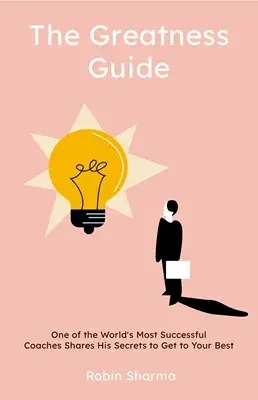
This game-changing book offers a treasure trove of wisdom for those seeking to unlock their full potential and achieve greatness in all aspects of life. Through a series of powerful lessons and actionable strategies, the author shares his hard-earned insights on personal growth, leadership, and success. Drawing from his extensive experience coaching top performers across various fields, the book provides a roadmap for readers to elevate their mindset, habits, and performance. It’s not just another self-help book; it’s a practical guide that challenges readers to step out of their comfort zones and embrace a life of excellence.
The Greatness Guide is primarily aimed at ambitious professionals, entrepreneurs, and individuals committed to personal growth and achieving extraordinary results in their lives. The book’s accessible language and practical advice make it suitable for readers at various stages of their personal and professional journeys. While it’s particularly valuable for those in leadership positions or aspiring to take on greater responsibilities, the principles outlined in the book can benefit anyone looking to improve their life quality and performance. The secondary audience includes coaches, mentors, and educators who can use the insights to guide others towards realizing their full potential.
Imagine standing at the base of a towering mountain, its peak shrouded in mist. The climb looks daunting, perhaps impossible. But what if you had a seasoned guide, someone who’s not only reached the summit countless times but has also helped others conquer their own personal Everests? That’s the essence of Robin Sharma’s The Greatness Guide. It’s not just a book; it’s your personal sherpa on the journey to extraordinary achievement and fulfillment.
Sharma kicks off by challenging readers to redefine their perception of success. He argues that true greatness isn’t about accumulating wealth or fame, but about living with purpose, passion, and impact. Through a series of bite-sized chapters, each packed with actionable advice, Sharma outlines the habits, mindsets, and strategies that separate the exceptional from the ordinary. He draws on his vast experience coaching elite performers – from Fortune 500 executives to world-class athletes – to distill universal principles of success.
One of the book’s central themes is the power of small, consistent actions. Sharma introduces the concept of the “1% Win,” encouraging readers to focus on making tiny improvements each day. He illustrates this with the story of a struggling salesman who turned his career around by committing to making just one extra call per day. Over time, these small wins compound, leading to dramatic transformations in both personal and professional life.
The Greatness Guide doesn’t shy away from addressing the obstacles that often derail our pursuit of excellence. Sharma tackles topics like fear, procrastination, and self-doubt head-on, providing practical strategies to overcome these common roadblocks. He shares personal anecdotes of his own struggles and failures, making the journey to greatness feel both aspirational and attainable.
Readers of The Greatness Guide will learn how to cultivate a growth mindset, prioritize their time for maximum impact, build resilience in the face of setbacks, and inspire and lead others. Sharma also delves into the importance of physical health and mindfulness practices in achieving peak performance. By the end of the book, readers will have a comprehensive toolkit for elevating every aspect of their lives, from career success to personal relationships and overall well-being.
The core message of The Greatness Guide is that extraordinary achievement and fulfillment are within reach for anyone willing to commit to personal growth and excellence in all areas of life. Sharma posits that greatness isn’t an innate quality possessed by a lucky few, but a result of consistent, intentional habits and mindsets that can be cultivated by anyone.
To illustrate this point, Sharma uses the metaphor of a garden. Just as a beautiful garden doesn’t spring up overnight but requires daily care, watering, and weeding, so too does personal greatness demand continuous nurturing and attention to detail. He encourages readers to view their lives as a garden, with different areas – career, relationships, health, personal growth – as distinct plots that all need tending.
This gardening metaphor extends to Sharma’s emphasis on the power of small, consistent actions. Just as a gardener doesn’t expect to see results immediately after planting seeds, readers are urged to trust in the process of gradual improvement. The book hammers home the idea that seemingly insignificant daily choices – waking up a bit earlier, reading for 30 minutes a day, expressing gratitude – compound over time to produce remarkable results.
The Greatness Guide has made a significant impact in the personal development and leadership fields since its publication. Its blend of practical advice and inspirational wisdom has resonated with readers worldwide, earning it bestseller status in numerous countries.
The book’s significance lies in its ability to distill complex success principles into accessible, actionable strategies. While many self-help books offer vague platitudes, Sharma provides concrete tools and techniques that readers can implement immediately. This practical approach has made the book a go-to resource for individuals and organizations seeking to elevate their performance.
Sharma’s work has been particularly influential in bridging Eastern philosophical concepts with Western success principles. By introducing ideas like mindfulness and self-reflection alongside more traditional goal-setting and productivity strategies, The Greatness Guide has helped broaden the conversation around what constitutes true success and fulfillment.
The book has also played a role in popularizing the concept of “personal leadership” – the idea that leadership begins with self-mastery. This approach has been embraced by many corporations and educational institutions, leading to Sharma being invited to speak at prestigious venues worldwide.
While widely praised, The Greatness Guide has faced some criticism for what some perceive as an overly optimistic view of personal transformation. Some argue that the book doesn’t adequately address systemic barriers to success. However, proponents counter that the book’s emphasis on personal responsibility and action is empowering, regardless of one’s circumstances.
Ultimately, the enduring popularity and influence of The Greatness Guide speak to its significance. It continues to inspire readers to push beyond their perceived limitations and strive for excellence in all areas of life, cementing its place as a modern classic in the personal development genre.
In our assessment, The Greatness Guide by Robin Sharma offers a compelling blend of practical strategies and inspirational wisdom for personal and professional development. We find that the book’s strength lies in its actionable advice, which readers can immediately apply to their daily lives. Sharma’s engaging writing style and use of anecdotes make complex concepts accessible and memorable, enhancing the book’s overall impact.
We appreciate the holistic approach to success presented in the book. By addressing multiple facets of life – from career advancement to personal well-being – Sharma provides a comprehensive framework for achieving what he terms “greatness.” The emphasis on continuous learning and adaptability is particularly relevant in today’s rapidly changing world, offering readers tools to navigate uncertainty and thrive in various environments.
However, we also recognize certain limitations in Sharma’s approach. The book’s abundance of strategies, while valuable, may overwhelm some readers. We believe a more structured implementation guide could enhance the book’s effectiveness. Additionally, the limited consideration of individual circumstances and external factors influencing success could lead to unrealistic expectations for some readers.
We note that while the book is rich in anecdotes and personal insights, it could benefit from more scientific backing for its claims. The inclusion of research-based evidence would lend additional credibility to Sharma’s strategies and provide readers with a deeper understanding of the principles behind them.
Despite these criticisms, we find that The Greatness Guide offers significant value to its readers. The book’s emphasis on personal responsibility and action-oriented approach can be empowering, potentially catalyzing positive changes in readers’ lives. We believe that the strategies presented, when applied thoughtfully and adapted to individual circumstances, can lead to meaningful personal and professional growth.
Our Recommendation
We recommend The Greatness Guide to individuals seeking practical strategies for personal development and success. It’s particularly well-suited for professionals, entrepreneurs, and anyone looking to enhance their productivity, leadership skills, and overall life satisfaction. The book’s accessible style and diverse range of topics make it a valuable resource for both those new to personal development and those with more experience in the field.
However, we suggest approaching the book with a critical mindset. Readers should feel empowered to select and adapt the strategies that best fit their circumstances, rather than trying to implement every suggestion. We also recommend complementing this book with other resources that offer more in-depth explorations of specific topics, such as habit formation or work-life balance. When used as part of a broader personal development journey, we believe The Greatness Guide can serve as a powerful tool for achieving meaningful growth and success.
The essence of Robin Sharma’s The Greatness Guide lies in its comprehensive approach to personal and professional excellence. At its core, the book emphasizes the power of daily habits and mindset shifts to transform one’s life. Sharma introduces the concept of “The 5 AM Club,” advocating for early rising as a catalyst for productivity and personal growth. He argues that the quiet hours of the morning provide an unparalleled opportunity for self-reflection, planning, and personal development. This practice, according to Sharma, sets the tone for the entire day and can lead to significant improvements in all areas of life.
Another key topic is the importance of continuous learning and personal growth. Sharma stresses that true leaders are lifelong students, constantly seeking new knowledge and skills. He encourages readers to adopt a growth mindset, viewing challenges as opportunities for learning rather than obstacles. This approach, he argues, is crucial for adapting to an ever-changing world and staying at the forefront of one’s field.
The book also delves into the concept of “personal leadership.” Sharma posits that leadership begins with self-mastery and that one must lead oneself before effectively leading others. This involves developing self-discipline, emotional intelligence, and a strong ethical foundation. He emphasizes the importance of aligning one’s actions with one’s values and vision, creating a sense of authenticity and purpose that inspires others.
Time management and productivity are central themes in The Greatness Guide. Sharma introduces the “90/90/1 Rule,” which suggests dedicating the first 90 minutes of your workday to your most important task for 90 days straight. This approach, he argues, can lead to extraordinary results by focusing your best energy on your highest priorities. He also advocates for ruthless prioritization, encouraging readers to eliminate non-essential activities and focus on high-impact tasks.
Resilience and mental toughness form another crucial aspect of the book’s message. Sharma emphasizes the importance of developing a “Titan’s Mindset” – the ability to persevere in the face of adversity and bounce back from setbacks. He provides strategies for building mental strength, including visualization techniques, positive self-talk, and reframing challenges as opportunities for growth.
The power of relationships and networking is another key topic explored in the book. Sharma argues that success is often a result of who you know, not just what you know. He encourages readers to cultivate meaningful relationships, surround themselves with positive influences, and actively seek out mentors and role models. He also stresses the importance of giving back and adding value to others’ lives, creating a virtuous cycle of success and fulfillment.
Lastly, Sharma places significant emphasis on holistic well-being as a foundation for success. He argues that peak performance in any area of life requires a balanced approach to physical health, emotional well-being, and spiritual growth. The book provides practical advice on incorporating exercise, nutrition, meditation, and mindfulness practices into daily routines to enhance overall quality of life and professional performance.
The Airplane Pilot
To illustrate the importance of daily habits and consistency, Sharma shares the story of an airplane pilot. He explains that a plane is off course 90% of the time during a flight, but through constant small corrections, it reaches its destination. Similarly, Sharma argues that success in life isn’t about being perfect all the time, but about making continuous small adjustments and improvements. This example underscores the book’s emphasis on the power of small, consistent actions in achieving long-term goals.
The Lumberjack’s Dilemma
To drive home the importance of continuous learning and personal growth, Sharma recounts the parable of two lumberjacks. One spends all day chopping trees, while the other takes regular breaks to sharpen his axe. By day’s end, the lumberjack who took time to sharpen his tools has cut down more trees, despite working fewer hours. This story serves as a powerful metaphor for the value of ongoing skill development and self-improvement in maintaining peak performance.
The Spartan Warrior
Sharma uses the example of Spartan warriors to illustrate the concept of personal leadership and self-discipline. He describes how Spartan soldiers underwent rigorous training and adhered to strict codes of conduct, not just in battle but in all aspects of life. This example emphasizes the book’s message that true leadership and success require unwavering commitment to one’s principles and continuous self-improvement, even when no one is watching.
The Fortune 500 CEO
To demonstrate the effectiveness of the “90/90/1 Rule,” Sharma shares the story of a Fortune 500 CEO who implemented this strategy. By dedicating the first 90 minutes of each workday to the company’s most critical initiative for 90 days, the CEO was able to drive significant progress on a key project that had been stalled for months. This example highlights the power of focused, consistent effort in achieving breakthrough results.
The Bamboo Farmer
To illustrate the importance of patience and perseverance in achieving long-term success, Sharma tells the story of a bamboo farmer. For the first four years after planting, the farmer sees no visible growth. But in the fifth year, the bamboo suddenly shoots up 90 feet in just six weeks. This parable serves as a powerful reminder that success often requires faith and consistent effort, even when immediate results aren’t visible.
The Olympic Athlete
Sharma uses the example of Olympic athletes to highlight the importance of holistic well-being and peak performance. He describes how top athletes pay meticulous attention to every aspect of their lives – from nutrition and sleep to mental preparation and recovery – to achieve world-class results. This example underscores the book’s message that extraordinary success requires a comprehensive approach to personal development, encompassing physical, mental, and emotional well-being.
The 5 AM Club: Harness the Power of Early Rising
One of the most impactful insights from The Greatness Guide is the power of early rising, encapsulated in Sharma’s concept of “The 5 AM Club.” Sharma argues that waking up at 5 AM can dramatically increase productivity and personal growth. To implement this, start by gradually adjusting your wake-up time, moving it 15 minutes earlier each week until you reach 5 AM. Use the first hour of your day for what Sharma calls the “Victory Hour,” divided into three 20-minute segments: physical exercise, reflection or meditation, and learning or studying. This practice sets a positive tone for the day and allows you to accomplish significant personal development before the world wakes up. To make this habit stick, prepare the night before by laying out your exercise clothes, having a book ready, and setting your alarm across the room to avoid the temptation to hit snooze.
The 90/90/1 Rule: Focus for Extraordinary Results
Sharma introduces the 90/90/1 Rule as a powerful strategy for achieving breakthrough results in your most important projects. The rule states that for the next 90 days, you should spend the first 90 minutes of your workday focused solely on your single most important task. To apply this, first identify your most crucial project or goal. Then, block out the first 90 minutes of your workday in your calendar, treating this time as sacred and non-negotiable. During these 90 minutes, eliminate all distractions – turn off notifications, close unnecessary browser tabs, and inform colleagues not to interrupt you. Use this time to make meaningful progress on your priority task. After 90 days, assess the impact this focused effort has had on your project and overall productivity.
The Second Mile: Exceed Expectations to Stand Out
Sharma emphasizes the importance of going “the second mile” in all aspects of life to truly stand out and achieve greatness. This concept involves consistently exceeding expectations and delivering more than what’s required. To apply this insight, start by identifying areas in your work or personal life where you typically meet but don’t exceed expectations. Then, brainstorm ways to go above and beyond. For example, if you’re in sales, this might mean following up with customers after a purchase to ensure their satisfaction, or providing unexpected additional value with each sale. In your personal relationships, it could involve remembering and acknowledging important dates, or regularly performing small acts of kindness without being asked. Make “second mile” thinking a habit by asking yourself daily, “How can I add unexpected value today?”
The Four Interior Empires: Cultivate Your Inner World
In The Greatness Guide, Sharma introduces the concept of the Four Interior Empires: Mindset, Heartset, Healthset, and Soulset. He argues that true success and fulfillment come from developing these internal domains. To cultivate your Mindset, commit to daily learning – read for at least 30 minutes each day, listen to educational podcasts during your commute, or take online courses in areas of interest. For Heartset, practice emotional intelligence by keeping a feelings journal and regularly reflecting on your emotional responses to situations. Develop your Healthset by creating a comprehensive health plan that includes regular exercise, balanced nutrition, and adequate sleep – start with small, manageable changes and gradually build up. Finally, nurture your Soulset through practices like meditation, gratitude journaling, or spending time in nature. Dedicate time each day to developing each of these empires, even if it’s just for a few minutes.
The 10X Rule: Think Bigger to Achieve More
Sharma advocates for the 10X Rule, which involves setting targets ten times bigger than what you initially think possible. This approach pushes you beyond your comfort zone and unlocks your true potential. To implement this, review your current goals and multiply them by ten. For instance, if your goal is to increase your income by 10% this year, aim for 100% instead. If you want to read 10 books this year, set a goal for 100. While these goals might seem overwhelming at first, they force you to think creatively and challenge your assumptions about what’s possible. Break these ambitious goals down into smaller, manageable steps. The key is not necessarily achieving the 10X goal, but stretching yourself beyond what you thought possible and achieving far more than you would have with a conventional goal.
The Two-Minute Rule: Maximize Productivity Through Quick Wins
Sharma introduces the Two-Minute Rule as a powerful tool for increasing productivity and overcoming procrastination. The rule states that if a task will take less than two minutes to complete, do it immediately rather than putting it off. To apply this insight, start by becoming more aware of the small tasks you encounter throughout your day. When you notice a quick task – like responding to a simple email, filing a document, or making a brief phone call – do it right away instead of adding it to your to-do list. This practice prevents small tasks from piling up and becoming overwhelming. It also creates a sense of accomplishment and momentum that can carry over into larger tasks. To make this a habit, set a reminder on your phone to ask yourself every hour, “Is there a two-minute task I can complete right now?”
The Daily Five: Prioritize Your Most Important Tasks
Sharma recommends the practice of identifying and focusing on your “Daily Five” – the five most important tasks that will move you closer to your goals each day. To implement this, start each morning (or the night before) by listing your top five priorities for the day. These should be tasks that align with your long-term goals and will have the most significant impact. Write these tasks down and keep the list visible throughout the day. As you complete each task, cross it off the list. This practice helps maintain focus on what truly matters and prevents you from getting sidetracked by less important activities. If you find yourself consistently unable to complete your Daily Five, it may be a sign that you need to reassess your priorities or improve your time management skills.
The 60-Minute Student: Commit to Daily Learning
Sharma emphasizes the importance of lifelong learning, suggesting that we should all consider ourselves perpetual students. He recommends dedicating at least one hour each day to learning and self-improvement. To apply this insight, create a daily learning ritual. This could involve reading books related to your field or personal interests, taking online courses, watching educational videos, or listening to informative podcasts. To make this habit stick, schedule your learning hour at the same time each day, treating it as a non-negotiable appointment with yourself. Keep a learning journal to track what you’ve learned and how you can apply it. Set specific learning goals for each week or month to give your studies direction. Remember, the goal is not just to consume information, but to apply what you learn to improve your life and work.
Actionable Advice and Practical Strategies
One of the most notable strengths of The Greatness Guide is its emphasis on actionable advice and practical strategies. Sharma doesn’t just present lofty ideas or abstract concepts; he provides concrete tools and techniques that readers can implement immediately in their lives. For example, the “5 AM Club” concept is accompanied by specific instructions on how to gradually adjust one’s sleep schedule and make the most of those early morning hours. Similarly, the “90/90/1 Rule” offers a clear, implementable strategy for focusing on high-priority tasks. This practical approach makes the book’s teachings accessible and increases the likelihood that readers will actually apply the lessons in their daily lives, potentially leading to real, tangible improvements.
Engaging Writing Style
Sharma’s writing style is another significant strength of the book. He manages to convey complex ideas in a clear, engaging manner that keeps the reader interested throughout. His use of anecdotes, metaphors, and real-life examples helps to illustrate his points and make the concepts more relatable. For instance, the story of the airplane pilot being off course 90% of the time but still reaching its destination effectively illustrates the importance of consistent small adjustments in achieving long-term goals. This storytelling approach not only makes the book more enjoyable to read but also aids in the retention and understanding of the key concepts.
Holistic Approach to Success
The Greatness Guide stands out for its holistic approach to success and personal development. Rather than focusing solely on professional achievement or financial success, Sharma emphasizes the importance of balance across all areas of life. He introduces the concept of the “Four Interior Empires” – Mindset, Heartset, Healthset, and Soulset – highlighting the interconnectedness of mental, emotional, physical, and spiritual well-being. This comprehensive view of personal growth provides readers with a more balanced and sustainable approach to success, encouraging them to develop all aspects of their lives rather than sacrificing one area for another.
Emphasis on Continuous Learning
Another strength of the book is its strong emphasis on continuous learning and personal growth. Sharma positions lifelong learning as a crucial component of success and fulfillment. The “60-Minute Student” concept, which encourages dedicating an hour each day to learning, is a practical way to implement this philosophy. By stressing the importance of ongoing education and self-improvement, Sharma equips readers with a mindset that can help them adapt to changing circumstances and continue growing throughout their lives. This focus on learning as a lifelong pursuit is particularly relevant in today’s rapidly changing world.
Motivational and Inspirational Tone
While providing practical advice, Sharma maintains a motivational and inspirational tone throughout the book. He consistently encourages readers to push beyond their perceived limitations and strive for greatness. The “10X Rule,” for example, challenges readers to set audacious goals, fostering a mindset of possibility and ambition. This inspirational quality can be a powerful motivator for readers, potentially spurring them to take action and make positive changes in their lives. The book’s ability to both educate and inspire is a significant strength that sets it apart from many other self-help books.
Potential for Overwhelm
While the abundance of strategies and techniques in The Greatness Guide is generally a strength, it could also be seen as a weakness. The sheer number of concepts introduced – from the “5 AM Club” to the “90/90/1 Rule” to the “Two-Minute Rule” and more – might be overwhelming for some readers. Attempting to implement all these strategies simultaneously could lead to burnout or frustration. The book could benefit from more guidance on how to prioritize and gradually implement these various techniques, perhaps suggesting a roadmap for readers to follow as they work through the book’s teachings.
Limited Consideration of Individual Circumstances
Another potential weakness of the book is its somewhat one-size-fits-all approach. While Sharma’s advice is generally applicable to a wide audience, there’s limited discussion of how to adapt these strategies to different life circumstances. For instance, the “5 AM Club” concept might not be feasible for night shift workers or parents of young children. Similarly, the “90/90/1 Rule” might be challenging to implement for those in jobs with less autonomy over their schedules. More acknowledgment of these potential obstacles and suggestions for adaptation could make the book’s advice more universally applicable.
Lack of Scientific References
While Sharma draws on his extensive experience as a leadership coach and incorporates many anecdotes and case studies, the book could benefit from more scientific backing for its claims. Many of the strategies proposed are presented as universally effective, but without references to psychological studies or scientific research to support them. Including such references could lend more credibility to the book’s teachings and provide readers with a deeper understanding of the principles behind the strategies. This additional layer of evidence-based support would strengthen the book’s arguments and potentially increase its impact.
Over-Reliance on Success Stories
The book heavily relies on success stories and examples of high achievers to illustrate its points. While these can be inspiring, they may not always be relatable to the average reader. There’s a risk that readers might feel discouraged if they compare themselves to these exceptional examples. Including more stories of ordinary people achieving extraordinary results through the book’s strategies could make the concepts feel more accessible and achievable for a broader audience. Additionally, discussing how to handle setbacks or failures when implementing these strategies would provide a more balanced perspective on the journey to personal growth and success.
The Role of External Factors in Success
One significant blind spot in The Greatness Guide is its limited acknowledgment of external factors that can influence success. While Sharma’s emphasis on personal responsibility and self-improvement is valuable, it may lead readers to underestimate the impact of systemic barriers, socioeconomic factors, or plain luck on their journey to success. This oversight could potentially create unrealistic expectations or self-blame when faced with obstacles beyond one’s control. A more nuanced discussion of how to navigate these external challenges while maintaining personal agency would provide a more balanced perspective. Books like Outliers by Malcolm Gladwell and The Meritocracy Trap by Daniel Markovits offer compelling insights into the role of external factors in success and could complement Sharma’s work by providing a broader context for personal achievement.
The Potential Downsides of Relentless Pursuit
Another blind spot in the book is the lack of discussion about the potential downsides of relentlessly pursuing success and self-improvement. While Sharma’s strategies can undoubtedly lead to significant personal and professional growth, there’s little mention of the risks of burnout, strained relationships, or neglected areas of life that might result from an overzealous application of these principles. Readers might benefit from a more balanced approach that includes strategies for maintaining well-being and relationships while striving for greatness. Books like The Happiness of Pursuit by Chris Guillebeau and Essentialism by Greg McKeown offer valuable perspectives on finding fulfillment through purposeful pursuits while maintaining balance, which could provide a helpful counterpoint to Sharma’s more intense approach.
The Complexity of Habit Formation
While The Greatness Guide offers numerous strategies for developing positive habits, it may oversimplify the complex process of habit formation and change. Sharma presents many of his techniques as straightforward to implement, which might lead readers to underestimate the challenges of breaking old habits and establishing new ones. A deeper exploration of the psychology of habit formation, including the role of environmental cues, emotional states, and individual differences, would provide readers with a more realistic expectation of the habit change process. James Clear’s Atomic Habits and Charles Duhigg’s The Power of Habit offer more in-depth explorations of habit formation that could complement Sharma’s strategies by providing a stronger foundation in the science of behavior change.
The Nuances of Work-Life Balance
The Greatness Guide advocates for high achievement across all areas of life, but it may not fully address the nuances and challenges of maintaining work-life balance. While Sharma’s holistic approach is commendable, the book could benefit from a more detailed discussion of how to prioritize and make trade-offs between different life domains when time and energy are limited. Readers might struggle to reconcile the book’s ambitious goals with the realities of their daily lives, potentially leading to feelings of inadequacy or stress. Books like Off Balance by Matthew Kelly and The One Thing by Gary Keller and Jay Papasan offer alternative perspectives on work-life balance and prioritization that could provide valuable counterpoints to Sharma’s more all-encompassing approach to success.
The Role of Failure and Setbacks
While Sharma touches on the importance of resilience, The Greatness Guide could benefit from a more in-depth exploration of the role of failure and setbacks in the journey to success. The book’s consistently positive and motivational tone, while inspiring, might inadvertently downplay the inevitability and potential value of failures. A more thorough discussion of how to cope with, learn from, and leverage failures could provide readers with a more realistic and resilient approach to their personal growth journey. Books like The Up Side of Down by Megan McArdle and Failing Forward by John C. Maxwell offer valuable insights into the productive role of failure in success and could serve as excellent companions to Sharma’s work, providing a more complete picture of the path to greatness.
The 7 Habits of Highly Effective People by Stephen Covey
Both The Greatness Guide and Covey’s seminal work focus on personal development and effectiveness, but they approach the subject from different angles. Covey’s book is structured around seven core principles that build upon each other, offering a more systematic and comprehensive framework for personal growth. In contrast, Sharma’s book provides a collection of diverse strategies and insights that readers can apply more flexibly. While Covey emphasizes the importance of aligning one’s actions with personal values and long-term goals, Sharma places more focus on daily habits and routines for achieving success. Covey’s work also delves deeper into interpersonal effectiveness and leadership, whereas Sharma’s book leans more heavily on individual practices for personal excellence. Both books advocate for proactivity and continuous improvement, but Covey’s approach is more methodical, while Sharma’s is more inspirational and action-oriented.
Mindset: The New Psychology of Success by Carol S. Dweck
Dweck’s book centers around the concept of growth mindset versus fixed mindset, which aligns well with Sharma’s emphasis on continuous learning and personal development in The Greatness Guide. However, Dweck’s work is more firmly grounded in psychological research, providing a scientific basis for understanding how our beliefs about our abilities affect our success. While Sharma offers practical strategies for achieving greatness, Dweck focuses more on the underlying mental attitudes that enable growth and achievement. Mindset provides a deeper exploration of the psychological barriers to success and how to overcome them, which could complement Sharma’s more action-oriented approach. Both books encourage readers to embrace challenges and view failures as opportunities for growth, but Dweck’s work offers a more comprehensive understanding of why this mindset is crucial for success.
Atomic Habits by James Clear
Clear’s book and The Greatness Guide both emphasize the importance of daily habits in achieving long-term success. However, Clear’s approach is more systematic and scientifically grounded, offering a detailed framework for understanding how habits form and how to change them effectively. While Sharma provides various strategies and rules for success, Clear focuses more narrowly on the mechanics of habit formation and change. Atomic Habits goes into greater depth on topics like habit stacking, environment design, and the compounding effects of small changes over time. Sharma’s book, on the other hand, covers a broader range of success principles beyond just habit formation. Clear’s work could serve as a valuable companion to The Greatness Guide, providing readers with a more in-depth understanding of how to implement and sustain the daily practices Sharma recommends.
Grit: The Power of Passion and Perseverance by Angela Duckworth
Duckworth’s book shares some common ground with The Greatness Guide in its focus on the qualities that lead to long-term success. However, while Sharma offers a wide array of strategies for achieving greatness, Duckworth hones in on the specific quality of grit – a combination of passion and perseverance. Grit is based on extensive research and provides scientific evidence for the importance of long-term commitment and resilience in achieving goals. This scientific approach contrasts with Sharma’s more experiential and anecdotal style. Duckworth’s work could complement The Greatness Guide by providing a deeper understanding of the psychological factors that underpin the kind of sustained effort Sharma advocates for in his strategies.
Implement the 5 AM Club Routine
Apply the 90/90/1 Rule for Focused Work
Implement the Two-Minute Rule for Productivity
Cultivate the Four Interior Empires
Apply the 10X Rule in Goal Setting
Become a 60-Minute Student
Implement the Daily Five for Prioritization
Implement the 5 AM Club Culture
Adopting Sharma’s 5 AM Club concept at an organizational level can significantly boost productivity and employee well-being. By encouraging early rising and dedicating the first hour of the day to personal development, businesses can foster a culture of continuous improvement and self-discipline. This practice can lead to more energized, focused, and motivated employees who are better equipped to handle the challenges of the workday.
However, implementing such a drastic change in work culture can face significant resistance. Many employees may struggle with adjusting their sleep schedules, especially those with family responsibilities or long commutes. There’s also the risk of burnout if employees feel pressured to start their workday earlier without a corresponding adjustment to their end time. Additionally, this approach may not align with the natural rhythms of night owls, potentially leading to decreased productivity for some team members.
To overcome these challenges, businesses can introduce the 5 AM Club concept gradually and on a voluntary basis. Start by offering incentives for early risers, such as flexible work hours or additional personal development resources. Provide education on the benefits of early rising and techniques for adjusting sleep schedules. Consider creating a supportive community within the organization where early risers can connect and share their experiences. Most importantly, emphasize that the goal is personal growth and productivity, not extending work hours, and allow for flexible implementation that respects individual circumstances and preferences.
Apply the 90/90/1 Rule for Organizational Focus
The 90/90/1 Rule can be a powerful tool for driving organizational focus and achieving key objectives. By dedicating the first 90 minutes of the workday to the most crucial project for 90 days, businesses can make significant progress on high-priority initiatives. This approach can help cut through the noise of daily operations and ensure that important strategic work doesn’t get sidelined by urgent but less critical tasks.
Implementing this rule across an organization can be challenging. Coordinating schedules to ensure all team members can dedicate the same 90-minute block to focused work may be difficult, especially in businesses with global teams across different time zones. There’s also the risk that other important tasks or emergencies may be neglected. Some employees may struggle with the intense focus required for such extended periods, and there might be resistance from those who prefer to structure their workday differently.
To address these challenges, businesses can adopt a flexible approach to the 90/90/1 Rule. Instead of mandating a specific time block, allow teams or individuals to choose their own 90-minute focus period that best fits their schedule and peak productivity times. Implement a system for handling emergencies during focus periods, such as designating specific team members to be “on call” each day. Provide training on time management and focus techniques to help employees make the most of their 90-minute blocks. Regularly review and adjust the chosen priority project to ensure it remains aligned with organizational goals. By allowing for some flexibility while maintaining the core principle, businesses can reap the benefits of increased focus and productivity.
Cultivate the Four Interior Empires in Leadership Development
Incorporating Sharma’s concept of the Four Interior Empires (Mindset, Heartset, Healthset, and Soulset) into leadership development programs can create more well-rounded, resilient, and effective leaders. This holistic approach to leadership can improve decision-making, emotional intelligence, physical well-being, and ethical grounding, all of which contribute to better organizational outcomes.
Implementing such a comprehensive development program can be resource-intensive and time-consuming. Some leaders may be skeptical of the less tangible aspects, particularly those related to emotional and spiritual development. There might also be concerns about the appropriateness of addressing personal health and spiritual matters in a professional context. Additionally, measuring the ROI of such a program can be challenging, which may make it difficult to justify the investment to stakeholders.
To overcome these obstacles, businesses can start by integrating elements of the Four Interior Empires into existing leadership development programs rather than creating an entirely new initiative. Begin with aspects that have clear business benefits, such as mindset development for strategic thinking and heartset cultivation for improved emotional intelligence. Gradually introduce healthset and soulset components, framing them in terms of stress management and ethical decision-making respectively. Develop clear metrics for each area, such as improved team satisfaction scores for heartset development or decreased stress-related absences for healthset improvement. Offer a variety of development options within each empire to allow leaders to choose approaches that resonate with them. By demonstrating tangible benefits and allowing for personalization, businesses can gain buy-in for this holistic approach to leadership development.
Implement the Two-Minute Rule for Organizational Efficiency
Adopting the Two-Minute Rule across an organization can significantly improve overall efficiency and reduce the backlog of small tasks that often create administrative burden. By encouraging employees to immediately handle any task that takes two minutes or less, businesses can create a culture of proactivity and responsiveness. This can lead to faster decision-making, improved communication, and a greater sense of accomplishment among team members.
However, implementing this rule organization-wide can face several challenges. There’s a risk that employees might become distracted from larger, more important tasks as they constantly switch to handle small tasks. It may also be difficult to accurately gauge which tasks truly take two minutes or less, leading to time management issues. In customer-facing roles, the pressure to immediately respond to all quick requests could lead to hasty decisions or responses without proper consideration.
To address these challenges, businesses can implement the Two-Minute Rule with some guidelines and support structures. First, provide training on time estimation and task prioritization to help employees accurately identify genuine two-minute tasks. Encourage the use of time-blocking techniques, where employees designate specific periods for handling quick tasks, rather than interrupting focused work. Implement a system for logging completed two-minute tasks, which can help in performance reviews and workload management. For customer-facing roles, develop standardized responses for common quick requests to ensure consistency and accuracy. By providing clear guidelines and support, businesses can harness the efficiency benefits of the Two-Minute Rule while mitigating its potential drawbacks.
Apply the 10X Rule in Strategic Planning
Incorporating Sharma’s 10X Rule into strategic planning can push organizations to set more ambitious goals and think more creatively about growth opportunities. By challenging teams to envision goals ten times bigger than their initial targets, businesses can break free from incremental thinking and potentially uncover transformative strategies.
However, implementing the 10X Rule in strategic planning can be daunting. There’s a risk of setting unrealistic goals that could demoralize employees if not achieved. It may also lead to resource overallocation or risky decision-making in pursuit of overly ambitious targets. Some team members or stakeholders might dismiss the approach as unrealistic, leading to resistance or lack of buy-in.
To overcome these challenges, businesses can adopt a balanced approach to the 10X Rule in strategic planning. Start by using the 10X approach as a brainstorming tool rather than a hard target-setting method. Encourage teams to envision 10X goals, then work backwards to set ambitious but achievable milestones along the way. Implement a rigorous risk assessment process for strategies developed using the 10X approach to ensure that pursuit of ambitious goals doesn’t jeopardize the organization’s stability. Use scenario planning to explore different paths to the 10X goal, including more conservative approaches. By using the 10X Rule as a tool for expanding possibilities rather than a strict requirement, businesses can benefit from more ambitious thinking while maintaining realistic expectations.
Foster a Culture of Continuous Learning
Implementing Sharma’s concept of the 60-Minute Student at an organizational level can create a culture of continuous learning and innovation. By encouraging employees to dedicate an hour each day to learning and self-improvement, businesses can ensure their workforce remains adaptable, knowledgeable, and engaged.
However, carving out an hour each day for learning can be challenging in many business environments. Employees may feel that they don’t have time for learning activities on top of their regular workload. There might also be disagreements about what constitutes valuable learning time, and some managers may be reluctant to “lose” an hour of productive time from their teams each day.
To address these challenges, businesses can take a flexible approach to implementing the 60-Minute Student concept. Instead of mandating a daily hour, consider allocating a certain number of hours per week or month for learning activities. Provide a diverse range of learning options, including online courses, internal knowledge-sharing sessions, and industry conferences, allowing employees to choose methods that best fit their schedules and learning styles. Integrate learning into existing workflows by encouraging practices like post-project reviews or regular sharing of industry news. Demonstrate the value of continuous learning by tying it to performance reviews and career advancement opportunities. By making learning a valued and integral part of the work experience rather than an additional burden, businesses can foster a culture of continuous improvement and innovation.
Rise of Remote Work and Digital Nomadism
The principles outlined in The Greatness Guide align well with the growing trend of remote work and digital nomadism. Sharma’s emphasis on personal discipline and self-management becomes even more crucial in a world where traditional office structures are dissolving. The 5 AM Club concept, for instance, can help remote workers create a structured routine in the absence of a conventional workday.
As more people embrace location-independent lifestyles, Sharma’s focus on continuous learning and adaptability becomes increasingly relevant. The ability to self-motivate and maintain productivity without direct supervision aligns perfectly with the skills needed in a remote work environment. However, the challenge lies in adapting these principles to diverse time zones and work schedules that characterize the digital nomad lifestyle.
Emphasis on Holistic Well-being in the Workplace
Sharma’s concept of the Four Interior Empires (Mindset, Heartset, Healthset, and Soulset) resonates with the growing emphasis on holistic well-being in professional settings. Companies are increasingly recognizing the importance of employee wellness beyond mere physical health. This trend is likely to continue and expand in the future.
As mental health awareness grows, Sharma’s strategies for maintaining emotional balance and cultivating a positive mindset may become standard elements of corporate wellness programs. The challenge will be in implementing these practices in a way that feels authentic and not just another corporate initiative. Organizations that successfully integrate these holistic approaches may see improvements in employee satisfaction, productivity, and retention.
Shift Towards Purpose-Driven Careers
The book’s emphasis on finding purpose and meaning in one’s work aligns with the growing trend of individuals seeking careers that offer more than just financial rewards. Younger generations, in particular, are increasingly prioritizing purpose and impact in their career choices. Sharma’s teachings on personal leadership and living with intention speak directly to this shift.
As this trend continues, we may see more people applying the book’s principles to craft careers that align with their values and life purpose. The challenge will be balancing this desire for meaningful work with practical economic realities. Organizations that can articulate and deliver on a strong sense of purpose may have a significant advantage in attracting and retaining talent in the future.
Increasing Need for Adaptability and Lifelong Learning
In an era of rapid technological change and economic uncertainty, Sharma’s emphasis on continuous learning and adaptability is more relevant than ever. The concept of the “60-Minute Student” aligns perfectly with the growing recognition that lifelong learning is crucial for career longevity. As industries evolve and new technologies emerge, the ability to quickly acquire new skills becomes invaluable.
We may see an increase in personalized, on-demand learning platforms that allow individuals to implement Sharma’s advice on continuous education. The challenge will be in balancing this constant learning with other life responsibilities. Organizations and educational institutions may need to become more flexible in how they deliver learning opportunities to accommodate this lifelong learning approach.
The Greatness Guide, published in 2006, continues to be relevant in today’s fast-paced, achievement-oriented society. Its emphasis on personal development, productivity, and holistic success aligns well with current trends in self-improvement and professional growth. The book’s practical strategies and inspirational tone have likely contributed to its enduring popularity.
Looking to the future, the book’s influence may evolve as societal attitudes towards work, success, and well-being continue to shift. The COVID-19 pandemic has accelerated changes in work patterns and priorities, potentially increasing the relevance of Sharma’s advice on work-life balance and personal leadership. However, growing awareness of mental health issues and burnout might lead to a more critical examination of the relentless pursuit of success that the book sometimes seems to advocate.
The book’s emphasis on continuous learning and adaptability is likely to remain highly relevant in an era of rapid technological change and economic uncertainty. As automation and artificial intelligence transform the job market, the ability to continuously upskill and adapt – skills that Sharma strongly promotes – will become increasingly crucial.
However, as discussions about systemic inequalities and the role of privilege in success gain prominence, there may be increased scrutiny of self-help literature that focuses primarily on individual effort. Future readers might demand a more nuanced discussion of how personal development strategies interact with broader societal factors.
The book’s influence on corporate culture and leadership development programs is likely to continue, as many of its principles align with current management theories emphasizing emotional intelligence, authenticity, and purpose-driven leadership. However, as workplace dynamics evolve, particularly with the rise of remote and flexible work arrangements, some of the book’s advice may need to be adapted or reinterpreted.
In the long term, The Greatness Guide may be remembered as part of a broader shift towards integrating Eastern philosophy and mindfulness practices into Western concepts of success and productivity. Its blend of practical advice and inspirational wisdom could continue to serve as a model for future self-help literature, potentially influencing how we conceptualize personal and professional development in the coming decades.
Atomic Habits by James Clear
For readers inspired by Sharma’s emphasis on daily practices and routines, Atomic Habits offers a deeper dive into the mechanics of habit formation. Clear provides a systematic approach to building good habits and breaking bad ones, complementing Sharma’s strategies with a more scientific perspective. The book’s focus on small, incremental changes aligns well with Sharma’s “1% Win” concept, offering readers practical tools to implement lasting behavior changes. Clear’s work can help readers understand the psychology behind the habits Sharma recommends, potentially increasing their success in adopting these practices.
Mindset: The New Psychology of Success by Carol S. Dweck
Dweck’s research on growth mindset provides a scientific foundation for many of the attitudes Sharma advocates in The Greatness Guide. This book offers readers a deeper understanding of how beliefs about abilities affect success, complementing Sharma’s more action-oriented approach with psychological insights. Dweck’s work can help readers overcome mental barriers to implementing Sharma’s strategies, particularly when facing challenges or setbacks. The combination of Dweck’s research-based approach and Sharma’s practical advice can provide a powerful framework for personal growth and achievement.
Deep Work: Rules for Focused Success in a Distracted World by Cal Newport
Newport’s exploration of focused, distraction-free work complements Sharma’s emphasis on productivity and excellence. While Sharma provides a broad range of success strategies, Deep Work offers a deep dive into the specific skill of concentrated effort. This book can help readers implement Sharma’s “90/90/1 Rule” more effectively by providing strategies for cultivating intense focus. Newport’s insights on managing attention in a world of constant distractions can enhance readers’ ability to apply Sharma’s principles in today’s hyper-connected environment.
Essentialism: The Disciplined Pursuit of Less by Greg McKeown
McKeown’s philosophy of doing less but better offers an interesting counterpoint to Sharma’s ambitious, goal-oriented approach. While The Greatness Guide encourages readers to strive for excellence in multiple areas of life, Essentialism advocates for ruthless prioritization. This book can help readers apply Sharma’s principles more strategically, ensuring they focus their efforts on truly important goals. The combination of Sharma’s drive for greatness and McKeown’s focus on essentials can lead to a more balanced and sustainable approach to success.
Emotional Intelligence: Why It Can Matter More Than IQ by Daniel Goleman
Goleman’s work on emotional intelligence provides a valuable complement to Sharma’s concept of “Heartset.” While Sharma touches on the importance of emotional mastery, Goleman’s book offers a comprehensive exploration of how emotional intelligence impacts success in various areas of life. This book can help readers develop the emotional skills necessary to implement Sharma’s strategies effectively, particularly in areas of leadership and interpersonal relationships. Goleman’s insights can enhance readers’ ability to navigate the emotional challenges that often accompany the pursuit of greatness.
The Power of Purpose: Find Meaning, Live Longer, Better by Richard J. Leider
Leider’s exploration of purpose aligns well with Sharma’s emphasis on living with intention and making a positive impact. While Sharma provides strategies for achieving greatness, Leider focuses more deeply on the “why” behind these pursuits. This book can help readers connect Sharma’s practical advice to their deeper life purpose, potentially increasing motivation and satisfaction. Leider’s work is particularly relevant for readers grappling with questions of meaning as they implement Sharma’s success strategies.
The Happiness of Pursuit: Finding the Quest That Will Bring Purpose to Your Life by Chris Guillebeau
Guillebeau’s book offers an interesting perspective on finding fulfillment through pursuing challenging goals, complementing Sharma’s emphasis on striving for greatness. While Sharma focuses more on daily practices and mindsets, Guillebeau explores the role of quests and big adventures in creating a meaningful life. This book can inspire readers to apply Sharma’s principles to ambitious, long-term projects. Guillebeau’s stories of individuals pursuing extraordinary goals can provide motivation and ideas for readers looking to apply Sharma’s strategies to significant life quests.
Quiet: The Power of Introverts in a World That Can’t Stop Talking by Susan Cain
Cain’s exploration of introversion provides a valuable counterpoint to the often extrovert-oriented world of self-help and success literature. While Sharma’s strategies can benefit both introverts and extroverts, Cain’s insights can help introverted readers adapt these principles to suit their natural tendencies. This book can help readers understand and leverage their unique strengths, potentially leading to a more personalized and effective application of Sharma’s advice. Cain’s work is particularly valuable for readers who may feel overwhelmed by some of the more outward-focused strategies in The Greatness Guide.
MindTools
MindTools (www.mindtools.com) offers a wealth of resources on personal development, leadership, and productivity. The site provides articles, worksheets, and videos that align well with many of Sharma’s concepts. Users can find practical tools for implementing strategies like time management, goal setting, and stress management. The site’s structured approach to skill development can help readers apply Sharma’s teachings in a systematic way.
Coursera
Coursera (www.coursera.org) offers a variety of online courses that complement the themes in The Greatness Guide. Courses on topics like “Learning How to Learn,” “The Science of Well-Being,” and “Successful Negotiation” can provide deeper insights into areas Sharma touches on. The platform’s flexibility allows readers to engage in continuous learning, aligning with Sharma’s “60-Minute Student” concept.
World Domination Summit
The World Domination Summit (worlddominationsummit.com) is an annual gathering focused on community, adventure, and service. The conference’s emphasis on living a remarkable life aligns well with Sharma’s philosophy. Attendees can gain insights from thought leaders and connect with like-minded individuals pursuing personal growth and positive impact.
Wisdom 2.0
Wisdom 2.0 (wisdom2conference.com) explores the intersection of wisdom traditions and technology. The conference’s focus on mindfulness and conscious business practices complements Sharma’s holistic approach to success. Attendees can learn strategies for maintaining balance and purpose in the digital age.
International Coach Federation
The International Coach Federation (coachfederation.org) is a global organization for professional coaches. Members can access resources, training, and networking opportunities that align with Sharma’s coaching philosophy. The organization’s emphasis on continuous professional development resonates with Sharma’s focus on lifelong learning.
Association for Talent Development
The Association for Talent Development (td.org) focuses on developing talent in organizations. Their resources on leadership development, performance improvement, and instructional design can help readers implement Sharma’s ideas in professional settings. The organization’s conferences and publications offer ongoing opportunities for growth and learning.
The Tim Ferriss Show
Tim Ferriss’s podcast (tim.blog/podcast) features in-depth interviews with world-class performers from various fields. The show’s exploration of habits, strategies, and philosophies of successful individuals aligns well with Sharma’s approach. Listeners can gain diverse perspectives on achieving excellence and living a fulfilling life.
The School of Greatness with Lewis Howes
Lewis Howes’s podcast (lewishowes.com/podcast) focuses on inspiring stories and practical advice for achieving greatness. The show’s emphasis on personal development, entrepreneurship, and health aligns closely with themes in The Greatness Guide. Listeners can find motivation and actionable strategies to complement Sharma’s teachings.
MasterClass: Robin Sharma Teaches Leadership
Robin Sharma’s own MasterClass (www.masterclass.com) offers a deep dive into his leadership philosophy. This course provides video lessons on topics like personal mastery, productivity, and influence. It’s an excellent resource for readers looking to explore Sharma’s ideas beyond The Greatness Guide.
Udemy: Productivity and Time Management for the Overwhelmed
This Udemy course (www.udemy.com) offers practical strategies for improving productivity and time management. The course’s focus on overcoming overwhelm and creating effective systems aligns well with Sharma’s emphasis on personal effectiveness. It can help readers implement Sharma’s productivity strategies in their daily lives.
The Secret
While not strictly a documentary, this film explores the concept of the law of attraction and positive thinking. Its emphasis on the power of mindset aligns with Sharma’s focus on mental attitudes for success. Viewers can gain inspiration and visualize the possibilities of applying Sharma’s principles.
Jiro Dreams of Sushi
This documentary follows sushi master Jiro Ono’s relentless pursuit of perfection in his craft. The film’s exploration of dedication, continuous improvement, and attention to detail resonates with Sharma’s teachings on excellence and mastery. It provides a compelling real-world example of many principles discussed in The Greatness Guide.
The Last Lecture
Based on Randy Pausch’s famous last lecture, this film touches on themes of achieving childhood dreams and living life fully. Its messages about overcoming obstacles and making the most of limited time align well with Sharma’s emphasis on living with purpose and intention. The film can provide emotional resonance to the principles outlined in The Greatness Guide.

Discover the key takeaways from top non-fiction books in minutes. Get the wisdom you need to succeed fast. Here, learning is quick, engaging, and always at your fingertips.
© 2025 All Rights Reserved.