Reviews
“His wisdom, and research, has helped many masterfully onboard into new positions.” –Forbes.com
“Watkins has taken a rather prosaic proposition (first impressions count) and built around it a handbook that grown-ups can use in business, particularly in times of change and transition.” –Idealog (New Zealand)
“A useful addition to leadership studies collections.” –Choice magazine
“The First 90 Days is a rich source of material for any executive coach and of course any uncoached executive. I highly recommend it.” –Coaching Today
“The First 90 Days and its digital counterpart serve as valued resources for leaders just stepping into a critical new role when first impressions matter so much, and every word or deed can tip the scale of public opinion.” –T+D magazine (American Society for Training & Development)
“No business holding should be without this expanded coverage.” –Midwest Book Review
“Any person who gets a new job or promotion or position, can use this book to be more effective in the first 3 months on the job. It is no doubt that [The First 90 Days] has lasting-power and will remain popular and useful for many years to come.” –800 CEO READ
“Packed with practical suggestions for how to successfully navigate through new scenarios.” –GuruFocus.com
“In his seminal book The First 90 Days, Michael Watkins advises that, as a leader in the first 90 days of a new leadership role, you should promote yourself, accelerate your learning, match your strategy to the situation, and create coalitions.” –FastCompany.com
“A superb guid”—Globe & Mail
In the fast-paced world of business, the first three months of a new role are critical. This book provides a practical guide to navigating this crucial period, offering actionable strategies for executives, managers, and professionals to achieve early wins and set the foundation for long-term success. What makes this book stand out is its focus on clear, step-by-step approaches and its emphasis on accelerating transitions to maximize impact quickly.
This book is ideal for new leaders, managers, and executives who are stepping into new roles or taking on new responsibilities. It is also highly beneficial for HR professionals and organizational development consultants who support leadership transitions. The book’s language is accessible and straightforward, making complex concepts easy to grasp for readers at all levels of expertise. Its pragmatic approach ensures that readers can immediately apply the strategies to their
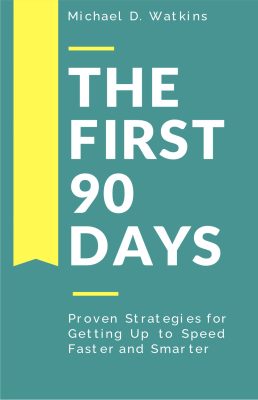
Imagine you are an athlete gearing up for a major competition. The initial training phase is critical; it sets the tone for your performance and determines your future success. Similarly, in the business world, the first 90 days in a new role are like that crucial training period. In The First 90 Days: Proven Strategies for Getting Up to Speed Faster and Smarter by Michael D. Watkins, the author presents a detailed roadmap for professionals navigating this pivotal time. Watkins emphasizes that early actions and decisions have long-lasting impacts, making it essential to approach this period with a clear strategy.
Watkins introduces the concept of “break-even point,” which is when a new leader’s contributions start to outweigh the costs of their transition. The book provides strategies to reach this point faster. From understanding the new role’s unique demands to building relationships and securing early wins, Watkins covers a comprehensive set of tactics. He emphasizes the importance of diagnosing the situation accurately before taking action. For example, knowing whether the organization is in a start-up, turnaround, realignment, or sustaining success phase can significantly influence the strategies one should adopt.
Readers will learn how to create a 90-day plan that includes setting clear goals, identifying key stakeholders, and establishing priorities. Watkins offers insights into managing oneself, such as maintaining a balanced perspective and avoiding burnout. He also provides valuable advice on how to navigate organizational politics, understand team dynamics, and build coalitions to support initiatives. The book is a treasure trove of practical tips, backed by real-world examples and case studies, which illustrate how successful leaders have managed their transitions.
One of the standout features of The First 90 Days is its focus on actionable advice. Watkins doesn’t just offer theories; he provides specific tools and frameworks that readers can apply immediately. For instance, his STARS model (Start-up, Turnaround, Accelerated Growth, Realignment, Sustaining Success) helps new leaders assess their situation and adapt their approach accordingly. This pragmatic approach ensures that readers are equipped to handle the complexities of their new roles with confidence.
By the end of the book, readers will have a clear understanding of how to build credibility, secure early wins, and lay the groundwork for long-term success. Watkins emphasizes that the first 90 days are not just about surviving but thriving. He encourages readers to view this period as an opportunity to set themselves up for future achievements. The book’s structured approach ensures that new leaders can systematically tackle the challenges they face and make a significant impact from the outset.
The central message of The First 90 Days is that the initial period in a new leadership role is crucial for long-term success. Watkins uses the metaphor of planting a tree to illustrate this point. Just as the early care and attention given to a young tree determine its future growth and health, the actions and decisions made in the first 90 days of a new role set the trajectory for a leader’s success. This period is about building a strong foundation, much like ensuring the tree’s roots are well-established.
Watkins argues that the break-even point, where the leader’s contributions start to outweigh their transition costs, is a critical milestone. Achieving this point quickly can make the difference between a successful tenure and a struggling one. To this end, he offers the STARS model as a diagnostic tool to help leaders understand their new context and tailor their strategies accordingly. By assessing whether they are in a start-up, turnaround, accelerated growth, realignment, or sustaining success situation, leaders can adopt the most effective approach.
The First 90 Days has made a significant impact in the field of leadership and career development. Its practical, hands-on approach distinguishes it from other leadership books that often focus more on theory than actionable advice. Watkins’ emphasis on the importance of the initial transition period has been a game-changer for many professionals, providing them with the tools and confidence to succeed in their new roles. The book has received widespread acclaim and is considered a must-read for anyone taking on a new leadership position.
The book’s frameworks and models, such as the STARS model and the concept of the break-even point, have been widely adopted in leadership training programs and executive coaching. These tools offer a structured way for new leaders to navigate their transitions, making the complex process of starting a new role more manageable. The book has also sparked discussions about the importance of transition periods in career success, highlighting the need for organizations to support their leaders during these critical times.
Overall, The First 90 Days is a seminal work that has redefined how leaders approach their transitions. Its focus on practical, actionable strategies has made it an invaluable resource for new leaders, helping them to achieve early wins and build a solid foundation for future success.
The First 90 Days by Michael D. Watkins stands out as an invaluable resource for anyone stepping into a new leadership role. Watkins provides a structured, practical framework that can guide new leaders through the complexities of their initial transition period. The clarity and accessibility of his writing make it easy to understand and apply the concepts, which is crucial for readers who need to hit the ground running. The inclusion of real-world examples and case studies adds depth and relatability to his advice, making the strategies more tangible and actionable.
The book’s strength lies in its focus on achieving early wins and building momentum. By emphasizing the importance of these quick victories, Watkins helps new leaders build credibility and establish a strong foundation for long-term success. His STARS model is a particularly effective tool for diagnosing the situation and tailoring one’s approach accordingly. This model’s adaptability across different organizational contexts makes it a versatile tool for leaders at various levels and industries.
However, the book is not without its limitations. Some readers may find the generalized strategies less applicable to their specific situations, and the heavy emphasis on early wins might lead to short-term thinking at the expense of long-term planning. Additionally, the book could benefit from a deeper exploration of emotional intelligence and continuous feedback, which are critical elements of effective leadership that Watkins touches on but does not fully develop. Despite these shortcomings, the book provides a robust starting point for new leaders looking to navigate their transitions successfully.
Watkins’ focus on practical tools and techniques is both a strength and a potential drawback. While the step-by-step guidance is immensely helpful, it can sometimes feel overwhelming due to the sheer volume of information presented. New leaders might struggle to prioritize and implement all the advice effectively. A more streamlined approach, with clearer prioritization of key actions, could enhance the book’s usability. Nonetheless, the detailed frameworks and templates provided are invaluable for those who prefer a structured approach to their leadership transitions.
We believe The First 90 Days is an essential read for new leaders looking to make a significant impact in their early months on the job. The book’s strategic approach and practical advice provide a solid foundation for navigating the complexities of a new role. Whether you’re stepping into a senior executive position or a middle management role, Watkins offers valuable insights that can help you achieve early successes and set the stage for long-term accomplishments.
For organizations, The First 90 Days should be a staple in leadership development programs. The frameworks and strategies outlined by Watkins can help standardize the onboarding process for new leaders, reducing the risk of failure and enhancing overall organizational performance. By incorporating these principles into training and development initiatives, companies can better support their leaders during critical transitions, ultimately fostering a more resilient and adaptable workforce. We highly recommend this book for anyone serious about mastering the art of leadership transitions.
At the heart of The First 90 Days by Michael D. Watkins are a few critical elements that encapsulate the book’s message. These key topics are the strategic approach to leadership transitions, the STARS model for situational analysis, the importance of securing early wins, and the development of strong relationships within the organization. Each of these elements is essential for navigating the first three months in a new role successfully.
Watkins emphasizes the need for a strategic approach to leadership transitions. He argues that the first 90 days are not just about adapting to a new environment but about actively shaping it to ensure long-term success. This involves understanding the unique challenges and opportunities of the new role and creating a tailored plan to address them. The idea is to be proactive rather than reactive, setting a positive trajectory from the start.
The STARS model is a key concept introduced by Watkins, which stands for Start-up, Turnaround, Accelerated Growth, Realignment, and Sustaining Success. This model helps leaders diagnose their new situation accurately and choose the right strategies. Each type of situation requires a different approach, and understanding which one applies can make a significant difference in how quickly and effectively a leader can achieve success. For instance, a start-up requires building everything from scratch, while a turnaround focuses on rapid problem-solving and restructuring.
Securing early wins is another crucial element discussed in the book. Watkins stresses that achieving quick successes builds momentum and credibility, which are vital for establishing oneself in a new role. These early victories not only boost the leader’s confidence but also garner support from colleagues and stakeholders. It’s about identifying opportunities where small but significant improvements can be made swiftly, creating a positive ripple effect throughout the organization.
Building strong relationships is essential for any leader, especially during the transition period. Watkins highlights the importance of networking and forming alliances within the organization. This involves understanding the dynamics of the existing team, identifying key stakeholders, and cultivating trust. Effective communication and collaboration are the cornerstones of successful relationship-building, enabling leaders to gain the necessary support and insights to drive their initiatives forward.
Strategic Approach to Leadership Transitions: Watkins provides an example of a newly appointed CEO who took over a company in a volatile industry. Instead of diving into daily operations immediately, the CEO spent the first few weeks understanding the company’s culture, market position, and internal challenges. He developed a comprehensive 90-day plan that included meeting with key stakeholders, assessing the company’s strengths and weaknesses, and setting clear, achievable goals. This strategic approach allowed him to make informed decisions and implement changes that had a lasting positive impact.
STARS Model for Situational Analysis: The book details the experience of a manager who moved from a successful start-up to a large, established corporation. Using the STARS model, she recognized that her new role was in a realignment phase, requiring her to address existing issues and reenergize the team. She focused on identifying areas where the company had deviated from its core values and implemented strategies to realign the organization with its original mission. This targeted approach helped her regain the trust of her team and improve overall performance.
Securing Early Wins: Watkins shares the story of a vice president in a manufacturing firm who identified a bottleneck in the production process during his first few weeks on the job. By quickly addressing this issue, he was able to significantly increase productivity and reduce costs. This early win demonstrated his capability to his peers and superiors, setting a positive tone for his tenure. It also motivated his team, as they saw immediate results from his leadership.
Building Strong Relationships: An example is given of a marketing director who joined a new company with a highly competitive internal culture. She prioritized building relationships with her peers by organizing informal meetings and lunches, where she listened to their concerns and shared her vision for the department. By fostering an environment of open communication and mutual respect, she was able to create a network of allies who supported her initiatives. This approach helped her navigate the complex organizational politics and achieve her goals more effectively.
One of the main insights from the book is the necessity of creating a detailed 90-day plan. This plan should outline specific goals, key milestones, and the strategies to achieve them. For example, in the first 30 days, focus on understanding the organization’s culture, building relationships, and assessing the team’s strengths and weaknesses. In the next 30 days, start implementing small changes and securing early wins. The final 30 days should be dedicated to consolidating gains and refining strategies. This structured approach ensures that new leaders remain focused and proactive, rather than reactive.
Watkins introduces the STARS model to help leaders diagnose their new situation accurately. Recognizing whether the organization is in a Start-up, Turnaround, Accelerated Growth, Realignment, or Sustaining Success phase is crucial. For instance, if you are in a turnaround situation, prioritize quick problem-solving and decisive actions to address immediate challenges. Conversely, in a sustaining success scenario, focus on maintaining and enhancing current achievements. Applying the STARS model helps leaders tailor their strategies to the specific needs of their situation, increasing their chances of success.
Achieving early wins is essential for building credibility and momentum. Identify areas where you can make quick, impactful improvements and focus on these during your initial period. For example, if there are inefficiencies in a particular process, address these to demonstrate your ability to drive positive change. Early wins not only boost your confidence but also help in gaining the trust and support of your team and stakeholders. They set a positive tone for your leadership and create a foundation for larger, long-term initiatives.
Establishing strong relationships within the organization is another key insight. Take the time to meet with key stakeholders, understand their perspectives, and build rapport. Effective communication and collaboration are vital for gaining support and driving initiatives. For instance, schedule regular one-on-one meetings with your direct reports to understand their challenges and aspirations. Additionally, engage with peers and superiors to align your goals with the broader organizational objectives. Building a network of allies early on can significantly enhance your ability to lead effectively.
Striking the right balance between learning and taking action is crucial during the first 90 days. While it’s important to understand the new environment, waiting too long to act can be detrimental. Watkins suggests adopting a learn-then-act approach. Spend the initial period gathering information, understanding the context, and diagnosing issues. Once you have a clear picture, start implementing your plan. This approach ensures that your actions are well-informed and strategically sound. For instance, you might spend the first two weeks observing team dynamics before making any changes to team structures or processes.
Aligning expectations with your boss and other key stakeholders early on can prevent misunderstandings and ensure that you are on the same page. Schedule a series of meetings to discuss your goals, priorities, and performance metrics. Clearly communicate your plan for the first 90 days and seek their input and feedback. For example, if your boss expects you to focus on cost reduction while you plan to prioritize team building, it’s important to address this early to avoid conflicts. Clear and open communication helps in setting realistic and achievable expectations.
Before implementing any changes, it’s important to diagnose the situation thoroughly. Watkins emphasizes the need to understand the underlying causes of problems rather than just addressing the symptoms. Use tools like SWOT analysis (Strengths, Weaknesses, Opportunities, Threats) to get a comprehensive view of the situation. For instance, if employee morale is low, investigate the root causes, which could range from leadership issues to inadequate resources. This diagnostic approach ensures that your interventions are targeted and effective.
While securing early wins is important, it’s equally crucial to leverage these wins to build a platform for long-term success. Use the momentum from early victories to drive larger initiatives and embed sustainable practices. For example, if you improve a specific process, use the lessons learned to implement broader process improvements across the organization. Communicate your successes widely to build confidence and support for your leadership. This approach helps in creating a culture of continuous improvement and innovation.
Watkins highlights several common pitfalls that new leaders should avoid, such as trying to do too much too soon, failing to build relationships, and neglecting to understand the organizational culture. Being aware of these pitfalls can help you navigate the transition more smoothly. For instance, rather than implementing sweeping changes immediately, start with small, manageable projects to build trust and credibility. Additionally, make a concerted effort to understand the existing culture and align your actions with the values and norms of the organization.
Maintaining personal equilibrium is vital for sustained performance. The transition period can be intense and stressful, so it’s important to manage your energy levels and maintain a healthy work-life balance. Watkins advises new leaders to establish routines that include regular exercise, sufficient sleep, and time for relaxation. For example, scheduling regular breaks and setting boundaries for work hours can prevent burnout. By taking care of your well-being, you ensure that you have the stamina and resilience needed to lead effectively through the transition and beyond.
Comprehensive Framework
The First 90 Days excels in providing a comprehensive framework for leaders in transition. Watkins’ structured approach ensures that readers can systematically address the myriad challenges they face during their first three months. The book’s organization into clear, actionable steps makes it a practical guide for leaders at all levels. The use of models such as STARS helps simplify complex situations, offering a clear path forward regardless of the unique circumstances of each role.
Practical Tools and Techniques
One of the standout strengths of the book is its focus on practical tools and techniques. Watkins doesn’t just offer theoretical advice; he provides tangible methods that leaders can implement immediately. The 90-day plan template, for example, is an invaluable resource for new leaders looking to organize their transition strategy. The book’s emphasis on securing early wins and building strong relationships offers concrete steps that readers can follow to make a positive impact quickly.
Research Depth and Real-World Examples
Watkins’ extensive research and use of real-world examples enhance the book’s credibility and applicability. The numerous case studies and anecdotes from various industries provide readers with relatable scenarios and actionable insights. This depth of research ensures that the advice given is not only theoretical but grounded in real-world success stories. The examples help illustrate the principles in action, making them easier to understand and apply.
Clear and Accessible Writing Style
Watkins’ writing style is clear, accessible, and engaging. He avoids jargon and overly complex language, making the book suitable for a wide audience. This clarity ensures that readers can easily grasp the key concepts and apply them to their situations. The logical flow of ideas and the concise explanations contribute to the book’s overall readability, making it a valuable resource for both seasoned executives and those new to leadership roles.
Focus on Early Wins
The emphasis on securing early wins is another significant strength of the book. Watkins highlights the importance of achieving quick successes to build momentum and credibility. This focus on early victories is practical and motivating, providing new leaders with achievable goals that can have a substantial impact. By encouraging readers to prioritize early wins, Watkins helps them build a foundation for long-term success.
Balanced Perspective on Learning and Action
Watkins’ balanced perspective on the need for both learning and action is particularly insightful. He advises new leaders to take the time to understand their new environment before implementing changes, striking a balance between being proactive and reflective. This approach ensures that leaders make informed decisions that are more likely to succeed. The guidance on balancing observation with action helps prevent the common pitfall of rushing into changes without fully understanding the context.
Generalization of Strategies
One of the book’s weaknesses is the generalization of strategies. While the STARS model and other frameworks are broadly applicable, they may not account for the nuances of every individual situation. The diversity of organizational cultures and leadership challenges means that a one-size-fits-all approach might not always be effective. Some readers might find that the advice needs to be tailored more specifically to their unique circumstances.
Limited Focus on Long-Term Strategy
The book primarily focuses on the initial 90 days, which, while critical, is only part of a leader’s tenure. There is limited discussion on how the strategies and frameworks presented can be integrated into a long-term leadership strategy. Readers might benefit from more guidance on how to transition from the initial 90-day plan to a sustained leadership approach. This lack of long-term focus could leave some leaders wondering how to maintain momentum beyond the first few months.
Overemphasis on Early Wins
While the emphasis on early wins is a strength, it can also be seen as a weakness. The pressure to achieve quick successes might lead some leaders to prioritize short-term gains over long-term stability. In some cases, focusing too much on early wins could result in overlooking deeper, systemic issues that require more time to address. The book could benefit from a more balanced discussion on the potential risks of prioritizing early victories at the expense of long-term goals.
Potential for Information Overload
The wealth of information and advice in the book, while valuable, can sometimes be overwhelming. New leaders might find it challenging to absorb and implement all the recommendations effectively. The dense nature of the content might lead to information overload, making it difficult for readers to prioritize the most critical actions. A more streamlined approach or a clearer prioritization of key steps might help mitigate this issue and make the guidance more manageable.
Underestimation of Organizational Culture
One potential blind spot in The First 90 Days is the underestimation of the complexity and influence of organizational culture. While Watkins emphasizes understanding and adapting to the existing culture, the book may not fully address the deep-rooted cultural dynamics that can significantly impact a leader’s effectiveness. Leaders might overlook the subtle nuances of organizational politics, values, and unwritten rules that can make or break their transition. Books like The Culture Code by Daniel Coyle provide a more in-depth exploration of how culture influences organizational behavior and success. By complementing Watkins’ practical strategies with Coyle’s insights, leaders can gain a more holistic understanding of their new environment.
Assumption of Uniform Leadership Challenges
Another blind spot is the assumption that leadership challenges are uniform across different levels of an organization. Watkins’ strategies are primarily geared towards executives and senior leaders, which might not be entirely applicable to middle managers or frontline supervisors. The challenges faced by these different levels can vary significantly in scope and complexity. For a more tailored approach to leadership transitions at various levels, Leaders Eat Last by Simon Sinek offers valuable insights into how leadership principles apply differently depending on one’s position within the hierarchy. By integrating the perspectives from Sinek’s work, leaders can better navigate the specific challenges relevant to their roles.
Lack of Emphasis on Emotional Intelligence
The book also lacks a strong emphasis on the role of emotional intelligence in successful leadership transitions. While technical skills and strategic planning are crucial, the ability to understand and manage emotions—both one’s own and those of others—can be equally important. Emotional intelligence helps leaders build stronger relationships, navigate conflicts, and foster a positive work environment. Emotional Intelligence 2.0 by Travis Bradberry and Jean Greaves provides a comprehensive guide on developing these critical skills. Leaders who combine Watkins’ strategic insights with Bradberry and Greaves’ emotional intelligence framework can enhance their overall effectiveness during the transition period.
Overlooked Importance of Continuous Feedback
Continuous feedback is another area that The First 90 Days does not emphasize sufficiently. Regular feedback from peers, subordinates, and superiors can provide valuable insights and help leaders adjust their strategies as needed. The absence of a structured approach to soliciting and utilizing feedback might lead to blind spots and missed opportunities for improvement. Radical Candor by Kim Scott delves into the importance of giving and receiving honest feedback in building strong professional relationships and driving performance. By incorporating Scott’s principles, leaders can create a feedback-rich environment that supports ongoing development and adaptation.
Insufficient Attention to Personal Development
Lastly, the book could pay more attention to the personal development aspect of leadership transitions. While Watkins focuses on organizational and strategic elements, personal growth and self-awareness are equally important for long-term success. Leaders need to continually develop their skills, reflect on their experiences, and adapt their leadership style to changing circumstances. Mindset: The New Psychology of Success by Carol S. Dweck explores the importance of having a growth mindset in achieving personal and professional success. Integrating Dweck’s insights with Watkins’ strategies can help leaders foster a mindset that embraces learning and growth throughout their careers.
Leaders Eat Last by Simon Sinek
Leaders Eat Last by Simon Sinek emphasizes the importance of creating a supportive and safe environment for employees, contrasting with Watkins’ focus on the immediate actions needed during the first 90 days of leadership. Sinek explores how great leaders build trust and foster cooperation, highlighting the cultural and emotional aspects of leadership that ensure long-term team cohesion and success. While Watkins provides a practical guide to navigating initial transitions, Sinek offers a broader perspective on sustaining leadership by prioritizing the well-being of the team. The combination of both books provides a comprehensive approach to leadership, addressing both short-term and long-term strategies.
Radical Candor by Kim Scott
Radical Candor by Kim Scott focuses on the importance of direct, honest feedback and effective communication, offering a perspective that complements Watkins’ emphasis on building strong relationships. Scott advocates for a culture where honest feedback is the norm, which aligns with the need for transparency and trust in Watkins’ strategies. While The First 90 Days provides structured, strategic approaches to leadership transitions, Radical Candor delves deeper into the nuances of interpersonal communication and relationship management. Together, these books offer a well-rounded approach to leadership, combining strategic planning with essential communication skills.
Emotional Intelligence 2.0 by Travis Bradberry and Jean Greaves
Emotional Intelligence 2.0 by Travis Bradberry and Jean Greaves highlights the critical role of emotional intelligence in leadership. This book provides tools and techniques for improving self-awareness, self-management, social awareness, and relationship management. While Watkins focuses on strategic and operational aspects of leadership transitions, Bradberry and Greaves emphasize the importance of emotional skills in navigating complex social dynamics and building strong teams. The insights from Emotional Intelligence 2.0 enhance the strategies in The First 90 Days by adding a layer of emotional intelligence that is crucial for effective leadership.
Mindset: The New Psychology of Success by Carol S. Dweck
Mindset: The New Psychology of Success by Carol S. Dweck explores the importance of having a growth mindset in achieving personal and professional success. Dweck’s work complements Watkins’ focus on rapid learning and adaptation, providing a psychological framework for embracing challenges and continuous improvement. While The First 90 Days offers practical strategies for leadership transitions, Mindset provides the underlying attitude and approach that leaders need to sustain their success over time. Together, these books highlight the importance of both strategic planning and a resilient, adaptive mindset.
The Culture Code by Daniel Coyle
The Culture Code by Daniel Coyle delves into the secrets of highly successful groups and the importance of organizational culture. Coyle’s findings on creating environments where people feel safe, connected, and purposeful align with Watkins’ emphasis on understanding and integrating into organizational culture. While The First 90 Days provides actionable steps for the initial transition period, The Culture Code offers deeper insights into building and nurturing a positive, high-performing culture. These complementary perspectives provide a holistic view of leadership that addresses both immediate and ongoing cultural challenges.
Switch: How to Change Things When Change Is Hard by Chip Heath and Dan Heath
Switch: How to Change Things When Change Is Hard by Chip Heath and Dan Heath offers practical strategies for driving change within organizations. This book complements Watkins’ focus on securing early wins and implementing effective strategies during transitions. The Heath brothers’ framework for understanding and influencing behavior change provides additional tools for leaders looking to make a significant impact quickly. By integrating the principles from both books, leaders can better manage the human elements of change and ensure successful transitions.
The First 90 Days underscores the importance of a structured onboarding process for new leaders. Businesses can use this framework to design a comprehensive onboarding program that includes setting clear expectations, providing necessary resources, and facilitating relationship-building activities. This structured approach ensures that new leaders can quickly adapt and start contributing effectively to the organization.
Implementing a structured onboarding process can be challenging due to the diversity of roles and the unique needs of each leader. Different departments may have varying expectations and resources, making it difficult to create a one-size-fits-all program. Additionally, busy schedules and the fast pace of business can hinder the thorough implementation of such a process.
To overcome these challenges, businesses can develop customizable onboarding templates that cater to different roles and departments. These templates should include core elements, such as role-specific training, cultural orientation, and stakeholder introductions, which can be tailored to fit the needs of each new leader. Regular check-ins and feedback sessions can ensure that the onboarding process is on track and adjusted as needed.
Securing early wins is a key strategy from The First 90 Days that businesses can integrate into their leadership development programs. Encouraging new leaders to identify and achieve quick, impactful successes can build momentum and credibility. This approach not only boosts the confidence of the new leader but also demonstrates their value to the team and the broader organization.
However, the pressure to achieve early wins can sometimes lead to short-term thinking and risk-averse behavior. New leaders might focus on easily attainable goals rather than addressing more complex, long-term issues. This can result in superficial changes that do not contribute to the organization’s strategic objectives.
To mitigate these risks, businesses should balance the pursuit of early wins with the need for long-term planning. Setting both short-term and long-term goals during the onboarding process can help new leaders prioritize effectively. Providing support and resources for achieving these goals, such as access to data and mentorship, can enable new leaders to tackle more significant challenges confidently.
The STARS model presented by Watkins is a valuable tool for diagnosing the context of a new leadership role. Businesses can integrate this model into their strategic planning processes to help new leaders assess whether they are in a Start-up, Turnaround, Accelerated Growth, Realignment, or Sustaining Success phase. This situational analysis can guide leaders in developing appropriate strategies and making informed decisions.
The challenge with implementing the STARS model lies in its application across different organizational contexts. Leaders may struggle to accurately diagnose their situation due to limited information or biased perspectives. Additionally, the dynamic nature of business environments means that situations can shift rapidly, requiring constant reassessment.
To address these challenges, businesses can provide training on the STARS model as part of their leadership development programs. Encouraging a collaborative approach to situational analysis, where new leaders seek input from their teams and stakeholders, can improve the accuracy of the diagnosis. Regular reviews and updates to the situational assessment can ensure that strategies remain relevant and effective.
Building strong relationships is crucial for new leaders to succeed, as emphasized in The First 90 Days. Businesses can facilitate this by creating opportunities for new leaders to connect with key stakeholders, peers, and team members. Structured networking events, mentorship programs, and team-building activities can help new leaders establish rapport and build trust quickly.
One obstacle to relationship-building is the potential for existing team dynamics and power structures to hinder the integration of new leaders. Resistance to change or established cliques within the organization can create barriers to forming effective relationships. Additionally, remote or hybrid work environments can make it more challenging to foster personal connections.
To overcome these obstacles, businesses can implement formal mentorship and buddy systems, pairing new leaders with experienced colleagues who can provide guidance and support. Encouraging open communication and transparency can help break down barriers and build trust. Utilizing virtual team-building activities and regular virtual check-ins can ensure that relationship-building efforts are effective, even in remote settings.
Balancing learning and action is critical for new leaders, and businesses should promote a culture of continuous learning and feedback. Providing access to training resources, workshops, and industry insights can help new leaders stay informed and develop their skills. Regular feedback mechanisms, such as performance reviews and 360-degree feedback, can help leaders understand their strengths and areas for improvement.
Challenges in promoting continuous learning and feedback include time constraints and potential resistance to feedback. New leaders may feel overwhelmed by their responsibilities and unable to dedicate time to learning. Additionally, a culture that does not prioritize or value feedback can hinder the effectiveness of these mechanisms.
To address these challenges, businesses can integrate learning and feedback into the regular workflow, making it a natural part of the organizational culture. Allocating specific times for training and development activities, and incorporating feedback sessions into regular meetings, can ensure that these practices are sustained. Promoting a growth mindset and emphasizing the value of feedback in personal and professional development can encourage leaders to embrace these opportunities.
Aligning expectations and goals with new leaders is essential to ensure that they understand their role and the organization’s priorities. Businesses can facilitate this alignment through clear communication and regular check-ins. Setting mutual goals and performance metrics at the outset can provide a roadmap for success and help new leaders focus on what matters most.
One challenge in aligning expectations and goals is the potential for miscommunication or misunderstanding between new leaders and their supervisors. Differing expectations can lead to frustration and misaligned efforts. Additionally, evolving business priorities may necessitate changes to initially agreed-upon goals, requiring flexibility and adaptability.
To overcome these challenges, businesses should prioritize clear and transparent communication from the start. Using written agreements or goal-setting documents can help clarify expectations and provide a reference point. Regular check-ins and updates can ensure that goals remain aligned with the organization’s changing needs and that new leaders receive the support they need to adjust their strategies accordingly.
The rise of remote and hybrid work models is reshaping the business landscape. The First 90 Days offers valuable insights that can be adapted to these new working environments. Leaders transitioning into remote or hybrid roles need to focus on building virtual relationships and establishing trust without face-to-face interactions. The book’s emphasis on early wins and structured onboarding remains relevant, but with a twist. Virtual team-building activities and frequent online check-ins become essential. Understanding how to manage and motivate a dispersed team is critical for success in these settings.
Technological advancements are accelerating at an unprecedented pace. Leaders must quickly adapt to new tools and systems. Watkins’ strategies for rapid learning and situational analysis are more relevant than ever. Leaders who can swiftly assess technological changes and integrate them into their operations will have a significant advantage. The book’s focus on early wins can translate to implementing new technologies efficiently. This ensures quick, impactful results and fosters a culture of continuous improvement and innovation.
Emotional intelligence (EI) is gaining recognition as a critical component of effective leadership. Watkins’ emphasis on building strong relationships aligns well with this trend. Future leaders will need to be adept at understanding and managing their own emotions and those of others. This skill is vital in fostering a positive organizational culture. Leaders who can apply the principles from The First 90 Days while also enhancing their EI will be better equipped to navigate complex interpersonal dynamics. They will be able to build more cohesive and resilient teams.
DEI is becoming a central focus in many organizations. Leaders must be prepared to lead diverse teams and create inclusive environments. Watkins’ strategies for situational analysis and relationship-building are crucial in understanding and addressing DEI challenges. New leaders can use these frameworks to identify areas where the organization can improve its DEI efforts. They can then implement initiatives that foster an inclusive culture. Aligning early wins with DEI goals can demonstrate a leader’s commitment to these important values.
The need for agility in leadership is more pronounced than ever. Businesses face constant change and uncertainty. Leaders must be able to pivot quickly and effectively. The First 90 Days provides a structured approach to navigating transitions, which is essential for agile leadership. Leaders who can assess their situation accurately and adapt their strategies swiftly will thrive. The book’s emphasis on learning, action, and feedback loops supports the principles of agile leadership. It encourages leaders to be flexible and responsive to new challenges and opportunities.
The First 90 Days was first published in 2003 and remains highly relevant today, over two decades later. Its enduring relevance lies in the timeless nature of its strategies for leadership transitions. The structured, practical advice provided by Watkins continues to be applicable across various industries and leadership levels. As organizations face ongoing challenges such as technological advancements, remote work, and rapid market changes, the need for effective leadership transitions is more critical than ever.
The book’s emphasis on early wins and building strong relationships is particularly pertinent in today’s fast-paced and interconnected world. Leaders must quickly establish credibility and foster trust to navigate the complexities of modern organizations. The principles outlined in The First 90 Days provide a solid foundation for achieving these goals, ensuring that new leaders can make an immediate and positive impact.
Looking ahead, The First 90 Days is likely to continue influencing leadership development programs and executive coaching. Its practical frameworks and tools will remain valuable as organizations strive to support their leaders during critical transition periods. As the business landscape evolves, the book’s insights on situational analysis and strategic planning will help leaders adapt to new challenges and opportunities.
Moreover, the book’s focus on balancing learning and action is crucial for developing agile leaders who can thrive in dynamic environments. This approach aligns with the growing emphasis on continuous learning and adaptability in leadership. By integrating Watkins’ strategies, leaders can better navigate the uncertainties of the future and drive sustainable success for their organizations.
In conclusion, The First 90 Days has established itself as a cornerstone in the field of leadership transitions. Its relevance has endured over the years, and its principles will continue to guide leaders as they navigate the complexities of their roles. As organizations and leaders face new challenges, the book’s insights will remain a valuable resource for achieving successful transitions and fostering long-term growth.
Leaders Eat Last by Simon Sinek complements The First 90 Days by focusing on the importance of creating a supportive and safe environment for employees. Sinek’s exploration of how great leaders build trust and foster cooperation provides valuable insights that align well with Watkins’ emphasis on relationship-building. This book offers a deeper understanding of the cultural and emotional aspects of leadership, which are essential for long-term success.
Radical Candor by Kim Scott provides a contrasting yet complementary perspective to Watkins’ strategies. Scott’s book emphasizes the importance of direct, honest feedback and effective communication in leadership. This aligns with the need for building strong relationships and securing early wins by fostering a culture of openness and transparency. Leaders can benefit from integrating Scott’s principles to enhance their interpersonal skills and communication effectiveness.
Emotional Intelligence 2.0 by Travis Bradberry and Jean Greaves is an essential read for leaders looking to develop their emotional intelligence, a critical skill highlighted indirectly in The First 90 Days. This book provides practical tools and techniques for improving self-awareness, self-management, social awareness, and relationship management. These skills are vital for navigating the complexities of a new leadership role and building strong, effective teams.
Mindset: The New Psychology of Success by Carol S. Dweck offers valuable insights into the importance of having a growth mindset. Dweck’s exploration of how beliefs about abilities influence success can help leaders foster a culture of continuous learning and development. This book complements Watkins’ focus on rapid learning and adaptation, providing a psychological framework for embracing challenges and achieving long-term success.
The Culture Code by Daniel Coyle delves into the secrets of highly successful groups and the importance of organizational culture. This book complements The First 90 Days by providing deeper insights into building and nurturing a positive, high-performing culture. Coyle’s findings on creating environments where people feel safe, connected, and purposeful align well with Watkins’ emphasis on understanding and integrating into organizational culture.
Switch: How to Change Things When Change Is Hard by Chip Heath and Dan Heath offers practical strategies for driving change within organizations. This book complements Watkins’ focus on securing early wins and implementing effective strategies during transitions. The Heath brothers’ framework for understanding and influencing behavior change provides additional tools for leaders looking to make a significant impact quickly.
The First-Time Manager by Jim McCormick is a practical guide for new managers stepping into leadership roles. This book provides straightforward advice and actionable steps, complementing Watkins’ structured approach to the first 90 days. McCormick’s emphasis on building essential managerial skills and navigating common challenges aligns well with the strategies outlined by Watkins, making it a valuable resource for new leaders.
Drive: The Surprising Truth About What Motivates Us by Daniel H. Pink explores the science of motivation and how it applies to leadership. Pink’s insights into what drives human behavior provide valuable context for leaders looking to inspire and engage their teams. This book complements Watkins’ focus on building strong relationships and achieving early wins by offering a deeper understanding of intrinsic motivation and how to leverage it effectively in the workplace.
Harvard Business Review
The Harvard Business Review (HBR) website (hbr.org) is an excellent resource for deepening your understanding of leadership and management practices. HBR offers a wealth of articles, case studies, and research papers on topics covered in The First 90 Days, such as leadership transitions, strategic planning, and organizational culture. Regularly visiting this site can provide you with up-to-date insights and practical advice from leading experts in the field.
Mind Tools
Mind Tools (mindtools.com) is an online platform that provides a wide range of resources on leadership, management, and personal development. The site offers toolkits, self-assessments, and practical guides that align well with the principles outlined in The First 90 Days. It’s a great place to find additional frameworks and strategies to enhance your leadership skills.
Global Leadership Summit
The Global Leadership Summit is an annual event that gathers leaders from various industries to discuss innovative leadership practices and strategies. Attending this conference can provide you with valuable insights and networking opportunities, complementing the knowledge gained from The First 90 Days. The summit features speakers who are renowned leaders and experts in their fields, offering diverse perspectives on effective leadership.
Society for Human Resource Management (SHRM) Annual Conference
The SHRM Annual Conference is a premier event for HR professionals and leaders. It covers a wide range of topics, including leadership development, organizational culture, and employee engagement. Attending this conference can help you stay current with best practices and emerging trends in leadership and management, enriching your understanding of the concepts presented in The First 90 Days.
American Management Association (AMA)
The American Management Association (amanet.org) is a professional organization that offers extensive resources for leaders and managers. Membership provides access to training programs, webinars, and publications that align with the strategies and insights from The First 90 Days. The AMA’s focus on practical skills and continuous learning makes it a valuable resource for new leaders.
International Leadership Association (ILA)
The International Leadership Association (ILA) is a global network of leadership scholars, educators, and practitioners. The ILA provides a platform for sharing research, best practices, and innovative approaches to leadership. Joining the ILA can enhance your understanding of leadership transitions and offer opportunities for professional development and networking.
The Leadership Podcast
The Leadership Podcast features interviews with top leaders and thinkers, discussing various aspects of leadership and management. This podcast offers practical advice and real-world examples that complement the strategies outlined in The First 90 Days. Listening to these episodes can provide you with ongoing learning and inspiration as you navigate your leadership journey.
Coaching for Leaders
The Coaching for Leaders podcast offers insights into effective leadership practices and personal development. Host Dave Stachowiak interviews leadership experts, providing actionable advice that aligns well with Watkins’ principles. This podcast can help you apply the concepts from The First 90 Days in a practical, real-world context.
Leadership Principles by Harvard Business School Online
Harvard Business School Online offers a course called Leadership Principles, which provides a foundation in essential leadership skills and strategies. This course covers topics such as situational leadership, relationship-building, and strategic thinking, closely aligning with the concepts from The First 90 Days. Enrolling in this course can deepen your understanding and application of effective leadership practices.
Leading Organizations and Change by MIT Sloan School of Management
MIT Sloan’s course on Leading Organizations and Change offers advanced insights into managing organizational transitions and driving change effectively. This course covers frameworks and tools that complement Watkins’ strategies, providing a comprehensive approach to leadership during transitions. It’s an excellent resource for leaders seeking to enhance their ability to lead in dynamic environments.
The Social Network
The film The Social Network provides a dramatized account of the early days of Facebook and the leadership challenges faced by its founders. Watching this film can offer insights into the complexities of leadership transitions, team dynamics, and the impact of early strategic decisions, echoing many themes from The First 90 Days.
Moneyball
Moneyball is a film that showcases innovative leadership and strategic thinking in the world of baseball. The story of how the Oakland Athletics used data analytics to build a competitive team highlights the importance of early wins and strategic planning, key concepts from The First 90 Days. This film provides a compelling example of how unconventional strategies can lead to significant success.


Discover the key takeaways from top non-fiction books in minutes. Get the wisdom you need to succeed fast. Here, learning is quick, engaging, and always at your fingertips.
© 2025 All Rights Reserved.