Reviews
“Paced like a thriller, this is an exposé of invasive malware, and a cautionary tale.”―The Economist
“The story of how investigative journalists exposed the frightening abuse of software that can infect your phone…It makes for absorbing reading…A celebration of journalism and hacking being used to unmask the bad guys.”―The Guardian
“Pegasus is an alarming and urgent book―an engrossing thriller about cybersurveillance software so sly and powerful that it can take over your cell phone without your knowledge. This is terrifying stuff. Richard and Rigaud reveal how authoritarian regimes can use Pegasus software to spy on dissidents, human rights activists, journalists―and virtually anyone with a mobile phone.”―David Zucchino, Pulitzer Prize-winning author of Wilmington’s Lie
“Paced like a thriller, Pegasus reveals a manifested dystopia where repressive governments purchase digital bolt-cutters to break into the phones of their critics and adversaries. But it also details the power of investigative journalists to expose a 21st-century arms market whose wares are aimed at civil society.”―Spencer Ackerman, Pulitzer Prize-winning journalist and author of Reign of Terror
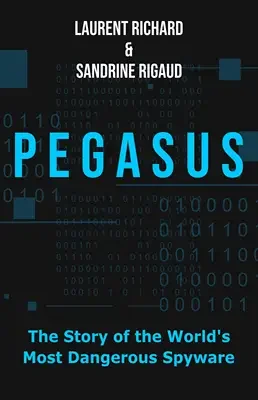
In Pegasus: How a Spy in Your Pocket Threatens the End of Privacy, Dignity, and Democracy, Laurent Richard and Sandrine Rigaud unveil the shocking reality of modern surveillance. This eye-opening exposé dives into the world of Pegasus, a powerful spyware developed by the Israeli company NSO Group. The book reveals how this seemingly innocent tool, capable of infiltrating smartphones undetected, has become a weapon wielded by governments worldwide to silence dissent and crush opposition. Richard and Rigaud take readers on a gripping journey, exploring how Pegasus threatens not just individual privacy, but the very foundations of democracy and human dignity in our increasingly digital world.
Pegasus is primarily aimed at readers interested in technology, privacy, and current affairs. Its target audience includes journalists, activists, policymakers, and tech-savvy individuals concerned about digital rights and surveillance. The book is also accessible to a broader audience of general readers who want to understand the implications of modern technology on personal freedom and democracy. Richard and Rigaud present complex technological concepts in clear, engaging language, making the book approachable for those without a deep technical background. However, the gravity of the subject matter and its global implications make it particularly relevant for anyone concerned about the future of privacy and democratic values in the digital age.
Imagine a world where your every move, every conversation, and every thought could be monitored by an invisible force lurking in your pocket. This isn’t the plot of a dystopian novel – it’s the chilling reality exposed in Laurent Richard and Sandrine Rigaud’s Pegasus: How a Spy in Your Pocket Threatens the End of Privacy, Dignity, and Democracy. The smartphone, once a symbol of connection and progress, has become a Trojan horse for government surveillance and oppression.
Richard and Rigaud take readers on a heart-pounding journey through the shadowy world of Pegasus, a potent spyware tool developed by the Israeli company NSO Group. This digital weapon can infiltrate smartphones undetected, granting its operators unfettered access to every aspect of a target’s digital life. From text messages and emails to camera and microphone controls, Pegasus leaves no stone unturned in its quest for information.
The book uncovers a global web of surveillance, where governments use Pegasus to silence journalists, crush opposition, and maintain their grip on power. Through meticulous research and firsthand accounts, the authors reveal how this technology has been deployed against human rights activists, political dissidents, and even world leaders. They paint a vivid picture of the human cost of unchecked surveillance, from ruined careers to shattered lives and democracy under siege.
Pegasus doesn’t just sound the alarm; it also delves into the complex ecosystem that allows such invasive technology to flourish. The authors explore the murky world of cyber-weapons dealers, the ethical dilemmas faced by software developers, and the often-ineffective attempts at regulation. They raise pressing questions about the balance between national security and individual privacy, forcing readers to confront the true price of our digital convenience.
Readers of Pegasus will gain a comprehensive understanding of the modern surveillance landscape and its far-reaching implications. The book equips them with knowledge about how Pegasus works, who uses it, and why it poses such a significant threat to privacy and democracy. It also provides insights into the broader issues of digital rights, the ethics of technology, and the challenges of regulating cyber-weapons in an increasingly interconnected world.
The central thesis of Pegasus is that the unchecked proliferation of powerful surveillance technology like Pegasus spyware poses an existential threat to personal privacy, human dignity, and democratic institutions worldwide. Richard and Rigaud argue that the ability to secretly monitor and manipulate individuals through their smartphones has created an unprecedented power imbalance between governments and citizens, eroding the foundations of free societies.
The authors liken Pegasus to a digital skeleton key, capable of unlocking the most intimate details of our lives without our knowledge or consent. Just as a skeleton key can open any door in a building, Pegasus can access any part of our digital existence, leaving us vulnerable to exploitation, blackmail, and control. This metaphor underscores the book’s warning that our most personal device – the smartphone – has become a potential weapon against us, turning the very tool we rely on for freedom and connection into an instrument of oppression.
Pegasus has made a substantial impact in the fields of cybersecurity, digital rights, and investigative journalism. The book’s revelations have sparked global conversations about the ethics of surveillance technology and the need for stronger regulations to protect individual privacy. Its detailed exposé of the Pegasus spyware’s capabilities and usage has led to increased scrutiny of NSO Group and similar companies, prompting calls for greater transparency and accountability in the cyber-weapons industry.
The book’s significance extends beyond its immediate subject matter, contributing to a broader understanding of the challenges facing democracy in the digital age. By highlighting the ease with which powerful actors can abuse technology for surveillance and control, Pegasus has become a rallying point for digital rights advocates and privacy-conscious individuals worldwide.
The authors’ work has not gone unnoticed in journalistic circles. The investigations that formed the basis of the book, conducted in collaboration with Forbidden Stories and Amnesty International, won the 2021 European Press Prize for investigative reporting. This recognition underscores the book’s importance as a piece of groundbreaking journalism that exposes hidden truths and holds power to account.
Pegasus has also stirred controversy, particularly among governments and companies implicated in the use or development of spyware. Some have disputed the book’s claims, arguing that such technologies are necessary for national security and combating crime. This debate highlights the ongoing tension between security concerns and civil liberties, a central theme of the book.
The book’s impact is further evidenced by its influence on policy discussions. In the wake of its publication, several countries have launched investigations into the use of Pegasus spyware within their borders. International organizations, including the United Nations, have cited the book’s findings in calls for stricter controls on the export and use of surveillance technologies.
In our assessment, Pegasus: How a Spy in Your Pocket Threatens the End of Privacy, Dignity, and Democracy by Laurent Richard and Sandrine Rigaud is a crucial and timely work that sheds light on one of the most pressing issues of our digital age. The authors have crafted a compelling narrative that combines rigorous investigative journalism with accessible explanations of complex technological concepts. We find that the book succeeds in conveying the urgency of the threat posed by advanced surveillance technologies while providing a comprehensive global perspective on the issue.
The strength of Pegasus lies in its ability to balance technical details with human stories, making the abstract concept of digital surveillance tangible and relatable. Richard and Rigaud have done an admirable job of illustrating how tools like Pegasus spyware can impact individuals, journalists, activists, and even entire democratic systems. Their global approach, examining cases from various countries and political contexts, effectively demonstrates the universal nature of this threat.
We appreciate the authors’ efforts to provide a nuanced view of the surveillance technology landscape. While the book is critical of the unchecked use of spyware, it acknowledges the legitimate security concerns that drive the demand for such tools. This balanced approach adds credibility to their arguments and helps readers understand the complexity of the issues at stake.
However, we note that the book has some limitations. Its focus on government surveillance, while important, may lead readers to underestimate the role of corporate entities in data collection and privacy issues. Additionally, the rapidly evolving nature of technology means that some specific details in the book may quickly become outdated, though the broader principles and concerns it raises remain relevant.
We also find that the book could have explored more deeply the long-term societal implications of pervasive surveillance and provided more extensive discussion on potential solutions and policy recommendations. Despite these minor shortcomings, we believe that Pegasus makes a significant contribution to the public understanding of digital privacy and surveillance issues.
Our Recommendation
We strongly recommend Pegasus: How a Spy in Your Pocket Threatens the End of Privacy, Dignity, and Democracy to a wide range of readers. For those concerned about digital privacy, civil liberties, and the future of democracy in the digital age, this book provides crucial insights and a call to action. Journalists, activists, policymakers, and technology professionals will find it particularly valuable, but its accessible style makes it suitable for any reader interested in understanding the challenges posed by modern surveillance technologies.
While we suggest supplementing this book with other works that provide broader context on digital privacy and corporate surveillance, we believe Pegasus stands as an essential read in today’s interconnected world. It serves as both a warning and an empowering tool, equipping readers with the knowledge to engage in informed discussions about privacy, security, and the ethical use of technology in our society.
The essence of Pegasus: How a Spy in Your Pocket Threatens the End of Privacy, Dignity, and Democracy revolves around the far-reaching implications of advanced surveillance technology on individual privacy and democratic societies. At its core, the book exposes the capabilities and widespread use of Pegasus spyware, developed by NSO Group, which can infiltrate smartphones undetected. This technology allows operators to access all data on a device, including messages, emails, photos, and even activate the camera and microphone remotely. The authors argue that this level of intrusion fundamentally alters the balance of power between governments and citizens, creating a world where privacy becomes a luxury and dissent carries unprecedented risks.
A key concept explored in the book is the weaponization of smartphones. Richard and Rigaud detail how these ubiquitous devices, central to modern life, have become potential tools for oppression. They explain how Pegasus transforms a smartphone into a sophisticated surveillance device, capable of tracking an individual’s movements, communications, and even their thoughts and intentions. This transformation challenges our understanding of personal space and security in the digital age, blurring the lines between public and private spheres.
The book also delves into the global market for cyber-weapons, revealing a shadowy industry operating with little oversight or regulation. The authors expose how companies like NSO Group develop and sell these powerful tools to governments worldwide, often under the guise of fighting crime and terrorism. They argue that this unchecked proliferation of surveillance technology has created a dangerous landscape where human rights abuses can occur with impunity. The book raises critical questions about the responsibility of tech companies and the need for international regulations to govern the sale and use of such technologies.
Another crucial element of the book is its exploration of the impact of surveillance on journalism and civil society. Richard and Rigaud demonstrate how Pegasus has been used to target journalists, human rights activists, and political opponents in various countries. They argue that this targeted surveillance creates a chilling effect on free speech and investigative reporting, undermining the foundations of democratic societies. The book highlights the critical role of a free press in holding power to account and how technologies like Pegasus threaten this essential function.
The authors also examine the concept of digital authoritarianism, showing how surveillance technologies enable governments to exert unprecedented control over their populations. They argue that tools like Pegasus allow regimes to identify and suppress dissent before it can gain traction, creating a new form of proactive authoritarianism. This shift in the nature of state control has profound implications for civil liberties and the future of democracy worldwide.
Lastly, Pegasus grapples with the ethical dilemmas posed by advanced surveillance technologies. The book challenges readers to consider the balance between national security and individual privacy rights. It raises questions about the morality of creating and selling tools that can be used for both legitimate law enforcement purposes and human rights abuses. The authors argue that society must confront these ethical quandaries to preserve democratic values in the digital age.
The Khashoggi Case: The book details how Pegasus spyware was allegedly used to track journalist Jamal Khashoggi before his murder in 2018. This case illustrates the potential for surveillance technology to be used in serious human rights violations and underscores the risks faced by journalists and dissidents.
Mexico’s Widespread Surveillance: Richard and Rigaud explore how the Mexican government reportedly used Pegasus to target journalists, human rights lawyers, and anti-corruption activists. This example demonstrates the scale at which surveillance technology can be deployed against civil society and the press.
The Targeting of Rohingya Activists: The authors discuss how Pegasus was reportedly used to spy on Rohingya human rights activists, showcasing how surveillance technology can be weaponized against vulnerable minority groups and those advocating for their rights.
The Jeff Bezos Hack: The book examines the alleged use of Pegasus to hack Amazon CEO Jeff Bezos’s phone, highlighting how even powerful individuals can be vulnerable to sophisticated spyware and the potential geopolitical implications of such attacks.
UAE’s Project Raven: Richard and Rigaud explore Project Raven, where former U.S. intelligence operatives worked for the United Arab Emirates to surveil dissidents and critics using advanced technologies like Pegasus. This case study illustrates the global nature of the cyber-surveillance industry and the ethical challenges it poses for individuals and nations.
The Hungarian Journalist Surveillance: The book details how Pegasus was allegedly used to target investigative journalists in Hungary, demonstrating how surveillance technology can be employed to undermine press freedom in ostensibly democratic countries.
The Indian WhatsApp Hack: The authors discuss a case where Pegasus was reportedly used to target Indian lawyers and activists through a vulnerability in WhatsApp. This example shows how even encrypted communication platforms can be compromised by sophisticated spyware.
The Moroccan Journalist Crackdown: Richard and Rigaud examine how Moroccan authorities allegedly used Pegasus to surveil and harass journalists critical of the government, illustrating how surveillance technology can be used to suppress freedom of expression and intimidate the press.
One of the most startling insights from Pegasus is the revelation that our smartphones are far more vulnerable than we realize. The book exposes how easily Pegasus can infiltrate even the most up-to-date devices, turning them into sophisticated surveillance tools. This insight underscores the need for individuals to reassess their relationship with technology. To apply this knowledge, users should regularly update their devices’ operating systems and apps to patch known vulnerabilities. Additionally, it’s crucial to be cautious about clicking on unknown links or downloading attachments, even from seemingly trustworthy sources. Consider using encrypted messaging apps for sensitive communications and be mindful of the permissions granted to various apps on your device.
Richard and Rigaud’s investigation reveals the truly international scope of the cyber-surveillance industry. Pegasus spyware has been used by governments across the globe, from democracies to authoritarian regimes. This insight highlights the need for a coordinated global response to regulate the sale and use of such technologies. To apply this knowledge, citizens should advocate for stronger international regulations on cyber-weapons. This could involve supporting organizations that work towards digital rights and privacy, participating in public consultations on technology policies, and pressuring elected officials to prioritize digital privacy in international negotiations. Journalists and researchers can contribute by continuing to investigate and expose the global networks that facilitate the spread of surveillance technologies.
The book provides compelling evidence of how Pegasus has been used to target journalists, particularly those involved in investigative reporting. This poses a significant threat to press freedom and the public’s right to information. To combat this, news organizations should invest in digital security training for their staff, including teaching them how to recognize potential spyware attacks and protect their sources. Journalists should use secure communication channels, regularly check their devices for signs of intrusion, and collaborate with cybersecurity experts to enhance their digital defenses. Media outlets could also establish secure drop boxes for whistleblowers and sources to share information anonymously.
Pegasus reveals how surveillance technologies can undermine trust in digital communication platforms. When people fear their conversations may be monitored, it can lead to self-censorship and a chilling effect on free expression. To address this, individuals and organizations should prioritize end-to-end encryption for sensitive communications. Consider using open-source communication tools that have been independently audited for security. It’s also crucial to foster a culture of digital literacy, where people understand the potential risks of various communication platforms and can make informed choices about which tools to use in different contexts.
The book raises important questions about the ethical responsibilities of technology developers. The creation of tools like Pegasus highlights the potential for seemingly neutral technologies to be used for harmful purposes. To apply this insight, tech companies should implement rigorous ethical review processes for new products and technologies. This could include conducting human rights impact assessments before releasing new tools or features. Developers should also consider incorporating “ethics by design” principles into their work, anticipating potential misuses of their technology and building in safeguards from the outset. Tech workers can push for the adoption of ethical guidelines within their organizations and support whistleblower protections for those who expose unethical practices.
Pegasus underscores the importance of individuals taking proactive steps to protect their digital privacy. While no method is foolproof against such sophisticated spyware, there are measures that can significantly reduce one’s vulnerability. To apply this insight, individuals should adopt a multi-layered approach to digital security. This includes using strong, unique passwords for each online account, preferably managed through a reputable password manager. Enable two-factor authentication wherever possible, and consider using a virtual private network (VPN) when connecting to public Wi-Fi networks. Regularly review and limit the permissions granted to apps on your devices, and consider using privacy-focused alternatives to mainstream services for sensitive activities.
The book highlights how the vulnerabilities exploited by Pegasus often stem from weaknesses in widely used software and operating systems. This insight emphasizes the critical role that major tech companies play in safeguarding user privacy. To apply this knowledge, consumers should demand greater transparency and accountability from tech giants regarding their security practices. Support companies that prioritize user privacy and are quick to patch vulnerabilities. Tech companies, in turn, should invest more resources in identifying and fixing security flaws, offer bug bounties to encourage independent researchers to find vulnerabilities, and provide clearer, more frequent communication about security updates to users.
Richard and Rigaud’s work reveals the inadequacy of current legal frameworks in addressing the challenges posed by advanced surveillance technologies. This insight underscores the need for updated laws that balance legitimate security needs with robust protections for individual privacy and civil liberties. To apply this, citizens can engage in advocacy for comprehensive digital rights legislation. This could involve supporting organizations that lobby for privacy laws, participating in public consultations on proposed regulations, and educating others about the importance of legal protections in the digital age. Legal professionals can contribute by working to develop new legal frameworks that address the unique challenges of digital surveillance and by offering pro bono services to individuals or organizations fighting against unlawful surveillance.
The investigation that led to Pegasus demonstrates the effectiveness of collaborative, cross-border journalism in uncovering global issues. This insight highlights the importance of journalists working together across national boundaries to investigate complex, international stories. To apply this, news organizations should invest in building networks for secure information sharing and collaborative reporting. Journalists should seek out opportunities for cross-border partnerships, particularly when investigating stories with global implications. Media outlets could establish dedicated funds or programs to support collaborative investigative projects, recognizing that such work often requires significant time and resources but can yield powerful results.
Laurent Richard and Sandrine Rigaud’s Pegasus stands out for its exceptional investigative depth. The authors have meticulously researched the development, deployment, and impact of the Pegasus spyware, providing readers with a comprehensive understanding of this complex issue. They’ve gone beyond surface-level reporting, digging into the technical aspects of the spyware, its origins, and the web of companies and governments involved in its use. The book draws on a wealth of sources, including interviews with targets of surveillance, cybersecurity experts, and even former employees of NSO Group. This thorough approach gives the book a solid foundation of credibility and allows readers to grasp the full scope of the Pegasus scandal.
One of the book’s major strengths is its global perspective on the issue of digital surveillance. Richard and Rigaud don’t limit their investigation to a single country or region but instead provide a panoramic view of how Pegasus has been used worldwide. They present case studies from diverse countries, including Mexico, Saudi Arabia, India, and Hungary, among others. This global approach effectively illustrates how the threat of sophisticated surveillance transcends borders and political systems. It also highlights the international nature of the cyber-weapons market and the challenges this poses for regulation and accountability. By presenting this global picture, the authors successfully convey the scale and urgency of the problem.
Despite dealing with complex technological concepts, Pegasus excels in making these ideas accessible to a general audience. The authors skillfully break down the technical aspects of how the spyware works, explaining concepts like zero-click exploits and zero-day vulnerabilities in clear, understandable language. They use analogies and real-world examples to illustrate these points, helping readers grasp the implications of these technologies without getting bogged down in technical jargon. This accessibility is crucial, as it allows a wider audience to engage with and understand the important issues raised in the book.
Another significant strength of the book is its focus on the human impact of surveillance technology. Richard and Rigaud go beyond abstract discussions of privacy and security to show how Pegasus has affected real people’s lives. They share compelling stories of journalists, activists, and ordinary citizens whose lives have been upended by surveillance. These personal narratives bring home the real-world consequences of digital spying in a way that statistics or technical descriptions alone cannot. By putting faces and stories to the victims of surveillance, the authors create a powerful emotional connection that underscores the urgency of addressing this issue.
Pegasus presents a nuanced and balanced view of the surveillance technology issue. While the book is clearly critical of the unchecked use of spyware like Pegasus, it doesn’t shy away from acknowledging the legitimate security concerns that drive the demand for such tools. The authors present the perspectives of law enforcement agencies and governments that argue for the necessity of these technologies in fighting crime and terrorism. This balanced approach strengthens the book’s credibility and provides readers with a comprehensive understanding of the complex issues at play.
The book doesn’t just present problems; it also offers solutions and calls readers to action. Richard and Rigaud provide concrete suggestions for how individuals can protect their digital privacy and how societies can work towards more effective regulation of surveillance technologies. They discuss potential policy solutions, the role of international cooperation, and the importance of public awareness. This forward-looking approach transforms the book from a mere exposé into a roadmap for change, empowering readers to engage with these critical issues.
While Pegasus does an excellent job of explaining complex technological concepts to a general audience, some readers might find the technical details somewhat limited. For those with a background in cybersecurity or a deep interest in the technical aspects of spyware, the book may not provide enough in-depth information about the specific workings of Pegasus. The authors’ choice to prioritize accessibility over technical depth is understandable given their target audience, but it does mean that some of the more nuanced technical aspects of the spyware and its countermeasures are not fully explored.
One challenge the book faces is the rapidly evolving nature of surveillance technology. While Pegasus provides a comprehensive overview of the state of spyware at the time of writing, the fast pace of technological advancement means that some of the specific details may quickly become outdated. New versions of Pegasus or entirely new surveillance tools may have emerged since the book’s publication, potentially limiting its long-term relevance. While this is a common issue for books dealing with current technology, it’s a weakness that readers should be aware of.
Although the book does acknowledge the arguments made by proponents of surveillance technology, it could have provided a more in-depth exploration of the potential benefits and legitimate uses of such tools. While the focus on the dangers and misuse of Pegasus is justified, a more extensive discussion of how similar technologies could be ethically used for law enforcement or national security purposes might have provided a more comprehensive picture. This additional perspective could have further enriched the debate and helped readers form more nuanced opinions on the complex issues surrounding surveillance technology.
One potential blind spot in Pegasus is its focus on government surveillance, which might lead readers to underestimate the threat posed by private actors and corporations. While state-sponsored surveillance is undoubtedly a critical issue, the book could have explored more deeply the role of private companies in collecting and exploiting personal data. This oversight might create a misconception that government agencies are the only significant threat to digital privacy. In reality, corporate surveillance can be equally pervasive and potentially harmful. Shoshana Zuboff’s The Age of Surveillance Capitalism offers a compelling complement to Pegasus, delving into how tech companies harvest and monetize personal data on a massive scale. Similarly, Bruce Schneier’s Data and Goliath provides a broader perspective on both government and corporate surveillance, offering a more comprehensive view of the digital privacy landscape.
While Pegasus touches on the importance of encryption in protecting digital privacy, it may not fully explore the complexities and potential drawbacks of widespread encryption adoption. This could lead to a blind spot where readers might view encryption as a panacea for digital privacy concerns without fully understanding its limitations or the ongoing debates surrounding its use. For instance, the book could have delved deeper into the “going dark” debate, where law enforcement agencies argue that strong encryption hinders their ability to investigate crimes. Matthew Green’s Practical Cryptography for Developers offers a more technical exploration of encryption technologies and their real-world applications, which could provide valuable context to readers of Pegasus. Additionally, Susan Landau’s Listening In: Cybersecurity in an Insecure Age offers a nuanced examination of the encryption debate, balancing privacy concerns with national security considerations.
Pegasus primarily focuses on the technological and political aspects of digital surveillance, potentially overlooking the crucial role of user behavior in digital security. This blind spot might lead readers to underestimate the importance of their own actions in protecting their privacy. While the book does offer some practical advice, it could have explored more deeply how individual behaviors and choices contribute to vulnerability or resilience against surveillance. This oversight might create a misconception that protection from surveillance is primarily a technological or policy problem, rather than also being a matter of personal habits and digital literacy. Daniel J. Solove’s Nothing to Hide: The False Tradeoff between Privacy and Security provides a valuable perspective on the importance of individual privacy choices and their broader societal implications. Additionally, Kevin Mitnick’s The Art of Invisibility offers practical, behavior-focused strategies for protecting digital privacy, which could serve as an excellent companion to the more systemic analysis provided in Pegasus.
While Pegasus does an admirable job of presenting a global perspective on surveillance technology, it may not fully capture the complex geopolitical dynamics that shape the development and use of these tools. This blind spot could lead to a simplified understanding of the international landscape of cyber-surveillance. Readers might overlook how factors such as technological colonialism, global power imbalances, and varying cultural attitudes towards privacy influence the spread and impact of surveillance technologies. To gain a more comprehensive understanding of these geopolitical dimensions, readers might turn to Laura DeNardis’s The Global War for Internet Governance, which explores how international relations and power dynamics shape the digital landscape. Additionally, Ron Deibert’s Reset: Reclaiming the Internet for Civil Society offers insights into the geopolitical aspects of digital surveillance and cyber conflict, providing a valuable complement to the narrative in Pegasus.
Pegasus focuses largely on the immediate and medium-term impacts of surveillance technology, potentially overlooking the long-term societal changes that might result from pervasive digital monitoring. This blind spot could lead readers to underestimate the profound ways in which surveillance might reshape social norms, political structures, and individual behavior over generations. The book’s emphasis on current events and near-future scenarios, while valuable, might not fully capture the potential for surveillance to fundamentally alter the nature of privacy, trust, and social interaction in the long run. To explore these longer-term implications, readers might turn to works like David Brin’s The Transparent Society, which, although older, offers thought-provoking scenarios about future surveillance societies. For a more recent examination of long-term trends, Adam Greenfield’s Radical Technologies: The Design of Everyday Life provides insights into how various digital technologies, including surveillance tools, might reshape society over time.
While Pegasus focuses primarily on government surveillance through sophisticated spyware, Zuboff’s The Age of Surveillance Capitalism offers a complementary perspective by examining the role of tech companies in harvesting and exploiting personal data. Zuboff’s work provides a broader context for understanding the surveillance landscape, highlighting how corporate entities have become major players in the collection and use of personal information. Where Richard and Rigaud concentrate on the immediate threats posed by targeted government surveillance, Zuboff explores the more pervasive and often invisible surveillance conducted by tech giants. Both books share a concern for privacy and the potential for abuse of power, but they approach these issues from different angles. Pegasus offers a more journalistic, case-study-driven narrative, while The Age of Surveillance Capitalism presents a comprehensive academic analysis of the economic and social systems driving data collection.
Schneier’s Data and Goliath provides a broader overview of surveillance issues compared to Pegasus. While Richard and Rigaud dive deep into the specific case of Pegasus spyware and its global impact, Schneier takes a step back to examine the larger ecosystem of both government and corporate surveillance. Data and Goliath offers a more comprehensive look at the various types of data collection and their implications, including discussions on metadata, bulk collection, and the interplay between government and corporate entities. Schneier’s book also provides more extensive recommendations for policy changes and individual actions to protect privacy. In contrast, Pegasus offers a more focused and detailed examination of a specific surveillance tool, providing vivid real-world examples of its impact. Both books are valuable, with Pegasus offering an in-depth look at a critical case study and Data and Goliath providing a wider context for understanding surveillance issues.
Greenwald’s No Place to Hide, which details the Edward Snowden revelations about NSA surveillance, shares some similarities with Pegasus in its journalistic approach and focus on government surveillance. Both books expose secretive surveillance programs and their global reach. However, while Pegasus concentrates on a specific commercial spyware tool used by various governments, Greenwald’s book focuses on the systematic surveillance conducted by the US government and its allies. No Place to Hide provides more context on the political and legal debates surrounding mass surveillance, whereas Pegasus offers a more up-to-date look at the evolving landscape of targeted surveillance technologies. Greenwald’s book also delves more into the journalistic process of exposing surveillance programs, while Richard and Rigaud focus more on the technical aspects and human impact of surveillance.
Sanger’s The Perfect Weapon examines the broader landscape of cyber warfare and digital espionage, providing a different perspective compared to Pegasus. While both books deal with the misuse of technology by state actors, Sanger’s work takes a wider view, exploring various forms of cyber attacks, including election interference and infrastructure targeting. Pegasus offers a more focused examination of surveillance technology and its impact on individuals and civil society, while The Perfect Weapon places these issues in the context of geopolitical conflict and national security. Sanger’s book provides more historical context and explores the policy implications of cyber warfare, whereas Pegasus offers a more immediate and personal look at the impact of surveillance technologies.
Assess Your Digital Footprint: Begin by taking stock of your online presence and digital habits.
Enhance Your Device Security: Strengthen the security of your devices to make them less vulnerable to spyware like Pegasus.
Secure Your Communications: Adopt more secure communication practices to protect your conversations from potential surveillance.
Protect Your Browsing: Implement measures to make your internet browsing more private and secure.
Manage Your Digital Data: Take control of your personal data and limit its availability to potential surveillants.
Stay Informed: Keep yourself updated on the latest developments in digital privacy and security.
Advocate for Digital Rights: Use your voice to push for stronger protections against surveillance abuses.
Develop a Personal Security Plan: Create a comprehensive strategy for protecting your digital life.
Practice Good operational Security (OpSec): Implement practices that make it harder for adversaries to gather information about you.
Secure Your Physical Devices: Protect your devices from physical access and tampering.
Conduct Regular Security Audits
For businesses, the revelations in Pegasus underscore the critical importance of regular, comprehensive security audits. These audits should encompass not just the company’s digital infrastructure, but also the devices and practices of individual employees, especially those in sensitive positions. Regular audits can help identify vulnerabilities, assess the effectiveness of current security measures, and ensure compliance with data protection regulations.
However, implementing thorough security audits can be challenging for businesses. It requires significant time, resources, and expertise. Many organizations, particularly smaller ones, may lack the in-house capability to conduct comprehensive audits. Additionally, employees may resist what they perceive as invasive checks on their personal devices or working practices.
To overcome these challenges, businesses can consider partnering with external cybersecurity firms specializing in comprehensive audits. This approach provides access to expertise without the need for permanent in-house specialists. To address employee concerns, companies should develop clear policies explaining the necessity of these audits and emphasize that they’re designed to protect both the company and its employees. Offering training sessions to help employees understand and participate in security practices can also increase buy-in.
Implement a Robust BYOD Policy
In light of the risks highlighted by Pegasus, businesses need to implement or revise their Bring Your Own Device (BYOD) policies. These policies should clearly outline the security measures required for personal devices used for work purposes, including mandatory security software, regular updates, and guidelines for safe usage. A well-crafted BYOD policy can significantly reduce the risk of sensitive company information being compromised through employees’ personal devices.
Implementing a strict BYOD policy can face resistance from employees who value the convenience and familiarity of using their personal devices for work. There may also be concerns about privacy and the extent of company control over personal devices. From the company’s perspective, enforcing and monitoring compliance with BYOD policies across a diverse range of devices can be technically challenging and resource-intensive.
To address these issues, companies can adopt a balanced approach that respects employee privacy while ensuring corporate security. This could involve using Mobile Device Management (MDM) solutions that create separate, secure work environments on personal devices without accessing personal data. Clear communication about the reasons for the policy and the limits of corporate oversight can help alleviate employee concerns. Offering alternative company-provided devices for those uncomfortable with the BYOD policy can also be a solution.
Enhance Employee Training on Digital Security
The sophisticated nature of threats like Pegasus emphasizes the need for comprehensive employee training on digital security. This training should cover a wide range of topics, from recognizing phishing attempts and practicing good password hygiene to understanding the risks of public Wi-Fi and the importance of regular software updates. Regular, engaging training sessions can significantly improve an organization’s overall security posture.
However, delivering effective security training can be challenging. Many employees view such training as tedious or irrelevant to their primary job duties. There’s also the challenge of keeping training content up-to-date in the rapidly evolving landscape of digital threats. Additionally, translating training into actual behavior change can be difficult, as employees may revert to less secure practices out of convenience or habit.
To make security training more effective, businesses can adopt a multi-faceted approach. This could include using interactive, scenario-based training modules that simulate real-world threats, making the training more engaging and relevant. Regular micro-learning sessions, rather than infrequent, lengthy trainings, can help keep security awareness fresh. Gamification elements, such as competitions or rewards for good security practices, can incentivize employees to apply what they’ve learned. Additionally, companies can consider appointing “security champions” within different departments to promote and model good security practices.
Invest in Advanced Threat Detection Systems
Given the sophistication of tools like Pegasus, businesses need to invest in advanced threat detection systems capable of identifying and responding to complex, evolving threats. This includes implementing AI-driven security information and event management (SIEM) systems, endpoint detection and response (EDR) tools, and network traffic analysis systems. These technologies can help detect unusual patterns or behaviors that might indicate a compromise, even if the specific threat is previously unknown.
The main challenges in implementing advanced threat detection systems are the high costs involved and the need for specialized expertise to manage these systems effectively. There’s also the risk of false positives, which can lead to alert fatigue and potentially cause real threats to be overlooked. Additionally, these systems often require significant computational resources and can potentially impact system performance if not properly optimized.
To address these challenges, businesses can consider a phased approach to implementation, starting with the most critical systems and gradually expanding coverage. Partnering with managed security service providers (MSSPs) can provide access to advanced technologies and expertise without the need for large upfront investments in hardware and personnel. To manage false positives, companies should invest time in fine-tuning their systems and potentially use machine learning algorithms to improve accuracy over time. Regular reviews of alert thresholds and response procedures can help ensure that the system remains effective without overwhelming security teams.
Develop an Incident Response Plan
The Pegasus case underscores the importance of having a well-developed incident response plan. This plan should outline clear procedures for detecting, containing, and mitigating the impact of a security breach. It should define roles and responsibilities, communication protocols, and steps for preserving evidence and conducting post-incident analysis. A robust incident response plan can significantly reduce the damage and recovery time in the event of a security breach.
However, developing and maintaining an effective incident response plan can be challenging. It requires coordination across different departments and levels of the organization. There’s also the risk of the plan becoming outdated as the threat landscape evolves. Additionally, without regular testing and practice, employees may not be prepared to execute the plan effectively in a real crisis.
To overcome these challenges, businesses should treat the incident response plan as a living document, subject to regular review and updates. Conducting regular tabletop exercises and simulations can help keep the plan fresh in employees’ minds and identify areas for improvement. Involving representatives from different departments in the planning process can ensure comprehensive coverage and buy-in across the organization. Companies should also consider partnering with cybersecurity firms to conduct regular penetration testing and simulated attacks to test the effectiveness of their response plans under realistic conditions.
As awareness of surveillance threats grows, we’re likely to see an increased demand for privacy-enhancing technologies. This trend aligns closely with the concerns raised in Pegasus. We can expect to see more widespread adoption of end-to-end encryption in communication tools. Decentralized technologies, like blockchain-based communication platforms, may gain traction as alternatives to centralized services vulnerable to surveillance.
Companies will likely invest more in developing “zero-knowledge” systems that process data without exposing its contents. This could revolutionize cloud storage and computing services. The market for personal VPNs and anonymous browsing tools will likely expand. We may also see innovations in hardware-level privacy protections, such as built-in VPNs or privacy modes in smartphones.
The revelations in Pegasus are likely to fuel calls for stricter regulation of surveillance technologies. We can expect to see more countries implementing laws similar to the EU’s General Data Protection Regulation (GDPR). These regulations will likely focus on transparency, accountability, and limitations on the use and export of surveillance tools.
International bodies may work towards establishing global norms and treaties governing cyber-surveillance. This could lead to the creation of international oversight mechanisms for the cyber-weapons trade. We may also see more stringent licensing requirements for companies developing surveillance technologies. Courts will likely grapple with defining the legal boundaries of digital surveillance, potentially leading to landmark rulings that shape future legislation.
As surveillance technologies become more sophisticated, we’re likely to see the emergence of new forms of digital resistance. This trend directly responds to the threats outlined in Pegasus. We may see the development of “anti-surveillance” devices designed to detect and neutralize spyware.
Digital security training could become a standard part of education curricula. Activist groups might create decentralized networks for secure communication and information sharing. We could see the rise of “surveillance-free” zones or events where electronic devices are strictly controlled. There might also be a growing movement towards “digital minimalism,” with people intentionally reducing their digital footprints to minimize surveillance risks.
The future of surveillance is likely to be shaped by artificial intelligence. This trend takes the capabilities described in Pegasus to new levels. AI could make surveillance tools more effective at parsing large amounts of data and identifying patterns. We might see AI-powered spyware that can adapt to avoid detection.
On the flip side, AI will also play a crucial role in cybersecurity defenses. We can expect to see AI-driven threat detection systems that can identify and respond to novel threats in real-time. There may be an “AI arms race” in the surveillance field, with defensive and offensive technologies constantly evolving to outpace each other.
As the realities of digital surveillance become more widely understood, we’re likely to see shifts in societal norms around privacy. This trend reflects the broader implications of the issues raised in Pegasus. There might be a growing acceptance of privacy as a fundamental right in the digital age.
We could see changes in social media behavior, with users becoming more cautious about what they share online. There may be increased demand for offline spaces and experiences as people seek to escape digital monitoring. We might also see the emergence of new social protocols around device usage and digital communication to protect privacy.
Pegasus has the potential to significantly influence public discourse and policy decisions regarding surveillance technologies and digital privacy. By exposing the capabilities and widespread use of sophisticated spyware, the book may serve as a wake-up call for both policymakers and the general public about the urgent need for stronger regulations and oversight in the cyber-surveillance industry.
In the short term, the revelations in Pegasus could lead to increased scrutiny of companies that develop and sell surveillance technologies. This could result in tighter export controls, more stringent licensing requirements, and greater transparency in the industry. The book may also spur investment in cybersecurity research and development, as both governments and private entities seek to protect themselves against sophisticated spyware.
On a broader scale, Pegasus could contribute to a shift in how society views the balance between security and privacy. By highlighting the potential for abuse of surveillance technologies, the book may encourage a reevaluation of the powers granted to law enforcement and intelligence agencies in the name of national security. This could lead to more robust privacy protections and greater emphasis on civil liberties in the digital age.
The book’s impact may extend to international relations, potentially influencing diplomatic discussions about cyber norms and the responsible use of surveillance technologies. It could serve as a catalyst for international agreements or frameworks governing the development, sale, and use of cyber-surveillance tools.
In the long term, Pegasus may contribute to a growing body of work that shapes public understanding of digital privacy and surveillance issues. As awareness grows, we may see changes in individual behavior, with more people taking steps to protect their digital privacy. This could drive demand for privacy-enhancing technologies and services, potentially reshaping the tech industry.
The book’s revelations could also influence the development of future technologies. As the risks of current surveillance tools become more widely understood, there may be increased emphasis on building privacy and security features into new technologies from the ground up, rather than as an afterthought.
Ultimately, the long-term impact of Pegasus will depend on how effectively its insights are translated into concrete actions by policymakers, tech companies, and individuals. If the book succeeds in galvanizing a response to the threats it outlines, it could play a significant role in shaping a future where digital privacy is better protected and the use of surveillance technologies is more tightly controlled and transparently governed.
The Age of Surveillance Capitalism by Shoshana Zuboff: This book provides a broader context for understanding the surveillance landscape beyond government spyware. Zuboff explores how tech companies harvest and monetize personal data, creating a new economic order that thrives on predicting and modifying human behavior. It complements Pegasus by highlighting the role of corporate entities in the erosion of privacy, offering readers a more comprehensive view of the various forces shaping our digital world. Zuboff’s work is particularly relevant for those seeking to understand the economic drivers behind data collection and the long-term societal implications of pervasive surveillance.
Data and Goliath by Bruce Schneier: Schneier’s book offers a balanced examination of both government and corporate surveillance, providing a wider perspective on privacy issues. It explores the various types of data collection, their implications, and potential solutions. This book is an excellent follow-up to Pegasus, as it expands on many of the themes while offering more extensive recommendations for policy changes and individual actions to protect privacy. Schneier’s expertise in cybersecurity adds technical depth to the discussion, making it valuable for readers looking to deepen their understanding of the underlying technologies and systems.
No Place to Hide by Glenn Greenwald: This book details the Edward Snowden revelations about NSA surveillance, offering a complementary perspective on government surveillance programs. While Pegasus focuses on commercial spyware used by various governments, Greenwald’s work provides insight into systematic surveillance conducted by the US government and its allies. It offers valuable context on the political and legal debates surrounding mass surveillance, making it an excellent companion read for those interested in the broader implications of government surveillance activities.
The Perfect Weapon by David E. Sanger: Sanger’s book examines the broader landscape of cyber warfare and digital espionage, placing the issues raised in Pegasus within a larger geopolitical context. It explores various forms of cyber attacks, including election interference and infrastructure targeting. This book is particularly relevant for readers interested in understanding how surveillance technologies fit into the broader picture of international cyber conflict and national security strategies. It offers a valuable perspective on the policy implications of cyber warfare, complementing the more focused examination of surveillance technologies in Pegasus.
Permanent Record by Edward Snowden: Written by the infamous whistleblower himself, this book provides a firsthand account of government surveillance programs and the ethical dilemmas faced by those within the system. Snowden’s personal narrative offers a unique perspective on the inner workings of intelligence agencies and the decision to expose secret surveillance programs. This book complements Pegasus by providing insight into the human factors and ethical considerations involved in large-scale surveillance operations, making it particularly relevant for readers interested in the moral and personal dimensions of privacy and security issues.
The Hacked World Order by Adam Segal: Segal’s book explores how the internet has become a battleground for geopolitical conflicts, with nations using cyber capabilities to advance their interests. It provides a broader context for understanding the international dynamics that drive the development and use of technologies like Pegasus. This book is especially valuable for readers interested in the geopolitical aspects of cyber surveillance and how it fits into larger patterns of international conflict and cooperation in the digital age.
Dragnet Nation by Julia Angwin: Angwin’s book offers a personal exploration of privacy in the digital age, detailing her attempts to protect her own privacy from both corporate and government surveillance. This hands-on approach provides practical insights that complement the more systemic analysis in Pegasus. It’s particularly useful for readers looking for concrete steps they can take to enhance their personal privacy, offering a ground-level view of the challenges and possibilities of maintaining privacy in a surveillance-rich world.
Electronic Frontier Foundation (EFF) – https://www.eff.org: The EFF is a leading nonprofit organization defending civil liberties in the digital world. Their website offers a wealth of information on digital privacy, surveillance, and cybersecurity. Readers can find detailed guides on protecting their privacy online, updates on relevant legal cases, and in-depth analysis of emerging technologies and their implications for privacy and civil liberties.
Privacy International – https://privacyinternational.org: This global privacy advocacy organization provides extensive resources on surveillance technologies, data protection laws, and privacy issues worldwide. Their website features research reports, campaign updates, and educational materials that can help readers understand the global context of surveillance issues discussed in Pegasus.
The Citizen Lab – https://citizenlab.ca: Based at the University of Toronto, The Citizen Lab conducts research on digital threats to civil society. Their website offers detailed technical reports on surveillance technologies, including investigations into Pegasus spyware. It’s an excellent resource for readers seeking more technical depth on the issues raised in the book.
DEF CON: This annual hacking conference in Las Vegas features presentations on the latest cybersecurity threats and defense techniques. While not exclusively focused on surveillance, it often includes talks and workshops relevant to the topics covered in Pegasus. Attending or watching recorded talks from DEF CON can provide readers with cutting-edge insights into the technical aspects of digital security and surveillance.
RightsCon: Organized by Access Now, this annual summit series focuses on human rights in the digital age. It brings together tech companies, governments, and civil society organizations to discuss issues including surveillance and privacy. Attending RightsCon can provide readers with a broader understanding of the policy and human rights implications of surveillance technologies.
International Association of Privacy Professionals (IAPP) – https://iapp.org: The IAPP is the largest global information privacy community. While primarily focused on data protection professionals, their resources and certifications can be valuable for readers looking to deepen their understanding of privacy issues in a professional context.
Association for Computing Machinery (ACM) – https://www.acm.org: The ACM is the world’s largest educational and scientific computing society. They have a special interest group on Security, Audit and Control (SIGSAC) that often deals with topics related to cybersecurity and privacy. Their publications and conferences can provide more technical insights into the issues discussed in Pegasus.
Darknet Diaries: This podcast explores true stories from the dark side of the internet, including episodes on surveillance, hacking, and cybercrime. It provides engaging, narrative-driven content that can help readers understand the real-world implications of the issues discussed in Pegasus.
Privacy, Security, & OSINT Show: Hosted by Michael Bazzell, this podcast offers practical advice on protecting personal privacy and security online. It’s an excellent resource for readers looking to apply the lessons from Pegasus to their own digital lives.
Surveillance Law – Stanford Online (Coursera) – https://www.coursera.org/learn/surveillance-law: This free online course, taught by Jonathan Mayer of Stanford University, provides an in-depth look at the law and policy of government surveillance programs. It’s an excellent resource for readers wanting to understand the legal context of the surveillance issues discussed in Pegasus.
Information Security and Risk Management in Context – University of Washington (Coursera) – https://www.coursera.org/learn/information-security-data: This course offers a broader perspective on information security, including topics related to privacy and data protection. It can help readers understand how organizations approach cybersecurity and data protection issues.
Citizenfour (2014): This Oscar-winning documentary by Laura Poitras chronicles the Edward Snowden revelations about NSA surveillance programs. It provides a gripping, real-time account of one of the most significant leaks in the history of government surveillance, offering viewers a deeper understanding of the personal and political stakes involved in exposing surveillance programs.
The Great Hack (2019): While focusing more on data exploitation for political purposes, this documentary explores themes of privacy and the weaponization of data that are highly relevant to the issues raised in Pegasus. It offers insights into how personal data can be used to influence behavior on a large scale.
Nothing to Hide (2017): This crowdfunded documentary challenges the notion that privacy is only important for those with “something to hide.” It explores various aspects of mass surveillance and its impact on society, providing a thought-provoking complement to the specific focus of Pegasus on targeted surveillance technologies.


Discover the key takeaways from top non-fiction books in minutes. Get the wisdom you need to succeed fast. Here, learning is quick, engaging, and always at your fingertips.
© 2025 All Rights Reserved.