Reviews
“This book is a must-read, particularly for organizational leaders seeking purposeful insights.”—Calvin Banks, Senior Vice President of People Development and Culture, Pyramid Global Hospitality
“Jones-Fosu’s work is a call not just for leaders to better communicate with their teams but for the everyday person to humanize those they disagree with.”—Cy Wakeman, New York Times bestselling author of The Reality-Based Rules of the Workplace
“Justin’s book is an amazing read and should be a staple in any organization’s leadership library. I’m excited to put what I’ve learned from reading this into action!”—Toby Atkinson, National Director of DEI and Management Programs, Cintas
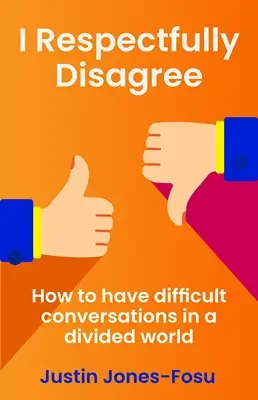
In I Respectfully Disagree, Justin Jones-Fosu tackles the challenging terrain of navigating difficult conversations in our increasingly polarized world. This timely book offers practical strategies for engaging in productive dialogue across ideological divides. Jones-Fosu draws on his extensive experience as a speaker and workplace culture expert to provide readers with tools for fostering understanding and finding common ground, even in the face of deep disagreement. What sets this book apart is its emphasis on maintaining respect and human connection throughout contentious discussions, making it an essential guide for anyone seeking to bridge divides in their personal or professional lives.
I Respectfully Disagree is primarily aimed at professionals, leaders, and individuals who frequently navigate challenging conversations in their work or personal lives. This includes managers, team leaders, educators, community organizers, and anyone seeking to improve their communication skills in contentious situations. The book is also valuable for a secondary audience of general readers interested in personal growth and improving their ability to engage in civil discourse. Jones-Fosu’s approachable writing style and practical examples make the concepts accessible to a broad audience, regardless of their prior experience with conflict resolution techniques.
Ever felt like you’re walking on eggshells during a heated discussion? You’re not alone. In today’s polarized world, having a respectful conversation about controversial topics can seem as likely as finding a unicorn in your backyard. But what if there was a way to navigate these treacherous waters without capsizing your relationships?
Enter Justin Jones-Fosu’s I Respectfully Disagree: How to Have Difficult Conversations in a Divided World. This book isn’t just another kumbaya plea for unity – it’s a practical toolkit for those brave souls willing to engage with different viewpoints. Jones-Fosu doesn’t promise to make your disagreements disappear. Instead, he offers a roadmap for transforming potential shouting matches into productive dialogues.
Drawing from his vast experience as a workplace culture expert, Jones-Fosu provides readers with concrete strategies for maintaining respect and human connection, even when opinions clash. He challenges us to step out of our echo chambers and truly listen to those we disagree with, not to change our minds necessarily, but to understand and be understood.
I Respectfully Disagree isn’t about watering down your beliefs or avoiding conflict altogether. It’s about learning to disagree better. Jones-Fosu shows us how to stand firm in our convictions while still treating others with dignity and respect. He teaches us to recognize the humanity in those across the ideological divide and find common ground, even in seemingly irreconcilable differences.
By reading this book, you’ll learn how to:
In a world where shouting matches and social media flame wars have become the norm, I Respectfully Disagree offers a refreshing alternative. It’s a guide for those who believe that we can disagree without being disagreeable, that we can challenge ideas without attacking people, and that our differences don’t have to divide us.
The central thesis of I Respectfully Disagree is that productive dialogue across ideological divides is not only possible but essential for personal growth and societal progress. Jones-Fosu argues that by approaching difficult conversations with respect, empathy, and a genuine desire to understand, we can bridge divides and find common ground without compromising our core values.
Imagine a bridge spanning a deep chasm. On one side stands you, with your beliefs, experiences, and worldview. On the other side is someone whose opinions seem completely at odds with yours. The bridge between you is made of respect, curiosity, and the willingness to listen. Jones-Fosu’s book is the engineer’s blueprint for building and traversing that bridge, even when the winds of disagreement threaten to blow you off course.
I Respectfully Disagree arrives at a critical juncture in our social and political landscape. As polarization deepens and civil discourse seems to be a dying art, Jones-Fosu’s work offers a timely and much-needed antidote to the toxic communication patterns that have become all too common.
The book’s impact extends beyond individual interactions, touching on larger issues of workplace culture, community building, and democratic discourse. By providing practical tools for navigating difficult conversations, Jones-Fosu contributes to the broader goal of creating more inclusive and understanding environments in all spheres of life.
While not without its critics – some argue that the book’s approach may be too optimistic in the face of deeply entrenched ideological divisions – I Respectfully Disagree has garnered praise from communication experts and business leaders alike. It has been recognized for its accessible approach to a complex topic, offering hope and practical guidance in an era of increasing social fragmentation.
We find I Respectfully Disagree to be a valuable contribution to the field of communication and conflict resolution, particularly in our current era of heightened polarization. Justin Jones-Fosu has crafted a work that stands out for its practical approach to navigating difficult conversations across ideological divides. The book’s strength lies in its ability to translate complex communication concepts into accessible, actionable strategies that readers can immediately apply in their daily lives.
The HEAR framework for active listening, the Bias Interruption Technique, and the CLARA method for asking effective questions are just a few examples of the concrete tools that make this book particularly useful. We appreciate how Jones-Fosu balances theoretical understanding with practical application, ensuring that readers not only grasp the principles behind effective communication but also have clear guidance on how to implement them.
The book’s emphasis on self-reflection and personal growth adds depth to its approach, encouraging readers to examine their own biases and communication patterns. This focus on individual responsibility, while sometimes overlooking systemic factors, provides a powerful starting point for improving dialogue at a personal level.
We’re impressed by the versatility of Jones-Fosu’s strategies, which can be applied across various contexts – from professional settings to personal relationships and community interactions. This broad applicability makes the book a valuable resource for a wide range of readers, from business leaders and educators to individuals seeking to improve their personal communication skills.
However, we also note some limitations. The book could benefit from a more in-depth exploration of cultural differences in communication styles and a more comprehensive examination of power dynamics in difficult conversations. Additionally, the lack of long-term case studies leaves some questions about the sustained impact of these strategies over time.
We also recognize that the book has some blind spots, particularly in addressing the impact of technology on modern communication, considerations for neurodiversity, and trauma-informed approaches to difficult conversations. These are areas where readers might need to supplement their understanding with additional resources.
Our Recommendation
Despite these limitations, we strongly recommend I Respectfully Disagree to anyone seeking to improve their ability to navigate challenging conversations in our increasingly divided world. The book’s practical tools, accessible writing style, and timely approach to addressing contemporary issues of polarization make it a valuable resource for personal and professional development.
We believe this book is particularly well-suited for individuals in leadership positions, educators, community organizers, and anyone who frequently engages in discussions across ideological lines. However, given its broad applicability and easy-to-implement strategies, we also recommend it to general readers looking to improve their communication skills and contribute to more constructive dialogue in their personal and professional lives. While it may not provide all the answers to bridging societal divides, I Respectfully Disagree offers a solid foundation for fostering more respectful and productive conversations in an increasingly polarized world.
The essence of I Respectfully Disagree revolves around several key topics that form the backbone of Justin Jones-Fosu’s approach to navigating difficult conversations in a divided world.
Active listening is a cornerstone of Jones-Fosu’s methodology. He emphasizes the importance of truly hearing what others are saying, rather than simply waiting for our turn to speak. This involves giving full attention to the speaker, acknowledging their points, and seeking clarification when necessary. Jones-Fosu argues that active listening not only helps us understand others better but also demonstrates respect and opens the door for more productive dialogue.
Emotional intelligence plays a crucial role in managing difficult conversations. Jones-Fosu explores how recognizing and regulating our own emotions, as well as empathizing with others, can prevent discussions from escalating into conflicts. He provides strategies for identifying emotional triggers and maintaining composure even when conversations become heated. By developing emotional intelligence, readers can create a more conducive environment for constructive dialogue.
The concept of cognitive bias is thoroughly examined in the book. Jones-Fosu explains how our preconceived notions and mental shortcuts can lead to misunderstandings and prejudgments. He offers techniques for recognizing and mitigating these biases, encouraging readers to approach conversations with an open mind. Understanding cognitive bias helps us question our assumptions and consider alternative viewpoints more objectively.
Finding common ground is a key strategy Jones-Fosu advocates for bridging divides. He suggests looking for shared values, experiences, or goals, even when opinions differ drastically. This approach helps humanize those we disagree with and creates a foundation for mutual understanding. Jones-Fosu provides exercises to help readers identify potential areas of agreement in seemingly polarized situations.
The art of asking questions is another critical element in the book. Jones-Fosu emphasizes the power of thoughtful, open-ended questions to promote understanding and encourage reflection. He distinguishes between questions that provoke defensiveness and those that invite deeper exploration of ideas. By mastering the skill of asking effective questions, readers can steer conversations towards more productive outcomes.
Jones-Fosu introduces the concept of “respectful disagreement” as a framework for engaging in difficult conversations. This approach involves acknowledging the validity of others’ perspectives while maintaining one’s own beliefs. He outlines specific language and techniques to express disagreement without disrespecting or dismissing the other person. This framework allows for the exploration of differences while preserving relationships and mutual respect.
The book also addresses the importance of self-reflection in improving communication. Jones-Fosu encourages readers to examine their own beliefs, biases, and communication patterns. He provides tools for self-assessment and offers strategies for personal growth. By understanding ourselves better, we can approach difficult conversations with greater awareness and intentionality.
Jones-Fosu explores the role of empathy in bridging divides. He distinguishes between sympathy and empathy, emphasizing the importance of trying to understand others’ perspectives even when we don’t agree with them. The book offers exercises to develop empathy skills and apply them in real-world scenarios. By cultivating empathy, readers can create deeper connections and find more constructive ways to address differences.
The concept of “productive discomfort” is introduced as a way to grow through challenging conversations. Jones-Fosu argues that embracing the discomfort that comes with engaging different viewpoints can lead to personal and collective growth. He provides strategies for pushing beyond our comfort zones while maintaining respect and openness. This approach encourages readers to view difficult conversations as opportunities for learning rather than threats to be avoided.
The Office Debate: Active Listening in Action: Jones-Fosu recounts a scenario where two coworkers with opposing political views engaged in a heated debate about healthcare policy. By employing active listening techniques, such as paraphrasing each other’s points and asking clarifying questions, they were able to identify areas of agreement and have a more productive discussion, despite maintaining different overall positions.
The Family Dinner: Emotional Intelligence at the Table: The author shares a personal story of a family dinner where tensions rose over a controversial social issue. By recognizing his own emotional triggers and practicing empathy, Jones-Fosu was able to de-escalate the situation and guide the conversation towards a more respectful exchange of ideas, preserving family relationships in the process.
The Hiring Committee: Overcoming Cognitive Bias: Jones-Fosu presents a case study of a company’s hiring committee that was struggling with unconscious bias in their selection process. By implementing structured interviews and blind resume reviews, they were able to recognize and mitigate their biases, resulting in a more diverse and qualified candidate pool.
The Neighborhood Association: Finding Common Ground: The book describes a contentious neighborhood association meeting where residents were divided over a proposed development project. By focusing on shared concerns about community well-being and facilitating a discussion about common values, the mediator was able to help the group find compromise solutions that addressed multiple perspectives.
The Classroom Debate: The Power of Questions: Jones-Fosu illustrates the impact of effective questioning through an example of a high school teacher moderating a classroom debate on a sensitive social issue. By asking open-ended questions that encouraged students to explain their reasoning and consider alternative viewpoints, the teacher fostered a more nuanced and respectful discussion among students with diverse opinions.
The Business Partnership: Respectful Disagreement in Practice: The author recounts the story of two business partners with conflicting visions for their company’s future. By applying the principles of respectful disagreement, they were able to express their concerns and ideas clearly while acknowledging the validity of each other’s perspectives. This approach led to a compromise strategy that incorporated elements from both visions.
The Self-Reflection Journey: A Personal Anecdote: Jones-Fosu shares his own experience of realizing how his communication style was impacting his relationships. Through a process of self-reflection and seeking feedback from others, he identified areas for improvement and worked on developing more effective communication habits, leading to stronger personal and professional relationships.
The Community Forum: Empathy Bridging Divides: The book presents a case study of a community forum addressing racial tensions. By incorporating empathy-building exercises and facilitated discussions that encouraged participants to share personal stories, the organizers were able to create connections between groups that had previously been at odds, leading to collaborative efforts to address community issues.
The Corporate Training: Productive Discomfort at Work: Jones-Fosu describes a corporate diversity and inclusion training where participants were initially resistant to discussing uncomfortable topics. By creating a safe space for open dialogue and encouraging employees to lean into their discomfort, the facilitators were able to foster meaningful conversations that led to increased understanding and positive changes in company culture.
The HEAR Framework for Active Listening
Jones-Fosu introduces the HEAR framework as a practical tool for active listening. HEAR stands for Halt, Engage, Anticipate, and Reflect. To apply this, first Halt your internal dialogue and preconceived notions. Then Engage fully with the speaker, maintaining eye contact and giving verbal and non-verbal cues of attention. Anticipate what the speaker might say next, not to interrupt, but to stay mentally engaged. Finally, Reflect back what you’ve heard to ensure understanding. This framework can be particularly useful in workplace meetings or family discussions where misunderstandings often arise. For example, in a team brainstorming session, using the HEAR technique can help members truly understand and build upon each other’s ideas, leading to more innovative solutions.
The Three-Step Approach to Managing Emotional Triggers
The book outlines a three-step approach to managing emotional triggers during difficult conversations. First, Identify your triggers by reflecting on past conversations that escalated and pinpointing what specifically set you off. Second, Prepare responses in advance for these triggers. This might involve crafting neutral phrases or questions to use when you feel your emotions rising. Third, Practice mindfulness techniques like deep breathing or grounding exercises to stay calm in the moment. To apply this, create a personal “trigger journal” where you list your common triggers and prepared responses. Before entering a potentially contentious conversation, review your journal and practice your chosen mindfulness technique. This approach can be particularly effective in personal relationships where emotional patterns tend to repeat.
The Bias Interruption Technique
Jones-Fosu presents the Bias Interruption Technique as a way to combat cognitive biases in decision-making and conversations. This technique involves three steps: Recognize, Pause, and Question. First, learn to Recognize common biases like confirmation bias or stereotyping. Then, Pause when you notice these biases creeping into your thoughts or the conversation. Finally, Question the assumptions underlying the bias. To apply this, create a “bias checklist” for important decisions or conversations. Before reaching a conclusion, run through your checklist to identify potential biases. In a work setting, this could involve reviewing hiring decisions or project evaluations to ensure they’re based on merit rather than unconscious biases.
The Common Ground Compass
The Common Ground Compass is a tool Jones-Fosu introduces for finding shared values or experiences in seemingly polarized situations. It involves mapping out the different aspects of an issue and identifying areas where agreement might exist, even if it’s not immediately apparent. To use this tool, draw a circle and divide it into sections representing different facets of the issue at hand. In each section, note potential areas of agreement. For example, in a debate about education policy, both sides might agree on the importance of student success, even if they disagree on how to achieve it. This tool can be particularly useful in community meetings or political discussions to shift the focus from areas of disagreement to potential common ground.
The CLARA Method for Asking Effective Questions
Jones-Fosu introduces the CLARA method for asking questions that promote understanding and reflection. CLARA stands for Clarify, Learn, Analyze, Reflect, and Act. Clarifying questions seek to understand the speaker’s position better. Learning questions explore the reasoning behind their views. Analyzing questions examine the implications of their perspective. Reflecting questions encourage the speaker to consider alternative viewpoints. Action questions focus on potential solutions or next steps. To apply this method, prepare a set of questions in each category before entering a difficult conversation. For instance, in a workplace conflict resolution session, using CLARA questions can help parties understand each other’s positions and work towards mutually beneficial solutions.
The Respectful Disagreement Script
The book provides a Respectful Disagreement Script as a framework for expressing differing opinions without escalating conflict. The script follows this structure: Acknowledge the other person’s point, Express your perspective, Explain your reasoning, and Invite further discussion. For example: “I understand your point about X, and I can see why you might think that. From my perspective, Y seems to be the case because of Z. What are your thoughts on that?” To implement this, practice the script with a friend or colleague on low-stakes topics before using it in more challenging conversations. This approach can be particularly effective in academic discussions or policy debates where maintaining a respectful dialogue is crucial.
The Self-Reflection Spiral
Jones-Fosu introduces the Self-Reflection Spiral as a tool for continuous personal growth in communication skills. This spiral consists of five stages: Observe, Analyze, Plan, Act, and Reflect. Start by Observing your communication patterns in various situations. Analyze these observations to identify strengths and areas for improvement. Plan specific actions to enhance your skills. Act on your plan in real-world situations. Finally, Reflect on the outcomes and start the cycle again. To apply this, keep a communication journal where you document your observations and reflections. Set aside time weekly to review your journal and plan improvements. This tool can be especially valuable for leaders or educators who need to constantly refine their communication skills.
The Empathy Map Exercise
The Empathy Map Exercise is a tool Jones-Fosu presents for developing a deeper understanding of others’ perspectives. It involves creating a visual map with four quadrants: Think, Feel, Say, and Do. In each quadrant, note what you believe the other person is thinking, feeling, saying, and doing regarding the issue at hand. To use this tool, create an empathy map before a difficult conversation or when trying to understand a conflicting viewpoint. For example, a manager could use this technique to better understand an employee’s resistance to a new policy. By mapping out the employee’s potential thoughts, feelings, words, and actions, the manager can approach the situation with greater empathy and find more effective ways to address concerns.
The Productive Discomfort Challenge
Jones-Fosu proposes the Productive Discomfort Challenge as a way to grow through difficult conversations. This challenge involves deliberately seeking out conversations or situations that push you out of your comfort zone, while maintaining respect and openness. To implement this, start by identifying topics or types of interactions that make you uncomfortable. Then, set a goal to engage in one such conversation per week. Prepare for each challenge by reviewing the book’s other tools, like the HEAR framework or the Respectful Disagreement Script. After each conversation, reflect on what you learned and how you can apply it to future interactions. This challenge can be particularly beneficial for professionals looking to expand their perspectives or improve their ability to work with diverse teams.
Practical Framework for Difficult Conversations
One of the major strengths of I Respectfully Disagree is its comprehensive and practical framework for navigating challenging dialogues. Jones-Fosu doesn’t just offer vague advice; he provides concrete tools and techniques that readers can immediately apply in their daily lives. The HEAR framework for active listening, the Bias Interruption Technique, and the CLARA method for asking effective questions are all examples of actionable strategies that can significantly improve one’s ability to engage in productive conversations. These tools are explained in detail, with step-by-step instructions and real-world examples, making them accessible to readers regardless of their prior experience with communication techniques.
Balance of Theory and Application
Jones-Fosu strikes an excellent balance between theoretical concepts and practical application. He introduces complex ideas like cognitive bias and emotional intelligence in a way that’s easy to understand, then immediately follows up with concrete strategies for applying these concepts in real-life situations. For instance, after explaining the concept of emotional triggers, he provides a three-step approach for managing them, complete with exercises for identifying personal triggers and developing prepared responses. This balance ensures that readers not only grasp the underlying principles but also have clear guidance on how to implement them in their daily interactions.
Emphasis on Self-Reflection and Personal Growth
A significant strength of the book is its focus on self-reflection and personal growth as key components of improving communication skills. Jones-Fosu consistently encourages readers to examine their own biases, communication patterns, and emotional responses. Tools like the Self-Reflection Spiral and the Empathy Map Exercise promote ongoing self-awareness and improvement. This emphasis on personal development sets the book apart from others that focus solely on external techniques, recognizing that effective communication starts with understanding oneself.
Versatility and Wide Applicability
I Respectfully Disagree stands out for its versatility and wide applicability across various contexts. Whether in professional settings, personal relationships, or community interactions, the principles and techniques Jones-Fosu presents can be adapted to suit different situations. The book provides examples from diverse scenarios – workplace conflicts, family disagreements, political debates – demonstrating how the same core principles can be applied across different domains. This versatility makes the book valuable for a broad audience, from business leaders and educators to community organizers and individuals seeking to improve their personal relationships.
Engagement with Contemporary Issues
Jones-Fosu’s work is particularly relevant in addressing contemporary issues of polarization and division. He doesn’t shy away from acknowledging the challenges of our current social and political climate but instead offers hope and practical strategies for bridging divides. The book engages with real-world examples of contentious issues, providing readers with tools to navigate the complexities of modern discourse. This timely approach makes the book not just a communication guide, but a valuable resource for anyone seeking to contribute to more constructive dialogue in an increasingly divided world.
Accessible Writing Style
The writing style of I Respectfully Disagree is another notable strength. Jones-Fosu manages to convey complex ideas in an accessible, engaging manner. He uses clear language, relatable anecdotes, and well-structured explanations to ensure that readers can easily grasp and retain the information presented. The use of memorable acronyms (like HEAR and CLARA) and vivid metaphors helps to make the concepts stick. This accessible style makes the book approachable for a wide range of readers, from communication novices to experienced professionals looking to refine their skills.
Limited Exploration of Cultural Differences
While I Respectfully Disagree offers valuable insights into communication across ideological divides, it could benefit from a more in-depth exploration of cultural differences in communication styles. The book primarily focuses on Western communication norms and may not fully address the nuances of cross-cultural communication. For instance, the emphasis on direct questioning and assertive expression of disagreement may not be universally applicable in cultures that value indirect communication or prioritize group harmony over individual expression. A more comprehensive examination of how cultural backgrounds influence communication patterns and conflict resolution styles would enhance the book’s global relevance.
Insufficient Attention to Power Dynamics
Another area where the book falls short is in its treatment of power dynamics in difficult conversations. While Jones-Fosu touches on workplace scenarios, he doesn’t fully explore how differences in authority, social status, or privilege can impact the ability to engage in respectful disagreement. The strategies presented assume a relatively level playing field between conversation participants, which isn’t always the case in real-world situations. A more nuanced discussion of how to navigate conversations with significant power imbalances would make the book more applicable to a wider range of challenging scenarios.
Lack of Long-Term Case Studies
While I Respectfully Disagree provides numerous examples and anecdotes, it lacks long-term case studies that demonstrate the sustained impact of applying the book’s principles. The examples tend to focus on immediate outcomes of using the suggested techniques, but there’s limited exploration of how these approaches affect relationships and communication patterns over time. Including more longitudinal studies or follow-ups to the provided examples would give readers a better understanding of the long-term effectiveness of the strategies and potential challenges in maintaining new communication habits.
Overemphasis on Individual Responsibility
The book places a strong emphasis on individual responsibility in improving communication and bridging divides. While personal growth and self-reflection are crucial, this approach may inadvertently downplay systemic issues that contribute to communication breakdowns and social divisions. Jones-Fosu could have provided more discussion on how organizational structures, media landscapes, and broader social factors influence the ability to engage in respectful disagreement. Addressing these systemic factors would offer a more comprehensive view of the challenges involved in improving dialogue in a divided world.
Technological Impact on Communication
A significant blind spot in I Respectfully Disagree is the limited consideration of how technology, particularly social media and digital communication platforms, impacts our ability to have difficult conversations. While the book’s principles can be applied to online interactions, it doesn’t fully address the unique challenges posed by digital communication, such as the lack of non-verbal cues, the potential for misinterpretation in text-based exchanges, or the echo chamber effect of algorithmic content curation. Sherry Turkle’s Reclaiming Conversation: The Power of Talk in a Digital Age offers valuable insights into this aspect, exploring how digital technologies are reshaping our conversations and relationships. Incorporating some of Turkle’s perspectives could have enhanced Jones-Fosu’s work, providing readers with strategies specifically tailored for navigating difficult conversations in digital spaces.
Neurodiversity and Communication Styles
Another area that I Respectfully Disagree overlooks is the impact of neurodiversity on communication styles and the ability to engage in difficult conversations. The book’s strategies assume a neurotypical approach to social interaction and emotional processing, which may not be applicable or accessible to individuals with conditions such as autism spectrum disorder, ADHD, or social anxiety. This blind spot could lead to misconceptions about the universality of the proposed techniques. Steve Silberman’s NeuroTribes: The Legacy of Autism and the Future of Neurodiversity provides valuable insights into diverse cognitive styles and communication needs. Integrating some of Silberman’s perspectives could have made Jones-Fosu’s work more inclusive and comprehensive, acknowledging the wide range of communication styles and needs present in our diverse society.
Trauma-Informed Approach to Difficult Conversations
I Respectfully Disagree may underestimate the role of past trauma in shaping individuals’ responses to difficult conversations. While the book addresses emotional triggers, it doesn’t fully explore how traumatic experiences can fundamentally alter one’s ability to engage in challenging dialogues. This oversight could lead to misconceptions about the universality of the book’s approaches and potentially harmful applications of its techniques in trauma-sensitive situations. Bessel van der Kolk’s The Body Keeps the Score: Brain, Mind, and Body in the Healing of Trauma offers crucial insights into how trauma affects communication and relationships. Incorporating some of van der Kolk’s trauma-informed perspectives could have enhanced Jones-Fosu’s work, providing readers with a more nuanced understanding of the psychological factors at play in difficult conversations and strategies for engaging sensitively with individuals who may have experienced trauma.
Difficult Conversations: How to Discuss What Matters Most by Douglas Stone, Bruce Patton, and Sheila Heen
Difficult Conversations, published in 1999, is often considered a seminal work in the field of conflict resolution and communication. Like Jones-Fosu’s book, it provides practical strategies for navigating challenging dialogues. However, there are notable differences in approach. While I Respectfully Disagree focuses on maintaining respect and finding common ground in ideologically divided contexts, Difficult Conversations emphasizes understanding the underlying structures of challenging dialogues. The authors introduce the concept of “learning conversations,” which involve exploring the “What Happened?” conversation, the “Feelings” conversation, and the “Identity” conversation. This framework offers a more psychological approach compared to Jones-Fosu’s more practical, tool-based methodology. Difficult Conversations also places a stronger emphasis on self-awareness and understanding one’s own contributions to communication breakdowns, which complements Jones-Fosu’s focus on active listening and bias interruption.
Crucial Conversations: Tools for Talking When Stakes are High by Kerry Patterson, Joseph Grenny, Ron McMillan, and Al Switzler
Crucial Conversations shares similarities with I Respectfully Disagree in its practical, tool-based approach to improving communication in high-stakes situations. Both books offer specific techniques for managing emotions and staying engaged in challenging dialogues. However, Crucial Conversations places a stronger emphasis on creating safety in conversations and introduces the concept of the “pool of shared meaning” as a key to successful dialogue. This focus on psychological safety is less prominent in Jones-Fosu’s work, which instead emphasizes respectful disagreement and finding common ground. Crucial Conversations also provides more detailed strategies for addressing power imbalances in conversations, an area where I Respectfully Disagree is less comprehensive. On the other hand, Jones-Fosu’s book offers a more contemporary perspective on navigating ideological divides in our current polarized climate, making it particularly relevant for addressing modern societal challenges.
The Righteous Mind: Why Good People Are Divided by Politics and Religion by Jonathan Haidt
While not primarily a communication guide, Haidt’s The Righteous Mind provides valuable insights into the psychological foundations of moral and political differences. This book offers a complementary perspective to I Respectfully Disagree by exploring the underlying reasons for ideological divides. Haidt’s work focuses on understanding different moral foundations and how they shape political and religious views, which can inform the process of finding common ground that Jones-Fosu advocates. However, The Righteous Mind is more theoretical and less focused on practical communication strategies. Where Jones-Fosu provides specific tools for navigating difficult conversations, Haidt offers a framework for understanding why these conversations are difficult in the first place. Integrating insights from both books could provide readers with a more comprehensive approach to bridging ideological divides.
Nonviolent Communication: A Language of Life by Marshall B. Rosenberg
Rosenberg’s Nonviolent Communication (NVC) presents a distinct approach to communication that both aligns with and diverges from I Respectfully Disagree. Both books emphasize empathy and understanding in communication. However, NVC focuses more on the language we use and how it affects our ability to connect with others. Rosenberg introduces a specific framework of observations, feelings, needs, and requests, which is more structured than Jones-Fosu’s approach. While I Respectfully Disagree provides tools for navigating disagreements, NVC aims to transform the way we express ourselves and listen to others, potentially avoiding conflicts altogether. Jones-Fosu’s work is more directly applicable to situations of ideological disagreement, while NVC offers a broader philosophy of communication that can be applied to all interactions.
Develop Self-Awareness
Master Active Listening
Enhance Question-Asking Skills
Combat Cognitive Biases
Find Common Ground
Implement Respectful Disagreement
Develop Emotional Intelligence
Embrace Productive Discomfort
Continuous Improvement
Apply Skills in Various Contexts
Foster a Culture of Respectful Disagreement
Implementing the principles of respectful disagreement from I Respectfully Disagree can significantly improve communication and collaboration within organizations. By encouraging employees to use the Respectful Disagreement Script and apply active listening techniques like the HEAR framework, businesses can create an environment where diverse viewpoints are welcomed and conflicts are addressed constructively. This approach can lead to more innovative problem-solving, better decision-making, and increased employee engagement.
However, fostering such a culture can be challenging, especially in organizations with deeply ingrained communication patterns or hierarchical structures that discourage open dialogue. Employees may be hesitant to voice disagreement, fearing negative consequences for their careers. Additionally, managers accustomed to more authoritarian leadership styles might resist adopting a more open, dialogue-based approach.
To overcome these challenges, businesses can start by providing comprehensive training on respectful disagreement techniques to all employees, with a particular focus on leadership. Implementing a “psychological safety” initiative, where employees are explicitly encouraged to voice diverse opinions without fear of reprisal, can help shift the organizational culture. Regular town halls or feedback sessions where leadership models these techniques can demonstrate commitment to the new approach. Recognizing and rewarding instances of productive disagreement can further reinforce the desired behavior.
Implement Bias Interruption Techniques in Decision-Making Processes
Incorporating the Bias Interruption Technique into organizational decision-making processes can lead to more objective and effective outcomes. By training teams to recognize common cognitive biases and providing them with tools to interrupt these biases, businesses can improve the quality of their strategic planning, hiring practices, and problem-solving efforts. This approach can be particularly valuable in diverse teams, where different perspectives can be leveraged to challenge assumptions and broaden thinking.
Implementing bias interruption techniques can be challenging due to the often unconscious nature of biases. Employees may resist acknowledging their own biases or feel defensive when their ideas are challenged. In fast-paced business environments, taking the time to pause and question assumptions may be seen as inefficient or unnecessary, especially when under pressure to make quick decisions.
To address these challenges, organizations can create standardized decision-making protocols that incorporate bias interruption techniques. This could include mandatory “pause points” in key processes where team members are required to apply the Bias Interruption Technique. Providing employees with personalized bias assessments and tailored strategies for mitigating their specific biases can increase buy-in and effectiveness. Additionally, appointing “bias interrupters” in team meetings – individuals responsible for calling out potential biases – can help normalize the practice and ensure it’s consistently applied.
Enhance Cross-Departmental Communication with the Common Ground Compass
Applying the Common Ground Compass technique in cross-departmental collaborations can significantly improve organizational efficiency and innovation. By helping teams from different departments identify shared goals and values, this tool can foster better understanding and cooperation, reducing silos and promoting a more cohesive organizational culture. This approach can be particularly valuable in large organizations where departments often operate in isolation.
However, implementing this technique across departments can be challenging due to differing priorities, competing resources, and established territorial mindsets. Departments may be reluctant to invest time in finding common ground, especially if past collaborations have been unsuccessful or if there’s a history of inter-departmental conflict. Additionally, the process of creating and using a Common Ground Compass may initially slow down decision-making, which could face resistance in fast-paced business environments.
To overcome these obstacles, organizations can start by piloting the Common Ground Compass technique in a few key cross-departmental projects, demonstrating its value through tangible results. Providing facilitated workshops where teams from different departments collaboratively create Common Ground Compasses can build skills and relationships simultaneously. Integrating the use of this tool into formal project kickoff processes and including it in performance evaluations for collaborative work can ensure its consistent application. Leadership can also play a crucial role by modeling the use of the Common Ground Compass in executive-level decision-making, signaling its importance throughout the organization.
Improve Conflict Resolution with the CLARA Method
Integrating the CLARA method for asking effective questions into conflict resolution processes can significantly enhance an organization’s ability to address disputes constructively. By training HR professionals, managers, and team leaders in this structured approach to questioning, businesses can facilitate more productive conversations around conflicts, leading to better outcomes and improved workplace relationships. The CLARA method can help uncover underlying issues, promote mutual understanding, and guide discussions towards actionable solutions.
Implementing this approach can be challenging, particularly in organizations where confrontational or avoidant approaches to conflict are the norm. Employees and managers may feel uncomfortable with the depth of questioning involved in the CLARA method, or may lack the skills to apply it effectively in high-stress situations. There may also be resistance to changing established conflict resolution procedures, especially if current methods are perceived as quicker or less emotionally demanding.
To address these challenges, organizations can begin by incorporating the CLARA method into existing conflict resolution training programs, providing ample opportunity for practice through role-playing exercises. Developing a set of CLARA-based question templates for common workplace conflicts can help employees apply the method more confidently. Creating a mentorship program where experienced practitioners of the CLARA method coach others can accelerate skill development across the organization. Additionally, showcasing success stories where the CLARA method has led to positive outcomes can help build buy-in and enthusiasm for this approach.
Develop Emotional Intelligence Through Self-Reflection Spirals
Implementing the Self-Reflection Spiral technique from I Respectfully Disagree can significantly enhance emotional intelligence across an organization. By encouraging regular self-assessment and continuous improvement in communication and interpersonal skills, businesses can cultivate more empathetic, self-aware leaders and team members. This can lead to improved team dynamics, better customer relations, and more effective leadership overall.
However, integrating such a practice into busy work schedules can be challenging. Employees may view self-reflection as a low priority compared to more tangible tasks, or may feel uncomfortable with the vulnerability required for honest self-assessment. There might also be concerns about privacy, particularly if employees are expected to share their reflections in any way. Additionally, measuring the impact of such an intangible practice can be difficult, potentially making it hard to justify the time investment to upper management.
To overcome these obstacles, organizations can start by integrating brief self-reflection exercises into existing routines, such as adding a reflection component to weekly team meetings or monthly one-on-ones. Providing a structured Self-Reflection Spiral template can make the process less daunting and more consistent across the organization. To address privacy concerns, emphasize that the primary goal is personal growth, not evaluation, and allow employees to choose what, if anything, they share from their reflections. To demonstrate value, consider implementing periodic anonymous surveys to track improvements in emotional intelligence and workplace satisfaction. Leadership can also play a crucial role by modeling the practice, sharing their own experiences with self-reflection, and highlighting how it has improved their decision-making and leadership skills.
Implement the Productive Discomfort Challenge for Innovation
Adapting the Productive Discomfort Challenge from I Respectfully Disagree can be a powerful tool for fostering innovation and growth within an organization. By encouraging employees to regularly engage with ideas or situations outside their comfort zones, businesses can promote creative thinking, adaptability, and continuous learning. This approach can be particularly valuable in industries facing rapid change, helping organizations stay agile and open to new perspectives.
Implementing such a challenge can face several obstacles. Employees may be resistant to intentionally putting themselves in uncomfortable situations, especially in work contexts where they feel their performance is constantly evaluated. There might be concerns about productivity loss if employees are spending time on activities outside their core responsibilities. Additionally, without proper guidance, the challenge could lead to unnecessary conflicts or stress if not managed carefully.
To address these challenges, organizations can frame the Productive Discomfort Challenge as a growth and innovation initiative, clearly communicating its benefits for both individual career development and organizational success. Start with a voluntary pilot program, allowing enthusiastic employees to lead by example. Provide a structured framework for the challenge, including guidelines for selecting appropriate “discomfort” activities and reflection prompts to maximize learning. Integrate the challenge into existing innovation or professional development programs, allocating specific time for these activities to address concerns about productivity. Establish a support system, such as mentorship pairs or discussion groups, where participants can share experiences and insights gained from the challenge. Recognize and celebrate employees who make significant strides through the challenge, highlighting how their growth has positively impacted their work or the organization as a whole.
Rise of AI-Mediated Conversations
As artificial intelligence continues to advance, we’re likely to see an increase in AI-mediated conversations. This trend could significantly impact how we apply the principles from I Respectfully Disagree. AI could potentially help identify biases, suggest more effective phrasing, or even facilitate difficult conversations. However, this also raises questions about authenticity and the role of human judgment in sensitive discussions.
The challenge will be to integrate AI tools in a way that enhances rather than replaces human communication skills. Jones-Fosu’s emphasis on self-reflection and personal growth may become even more crucial as we navigate this new landscape.
Increased Cross-Cultural Communication
Globalization and digital connectivity are bringing diverse cultures into more frequent contact. This trend amplifies the need for effective communication across cultural divides.
The techniques in I Respectfully Disagree may need to be adapted to account for varying cultural norms around conflict, respect, and communication styles. The Common Ground Compass, for instance, could become an invaluable tool for finding shared values across cultures.
As our world becomes more interconnected, the ability to respectfully disagree across cultural lines will likely become an essential skill in both personal and professional spheres.
Evolution of Social Media Discourse
Social media platforms are continually evolving, often in ways that can exacerbate polarization and miscommunication. The principles outlined in Jones-Fosu’s book may need to be adapted for these digital spaces.
We might see a growing demand for tools and techniques specifically designed for respectful disagreement in online contexts. The CLARA method for asking effective questions, for example, could be particularly useful in fostering more constructive online discussions.
As social media platforms experiment with new features to promote healthier conversations, the ideas from I Respectfully Disagree could inform these developments.
Emphasis on Emotional Intelligence in Education
There’s a growing recognition of the importance of emotional intelligence and communication skills in education. We may see more schools and universities incorporating these skills into their curricula.
The practical tools and frameworks presented in I Respectfully Disagree could be adapted for different age groups and integrated into educational programs. This could lead to a generation more equipped to handle difficult conversations and navigate ideological differences.
This trend could also extend to professional development, with more companies prioritizing these skills in their training programs.
Neurodiversity Awareness in Communication
As awareness of neurodiversity increases, there’s likely to be more focus on how different cognitive styles impact communication. The strategies in I Respectfully Disagree may need to be refined to account for neurodiverse individuals.
We might see new research and tools emerging that adapt respectful disagreement techniques for people with conditions like autism spectrum disorder or ADHD. This could lead to more inclusive and effective communication strategies in various settings.
The emphasis on self-reflection in Jones-Fosu’s work could be particularly valuable in helping individuals understand and accommodate different communication needs.
I Respectfully Disagree arrives at a critical juncture in our social and political landscape, where polarization and the inability to engage in constructive dialogue across ideological divides have become pressing issues. The book’s potential long-term influence on its field and wider societal impacts could be significant, particularly if its principles and techniques gain widespread adoption.
In the field of communication and conflict resolution, Jones-Fosu’s work may contribute to a shift towards more practical, tool-based approaches to navigating difficult conversations. The book’s emphasis on respectful disagreement and finding common ground could influence how communication skills are taught in various settings, from schools and universities to corporate training programs. Its accessible style and concrete strategies make it well-suited for broad application, potentially leading to the integration of these techniques into diverse curricula and training materials.
On a societal level, the widespread application of the book’s principles could contribute to more constructive public discourse. If individuals and organizations adopt the strategies for respectful disagreement and active listening, it could lead to more productive debates on contentious issues, both in personal interactions and in larger public forums. This could, in turn, help to bridge some of the deep divides that currently characterize many societies, fostering greater understanding and cooperation across ideological lines.
The book’s focus on personal responsibility and self-reflection in communication could also have broader implications for individual and collective growth. By encouraging readers to examine their own biases and communication patterns, Jones-Fosu’s work may contribute to a culture of greater self-awareness and empathy. This could have ripple effects in various areas of society, from improving personal relationships to enhancing workplace dynamics and community interactions.
However, the long-term impact of I Respectfully Disagree will depend on how effectively its principles can be applied in real-world situations, particularly in highly charged political and social contexts. The book’s success in influencing societal discourse will likely be determined by its ability to reach beyond those already inclined towards respectful dialogue and to impact individuals and groups entrenched in polarized positions.
Furthermore, the book’s influence may be shaped by how well it can adapt to evolving communication landscapes, particularly in digital spaces where much of today’s discourse occurs. If the principles can be effectively translated to online interactions, the book’s impact could be significantly amplified.
In the coming years, it will be important to observe how the strategies presented in I Respectfully Disagree fare in addressing systemic issues contributing to social division. While the book focuses on individual-level change, its long-term societal impact may depend on how well these individual-focused strategies can be scaled up to address larger structural challenges in communication and social cohesion.
Crucial Conversations: Tools for Talking When Stakes are High by Kerry Patterson, Joseph Grenny, Ron McMillan, and Al Switzler: This book offers additional strategies for handling high-stakes conversations, complementing Jones-Fosu’s work by providing a deeper dive into creating safety in dialogue. It introduces the concept of the “pool of shared meaning,” which can enhance readers’ understanding of how to create productive discussions. Crucial Conversations provides a different but complementary framework for navigating difficult talks, making it an excellent companion to I Respectfully Disagree.
Difficult Conversations: How to Discuss What Matters Most by Douglas Stone, Bruce Patton, and Sheila Heen: This classic work from the Harvard Negotiation Project offers a more in-depth look at the structure of difficult conversations. It explores the “What Happened?”, “Feelings”, and “Identity” conversations that underlie challenging interactions. This psychological approach can provide readers with a deeper understanding of why some conversations are difficult, complementing Jones-Fosu’s more practical, tool-based approach.
The Righteous Mind: Why Good People Are Divided by Politics and Religion by Jonathan Haidt: For readers interested in understanding the psychological foundations of ideological differences, Haidt’s work provides valuable insights. While not a communication guide per se, this book can help readers understand why people hold different moral and political views, which can inform the process of finding common ground that Jones-Fosu advocates. It’s an excellent complement for those seeking to deepen their understanding of the roots of disagreement.
Nonviolent Communication: A Language of Life by Marshall B. Rosenberg: Rosenberg’s work on Nonviolent Communication (NVC) offers a different but complementary approach to respectful dialogue. It focuses on expressing oneself honestly and empathetically understanding others, which aligns well with Jones-Fosu’s emphasis on respectful disagreement. NVC’s structured approach to observations, feelings, needs, and requests can provide readers with additional tools for navigating difficult conversations.
Thanks for the Feedback: The Science and Art of Receiving Feedback Well by Douglas Stone and Sheila Heen: While I Respectfully Disagree focuses on expressing disagreement, this book addresses the equally important skill of receiving feedback and criticism. It provides insights into why receiving feedback is often challenging and offers strategies for engaging productively with criticism. This can be particularly useful for readers looking to improve their ability to engage in two-way difficult conversations.
The Culture Map: Breaking Through the Invisible Boundaries of Global Business by Erin Meyer: For readers interested in applying the principles of respectful disagreement in cross-cultural contexts, Meyer’s work provides valuable insights. It explores how cultural differences impact communication, feedback, and disagreement styles. This book can help readers adapt Jones-Fosu’s strategies for international or multicultural settings, making it an excellent complement for those working in global contexts.
Crucial Accountability: Tools for Resolving Violated Expectations, Broken Commitments, and Bad Behavior by Kerry Patterson, Joseph Grenny, Ron McMillan, Al Switzler, and David Maxfield: This follow-up to Crucial Conversations focuses on how to hold others accountable in a respectful and productive manner. It provides strategies for addressing violated expectations and commitments, which can be particularly useful in professional settings. This book can help readers apply the principles of respectful disagreement in situations where there’s a need to address problematic behavior or unfulfilled obligations.
Emotional Intelligence: Why It Can Matter More Than IQ by Daniel Goleman: Goleman’s seminal work on emotional intelligence provides a deeper understanding of the role emotions play in our interactions. While Jones-Fosu touches on emotional intelligence, Goleman’s book offers a comprehensive exploration of the concept. This can help readers develop a stronger foundation in managing their own emotions and understanding others’, which is crucial for applying the strategies in I Respectfully Disagree effectively.
Websites and Online Platforms
Beyond Intractability: This comprehensive online resource offers a wealth of information on conflict resolution and constructive disagreement. It provides articles, case studies, and practical tools that complement the strategies presented in I Respectfully Disagree. https://www.beyondintractability.org/
Open Mind Platform: This platform offers free online lessons and resources designed to depolarize communities and foster mutual understanding. It’s an excellent tool for practicing and expanding on the principles discussed in Jones-Fosu’s book. https://openmindplatform.org/
The Difficult Conversations Lab: Run by Columbia University, this research initiative provides insights into the science of difficult conversations. Their blog and research summaries offer evidence-based strategies that can enhance readers’ understanding of effective communication in challenging situations. https://www.columbia.edu/~ms4992/
Conferences
National Conference on Dialogue & Deliberation: This biennial conference brings together practitioners, researchers, and activists working on improving public discourse and decision-making. It offers workshops and presentations that can provide practical applications of the principles discussed in I Respectfully Disagree. https://ncdd.org/events/
International Conference on Conflict Resolution Education: This annual conference focuses on integrating conflict resolution education into various settings. It offers valuable insights for those looking to apply Jones-Fosu’s ideas in educational or professional development contexts. https://creducation.net/cre_consortium/
Professional Organizations
International Association for Conflict Management: This organization brings together researchers and practitioners in the field of conflict management. Their resources and annual conference can provide deeper insights into the latest research and practices in constructive disagreement. https://iafcm.org/
National Coalition for Dialogue & Deliberation: This network of facilitators, practitioners, and researchers is dedicated to fostering dialogue and deliberation in communities. Their resources and events can help readers apply and expand on the principles from I Respectfully Disagree. https://ncdd.org/
Podcasts
Conversations with People Who Hate Me: Hosted by Dylan Marron, this podcast features phone conversations between Marron and his online critics. It offers real-world examples of respectful disagreement in action, complementing the strategies outlined in Jones-Fosu’s book. Available on major podcast platforms.
Intelligence Squared U.S. Debates: This podcast features Oxford-style debates on a variety of contentious topics. It provides excellent examples of structured disagreement and can help listeners identify effective communication strategies in action. Available on major podcast platforms.
Courses
Difficult Conversations: Master the Art of Handling Difficult Conversations in the Workplace: This online course offered by Udemy provides practical strategies for navigating challenging workplace discussions, complementing the principles outlined in I Respectfully Disagree. https://www.udemy.com/course/difficult-conversations-in-the-workplace/
Conflict Resolution Skills: This Coursera specialization, offered by the University of California, Irvine, provides a deeper dive into conflict resolution techniques that can enhance readers’ ability to apply Jones-Fosu’s strategies in various contexts. https://www.coursera.org/specializations/conflict-resolution
Documentaries and Films
The Social Dilemma: This documentary explores the impact of social media on public discourse and polarization. It provides context for why the skills taught in I Respectfully Disagree are increasingly crucial in our digital age. Available on Netflix.
American Creed: This PBS documentary examines what unites Americans across divides. It offers real-world examples of people bridging differences, which can inspire readers to apply the principles from Jones-Fosu’s book. Available on PBS.org.


Discover the key takeaways from top non-fiction books in minutes. Get the wisdom you need to succeed fast. Here, learning is quick, engaging, and always at your fingertips.
© 2025 All Rights Reserved.