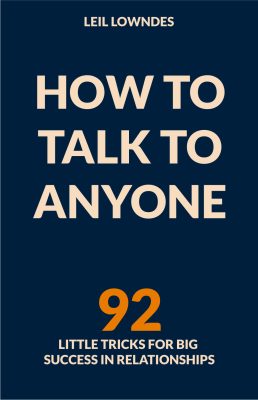
This insightful book offers a treasure trove of practical tips and tricks designed to enhance your social and communication skills. It breaks down the art of conversation into 92 actionable strategies, each aimed at helping you navigate social interactions with confidence and ease. Whether you’re aiming to make a great first impression, cultivate deeper connections, or excel in professional networking, this book provides the tools you need to succeed. Its unique approach lies in the simplicity and applicability of its advice, making it an invaluable resource for anyone looking to improve their interpersonal skills.
This book is perfect for anyone looking to improve their social skills, whether for personal or professional reasons. Primary audiences include individuals who want to feel more comfortable in social situations, build stronger relationships, or enhance their networking abilities. Secondary audiences might include professionals in sales, marketing, or leadership roles who rely on strong communication skills to succeed. The book’s language is accessible and straightforward, making it easy for readers from all backgrounds to grasp and apply the concepts presented.
Imagine being at a party where you don’t know a single person. You stand in the corner, awkwardly holding a drink, watching others engage in animated conversations. Leil Lowndes’ book, How to Talk to Anyone: 92 Little Tricks for Big Success in Relationships, aims to ensure you’re never in this situation again. Instead of feeling out of place, you’ll have a toolkit of techniques to confidently strike up conversations, keep them going, and make memorable connections. Lowndes provides 92 specific strategies that can transform even the shyest person into a social dynamo, whether in casual settings or high-stakes professional environments.
The book opens with a fascinating analogy: imagine you’re a master chef, but instead of culinary skills, you’re perfecting the art of conversation. Lowndes guides readers through each ‘recipe’ for successful social interactions, from the perfect ‘smile’ garnish to the main course of engaging dialogue. She demystifies the mechanics of body language, the subtleties of eye contact, and the power of listening. Each ‘trick’ is presented with practical examples and anecdotes, making the book as entertaining as it is enlightening.
Readers will learn a wealth of techniques from How to Talk to Anyone. The book teaches how to make a powerful first impression, keep conversations flowing smoothly, and leave a lasting impact on others. It delves into nuances like mirroring body language to build rapport, using open-ended questions to keep the dialogue alive, and employing the “Hansel and Gretel” strategy of leaving verbal breadcrumbs to pique interest. These methods are designed to be easy to remember and apply, whether you’re at a networking event, a job interview, or a social gathering.
One of the standout features of the book is its practical approach. Lowndes breaks down the complexities of human interaction into digestible, actionable steps. For instance, she introduces the “Big Baby Pivot” to explain how to turn your body fully toward the person you’re speaking with, signaling full attention and interest. Such insights are not only intuitive but also backed by psychological research, adding a layer of credibility to the advice. Lowndes’ style is engaging and often humorous, making the learning process enjoyable.
Throughout How to Talk to Anyone, Lowndes emphasizes the importance of authenticity. While the book is packed with tips and tricks, it consistently underscores the value of being genuine. The techniques are meant to enhance, not replace, your natural personality. This focus on authenticity ensures that readers not only learn how to talk to anyone but also how to build meaningful, lasting relationships.
The central message of How to Talk to Anyone is the transformative power of effective communication. Lowndes posits that social skills can be learned and perfected, much like any other skill. Imagine communication as a dance—initially, the steps might seem complicated, but with practice, you can move with grace and confidence. The book’s thesis is that anyone can become a master communicator by understanding and applying the right techniques.
How to Talk to Anyone has made a significant impact in the field of communication and personal development. Its practical advice and engaging presentation have earned it a loyal following and widespread acclaim. The book is often praised for its actionable insights and relatable examples, making it a go-to resource for those looking to improve their social skills.
One of the book’s most notable contributions is its emphasis on the power of small changes. Lowndes demonstrates how even minor tweaks in body language, tone of voice, or choice of words can lead to substantial improvements in how you’re perceived and how effective your interactions are. This approach makes the book accessible and manageable, encouraging readers to implement changes incrementally.
The book has also sparked discussions about the ethics of using ‘tricks’ in social interactions. Some critics argue that focusing on techniques can lead to manipulative behavior. However, Lowndes addresses these concerns by highlighting the importance of authenticity and genuine interest in others. She stresses that the goal is to enhance natural communication skills, not to deceive or manipulate.
How to Talk to Anyone has received numerous accolades for its practical wisdom and engaging style. It has been translated into multiple languages and remains a popular choice for those seeking to enhance their social prowess. Its enduring popularity is a testament to the universal need for effective communication and the timeless relevance of Lowndes’ advice.
How to Talk to Anyone: 92 Little Tricks for Big Success in Relationships by Leil Lowndes offers a treasure trove of practical advice for anyone looking to enhance their social skills. The book’s greatest strength lies in its actionable tips that readers can implement immediately. Lowndes breaks down the complexities of social interactions into simple, easy-to-follow steps, making the book an invaluable resource for those who feel uneasy in social settings or want to improve their interpersonal skills. The engaging writing style, peppered with humor and real-life anecdotes, makes the learning process enjoyable and accessible.
We appreciate Lowndes’ emphasis on authenticity throughout the book. While she provides numerous techniques for improving communication, she consistently underscores the importance of being genuine and sincere. This focus ensures that the strategies presented are used to build meaningful relationships rather than for manipulation. The research-backed tips, such as the “Big Baby Pivot” and the strategic use of names, provide a solid foundation for readers to understand and apply the principles of effective communication.
However, we recognize that the book has its limitations. Some readers might find the advice repetitive, and the book sometimes oversimplifies the complexities of human interactions. Additionally, the cultural nuances of communication are not fully addressed, which might limit the book’s applicability in diverse settings. Despite these shortcomings, the practical nature of the advice and the clear, engaging presentation make the book a valuable tool for a wide audience.
We also note that while the book excels in providing tips for initial interactions and making a good first impression, it could offer more guidance on maintaining long-term relationships. Building and sustaining deep connections require more than just charm and conversational skills; they demand ongoing effort, empathy, and trust. Readers looking for more depth in these areas might need to supplement Lowndes’ advice with insights from other works focused on long-term relationship building and emotional intelligence.
Our Recommendation
Overall, How to Talk to Anyone is a must-read for anyone seeking to improve their social skills. The book’s practical, actionable tips are easy to implement and can lead to immediate improvements in personal and professional interactions. Whether you’re looking to make a better first impression, engage in more meaningful conversations, or build a strong professional network, Lowndes provides the tools to help you succeed. Her engaging writing style and real-life examples make the book not only informative but also a pleasure to read.
We highly recommend How to Talk to Anyone to anyone who wants to navigate social situations with more confidence and ease. The book’s focus on authenticity ensures that the techniques enhance rather than replace your natural communication style, promoting genuine connections. While it has some limitations, the overall value of the practical advice and the ease of application make it a worthwhile addition to your personal development library. For those looking to supplement their social skills with deeper psychological insights or cultural perspectives, combining Lowndes’ book with works by Robert Cialdini, Daniel Goleman, and Erin Meyer can provide a well-rounded approach to mastering the art of communication.
How to Talk to Anyone: 92 Little Tricks for Big Success in Relationships distills the essence of effective communication into a series of practical, actionable tips. At its core, the book emphasizes the importance of making others feel valued and understood. It offers techniques for mastering the art of conversation, building rapport, and leaving a positive impression. The book’s primary message is that anyone can improve their social skills by paying attention to small, often overlooked details in how they interact with others.
One of the key topics is the importance of nonverbal communication. Lowndes highlights how body language, facial expressions, and even the way you position your body can significantly impact how your words are received. She introduces concepts like the “Big Baby Pivot,” which involves turning your entire body to face the person you’re speaking with to show genuine interest. This small adjustment can make a substantial difference in how engaged and valued the other person feels during the interaction.
Another critical element is the art of making a strong first impression. Lowndes underscores that first impressions are formed within seconds and can be challenging to change. She offers specific strategies to ensure you start on the right foot, such as maintaining eye contact, offering a firm handshake, and smiling genuinely. These initial moments set the tone for the entire interaction, and mastering them can lead to more successful and enjoyable conversations.
The book also delves into the significance of active listening. Lowndes argues that truly listening to someone involves more than just hearing their words. It requires understanding their emotions, validating their experiences, and responding thoughtfully. Techniques like nodding, summarizing what the other person has said, and asking follow-up questions demonstrate that you are genuinely engaged in the conversation. Active listening not only builds rapport but also fosters deeper connections and trust.
Lowndes emphasizes the power of using people’s names in conversation. She explains that a person’s name is, to them, the sweetest sound in any language. Using someone’s name in conversation helps to personalize the interaction and makes the other person feel recognized and important. This technique is particularly effective in professional settings, where remembering and using names can enhance networking efforts and create lasting impressions.
Humor is another topic that Lowndes covers extensively. She believes that appropriate humor can lighten the mood, create a sense of camaraderie, and make interactions more enjoyable. The key is to use humor that is inclusive and non-offensive. By sharing a light-hearted comment or funny anecdote, you can break the ice and make yourself more approachable and likable.
The Big Baby Pivot
Lowndes shares a story about attending a networking event where she noticed a successful businesswoman consistently turning her entire body to face whoever she was speaking with. This simple act made each person feel like they had her full attention and respect. Inspired by this observation, Lowndes tested the technique herself and found that it significantly improved the quality of her conversations and the connections she made.
First Impressions at a Job Interview
In another example, Lowndes describes a job interview scenario where a candidate’s confident body language, firm handshake, and genuine smile left a lasting positive impression on the interviewer within the first few seconds. Despite having similar qualifications to other candidates, these small details helped the candidate stand out and ultimately secure the job offer.
Active Listening in a Personal Relationship
Lowndes recounts a personal story about a couple who were struggling with communication issues. By practicing active listening techniques, such as summarizing each other’s points and asking clarifying questions, they were able to rebuild trust and improve their relationship. This example illustrates how active listening can transform interactions and deepen understanding.
Using Names at a Conference
At a large conference, Lowndes observed a speaker who made it a point to remember and use the names of attendees during his presentation and in casual conversations afterward. This effort made the attendees feel valued and created a more personal and engaging atmosphere. The speaker’s ability to connect on a personal level led to more meaningful networking opportunities and stronger professional relationships.
Humor in a Sales Pitch
Lowndes shares the story of a salesperson who used humor to connect with a potential client. By making a light-hearted joke relevant to the client’s industry, the salesperson was able to break the ice and establish rapport. This approach not only made the interaction more enjoyable but also set a positive tone for the rest of the pitch, ultimately leading to a successful sale.
The Big Baby Pivot
Turning your body completely toward the person you’re speaking with is a powerful way to show that you are fully engaged and interested. This technique, dubbed the “Big Baby Pivot,” involves aligning your entire body, including your feet and shoulders, with the person you’re addressing. By doing this, you send a nonverbal signal that they have your undivided attention, making them feel valued and important. To apply this, practice consciously adjusting your body position during conversations, especially in group settings or at networking events.
The Power of a Smile
A genuine smile can work wonders in making a positive first impression. Lowndes emphasizes that smiling not only makes you appear more approachable and friendly but also sets the tone for a pleasant interaction. To ensure your smile is perceived as genuine, try to engage your eyes as well, creating what is known as a “Duchenne smile.” When meeting someone for the first time, greet them with a warm smile to instantly put them at ease and create a welcoming atmosphere.
Remembering Names
Using someone’s name in conversation can make them feel recognized and appreciated. Lowndes explains that a person’s name is, to them, the sweetest sound in any language. To apply this insight, make a conscious effort to remember and use names shortly after being introduced. For instance, you can repeat the person’s name during the conversation and use it in your farewell. This simple habit can help strengthen connections and make interactions more personal.
Active Listening
Active listening goes beyond just hearing words; it involves fully understanding and engaging with what the other person is saying. Lowndes suggests techniques such as nodding, summarizing key points, and asking open-ended questions to show that you are genuinely interested in the conversation. To practice active listening, focus on the speaker, avoid interrupting, and respond thoughtfully. This approach not only makes the speaker feel heard but also encourages more meaningful and productive interactions.
Mirroring
Mirroring is the subtle art of mimicking the body language, tone, and speech patterns of the person you’re speaking with. Lowndes highlights that this technique can help build rapport and trust, as it creates a sense of familiarity and connection. To effectively use mirroring, observe the other person’s gestures, posture, and pace of speech, and reflect them in a natural and unobtrusive manner. This can be particularly useful in professional settings, such as job interviews or client meetings.
Small Talk, Big Impact
Small talk serves as a bridge to deeper conversations and can help establish common ground. Lowndes advises that mastering the art of small talk involves asking open-ended questions and showing genuine curiosity about the other person’s interests. To enhance your small talk skills, prepare a few general topics or questions in advance, such as recent events, shared experiences, or mutual connections. This can help you navigate initial conversations more smoothly and pave the way for more substantive discussions.
Eye Contact
Maintaining appropriate eye contact is crucial for building trust and demonstrating confidence. Lowndes points out that too little eye contact can make you seem disinterested, while too much can be intimidating. The key is to strike a balance by making regular, natural eye contact throughout the conversation. Practice this by maintaining eye contact for a few seconds at a time, then briefly glancing away before reconnecting. This technique can help convey sincerity and attentiveness.
Compliments That Matter
Giving genuine compliments can create positive interactions and build goodwill. Lowndes stresses that specific and sincere compliments are more impactful than generic ones. To apply this, focus on unique qualities or achievements of the person you are complimenting. For example, instead of saying, “Nice work,” you might say, “I really admire how you handled that challenging project with such creativity and dedication.” This approach shows that you are paying attention and truly value their efforts.
The Hansel and Gretel Technique
Leaving “verbal breadcrumbs” during conversations can pique interest and keep the dialogue engaging. Lowndes suggests subtly hinting at interesting stories or experiences without revealing everything at once. To use this technique, share intriguing snippets that invite the other person to ask follow-up questions. For example, you might say, “That reminds me of a time when I had to make a split-second decision that changed everything,” without immediately explaining what happened. This can make your conversations more dynamic and interactive.
The Power of Pauses
Strategic pauses in conversation can emphasize important points and give the listener time to process information. Lowndes explains that pausing can also convey confidence and thoughtfulness. To incorporate this technique, practice pausing briefly after making a significant statement or before responding to a question. This not only highlights key messages but also gives you a moment to gather your thoughts, leading to more measured and impactful communication.
Practical Applicability
One of the standout strengths of How to Talk to Anyone is its emphasis on practical, actionable advice. Leil Lowndes breaks down social interactions into manageable techniques that readers can immediately apply in their daily lives. The tips are easy to follow and remember, making the book a useful tool for those looking to improve their communication skills without feeling overwhelmed. For instance, methods like the “Big Baby Pivot” and the strategic use of names are straightforward yet effective strategies that can be practiced in real-time.
Engaging Writing Style
Lowndes’ writing style is engaging and accessible, which makes the book a pleasure to read. She uses relatable anecdotes and humor to illustrate her points, ensuring that the content is not only informative but also entertaining. This approach helps to keep readers engaged and makes it easier for them to absorb and retain the information presented. Her use of everyday language and avoidance of jargon further enhances the book’s readability, making it accessible to a broad audience.
Depth of Research
The book demonstrates a strong foundation of research, drawing on various studies and psychological principles to support its advice. Lowndes references credible sources and incorporates insights from experts in the field of communication and psychology, which adds depth and validity to her recommendations. This research-backed approach helps to establish trust with the reader, ensuring that the advice is not just based on personal opinion but also on scientific evidence.
Comprehensive Coverage
How to Talk to Anyone covers a wide range of social situations and provides techniques that are applicable in both personal and professional contexts. Whether it’s making a great first impression, sustaining engaging conversations, or navigating challenging social dynamics, Lowndes offers tips that are relevant to various aspects of interpersonal communication. This comprehensive coverage ensures that the book is a valuable resource for readers with diverse social interaction needs.
Focus on Authenticity
A notable strength of the book is its emphasis on authenticity. Lowndes consistently encourages readers to be genuine in their interactions, rather than relying solely on superficial tricks. The techniques presented are meant to enhance one’s natural communication style, not to create a false persona. This focus on authenticity helps to foster more meaningful and lasting relationships, which is a crucial aspect of effective communication.
Repetitiveness
One of the notable weaknesses of How to Talk to Anyone is its tendency to be repetitive. Some of the techniques and tips overlap, leading to a sense of redundancy as the book progresses. This can make the reading experience less engaging, as readers might feel they are encountering the same advice in different guises. Streamlining the content to avoid repetition could enhance the book’s overall impact and readability.
Lack of Depth in Some Areas
While the book offers a broad range of tips, some areas could benefit from deeper exploration. For example, the sections on dealing with difficult conversations or conflict resolution are relatively brief and lack the depth found in other parts of the book. Providing more detailed strategies and examples in these areas would have added significant value, especially for readers facing more complex social challenges.
Overemphasis on Techniques
Although the book’s practical focus is one of its strengths, there is an overemphasis on techniques at the expense of understanding underlying principles. Readers might find themselves equipped with a variety of tactics but lacking a deeper understanding of the psychology behind effective communication. Incorporating more discussion on the foundational theories and principles of social interactions could help readers apply the techniques more thoughtfully and effectively.
Simplistic Solutions for Complex Interactions
Some readers may find the book’s approach to social interactions overly simplistic. While the techniques are useful, real-life social dynamics can be far more complex and nuanced than what the book sometimes suggests. This simplification might lead to unrealistic expectations or incomplete solutions for more intricate social scenarios. Providing additional context or acknowledging the limitations of certain techniques could offer a more balanced perspective.
Oversimplification of Social Dynamics
One significant blind spot in How to Talk to Anyone is its tendency to oversimplify the complexities of human social dynamics. While the techniques are useful, they sometimes fail to account for the intricate and often unpredictable nature of real-world interactions. Human behavior is influenced by a myriad of factors, including cultural backgrounds, personal experiences, and psychological conditions, which the book does not fully address. For a more nuanced understanding, readers might turn to Influence: The Psychology of Persuasion by Robert Cialdini, which delves deeper into the psychological principles behind social influence and persuasion, offering a broader context to the tips provided by Lowndes.
Cultural Sensitivity and Variability
The book largely assumes a Western context and may not fully account for cultural differences in communication styles. Social norms and practices vary significantly across cultures, and techniques that work well in one cultural setting might be inappropriate or ineffective in another. For example, maintaining direct eye contact is encouraged in Western cultures but might be seen as confrontational in some Asian cultures. Readers interested in a more culturally sensitive approach to communication can refer to The Culture Map by Erin Meyer, which explores how cultural differences impact business interactions and communication.
The Role of Emotional Intelligence
While How to Talk to Anyone provides practical techniques for enhancing social interactions, it doesn’t sufficiently address the role of emotional intelligence (EI) in effective communication. Understanding and managing one’s own emotions, as well as recognizing and influencing the emotions of others, is crucial for successful interactions. Emotional intelligence provides a deeper layer of insight into why certain techniques work and how they can be adapted to different situations. Emotional Intelligence by Daniel Goleman offers a comprehensive exploration of this concept, highlighting its importance in personal and professional relationships.
The Ethical Implications of Using Social Techniques
The book focuses on practical tips to improve social interactions but often glosses over the ethical implications of using these techniques. There’s a fine line between being charming and manipulative, and some readers might misuse the advice for self-serving purposes rather than genuine connection. Addressing the ethical use of social skills is crucial to prevent manipulation and promote authentic interactions. For a more ethical perspective, The Honest Truth About Dishonesty by Dan Ariely discusses how and why people lie and cheat, providing insights into maintaining integrity while employing social strategies.
Sustaining Long-Term Relationships
How to Talk to Anyone excels at providing tips for initial interactions and making a good first impression but offers less guidance on sustaining long-term relationships. Building and maintaining deep, meaningful relationships requires more than just initial charm and conversational skills. It involves ongoing effort, trust-building, and emotional support. The Seven Principles for Making Marriage Work by John Gottman, although focused on marital relationships, provides valuable insights into maintaining long-term connections that can be applied to all types of relationships.
Personalization of Communication Techniques
Another blind spot is the book’s limited focus on tailoring communication techniques to individual personalities and contexts. While Lowndes provides a wide array of general tips, there’s less emphasis on adapting these strategies to fit specific individuals or situations. Effective communication often requires a personalized approach, recognizing that what works for one person might not work for another. Quiet: The Power of Introverts in a World That Can’t Stop Talking by Susan Cain explores how different personality types, particularly introverts, can leverage their strengths in communication, offering a counterbalance to the more extroverted techniques in Lowndes’ book.
Influence: The Psychology of Persuasion by Robert Cialdini
Comparing How to Talk to Anyone with Influence: The Psychology of Persuasion reveals distinct approaches to improving social interactions. Lowndes focuses on practical, everyday techniques to enhance personal and professional relationships, often through direct, actionable tips. In contrast, Cialdini delves into the psychological underpinnings of persuasion, exploring concepts such as reciprocity, commitment, social proof, and authority. While Lowndes provides a toolkit for immediate application, Cialdini offers a deeper theoretical framework that explains why certain techniques work. Both books are valuable, but they cater to different needs: Lowndes for quick, applicable strategies and Cialdini for a profound understanding of influence and persuasion.
The Culture Map by Erin Meyer
How to Talk to Anyone and The Culture Map by Erin Meyer both address communication, but Meyer’s work emphasizes cultural variability in social interactions. Lowndes’ book assumes a fairly universal application of her tips, largely within a Western context, whereas Meyer’s book is dedicated to understanding and navigating cultural differences in communication styles. For instance, while Lowndes advocates direct eye contact, Meyer points out that in some cultures, this can be perceived as disrespectful or aggressive. Meyer’s work is essential for those engaging in international or multicultural environments, providing a more nuanced approach to communication across different cultural contexts.
Emotional Intelligence by Daniel Goleman
Emotional Intelligence by Daniel Goleman complements and contrasts with How to Talk to Anyone by focusing on the broader concept of emotional intelligence (EI) rather than specific communication techniques. Goleman explores how self-awareness, self-regulation, empathy, and social skills contribute to effective communication and leadership. While Lowndes offers a hands-on guide to immediate improvements in social interactions, Goleman provides a deeper exploration of the emotional and psychological skills that underpin these interactions. Readers seeking to understand the foundational aspects of effective communication and personal development might find Goleman’s insights more comprehensive and transformative.
Quiet: The Power of Introverts in a World That Can’t Stop Talking by Susan Cain
Comparing How to Talk to Anyone with Quiet by Susan Cain highlights differing perspectives on social interaction based on personality types. Lowndes’ book primarily offers techniques that may appeal more to extroverted readers, emphasizing proactive engagement and visible social skills. In contrast, Cain’s book celebrates the strengths of introverts, suggesting that they can also excel in social situations by leveraging their inherent qualities such as deep listening and thoughtful observation. Cain’s work provides a counterbalance to Lowndes, advocating for a recognition of diverse communication styles and the unique contributions of introverts in social and professional environments.
Step 1: Enhance Your First Impressions
Step 2: Develop Active Listening Skills
Step 3: Use Names Effectively
Step 4: Apply the Power of Mirroring
Step 5: Improve Your Small Talk
Step 6: Use Strategic Pauses
Step 7: Integrate Humor Appropriately
Step 8: Give Genuine Compliments
Step 9: Apply the Hansel and Gretel Technique
Step 10: Follow Up and Reflect
Fostering Effective Communication
The principles outlined in How to Talk to Anyone are highly relevant in a business context, where effective communication is crucial for success. Implementing strategies like active listening, using names effectively, and mirroring can significantly improve internal communication, team collaboration, and client relations. Encouraging employees to practice these techniques can create a more cohesive and collaborative work environment.
However, challenges may arise in ensuring that all team members are committed to adopting these new communication habits. Resistance to change, especially in established teams, can be a significant obstacle. Employees may feel uncomfortable or unnatural initially, leading to inconsistent application of the techniques.
To overcome these challenges, businesses can integrate communication training into their regular professional development programs. Workshops, role-playing exercises, and ongoing coaching can help employees become more comfortable with these techniques. Additionally, creating a supportive environment where employees can provide feedback and share their experiences can foster a culture of continuous improvement.
Enhancing Client Relationships
Using the strategies from How to Talk to Anyone can enhance client relationships by making interactions more personal and engaging. Techniques such as remembering and using clients’ names, employing active listening, and providing genuine compliments can build stronger, more trusting relationships. These approaches can lead to increased client satisfaction and loyalty.
The main obstacle in implementing these strategies with clients is ensuring consistency across the entire team. Different team members may have varying levels of comfort and skill in applying these techniques, leading to a disjointed client experience. Moreover, there may be cultural differences that require sensitivity and adaptation.
To address this, businesses should standardize their approach to client interactions through training and clear communication guidelines. Providing team members with scripts or templates for common client scenarios can help ensure consistency. Additionally, encouraging team members to learn about and respect cultural differences can improve the effectiveness of these techniques. Regularly reviewing client feedback can also help identify areas for improvement and ensure that the strategies are being applied effectively.
Improving Team Dynamics
The book’s emphasis on building rapport through small talk, strategic pauses, and humor can be beneficial in improving team dynamics. By encouraging employees to engage in meaningful small talk and use appropriate humor, businesses can create a more relaxed and positive work environment. Strategic pauses in meetings can also ensure that all voices are heard and that decisions are made thoughtfully.
One challenge in implementing these strategies is that not all employees may be comfortable with small talk or humor, especially in a professional setting. There may also be differences in humor styles and comfort levels that could lead to misunderstandings or discomfort.
To overcome these challenges, businesses can offer training on effective small talk and humor in the workplace, emphasizing inclusivity and respect. Creating opportunities for informal interactions, such as team-building activities or social events, can help employees practice these skills in a low-pressure environment. Additionally, setting clear guidelines on appropriate humor and encouraging a culture of openness and acceptance can help mitigate potential issues.
Building Leadership Skills
Leaders can benefit greatly from applying the techniques in How to Talk to Anyone. By mastering the art of making a strong first impression, using strategic pauses, and giving genuine compliments, leaders can inspire and motivate their teams more effectively. These skills can enhance a leader’s ability to connect with their team, build trust, and drive performance.
The challenge here is that not all leaders may recognize the value of these soft skills or may feel they lack the time to develop them amidst their other responsibilities. There may also be a lack of awareness about how to implement these techniques effectively in a leadership context.
To address these challenges, businesses can incorporate communication and interpersonal skills into their leadership development programs. Providing leaders with practical tools and resources, such as coaching sessions, workshops, and mentorship opportunities, can help them develop these skills. Highlighting the positive impact of these techniques on team performance and employee engagement can also help underscore their importance.
Boosting Sales Performance
Sales teams can particularly benefit from the techniques in How to Talk to Anyone. Building rapport with clients, using names effectively, and employing strategic pauses can make sales interactions more engaging and persuasive. These techniques can help sales professionals build stronger connections with potential clients, ultimately leading to increased sales success.
However, the challenge lies in ensuring that sales teams apply these techniques consistently and effectively. Sales professionals may rely heavily on their existing methods and may be resistant to adopting new approaches. Additionally, the pressure to meet sales targets can make it difficult for them to focus on building rapport and using subtle communication techniques.
To overcome these obstacles, businesses can offer targeted sales training that incorporates the techniques from the book. Role-playing exercises and simulated sales interactions can help sales professionals practice and refine their skills. Providing ongoing support and feedback, as well as recognizing and rewarding those who successfully implement these techniques, can encourage adoption and integration into everyday sales practices.
Enhancing Customer Service
The strategies in How to Talk to Anyone can significantly improve customer service interactions. Techniques such as active listening, using names, and giving genuine compliments can make customers feel valued and understood. This can lead to higher customer satisfaction and loyalty, as well as positive word-of-mouth.
A potential obstacle in implementing these strategies in customer service is ensuring that all representatives are trained and motivated to apply them consistently. High turnover rates and the fast-paced nature of customer service can make it challenging to maintain a high level of communication skill across the team.
To address this, businesses can develop comprehensive training programs for new hires and provide ongoing training for existing staff. Creating a customer service manual that includes these techniques and regularly reviewing customer interactions for quality assurance can help ensure consistency. Additionally, fostering a positive work environment and recognizing exceptional customer service can motivate representatives to apply these strategies diligently.
Increasing Importance of Soft Skills in the Workplace
In today’s rapidly evolving job market, soft skills are becoming increasingly valuable. Employers are prioritizing attributes like communication, teamwork, and emotional intelligence over technical skills alone. The techniques in How to Talk to Anyone align perfectly with this trend. By improving their social skills, individuals can enhance their employability and effectiveness in the workplace. This emphasis on soft skills is likely to grow, making the book’s insights even more relevant in the future.
Remote Work and Virtual Communication
The rise of remote work has transformed how we interact professionally. Virtual meetings and digital communication require different skills compared to in-person interactions. The strategies in the book can be adapted for virtual settings. For example, making eye contact through the camera, using names in emails, and active listening in video calls. These adjustments help maintain connection and engagement in a digital world. As remote work continues to be a significant trend, the book’s techniques will remain applicable and valuable.
Emphasis on Personal Branding
Personal branding is another growing trend. Professionals are increasingly aware of the need to market themselves effectively. Building a strong personal brand involves excellent communication skills, which the book teaches. Techniques like making a strong first impression and using strategic pauses can enhance one’s personal brand. These skills help individuals stand out in a competitive market. As personal branding gains more importance, the relevance of the book’s strategies will continue to rise.
Diversity and Inclusion in Communication
Diversity and inclusion are critical in modern workplaces. Effective communication across diverse groups is essential. The book’s techniques can be adapted to be culturally sensitive and inclusive. Understanding and respecting different communication styles is key. For instance, active listening and using names can bridge cultural gaps. As organizations focus more on diversity and inclusion, the book’s adaptable strategies will be crucial for fostering inclusive environments.
Rise of AI and Automation
AI and automation are reshaping many aspects of work. However, human-centric skills like empathy and communication remain irreplaceable. The techniques in the book emphasize these uniquely human abilities. As automation handles more routine tasks, the demand for strong interpersonal skills will increase. The book’s focus on enhancing these skills ensures its continued relevance. This trend highlights the enduring value of human interaction in an increasingly automated world.
How to Talk to Anyone has the potential to make a lasting impact on the field of interpersonal communication by democratizing the art of social interaction. Its accessible, straightforward advice makes it easier for a broad audience to enhance their social skills, potentially leading to improved personal and professional relationships on a large scale. By empowering individuals with practical tools to communicate more effectively, the book can contribute to a more socially connected and empathetic society.
The book’s focus on practical techniques over complex theories ensures that its teachings can be quickly adopted by readers from various backgrounds, promoting immediate improvements in social interactions. This could lead to a widespread increase in social competence, benefiting both personal and professional spheres. As more people apply these techniques, workplaces could see enhanced collaboration, stronger networking, and more effective leadership, ultimately driving productivity and innovation.
However, the book’s potential influence also depends on its ethical application. If readers use the techniques with genuine intent to connect and understand others, the impact can be profoundly positive. On the other hand, if misused for manipulation, the techniques could foster distrust and superficial interactions. Ensuring that the book is accompanied by discussions on ethical communication and authenticity could mitigate these risks and promote its positive potential.
In a broader societal context, How to Talk to Anyone encourages the development of soft skills, which are increasingly recognized as crucial in the modern workforce. As technical skills become more commoditized, the ability to connect with others, communicate effectively, and build relationships is gaining importance. The book’s emphasis on these skills aligns with current trends in education and professional development, suggesting that its principles could become integral to training programs and curricula.
Overall, the long-term influence of How to Talk to Anyone will likely be seen in a gradual shift towards more mindful and skilled communication in both personal and professional settings. By equipping individuals with the tools to navigate social interactions confidently and effectively, the book can contribute to a more cohesive and understanding society, where the quality of relationships is valued as highly as professional achievements.
Influence: The Psychology of Persuasion by Robert Cialdini
Influence: The Psychology of Persuasion by Robert Cialdini is a cornerstone text in understanding the mechanisms behind persuasion and social influence. Cialdini’s exploration of principles such as reciprocity, commitment, and social proof offers a deeper understanding of why certain techniques in How to Talk to Anyone are effective. This book provides a solid theoretical foundation that complements Lowndes’ practical advice, making it an essential read for anyone interested in the psychology of interpersonal interactions.
Emotional Intelligence by Daniel Goleman
Emotional Intelligence by Daniel Goleman delves into the critical role of emotional intelligence in personal and professional success. Goleman’s insights into self-awareness, self-regulation, empathy, and social skills align with the techniques Lowndes presents, but offer a broader context and deeper understanding. This book is valuable for readers looking to enhance their ability to manage emotions and understand others, thereby improving their overall communication effectiveness.
The Culture Map by Erin Meyer
The Culture Map by Erin Meyer addresses the complexities of cross-cultural communication, an area not deeply covered in How to Talk to Anyone. Meyer’s book provides frameworks for understanding and navigating cultural differences in communication styles, making it a perfect complement for those working in global or multicultural environments. It helps readers adapt Lowndes’ techniques to diverse cultural contexts, ensuring respectful and effective communication across borders.
Crucial Conversations: Tools for Talking When Stakes Are High by Kerry Patterson, Joseph Grenny, Ron McMillan, and Al Switzler
Crucial Conversations by Kerry Patterson, Joseph Grenny, Ron McMillan, and Al Switzler offers strategies for handling high-stakes conversations effectively. This book focuses on techniques for maintaining composure, creating safe dialogue spaces, and achieving constructive outcomes during difficult conversations. It complements Lowndes’ work by providing tools for more intense and critical interactions, which are essential for personal and professional growth.
The Seven Habits of Highly Effective People by Stephen R. Covey
The Seven Habits of Highly Effective People by Stephen R. Covey provides a holistic approach to personal and professional development. Covey’s principles of effective habits intersect with the communication techniques presented by Lowndes, emphasizing proactivity, empathy, and mutual understanding. This book broadens the reader’s perspective on how effective communication is integral to overall personal effectiveness and leadership.
Quiet: The Power of Introverts in a World That Can’t Stop Talking by Susan Cain
Quiet by Susan Cain explores the strengths of introverts and their unique contributions to communication and leadership. Cain’s book is an excellent complement to Lowndes’ techniques, especially for readers who identify as introverts. It provides insights into leveraging introverted traits in social interactions, offering an alternative approach to the more extroverted strategies often emphasized in communication guides.
Nonviolent Communication: A Language of Life by Marshall B. Rosenberg
Nonviolent Communication by Marshall B. Rosenberg introduces a compassionate approach to communication focused on empathy, honesty, and understanding. Rosenberg’s method aligns well with Lowndes’ emphasis on authenticity and active listening. This book provides a deeper exploration of creating positive, constructive dialogue, making it an invaluable resource for those seeking to foster meaningful and respectful relationships.
The Art of Gathering: How We Meet and Why It Matters by Priya Parker
The Art of Gathering by Priya Parker examines the dynamics of bringing people together and creating meaningful gatherings. Parker’s insights into the purpose and execution of effective meetings and events complement Lowndes’ focus on individual communication techniques. This book is especially useful for leaders and organizers looking to create impactful and engaging group interactions, enhancing their understanding of how to facilitate meaningful connections in various settings.
TED Talks (www.ted.com) TED Talks offer a wealth of presentations on communication, psychology, and personal development. Notable talks include Amy Cuddy’s “Your Body Language May Shape Who You Are” and Julian Treasure’s “How to Speak So That People Want to Listen.” These talks provide valuable insights that complement the practical advice in How to Talk to Anyone, helping viewers understand and improve their communication skills through engaging and thought-provoking content.
MindTools (www.mindtools.com) MindTools is an online platform offering a range of articles, videos, and resources on personal and professional development, including communication skills. The site covers topics such as active listening, body language, and effective networking, aligning well with the techniques presented in Lowndes’ book. It is a great resource for those seeking to delve deeper into the practical aspects of enhancing their social interactions.
Global Leadership Summit (www.globalleadership.org) The Global Leadership Summit is an annual event that brings together leaders from various fields to discuss leadership, communication, and personal development. Attendees can gain insights from influential speakers and network with like-minded professionals, enriching their understanding of effective communication strategies and their application in leadership contexts.
The Nonviolent Communication Conference (www.nonviolentcommunication.com) This conference focuses on the principles of nonviolent communication (NVC) as developed by Marshall B. Rosenberg. It provides workshops, seminars, and discussions on empathetic and effective communication techniques. The conference is ideal for those looking to explore compassionate communication methods and integrate them with the practical tips from Lowndes’ book.
International Association of Business Communicators (IABC) (www.iabc.com) The IABC offers resources, networking opportunities, and professional development for individuals in the field of business communication. Membership provides access to a global community of communication professionals, workshops, and industry publications, helping members stay updated on best practices and new developments in effective communication.
Toastmasters International (www.toastmasters.org) Toastmasters International is a nonprofit organization that teaches public speaking and leadership skills through a worldwide network of clubs. It provides a supportive environment for practicing and improving communication skills, making it an excellent complement to the strategies in How to Talk to Anyone. Members can gain confidence and experience in public speaking and interpersonal communication.
The Communication Guys The Communication Guys podcast covers various aspects of communication, including public speaking, interpersonal skills, and professional communication. Hosted by experts in the field, each episode provides practical advice and insights that align with Lowndes’ techniques, making it a useful resource for continuous learning and improvement.
HBR IdeaCast (www.hbr.org/ideacast) Produced by Harvard Business Review, HBR IdeaCast features interviews with leading thinkers in business and management. Many episodes focus on communication, leadership, and personal development, offering deeper insights into the skills discussed in How to Talk to Anyone. It is a valuable resource for professionals seeking to enhance their understanding of effective communication in a business context.
Coursera: Communication Skills for Business (www.coursera.org) Coursera offers a variety of courses on communication skills, including “Communication Skills for Business.” These courses, taught by university professors and industry experts, provide comprehensive training in effective communication techniques. The practical nature of these courses complements the hands-on advice found in Lowndes’ book.
Udemy: Effective Communication: Mastery and Business Etiquette (www.udemy.com) This Udemy course focuses on mastering communication and business etiquette. It covers essential skills such as active listening, persuasive speaking, and professional conduct, making it a valuable resource for anyone looking to enhance their interpersonal skills in the workplace. The course’s practical approach aligns well with the techniques presented in How to Talk to Anyone.
Jiro Dreams of Sushi This documentary about Jiro Ono, a world-renowned sushi chef, highlights the importance of communication in a professional setting. Through Jiro’s interactions with his apprentices and customers, viewers can see the application of respectful and effective communication. It provides a unique perspective on how mastery in a craft involves not just technical skills but also the ability to connect and communicate effectively.
The Social Network The Social Network offers a dramatic portrayal of the creation of Facebook, focusing on the complex interpersonal dynamics and communication challenges faced by the founders. The film provides a compelling look at the impact of communication styles on relationships and business success, aligning with the themes of How to Talk to Anyone.


Discover the key takeaways from top non-fiction books in minutes. Get the wisdom you need to succeed fast. Here, learning is quick, engaging, and always at your fingertips.
© 2025 All Rights Reserved.