Reviews
One of the top ten business books of 2001 — Business Week
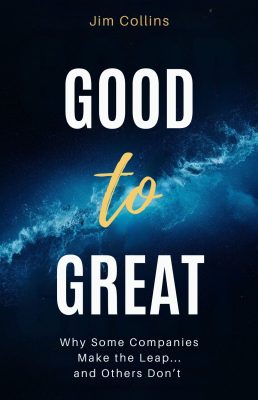
What transforms a good company into a great one? This book explores the principles and practices that elevate businesses from mediocrity to excellence. Through rigorous research and analysis, it identifies key factors that drive sustained success and extraordinary performance. With compelling real-world examples and insights, it provides a blueprint for leaders and organizations striving to achieve greatness. The book stands out in its genre by combining academic rigor with practical advice, making complex concepts easy to grasp and apply.
Good to Great is ideal for business leaders, executives, managers, and entrepreneurs who seek to understand the underlying factors that distinguish outstanding companies from average ones. The book also appeals to students of business and management, offering them a solid foundation in strategic thinking and organizational development. The language and concepts are accessible, making it suitable for readers without a deep background in business theory, yet rich enough to provide new insights for seasoned professionals.
Imagine a bus heading towards an unknown destination. The journey’s success doesn’t just depend on the driver but also on having the right people in the right seats. This metaphor, inspired by Jim Collins’ Good to Great: Why Some Companies Make the Leap…and Others Don’t, captures the essence of what sets great companies apart from merely good ones. Collins explores why some companies achieve enduring greatness while others remain mediocre. The book’s foundation is built on a meticulous study of 28 companies, revealing that greatness is not a matter of circumstance but a deliberate choice and discipline.
The book begins by challenging the common assumption that only certain businesses are destined for greatness. Collins and his research team spent five years analyzing companies that transitioned from good to great, comparing them to companies that failed to make that leap. Through this comparative analysis, they identified a set of principles that were consistently present in the successful companies. These principles form a coherent framework that any business can adopt to enhance its performance and achieve long-term success.
Readers of Good to Great will learn the importance of disciplined people, disciplined thought, and disciplined action. Collins introduces the concept of Level 5 Leadership, describing leaders who combine personal humility with intense professional will. These leaders prioritize the success of their companies over personal recognition, driving their organizations to achieve exceptional results. The book also explores the Hedgehog Concept, which is about understanding what your company can be the best at, what drives its economic engine, and what its people are deeply passionate about.
Another key takeaway is the significance of a culture of discipline. Collins argues that having the right people in the right roles is more critical than the strategy itself. He illustrates this through the example of Walgreens, which transformed itself by focusing on disciplined actions aligned with its core values and goals. The Flywheel and Doom Loop concepts further emphasize that greatness results from cumulative efforts and consistency over time rather than radical transformations or dramatic breakthroughs.
In addition to these principles, Good to Great delves into the importance of technology in driving greatness. However, Collins warns against the misconception that technology alone can make a company great. Instead, technology should be seen as an accelerator of momentum, not a creator of it. Companies that achieve greatness are those that use technology to enhance their strengths, not replace fundamental business principles.
At its heart, Good to Great argues that greatness is not a function of circumstance but of conscious choice and discipline. Collins uses the metaphor of a flywheel to illustrate this point. Just as a flywheel requires consistent effort to build momentum, so too do companies need sustained, disciplined actions to achieve and maintain greatness. The book emphasizes that there are no shortcuts or quick fixes. Instead, greatness comes from the relentless pursuit of excellence through disciplined people, thought, and action.
The core message is exemplified by the concept of Level 5 Leadership. These leaders are characterized by a paradoxical blend of personal humility and professional will. Unlike the charismatic, high-profile CEOs often celebrated in the media, Level 5 Leaders are understated yet exceptionally determined. They focus on building enduring greatness by setting their egos aside and prioritizing the success of their organizations. This leadership style fosters a culture where the right people are empowered to contribute their best, leading to sustained superior performance.
Good to Great has made a significant impact on the field of business management and leadership. Its rigorous research methodology and the practical applicability of its principles have garnered widespread acclaim. The book has been praised for providing a clear, actionable roadmap for companies striving to achieve greatness. Its insights have been embraced by leaders across various industries, from Fortune 500 companies to small businesses, all seeking to implement the principles of disciplined thought and action.
The book has also sparked discussions and debates, particularly around the concept of Level 5 Leadership and the role of humility in effective leadership. Some critics argue that the emphasis on humility and selflessness may not be practical in the competitive corporate world. However, the success stories of companies featured in the book, such as Walgreens and Kimberly-Clark, provide compelling evidence that these principles can lead to remarkable results.
In the years since its publication, Good to Great has been recognized with numerous awards and accolades. It remains a staple in business education and executive training programs, valued for its timeless wisdom and practical guidance. The book’s enduring popularity underscores its relevance and the continued quest for understanding what truly drives organizational greatness.
Good to Great by Jim Collins is a standout contribution to the field of business management and leadership. The book’s rigorous research and clear, practical insights make it an invaluable resource for anyone looking to understand the principles that drive exceptional performance in organizations. Collins’ ability to distill complex ideas into accessible and actionable strategies is one of the book’s greatest strengths. Whether you are a seasoned executive, a budding entrepreneur, or a student of business, the principles outlined in this book offer a roadmap to achieving and sustaining greatness.
One of the most compelling aspects of Good to Great is its focus on disciplined thought and action. The book challenges the notion that greatness is reserved for a select few companies, showing that with the right leadership, strategic focus, and cultural discipline, any organization can make the leap from good to great. The emphasis on Level 5 Leadership and the Hedgehog Concept provides a fresh perspective on what it takes to achieve lasting success, moving beyond traditional metrics and short-term gains to focus on long-term value creation.
We appreciate the practical applicability of the book’s insights. Collins provides concrete examples and steps that organizations can take to implement these principles, making the book not just theoretical but a practical guide for transformation. The engaging writing style, combined with compelling case studies, makes the book an enjoyable and informative read. The principles of getting the right people on the bus, confronting brutal facts, and maintaining disciplined action are particularly relevant and can be applied across various industries and organizational contexts.
While the book does have some limitations, such as its focus on large American companies and potential survivorship bias, these do not significantly detract from its overall value. Instead, these areas highlight the importance of complementing Good to Great with other literature that addresses different perspectives and contexts. Books like The Innovator’s Dilemma and Blue Ocean Strategy can provide additional insights into innovation and market dynamics, enriching the reader’s understanding of business excellence.
Our Recommendation
We highly recommend Good to Great to business leaders, managers, and anyone interested in organizational development. The book’s insights are timeless and widely applicable, offering a strategic framework that can help organizations navigate challenges and achieve sustained success. By focusing on disciplined people, thought, and action, Good to Great provides a clear and actionable path to transforming an organization from mediocrity to excellence.
For those looking to enhance their leadership skills, develop a cohesive strategy, or build a resilient organizational culture, Good to Great is a must-read. Its practical advice and compelling examples will inspire and guide you on your journey to achieving greatness. Whether you are leading a large corporation or a small startup, the principles outlined in this book will help you build a strong foundation for long-term success. We believe that Good to Great is a valuable addition to any business library and an essential read for anyone committed to driving their organization towards exceptional performance.
The essence of Good to Great by Jim Collins is distilled into a few key principles that distinguish truly great companies from their merely good counterparts. One of the most significant topics is Level 5 Leadership, which highlights the importance of leaders who blend personal humility with professional will. These leaders are not driven by ego or personal ambition but by a deep commitment to the success of their company. They focus on building long-term value and are willing to make tough decisions for the greater good of the organization.
Another crucial concept is the Hedgehog Concept, which is about simplifying a business strategy into a single, unifying vision. This vision is formed at the intersection of three critical dimensions: what the company can be the best in the world at, what drives its economic engine, and what its people are deeply passionate about. Companies that adhere to this concept are able to focus their efforts on what truly matters, avoiding distractions and making disciplined choices that align with their core strengths and passions.
The idea of having the Right People on the Bus is also pivotal. Collins argues that before determining the direction in which the bus (company) should go, it is essential to ensure that the right people are on board and the wrong people are off. This principle emphasizes that great companies prioritize hiring the right talent and creating a culture where these individuals can thrive. By doing so, these companies can navigate challenges and seize opportunities more effectively than those that do not prioritize their human capital.
Disciplined Thought is another key element. This involves confronting the brutal facts of reality while maintaining unwavering faith in the end goal, a concept Collins terms the Stockdale Paradox. Great companies do not shy away from acknowledging harsh truths but use these realities as a foundation for strategic decision-making. This disciplined approach to thinking ensures that decisions are grounded in reality and that the company remains focused on its ultimate objectives.
Disciplined Action is the counterpart to disciplined thought. This concept underscores the importance of taking consistent, focused actions that align with the company’s core principles and long-term vision. Great companies do not rely on dramatic shifts or grand strategies but on a steady, incremental approach that builds momentum over time. This disciplined approach to action is akin to pushing a flywheel, where each small push contributes to building unstoppable momentum.
The Flywheel Concept is an analogy used by Collins to describe how great companies build and sustain momentum through consistent, incremental efforts. Rather than seeking quick fixes or revolutionary changes, these companies focus on doing the right things consistently over time, which gradually builds up significant momentum and leads to breakthrough results. This concept highlights the importance of perseverance and consistency in achieving lasting greatness.
Another important topic is Technology Accelerators. Collins points out that while technology is not the primary driver of greatness, it can be an essential accelerator when used effectively. Great companies understand how to leverage technology to enhance their existing strengths and drive further growth. They do not adopt new technologies for the sake of it but integrate them thoughtfully to support their strategic goals.
Level 5 Leadership: Darwin Smith at Kimberly-Clark
An exemplary case of Level 5 Leadership is Darwin Smith, the CEO of Kimberly-Clark, who transformed the company into a leading consumer paper products business. Smith’s leadership was characterized by his personal humility and professional determination. Despite facing significant challenges, including fierce competition and internal resistance, Smith led the company through a bold transformation, selling off the paper mills and investing in consumer brands like Kleenex and Huggies. His focus on long-term success over personal recognition exemplifies the qualities of a Level 5 Leader.
The Hedgehog Concept: Walgreens
Walgreens serves as a powerful example of the Hedgehog Concept in action. The company discovered its Hedgehog Concept by focusing on the intersection of what it could be the best at—convenience and customer service in the pharmacy industry—what drove its economic engine—profit per customer visit—and what its employees were passionate about—helping people lead healthier lives. By narrowing its focus to these core areas, Walgreens was able to outperform its competitors and achieve sustained growth and success.
Right People on the Bus: Wells Fargo
Wells Fargo’s success during its transformation period is attributed to its focus on getting the right people on the bus. The company prioritized hiring individuals who were not only talented but also aligned with its values and vision. This approach enabled Wells Fargo to build a cohesive, high-performing team that could navigate the complexities of the financial industry and drive the company toward greatness. By fostering a culture of accountability and collaboration, Wells Fargo was able to achieve exceptional results.
Disciplined Thought: Kroger
Kroger’s strategic shift from a conventional supermarket chain to a leading grocery retailer is a prime example of disciplined thought. The company faced the brutal reality that traditional grocery stores were losing market share to more innovative formats like superstores and discount retailers. Instead of clinging to the past, Kroger confronted these facts head-on and made a bold decision to transform its stores into high-quality, customer-focused establishments. This strategic pivot, grounded in a realistic assessment of the market, allowed Kroger to thrive while many of its competitors struggled.
Disciplined Action: Nucor
Nucor Corporation exemplifies disciplined action through its relentless focus on efficiency and continuous improvement. The company adopted a decentralized management structure, empowering its employees to make decisions and take actions that aligned with its core principles of efficiency and innovation. Nucor’s disciplined approach to action enabled it to become one of the most profitable steel manufacturers in the United States, consistently outperforming its competitors.
Technology Accelerators: Fannie Mae
Fannie Mae’s turnaround story highlights the effective use of technology as an accelerator. The company was facing significant financial difficulties and needed to find a way to regain its competitive edge. By strategically investing in technology to improve its underwriting processes and risk management systems, Fannie Mae was able to enhance its operational efficiency and drive profitability. This case demonstrates how technology, when used thoughtfully, can significantly accelerate a company’s path to greatness.
Level 5 Leadership
Level 5 Leaders are a unique blend of personal humility and professional will. They are modest yet driven to achieve outstanding results. To apply this insight, leaders should focus on building their personal humility by recognizing the contributions of others and prioritizing the success of the organization over personal accolades. Simultaneously, they should cultivate a relentless determination to achieve their goals. This means making tough decisions when necessary and staying focused on long-term success rather than short-term gains.
The Hedgehog Concept
The Hedgehog Concept is about understanding what your company can be the best in the world at, what drives your economic engine, and what you are deeply passionate about. To implement this concept, organizations should conduct a thorough analysis to identify their core strengths, financial drivers, and passion points. This might involve reevaluating current strategies and reallocating resources to focus on areas where the company has the potential to excel. By narrowing their focus and aligning efforts with the Hedgehog Concept, companies can achieve greater clarity and effectiveness.
First Who, Then What
Getting the right people on the bus before deciding on a direction is crucial for success. This means hiring individuals who are not only talented but also align with the company’s core values and vision. To apply this, organizations should prioritize their hiring processes, focusing on cultural fit and potential over immediate skills. Once the right team is in place, they can collaboratively determine the best path forward. This approach ensures that the company is agile and adaptable, able to navigate challenges with a strong, cohesive team.
Confront the Brutal Facts
The Stockdale Paradox teaches us to confront the brutal facts of reality while maintaining unwavering faith in ultimate success. Companies should create a culture where employees feel safe to share bad news and where data is not sugarcoated. To apply this, leaders should establish regular check-ins and honest discussions about the company’s performance and challenges. This transparency helps in making informed decisions and prepares the organization to tackle obstacles effectively.
The Flywheel and the Doom Loop
The Flywheel effect demonstrates that sustained effort and small wins build momentum over time, leading to significant results. Conversely, the Doom Loop describes the destructive cycle of inconsistent efforts and quick fixes. To harness the Flywheel effect, companies should focus on consistent, incremental improvements. Setting and achieving small, meaningful goals can create a sense of progress and build momentum. Avoiding the Doom Loop means resisting the urge for drastic changes and maintaining a steady, disciplined approach.
Culture of Discipline
A culture of discipline is essential for transforming a good company into a great one. This involves having disciplined people who engage in disciplined thought and take disciplined actions. To foster this culture, organizations should empower employees to take ownership of their work and hold them accountable for their performance. Establishing clear expectations and providing the autonomy to meet those expectations encourages a disciplined approach. This culture ensures that the company remains focused and efficient, even as it grows and evolves.
Technology Accelerators
While technology is not the primary driver of greatness, it can significantly accelerate progress when used correctly. Companies should adopt new technologies that align with their core strengths and strategic goals. To apply this insight, organizations should evaluate technological advancements critically, choosing those that enhance their existing capabilities rather than chasing every new trend. Integrating technology thoughtfully into business processes can streamline operations and amplify impact.
The Flywheel Concept in Action
Nucor’s steady, disciplined approach to growth exemplifies the Flywheel Concept. By focusing on continuous improvement and operational efficiency, Nucor built momentum that led to its position as a leader in the steel industry. Companies can emulate this by setting long-term goals and making consistent, incremental improvements. Celebrating small wins along the way can maintain motivation and drive, contributing to sustained success over time.
The Hedgehog Concept at Walgreens
Walgreens identified its Hedgehog Concept by focusing on what it could be the best at—convenience and customer service. This clear focus allowed the company to make strategic decisions that aligned with its strengths. Organizations can apply this by conducting a similar analysis to identify their own Hedgehog Concept. This involves understanding their unique capabilities, economic drivers, and areas of passion, then aligning their strategies accordingly.
First Who, Then What at Wells Fargo
Wells Fargo’s transformation highlights the importance of getting the right people on the bus. By prioritizing the hiring of individuals who fit the company culture and vision, Wells Fargo built a strong, cohesive team capable of driving the company to greatness. To implement this, companies should refine their recruitment processes to emphasize cultural fit and long-term potential. Building a team of aligned, committed individuals provides a solid foundation for achieving strategic goals and navigating future challenges.
Rigorous Research Methodology
One of the standout strengths of Good to Great is its rigorous research methodology. Jim Collins and his team spent five years studying 28 companies, analyzing data and comparing those that made the leap from good to great with those that didn’t. This thorough approach lends significant credibility to the book’s findings. The use of quantitative data to back up qualitative insights ensures that the conclusions are not just anecdotal but grounded in empirical evidence. This depth of research makes the book a valuable resource for anyone seeking to understand what drives long-term business success.
Clear and Compelling Arguments
Collins excels in presenting clear and compelling arguments. The book is well-structured, with each chapter building logically on the last. Complex concepts are broken down into understandable elements, making them accessible to a broad audience. For example, the Hedgehog Concept is explained through simple yet powerful diagrams that illustrate how companies can focus their strategies effectively. This clarity ensures that readers can easily grasp and apply the principles discussed, regardless of their prior knowledge of business theory.
Practical Applicability
The insights provided in Good to Great are highly practical and actionable. Collins doesn’t just offer theories; he provides concrete examples and steps that companies can take to implement these principles. The book’s focus on real-world applications means that readers can immediately begin to apply what they’ve learned to their own organizations. For instance, the emphasis on getting the right people on the bus before deciding on a strategy is a straightforward yet transformative approach that can be implemented in any business setting.
Engaging Writing Style
Collins’ writing style is engaging and easy to read. He uses a mix of storytelling and data presentation to keep readers interested. The anecdotes about companies like Walgreens and Kimberly-Clark are particularly compelling, illustrating the book’s concepts in action. Collins avoids jargon and overly complex language, making the book accessible to a wide audience. His ability to balance technical detail with engaging narrative ensures that the book is both informative and enjoyable to read.
Timeless Principles
The principles outlined in Good to Great are timeless and widely applicable across different industries and eras. The concepts of disciplined people, thought, and action, as well as the importance of leadership and culture, are relevant regardless of changes in technology or market conditions. This timelessness means that the book remains a valuable resource for business leaders looking to achieve sustained success, even many years after its publication.
Overemphasis on Large Companies
One critique of Good to Great is its focus on large, well-established companies. While the insights are valuable, they may not be as easily applicable to small businesses or startups. The examples and case studies primarily involve large corporations with significant resources, which can be a limitation for readers from smaller organizations. This focus on large companies can make some of the strategies seem out of reach for smaller entities with limited budgets and manpower.
Limited Attention to External Factors
Another weakness is the book’s limited attention to external factors such as economic conditions, market trends, and competitive landscapes. While Collins emphasizes internal factors like leadership and culture, he doesn’t fully address how these external variables can impact a company’s ability to make the leap from good to great. This oversight can give the impression that success is solely determined by internal decisions, potentially oversimplifying the complexities of business success.
Lack of Diversity in Examples
The case studies and examples used in Good to Great lack diversity, focusing primarily on American companies. This narrow scope can limit the book’s applicability to international readers or those in different cultural and economic contexts. Including a more diverse range of companies from various industries and regions could have provided a broader perspective and enhanced the book’s relevance to a global audience.
Potential for Survivorship Bias
The book’s reliance on successful companies to draw conclusions can lead to potential survivorship bias. By only studying companies that made the leap from good to great, the book may overlook other factors that contribute to success or failure. This bias can result in an incomplete picture of what it takes to achieve greatness, as it doesn’t account for companies that may have implemented similar strategies but did not succeed. This limitation suggests that while the principles are valuable, they may not guarantee success in all situations.
Context of Time and Market Conditions
One significant blind spot in Good to Great is its underestimation of the impact of time and market conditions on a company’s success. The book’s principles are presented as universally applicable, but the examples used often stem from a specific economic period. For instance, the success stories of the 1990s and early 2000s may not translate seamlessly to today’s fast-paced, technology-driven market. This omission can lead readers to overlook the importance of adapting strategies to the current economic landscape. Books like The Innovator’s Dilemma by Clayton Christensen and Blue Ocean Strategy by W. Chan Kim and Renée Mauborgne address these evolving market conditions and the necessity for innovation and adaptation to maintain competitiveness.
Underemphasis on Failure and Learning from Mistakes
Collins’ focus on successful companies often neglects the learning potential from failures. By emphasizing the successes of companies that made the leap from good to great, the book misses the opportunity to explore the valuable lessons that can be learned from companies that failed despite implementing similar strategies. This gap can give a skewed perception that following the outlined principles guarantees success, which isn’t always the case. A more balanced approach is provided in books like Failing Forward by John C. Maxwell, which highlights the importance of learning from mistakes and the role of failure in achieving long-term success.
Cultural and Organizational Differences
Good to Great also tends to overlook the impact of cultural and organizational differences. The book primarily focuses on American companies with similar organizational structures and cultures. This can limit the applicability of its principles to companies in different regions with diverse cultural norms and organizational frameworks. For instance, the leadership styles and business practices that work in the U.S. might not be effective in Asian or European contexts. Books like Gung Ho! by Ken Blanchard and Sheldon Bowles and The Culture Map by Erin Meyer provide insights into how cultural differences can influence business success and offer strategies for navigating these differences.
Overreliance on Leadership
While the concept of Level 5 Leadership is a cornerstone of Good to Great, it places a heavy emphasis on leadership as the primary driver of success. This focus can overshadow other critical factors such as innovation, customer focus, and market positioning. Leaders are undoubtedly important, but they are not the sole determinant of a company’s success. Books like The Lean Startup by Eric Ries and The Art of Strategy by Avinash K. Dixit and Barry J. Nalebuff highlight the importance of innovative approaches and strategic thinking, which are equally crucial for achieving and sustaining greatness.
Survivorship Bias in Case Selection
The book’s reliance on case studies of successful companies introduces the risk of survivorship bias. By only studying companies that have succeeded, the analysis might miss out on understanding why similar companies failed. This bias can lead to an incomplete understanding of what it takes to achieve greatness, as it may not account for the nuances and variables that influence outcomes. Books like Fooled by Randomness by Nassim Nicholas Taleb provide a critical perspective on the role of randomness and luck in success, emphasizing the need to consider both successful and unsuccessful examples to gain a comprehensive understanding.
Limited Discussion on External Challenges
Another overlooked aspect is the influence of external challenges such as regulatory changes, geopolitical risks, and global competition. Good to Great primarily focuses on internal factors like leadership and culture, but external challenges can significantly impact a company’s trajectory. Recognizing and navigating these external factors is crucial for sustaining success. Books like The Black Swan by Nassim Nicholas Taleb and Global Tilt by Ram Charan offer deeper insights into how external forces shape business environments and the strategies companies can adopt to mitigate these risks.
Built to Last by Jim Collins and Jerry I. Porras
Built to Last, also authored by Jim Collins, focuses on the characteristics of visionary companies that have sustained success over long periods. While Good to Great examines how companies can transition from mediocrity to excellence, Built to Last looks at what makes great companies endure. The former emphasizes transformation, while the latter emphasizes longevity. One key difference is that Built to Last places more emphasis on core values and purpose beyond profits, which it argues are critical for long-term sustainability. In contrast, Good to Great focuses more on disciplined actions and leadership qualities as immediate catalysts for significant improvement.
The Innovator’s Dilemma by Clayton Christensen
The Innovator’s Dilemma presents a differing viewpoint by exploring how successful companies can fail if they ignore disruptive innovations. Christensen argues that companies can be too focused on current success, leading them to miss emerging technologies and market shifts. This contrasts with Good to Great, which emphasizes building on existing strengths and maintaining consistent strategies. Christensen’s work suggests that flexibility and a willingness to embrace disruptive change are as crucial as the disciplined practices Collins advocates. Together, these books offer a balanced view of how to manage both sustaining and disruptive innovations to achieve and maintain greatness.
Blue Ocean Strategy by W. Chan Kim and Renée Mauborgne
Blue Ocean Strategy introduces the concept of creating uncontested market space, or “blue oceans,” rather than competing in saturated markets. This approach contrasts with Good to Great’s emphasis on honing existing capabilities and achieving excellence within current markets. Kim and Mauborgne advocate for innovation and differentiation as key strategies, suggesting that companies should look beyond conventional boundaries to find new opportunities. While Collins focuses on internal disciplines and leadership, Blue Ocean Strategy encourages companies to redefine the market landscape to achieve sustained success.
The Lean Startup by Eric Ries
The Lean Startup emphasizes the importance of innovation, rapid iteration, and validated learning. Ries’ methodology focuses on agility and responding to customer feedback quickly, which contrasts with Collins’ emphasis on disciplined people and consistent action. The Lean Startup approach is particularly relevant for new businesses and industries experiencing rapid change. It provides a framework for startups to innovate efficiently and pivot when necessary. In comparison, Good to Great offers a roadmap for more established companies seeking to refine their strategies and operations to achieve greatness.
Drive by Daniel H. Pink
Drive explores the motivations behind why people work and how to harness intrinsic motivation for better performance. Pink argues that autonomy, mastery, and purpose are key drivers of motivation, contrasting with Collins’ focus on leadership and disciplined culture. While Good to Great emphasizes structural and strategic changes within organizations, Drive offers insights into the psychological factors that influence employee engagement and productivity. Together, these books provide a comprehensive view of both the external strategies and internal motivations that contribute to organizational success.
Step 1: Develop Level 5 Leadership Qualities
Step 2: Find Your Hedgehog Concept
Step 3: Get the Right People on Your Bus
Step 4: Confront the Brutal Facts
Step 5: Build and Maintain a Flywheel
Step 6: Foster a Culture of Discipline
Step 7: Leverage Technology
Step 8: Embrace the Stockdale Paradox
Developing Level 5 Leadership
Level 5 Leadership is crucial for transforming a good company into a great one. This involves cultivating leaders who exhibit personal humility and professional will. These leaders are committed to the success of the organization over personal accolades, focusing on long-term results and fostering a culture of excellence.
Implementing Level 5 Leadership can be challenging as it often requires a significant shift in corporate culture. Many organizations are accustomed to celebrating charismatic, high-profile leaders rather than humble, results-oriented ones. Additionally, identifying and developing such leaders within the company may require time and resources.
To overcome these challenges, businesses should start by revising their leadership development programs to emphasize the qualities of Level 5 Leadership. This can include mentoring programs, leadership workshops, and regular feedback sessions. Moreover, companies can promote internal leaders who already exhibit these qualities, setting a precedent for others. By fostering an environment that values humility and professional will, businesses can gradually shift their culture towards this leadership model.
Implementing the Hedgehog Concept
The Hedgehog Concept helps companies focus on what they can be the best at, what drives their economic engine, and what they are passionate about. This clarity allows businesses to streamline their strategies and concentrate on their core strengths, leading to sustainable success.
Identifying the Hedgehog Concept requires deep introspection and honest assessment, which can be difficult for many companies. There may be resistance from stakeholders who are attached to existing strategies or unwilling to focus narrowly. Additionally, aligning the organization around the Hedgehog Concept can be time-consuming and may disrupt current operations.
Businesses can start by conducting thorough internal and external assessments to identify their strengths, economic drivers, and passions. Engaging a diverse group of stakeholders in this process can help build consensus and reduce resistance. Workshops, strategic planning sessions, and facilitated discussions can be useful in defining the Hedgehog Concept. Once identified, clear communication and consistent reinforcement are essential to align the entire organization around this central idea.
Getting the Right People on the Bus
Having the right people in the right roles is essential for success. This means hiring individuals who align with the company’s values and vision and creating a culture where they can thrive. This approach ensures that the company has a strong foundation of talent to drive its strategy forward.
One of the main challenges is the existing workforce. It may be difficult to transition current employees who do not fit the new strategic vision. Additionally, the recruitment process needs to be refined to prioritize cultural fit and long-term potential over immediate skills, which can be a significant shift from traditional hiring practices.
Companies can start by clearly defining their core values and vision, using these criteria to evaluate current employees and new hires. For existing employees, providing opportunities for development and reassessment can help align them with the new vision. When recruiting, businesses should emphasize cultural fit and potential, possibly incorporating personality assessments and value-based interview questions. Regularly revisiting these criteria can help maintain alignment as the company evolves.
Confronting the Brutal Facts
Companies must face the reality of their current situation while maintaining faith in their ability to succeed. This involves creating a culture where employees feel safe to share bad news and where data is not manipulated to present a rosier picture than reality.
Creating a culture of transparency can be challenging, especially in organizations where employees fear repercussions for sharing bad news. There may also be resistance from leadership accustomed to controlling narratives. Additionally, data collection and analysis processes may need to be improved to provide accurate insights.
To foster transparency, leadership must set an example by encouraging open communication and rewarding honesty. Implementing regular, structured feedback sessions can help normalize the sharing of difficult truths. Investing in robust data collection and analysis tools ensures that decisions are based on accurate information. Training programs can also help employees and managers develop the skills needed to analyze and interpret data effectively.
Building and Maintaining a Flywheel
The Flywheel concept emphasizes the power of small, consistent efforts building momentum over time. This approach requires disciplined actions that align with the company’s long-term goals, leading to sustained success.
The challenge here lies in maintaining consistency and focus over the long term. It can be tempting for organizations to seek quick wins or shift strategies frequently in response to market pressures. Additionally, measuring progress and maintaining motivation can be difficult without visible, immediate results.
To maintain momentum, companies should break down their long-term goals into smaller, manageable milestones. Celebrating these small wins can help maintain motivation and a sense of progress. Regularly reviewing and adjusting strategies to stay aligned with the overall goals ensures that efforts remain focused. Implementing robust project management tools can help track progress and maintain accountability.
Fostering a Culture of Discipline
A disciplined culture is essential for executing strategies effectively. This involves having disciplined people who engage in disciplined thought and take disciplined actions. Such a culture ensures that the company remains focused and efficient, even as it grows.
Fostering a disciplined culture can be challenging, especially in organizations with entrenched habits and resistance to change. Employees may resist new processes or feel micromanaged. There can also be a lack of alignment between departments, leading to inefficiencies and conflicting priorities.
Leadership must model disciplined behavior and set clear expectations for the organization. Providing training and development programs can help employees understand the importance of discipline and how to apply it in their work. Creating cross-functional teams and encouraging collaboration can help align efforts across departments. Regularly reviewing and refining processes ensures that they remain effective and efficient.
Leveraging Technology Accelerators
While technology alone cannot create greatness, it can accelerate progress when used effectively. Companies need to adopt new technologies that align with their strategic goals and enhance their existing capabilities.
Adopting new technology can be disruptive and costly. There may be resistance from employees who are accustomed to existing systems. Additionally, integrating new technology with legacy systems can be complex and time-consuming.
Before adopting new technology, companies should conduct a thorough needs assessment to ensure alignment with strategic goals. Involving employees in the selection and implementation process can help reduce resistance and increase buy-in. Providing training and support helps employees adapt to new systems more quickly. Regularly evaluating the effectiveness of new technology ensures that it continues to meet the company’s needs and provides a return on investment.
Embracing the Stockdale Paradox
The Stockdale Paradox involves maintaining unwavering faith in the end goal while confronting the brutal facts of the current reality. This mindset is crucial for navigating challenges and staying focused on long-term success.
Balancing optimism with realism can be difficult. Leaders may struggle to maintain morale while addressing harsh realities. Employees may become disheartened if they feel that challenges are insurmountable. Additionally, there may be a lack of clear communication about the company’s vision and the steps needed to achieve it.
Leaders should communicate openly and honestly about the challenges the company faces while reinforcing their confidence in the organization’s ability to succeed. Providing regular updates on progress and acknowledging both successes and setbacks can help maintain morale. Setting realistic, achievable goals that align with the long-term vision keeps employees focused and motivated. Encouraging a culture of resilience and adaptability helps the organization navigate challenges effectively.
Emphasis on Ethical Leadership
The trend towards ethical leadership aligns well with the principles of Good to Great. Level 5 Leadership emphasizes humility and a commitment to the success of the organization over personal gain. In today’s business environment, where ethical lapses can lead to significant reputational damage, this focus is more relevant than ever. Companies are increasingly recognizing the importance of ethical behavior and transparency. Future leaders will need to balance professional will with personal humility, just as Collins suggests.
Rise of Data-Driven Decision Making
Collins’ emphasis on confronting the brutal facts fits perfectly with the current trend of data-driven decision making. Businesses today are leveraging big data and analytics to gain insights and drive strategy. The ability to make informed decisions based on real-time data is crucial. Confronting brutal facts with accurate data helps organizations stay agile and responsive. This trend will only grow as technology advances, making Collins’ advice even more pertinent.
Focus on Organizational Agility
The Flywheel Concept’s emphasis on consistent, incremental progress aligns with the trend towards organizational agility. Businesses must adapt quickly to changing market conditions. Agile methodologies, which prioritize small, iterative improvements, are becoming standard practice. Companies that can build momentum through disciplined, consistent actions will thrive. The Flywheel Concept provides a valuable framework for sustaining this kind of momentum.
Technology as a Strategic Enabler
Collins’ idea that technology should be an accelerator, not a driver, of greatness is especially relevant now. As technology continues to evolve, its role in business is expanding. However, companies must integrate technology thoughtfully. The trend towards digital transformation underscores the need for strategic tech adoption. Businesses that leverage technology to enhance their core strengths, rather than replacing fundamental principles, will lead in the future.
Good to Great was published over twenty years ago, yet its relevance remains strong in today’s business landscape. The principles Jim Collins outlines have become foundational in the study of business management and leadership. Concepts like Level 5 Leadership and the Hedgehog Concept continue to influence how companies think about leadership development and strategic focus. The enduring nature of these principles suggests that Good to Great will remain a critical resource for business leaders and educators for years to come.
The idea of disciplined people, thought, and action is particularly relevant in an era where businesses face unprecedented volatility and complexity. The need for leaders who combine humility with fierce resolve is more pressing than ever. As organizations navigate the challenges of globalization, technological disruption, and shifting market dynamics, the qualities of Level 5 Leaders provide a guiding framework. These leaders’ ability to stay grounded and focused on long-term goals can help companies maintain stability and drive sustained success.
Moreover, the Hedgehog Concept’s focus on understanding what you can be the best at, what drives your economic engine, and what you are passionate about is increasingly pertinent. In a world where companies must continuously adapt to survive, having a clear strategic focus helps organizations allocate resources effectively and avoid distractions. This clarity is crucial for maintaining competitive advantage in rapidly changing industries.
The Flywheel Concept’s emphasis on consistent, incremental progress aligns well with current trends toward agile methodologies and continuous improvement. Companies are increasingly recognizing that small, sustained efforts can lead to significant breakthroughs. This approach contrasts with the pursuit of dramatic, short-term gains, which often proves unsustainable. The Flywheel Concept encourages a culture of perseverance and long-term thinking, which is vital for achieving lasting success.
Technology’s role as an accelerator, not a driver, of greatness is another enduring insight from Good to Great. As businesses continue to integrate advanced technologies like AI, blockchain, and big data, it’s essential to remember that technology should enhance existing strengths rather than replace core principles. This balanced approach ensures that technological adoption supports strategic goals and drives meaningful improvements without losing sight of fundamental business values.
Looking forward, the principles of Good to Great are likely to remain relevant as businesses seek sustainable strategies in an ever-evolving landscape. The focus on leadership, strategic clarity, disciplined action, and thoughtful technology integration provides a timeless framework for excellence. As organizations continue to face new challenges and opportunities, the lessons from Good to Great will serve as a valuable guide for achieving and maintaining greatness.
Built to Last by Jim Collins and Jerry I. Porras
Built to Last is a natural companion to Good to Great, offering insights into what makes visionary companies endure over the long term. While Good to Great focuses on how to achieve greatness, Built to Last examines how to sustain it. This book is essential for understanding the broader context of organizational success and longevity, emphasizing core values and purpose beyond profits.
The Innovator’s Dilemma by Clayton Christensen
The Innovator’s Dilemma explores why successful companies often fail when confronted with disruptive technologies. Christensen’s analysis contrasts with Collins’ focus on consistent improvement, offering a different perspective on innovation. This book is crucial for readers interested in understanding the challenges of maintaining greatness in the face of disruptive change and the importance of flexibility and innovation.
Blue Ocean Strategy by W. Chan Kim and Renée Mauborgne
Blue Ocean Strategy provides a contrasting viewpoint to Collins’ focus on refining existing strengths by advocating for the creation of new market spaces. This book encourages businesses to look beyond competition and explore uncharted territories for growth. It complements Good to Great by expanding the reader’s understanding of strategic innovation and differentiation in achieving business success.
The Lean Startup by Eric Ries
The Lean Startup emphasizes agility, rapid iteration, and validated learning, which are essential for startups and fast-moving industries. Ries’ methodology provides a practical framework for innovation and adaptability, contrasting with Collins’ emphasis on disciplined, incremental improvement. This book is valuable for readers looking to integrate entrepreneurial thinking and lean practices into their business strategies.
Drive by Daniel H. Pink
Drive delves into the science of motivation, focusing on autonomy, mastery, and purpose as key drivers of performance. Pink’s insights complement Collins’ emphasis on leadership and culture by highlighting the intrinsic motivations that fuel employee engagement and productivity. This book is useful for understanding how to create an environment where individuals are motivated to perform at their best.
The Art of Strategy by Avinash K. Dixit and Barry J. Nalebuff
The Art of Strategy offers a deep dive into strategic thinking and game theory, providing tools for making better decisions in complex situations. This book complements Good to Great by enhancing the reader’s ability to think strategically about competitive positioning and long-term planning. It is a valuable resource for those seeking to develop a more analytical approach to business strategy.
The Culture Map by Erin Meyer
The Culture Map explores how cultural differences impact business interactions and management practices. Meyer’s work is particularly relevant for readers of Good to Great who operate in a global context. This book provides insights into navigating cultural nuances, making it an essential read for understanding how to apply Collins’ principles across diverse cultural landscapes.
The Black Swan by Nassim Nicholas Taleb
The Black Swan examines the impact of rare and unpredictable events on markets and organizations. Taleb’s focus on the role of randomness and uncertainty provides a counterpoint to Collins’ emphasis on disciplined strategy and leadership. This book is critical for understanding the limitations of strategic planning and the importance of building resilience against unforeseen disruptions.
Harvard Business Review (HBR)
The Harvard Business Review (hbr.org) is an invaluable resource for anyone interested in business management and leadership. It offers a wealth of articles, case studies, and research on topics covered in Good to Great, such as leadership, strategy, and organizational culture. The platform also provides access to webinars and interactive content that can deepen understanding of Collins’ principles.
MIT Sloan Management Review
The MIT Sloan Management Review (sloanreview.mit.edu) provides cutting-edge insights into business management and innovation. The platform features research articles, interviews, and analysis from leading experts, aligning well with the strategic concepts discussed in Good to Great. It’s an excellent resource for staying updated on the latest trends and strategies in business leadership.
McKinsey & Company Insights
McKinsey & Company’s Insights page (mckinsey.com/insights) offers in-depth articles, reports, and case studies on various aspects of business management. Topics such as leadership, operational excellence, and organizational health are covered extensively, providing practical applications and real-world examples that complement the teachings of Good to Great.
Global Leadership Summit
The Global Leadership Summit (globalleadership.org/summit) is an annual event that brings together top leaders from various industries to share insights and strategies. It aligns with the principles of Good to Great by focusing on leadership development, strategic thinking, and organizational excellence. Attendees can learn from influential speakers and network with other professionals committed to achieving greatness.
Drucker Forum
The Drucker Forum (druckerforum.org) is a prestigious conference that addresses key issues in management and leadership. Named after the renowned management thinker Peter Drucker, this forum offers valuable insights into the challenges and opportunities of modern business management. The discussions and presentations can provide a deeper understanding of the concepts presented in Good to Great.
Leadercast
Leadercast (leadercast.com) is a global conference focused on leadership development and organizational growth. The event features influential speakers and interactive sessions that cover topics such as strategic planning, team building, and innovation. Leadercast’s emphasis on practical leadership skills and actionable strategies makes it a perfect complement to the ideas in Good to Great.
Society for Human Resource Management (SHRM)
The Society for Human Resource Management (shrm.org) is the world’s largest HR professional society, providing resources, certification, and networking opportunities. SHRM’s focus on leadership development, organizational culture, and talent management aligns closely with the principles of Good to Great. Membership offers access to a wide range of tools and insights to help implement these principles in the workplace.
American Management Association (AMA)
The American Management Association (amanet.org) offers training, seminars, and resources on various aspects of management and leadership. AMA’s programs cover essential topics such as strategic planning, operational excellence, and leadership development, providing practical skills and knowledge that complement the teachings of Good to Great.
Institute of Management Consultants USA (IMC USA)
IMC USA (imcusa.org) is a professional association dedicated to management consulting. It offers certification, professional development, and networking opportunities. For those looking to apply the principles of Good to Great in a consulting context, IMC USA provides valuable resources and support to enhance their consulting practices.
HBR IdeaCast
HBR IdeaCast (hbr.org/ideacast) is a weekly podcast featuring interviews with leading thinkers in business and management. The episodes cover a wide range of topics, including leadership, strategy, and organizational culture, making it an excellent resource for exploring the themes of Good to Great in more depth.
The Tony Robbins Podcast
The Tony Robbins Podcast (tonyrobbins.com/podcast) offers insights from Tony Robbins and other influential leaders on achieving success in business and life. The discussions often touch on themes such as leadership, strategic thinking, and personal development, providing practical advice that complements the principles in Good to Great.
The McKinsey Podcast
The McKinsey Podcast (mckinsey.com/insights/mckinsey-podcast) features discussions with McKinsey experts on a variety of business topics, including strategy, leadership, and organizational health. The episodes provide in-depth analysis and real-world examples that align with the teachings of Good to Great, offering listeners practical insights and actionable strategies.
Coursera: Leadership and Management Specialization
Coursera offers a Leadership and Management Specialization (coursera.org/specializations/leadership-management) that includes courses from top universities. This specialization covers essential topics such as leadership principles, strategic management, and organizational culture, providing a comprehensive learning experience that complements Good to Great.
edX: MicroMasters Program in Business Leadership
The MicroMasters Program in Business Leadership on edX (edx.org/micromasters/business-leadership) offers advanced courses on leadership and management from top institutions. The program covers key concepts in strategic leadership, organizational behavior, and change management, providing a deeper understanding of the principles discussed in Good to Great.
LinkedIn Learning: Strategic Thinking
LinkedIn Learning’s course on Strategic Thinking (linkedin.com/learning/strategic-thinking) helps professionals develop the skills needed to think strategically and make better decisions. The course aligns with Collins’ emphasis on disciplined thought and action, offering practical tools and techniques to apply the principles of Good to Great in a business context.
The Corporation
The Corporation is a documentary that examines the modern-day corporation’s role and impact on society. It provides a critical perspective on corporate behavior and ethics, offering insights that can complement the ethical leadership principles discussed in Good to Great.
Inside Bill’s Brain: Decoding Bill Gates
Inside Bill’s Brain: Decoding Bill Gates is a documentary series that explores the mind and motivations of Bill Gates. It provides an in-depth look at his leadership style, strategic thinking, and commitment to philanthropy, offering valuable lessons that align with the principles of Level 5 Leadership and disciplined thought presented in Good to Great.
Startup.com
Startup.com is a documentary that follows the rise and fall of the internet company govWorks. It provides a real-world example of the challenges faced by startups, highlighting the importance of strategic focus and resilience, which are key themes in Good to Great.


Discover the key takeaways from top non-fiction books in minutes. Get the wisdom you need to succeed fast. Here, learning is quick, engaging, and always at your fingertips.
© 2025 All Rights Reserved.