Reviews
“Fusion Strategy will be the definitive way for industrial companies to win against new competitors.” — Indra K. Nooyi, former Chairman and CEO, PepsiCo; Member of the Board, Amazon
“I would strongly recommend that executives in industrial businesses read this book and learn how to integrate hardware and software to create customer value.” — Vimal Kapur, CEO, Honeywell
“Fusion Strategy is a masterpiece…” — Linda Yates, founder and CEO, Mach49
“Fusion Strategy will become part of the vocabulary of how we think about winning.” — Marc N. Casper, Chairman, President, and CEO, Thermo Fisher Scientific
“Fusion Strategy is going to be central to unlocking value creation and securing the future success of every company.” — Shailesh Jejurikar, Chief Operating Officer, Procter & Gamble
“A compelling vision for the next wave of digitization … This is a great book.” — Jeff Immelt, former Chairman and CEO, General Electric; Venture Partner, New Enterprise Associates
“Reading Fusion Strategy has been a truly mind-expanding experience for me.” — Mukesh D. Ambani, Chairman and Managing Director, Reliance Industries Limited, India
“Govindarajan and Venkatraman have pointed corporations toward a North Star during some of the most challenging times.” — Kinya Seto, President and CEO, LIXIL, Japan
“Fusion Strategy is essential reading for all our managers.” — Anish Shah, Managing Director and CEO, Mahindra Group, India
“Fusion Strategy is an important book for our leaders as it makes the case that real-time insights have now surpassed assets as the most valuable competitive advantage that every company must seek.” — N. Chandrasekaran, Chairman, Tata Sons; former CEO, Tata Consultancy Services, India
“Fusion Strategy moves beyond the buzzword hype around data and AI and brings much-needed clarity and strategic direction to the backbone of our economy—the industrial sector.” — Marc Bitzer, CEO, Whirlpool Corporation
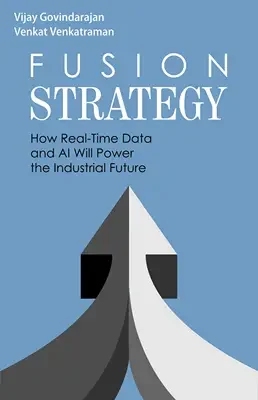
Fusion Strategy offers a groundbreaking perspective on how artificial intelligence and real-time data are reshaping the industrial landscape. Venkatraman and Govindarajan present a compelling vision of the future where traditional business models are transformed by the fusion of digital and physical realms. This book stands out in the crowded field of digital transformation literature by providing actionable strategies for leaders to harness the power of AI and data, making it an essential read for those looking to thrive in the rapidly evolving industrial sector.
Fusion Strategy is primarily aimed at business leaders, executives, and managers in industrial sectors who are grappling with digital transformation. The book is also valuable for entrepreneurs, consultants, and students of business strategy interested in understanding the intersection of AI, data, and industrial operations. While the concepts discussed are complex, the authors have made a concerted effort to present them in an accessible manner, using real-world examples and clear explanations to make the content digestible for readers with varying levels of technical expertise.
What if the key to unlocking unprecedented industrial growth lies not in choosing between digital innovation and physical operations, but in their seamless integration? This is the provocative premise at the heart of Fusion Strategy.
Venkatraman and Govindarajan challenge the traditional dichotomy between digital and physical realms in Fusion Strategy, arguing that the future belongs to those who can masterfully blend both. They paint a vivid picture of an industrial landscape where real-time data and AI are not just add-ons, but the very lifeblood of operations.
The authors draw from a rich tapestry of case studies, from giants like Siemens and John Deere to nimble startups, illustrating how companies are already leveraging this fusion to drive innovation and efficiency. They explore how predictive maintenance powered by AI is revolutionizing equipment uptime, how digital twins are enabling unprecedented levels of process optimization, and how blockchain is transforming supply chain transparency.
But Fusion Strategy is more than just a showcase of cutting-edge technologies. It’s a roadmap for leaders navigating the complex terrain of digital transformation. Venkatraman and Govindarajan offer practical frameworks for assessing an organization’s readiness for fusion and strategies for overcoming common hurdles in implementation.
Readers of Fusion Strategy will gain a deep understanding of how to harness the synergies between physical and digital realms. They’ll learn to identify opportunities for fusion in their own industries, develop strategies for data-driven decision making, and cultivate the organizational capabilities needed to thrive in this new era.
The book doesn’t shy away from the challenges of this transformation. It addresses head-on the issues of data privacy, cybersecurity, and the human impact of automation. Venkatraman and Govindarajan provide thoughtful insights on how to navigate these thorny issues, ensuring that the fusion strategy is not just profitable, but also responsible and sustainable.
The core message of Fusion Strategy is that the future of industry lies in the seamless integration of physical operations with digital technologies, particularly AI and real-time data analytics. It’s like a perfect dance between the tangible and the intangible, where each partner enhances the other’s performance. Just as a skilled chef combines ingredients to create a dish greater than the sum of its parts, successful companies will blend physical and digital elements to create unprecedented value and competitive advantage.
Fusion Strategy marks a significant contribution to the field of digital transformation and industrial strategy. It challenges the often siloed approach to digitalization, where digital initiatives are treated as separate from core operations. Instead, it presents a holistic view that could reshape how industries approach innovation and operations.
The book has garnered attention for its practical approach to a complex topic. While many works on AI and digital transformation remain theoretical, Venkatraman and Govindarajan’s fusion strategy provides actionable insights for implementation. This has made it particularly valuable for industry leaders grappling with real-world challenges of digital integration.
However, the book’s emphasis on extensive digital integration has also sparked debate. Critics argue that the level of fusion advocated may be unrealistic or unnecessary for some industries, particularly those with limited resources or in highly regulated environments.
Despite these discussions, Fusion Strategy has been widely recognized for its forward-thinking approach. It has been praised in business publications and has quickly become required reading in many business schools’ digital strategy curricula. The authors’ track record of predicting industry trends lends additional weight to their vision of an AI and data-driven industrial future.
We find Fusion Strategy to be a valuable and timely contribution to the field of digital transformation and industrial strategy. Venkatraman and Govindarajan have crafted a comprehensive guide that not only explains the concept of digital-physical fusion but also provides practical strategies for its implementation. The book’s strength lies in its forward-looking perspective, offering insights that can help readers prepare for the future of industry rather than simply reacting to current trends.
We appreciate the authors’ balanced approach, addressing both the technological and organizational aspects of digital transformation. Their discussion of the cultural and structural changes necessary for successful implementation of fusion strategies adds depth to the book, making it more than just a technical manual. The inclusion of ethical considerations and potential societal impacts of widespread AI and data analytics adoption also demonstrates a thoughtful, holistic approach to the subject.
The rich array of case studies and examples from various industries serves to ground the theoretical concepts in real-world applications. This practical orientation enhances the book’s value, making it accessible and relevant to a wide range of readers, from executives to managers and consultants involved in digital transformation initiatives.
However, we note that the book has some limitations. Its focus on large, resource-rich companies may make it less directly applicable to small and medium enterprises. Additionally, while the authors do address some potential downsides of digital-physical fusion, their overall tone can be seen as overly optimistic about the potential of AI and data analytics. A more critical examination of the challenges and limitations of these technologies would have provided a more balanced perspective.
We also observe that the book could have benefited from a more in-depth exploration of industry-specific challenges in implementing fusion strategies. The regulatory, technical, and cultural hurdles faced by different sectors in adopting these technologies are not fully addressed, which may limit the book’s applicability in certain contexts.
Our Recommendation
Despite these limitations, we strongly recommend Fusion Strategy to executives, managers, and consultants involved in or planning digital transformation initiatives, particularly in industrial sectors. The book provides valuable insights and practical guidance that can help organizations navigate the complex landscape of digital-physical integration.
For readers seeking a comprehensive understanding of how AI, real-time data, and digital twins can reshape industrial processes and business models, this book is an essential read. However, we suggest complementing it with other resources that offer different perspectives, particularly on the challenges faced by smaller organizations and the potential downsides of rapid technological adoption. Overall, Fusion Strategy stands as a significant contribution to the field, offering a vision of the industrial future that is both inspiring and actionable.
The fusion of physical and digital realms stands at the core of Venkatraman and Govindarajan’s vision for the industrial future. This concept goes beyond mere digitization, calling for a seamless integration where real-time data and AI enhance and transform physical operations. The authors argue that this fusion is not just a competitive advantage, but a necessity for survival in the rapidly evolving industrial landscape. They emphasize that companies must reimagine their entire value chain through the lens of this digital-physical fusion to unlock new opportunities and efficiencies.
Data-driven decision making emerges as a crucial component of the fusion strategy. Venkatraman and Govindarajan stress the importance of not just collecting data, but also developing the capabilities to analyze and act on it in real-time. They propose that companies need to cultivate a data-centric culture where decisions at all levels are informed by insights gleaned from continuous data streams. This approach, they argue, enables more agile responses to market changes, predictive maintenance of equipment, and optimization of processes that were previously thought to be at peak efficiency.
The concept of digital twins features prominently in the book as a powerful tool for implementing fusion strategy. Digital twins are virtual replicas of physical assets or processes that can be used for simulation, analysis, and optimization. The authors explore how these digital replicas can be used to test scenarios, predict outcomes, and identify improvements without the cost and risk associated with physical experimentation. They argue that digital twins represent a fundamental shift in how companies can approach product development, manufacturing, and maintenance.
Artificial Intelligence (AI) is presented as the linchpin technology enabling the fusion of digital and physical realms. Venkatraman and Govindarajan detail how AI can process vast amounts of data from sensors and other sources to generate actionable insights, automate complex processes, and even make autonomous decisions. They emphasize that AI’s true power lies not in replacing human workers, but in augmenting human capabilities and freeing up human capital for more creative and strategic tasks. The authors also discuss the ethical considerations and potential societal impacts of widespread AI adoption in industry.
The transformation of business models is another key topic explored in the book. Venkatraman and Govindarajan argue that the fusion of digital and physical realms opens up new possibilities for how companies create, deliver, and capture value. They discuss the shift from product-centric to service-centric models, where companies leverage data and AI to offer ongoing services and solutions rather than one-time sales. The authors also explore how fusion strategy can enable new forms of collaboration and ecosystem-based business models, where multiple companies work together in data-rich environments to create value that no single entity could achieve alone.
Organizational readiness for fusion strategy is a critical aspect that the authors address in depth. They argue that successfully implementing a fusion strategy requires more than just technological investment – it demands a fundamental shift in organizational culture, skills, and structures. Venkatraman and Govindarajan outline the key capabilities that companies need to develop, including data literacy across all levels of the organization, cross-functional collaboration, and agile decision-making processes. They also discuss the leadership challenges involved in driving this transformation and provide guidance on how executives can navigate the complex change management process.
The broader implications of fusion strategy for industry and society are thoroughly examined in the book. Venkatraman and Govindarajan discuss how the widespread adoption of fusion strategies could lead to significant shifts in industry structures, potentially blurring the lines between traditional sector boundaries. They explore the potential for increased productivity and innovation, but also address concerns about job displacement and the need for reskilling the workforce. The authors also delve into the policy implications of this industrial transformation, discussing the need for new regulatory frameworks to address issues of data privacy, algorithmic bias, and the concentration of digital power.
Siemens’ Digital Twin Revolution: Siemens leveraged digital twin technology to optimize the design and operation of its gas turbines. By creating virtual replicas of their turbines, Siemens could simulate various operating conditions, predict maintenance needs, and improve efficiency without physical testing. This approach led to significant cost savings and performance improvements.
John Deere’s Data-Driven Agriculture: John Deere transformed from a traditional farm equipment manufacturer to a provider of precision agriculture solutions. By integrating sensors, GPS technology, and data analytics into their machinery, John Deere enabled farmers to make data-driven decisions about planting, irrigation, and harvesting. This fusion of digital capabilities with physical equipment has helped farmers increase yields and reduce resource usage.
GE’s Predix Platform: General Electric developed the Predix platform as a cornerstone of its industrial internet strategy. This cloud-based platform collects and analyzes data from industrial equipment across various sectors. GE used Predix to offer predictive maintenance services for aircraft engines, power plants, and other industrial assets, showcasing how fusion strategy can create new service-based business models.
Tesla’s Over-the-Air Updates: Tesla exemplifies the fusion of digital and physical realms in the automotive industry. The company’s ability to push software updates to its vehicles over the air allows for continuous improvement of vehicle performance and features. This approach has redefined the relationship between car manufacturers and consumers, turning the car into a constantly evolving product.
Rolls-Royce’s Power-by-the-Hour: Rolls-Royce’s aircraft engine business model transformation is cited as a prime example of how fusion strategy can lead to new value propositions. Instead of selling engines outright, Rolls-Royce offers “power-by-the-hour,” where airlines pay for engine operating time. This model is enabled by real-time data monitoring and predictive maintenance, aligning Rolls-Royce’s interests with those of its customers.
Ocado’s Automated Warehouses: The online grocer Ocado’s highly automated warehouses demonstrate the power of fusion strategy in retail and logistics. Ocado’s facilities use AI-controlled robots to pick and pack groceries, with real-time data analytics optimizing everything from inventory management to delivery routes. This fusion of digital intelligence with physical operations has allowed Ocado to achieve efficiencies that were previously impossible in the grocery industry.
Philips’ HealthSuite Digital Platform: Philips’ transformation from an electronics company to a health technology leader illustrates the potential of fusion strategy in healthcare. The HealthSuite Digital Platform integrates data from various medical devices and health records, enabling better patient monitoring, predictive diagnostics, and personalized treatment plans. This example shows how fusion strategy can improve not just business outcomes, but also critical aspects of human life like healthcare.
The Fusion Imperative
Venkatraman and Govindarajan argue that the fusion of digital and physical realms is not just an option but a necessity for industrial companies to survive and thrive. They emphasize that companies must go beyond mere digitization and instead fully integrate digital capabilities into their core operations. To apply this insight, companies should start by conducting a comprehensive audit of their value chain, identifying areas where digital technologies can enhance physical processes. For example, a manufacturing company might integrate IoT sensors into their production lines to collect real-time data on machine performance, then use AI algorithms to optimize production schedules and predict maintenance needs. This fusion approach can lead to significant improvements in efficiency, quality, and cost-effectiveness.
Data as a Strategic Asset
The book emphasizes the critical role of data as a strategic asset in the fusion strategy. Venkatraman and Govindarajan argue that companies must develop capabilities to not only collect vast amounts of data but also to analyze and act on it in real-time. To implement this insight, organizations should invest in robust data infrastructure and analytics capabilities. This might involve setting up data lakes to store and manage large volumes of diverse data, implementing advanced analytics tools for real-time processing, and training employees in data literacy. Companies should also establish clear data governance policies to ensure data quality, security, and compliance with regulations. For instance, a retail company could use customer transaction data, social media interactions, and in-store behavior tracking to create personalized shopping experiences and optimize inventory management.
Digital Twins as Transformation Catalysts
Digital twins emerge as a powerful tool for implementing fusion strategy in the book. These virtual replicas of physical assets or processes allow companies to simulate, analyze, and optimize operations in a risk-free digital environment. To apply this insight, companies should identify key assets or processes that would benefit from digital twin technology. For example, a city planning department could create a digital twin of the entire city, incorporating data on traffic patterns, energy usage, and population demographics. This digital twin could be used to test different urban development scenarios, optimize public transportation routes, and improve emergency response planning. The key is to ensure that the digital twin is continuously updated with real-time data from the physical world to maintain its accuracy and usefulness.
AI as the Enabler of Fusion
Artificial Intelligence is presented as the key technology enabling the fusion of digital and physical realms. Venkatraman and Govindarajan highlight AI’s ability to process vast amounts of data, generate insights, and even make autonomous decisions. To leverage this insight, companies should develop a comprehensive AI strategy that goes beyond isolated applications. This might involve creating cross-functional AI teams, investing in AI training for employees at all levels, and developing ethical guidelines for AI use. For instance, a logistics company could implement AI-powered route optimization that takes into account real-time traffic data, weather conditions, and delivery priorities. The AI system could continuously learn and improve its recommendations based on actual delivery outcomes, leading to significant efficiency gains.
Business Model Transformation
The authors argue that fusion strategy often requires a fundamental rethinking of business models. They suggest that companies should move beyond traditional product-centric models to explore service-based and ecosystem models enabled by digital-physical fusion. To apply this insight, companies should start by reimagining their value proposition from the customer’s perspective. For example, a farm equipment manufacturer could shift from selling tractors to offering a comprehensive “precision farming” service. This service could include smart, connected tractors, data analytics for crop optimization, and ongoing support and upgrades. The key is to leverage data and digital capabilities to create ongoing value for customers, rather than relying on one-time sales.
Organizational Readiness for Fusion
Venkatraman and Govindarajan stress the importance of organizational readiness in successfully implementing a fusion strategy. They argue that companies need to develop new capabilities, reshape their culture, and reorganize their structures to fully leverage the power of digital-physical fusion. To apply this insight, companies should start by assessing their current digital maturity and identifying gaps in skills and capabilities. This might involve creating new roles such as Chief Data Officer or AI Ethicist, implementing cross-functional teams to break down silos, and establishing continuous learning programs to keep employees up-to-date with rapidly evolving technologies. For instance, a traditional manufacturing company might create an innovation lab where employees from different departments can experiment with new technologies and develop fusion-oriented solutions.
Ecosystem Thinking
The book highlights the importance of ecosystem thinking in the era of digital-physical fusion. Venkatraman and Govindarajan argue that companies can no longer operate in isolation and must instead cultivate networks of partners to create and capture value. To implement this insight, companies should map out their current ecosystem and identify opportunities for collaboration and data sharing. This might involve creating open APIs to allow partners to integrate with their systems, establishing data-sharing agreements, or even creating joint ventures to tackle complex challenges. For example, an automotive company might partner with tech firms, city planners, and energy providers to develop a comprehensive smart city mobility solution. The key is to leverage the diverse capabilities and data sources within the ecosystem to create value that no single entity could achieve alone.
Ethical Considerations in Fusion Strategy
Venkatraman and Govindarajan emphasize the importance of addressing ethical considerations in the implementation of fusion strategies. They argue that as companies increasingly rely on AI and data analytics, they must be proactive in addressing issues such as data privacy, algorithmic bias, and the societal impact of automation. To apply this insight, companies should establish clear ethical guidelines for their use of data and AI. This might involve creating an ethics review board to assess new initiatives, implementing rigorous testing procedures to identify and mitigate algorithmic bias, and being transparent with customers about how their data is being used. For instance, a healthcare company implementing AI-driven diagnostics should ensure that their algorithms are tested across diverse populations to avoid bias, and should provide clear explanations of AI-generated recommendations to both doctors and patients.
Continuous Innovation and Adaptation
The authors stress that fusion strategy is not a one-time transformation but a continuous process of innovation and adaptation. They argue that companies must develop the capability to continuously sense changes in their environment and rapidly adapt their strategies. To implement this insight, companies should establish processes for ongoing environmental scanning and rapid experimentation. This might involve creating dedicated innovation teams, implementing agile methodologies across the organization, and establishing partnerships with startups and academic institutions to stay at the forefront of technological developments. For example, a retail bank might set up a fintech accelerator program to collaborate with startups on new fusion-driven financial services, allowing them to rapidly test and scale new ideas in response to changing customer needs and technological possibilities.
Comprehensive Framework for Digital-Physical Integration
Fusion Strategy excels in providing a comprehensive framework for integrating digital technologies with physical operations. Venkatraman and Govindarajan offer a clear roadmap for companies looking to navigate the complex landscape of digital transformation. They go beyond surface-level discussions of digitization, diving deep into how AI, real-time data, and digital twins can fundamentally reshape industrial processes. The authors’ approach is particularly valuable because it emphasizes the importance of holistic transformation rather than piecemeal adoption of digital tools. Their framework helps readers understand not just the ‘what’ of digital-physical fusion, but also the ‘how’ and ‘why’, providing actionable insights for implementation.
Rich Case Studies and Examples
One of the book’s major strengths lies in its use of diverse and detailed case studies. Venkatraman and Govindarajan draw from a wide range of industries, from manufacturing to healthcare, to illustrate their points. These real-world examples serve to ground the theoretical concepts in practical applications, making the book’s ideas more tangible and accessible. For instance, their exploration of how Siemens uses digital twins to optimize gas turbine design offers a concrete illustration of how fusion strategy can drive innovation and efficiency. The depth and variety of these case studies not only enhance the book’s credibility but also provide readers with a rich source of inspiration for applying fusion strategies in their own contexts.
Forward-Looking Perspective
Fusion Strategy stands out for its forward-looking perspective on industrial transformation. Venkatraman and Govindarajan don’t just describe current trends; they project how these trends will evolve and shape the future of industry. Their discussion of how AI and real-time data will enable new business models and ecosystem-based strategies is particularly insightful. This forward-looking approach helps readers prepare for future challenges and opportunities, rather than simply reacting to current conditions. The authors’ track record in predicting industry trends lends weight to their projections, making this aspect of the book especially valuable for strategic planning.
Balanced Treatment of Technology and Organizational Factors
The book strikes an excellent balance between discussing technological innovations and addressing the organizational changes necessary to implement them. While many books in this genre focus primarily on technology, Venkatraman and Govindarajan give equal weight to the cultural, structural, and skill-based transformations that companies must undergo to successfully implement fusion strategies. Their insights on developing data literacy across organizations, fostering cross-functional collaboration, and cultivating a culture of continuous learning are particularly valuable. This balanced approach ensures that readers come away with a holistic understanding of what it takes to succeed in the era of digital-physical fusion.
Ethical Considerations and Societal Impact
A notable strength of Fusion Strategy is its thoughtful treatment of ethical considerations and societal impacts. Venkatraman and Govindarajan don’t shy away from addressing the potential downsides of widespread AI adoption and data-driven decision making. They discuss issues such as data privacy, algorithmic bias, and the potential for job displacement with nuance and depth. By including these discussions, the authors provide a more complete picture of the challenges and responsibilities that come with implementing fusion strategies. This ethical dimension adds depth to the book and helps readers consider the broader implications of their strategic decisions.
Practical Implementation Guidance
The book excels in providing practical guidance for implementing fusion strategies. Venkatraman and Govindarajan offer specific, actionable advice on everything from assessing an organization’s digital maturity to developing new capabilities and restructuring for digital-physical integration. Their discussion of how to create and leverage digital twins, for instance, includes concrete steps and considerations for implementation. This practical orientation makes the book valuable not just for understanding fusion strategy conceptually, but for actually putting it into practice. The authors’ experience in consulting and working with companies on digital transformation shines through in the practicality and depth of their recommendations.
Limited Discussion of Small and Medium Enterprises
While Fusion Strategy provides valuable insights for large corporations, it falls short in addressing the unique challenges and opportunities for small and medium enterprises (SMEs). The case studies and examples predominantly feature large, resource-rich companies, which may make it difficult for smaller organizations to see how they can apply the book’s strategies. The authors could have strengthened their work by including more examples of how SMEs can leverage fusion strategies within their resource constraints, or by discussing how smaller companies might approach digital-physical integration incrementally.
Insufficient Attention to Industry-Specific Challenges
Although the book covers a range of industries, it sometimes overlooks the specific regulatory, technical, or cultural challenges that different sectors face in implementing fusion strategies. For instance, highly regulated industries like healthcare or finance may face unique hurdles in data sharing and AI implementation that aren’t fully explored. A more in-depth discussion of how fusion strategies might need to be adapted for different industry contexts would have enhanced the book’s applicability and value for readers from diverse sectors.
Optimistic View of AI and Data Analytics
While the authors do address some ethical concerns, their overall portrayal of AI and data analytics can be seen as overly optimistic. They could have provided a more balanced view by delving deeper into the potential pitfalls and limitations of these technologies. For example, they could have explored in more detail the challenges of data quality and availability, the potential for AI systems to perpetuate or exacerbate existing biases, or the difficulties in explaining AI-driven decisions in certain contexts. A more critical examination of these issues would have provided readers with a more comprehensive understanding of the challenges involved in implementing fusion strategies.
Limited Exploration of Resistance to Change
While the book discusses the need for organizational change to implement fusion strategies, it could have provided more in-depth insights into managing resistance to these changes. Digital-physical fusion often involves significant shifts in roles, processes, and even organizational culture, which can lead to employee resistance. The authors could have strengthened their work by offering more strategies for overcoming this resistance, managing the human side of digital transformation, and ensuring buy-in at all levels of the organization.
Overemphasis on Technological Solutions
One potential blind spot in Fusion Strategy is its strong focus on technological solutions, which might lead readers to underestimate the importance of non-technical factors in successful digital transformation. While the authors do discuss organizational change, there’s a risk that readers might come away with the impression that the right technologies alone can drive successful fusion strategies. This perspective overlooks the critical role of leadership, organizational culture, and employee engagement in driving successful transformations. Books like Leading Digital by George Westerman, Didier Bonnet, and Andrew McAfee offer a more balanced view, emphasizing the importance of leadership and organizational factors in digital transformation.
Assumption of Data Availability and Quality
The book may create a blind spot by implicitly assuming the availability of high-quality, relevant data for implementing fusion strategies. In reality, many organizations struggle with data quality issues, data silos, or simply a lack of relevant data to drive their digital initiatives. This assumption could lead readers to underestimate the challenges and investments required in data infrastructure and data governance before they can effectively implement fusion strategies. Data Strategy by Bernard Marr provides a more comprehensive look at the challenges and strategies for building a data-driven organization.
Limited Discussion of Cybersecurity Risks
While Fusion Strategy touches on data privacy, it doesn’t fully explore the increased cybersecurity risks that come with greater digital-physical integration. As companies implement more connected systems and rely more heavily on data and AI, they also become more vulnerable to cyber attacks. This blind spot could lead readers to underestimate the importance of robust cybersecurity measures in their fusion strategies. The Perfect Weapon by David E. Sanger offers a sobering look at the cybersecurity challenges in our increasingly connected world, which could complement the insights from Fusion Strategy.
Overlooking the Digital Divide
The book may create a blind spot by not fully addressing the implications of the digital divide in implementing fusion strategies. Not all regions or industries have equal access to the advanced technologies, skills, and infrastructure needed for digital-physical fusion. This oversight could lead readers to develop strategies that are not feasible or appropriate in all contexts. Additionally, the increasing reliance on digital technologies could exacerbate existing inequalities between digitally advanced and less advanced regions or organizations. The Digital Divide by Massimo Ragnedda provides a more in-depth exploration of these issues and their implications for digital transformation strategies.
The Digital Transformation Playbook by David L. Rogers
The Digital Transformation Playbook offers a complementary perspective to Fusion Strategy. While Venkatraman and Govindarajan focus on the integration of digital and physical realms in industrial contexts, Rogers provides a broader framework for digital transformation across various sectors. Rogers’ book emphasizes five domains of transformation: customers, competition, data, innovation, and value. In contrast to Fusion Strategy’s deep dive into AI and real-time data, Rogers offers a more high-level strategic approach. However, both books stress the importance of reimagining business models in the digital age. The Digital Transformation Playbook might be more accessible for readers new to digital transformation concepts, while Fusion Strategy offers more depth on specific technologies and their industrial applications.
The Second Machine Age by Erik Brynjolfsson and Andrew McAfee
The Second Machine Age provides a broader societal perspective on the impacts of digital technologies, offering an interesting contrast to Fusion Strategy’s more business-focused approach. Brynjolfsson and McAfee explore how digital technologies are reshaping economies and societies, discussing both the opportunities and challenges this presents. While Fusion Strategy focuses on how companies can leverage digital-physical fusion, The Second Machine Age delves into the broader implications of these technologies for employment, education, and economic inequality. The books complement each other well, with Fusion Strategy providing practical strategies for businesses and The Second Machine Age offering a wider context for understanding the societal shifts driving and resulting from these business transformations.
The Industries of the Future by Alec Ross
Ross’s book offers a broader, more geopolitical perspective on emerging technologies and their impacts, providing an interesting counterpoint to Fusion Strategy. While Venkatraman and Govindarajan focus on how businesses can leverage digital-physical fusion, Ross explores how different technologies – including AI, robotics, and cybersecurity – will shape various industries and economies globally. The Industries of the Future provides more emphasis on regional differences in technology adoption and innovation, which is an aspect less explored in Fusion Strategy. However, both books share a forward-looking perspective and an emphasis on the transformative power of digital technologies. Reading both would give readers a more comprehensive understanding of both the business strategies and the global context of technological transformation.
Machine, Platform, Crowd by Andrew McAfee and Erik Brynjolfsson
Machine, Platform, Crowd offers a different framework for understanding digital transformation, focusing on three key shifts: the growth of machine learning, the rise of digital platforms, and the increasing power of crowds. While Fusion Strategy emphasizes the integration of digital and physical realms, McAfee and Brynjolfsson explore how these three forces are reshaping business and society. Their book provides more emphasis on the role of platforms and crowdsourcing in digital transformation, aspects that receive less attention in Fusion Strategy. However, both books share a focus on how AI and data analytics are transforming business processes. Machine, Platform, Crowd might be seen as offering a broader conceptual framework, while Fusion Strategy provides more detailed guidance on implementation in industrial contexts.
The Fourth Industrial Revolution by Klaus Schwab
Schwab’s book provides a broader, more macro-level perspective on technological change compared to Fusion Strategy. While Venkatraman and Govindarajan focus specifically on the fusion of digital and physical realms in industry, Schwab explores a wider range of emerging technologies – including biotechnology, nanotechnology, and quantum computing – and their potential impacts on society, economics, and geopolitics. The Fourth Industrial Revolution offers less practical guidance for businesses but provides a richer context for understanding the technological shifts that Fusion Strategy aims to address. Reading both books would give readers a comprehensive view of both the strategic implications for businesses and the broader societal impacts of technological change.
Develop Digital Literacy and AI Awareness
Assess Your Professional Environment
Develop a Personal Fusion Strategy
Build a Data-Driven Mindset
Embrace Continuous Learning and Adaptation
Advocate for Digital-Physical Fusion
Consider Ethical Implications
Develop a Comprehensive Fusion Strategy
Organizations should start by developing a comprehensive fusion strategy that aligns with their overall business goals. This involves identifying key areas where digital-physical integration can create the most value, setting clear objectives for fusion initiatives, and creating a roadmap for implementation. The strategy should encompass various aspects of the business, from operations and product development to customer engagement and supply chain management.
However, creating such a strategy can be challenging due to the complexity of digital-physical fusion and the rapid pace of technological change. Many organizations struggle to understand the full potential of fusion technologies or to envision how they can be applied across different business functions. Additionally, there may be resistance from employees or stakeholders who are comfortable with existing processes or skeptical of the need for such a comprehensive transformation.
To overcome these challenges, businesses can start by forming a cross-functional fusion strategy team that includes representatives from IT, operations, product development, and business strategy. This team should be tasked with educating themselves on fusion technologies, conducting a thorough assessment of the organization’s current digital capabilities, and identifying potential high-impact fusion projects. Engaging external consultants or partnering with technology providers can also help bring in fresh perspectives and expertise. The team should focus on developing a clear business case for fusion initiatives, highlighting potential ROI and competitive advantages to gain buy-in from stakeholders.
Invest in Data Infrastructure and Analytics Capabilities
Implementing fusion strategies requires robust data infrastructure and advanced analytics capabilities. Organizations need to invest in technologies that enable real-time data collection, processing, and analysis. This includes setting up IoT sensors, implementing data lakes or warehouses, and deploying advanced analytics and AI platforms. Developing these capabilities is crucial for enabling data-driven decision making and creating value from the integration of digital and physical realms.
However, building such infrastructure can be costly and complex. Many organizations face challenges in integrating disparate data sources, ensuring data quality and consistency, and complying with data privacy regulations. There’s also often a shortage of skilled data scientists and analysts who can effectively leverage these technologies. Furthermore, the rapid evolution of data and AI technologies can make it difficult to choose the right solutions and avoid costly missteps.
To address these challenges, organizations should take a phased approach to building their data infrastructure. Start by identifying the most critical data sources and use cases, then gradually expand the infrastructure as capabilities and needs grow. Invest in data governance frameworks to ensure data quality and compliance. To address skill shortages, consider partnering with universities or coding bootcamps to develop talent pipelines, or explore managed services and cloud-based solutions that can provide access to advanced analytics capabilities without requiring extensive in-house expertise. Regular assessment of emerging technologies and their potential impact can help inform infrastructure investments and prevent technology lock-in.
Create Digital Twins of Key Assets and Processes
Digital twins, as highlighted in “Fusion Strategy,” can be powerful tools for optimizing operations, predicting maintenance needs, and testing new strategies in a risk-free virtual environment. Organizations should identify key assets or processes that would benefit from digital twin technology and invest in creating accurate, real-time virtual replicas. This could range from individual machines or products to entire production lines or even full-scale operations.
Implementing digital twins, however, can be technically challenging and resource-intensive. It requires not only sophisticated modeling and simulation capabilities but also a continuous stream of real-time data from physical assets. Many organizations struggle with the complexity of creating accurate models, integrating various data sources, and maintaining the fidelity of the digital twin over time. There’s also often a need for specialized skills in areas like 3D modeling, physics simulation, and data integration.
To overcome these challenges, organizations can start with small-scale pilot projects focused on high-value assets or processes. This allows for learning and capability building without overwhelming resources. Partnering with technology vendors or consultants who specialize in digital twin implementation can provide access to necessary expertise and tools. It’s also crucial to involve the employees who work directly with the physical assets in the development and use of digital twins, as their domain knowledge is invaluable for creating accurate models and interpreting results. As the organization gains experience, it can gradually expand its digital twin initiatives to cover more assets and processes.
Develop AI-Driven Decision-Making Capabilities
Artificial Intelligence is a key enabler of fusion strategies, allowing organizations to process vast amounts of data, uncover insights, and even automate complex decision-making processes. Businesses should invest in developing AI capabilities that can enhance various aspects of their operations, from predictive maintenance and quality control to demand forecasting and personalized customer experiences.
However, implementing AI effectively presents several challenges. There’s often a lack of understanding about AI’s capabilities and limitations among business leaders, leading to unrealistic expectations or misguided implementations. Data quality issues can significantly impact AI performance, and there are concerns about the explainability and trustworthiness of AI-driven decisions. Additionally, integrating AI into existing business processes and getting employees to trust and effectively use AI-driven insights can be difficult.
To address these challenges, organizations should start by focusing on clearly defined, high-value use cases for AI. Invest in AI literacy programs for employees at all levels to build understanding and trust in AI technologies. Implement robust data quality processes and consider using explainable AI techniques that can provide transparency into how decisions are made. It’s also crucial to approach AI implementation as a collaborative effort between data scientists, domain experts, and end-users to ensure that AI solutions are practical, trustworthy, and effectively integrated into business processes. Regular evaluation and refinement of AI models based on real-world performance and feedback is essential for long-term success.
Foster an Ecosystem-Oriented Approach
“Fusion Strategy” emphasizes the importance of ecosystem thinking in the era of digital-physical fusion. Organizations should look beyond their own boundaries and cultivate networks of partners to create and capture value. This might involve creating open APIs to allow partners to integrate with their systems, establishing data-sharing agreements, or even creating joint ventures to tackle complex challenges.
However, shifting to an ecosystem-oriented approach can be challenging. Many organizations are accustomed to operating in silos and may be hesitant to share data or collaborate closely with external partners. There are often concerns about data security, intellectual property protection, and maintaining competitive advantage. Additionally, managing complex ecosystems requires new skills and governance structures that many organizations lack.
To overcome these obstacles, start by identifying potential ecosystem partners whose capabilities complement your own and where collaboration could create mutual value. Develop clear data-sharing agreements and governance structures that protect all parties’ interests while enabling collaboration. Invest in secure API and data exchange technologies to facilitate safe and efficient collaboration. It’s also important to cultivate an organizational culture that values openness and collaboration. This might involve creating incentives for employees to engage in ecosystem-building activities or establishing dedicated teams focused on managing external partnerships. Regular ecosystem health assessments can help identify and address potential issues before they become significant problems.
Implement Continuous Learning and Adaptation Processes
Given the rapid pace of technological change, organizations must develop the capability to continuously sense changes in their environment and rapidly adapt their strategies. This involves establishing processes for ongoing environmental scanning, rapid experimentation, and agile strategy adjustment.
However, many organizations struggle with this level of agility and adaptability. Traditional hierarchical structures and decision-making processes can slow down response times. There’s often resistance to change, particularly when it involves abandoning established practices or investments. Additionally, continuous adaptation requires a level of risk tolerance that many organizations find uncomfortable.
To address these challenges, organizations can implement agile methodologies not just in IT, but across all business functions. Establish cross-functional innovation teams empowered to rapidly test and iterate on new ideas. Develop partnerships with startups, academic institutions, and technology providers to stay at the forefront of emerging technologies and business models. Implement a culture of continuous learning by providing employees with opportunities for ongoing skill development and encouraging experimentation. It’s also crucial to develop metrics and feedback mechanisms that can quickly identify when strategies need to be adjusted. Regular strategy review sessions that incorporate real-time data and market insights can help ensure that the organization remains responsive to changing conditions.
Quantum Computing in Industrial Applications
Quantum computing could revolutionize the fusion strategies outlined in the book. As quantum computers become more practical, they could dramatically enhance AI capabilities and complex simulations. This might enable even more sophisticated digital twins and predictive models. Industries could leverage quantum computing for optimizing supply chains, designing new materials, or solving complex logistical problems. However, integrating quantum computing with existing systems will pose significant challenges.
Edge Computing and 5G Networks
The proliferation of edge computing and 5G networks will likely accelerate the implementation of fusion strategies. These technologies enable faster processing of data closer to its source, reducing latency and enabling real-time decision making. This could enhance the effectiveness of IoT sensors and AI-driven systems in industrial settings. Companies might be able to create more responsive and adaptive production systems. Yet, managing the increased complexity of distributed computing environments will be a key challenge.
Augmented and Virtual Reality in Industrial Processes
AR and VR technologies could play a significant role in the future of digital-physical fusion. These technologies could enhance the visualization and interaction with digital twins, improving design processes and maintenance procedures. AR could provide real-time data overlays for workers in manufacturing or logistics settings. VR might be used for immersive training experiences or remote collaboration. Integrating these technologies seamlessly into existing workflows and ensuring they provide tangible value will be crucial.
Blockchain for Supply Chain Transparency
Blockchain technology could enhance the ecosystem approach discussed in the book. It could provide a secure, transparent way to share data across complex supply chains. This might enable better traceability, reduce fraud, and improve coordination among ecosystem partners. Smart contracts could automate many inter-company processes. However, widespread adoption of blockchain in industrial settings will require overcoming issues of scalability and energy consumption.
Biometric Data and Human-Machine Interfaces
Advanced biometric sensors and brain-computer interfaces could take human-machine interaction to new levels. This might enable more intuitive control of industrial systems or provide deeper insights into worker performance and wellbeing. Imagine a factory where machines automatically adjust to each worker’s physical state or cognitive load. While promising, these technologies raise significant privacy and ethical concerns that will need to be addressed.
Fusion Strategy is likely to have significant long-term influence on the field of digital transformation and industrial strategy. By providing a comprehensive framework for integrating digital technologies with physical operations, the book offers a roadmap that could shape how companies approach digital transformation for years to come. Its emphasis on the seamless blend of digital and physical realms could accelerate the adoption of technologies like AI, IoT, and digital twins across various industries.
The book’s insights on data as a strategic asset and the importance of developing organizational capabilities for data-driven decision making are likely to influence corporate strategies and investment priorities. As companies increasingly recognize the value of data, we may see a shift in how organizations structure themselves and develop their workforce, with a greater emphasis on data literacy and cross-functional collaboration.
The authors’ discussion of new business models enabled by digital-physical fusion could catalyze innovation in various sectors. We might see a proliferation of service-based and ecosystem-oriented business models, particularly in traditional industries that have been slower to digitize. This could lead to significant disruptions in established industries and the emergence of new players that are better positioned to leverage fusion strategies.
However, the book’s influence may also bring challenges. The emphasis on AI and data-driven decision making could exacerbate concerns about job displacement and privacy. As more companies adopt fusion strategies, we may see increased public and regulatory scrutiny of data practices and AI applications. This could lead to new regulations governing the use of AI and data in industrial contexts.
The book’s insights on the need for ecosystem thinking in the era of digital-physical fusion could have far-reaching implications for industry structures and competitive dynamics. We might see an increase in strategic partnerships and collaborations across industries, as companies seek to leverage complementary capabilities and data sources. This could lead to the blurring of traditional industry boundaries and the emergence of new, data-driven ecosystems.
In the longer term, the widespread adoption of fusion strategies as outlined in the book could contribute to significant productivity gains and innovation across industries. However, it may also widen the gap between digitally advanced companies and those lagging in digital transformation. This could have implications for economic inequality and market concentration, potentially necessitating new policy approaches to ensure the benefits of digital-physical fusion are broadly distributed.
The AI Economy by Roger Bootle: This book provides a broader economic perspective on the AI revolution, complementing the industrial focus of Fusion Strategy. Bootle explores how AI will reshape labor markets, economic growth, and inequality. His insights can help readers understand the wider economic context and potential societal impacts of the fusion strategies discussed by Venkatraman and Govindarajan.
The Technology Fallacy by Gerald C. Kane, Anh Nguyen Phillips, Jonathan R. Copulsky, and Garth R. Andrus: While Fusion Strategy focuses on technological integration, The Technology Fallacy emphasizes the crucial role of organizational culture and people in digital transformation. This book can help readers understand the human side of implementing fusion strategies, offering insights on developing a digital culture and the leadership skills needed for successful transformation.
Platform Revolution by Geoffrey G. Parker, Marshall W. Van Alstyne, and Sangeet Paul Choudary: This book dives deep into the concept of platform business models, which is touched upon in Fusion Strategy. It can provide readers with a more comprehensive understanding of how digital platforms are reshaping industries and how traditional companies can leverage platform thinking in their fusion strategies.
The Cybersecurity Playbook by Allison Cerra: As fusion strategies involve increased connectivity and data sharing, cybersecurity becomes crucial. Cerra’s book offers practical guidance on developing robust cybersecurity strategies, which can help readers address one of the key challenges in implementing the ideas presented in Fusion Strategy.
Competing in the Age of AI by Marco Iansiti and Karim R. Lakhani: This book provides a deep dive into how AI is reshaping business competition, complementing the AI aspects discussed in Fusion Strategy. Iansiti and Lakhani offer insights on how companies can redesign their operating models around AI, which can be valuable for readers looking to implement AI-driven fusion strategies.
Data Strategy by Bernard Marr: Marr’s book focuses on how organizations can leverage data as a strategic asset, which is a key aspect of the fusion strategies discussed by Venkatraman and Govindarajan. It offers practical advice on developing a data strategy, addressing data quality issues, and creating a data-driven culture, all of which are crucial for successful implementation of fusion strategies.
The Age of Surveillance Capitalism by Shoshana Zuboff: While not directly related to industrial strategies, Zuboff’s book provides a critical perspective on the societal implications of widespread data collection and use. It can help readers of Fusion Strategy consider the ethical dimensions and potential societal impacts of their fusion initiatives, encouraging a more holistic and responsible approach to digital-physical integration.
Websites and Online Platforms
MIT Sloan Management Review: This platform offers cutting-edge research and ideas on digital transformation and management in the digital age. It frequently features articles and case studies relevant to fusion strategies. https://sloanreview.mit.edu/
McKinsey Digital: McKinsey’s digital hub provides insights, articles, and reports on digital transformation across various industries. It’s a valuable resource for understanding the practical implementation of digital strategies. https://www.mckinsey.com/capabilities/mckinsey-digital/our-insights
World Economic Forum – Fourth Industrial Revolution: This section of the WEF website focuses on the technologies shaping the future of industry, providing reports, articles, and videos on topics closely related to fusion strategies. https://www.weforum.org/focus/fourth-industrial-revolution
Conferences
Industry of Things World: This conference focuses on Industrial IoT and digital transformation in manufacturing, providing insights into the practical application of fusion strategies. https://www.industryofthingsworld.com/
AI & Big Data Expo: This event covers the latest innovations in AI and big data across various industries, offering valuable insights for those looking to implement AI-driven fusion strategies. https://www.ai-expo.net/
Professional Organizations
IEEE: The Institute of Electrical and Electronics Engineers offers resources, standards, and communities focused on advanced technologies, including those central to fusion strategies. https://www.ieee.org/
ISACA: This global professional association focuses on IT governance, offering resources and certifications relevant to managing the risks and opportunities of digital transformation. https://www.isaca.org/
Podcasts
The Digital Transformation Podcast: This podcast features interviews with leaders and experts in digital transformation, offering practical insights and case studies. https://salestransformation.io/podcast/
The Industrial IoT Spotlight: This podcast focuses on Industrial IoT and its applications, providing in-depth discussions on technologies crucial to fusion strategies. https://www.iotone.com/iotone-podcast
Courses
Digital Transformation Strategy (Coursera): This course from BCG and the University of Virginia offers a comprehensive overview of digital transformation strategies. https://www.coursera.org/learn/bcg-uva-darden-digital-transformation
AI for Everyone (Coursera): This course by Andrew Ng provides a non-technical overview of AI and its business implications, valuable for understanding the AI aspects of fusion strategies. https://www.coursera.org/learn/ai-for-everyone
Documentaries and Films
The Social Dilemma: While focused on social media, this documentary provides insights into the power and potential risks of AI and data analytics, relevant to the ethical considerations of fusion strategies. Available on Netflix.
AlphaGo: This documentary showcases the power of AI in complex decision-making, illustrating the potential of AI technologies central to fusion strategies. Available on YouTube.


Discover the key takeaways from top non-fiction books in minutes. Get the wisdom you need to succeed fast. Here, learning is quick, engaging, and always at your fingertips.
© 2025 All Rights Reserved.