
Reviews
“A provocative and enlightening read…It is a pleasure to travel through this land of rapid cognition with a guide as curious and insightful as Gladwell.”– Atlanta Journal-Constitution
“Bestselling author Gladwell has a dazzling ability to find commonality in disparate fields of study…Each case study is satisfying, and Gladwell imparts his own evident pleasure in delving into a wide range of fields and seeking an underlying truth.”– Publishers Weekly
“The stories are nicely written and…inform and entertain at the same time…Brisk, impressively done narratives.”– Kirkus Reviews
“Malcolm Gladwell…set out to discover what underlies our gut decisions, exploring when we can (and should) trust them…even whether we can learn to make good ones…he offers surprising insights into the power of the unconscious to get it right.”– Barnes & Noble, editorial review
“A really fun ride…Gladwell offers a near-limitless supply of fascinating anecdotes…He is without peer in his ability to sum up complex concepts with a simple, tight phrase.”– Chicago Tribune
“Compelling…Blink satisfies and gratifies…It features the fascinating case studies, skilled interweavings of psychological experiments, and explanations and unexpected connections among disparate phenomenon that are Gladwell’s impressive trademark.”– Washington Post
“Blink moves quickly through a series of delightful stories…Gladwell is always dazzling us with fascinating information and phenomena…If you want to trust my snap judgement, buy this book: you’ll be delighted.”– New York Times Book Review
“An entertaining and thought-provoking read…Blink is full of accounts of fascinating experiments that almost beg you to repeat them.”– Cleveland Plain Dealer
“Mr. Gladwell is a gifted storyteller, able to find memorable characters and delightful anecdotes wherever he goes.”– Wall Street Journal
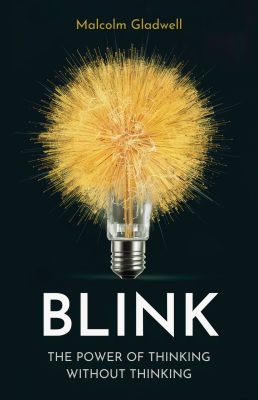
Blink: The Power of Thinking Without Thinking explores the mysterious ways in which we make decisions in the blink of an eye. The book delves into the power of “thin-slicing,” our ability to gauge what is really important from a very narrow period of experience. It challenges the conventional wisdom that great decision-making is a slow, deliberate process and shows how our best decisions are often made rapidly and intuitively. With a blend of scientific research and engaging storytelling, this book unveils the subconscious processes that influence our everyday choices, making it a must-read for anyone curious about the inner workings of the human mind.
Blink is ideal for readers interested in psychology, decision-making, and human behavior. The primary audience includes professionals in management, marketing, and human resources who can benefit from understanding the nuances of rapid cognition. Secondary audiences include students of psychology, educators, and anyone intrigued by the science behind our snap judgments. The language is accessible, making it suitable for both lay readers and those with a more academic interest in the subject. Gladwell’s approachable writing style ensures that complex concepts are easily digestible, making the book engaging and informative for a wide readership.
Imagine you’re in an art museum, standing in front of a sculpture. Within moments, you instinctively know whether you like it or not. This snap judgment is precisely what Malcolm Gladwell explores in his book Blink: The Power of Thinking Without Thinking. Gladwell opens with a gripping story about the Getty Kouros, a statue that experts immediately felt was a fake upon first glance, despite thorough scientific testing suggesting otherwise. This compelling example sets the stage for understanding how our brains can make swift decisions with surprising accuracy. Gladwell’s narrative invites readers to consider how these quick judgments, or “thin-slicing,” shape our lives in ways we often overlook.
Throughout Blink, readers are introduced to a variety of scenarios where rapid cognition plays a crucial role. From the split-second decisions of firefighters and military personnel to the gut feelings of doctors diagnosing patients, the book presents a fascinating array of examples demonstrating the power and pitfalls of our subconscious minds. Gladwell argues that while we often celebrate the deliberate and analytical aspects of decision-making, many of our best choices are made in the blink of an eye. He supports this claim with stories and research that show how intuition can be both remarkably precise and alarmingly flawed.
One of the core lessons of Blink is the importance of understanding when to trust our instincts and when to be wary of them. Gladwell introduces the concept of “thin-slicing,” which is the ability to extract crucial information from brief experiences. For instance, he describes how seasoned tennis coaches can predict a player’s double fault before it happens, or how marriage therapists can foresee divorce based on a few minutes of conversation between spouses. These insights reveal that our brains are capable of processing vast amounts of information in an instant, often without us being consciously aware of it.
What will readers learn from Blink? The book offers an in-depth look at the science behind rapid cognition, providing tools to better understand and harness this ability in everyday life. Readers will learn about the conditions under which snap judgments can be trusted and when they should be questioned. Gladwell delves into the psychological mechanisms that underlie our intuitive responses, offering practical advice on how to refine and improve our decision-making skills. The book encourages readers to be more aware of their unconscious biases and to cultivate environments that foster better intuitive judgments.
Gladwell also doesn’t shy away from discussing the limitations and dangers of relying too heavily on intuition. He highlights cases where snap judgments have led to disastrous outcomes, such as police shootings based on mistaken identities or hiring decisions influenced by unconscious prejudices. These cautionary tales serve as a reminder that while our instincts can be powerful, they are not infallible. Blink challenges readers to strike a balance between trusting their gut and engaging in more deliberate, reflective thinking when necessary.
The central message of Blink is that rapid cognition, or “thin-slicing,” is a powerful but often misunderstood aspect of human decision-making. Gladwell uses the metaphor of a computer’s processing power to illustrate this concept: just as a computer can perform complex calculations in milliseconds, our brains can make split-second judgments based on limited information. These quick decisions can be remarkably accurate, as demonstrated by examples like the Getty Kouros or seasoned professionals making instinctive calls. However, Gladwell also emphasizes the importance of context and experience in shaping these intuitive responses. Not all snap judgments are created equal; the quality of our instincts depends on the training and feedback loops that hone them.
Blink has had a significant impact on both popular psychology and management fields. It has sparked widespread interest in the science of intuition and the ways our brains process information unconsciously. The book has been praised for its accessible and engaging writing style, which brings complex psychological concepts to a broad audience. However, it has also faced criticism for oversimplifying the science behind rapid cognition and for not sufficiently addressing the instances when intuition can lead us astray. Despite these controversies, Blink has won numerous accolades and remains a seminal work in understanding the nuances of human decision-making. Its insights continue to influence how people think about and approach quick judgments in various aspects of their lives, from personal relationships to professional settings.
Blink: The Power of Thinking Without Thinking by Malcolm Gladwell offers an engaging and insightful exploration into the world of rapid cognition and intuitive decision-making. Through compelling storytelling and thorough research, Gladwell sheds light on the power of our subconscious minds to make quick, often accurate judgments. We are drawn into a variety of real-world examples that illustrate how thin-slicing can be both incredibly effective and sometimes dangerously flawed. The book’s strength lies in its ability to make complex psychological concepts accessible and relatable to a broad audience, blending scientific research with captivating anecdotes.
One of the most impressive aspects of Blink is how it challenges conventional wisdom about decision-making. By emphasizing the potential of snap judgments, Gladwell encourages us to rethink the value of intuition in our daily lives and professional settings. We learn that while deliberate, analytical thinking has its place, there are moments when trusting our gut can lead to superior outcomes. This perspective is particularly valuable for professionals in fast-paced environments where quick decisions are often necessary.
However, Blink is not without its shortcomings. The book sometimes oversimplifies the nuances of rapid cognition and does not always provide a balanced view of the potential pitfalls of relying on intuition. There is a tendency to focus on successful instances of thin-slicing, which might lead readers to overestimate the reliability of their snap judgments. Additionally, Gladwell’s heavy reliance on anecdotes, while engaging, can sometimes undermine the need for more robust empirical evidence.
Despite these weaknesses, Blink offers practical insights that are applicable in a wide range of contexts. Whether we are looking to improve our decision-making skills in professional settings or better understand the subconscious processes that guide our everyday choices, the book provides valuable guidance. By highlighting the conditions under which intuition can be trusted and offering strategies to enhance our intuitive abilities, Gladwell equips us with tools to make better, faster decisions.
Our Recommendation
We highly recommend Blink to anyone interested in understanding the intricacies of human cognition and decision-making. The book’s engaging narrative and practical insights make it a worthwhile read for professionals, students, and anyone curious about the science behind snap judgments. It’s particularly useful for those in fields where quick, accurate decisions are critical, such as healthcare, business, and law enforcement.
While it’s important to approach the book with an awareness of its limitations, Blink offers a fresh perspective on the power of intuition. We believe that readers will find valuable lessons in Gladwell’s exploration of rapid cognition and come away with a greater appreciation for the complexities of the human mind. Overall, Blink is a thought-provoking and informative read that has the potential to change the way we think about thinking.
Blink: The Power of Thinking Without Thinking by Malcolm Gladwell centers around the concept of rapid cognition and how our subconscious mind influences decision-making. At the heart of the book is the idea of “thin-slicing,” where our brain makes quick, intuitive judgments based on minimal information. This process allows us to make sense of complex situations in an instant, leveraging our experiences and knowledge to arrive at accurate conclusions without extensive deliberation. Gladwell argues that while we often undervalue these snap decisions, they can be incredibly reliable and insightful when based on the right context and training.
One of the critical elements of the book is the balance between instinct and analysis. Gladwell examines situations where relying on gut feelings leads to successful outcomes, contrasting them with instances where conscious thought and analysis might cloud judgment. He underscores the importance of knowing when to trust our instincts and when to engage in more deliberate, reflective thinking. This dual approach to decision-making highlights the necessity of cultivating both intuitive and analytical skills to navigate different scenarios effectively.
Gladwell also introduces the concept of “priming,” which refers to how subtle cues in our environment can influence our subconscious thoughts and actions. This phenomenon shows that our intuitive responses are not entirely autonomous but can be shaped and directed by external factors. For example, exposure to specific words, images, or contexts can prime our brains to react in particular ways, often without us realizing it. Understanding priming helps readers become more aware of the hidden influences on their decisions and behaviors.
Another significant topic is the role of expertise in shaping intuitive decision-making. Gladwell emphasizes that not all snap judgments are equal; the quality of these decisions depends largely on the depth and relevance of our experiences. Experts in various fields, such as seasoned doctors, firefighters, or art curators, develop their intuition through years of practice and feedback. These experts can make quick, accurate decisions because their brains have been finely tuned to recognize critical patterns and cues within their specific domains.
Additionally, Gladwell explores the pitfalls of rapid cognition, particularly in situations where biases and prejudices come into play. He discusses how unconscious biases can distort our snap judgments, leading to unfair or inaccurate conclusions. For instance, racial or gender biases can influence hiring decisions or law enforcement actions, often with detrimental effects. By highlighting these dangers, Gladwell urges readers to be mindful of their biases and to seek ways to mitigate their impact on decision-making processes.
The Getty Kouros
One of the most compelling examples Gladwell uses is the case of the Getty Kouros, a statue purchased by the J. Paul Getty Museum in California. Upon its acquisition, the kouros underwent extensive scientific testing to confirm its authenticity, and the results initially suggested it was genuine. However, when experts in ancient Greek art first saw the statue, their immediate, gut reaction was one of skepticism. They couldn’t pinpoint the exact reasons, but something about the kouros felt off. This example underscores the power of thin-slicing, where the experts’ vast experience and knowledge allowed them to sense something wrong in an instant, despite the scientific evidence to the contrary.
The Love Lab
Another illustrative example is the work of psychologist John Gottman, who can predict with remarkable accuracy whether a couple will stay together based on a few minutes of observation. In his “Love Lab,” Gottman analyzes interactions between couples, focusing on micro-expressions and patterns of communication. His thin-slicing technique allows him to make quick, accurate predictions about relationship outcomes. This case study demonstrates how specific, focused experience can enhance our intuitive abilities, making rapid judgments as reliable as more extended, detailed analyses.
Warren Harding Error
Gladwell discusses the “Warren Harding error” to illustrate the dangers of snap judgments influenced by biases. Warren Harding was elected President of the United States largely because he looked presidential; he was tall, handsome, and had a commanding presence. However, Harding is often regarded as one of the worst presidents in U.S. history. This error exemplifies how superficial qualities can distort our judgments, leading us to make poor decisions based on appearance rather than substance. Gladwell uses this example to caution readers about the potential pitfalls of relying too heavily on intuition without critical scrutiny.
The Cook County Hospital
The story of Cook County Hospital in Chicago provides an excellent example of the balance between intuition and analysis. The hospital faced a crisis in its emergency room, with too many patients and not enough resources. Dr. Brendan Reilly implemented a protocol that streamlined the diagnosis of chest pain patients, relying on a few key indicators to make rapid decisions. This approach, based on thin-slicing the most critical data points, proved highly effective and improved patient outcomes. It shows how structured intuition, guided by clear rules and expertise, can enhance decision-making efficiency and accuracy.
Paul Van Riper’s War Games
Gladwell recounts the story of retired Marine Corps General Paul Van Riper, who participated in a Pentagon war game exercise. Van Riper, playing the role of a rogue military commander, relied on his intuitive skills and rapid decision-making to outmaneuver the U.S. forces. His unconventional tactics, based on years of military experience, showcased how quick, intuitive judgments could outpace more analytical, bureaucratic approaches. This example highlights the value of intuition in dynamic, high-stakes environments where rapid responses are crucial.
Trusting Your Gut in the Right Context
One of the key insights from Blink is the idea that our gut feelings can be highly accurate, but only in the right context. Gladwell suggests that in situations where we have extensive experience and knowledge, our subconscious mind can make incredibly precise judgments quickly. To apply this, it’s essential to develop expertise in your field through practice and continuous learning. For instance, a seasoned marketer might trust their intuition when evaluating a campaign’s potential success, while someone new to the field should rely more on data and analysis. Understanding when and where to trust your gut can significantly enhance decision-making.
The Power of Thin-Slicing
Thin-slicing, or making quick decisions based on a small amount of information, can be a powerful tool when done correctly. Gladwell illustrates this with examples from various fields, showing how experts can make quick, accurate judgments. To apply thin-slicing effectively, focus on honing your ability to identify the most critical elements of a situation. For instance, in hiring, rather than getting bogged down by extensive resumes, learn to pick up on key indicators that predict success in the role. Developing this skill involves practice and learning to recognize patterns that matter most.
Recognizing the Limits of Intuition
While intuition can be powerful, it also has its limits, particularly when biases come into play. Gladwell highlights the dangers of unconscious biases influencing our snap judgments, such as in the Warren Harding error. To mitigate this, it’s important to create processes that counteract biases. In hiring, this might involve using structured interviews with standardized questions or implementing blind resume reviews to focus on candidates’ qualifications rather than irrelevant personal characteristics. By being aware of biases and actively working to reduce their impact, you can make more fair and accurate decisions.
The Influence of Priming
Priming shows how our environment and subtle cues can influence our subconscious mind, often without us realizing it. Gladwell explains that even seemingly insignificant details can shape our behavior and decisions. To harness this insight, consider how you can use positive priming in your environment. For example, in a workplace, you could use visuals and language that promote a collaborative and innovative culture. By being mindful of the cues you’re exposed to and those you create for others, you can steer behaviors in a desired direction.
Creating Conditions for Better Intuitive Judgments
Another insight from Blink is the importance of creating conditions that allow for better intuitive judgments. This involves minimizing distractions and stress, which can cloud our snap decisions. Gladwell discusses how experts perform best in environments where they can focus and rely on their training. To apply this, create environments that support clear thinking and concentration. In high-stakes situations, ensure that you have the necessary time and space to make decisions without undue pressure. This might mean setting aside specific times for focused work or designing your workspace to reduce interruptions.
Learning from Feedback
Feedback is crucial for refining intuitive skills. Gladwell points out that experts develop their rapid cognition abilities through constant feedback and adjustment. To apply this, seek regular feedback on your decisions and use it to fine-tune your intuitive skills. For instance, if you’re in sales, pay close attention to what works and what doesn’t in your pitches, and adjust your approach accordingly. Over time, this process of learning and adapting will sharpen your intuition, making your snap judgments more reliable.
The Dangers of Overthinking
Gladwell also addresses the dangers of overthinking, which can paralyze decision-making and lead to poorer outcomes. In many cases, our first instinct can be more accurate than a decision arrived at after excessive deliberation. To apply this insight, recognize situations where overthinking might be counterproductive and learn to trust your initial judgment more. For example, in creative fields like writing or design, your first ideas are often your best. By allowing yourself to go with your gut rather than second-guessing every choice, you can enhance creativity and efficiency.
The Importance of First Impressions
First impressions can be incredibly powerful and lasting, as Gladwell illustrates with various examples. These quick judgments can shape how we perceive and interact with others long-term. To leverage this insight, focus on making strong, positive first impressions in your interactions. This could involve being mindful of your body language, tone of voice, and overall presentation when meeting someone new. In professional settings, ensuring that your initial interactions are positive can set the stage for more productive and successful relationships.
Understanding the Role of Context
Context plays a critical role in the accuracy of our snap judgments. Gladwell shows that the same decision-making process can yield different results depending on the situation. To apply this, always consider the context when making quick decisions. For example, what works in one business scenario might not be suitable in another due to different variables. By being context-aware, you can adjust your intuitive responses to better fit the situation at hand, leading to more effective outcomes.
Cultivating Diverse Perspectives
Finally, Blink underscores the value of diverse perspectives in decision-making. Gladwell demonstrates how having a variety of viewpoints can enhance the quality of decisions by counteracting individual biases. To apply this, seek out diverse opinions and foster an inclusive environment where different perspectives are valued. In team settings, encourage open dialogue and consider multiple viewpoints before making a decision. This approach not only improves decision-making but also fosters innovation and creativity by leveraging the full range of insights available.
Engaging Writing Style
One of the primary strengths of Blink is Malcolm Gladwell’s engaging and accessible writing style. He has a knack for storytelling that draws readers in and makes complex psychological concepts easy to understand. His use of real-world examples, anecdotes, and compelling narratives helps to illustrate the points he makes, keeping readers interested from start to finish. This style makes the book not only informative but also enjoyable to read, appealing to a wide audience beyond just those with a background in psychology or decision-making.
Depth of Research
Blink is well-researched, with Gladwell drawing on a wide range of studies from psychology, neuroscience, and sociology to support his arguments. He incorporates findings from reputable sources and experts in various fields, lending credibility to his claims. This depth of research provides a solid foundation for the book’s insights into rapid cognition and decision-making, ensuring that readers can trust the validity of the information presented. Gladwell’s ability to synthesize and present this research in an accessible way is a significant strength.
Practical Applicability
Another strength of Blink is its practical applicability. The book offers valuable insights that readers can apply to their personal and professional lives. For instance, understanding when to trust your gut feelings and when to rely on more analytical thinking can enhance decision-making skills in various contexts. Gladwell provides specific examples and advice on how to improve intuition and mitigate biases, making the book useful for anyone looking to make better decisions quickly and effectively. The practical tips and techniques are easy to understand and implement, adding real-world value to the book.
Clarity of Arguments
Gladwell presents his arguments with clarity and precision, making complex ideas accessible to a broad audience. He breaks down intricate psychological concepts into easily digestible pieces, often using analogies and metaphors to simplify the material. This clarity helps readers grasp the main points without feeling overwhelmed by technical jargon or dense academic language. By maintaining a clear and straightforward narrative, Gladwell ensures that his message is understood and appreciated by a diverse readership.
Insightful Case Studies
The use of case studies in Blink is another significant strength. Gladwell expertly weaves in stories of real people and events to illustrate his points, such as the Getty Kouros, the Love Lab, and the Cook County Hospital. These case studies provide concrete examples of how rapid cognition and thin-slicing work in practice, making the theoretical concepts more relatable and tangible. The case studies also add an element of intrigue and human interest to the book, keeping readers engaged and invested in the material.
Balanced Perspective
Gladwell offers a balanced perspective on the power and limitations of rapid cognition. While he highlights the strengths of snap judgments and intuitive decision-making, he also addresses the potential pitfalls and biases that can distort these processes. This balanced approach ensures that readers receive a nuanced understanding of the topic, recognizing both the benefits and the risks of relying on intuition. By acknowledging the limitations and providing strategies to mitigate them, Gladwell delivers a well-rounded and thoughtful analysis of rapid cognition.
Oversimplification of Complex Concepts
One of the main criticisms of Blink is that it can oversimplify complex psychological concepts. While Gladwell’s goal is to make these ideas accessible to a broad audience, this sometimes results in a reductionist view of nuanced topics. For instance, the intricacies of how unconscious biases operate and influence decision-making are not always fully explored. This simplification can leave readers with an incomplete understanding of the underlying mechanisms and may lead to misconceptions about the reliability and scope of rapid cognition.
Lack of Counterarguments
While Gladwell presents numerous examples supporting his thesis, he often does not give equal weight to counterarguments or contradictory evidence. This one-sided approach can create a biased view of the topic, making it seem as though rapid cognition is more universally reliable than it might be in reality. A more balanced presentation of evidence, including cases where intuition fails or leads to poor decisions, would provide a more comprehensive and accurate picture. This omission can undermine the book’s credibility for readers seeking a more rigorous analysis.
Overreliance on Anecdotes
Another weakness of Blink is its overreliance on anecdotes and individual case studies. While these stories make the book engaging and relatable, they sometimes lack the rigorous empirical support needed to substantiate broader claims. Anecdotes can illustrate points but should not replace systematic analysis and robust data. This reliance on storytelling can give the impression that the conclusions drawn are more universally applicable than they might be, potentially leading readers to overestimate the power of rapid cognition in various contexts.
Generalizability of Examples
The examples used in Blink are often drawn from specific, sometimes extreme, situations that may not be generalizable to everyday experiences. For instance, the rapid decision-making of firefighters or military personnel in high-stress environments is not necessarily applicable to more mundane, everyday decisions. This focus on extraordinary examples can make it challenging for readers to see how the insights apply to their own lives. A broader range of examples, including more common scenarios, would enhance the book’s relevance and practical value for a wider audience.
Misconception of Universal Reliability
A significant blind spot in Blink is the potential misconception that rapid cognition is universally reliable. Readers might come away from the book with the impression that their snap judgments are always trustworthy, which is not the case. Gladwell’s focus on successful examples of thin-slicing can overshadow the many instances where quick decisions are flawed or biased. In reality, our gut feelings can be influenced by various factors, including stereotypes and situational contexts, leading to incorrect conclusions. Books like Thinking, Fast and Slow by Daniel Kahneman provide a more comprehensive analysis of decision-making, distinguishing between the reliability of intuitive thinking and the necessity of slower, more deliberate reasoning.
Overlooking the Role of Deliberate Practice
Another blind spot is the underestimation of the importance of deliberate practice in honing intuition. Gladwell touches on the idea that expertise improves rapid cognition but does not delve deeply into how continuous practice and feedback are crucial for developing reliable intuition. Anders Ericsson’s Peak: Secrets from the New Science of Expertise explores this concept in depth, emphasizing that becoming an expert and making accurate snap judgments requires years of focused practice and effort. This aspect is vital for readers to understand that intuition is not just an inherent skill but one that must be cultivated and refined through deliberate practice.
Neglecting the Variability of Individual Differences
Blink tends to generalize the effectiveness of rapid cognition without adequately addressing individual differences. People have varying levels of intuition and decision-making abilities, influenced by their experiences, cognitive styles, and even personality traits. These differences mean that what works for one person may not work for another. For a more nuanced understanding, readers can refer to The Wisdom of Crowds by James Surowiecki, which discusses how diverse groups often make better decisions than individuals. This book highlights that incorporating multiple perspectives can mitigate the limitations of individual intuition.
Insufficient Focus on Situational Variables
Gladwell does not sufficiently address how situational variables can drastically affect the accuracy of rapid cognition. The context in which a decision is made can significantly influence its outcome. Factors such as stress, fatigue, and environmental cues can all impact the reliability of snap judgments. Books like Nudge: Improving Decisions About Health, Wealth, and Happiness by Richard H. Thaler and Cass R. Sunstein delve into how external factors and subtle nudges can shape our decisions, often in ways we are not consciously aware of. Understanding these situational influences is crucial for applying the insights from Blink effectively.
Lack of Emphasis on the Need for Critical Reflection
Another overlooked aspect is the importance of critical reflection and skepticism of one’s own intuitions. While Blink champions the power of rapid cognition, it does not equally stress the need for questioning and validating these intuitive judgments. Over-reliance on gut feelings without critical examination can lead to overconfidence and errors. The Black Swan by Nassim Nicholas Taleb discusses the limits of prediction and the impact of rare, unpredictable events, underscoring the necessity of remaining humble and critical about our intuitive abilities. This reflection is essential for avoiding the pitfalls of overconfidence in snap judgments.
Underappreciation of the Impact of Biases
Lastly, Blink could benefit from a deeper exploration of how deeply ingrained biases affect our rapid cognition. While Gladwell touches on this, he does not fully explore the pervasive impact of cognitive biases and how they can skew our perceptions and decisions. Books like Blindspot: Hidden Biases of Good People by Mahzarin R. Banaji and Anthony G. Greenwald offer an in-depth look at how unconscious biases shape our thinking and behavior. Recognizing and addressing these biases is critical for improving the accuracy and fairness of our snap judgments, an aspect that Blink does not thoroughly examine.
Thinking, Fast and Slow by Daniel Kahneman
Blink and Thinking, Fast and Slow by Daniel Kahneman both explore decision-making processes, but they approach the topic from different angles. While Blink emphasizes the power of rapid cognition and intuitive thinking, Thinking, Fast and Slow delves into the dual-system theory, distinguishing between fast, automatic thinking (System 1) and slow, deliberate thinking (System 2). Kahneman provides a more comprehensive examination of the interplay between these two systems, offering a critical analysis of when and why each system is effective or prone to errors. Unlike Gladwell, who often celebrates intuition, Kahneman is more cautious, highlighting the numerous biases and errors that can arise from fast thinking. This contrasting viewpoint enriches the understanding of decision-making, presenting a more balanced perspective on the strengths and weaknesses of intuitive judgments.
The Power of Habit by Charles Duhigg
Another book that intersects with Blink is The Power of Habit by Charles Duhigg. Duhigg’s work focuses on the science of habits and how automatic behaviors shape our lives. Both books discuss the subconscious mind’s role, but while Blink centers on rapid decision-making, The Power of Habit explores how repeated behaviors become ingrained as habits over time. Duhigg’s book emphasizes the importance of understanding and altering habits to improve personal and professional outcomes, offering a practical framework for change. This focus on long-term behavior modification contrasts with Gladwell’s emphasis on instantaneous judgments, providing a complementary view on how our subconscious processes influence our actions.
Nudge by Richard H. Thaler and Cass R. Sunstein
Blink and Nudge: Improving Decisions About Health, Wealth, and Happiness by Richard H. Thaler and Cass R. Sunstein both investigate how subtle cues and context influence decision-making. While Gladwell highlights the power of thin-slicing and intuition, Thaler and Sunstein focus on how small “nudges” can steer people towards better choices without restricting their freedom. Nudge provides a more structured approach to influencing decisions, emphasizing the design of choice environments to promote positive outcomes. This structured approach contrasts with Gladwell’s more descriptive exploration of rapid cognition, offering practical strategies for policymakers and organizations to enhance decision-making processes.
The Tipping Point by Malcolm Gladwell
Comparing Blink with Gladwell’s own The Tipping Point reveals an interesting evolution in his thinking about social phenomena and human behavior. The Tipping Point explores how small actions can lead to significant changes in society, focusing on the factors that cause ideas, trends, and behaviors to reach a tipping point. Both books share Gladwell’s narrative style and use of compelling examples, but The Tipping Point is more focused on social dynamics and the spread of ideas, while Blink delves into individual decision-making processes. This comparison shows Gladwell’s versatility in examining both macro and micro aspects of human behavior.
Develop Expertise in Your Field
Improve Your Decision-Making Environment
Cultivate Self-Awareness and Reflection
Leverage Intuitive Skills in Professional Settings
Enhance Personal Relationships
Foster a Learning Mindset
Enhance Decision-Making Processes
Blink emphasizes the value of rapid cognition and how it can enhance decision-making processes in a business context. Organizations can benefit from training employees to trust their intuition, especially in areas where they have significant expertise. This approach can speed up decision-making and increase efficiency, allowing businesses to respond quickly to changing market conditions or emerging opportunities.
However, implementing this strategy can be challenging due to potential resistance from employees who are accustomed to more analytical, data-driven approaches. There might be skepticism about the reliability of intuition, particularly in high-stakes decisions where the cost of error is high.
To overcome these challenges, businesses can implement training programs that blend intuitive decision-making with analytical thinking. Providing case studies and real-life examples where intuition led to successful outcomes can help build confidence in this approach. Additionally, creating a supportive environment that encourages the use of intuition alongside traditional analysis can help integrate these methods smoothly.
Leverage Expertise for Rapid Response
In fast-paced industries, the ability to make quick, informed decisions is crucial. Blink suggests that businesses can leverage the expertise of their employees to enable rapid response capabilities. By identifying and nurturing talent within the organization, companies can develop a cadre of experts who can make high-quality snap judgments in critical situations.
The primary challenge here is ensuring that employees have the necessary experience and training to make reliable intuitive decisions. Without adequate expertise, relying on intuition can lead to costly mistakes. Additionally, differentiating between situations where intuition is appropriate and those that require more thorough analysis can be difficult.
A solution is to establish a structured mentoring and development program that pairs less experienced employees with seasoned veterans. This approach allows for the transfer of knowledge and skills necessary for effective intuition. Regular workshops and simulations can also provide employees with hands-on experience in making rapid decisions, enhancing their confidence and competence.
Foster a Culture of Balanced Decision-Making
Blink underscores the importance of balancing intuition with analytical thinking. In a business setting, fostering a culture that values both can lead to more holistic and effective decision-making. Encouraging employees to use their gut feelings while also verifying their insights with data can lead to more robust decisions.
The challenge lies in shifting the organizational culture, especially in companies where data-driven decision-making is deeply ingrained. Employees might feel uncomfortable or uncertain about relying on their intuition, fearing it might be seen as unscientific or unreliable.
To address this, leadership should model the behavior they wish to see by demonstrating how they use both intuition and analysis in their decision-making processes. Providing training on cognitive biases and how to mitigate them can also help employees feel more confident in their intuitive judgments. Creating cross-functional teams that bring together different perspectives can also help in balancing intuition with analysis.
Improve Customer Insights
Businesses can use the insights from Blink to better understand and respond to customer needs. By training employees to recognize subtle cues and patterns in customer behavior, companies can enhance their customer service and marketing strategies. This approach can lead to more personalized and effective interactions with customers, improving satisfaction and loyalty.
A potential obstacle is the variability in employees’ ability to accurately interpret these cues. Some may be naturally adept at reading customers, while others may struggle. Additionally, there can be inconsistencies in how different employees apply their intuition, leading to uneven customer experiences.
To overcome these obstacles, businesses can provide specific training focused on customer psychology and behavior analysis. Role-playing exercises and simulations can help employees practice these skills in a controlled environment. Implementing a feedback loop where employees can share their experiences and learn from each other can also help standardize the approach and improve overall customer insights.
Mitigate Biases in Hiring Decisions
One of the critical lessons from Blink is the impact of unconscious biases on decision-making. In the context of hiring, these biases can lead to poor selection decisions and a lack of diversity. By understanding and addressing these biases, businesses can improve their hiring processes, leading to a more diverse and talented workforce.
The challenge is that unconscious biases are deeply ingrained and can be difficult to identify and eliminate. Standard hiring practices may inadvertently reinforce these biases, making it hard to achieve meaningful change.
To mitigate these biases, companies can implement structured and standardized interview processes that focus on objective criteria. Using blind recruitment techniques, where identifying information is removed from applications, can help reduce bias. Additionally, training hiring managers on unconscious biases and how to counteract them can raise awareness and improve decision-making. Regular audits of hiring practices can ensure that these measures are effectively reducing bias and promoting diversity.
Increased Reliance on AI and Data Analytics
As businesses increasingly turn to artificial intelligence and data analytics to inform their decisions, the ideas in Blink will become even more relevant. AI can handle vast amounts of data and identify patterns that humans might miss. However, there will always be a need for human intuition to interpret these findings and make final decisions. Rapid cognition will play a crucial role in complementing data-driven insights, particularly in areas requiring nuanced judgment. The synergy between AI and human intuition could lead to more robust decision-making frameworks in the future.
Emphasis on Soft Skills
In an era where technical skills are often prioritized, there’s a growing recognition of the importance of soft skills, such as emotional intelligence and interpersonal communication. Blink highlights the value of these skills, particularly in understanding and responding to subtle cues in social interactions. Future workplaces will likely place a greater emphasis on developing these intuitive abilities, alongside traditional hard skills. Training programs and professional development initiatives will increasingly focus on enhancing employees’ soft skills to improve team dynamics and customer relations.
Diversity and Inclusion Initiatives
As businesses strive to become more inclusive and diverse, the awareness of unconscious biases in decision-making becomes essential. Blink‘s exploration of these biases is particularly relevant to ongoing diversity and inclusion efforts. Companies will increasingly need to implement training and policies that address and mitigate biases to create fairer and more inclusive workplaces. The book’s insights will continue to inform these initiatives, helping organizations develop better practices for unbiased decision-making.
Real-Time Decision-Making in High-Stakes Environments
Industries such as healthcare, finance, and emergency services will continue to rely heavily on real-time decision-making. The principles discussed in Blink about rapid cognition and thin-slicing are critical in these high-stakes environments. Professionals in these fields must be adept at making quick, accurate decisions under pressure. Future training programs and simulations will likely incorporate the book’s insights to better prepare individuals for these scenarios, ensuring that they can perform effectively when it matters most.
Blink: The Power of Thinking Without Thinking was published over ten years ago, and its relevance today remains strong. The book’s exploration of rapid cognition and intuitive decision-making has significantly influenced both popular psychology and management fields. In an era where quick decisions are often necessary due to fast-paced changes in technology and society, the insights from Blink continue to be valuable. The idea that our snap judgments can be as accurate as more deliberate decisions, especially when informed by experience, is a concept that resonates well in today’s world where efficiency and speed are crucial.
In the context of business and management, the principles discussed in Blink have become increasingly pertinent. Companies are now more aware of the importance of balancing intuition with data-driven decision-making. The growing field of behavioral economics, which integrates psychological insights into economic decision-making, has roots that can be traced back to the ideas popularized by Gladwell. As businesses continue to strive for innovative ways to enhance decision-making processes, the lessons from Blink provide a foundational understanding of the interplay between intuitive and analytical thinking.
On a societal level, Blink has contributed to a greater awareness of unconscious biases and their impact on our decisions. This awareness has fueled discussions and initiatives around diversity and inclusion, particularly in hiring practices and organizational culture. By highlighting the pitfalls of snap judgments influenced by biases, the book has encouraged individuals and organizations to develop strategies to counteract these biases. This has led to more equitable practices and policies, fostering environments that promote fairness and diversity.
Looking to the future, the relevance of Blink is likely to persist as the world becomes more interconnected and the pace of change accelerates. The need for quick, informed decision-making will only grow, and the ability to harness the power of rapid cognition while mitigating its potential downsides will be crucial. As artificial intelligence and machine learning continue to advance, the integration of human intuition with technological capabilities will become a key area of focus. Gladwell’s insights into the power and limitations of intuition will provide valuable guidance in navigating this evolving landscape.
Moreover, the emphasis on the importance of context and expertise in shaping intuitive decisions will remain pertinent. In fields such as healthcare, emergency response, and finance, where the stakes are high, the principles outlined in Blink will continue to inform training and practice. The book’s call for a nuanced understanding of when to trust our gut and when to rely on more deliberate thinking will guide professionals in making better, more informed choices.
In summary, Blink continues to be relevant more than a decade after its publication, offering timeless insights into the complexities of human decision-making. Its impact on both individual and organizational practices is evident, and its principles will likely influence future developments in various fields, ensuring that the lessons learned from rapid cognition are applied effectively in an ever-changing world.
Thinking, Fast and Slow by Daniel Kahneman
Thinking, Fast and Slow by Daniel Kahneman provides a comprehensive look at the dual processes of human thought: the fast, intuitive thinking (System 1) and the slow, deliberate thinking (System 2). This book offers a deeper understanding of the cognitive mechanisms behind rapid cognition and expands on the potential biases and errors that can arise. It complements Blink by adding a layer of analytical rigor to the discussion of intuition, making it a must-read for those interested in the intricacies of decision-making.
The Power of Habit by Charles Duhigg
The Power of Habit by Charles Duhigg explores how habits form and influence our behavior, providing insights into the automatic processes that guide much of our daily actions. This book complements Blink by examining how repeated behaviors become ingrained over time, affecting our decisions and actions subconsciously. Duhigg’s focus on the science of habits offers a practical framework for understanding and changing behavior, enriching the reader’s perspective on the subconscious mind.
Nudge: Improving Decisions About Health, Wealth, and Happiness by Richard H. Thaler and Cass R. Sunstein
Nudge by Richard H. Thaler and Cass R. Sunstein discusses how small changes in the environment can significantly impact decision-making. This concept, known as “nudging,” aligns with Gladwell’s exploration of how subtle cues influence our intuitive judgments. The book provides practical strategies for designing choice environments that promote better decisions, making it a valuable companion to Blink for readers interested in applying psychological insights to real-world scenarios.
The Wisdom of Crowds by James Surowiecki
The Wisdom of Crowds by James Surowiecki argues that large groups of people are often smarter than individual experts when it comes to decision-making. This book offers a contrasting viewpoint to Blink, which focuses on individual intuition. Surowiecki’s exploration of collective intelligence provides a broader context for understanding decision-making, emphasizing the value of diverse perspectives and group dynamics. It’s an excellent read for those looking to balance individual intuition with collaborative decision-making.
Outliers: The Story of Success by Malcolm Gladwell
Outliers by Malcolm Gladwell examines the factors that contribute to high levels of success, including cultural background, family, and opportunities. This book complements Blink by exploring how external factors shape our abilities and achievements. Gladwell’s focus on the contextual elements of success provides a broader understanding of the factors that influence human behavior and performance, offering valuable insights for readers interested in the interplay between individual intuition and environmental influences.
Predictably Irrational: The Hidden Forces That Shape Our Decisions by Dan Ariely
Predictably Irrational by Dan Ariely delves into the irrational behaviors that affect our decisions, challenging the notion of humans as rational actors. This book provides an excellent complement to Blink by examining the biases and irrationalities that can distort our intuitive judgments. Ariely’s research into behavioral economics offers practical insights into how we can recognize and mitigate these biases, enhancing the reader’s understanding of the complexities of decision-making.
Peak: Secrets from the New Science of Expertise by Anders Ericsson and Robert Pool
Peak by Anders Ericsson and Robert Pool explores the science of expertise and how deliberate practice can develop extraordinary skills. This book complements Blink by emphasizing the importance of continuous practice and feedback in honing intuition. Ericsson’s research into how experts develop their abilities provides a practical framework for understanding and improving rapid cognition, making it an invaluable resource for those looking to refine their intuitive skills.
The Black Swan: The Impact of the Highly Improbable by Nassim Nicholas Taleb
The Black Swan by Nassim Nicholas Taleb discusses the impact of rare and unpredictable events, known as black swans, on our lives and decision-making. This book provides a critical perspective on the limits of prediction and the overreliance on intuition. Taleb’s exploration of uncertainty and the unexpected offers a valuable counterpoint to the themes in Blink, encouraging readers to remain skeptical and consider the potential for unforeseen outcomes in their decisions.
Harvard Business Review (HBR.org)
Harvard Business Review is an excellent resource for articles and insights on decision-making, management, and leadership. The website features research-based articles written by experts in various fields, offering practical advice and case studies that complement the ideas presented in Blink. The platform also includes webinars and online courses that delve deeper into topics related to rapid cognition and effective decision-making.
Psychology Today (psychologytoday.com)
Psychology Today provides a wealth of articles and blog posts written by psychologists and researchers on a wide range of topics, including intuition, cognitive biases, and decision-making. The website offers insights into the psychological mechanisms behind our thinking processes and practical tips for applying this knowledge in everyday life. It’s a valuable resource for readers looking to explore the psychological aspects of rapid cognition further.
Society for Judgment and Decision Making Annual Conference
The Society for Judgment and Decision Making (SJDM) hosts an annual conference that brings together researchers, academics, and professionals to discuss the latest findings in the field of decision-making. The conference covers topics such as cognitive psychology, behavioral economics, and intuition, providing attendees with a comprehensive understanding of how decisions are made. It’s an excellent opportunity for networking and learning from leading experts in the field.
TED Conferences
TED Conferences feature talks by experts from various disciplines, including psychology, neuroscience, and business, who share their insights on decision-making and intuition. TED Talks are available online, offering accessible and engaging presentations that complement the themes of Blink. These conferences provide valuable perspectives on how intuition and rapid cognition can be applied in different contexts.
American Psychological Association (APA)
The American Psychological Association is a leading organization for psychologists in the United States. It provides resources, publications, and conferences on various psychological topics, including decision-making and intuition. Membership in the APA offers access to cutting-edge research and professional development opportunities, making it a valuable resource for anyone interested in the psychological aspects of rapid cognition.
Association for Psychological Science (APS)
The Association for Psychological Science promotes scientific research in psychology and provides resources for professionals in the field. APS offers journals, articles, and conferences that cover topics related to decision-making and cognitive psychology. Membership in APS provides access to a network of researchers and practitioners who share an interest in understanding and improving decision-making processes.
Freakonomics Radio
Freakonomics Radio, hosted by Stephen J. Dubner, explores the hidden side of everything, including human behavior and decision-making. The podcast features interviews with experts and discussions on topics related to intuition, cognitive biases, and economic behavior. It provides listeners with insights into the factors that influence our decisions and how we can make better choices.
Hidden Brain
Hosted by Shankar Vedantam, Hidden Brain investigates the unconscious patterns that drive human behavior. The podcast covers a wide range of topics, including intuition, rapid cognition, and the psychological mechanisms behind our decisions. Hidden Brain offers engaging stories and scientific research that complement the themes of Blink, making it a valuable resource for deepening one’s understanding of human behavior.
Coursera: Introduction to Psychology by Yale University
This free online course, offered by Yale University on Coursera, provides a comprehensive introduction to the field of psychology. The course covers topics such as cognitive processes, decision-making, and intuition, offering a solid foundation for understanding the concepts discussed in Blink. It includes lectures, readings, and quizzes that help learners grasp the psychological mechanisms behind rapid cognition.
edX: Behavioral Economics in Action by the University of Toronto
This online course on edX, offered by the University of Toronto, explores the principles of behavioral economics and how they apply to real-world decision-making. The course covers topics such as cognitive biases, nudges, and the interplay between intuition and analysis. It provides practical insights and tools for applying behavioral economics to improve decision-making processes in various contexts.
The Social Dilemma
The Social Dilemma is a documentary that explores the impact of social media on human behavior and decision-making. It features interviews with former executives and engineers from major tech companies who discuss how algorithms and online environments influence our choices. The documentary provides a real-world context for understanding how subtle cues and priming can shape our decisions, complementing the themes of Blink.
Moneyball
Moneyball is a film that tells the story of how the Oakland Athletics baseball team used data analytics to make better decisions and build a competitive team. The film illustrates the tension between traditional intuition-based decision-making and data-driven approaches. It provides a compelling case study of how combining intuition with analysis can lead to innovative solutions, aligning with the ideas presented in Blink.


