Reviews
“For quite a while, we’ve needed, in one handy place, high-quality straight information about the low-quality crooked information inundating our lives. In the nick of time, [Foolproof] provides that straight information about the origins, workings, and consequences of misinformation/disinformation-infused messaging.… I am so glad we now have this book. There’s nothing else like it.”― Robert B. Cialdini, New York Times best-selling author of Influence and Pre-Suasion
“Foolproof…is authoritative, comprehensive and chatty. You won’t find a better survey of what is now a vast interdisciplinary landscape.”― Tim Harford, Financial Times
“[Prebunking] is likely our best strategy for winning the misinformation wars.”― Troy Jollimore, Washington Post
“[Sander van der Linden] powerfully analyses why everyone is susceptible [to misinformation], how falsehoods spread, and how to ‘prebunk’ misinformation and ‘inoculate’ ourselves and others against it.”― Andrew Robinson, Nature
“Van der Linden’s book expertly lays out strategies for counteracting misinformation.”― Christie Aschwanden, Undark
“Foolproof is an astonishingly well-researched overview of a persistent societal problem and a highly readable guide to keeping your mind relatively misinformation-free.”― Andy Norman and Lee McIntyre, Psychology Today
“This brilliant book vividly illuminates the challenges of countering misinformation, showing how human psychology can make us vulnerable to manipulation and conspiracy theories. Van der Linden’s analysis would be utterly depressing, were he not to provide a set of powerful evidence-based ‘antigens’ designed to protect us from false claims. They have never been more needed.”― Sir David Spiegelhalter, author of The Art of Statistics: How to Learn from Data
“Mis- and disinformation have caused a worldwide infodemic, potentially crumbling democracies and eroding our fundamental trust in one another. This outstanding and easy-to-read summary of the science, offered by the foremost scientific authority on the subject, is essential reading for us all.”― Mitchell J. Prinstein, chief science officer of the American Psychological Association
“A fascinating, in-depth investigation into the complex landscape of misinformation.… You will never look at your social media feeds in the same way again.”― Angela Saini, author of Superior
“An insightful and forensic examination of why our brains entertain disinformation―and the remedies that can protect us all from its real-world harm. For everyone who messages me asking how they can speak to someone who has fallen victim to online conspiracies―this is the book for you!”― Marianna Spring, BBC Disinformation Correspondent and author of Among the Trolls
“Reminding us that we are all susceptible to believing lies, Foolproof is a highly necessary do-it-yourself guide for building mental resilience against false information.”― Dr. Seema Yasmin, author of What the Fact?! Finding the Truth in All the Noise
“Sander van der Linden is one of the world’s leading experts on combating misinformation, and Foolproof is the ultimate handbook for navigating―and fighting back against―the tsunami that threatens to drown us in bullshit. Whether you’re facing a sketchy internet rumor or listening to your uncle spin another conspiracy, this book will give you the best strategies for building immunity against fake news, propaganda, and conspiracy theories.”― Jay J. Van Bavel, coauthor of The Power of Us
“Bringing the psychology of misinformation to life, Foolproof…outlines exciting techniques for protecting ourselves and those we care about. One of the smartest and, ultimately, most optimistic books on the subject I’ve read.”― Claire Wardle, cofounder and codirector of the Information Futures Lab, Brown University
“Thoroughly researched and lucidly written, [Foolproof] is a standout guide to one of the world’s most pressing social issues.”― Publishers Weekly (starred review)
“[A] well-researched, psychologically astute book…and a powerful argument for the effectiveness of delivering a small dose of misinformation in order to inoculate against a major infection…Insightful, convincing, instructive reading.”― Kirkus Reviews (starred review)
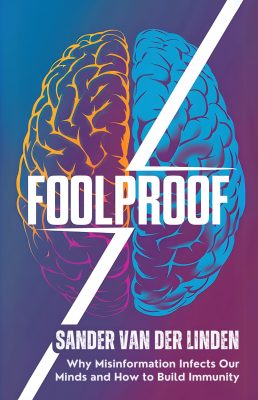
In Foolproof: Why Misinformation Infects Our Minds and How to Build Immunity, Sander van der Linden tackles one of the most pressing issues of our time: the spread of misinformation and its impact on society. This timely book explores the psychological mechanisms that make us vulnerable to false information and offers practical strategies to build mental resilience against it. Van der Linden draws on cutting-edge research in psychology and neuroscience to explain why misinformation is so persuasive and how it exploits our cognitive biases. What sets Foolproof apart is its focus on proactive solutions, introducing the concept of “psychological vaccines” that can inoculate us against fake news and conspiracy theories. This book is a must-read for anyone seeking to navigate the treacherous waters of our information-saturated world.
Foolproof is primarily aimed at educated general readers who are concerned about the spread of misinformation and its effects on society. This includes professionals in media, education, and policy-making, as well as engaged citizens who want to improve their critical thinking skills. The book is also relevant to students and researchers in psychology, communication studies, and political science. While van der Linden draws on complex scientific concepts, he presents them in clear, jargon-free language, making the book accessible to anyone with a high school education. The use of real-world examples and practical exercises makes the content relatable and applicable to everyday life, ensuring that readers from various backgrounds can benefit from the insights provided.
What if I told you that your mind is a breeding ground for falsehoods, and every day you unknowingly spread dangerous lies? In a world drowning in information, our brains have become unwitting accomplices in a global epidemic of misinformation. Sander van der Linden’s Foolproof: Why Misinformation Infects Our Minds and How to Build Immunity throws us a lifeline, offering a fascinating exploration of why we fall for fake news and how we can protect ourselves against its insidious influence.
Van der Linden takes us on a journey through the labyrinth of human psychology, revealing the hidden traps and pitfalls that make us susceptible to false information. He explains how our cognitive biases, emotional responses, and social instincts can be weaponized by those seeking to manipulate public opinion. From the echo chambers of social media to the halls of power, the author shows us how misinformation spreads like a virus, infecting minds and shaping beliefs with frightening efficiency.
But Foolproof is not just a diagnosis of the problem; it’s a prescription for a cure. Van der Linden introduces the groundbreaking concept of “psychological vaccines” – mental strategies that can inoculate us against the allure of fake news and conspiracy theories. Drawing on cutting-edge research from his lab at the University of Cambridge, he presents a toolkit of techniques that readers can use to strengthen their cognitive defenses and become more discerning consumers of information.
Throughout the book, van der Linden peppers his analysis with real-world examples that bring the abstract concepts to life. He dissects infamous misinformation campaigns, from climate change denial to anti-vaccine propaganda, showing how they exploit our psychological vulnerabilities. These case studies serve as cautionary tales, illustrating the real-world consequences of unchecked misinformation and the urgent need for mental “immunity.”
Readers of Foolproof will come away with a deeper understanding of their own thought processes and the forces that shape public opinion. They’ll learn practical skills for spotting false information, from identifying emotional manipulation to recognizing logical fallacies. More importantly, they’ll gain the tools to build lasting resilience against misinformation, enabling them to navigate the treacherous waters of our information ecosystem with confidence and clarity.
The central thesis of Foolproof is that misinformation is not just an external threat, but a phenomenon deeply rooted in the way our minds process information. Van der Linden argues that to combat fake news effectively, we must first understand and address our own cognitive vulnerabilities. The book’s core message is one of empowerment through knowledge: by understanding the psychological mechanisms that make us susceptible to misinformation, we can develop mental “antibodies” to resist its influence.
Van der Linden likens our minds to a fortress under constant siege from false information. Just as a castle needs strong walls and vigilant defenders to repel invaders, our brains need robust cognitive defenses and active critical thinking skills to fend off misinformation. The author’s “psychological vaccine” approach is not about building impenetrable barriers, but rather about training our minds to recognize and neutralize threats before they can take hold.
Foolproof makes a significant contribution to the ongoing debate about misinformation and its impact on society. By bridging the gap between academic research and practical application, van der Linden offers a unique perspective that has garnered attention from policymakers, educators, and tech companies alike.
The book’s approach to combating misinformation through “psychological vaccination” has been hailed as a potential game-changer in the fight against fake news. Van der Linden’s research has been featured in major scientific journals and has informed policy discussions at the highest levels of government. His work has earned him recognition as one of the most innovative thinkers in the field of social psychology.
Foolproof has sparked controversy in some circles, particularly among those who view its methods as a form of manipulation or thought control. Critics argue that the idea of “inoculating” people against certain ideas raises ethical questions about who decides what information is true or false. However, supporters counter that the book’s approach is about enhancing critical thinking skills rather than dictating beliefs.
The significance of Foolproof extends beyond academia and policy circles. In an era where misinformation can sway elections, undermine public health efforts, and fuel social unrest, van der Linden’s insights offer a ray of hope. By empowering individuals to become more discerning consumers of information, the book has the potential to strengthen democratic discourse and promote a more informed citizenry.
Van der Linden’s work has not gone unnoticed in the scientific community. Foolproof and the research behind it have been cited in numerous academic papers and have inspired further studies into the psychology of misinformation. The book’s interdisciplinary approach, drawing from psychology, neuroscience, and communication studies, has been praised for its comprehensive treatment of a complex issue.
In our assessment, Foolproof: Why Misinformation Infects Our Minds and How to Build Immunity by Sander van der Linden stands as a significant contribution to the field of misinformation studies. We find that the book’s strengths lie in its innovative approach to combating misinformation, particularly through the concept of “psychological vaccines.” Van der Linden’s ability to translate complex psychological research into accessible language and practical strategies is commendable, making the book valuable for both general readers and professionals in related fields.
We appreciate the book’s comprehensive scope, which covers a wide range of topics from the psychological underpinnings of belief formation to the technological factors that facilitate the spread of fake news. The author’s engaging writing style, combined with his use of relatable examples and case studies, makes the material both informative and compelling.
However, we also note some limitations. The book’s focus on individual-level psychological interventions, while valuable, may not fully address the systemic and structural factors contributing to the misinformation crisis. We believe that a more in-depth exploration of policy interventions and institutional reforms would have provided a more balanced approach to the problem.
Additionally, we observe that the book could benefit from a more extensive cross-cultural analysis of misinformation dynamics. While it draws on research and examples from various countries, it tends to focus heavily on Western, particularly American, contexts. A broader global perspective would enhance the book’s applicability across different cultural settings.
Despite these limitations, we find that Foolproof offers crucial insights into the psychological mechanisms that make us vulnerable to misinformation and provides practical strategies for building mental resilience. The book’s forward-looking perspective, which considers the potential impact of emerging technologies on the information landscape, is particularly valuable in preparing readers for future challenges.
Our Recommendation
We strongly recommend Foolproof to anyone seeking to understand the psychology behind misinformation and develop practical skills for navigating today’s complex information environment. The book is particularly valuable for educators, policymakers, and media professionals working to combat the spread of false information. Its accessible style also makes it suitable for general readers looking to improve their critical thinking skills and media literacy.
However, we suggest that readers complement Foolproof with other works that offer broader perspectives on the systemic and cultural aspects of the misinformation problem. By combining Van der Linden’s psychological insights with a wider understanding of the social, political, and technological factors at play, readers can develop a more comprehensive approach to addressing this critical challenge of our time.
The essence of Foolproof lies in its exploration of the psychological mechanisms that make us vulnerable to misinformation and the strategies we can employ to build mental resilience against it. At the heart of van der Linden’s work is the concept of “psychological vaccines,” a proactive approach to combating false information by inoculating people against its influence. This idea draws on the principles of inoculation theory in psychology, which suggests that exposure to weakened forms of a threat can build resistance to stronger versions of that threat in the future.
Another key topic in the book is the role of cognitive biases in our susceptibility to misinformation. Van der Linden examines how natural tendencies in human thinking, such as confirmation bias and the availability heuristic, can lead us astray when processing information. He argues that understanding these biases is crucial for developing effective strategies to combat misinformation, as they often operate below our conscious awareness.
The book also delves into the social dynamics of misinformation spread, exploring how false beliefs can propagate through social networks and become entrenched in group identities. Van der Linden highlights the importance of social proof and group norms in shaping our beliefs, explaining how misinformation can gain traction when it aligns with existing social identities or ideologies.
A critical element of Foolproof is its focus on the emotional components of misinformation. Van der Linden argues that fake news and conspiracy theories often exploit our emotional vulnerabilities, triggering feelings of fear, anger, or outrage that can override our rational thinking processes. He emphasizes the need to develop emotional intelligence and self-awareness as part of our defense against misinformation.
The book also explores the concept of “fake news literacy,” which goes beyond traditional media literacy to encompass the unique challenges of the digital age. Van der Linden outlines specific skills and strategies that individuals can develop to become more discerning consumers of information, including techniques for fact-checking, source evaluation, and recognizing manipulative content.
Another essential aspect of Foolproof is its examination of the long-term consequences of misinformation on society. Van der Linden discusses how persistent exposure to false information can erode trust in institutions, polarize communities, and undermine democratic processes. He argues that combating misinformation is not just about correcting individual beliefs, but about preserving the foundations of informed public discourse.
The book also tackles the thorny issue of correction and debunking, exploring why simply providing accurate information is often insufficient to change false beliefs. Van der Linden introduces the concept of the “continued influence effect,” which explains why debunked misinformation can continue to influence people’s thinking even after they’ve been presented with corrections.
Finally, Foolproof emphasizes the importance of proactive approaches to misinformation. Rather than merely reacting to false information after it has spread, van der Linden advocates for preemptive strategies that can “prebunk” potential misinformation before it takes root. This approach represents a significant shift in how we think about combating fake news and conspiracy theories.
The Vaccine Hesitancy Experiment: Van der Linden describes a study where participants were exposed to weakened forms of anti-vaccine arguments along with factual rebuttals. The results showed that this “inoculation” approach made people more resistant to subsequent anti-vaccine misinformation, demonstrating the potential of psychological vaccines.
The Global Warming Game: The author discusses an interactive online game developed by his research team that allows players to take on the role of a misinformation spreader. By experiencing the techniques used to distort climate change information firsthand, players become better at identifying and resisting such tactics in real life.
The Facebook Fake News Study: Van der Linden recounts a large-scale experiment conducted on Facebook during the 2016 U.S. presidential election. The study revealed how false news stories spread more quickly and widely than true stories on the platform, highlighting the viral nature of misinformation in social media environments.
The Pizzagate Case Study: The book examines the infamous “Pizzagate” conspiracy theory as an example of how seemingly absurd false beliefs can gain traction and lead to real-world consequences. Van der Linden uses this case to illustrate how emotional manipulation and confirmation bias can fuel the spread of conspiracy theories.
The Brexit Bus Claim: Van der Linden analyzes the controversial claim made during the Brexit campaign that the UK sends £350 million per week to the EU. He uses this example to demonstrate how once misinformation enters public discourse, it can be incredibly difficult to correct, even when presented with clear evidence to the contrary.
The Dunning-Kruger Effect Illustration: The author provides examples of how the Dunning-Kruger effect – where people with limited knowledge in a domain overestimate their expertise – can make individuals more susceptible to misinformation. He cites studies showing how this effect influences people’s beliefs about complex topics like climate change or vaccinations.
The Echo Chamber Experiment: Van der Linden describes research that simulated online echo chambers, showing how exposure to like-minded information can reinforce existing beliefs and increase polarization. This example illustrates the challenges of breaking through information bubbles in the digital age.
The Illusory Truth Effect Demonstration: The book presents studies demonstrating how repeated exposure to false statements can increase their perceived truthfulness over time. Van der Linden uses this to explain why persistent misinformation campaigns can be so effective, even when the claims seem implausible at first.
The Psychological Vaccine Approach
Van der Linden’s concept of psychological vaccines offers a proactive strategy for combating misinformation. This approach involves exposing individuals to weakened forms of misinformation along with factual rebuttals, thereby building mental resistance to future false claims. To apply this insight, educators and media literacy programs can incorporate exercises that present common misinformation techniques alongside accurate information. For example, a lesson on climate change could include analyzing typical climate denial arguments, identifying their flaws, and practicing how to counter them with scientific facts. This method not only equips people with accurate knowledge but also trains them to recognize and resist manipulative tactics in various contexts.
The Power of Prebunking
Prebunking, or preemptively debunking false information before it spreads, emerges as a powerful tool in Foolproof. This strategy involves anticipating potential misinformation and addressing it proactively. To implement prebunking, organizations and fact-checkers can monitor emerging trends and create content that addresses likely misconceptions before they gain traction. For instance, during a public health crisis, health authorities could release clear, factual information about potential treatments or preventive measures before rumors and false cures start circulating. This approach can also be applied in political contexts, with election officials providing accurate voting information well in advance to counter potential disinformation campaigns.
Leveraging Social Norms Against Misinformation
Van der Linden emphasizes the role of social norms in shaping beliefs and behaviors, including the spread of misinformation. This insight can be applied by actively promoting accurate information as the social norm. Social media platforms can highlight fact-checked content and display indicators of how many users have shared or viewed accurate information. Community leaders and influencers can publicly endorse fact-checking and critical thinking, making these behaviors socially desirable. Schools can implement peer-led programs where students take on roles as “information ambassadors,” encouraging their classmates to verify sources and question dubious claims. By making accuracy and critical thinking socially rewarding, we can create an environment where spreading misinformation becomes socially unacceptable.
Emotional Intelligence as a Defense Mechanism
The book highlights how misinformation often exploits our emotions to bypass rational thinking. Developing emotional intelligence emerges as a crucial defense against this manipulation. To apply this insight, individuals can practice mindfulness techniques to become more aware of their emotional responses to information. When encountering a news story or social media post that triggers strong emotions, take a moment to pause and reflect on why you’re having that reaction. Is it based on the facts presented, or is it playing on pre-existing fears or biases? Educational programs can incorporate exercises that help students identify and manage their emotional responses to information, teaching them to recognize when their feelings might be clouding their judgment.
The Continued Influence Effect and Correction Strategies
Van der Linden discusses the continued influence effect, where debunked information continues to affect beliefs and decisions even after correction. To combat this, he suggests more effective correction strategies. When debunking false information, it’s crucial to provide a coherent alternative explanation that fills the mental model left by the misinformation. For example, if debunking a conspiracy theory about a political event, don’t just state that it’s false – provide a detailed, factual account of what actually happened. Additionally, corrections should be repeated over time and through multiple channels to reinforce the accurate information. Fact-checkers and news organizations can implement this by creating follow-up stories that revisit and reinforce corrections to major pieces of misinformation.
Gamification of Media Literacy
Foolproof introduces the idea of using games and interactive experiences to teach media literacy skills. This approach makes learning about misinformation engaging and memorable. To apply this insight, educators and organizations can develop digital games that simulate social media environments and challenge players to identify fake news, bot accounts, or manipulated images. For instance, a game could present players with a mix of real and fake social media posts, asking them to spot the false ones and explain their reasoning. Such games can be incorporated into school curricula or made available as public education tools. Companies and governments can also sponsor the development of these games as part of broader media literacy initiatives.
The Role of Algorithm Literacy
Van der Linden emphasizes the importance of understanding how algorithmic systems shape our information environment. To apply this insight, educational programs should include modules on how social media algorithms work, how they can create filter bubbles, and how they can be manipulated to spread misinformation. Users can be taught practical steps to diversify their information diet, such as following a range of credible sources with different perspectives, regularly clearing their search history and cookies, and using private browsing modes to reduce algorithmic personalization. Additionally, advocating for algorithmic transparency from tech companies can help users make more informed decisions about their online information consumption.
Cross-Cutting Exposure as an Antidote to Polarization
The book discusses how exposure to diverse viewpoints can reduce polarization and make people more resistant to misinformation. To implement this insight, social media platforms could introduce features that gently expose users to alternative viewpoints from credible sources. News aggregators could offer “perspective” sections that present different interpretations of the same event from reputable outlets across the political spectrum. In educational settings, debate classes could assign students to argue positions contrary to their personal beliefs, fostering empathy and critical thinking. Community organizations could host “dialogue across difference” events, bringing together people with diverse viewpoints for structured, respectful discussions on contentious issues.
The Importance of Source Credibility Assessment
Van der Linden stresses the need for individuals to develop skills in assessing source credibility. To apply this insight, create a personal checklist for evaluating information sources. This checklist might include questions like: Is the author an expert in this field? Does the website have a clear “About Us” page with verifiable information? Are sources cited for factual claims? Is the information current and regularly updated? For educators, develop exercises where students compare articles on the same topic from different sources, analyzing the credibility markers of each. Fact-checking organizations can provide guides on how to trace information to its original source and verify the authenticity of images and videos. By making source evaluation a habit, individuals can significantly reduce their vulnerability to misinformation.
Innovative Approach to Misinformation
Foolproof stands out for its groundbreaking approach to combating misinformation. Van der Linden’s concept of “psychological vaccines” represents a paradigm shift in how we think about building resilience against false information. Rather than simply reacting to misinformation after it has spread, the book advocates for proactive strategies that can inoculate individuals against manipulative tactics. This approach is particularly valuable because it addresses the root causes of misinformation susceptibility, potentially offering long-term solutions to a persistent problem. The author’s emphasis on prebunking and cognitive resilience provides a fresh perspective in a field that has often focused on post-hoc fact-checking and debunking efforts.
Solid Scientific Foundation
One of the book’s major strengths is its robust grounding in scientific research. Van der Linden draws on a wealth of empirical studies, including his own pioneering work at the Cambridge Social Decision-Making Lab, to support his arguments. The author skillfully translates complex psychological concepts into accessible language without sacrificing scientific rigor. For instance, his explanations of cognitive biases like the continued influence effect and the illusory truth effect are both comprehensive and comprehensible. This scientific foundation lends credibility to the book’s claims and recommendations, making it a valuable resource for both general readers and professionals in related fields.
Practical Applicability
Foolproof excels in bridging the gap between theory and practice. Van der Linden doesn’t just explain why misinformation spreads; he offers concrete strategies for combating it at both individual and societal levels. The book is peppered with actionable advice, from tips on developing critical thinking skills to guidelines for creating effective prebunking campaigns. For example, the author provides step-by-step instructions for identifying manipulated images and videos, a crucial skill in the age of deepfakes. This practical focus makes the book immediately useful for educators, policymakers, and anyone seeking to improve their media literacy.
Comprehensive Scope
The book offers a holistic examination of the misinformation ecosystem. Van der Linden covers a wide range of topics, from the psychological underpinnings of belief formation to the technological factors that facilitate the spread of fake news. He explores how misinformation impacts various domains, including politics, health, and climate change, providing a nuanced understanding of the problem’s scope. This comprehensive approach allows readers to grasp the interconnected nature of misinformation challenges and the need for multifaceted solutions. The author’s analysis of how social media algorithms and online echo chambers contribute to the problem is particularly insightful, offering a clear picture of the digital landscape’s role in misinformation propagation.
Engaging Writing Style
Despite tackling complex subjects, Foolproof maintains an engaging and accessible writing style throughout. Van der Linden has a talent for explaining intricate psychological concepts using relatable analogies and real-world examples. For instance, he compares the spread of misinformation to a virus, making the concept of “psychological vaccines” intuitive and memorable. The author also incorporates personal anecdotes and case studies that bring the abstract ideas to life. This narrative approach keeps the reader invested in the material, making it easier to absorb and retain the book’s key insights.
Forward-Looking Perspective
Foolproof doesn’t just diagnose the current state of misinformation; it also looks ahead to future challenges and opportunities. Van der Linden discusses emerging technologies like artificial intelligence and their potential impact on the information landscape. He explores how these advancements might be used to create more sophisticated forms of misinformation, but also how they could be harnessed to develop more effective defense mechanisms. This forward-looking perspective prepares readers for upcoming challenges and inspires innovative thinking about long-term solutions to the misinformation problem.
Limited Discussion of Systemic Solutions
While Foolproof excels in providing individual-level strategies for combating misinformation, it could have devoted more attention to systemic solutions. The book primarily focuses on psychological approaches and personal skill development, which are crucial but may not be sufficient to address the structural factors that enable misinformation to thrive. Van der Linden could have explored in greater depth the role of policy interventions, media regulations, and educational system reforms in creating a more resilient information ecosystem. A more comprehensive discussion of how to incentivize accurate reporting and disincentivize the creation and spread of false information at an institutional level would have provided a more balanced approach to the problem.
Potential Overemphasis on Psychological Factors
The book’s strong focus on psychological mechanisms, while insightful, may sometimes overshadow other important factors contributing to the spread of misinformation. Economic incentives, political motivations, and cultural differences also play significant roles in shaping the misinformation landscape. While Van der Linden does touch on these aspects, a more in-depth exploration of how these factors interact with psychological vulnerabilities could have provided a more nuanced understanding of the problem. Additionally, the emphasis on individual-level psychological interventions might inadvertently downplay the responsibility of large tech companies and media organizations in addressing the misinformation crisis.
Limited Cross-Cultural Analysis
Foolproof could benefit from a more extensive cross-cultural analysis of misinformation dynamics. While the book draws on research and examples from various countries, it tends to focus heavily on Western, particularly American, contexts. Misinformation manifests differently across cultures, and strategies effective in one society may not translate directly to another. A more comprehensive examination of how cultural factors influence susceptibility to misinformation and the effectiveness of various counter-strategies would enhance the book’s global applicability. This could include case studies from diverse regions and discussions of how cultural values and communication norms impact the spread and reception of false information.
The Illusion of Immunity
One potential blind spot in Foolproof is the risk of creating a false sense of security among readers who engage with its strategies. While the book’s psychological vaccination approach is innovative and potentially effective, it may lead some readers to believe they’ve become immune to misinformation after implementing these techniques. In reality, misinformation is a constantly evolving threat, and no single approach can provide complete protection. This overconfidence could paradoxically make individuals more vulnerable to sophisticated forms of misinformation that exploit this sense of immunity. Yochai Benkler’s Network Propaganda: Manipulation, Disinformation, and Radicalization in American Politics offers a complementary perspective, emphasizing the importance of ongoing vigilance and adaptability in the face of evolving misinformation tactics. Benkler’s work highlights how even well-informed individuals can fall prey to misinformation when it aligns with their deeply held beliefs or comes from trusted sources within their social networks.
The Complexity of Human Motivation
While Foolproof provides valuable insights into the cognitive processes that make us susceptible to misinformation, it may oversimplify the complex motivations behind why people believe and spread false information. The book primarily focuses on unintentional susceptibility to misinformation, but it could delve deeper into cases where individuals consciously choose to believe or propagate false information for personal, political, or ideological reasons. This blind spot might lead readers to underestimate the role of intentional misinformation campaigns and the challenges they pose. Kate Starbird’s research on crisis informatics and her work on “strategic information operations” offers valuable insights into this aspect. Additionally, Cailin O’Connor and James Owen Weatherall’s The Misinformation Age: How False Beliefs Spread provides a more in-depth exploration of the social and cultural factors that drive the intentional spread of misinformation, complementing Van der Linden’s psychological focus.
The Double-Edged Sword of Fact-Checking
Foolproof advocates for fact-checking as a crucial tool in combating misinformation, but it may not fully address the potential backfire effects of this approach. In some cases, repeated fact-checking can inadvertently reinforce false beliefs by increasing exposure to the misinformation. This phenomenon, known as the “illusory truth effect,” can occur even when the fact-check explicitly labels the information as false. Moreover, aggressive fact-checking can sometimes be perceived as patronizing or as an attack on personal beliefs, leading to defensive reactions and further entrenchment of false beliefs. Brendan Nyhan and Jason Reifler’s research on the “backfire effect” provides crucial insights into this phenomenon. Their work, along with books like Hugo Mercier’s Not Born Yesterday: The Science of Who We Trust and What We Believe, offers a more nuanced view of the challenges and limitations of fact-checking strategies, highlighting the need for careful, context-sensitive approaches to correcting misinformation.
The Role of Emotional and Identity-Based Factors
While Foolproof acknowledges the role of emotions in the spread of misinformation, it may underestimate the power of identity-based factors in shaping beliefs and resistance to corrections. People often cling to false beliefs not just because of cognitive biases or lack of information, but because these beliefs are tied to their sense of identity, group membership, or worldview. The book’s focus on cognitive approaches might lead readers to overlook the crucial role of emotional and social factors in belief formation and persistence. Arlie Russell Hochschild’s Strangers in Their Own Land: Anger and Mourning on the American Right offers valuable insights into the emotional and identity-based roots of belief in misinformation, particularly in political contexts. Similarly, Jonathan Haidt’s The Righteous Mind: Why Good People Are Divided by Politics and Religion provides a deeper exploration of the moral and emotional foundations of beliefs, offering a complementary perspective to Van der Linden’s cognitive approach.
The Challenges of Digital Literacy in a Rapidly Evolving Landscape
Foolproof provides valuable strategies for improving digital literacy, but it may not fully capture the challenges of keeping pace with rapidly evolving digital technologies and misinformation tactics. The book’s approaches, while valuable, might become outdated as new forms of synthetic media, AI-generated content, and sophisticated manipulation techniques emerge. This blind spot could lead readers to underestimate the need for continuous learning and adaptation in their approach to digital literacy. Safiya Umoja Noble’s Algorithms of Oppression: How Search Engines Reinforce Racism offers critical insights into the deeper systemic issues within our digital information ecosystem, highlighting how technological structures can perpetuate misinformation and bias. Additionally, P.W. Singer and Emerson T. Brooking’s LikeWar: The Weaponization of Social Media provides a forward-looking analysis of how social media platforms are being exploited to spread misinformation, offering a crucial complement to Van der Linden’s psychological focus by exploring the technological and geopolitical dimensions of the misinformation challenge.
The Information Diet: A Case for Conscious Consumption by Clay A. Johnson
While both Foolproof and The Information Diet address the challenges of navigating our modern information landscape, they approach the problem from different angles. Johnson’s book, published in 2012, focuses on the concept of “information obesity,” arguing that we consume too much low-quality information. He advocates for a more mindful approach to information consumption, drawing parallels with healthy eating habits. In contrast, Van der Linden’s Foolproof concentrates more on the psychological mechanisms that make us vulnerable to misinformation and offers strategies for building mental resilience. Where Johnson emphasizes individual responsibility in curating one’s information intake, Van der Linden provides a more structured approach to developing critical thinking skills and resistance to manipulation. However, both books share a common goal of empowering readers to become more discerning consumers of information in the digital age.
The Death of Expertise: The Campaign Against Established Knowledge and Why it Matters by Tom Nichols
Nichols’ 2017 book The Death of Expertise provides an interesting counterpoint to Foolproof. While Van der Linden focuses on equipping individuals with tools to combat misinformation, Nichols examines the broader societal trend of rejecting expert knowledge. Nichols argues that the democratization of information has led to a culture where everyone’s opinion is considered equally valid, regardless of expertise. This perspective adds a layer of complexity to the misinformation problem that Foolproof doesn’t fully explore. Where Van der Linden sees the solution in individual cognitive strategies, Nichols suggests a need for broader cultural change and a renewed respect for expertise. However, both authors agree on the dangers of misinformation and the importance of critical thinking. Foolproof‘s psychological vaccination approach could be seen as a potential tool for addressing some of the issues Nichols raises, bridging the gap between expert knowledge and public understanding.
Merchants of Doubt: How a Handful of Scientists Obscured the Truth on Issues from Tobacco Smoke to Global Warming by Naomi Oreskes and Erik M. Conway
Merchants of Doubt, published in 2010, offers a historical perspective on misinformation that complements the psychological focus of Foolproof. Oreskes and Conway trace how a small group of scientists worked to spread doubt about various scientific conclusions, from the dangers of smoking to the reality of climate change. While Van der Linden focuses on why individuals believe misinformation, Merchants of Doubt examines how misinformation is strategically created and disseminated by vested interests. This historical and systemic perspective fills a gap in Foolproof‘s analysis, highlighting the organized nature of many misinformation campaigns. However, Van der Linden’s psychological insights and practical strategies could be seen as a valuable toolkit for combating the type of doubt-sowing tactics described by Oreskes and Conway. Together, these books provide a more comprehensive understanding of both the supply and demand sides of the misinformation problem.
Truth Decay: An Initial Exploration of the Diminishing Role of Facts and Analysis in American Public Life by Jennifer Kavanagh and Michael D. Rich
RAND Corporation’s 2018 report Truth Decay offers a broader, more systemic analysis of the misinformation problem compared to Foolproof. While Van der Linden focuses on individual psychology and cognitive defenses, Kavanagh and Rich examine the erosion of truth in public discourse from multiple angles, including changes in the information system, cognitive biases, polarization, and declining trust in institutions. Their approach is more macro-level, looking at trends over time and across society. Foolproof‘s psychological vaccination strategies could be seen as one potential solution to the problems identified in Truth Decay. However, Kavanagh and Rich’s work suggests that individual-level interventions alone may not be sufficient to address the full scope of the problem. The combination of these works provides a multi-layered understanding of the misinformation challenge, from individual psychology to broader societal trends.
Develop a Personal Psychological Vaccine
Enhance Your Critical Thinking Skills
Master Digital Literacy Techniques
Build Emotional Resilience
Engage in Active Learning and Discussion
Leverage Technology Wisely
Develop Long-Term Habits
Implement Company-Wide Psychological Vaccination Programs
Organizations can adapt Van der Linden’s concept of psychological vaccination to build resilience against misinformation within their workforce. This involves developing training programs that expose employees to weakened forms of industry-specific misinformation along with factual rebuttals. Such programs can enhance critical thinking skills, improve decision-making processes, and protect the company’s reputation by reducing the likelihood of employees falling for or spreading false information.
Implementing such programs presents several challenges. First, there’s the time and resource investment required to develop and deliver comprehensive training. Second, employees may be resistant to what they perceive as additional, non-essential training. Third, the program needs to be continually updated to address new forms of misinformation, which requires ongoing commitment and expertise.
To overcome these challenges, companies can start with a pilot program in a specific department or team, demonstrating its value before rolling out company-wide. To address resistance, frame the training as a valuable professional development opportunity that enhances critical thinking skills applicable beyond just misinformation. Establish a dedicated team or partner with external experts to keep the program updated, and consider implementing a “train-the-trainer” model where select employees become internal experts who can disseminate knowledge throughout the organization.
Develop a Corporate Prebunking Strategy
Businesses can adopt a proactive approach to misinformation by implementing a corporate prebunking strategy. This involves anticipating potential false narratives or misconceptions about the company, its products, or its industry, and preemptively addressing them with accurate information. Such a strategy can help maintain trust with customers, partners, and stakeholders, and minimize the impact of potential misinformation campaigns.
The main challenge in implementing this strategy is the difficulty in predicting what misinformation might arise. It requires a deep understanding of the company’s vulnerabilities, industry trends, and potential motivations for spreading false information. Additionally, there’s a risk of inadvertently drawing attention to negative narratives that might not have gained traction otherwise.
To address these challenges, companies can establish a cross-functional team that includes representatives from PR, legal, product development, and customer service. This team can conduct regular “misinformation risk assessments” to identify potential vulnerabilities. Collaborate with industry peers or join industry associations to share insights on common misinformation threats. Develop a tiered response system, where minor misconceptions are addressed subtly through regular communications, while more significant threats trigger a more robust prebunking campaign.
Enhance Internal Information Verification Processes
Implementing robust information verification processes within the organization can help prevent the spread of misinformation internally and in external communications. This involves establishing clear protocols for fact-checking, source verification, and data validation before information is used in decision-making or disseminated to stakeholders.
Challenges include the time and resources required to verify information thoroughly, especially in fast-paced business environments where quick decisions are often necessary. There may also be resistance from employees who view these processes as bureaucratic hurdles that slow down their work. Additionally, there’s the challenge of ensuring that verification processes are consistently applied across all levels of the organization.
To overcome these obstacles, invest in training programs that teach efficient verification techniques and emphasize their importance in maintaining the company’s credibility. Integrate verification tools and resources into existing workflows to minimize disruption. Implement a tiered verification system where the level of scrutiny is proportional to the potential impact of the information. Regularly showcase examples where thorough verification prevented mistakes or improved outcomes to reinforce its value. Consider creating a dedicated “information integrity” team to support other departments in their verification efforts.
Foster a Culture of Critical Thinking
Cultivating a corporate culture that values critical thinking and questioning can significantly enhance an organization’s resilience to misinformation. This involves encouraging employees at all levels to ask questions, challenge assumptions, and seek evidence before accepting claims as true. Such a culture can lead to better decision-making, innovation, and problem-solving across the organization.
The main challenges in fostering this culture are overcoming existing hierarchical structures that may discourage questioning, addressing the fear of appearing ignorant or confrontational, and ensuring that critical thinking doesn’t paralyze decision-making processes. There’s also the risk of creating an overly skeptical environment where trust and collaboration are undermined.
To address these challenges, leadership must actively model critical thinking behaviors and explicitly reward thoughtful questioning. Implement training programs that teach constructive ways to challenge ideas and seek clarification. Create structured forums, such as “assumption-challenging sessions” in meetings, where questioning is not just allowed but expected. Establish clear guidelines that differentiate between healthy skepticism and unnecessary obstruction. Regularly celebrate instances where critical thinking led to improved outcomes to reinforce its value.
Implement Digital Literacy Training for Customer-Facing Employees
For businesses that interact directly with customers, implementing digital literacy training for customer-facing employees can be crucial. This training should focus on identifying and addressing misinformation that customers may have encountered, as well as guidelines for sharing accurate information about the company’s products or services.
Challenges include the diverse nature of customer interactions, which may make it difficult to prepare for all scenarios. There’s also the risk of employees inadvertently reinforcing misinformation by repeating it, even in the context of debunking. Additionally, employees may feel uncomfortable challenging customers’ beliefs or may lack the confidence to address complex topics.
To overcome these obstacles, develop a comprehensive training program that includes role-playing exercises to practice addressing common misinformation scenarios. Create a regularly updated database of accurate information and approved responses to known misconceptions. Implement a support system where employees can quickly consult experts or access verified information during customer interactions. Establish clear guidelines on how to respectfully and effectively address customer misconceptions without alienating them.
Leverage Technology for Misinformation Detection and Response
Businesses can utilize technological solutions to detect and respond to misinformation about their brand or industry. This might include implementing social listening tools, sentiment analysis software, or AI-powered content verification systems to monitor online conversations and flag potential misinformation for rapid response.
The primary challenges are the high cost of sophisticated monitoring tools, the potential for false positives that could lead to unnecessary responses, and the need for human oversight to interpret context and nuance that AI might miss. There’s also the risk of appearing overly defensive or intrusive if the company is seen as constantly policing conversations about its brand.
To address these challenges, start with a pilot program using free or low-cost monitoring tools to demonstrate the value before investing in more advanced solutions. Develop clear criteria for what constitutes actionable misinformation to reduce false positives. Create a tiered response system where minor issues are simply monitored, while significant threats trigger a more robust response. Train a dedicated team to interpret AI-generated alerts and make nuanced decisions about when and how to respond. Regularly review and adjust the monitoring parameters to improve accuracy over time.
The Rise of AI-Generated Misinformation
As artificial intelligence technologies advance, we’re likely to see an increase in sophisticated, AI-generated misinformation. Van der Linden’s psychological vaccination approach could become crucial in preparing people to identify and resist these increasingly convincing false narratives. The book’s emphasis on developing critical thinking skills and understanding manipulation techniques will be particularly relevant in a world where distinguishing between human-created and AI-generated content becomes increasingly challenging.
However, the same AI technologies could also be leveraged to enhance fact-checking and prebunking efforts. We might see the development of AI-powered tools that can quickly identify and counter misinformation, building on the strategies outlined in Foolproof.
The Evolution of Social Media Platforms
Social media platforms are under increasing pressure to combat misinformation. Van der Linden’s insights could influence how these platforms design their user interfaces and content recommendation algorithms. We might see the implementation of “friction” in sharing processes, prompting users to verify information before spreading it.
There’s also potential for platforms to incorporate prebunking strategies directly into their feeds. For instance, users might receive occasional “inoculation” posts that explain common misinformation tactics. This trend could lead to a more proactive approach to misinformation management on social media.
The Integration of Media Literacy in Education
As the threat of misinformation grows, we’re likely to see increased emphasis on media literacy in educational curricula. The concepts presented in Foolproof could form the basis for comprehensive media literacy programs, starting from elementary school through higher education.
This trend might lead to the development of standardized “misinformation resistance” assessments, similar to existing standardized tests. We could see a shift towards valuing critical thinking and information evaluation skills as core competencies in education and professional settings.
The Personalization of Misinformation Defense
Building on Van der Linden’s psychological approach, we might see the development of personalized misinformation defense strategies. AI and machine learning could be used to identify individual vulnerabilities to different types of misinformation.
This could lead to tailored “psychological vaccine” programs, designed to address each person’s specific cognitive biases and information processing patterns. We might see the emergence of personal “misinformation fitness” apps that provide daily exercises to build and maintain cognitive resilience.
The Globalization of Misinformation Strategies
As misinformation becomes a global concern, we’re likely to see increased international collaboration in developing countermeasures. The strategies presented in Foolproof could be adapted and applied in various cultural contexts.
This trend might lead to the establishment of international standards for misinformation resistance and media literacy. We could see the emergence of global task forces dedicated to sharing best practices and coordinating responses to transnational misinformation campaigns.
Foolproof, as a relatively recent publication, has the potential to significantly influence both academic research and public policy in the field of misinformation studies. Van der Linden’s concept of psychological vaccines could inspire a new wave of interventions aimed at building cognitive resilience against false information. This approach might be particularly impactful in educational settings, potentially leading to the development of new curricula focused on information literacy and critical thinking from an early age.
In the broader societal context, the book’s insights could inform the design of social media platforms and news aggregators. If widely adopted, Van der Linden’s strategies for prebunking and inoculation against misinformation could lead to changes in how information is presented online, with platforms potentially incorporating features that prompt users to think critically about the content they encounter.
The book’s emphasis on proactive strategies may also influence public health communications, particularly in crisis situations where accurate information is crucial. Health authorities might adopt prebunking techniques to anticipate and counteract potential misinformation before it spreads, potentially improving the effectiveness of public health campaigns.
However, the long-term impact of Foolproof will likely depend on how well its strategies can adapt to the rapidly evolving information landscape. As artificial intelligence and deepfake technologies become more sophisticated, the challenge of distinguishing truth from falsehood may grow increasingly complex. The book’s approach may need to evolve to address these emerging threats.
Furthermore, the broader implications of Foolproof extend to the realm of democratic discourse and civic engagement. If its strategies prove effective, they could contribute to a more informed electorate, potentially influencing the quality of public debate and decision-making. However, there’s also a risk that awareness of psychological manipulation techniques could lead to increased skepticism and distrust, potentially exacerbating existing issues of polarization and cynicism.
Ultimately, the long-term influence of Foolproof will likely be intertwined with broader societal efforts to address the misinformation crisis. While the book offers valuable tools for individual resilience, its lasting impact may depend on how well these strategies can be integrated into larger systemic changes in education, media, and public discourse.
The Hype Machine: How Social Media Disrupts Our Elections, Our Economy, and Our Health—and How We Must Adapt by Sinan Aral: This book provides a comprehensive examination of the impact of social media on various aspects of society, including the spread of misinformation. Aral’s work complements Foolproof by offering a broader perspective on the technological and social factors that contribute to the misinformation ecosystem. Readers will gain insights into the algorithmic amplification of false information and strategies for navigating the complex world of social media, enhancing their understanding of the digital landscape in which misinformation thrives.
Thinking, Fast and Slow by Daniel Kahneman: Kahneman’s seminal work on cognitive biases and decision-making processes provides a foundational understanding of why humans are susceptible to misinformation. This book offers valuable context for the psychological principles discussed in Foolproof, helping readers grasp the underlying mental mechanisms that Van der Linden seeks to address. By exploring the dual-system theory of cognition, readers will better understand the cognitive vulnerabilities that misinformation exploits and the challenges in overcoming them.
Network Propaganda: Manipulation, Disinformation, and Radicalization in American Politics by Yochai Benkler, Robert Faris, and Hal Roberts: This book offers a data-driven analysis of misinformation in the political sphere, focusing on the 2016 U.S. presidential election. It provides a valuable counterpoint to Foolproof by examining the structural and institutional factors that contribute to the spread of misinformation, beyond individual psychology. Readers will gain a deeper understanding of how media ecosystems and political polarization interact with misinformation, complementing Van der Linden’s focus on cognitive defenses.
The Alignment Problem: Machine Learning and Human Values by Brian Christian: As artificial intelligence plays an increasingly significant role in information dissemination, Christian’s book offers crucial insights into the challenges of aligning AI systems with human values and intentions. This work extends the conversation in Foolproof by exploring how AI might both exacerbate and potentially help solve the misinformation problem. Readers will gain a nuanced understanding of the technological dimension of misinformation, preparing them for future developments in this rapidly evolving field.
The Misinformation Age: How False Beliefs Spread by Cailin O’Connor and James Owen Weatherall: This book approaches the misinformation problem from a social epistemology perspective, examining how false beliefs propagate through social networks. It complements Foolproof by providing a broader societal context for the spread of misinformation, exploring factors like trust, social influence, and the structure of information networks. Readers will gain insights into the collective nature of knowledge and belief formation, enhancing their understanding of the social dynamics that Van der Linden addresses in his work.
Weaponized Lies: How to Think Critically in the Post-Truth Era by Daniel J. Levitin: Levitin’s book offers a practical guide to critical thinking and fact-checking, aligning closely with the goals of Foolproof. While Van der Linden focuses on psychological defenses, Levitin provides concrete tools for evaluating claims and data. This book serves as an excellent practical companion to Foolproof, offering readers actionable strategies for applying critical thinking skills in their daily lives.
The Reality Game: How the Next Wave of Technology Will Break the Truth by Samuel Woolley: Woolley’s work focuses on the future of misinformation, exploring how emerging technologies like deepfakes and advanced AI might shape the information landscape. This forward-looking perspective complements Foolproof by preparing readers for upcoming challenges in the fight against misinformation. The book offers insights into potential future scenarios and the evolving nature of truth in the digital age, helping readers stay ahead of emerging threats.
Trust: America’s Best Chance by Pete Buttigieg: While not exclusively focused on misinformation, Buttigieg’s book examines the broader issue of trust in society, which is closely linked to the challenges addressed in Foolproof. This work provides valuable context on how declining trust in institutions and media contributes to the spread of misinformation. Readers will gain a deeper understanding of the societal conditions that make combating misinformation particularly challenging in the current era, offering a macro-level perspective to complement Van der Linden’s more individual-focused approach.
Websites and Online Platforms
First Draft: This non-profit organization offers a wealth of resources on combating misinformation, including training materials, research reports, and tools for journalists and the general public. Their website provides practical guides on verification techniques and understanding the spread of false information. https://firstdraftnews.org/
Media Literacy Now: This platform advocates for media literacy education in schools and provides resources for educators, parents, and policymakers. Their website offers curriculum guides, policy information, and research on the importance of media literacy in combating misinformation. https://medialiteracynow.org/
The News Literacy Project: This non-profit organization provides programs and resources to help students and the general public develop critical thinking skills for evaluating online information. Their website offers free courses, lesson plans, and interactive tools for improving news literacy. https://newslit.org/
Conferences
MisinfoCon: This annual conference brings together journalists, technologists, and researchers to discuss and develop solutions to the misinformation problem. Attendees can learn about the latest research and innovative approaches to combating false information. https://misinfocon.com/
International Conference on Media Literacy: This academic conference focuses on research and best practices in media literacy education. It provides an opportunity to learn about the latest developments in the field and network with experts from around the world.
Organizations
International Fact-Checking Network (IFCN): This unit of the Poynter Institute promotes excellence in fact-checking worldwide. Their website provides resources, training materials, and a code of principles for fact-checking organizations. https://www.poynter.org/ifcn/
Center for Humane Technology: Founded by former tech insiders, this organization focuses on realigning technology with humanity’s best interests. They offer insights into how technology affects our information ecosystem and propose solutions for creating more ethical, less manipulative tech platforms. https://www.humanetech.com/
Podcasts
You’re Wrong About: This podcast debunks common misconceptions and explores how false narratives spread, offering listeners practice in critical thinking and media analysis. https://yourewrongabout.com/
Science Friday: While not exclusively focused on misinformation, this podcast often covers topics related to scientific literacy and critical thinking, which are crucial skills for combating false information. https://www.sciencefriday.com/
The Disinformation Project: This podcast explores the latest research and strategies for combating disinformation, featuring interviews with experts in the field.
Courses
Calling Bullshit: Data Reasoning in a Digital World: Offered by the University of Washington, this course teaches students how to spot and refute bullshit in various forms, including misleading data visualizations and pseudoscientific claims. https://www.callingbullshit.org/
Making Sense of the News: News Literacy Lessons for Digital Citizens: This Coursera course, offered by the University of Hong Kong and the State University of New York at Stony Brook, teaches essential news literacy skills for the digital age. https://www.coursera.org/learn/news-literacy
Documentaries and Films
The Social Dilemma: This documentary explores the impact of social media on society, including its role in spreading misinformation. It features interviews with former tech executives and social scientists, offering insights into the algorithms that shape our information diet.
After Truth: Disinformation and the Cost of Fake News: This HBO documentary investigates the impact of disinformation campaigns on individuals and society, providing real-world examples of the consequences of unchecked false information.
The Great Hack: While primarily focused on data privacy, this Netflix documentary also touches on how personal data can be used to target individuals with misinformation, providing context for the digital landscape discussed in Foolproof.