Reviews
INC’s Top 5 Books for Transforming Business
“An entirely new experience. Discover how to work creatively together.”—Fast Company
“Co-creation in hyperdrive…Take it from teamwork gurus behind Apple and Star Wars — a new kind of psychological incubator will allow your creativity to flourish.”—Big Think
“Deaver and Clawson know a thing or two (and a lot more) about what works best in the workplace.”—Forbes
“With these principles, you too can transform yourself and your team culture to be more collaborative and more creative, and enjoy your differences rather than fear the consequences.”—INC.
“A deep exploration into how we can live and lead as co-creators, the book is filled with unexpected stories, powerful principles and a future-oriented framework. Deaver and Clawson coach leaders on how to reimagine their approach to culture and convert creative ideas into billion-dollar solutions with the help of defined patterns.” —SHRM Magazine
“Brave Together challenges the status quo of leadership, work, and culture to carve out a brighter, future-oriented framework. The authors include various solutions throughout the book to help readers leave hustle culture behind and lead as co-creators.” —TD Magazine
“Groundbreaking. Get ready to be inspired and join the co-creation movement.”—Marshall Goldsmith, #1 New York Times bestselling author of The Earned Life
“Brave Together is an exhilarating exploration of genuine collaboration, where every voice matters and every idea is a potential catalyst for transformation.”—Daniel H. Pink, #1 New York Times bestselling author of Drive
“A vital, generous and urgent book, it will transform the way you think about teams. And then it will help you become a better leader.”—Seth Godin, bestselling author of Song of Significance
“The leadership we need in the future is about inspiring hearts, unleashing human magic, and building purposeful organizations together. If, like I do, you believe this, you MUST read Brave Together as you will find that it is such a helpful guide.”—Hubert Joly, former CEO of Best Buy and Harvard Business School faculty
“Brave Together can power us all to change our work and world for the better.”—Karen Dillon, bestselling author of The Microstress Effect and How Will You Measure Your Life? (with Clayton Christensen)
“Brave Together helps us shrink down our ego and find ways to work as a team. It shows us how to harness the power of connection, co-creation, and most importantly selfless love, as we work together in unity. Thank you, Chris and Ian!”—Steve Young, NFL Hall of Fame, Super Bowl MVP Quarterback
“Brave Together is the antidote to a disconnected world. This book offers the path to move beyond selfish leadership, into deep empathy and the magic of co-creation for supercharging culture. This will literally change your life.”—Amy Cuddy, PHD, New York Times bestselling author of Presence, top ranked TED speaker
“Solid and comprehensive. Brave Together provides super clear strategies to manage the very complex stories in our lives. Stories of ambition, of loss, of struggle, of success.”—Ryan Woodward, Story Artist for blockbuster films including Iron Man, Spiderman, and The Avengers
“For leaders who want to shape the future in a more hopeful and creative way with others, this is required reading.”—Chip Conley, former Strategic Advisor and Head of Global Hospitality at Airbnb
“Full of wisdom and gripping stories, Brave Together is an imaginative, inspiring, and genuinely mind-opening book.”—Amy Chua, Yale Law Professor and author of Political Tribes and her debut novel The Golden Gate
“This book can power your life to be brave together with others!”—Jonah Berger, Wharton professor and bestselling author of Magic Words
“Brave Together offers us a path to building intentionality into our lives.”—Nir Eyal, Wall Street Journal bestselling author of Indestractable
Imagine a workplace where creativity flows freely, innovation thrives, and leaders inspire their teams to reach new heights. This groundbreaking book introduces a revolutionary approach to leadership and collaboration called “co-creation.” It’s not just another business buzzword – it’s a powerful framework that has transformed some of the world’s most successful companies. The authors draw on their extensive experience working with tech giants and Fortune 500 firms to show how co-creation can unleash untapped potential in individuals and organizations. Through engaging stories, practical exercises, and actionable insights, readers will learn how to foster a culture of openness, embrace diversity of thought, and harness collective intelligence to solve complex problems and drive meaningful change.
Brave Together is primarily aimed at business leaders, executives, and managers seeking to transform their leadership style and organizational culture. The book’s insights are particularly valuable for those in fast-paced, innovation-driven industries where adaptability and creative problem-solving are crucial. However, the principles of co-creation can be applied across various sectors, making it relevant to entrepreneurs, team leaders, and professionals at all levels who want to enhance collaboration and drive innovation. While the concepts presented are sophisticated, the authors have taken care to explain them in accessible language, using relatable examples and practical exercises. This approach makes the book equally valuable for experienced leaders and those new to management roles who are looking to develop their skills in fostering creativity and building strong teams.
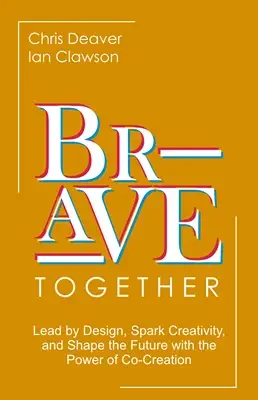
Picture a bustling office where ideas flow like electricity, sparking innovation at every turn. This isn’t a far-off dream, but a reality that Chris Deaver and Ian Clawson believe is within reach for every organization. In Brave Together: Lead by Design, Spark Creativity, and Shape the Future with the Power of Co-Creation, they unveil a groundbreaking approach to leadership that promises to revolutionize the way we work, create, and innovate.
The authors take us on a journey through the landscape of modern business, where traditional hierarchies are crumbling and collaborative ecosystems are taking root. They argue that in today’s fast-paced, interconnected world, the old command-and-control model of leadership is not just outdated – it’s downright dangerous. Instead, they champion the power of co-creation, a dynamic process that brings diverse minds together to solve complex problems and drive meaningful change.
Drawing from their vast experience working with tech giants and Fortune 500 companies, Deaver and Clawson offer a wealth of real-world examples that illustrate the transformative power of co-creation. From Apple’s legendary product design process to Pixar’s collaborative storytelling techniques, they show how some of the world’s most innovative companies have harnessed collective creativity to achieve extraordinary results.
But Brave Together isn’t just about big companies with big budgets. The authors make a compelling case that co-creation can work wonders in organizations of all sizes and across all industries. They provide a step-by-step guide for implementing co-creative practices, complete with practical exercises and actionable strategies that readers can start using right away.
By diving into Brave Together, readers will learn how to foster a culture of openness and trust, where diverse perspectives are not just welcomed but actively sought out. They’ll discover techniques for facilitating productive brainstorming sessions, managing creative conflict, and turning abstract ideas into concrete innovations. The book also explores the crucial role of empathy in co-creation, teaching leaders how to truly listen to their team members and create an environment where everyone feels empowered to contribute their best ideas.
At its heart, Brave Together is a clarion call for a new kind of leadership – one that values collaboration over competition, diversity over conformity, and creativity over control. The core message is simple yet profound: true innovation doesn’t come from lone geniuses working in isolation, but from the collective intelligence of diverse teams working together in an atmosphere of trust and mutual respect.
To illustrate this point, Deaver and Clawson use the metaphor of a jazz ensemble. In a great jazz performance, each musician brings their unique voice and expertise to the group. There’s a structure – a melody and a rhythm – but within that structure, there’s room for improvisation and spontaneity. The best jazz happens when musicians listen to each other, respond in the moment, and create something greater than the sum of their individual talents. This, the authors argue, is the essence of co-creation in business.
The significance of Brave Together lies in its timely and compelling challenge to traditional notions of leadership and innovation. In an era marked by rapid technological change, global competition, and increasing complexity, the book offers a roadmap for organizations looking to stay ahead of the curve.
The ideas presented in Brave Together have already gained traction in some of the world’s most successful companies. Google’s famous “20% time” policy, which allows employees to spend a fifth of their work hours on passion projects, is a prime example of co-creation in action. This policy has led to the development of some of Google’s most popular products, including Gmail and Google News.
While the concept of co-creation isn’t entirely new, Deaver and Clawson’s comprehensive framework and practical approach make Brave Together a standout in the crowded field of leadership literature. The book has garnered praise from business leaders and academics alike, with some hailing it as a potential game-changer in organizational development.
However, the book’s message is not without its critics. Some argue that the co-creation model may not be suitable for all types of organizations or industries, particularly those with strict hierarchies or regulatory constraints. Others question whether the high level of trust and openness required for effective co-creation is achievable in many real-world business settings.
Despite these criticisms, Brave Together has struck a chord with many in the business world. It has been featured in major publications like Harvard Business Review and Forbes, and both Deaver and Clawson have become sought-after speakers on the topic of creative leadership. The book’s impact extends beyond the business world, with educators and non-profit leaders also finding value in its principles of collaborative innovation.
In our assessment, Brave Together: Lead by Design, Spark Creativity, and Shape the Future with the Power of Co-Creation by Chris Deaver and Ian Clawson offers a compelling and timely exploration of collaborative leadership in the modern business landscape. The authors present a fresh perspective on fostering innovation and creativity within organizations, challenging traditional hierarchical models and offering a practical framework for implementing co-creative practices.
We find the book’s strengths lie in its innovative approach to leadership, its focus on practical application, and its rich array of real-world examples. The authors’ interdisciplinary approach, drawing insights from fields such as psychology, design thinking, and organizational behavior, provides readers with a comprehensive toolkit for addressing complex organizational challenges. The emphasis on continuous learning and adaptability aligns well with the demands of today’s rapidly evolving business environment.
However, we also note several areas where the book could have provided deeper insights. The limited discussion of potential drawbacks to co-creative leadership and the lack of quantitative evidence to support its claims may leave some readers skeptical. Additionally, the book’s underexploration of cultural differences and insufficient attention to scaling challenges in large organizations could limit its applicability in certain contexts.
Despite these limitations, we believe that Brave Together makes a valuable contribution to the field of leadership literature. Its fresh perspective on collaborative innovation and practical strategies for fostering creativity in organizational settings offer important insights for leaders navigating the complexities of the modern business world.
Our Recommendation
We recommend Brave Together to leaders at all levels who are looking to foster more innovative, collaborative, and adaptive organizational cultures. The book is particularly valuable for those in industries where creativity and rapid innovation are crucial for success. Its practical approach and accessible writing style make it a useful resource for both seasoned executives and emerging leaders.
However, we suggest that readers complement this book with other resources that address its blind spots, such as works focusing on execution, power dynamics in organizations, and leadership in remote work environments. By combining the insights from Brave Together with a broader range of perspectives, leaders can develop a more comprehensive and nuanced approach to collaborative leadership in today’s complex business landscape.
The essence of Brave Together revolves around the transformative power of co-creation in leadership and innovation. At its core, the book argues that the most effective leaders are those who can harness the collective creativity and intelligence of their teams. This approach requires a fundamental shift in how we think about leadership, moving away from top-down, hierarchical models towards more collaborative and inclusive practices. The authors posit that by embracing co-creation, organizations can unlock unprecedented levels of innovation, engagement, and performance.
Central to the book’s philosophy is the concept of psychological safety. Deaver and Clawson emphasize that for co-creation to flourish, leaders must create an environment where team members feel safe to express their ideas, take risks, and even fail without fear of repercussion. This involves cultivating trust, encouraging open communication, and valuing diverse perspectives. The authors argue that psychological safety is not just a “nice-to-have” but a critical foundation for innovation and high performance in the modern workplace.
Another key topic explored in Brave Together is the role of design thinking in co-creation. The authors present design thinking not just as a problem-solving methodology, but as a mindset that can be applied to leadership and organizational culture. They argue that the principles of design thinking – empathy, ideation, prototyping, and iteration – can be powerful tools for fostering collaboration and driving innovation. By encouraging leaders to approach challenges with a designer’s mindset, the book offers a fresh perspective on problem-solving and decision-making in business.
The book also delves into the importance of diversity and inclusion in the co-creation process. Deaver and Clawson make a compelling case that true innovation emerges from the intersection of different perspectives, experiences, and backgrounds. They argue that leaders must actively seek out and value diverse voices, not just as a matter of fairness, but as a strategic imperative for creativity and problem-solving. This involves going beyond surface-level diversity to create truly inclusive environments where all team members feel empowered to contribute their unique insights.
A significant portion of the book is dedicated to exploring the leader’s role as a facilitator of co-creation. The authors challenge traditional notions of leadership that emphasize control and direction, instead advocating for a more facilitative approach. They argue that in a co-creative environment, the leader’s primary job is to create the conditions for collaboration, guide the process, and remove obstacles that hinder creativity. This requires a high degree of emotional intelligence, adaptability, and a willingness to relinquish some control in service of the collective creative process.
Brave Together also introduces the concept of “creative conflict” as a crucial element of co-creation. The authors argue that disagreement and tension, when managed effectively, can be powerful catalysts for innovation. They provide strategies for fostering healthy debate, encouraging constructive criticism, and navigating the inevitable conflicts that arise when diverse minds come together. By reframing conflict as a positive force, the book offers a fresh perspective on team dynamics and problem-solving.
Lastly, the book emphasizes the importance of continuous learning and adaptation in co-creative leadership. Deaver and Clawson stress that co-creation is not a one-time event but an ongoing process of experimentation, reflection, and refinement. They encourage leaders to embrace a growth mindset, both for themselves and their teams, and to view every project or challenge as an opportunity for learning and improvement. This approach, they argue, is essential for staying agile and innovative in today’s rapidly changing business landscape.
Apple’s Product Design Process: The authors use Apple’s renowned product design process as a prime example of co-creation in action. They describe how Apple brings together diverse teams of engineers, designers, marketers, and even end-users to collaborate on new products. The process involves intense brainstorming sessions, rapid prototyping, and rigorous testing, all guided by a shared vision of creating user-friendly, innovative products. This case study illustrates how co-creation can lead to groundbreaking innovations that revolutionize entire industries.
Pixar’s Collaborative Storytelling: Deaver and Clawson highlight Pixar Animation Studios’ unique approach to storytelling as another powerful example of co-creation. They describe Pixar’s “Braintrust” meetings, where filmmakers present their works-in-progress to a group of peers for honest, sometimes brutally frank feedback. This process, which embodies the principles of psychological safety and creative conflict, has been crucial to Pixar’s consistent production of critically acclaimed and commercially successful films. The example demonstrates how co-creation can be applied in creative industries to produce exceptional results.
Google’s 20% Time Policy: The book explores Google’s famous 20% time policy as an innovative approach to fostering co-creation within a large organization. This policy allows employees to spend 20% of their work time on projects of their own choosing, often collaborating with colleagues from different departments. The authors describe how this policy has led to the development of some of Google’s most successful products, including Gmail and Google News. This example illustrates how giving employees the freedom to pursue their passions and collaborate across boundaries can drive innovation and engagement.
IDEO’s Design Thinking Workshops: The authors use IDEO, the global design firm, as an example of how design thinking principles can be applied to facilitate co-creation. They describe IDEO’s collaborative workshops, where diverse teams use techniques like empathy mapping, rapid prototyping, and iterative testing to solve complex problems for clients. This case study demonstrates how the design thinking process can be used to structure co-creative efforts and drive innovation in various industries.
Zappos’ Holacracy Experiment: Brave Together examines Zappos’ bold experiment with holacracy as an example of radical co-creation in organizational structure. The authors describe how the online retailer eliminated traditional management hierarchies in favor of a self-organizing system where employees have more autonomy and decision-making power. While acknowledging the challenges of this approach, the book uses this case study to illustrate the potential for reimagining organizational structures to foster greater collaboration and innovation.
Create Psychological Safety
One of the most crucial insights from Brave Together is the importance of psychological safety in fostering co-creation. The authors argue that for team members to contribute their best ideas and take creative risks, they need to feel safe from judgment or retribution. To create this environment, leaders should actively encourage open communication and demonstrate vulnerability by admitting their own mistakes and uncertainties. Implement regular team-building exercises that focus on trust and empathy. For example, start meetings with a brief check-in where team members can share personal or professional challenges they’re facing. This practice helps build connections and creates a supportive atmosphere. Additionally, establish a “no-blame” policy for failed experiments or projects, instead focusing on learning and growth opportunities. By consistently reinforcing these behaviors, leaders can create a culture where team members feel comfortable sharing innovative ideas and taking calculated risks.
Embrace Design Thinking
The book emphasizes the power of design thinking as a framework for co-creation. Leaders can apply this approach by structuring problem-solving sessions around the key stages of design thinking: empathize, define, ideate, prototype, and test. Start by conducting empathy interviews with stakeholders to gain a deep understanding of the problem from multiple perspectives. Use tools like journey mapping or persona creation to synthesize this information. When ideating, employ techniques like “How Might We” questions to reframe challenges in a way that invites creative solutions. Encourage rapid prototyping of ideas, using simple materials or quick digital mockups to make concepts tangible. Finally, establish a culture of iterative testing, where prototypes are continuously refined based on user feedback. By integrating these design thinking practices into your team’s workflow, you can foster a more collaborative and innovative approach to problem-solving.
Facilitate Creative Conflict
Brave Together introduces the concept of “creative conflict” as a catalyst for innovation. The authors argue that disagreement, when managed effectively, can lead to better outcomes. To implement this insight, leaders should actively encourage diverse viewpoints and teach team members how to engage in constructive debate. Establish ground rules for discussions that emphasize respect and active listening. Use techniques like “devil’s advocate” or “six thinking hats” to deliberately introduce different perspectives into conversations. When conflicts arise, guide the team to focus on the issue at hand rather than personal disagreements. Teach and model the use of “Yes, and…” statements to build on ideas rather than shutting them down. By creating an environment where creative conflict is seen as a positive force, leaders can harness the power of diverse thinking to drive innovation.
Cultivate a Growth Mindset
A key insight from the book is the importance of fostering a growth mindset in co-creative teams. Leaders should encourage continuous learning and frame challenges as opportunities for development. Implement a regular practice of “learning reviews” after each project, where team members reflect on what they’ve learned and how they can apply these lessons to future work. Create a “failure resume” exercise, where team members document their failures and the valuable insights gained from them. This practice helps reframe setbacks as stepping stones to success. Provide resources and time for skill development, such as a monthly “learning day” where team members can explore new topics or technologies. By consistently reinforcing the value of learning and growth, leaders can create a culture where innovation thrives and team members are motivated to push their boundaries.
Leverage Diversity for Innovation
Brave Together emphasizes the critical role of diversity in driving innovation through co-creation. To apply this insight, leaders should actively seek out and value diverse perspectives, experiences, and backgrounds in their teams. Go beyond surface-level diversity to create truly inclusive environments. Implement “reverse mentoring” programs where junior team members from diverse backgrounds mentor senior leaders, providing fresh perspectives and insights. Use techniques like “perspective-taking” exercises in brainstorming sessions, where team members are asked to approach problems from different stakeholders’ viewpoints. Create cross-functional project teams that bring together individuals from various departments and disciplines. By intentionally leveraging diversity in the co-creation process, leaders can tap into a wider range of ideas and solutions.
Reimagine the Leader’s Role
The book challenges traditional notions of leadership, advocating for a more facilitative approach in co-creative environments. To implement this insight, leaders should focus on creating the conditions for collaboration rather than dictating solutions. Practice “leading from behind” by asking powerful questions that guide the team’s thinking rather than providing direct answers. Develop skills in active listening and empathy to better understand and support team members’ needs. Implement a system of distributed decision-making, where team members are empowered to make decisions within clearly defined parameters. Use techniques like “delegation poker” to collaboratively determine appropriate levels of autonomy for different tasks. By shifting their role from director to facilitator, leaders can unlock the full creative potential of their teams.
Create Spaces for Serendipity
Brave Together highlights the importance of unstructured interactions in fostering co-creation. To apply this insight, leaders should design physical and virtual spaces that encourage spontaneous collaboration. If possible, create open office layouts with comfortable common areas where team members can gather informally. Implement a “10% time” policy similar to Google’s, where employees can work on passion projects and collaborate across departments. Organize regular “innovation fairs” or “hack days” where team members can showcase personal projects and form ad-hoc teams around exciting ideas. In virtual settings, create digital “water cooler” channels or regular informal video chats to replicate casual office interactions. By intentionally creating opportunities for serendipitous encounters and collaborations, leaders can spark unexpected innovations and strengthen team bonds.
Implement Rapid Prototyping
The book emphasizes the value of quick experimentation in the co-creation process. To apply this insight, leaders should foster a culture of rapid prototyping and iteration. Introduce the concept of “minimum viable products” (MVPs) to your team, encouraging them to create simple versions of ideas that can be tested quickly. Set up a dedicated prototyping space with readily available materials for physical prototyping, or provide easy-to-use digital tools for software prototyping. Establish regular “demo days” where team members can showcase their prototypes and gather feedback from colleagues. Implement a “build-measure-learn” cycle for all projects, with clear metrics for evaluating prototypes and informing next steps. By making rapid prototyping a core part of your team’s workflow, you can accelerate innovation and reduce the fear of failure that often stifles creativity.
Innovative Leadership Framework
Brave Together presents a groundbreaking approach to leadership that challenges traditional hierarchical models. The authors’ concept of co-creation offers a fresh perspective on how leaders can harness collective creativity and intelligence within their organizations. This framework is particularly relevant in today’s rapidly changing business landscape, where agility and innovation are crucial for success. The book provides a comprehensive roadmap for implementing co-creative practices, making it a valuable resource for leaders looking to transform their management style and organizational culture. By emphasizing collaboration, psychological safety, and diverse thinking, Deaver and Clawson offer a leadership model that aligns well with the needs and expectations of modern workforces, particularly millennials and Gen Z employees who value autonomy and meaningful contribution.
Practical Application
One of the book’s major strengths is its focus on practical application. Rather than simply presenting theoretical concepts, Brave Together offers concrete strategies and tools that leaders can implement immediately. The authors provide numerous exercises, worksheets, and step-by-step guides for facilitating co-creative processes. For example, they outline specific techniques for running effective brainstorming sessions, managing creative conflicts, and fostering psychological safety within teams. These practical elements make the book an actionable resource, bridging the gap between theory and practice. Leaders can easily adapt these tools to their specific organizational contexts, making the implementation of co-creative practices more accessible and less daunting.
Rich Real-World Examples
Brave Together is replete with compelling case studies and real-world examples that illustrate the power of co-creation in action. The authors draw from their extensive experience working with leading companies like Apple, Pixar, and Google to provide vivid, relatable examples of co-creative practices. These case studies not only make the concepts more tangible but also demonstrate the versatility of co-creation across different industries and organizational sizes. By showcasing both successes and challenges in implementing co-creative approaches, the book provides a balanced and realistic view of what leaders can expect when adopting these practices. This wealth of examples helps readers connect abstract concepts to practical realities, enhancing the book’s persuasiveness and applicability.
Interdisciplinary Approach
The book stands out for its interdisciplinary approach to leadership and innovation. Deaver and Clawson draw insights from various fields, including psychology, design thinking, organizational behavior, and even improvisational theater. This diverse range of influences results in a rich, multifaceted exploration of co-creation. For instance, the authors’ discussion of psychological safety is rooted in organizational psychology research, while their insights on rapid prototyping draw from design thinking methodologies. By synthesizing knowledge from different disciplines, the book offers a holistic understanding of collaborative leadership that goes beyond traditional business literature. This interdisciplinary lens provides readers with a more comprehensive toolkit for addressing complex organizational challenges.
Emphasis on Continuous Learning
Brave Together strongly emphasizes the importance of continuous learning and adaptation in co-creative leadership. The authors argue convincingly that in today’s fast-paced business environment, the ability to learn, unlearn, and relearn is crucial for sustained success. They provide strategies for fostering a growth mindset within organizations and offer practical advice on how leaders can create cultures of experimentation and learning. This focus on continuous improvement aligns well with the realities of the modern business world, where change is constant and adaptability is key. By encouraging leaders to view every project or challenge as a learning opportunity, the book promotes a more resilient and innovative approach to leadership.
Accessible Writing Style
Despite tackling complex concepts, Brave Together maintains an accessible and engaging writing style throughout. The authors skillfully balance academic rigor with readability, making the book approachable for a wide range of readers, from seasoned executives to aspiring leaders. They use clear language, avoid jargon, and provide helpful analogies to explain complex ideas. For example, their comparison of co-creative leadership to jazz improvisation vividly illustrates the balance between structure and spontaneity in collaborative environments. This accessible style ensures that the book’s valuable insights reach a broad audience, increasing its potential impact on leadership practices across various sectors.
Limited Discussion of Potential Drawbacks
While Brave Together presents a compelling case for co-creative leadership, it could benefit from a more thorough exploration of potential drawbacks or challenges associated with this approach. The authors’ enthusiasm for co-creation sometimes leads to an overly optimistic view, potentially overlooking situations where more traditional leadership styles might be necessary or effective. For instance, the book could have delved deeper into scenarios where rapid decision-making is crucial, or where highly specialized expertise might trump collaborative approaches. A more balanced discussion of when and how to apply co-creative practices versus other leadership styles would have provided readers with a more nuanced understanding of the concept’s applicability.
Lack of Quantitative Evidence
While the book is rich in qualitative examples and case studies, it falls short in presenting substantial quantitative evidence to support its claims about the effectiveness of co-creative leadership. The authors rely heavily on anecdotal evidence and theoretical arguments, which, while compelling, may not satisfy readers looking for hard data on the impact of co-creation on organizational performance metrics. Including more statistical analyses or longitudinal studies demonstrating the long-term effects of co-creative practices on factors like innovation output, employee satisfaction, or financial performance would have strengthened the book’s arguments and provided a more robust foundation for its recommendations.
Underexploration of Cultural Differences
Brave Together primarily draws examples from Western, particularly American, business contexts. The book could have benefited from a more in-depth exploration of how co-creative leadership principles might apply or need to be adapted in different cultural settings. For instance, the emphasis on open communication and challenging authority figures might conflict with cultural norms in some hierarchical societies. While the authors briefly mention the importance of cultural sensitivity, a more thorough discussion of how co-creation can be implemented across diverse cultural contexts would have enhanced the book’s global applicability and provided valuable insights for leaders operating in multicultural environments.
Insufficient Attention to Scaling Challenges
While the book provides excellent guidance for implementing co-creative practices within teams or small organizations, it could have offered more insights on how to scale these practices in large, complex corporations. The challenges of maintaining psychological safety, fostering open communication, and managing creative conflicts can be significantly different in organizations with thousands of employees across multiple locations. The authors could have explored strategies for adapting co-creative practices to different organizational sizes and structures, addressing issues like maintaining consistency across departments or navigating bureaucratic obstacles in larger institutions. This additional perspective would have made the book more valuable for leaders in large-scale enterprises looking to implement co-creative approaches.
Overemphasis on Creativity at the Expense of Execution
While Brave Together excellently emphasizes the importance of creativity and innovation through co-creation, it may inadvertently downplay the critical role of efficient execution in organizational success. The book’s focus on fostering creative environments and collaborative problem-solving could lead readers to underestimate the importance of disciplined implementation and project management. This blind spot might result in leaders prioritizing ideation and brainstorming at the expense of timely delivery and practical results. To address this gap, readers might benefit from complementing Brave Together with books that focus on execution, such as Execution: The Discipline of Getting Things Done by Larry Bossidy and Ram Charan. This book provides a counterbalance by emphasizing the importance of linking strategy to operations and people processes. Similarly, The 4 Disciplines of Execution by Chris McChesney, Sean Covey, and Jim Huling offers practical strategies for implementing key organizational goals amid the whirlwind of daily operations, which could help leaders maintain a balance between creative co-creation and effective execution.
Underestimation of Power Dynamics
Brave Together presents an idealistic view of collaborative leadership where all team members contribute equally and openly. However, it may not fully address the complex power dynamics that exist in most organizations. The book’s approach might lead readers to underestimate how existing hierarchies, personal agendas, and informal power structures can impact the implementation of co-creative practices. This blind spot could result in naive attempts at collaboration that fail to account for these underlying dynamics. Leaders might struggle with resistance from those who perceive co-creation as a threat to their authority or status. To gain a more nuanced understanding of organizational power dynamics, readers could turn to Power: Why Some People Have It and Others Don’t by Jeffrey Pfeffer. This book offers insights into the realities of power in organizations and how it influences decision-making and collaboration. Additionally, The Power Paradox by Dacher Keltner explores how power is gained and lost in human relationships, providing valuable perspectives on managing power dynamics in collaborative settings.
Overlooking the Challenges of Remote Co-Creation
While Brave Together provides excellent strategies for fostering co-creation in traditional office settings, it may not fully address the unique challenges of implementing these practices in remote or hybrid work environments. The book was likely written before the widespread shift to remote work accelerated by the COVID-19 pandemic, and as such, it may not offer sufficient guidance on maintaining collaborative energy, psychological safety, and creative conflict in virtual settings. This blind spot could lead to difficulties in applying the book’s principles in the increasingly common remote and distributed team structures. To fill this gap, readers might benefit from exploring books that specifically address remote collaboration and leadership, such as Remote: Office Not Required by Jason Fried and David Heinemeier Hansson. This book offers insights into building and managing distributed teams effectively. Another valuable resource is The Long-Distance Leader: Rules for Remarkable Remote Leadership by Kevin Eikenberry and Wayne Turmel, which provides strategies for adapting leadership practices to remote work contexts.
Assumption of Unlimited Resources
Brave Together presents many innovative ideas for fostering co-creation, but it may not fully acknowledge the resource constraints that many organizations face. The book’s recommendations for creating collaborative spaces, implementing new technologies, or allocating time for creative pursuits might be challenging for companies with limited budgets or lean operations. This blind spot could lead to frustration among leaders who are enthusiastic about co-creation but lack the resources to implement the book’s suggestions fully. The authors could have provided more guidance on how to adapt co-creative practices to different resource levels and organizational contexts. To address this gap, readers might find value in books that focus on innovation and creativity within constraints, such as A Beautiful Constraint: How To Transform Your Limitations Into Advantages, and Why It’s Everyone’s Business by Adam Morgan and Mark Barden. This book offers strategies for turning limitations into opportunities for innovation. Additionally, Frugal Innovation: How to do More with Less by Navi Radjou and Jaideep Prabhu provides insights on fostering innovation and creativity in resource-constrained environments, offering a valuable complement to the ideas presented in Brave Together.
Potential Overreliance on Intrinsic Motivation
While Brave Together rightly emphasizes the importance of intrinsic motivation in fostering creativity and collaboration, it may underestimate the role of extrinsic motivators in organizational settings. The book’s focus on creating environments that nurture internal drive and passion could lead readers to overlook the practical realities of performance management, compensation structures, and career advancement that significantly influence employee behavior. This blind spot might result in leaders struggling to align co-creative practices with existing reward systems or failing to address the valid extrinsic motivations of team members. To gain a more balanced perspective on motivation in the workplace, readers could explore Drive: The Surprising Truth About What Motivates Us by Daniel H. Pink. This book offers a nuanced view of intrinsic and extrinsic motivation, providing insights on how to balance both in organizational settings. Another valuable resource is Primed to Perform: How to Build the Highest Performing Cultures Through the Science of Total Motivation by Neel Doshi and Lindsay McGregor, which explores how different types of motivation impact performance and how to create cultures that tap into both intrinsic and extrinsic drivers.
Leading from the Emerging Future by Otto Scharmer and Katrin Kaufer
While Brave Together focuses on co-creation as a leadership approach, Scharmer and Kaufer’s Leading from the Emerging Future introduces the concept of “presencing” – a blend of presence and sensing. Both books emphasize the importance of collective intelligence and collaboration in leadership. However, Leading from the Emerging Future takes a more systemic approach, exploring how leaders can facilitate change at individual, organizational, and societal levels. Scharmer and Kaufer’s work delves deeper into the spiritual and philosophical aspects of leadership, proposing a framework for connecting to one’s highest future potential. In contrast, Brave Together offers a more practical, business-oriented approach to collaborative leadership. While both books advocate for a shift away from traditional top-down leadership models, Leading from the Emerging Future places greater emphasis on addressing global challenges and creating sustainable systems change.
The Innovator’s DNA by Jeff Dyer, Hal Gregersen, and Clayton M. Christensen
The Innovator’s DNA shares Brave Together’s focus on fostering innovation within organizations. However, while Deaver and Clawson emphasize co-creation and collaborative processes, Dyer, Gregersen, and Christensen concentrate on identifying and developing individual innovation skills. The Innovator’s DNA presents five key skills of disruptive innovators: associating, questioning, observing, networking, and experimenting. This approach complements Brave Together by providing a framework for developing personal innovation capabilities that can enhance co-creative processes. While Brave Together primarily explores how leaders can create environments conducive to innovation, The Innovator’s DNA offers insights into how individuals can cultivate their innovative potential. The combination of these perspectives provides a more comprehensive view of innovation in organizations, addressing both systemic and individual factors.
Creativity, Inc. by Ed Catmull and Amy Wallace
Creativity, Inc. shares Brave Together’s emphasis on fostering creativity and innovation in organizations. However, Catmull and Wallace’s book offers a more specific case study approach, focusing on Pixar Animation Studios’ journey to become a creative powerhouse. Both books highlight the importance of psychological safety and open communication in nurturing creativity. Creativity, Inc. provides more detailed insights into the day-to-day practices and challenges of maintaining a creative culture in a large organization. While Brave Together offers a broader framework applicable across various industries, Creativity, Inc. dives deep into the nuances of managing creative teams in a high-stakes, project-based environment. Catmull’s book also places greater emphasis on the role of leadership in removing barriers to creativity, offering practical strategies for addressing common obstacles.
Team of Teams by General Stanley McChrystal
Both Brave Together and Team of Teams advocate for more adaptive, collaborative organizational structures. However, McChrystal’s book draws its insights from military experiences, particularly the challenges of fighting Al Qaeda in Iraq. Team of Teams focuses on how organizations can become more agile and responsive in complex, rapidly changing environments. While Brave Together emphasizes co-creation as a means of fostering innovation, Team of Teams stresses the importance of creating a shared consciousness and empowering execution. McChrystal’s work provides a compelling argument for decentralized decision-making and information sharing, complementing Brave Together’s focus on collaborative problem-solving. The military context of Team of Teams offers a unique perspective on the challenges and benefits of implementing collaborative approaches in high-stakes, hierarchical environments.
Reinventing Organizations by Frederic Laloux
Laloux’s Reinventing Organizations shares Brave Together’s vision of more collaborative, less hierarchical organizational structures. However, Laloux takes this concept further by exploring “Teal” organizations – self-managing entities guided by evolutionary purpose. While Brave Together focuses on leadership practices that foster co-creation, Reinventing Organizations examines how entire organizational systems can be restructured to promote autonomy, wholeness, and purpose. Laloux’s work provides a more radical vision of organizational transformation, offering case studies of companies that have successfully implemented self-management principles. Brave Together offers practical strategies for leaders working within more traditional structures, while Reinventing Organizations challenges readers to reimagine the very foundations of how organizations operate.
Cultivate a Co-Creative Mindset
Foster Psychological Safety in Your Sphere of Influence
Apply Design Thinking to Problem-Solving
Leverage Diversity for Innovation
Facilitate Creative Conflict
Embrace Continuous Learning and Adaptation
Foster a Culture of Psychological Safety
Implementing the principles of Brave Together in a business context starts with creating an environment where employees feel safe to take risks, share ideas, and make mistakes without fear of retribution. This involves developing a culture that values open communication, embraces diverse perspectives, and views failures as learning opportunities. Organizations should encourage leaders at all levels to model vulnerability, actively seek input from team members, and respond positively to new ideas and constructive criticism.
However, fostering psychological safety can be challenging, especially in organizations with a history of hierarchical structures or punitive approaches to mistakes. Employees may be hesitant to speak up or take risks if they’ve experienced negative consequences in the past. Additionally, some leaders might perceive a psychologically safe environment as a threat to their authority or worry that it could lead to a lack of accountability.
To overcome these challenges, organizations can start by providing comprehensive training on psychological safety for all employees, with a particular focus on leadership. This training should include practical exercises and role-playing scenarios to help staff understand and practice these concepts. Implementing anonymous feedback systems can also encourage honest communication. Furthermore, organizations should revise their performance evaluation and reward systems to recognize and incentivize behaviors that contribute to psychological safety, such as admitting mistakes, asking for help, or offering constructive feedback.
Implement Design Thinking Methodologies
Incorporating design thinking methodologies, as suggested in Brave Together, can help businesses approach problem-solving and innovation more creatively and effectively. This involves adopting practices such as empathy mapping, rapid prototyping, and iterative testing. Organizations should create cross-functional teams for projects and encourage them to use these methodologies to develop user-centered solutions.
The implementation of design thinking can face resistance, particularly in organizations with rigid, traditional processes. Employees might be uncomfortable with the ambiguity and apparent “messiness” of design thinking processes. There may also be concerns about the time and resources required for activities like empathy research or multiple rounds of prototyping.
To address these issues, organizations can start by piloting design thinking methodologies on smaller, low-stakes projects to demonstrate their value. Providing hands-on workshops and bringing in experienced facilitators can help employees become more comfortable with these new approaches. It’s also crucial to educate leadership on the long-term benefits of design thinking, emphasizing how it can lead to more innovative and effective solutions. Establishing clear metrics for measuring the impact of design thinking projects can help justify the initial investment and build support for wider adoption.
Leverage Diversity for Innovation
Brave Together emphasizes the importance of diversity in driving innovation through co-creation. Businesses should actively seek to build diverse teams, not just in terms of demographics but also in skills, experiences, and thinking styles. This involves reviewing hiring practices, creating inclusive workplace policies, and fostering an environment where diverse perspectives are valued and incorporated into decision-making processes.
However, leveraging diversity for innovation can be challenging. Unconscious biases can influence hiring and promotion decisions, limiting diversity at higher levels of the organization. Even with a diverse workforce, some employees may feel uncomfortable expressing divergent viewpoints, particularly if they’re in the minority. Additionally, diverse teams may initially experience more conflict and communication challenges.
To overcome these obstacles, organizations should implement comprehensive diversity and inclusion training programs that go beyond surface-level discussions to address unconscious biases and promote inclusive behaviors. Establishing employee resource groups can provide support and networking opportunities for underrepresented groups. Implementing structured decision-making processes that explicitly seek out and consider diverse viewpoints can help ensure that all voices are heard. Finally, providing training in cross-cultural communication and conflict resolution can help diverse teams work together more effectively.
Reimagine Leadership Roles
Brave Together challenges traditional notions of leadership, advocating for a more facilitative approach. In a business context, this means shifting from a command-and-control style to one where leaders act more as coaches and facilitators. Organizations should encourage leaders to focus on creating the conditions for collaboration, guiding processes, and removing obstacles rather than dictating solutions.
This shift can be particularly challenging for organizations with deeply ingrained hierarchical structures and for leaders who have succeeded under traditional models. Some leaders may feel threatened by the loss of perceived authority or struggle with the ambiguity of a more collaborative approach. There may also be concerns about decision-making speed and accountability in a more distributed leadership model.
To facilitate this transition, organizations can invest in leadership development programs that focus on coaching and facilitation skills. Implementing mentoring programs where leaders can learn from peers who have successfully adopted this approach can be beneficial. It’s also important to adjust performance evaluation criteria for leaders to reflect the new expectations, rewarding behaviors that foster collaboration and innovation rather than just short-term results. Organizations can also create opportunities for leaders to experience the benefits of facilitative leadership firsthand, such as through cross-functional projects or innovation labs.
Create Spaces for Serendipitous Interactions
Brave Together highlights the importance of unstructured interactions in fostering creativity and innovation. In a business context, this involves designing physical and virtual spaces that encourage spontaneous collaboration. This could include creating comfortable common areas in the office, implementing flexible work arrangements that allow for both focused work and collaboration, and using digital tools that facilitate informal communication and idea-sharing.
Implementing this can be challenging, particularly in organizations with traditional office layouts or those that have shifted to primarily remote work. There may be concerns about the cost of office redesigns or the potential for decreased productivity if employees spend too much time in informal interactions. In remote settings, recreating the spontaneity of in-person encounters can be particularly difficult.
To address these challenges, organizations can start by creating small “collision spaces” in existing office layouts, such as setting up comfortable seating areas near high-traffic zones. For remote teams, implementing virtual “water cooler” channels or regular informal video chats can help recreate casual office interactions. It’s important to communicate the value of these informal interactions to all employees and leaders, emphasizing how they contribute to innovation and relationship-building. Organizations can also experiment with different approaches, such as designated “no-meeting” days for spontaneous collaboration, and gather feedback to refine their strategies over time.
Implement Rapid Prototyping and Experimentation
Brave Together emphasizes the value of quick experimentation in the co-creation process. In a business context, this involves fostering a culture of rapid prototyping and iteration. Organizations should encourage teams to create minimum viable products (MVPs) or quick prototypes of ideas, gather feedback, and iterate rapidly. This approach can lead to faster innovation cycles and reduce the risk of investing heavily in unproven concepts.
However, implementing rapid prototyping can be challenging in organizations with lengthy approval processes or a low tolerance for risk. There may be concerns about quality control, particularly in industries with strict regulations. Some stakeholders might also be uncomfortable with sharing “unfinished” work with customers or partners.
To overcome these obstacles, organizations can start by creating “innovation sandboxes” – designated projects or areas where rapid prototyping methods can be tested with minimal risk to core operations. Providing training in rapid prototyping techniques and tools can help teams become more comfortable with this approach. It’s also crucial to educate stakeholders on the benefits of early feedback and iteration. Implementing clear guidelines for when and how to use rapid prototyping, and how to transition successful prototypes into full-scale projects, can help address quality and regulatory concerns. Finally, celebrating “failed” experiments that provide valuable learning can help shift the organizational mindset towards one that embraces experimentation.
Remote and Hybrid Work Environments
The principles of co-creation outlined in Brave Together are increasingly relevant in the context of remote and hybrid work environments. As organizations continue to adapt to distributed teams, the need for effective collaboration across distances becomes crucial. The book’s emphasis on psychological safety and open communication provides a valuable framework for maintaining team cohesion in virtual settings.
Future workplaces will likely need to balance the flexibility of remote work with the benefits of in-person collaboration. Co-creative leadership approaches could play a key role in fostering innovation and maintaining company culture in these hybrid environments. Leaders may need to develop new skills to facilitate co-creation across physical and virtual spaces.
Artificial Intelligence and Human Creativity
As artificial intelligence continues to advance, the uniquely human aspects of creativity and innovation highlighted in Brave Together become even more valuable. The book’s focus on harnessing collective human intelligence aligns with the growing need for skills that complement AI rather than compete with it.
Co-creative processes could evolve to incorporate AI tools, with humans focusing on problem framing, empathy, and creative synthesis. The principles of psychological safety and diverse thinking may become crucial in helping teams adapt to working alongside AI systems. Organizations might need to reimagine co-creation to include both human and AI contributors.
Sustainability and Stakeholder Capitalism
The collaborative problem-solving approaches advocated in Brave Together align well with the growing focus on sustainability and stakeholder capitalism. As businesses face increasing pressure to address complex environmental and social challenges, co-creative leadership could provide a framework for engaging diverse stakeholders and finding innovative solutions.
The book’s emphasis on empathy and diverse perspectives could be particularly valuable in navigating the often conflicting interests of various stakeholders. Future leaders may need to apply co-creative principles not just within their organizations, but across entire ecosystems of partners, customers, and communities. This could lead to new models of collaborative governance and decision-making in business.
Continuous Learning and Adaptability
In an era of rapid technological change and economic uncertainty, the emphasis on continuous learning and adaptability in Brave Together is likely to become even more critical. The book’s approach to fostering a growth mindset and embracing failure as a learning opportunity aligns with the increasing need for organizational agility.
Future work environments may see a shift towards more fluid roles and project-based structures, requiring employees to constantly learn and adapt. Co-creative leadership principles could play a key role in facilitating this ongoing learning process. Organizations might need to reimagine traditional career paths and performance metrics to encourage continuous skill development and knowledge sharing.
Democratization of Innovation
The co-creation principles outlined in Brave Together align with a broader trend towards the democratization of innovation. As technology lowers barriers to entry across industries, organizations increasingly need to tap into ideas from all levels of the company and beyond.
Future innovation processes may become more open and collaborative, involving not just employees but also customers, partners, and even competitors. The book’s emphasis on psychological safety and diverse thinking provides a framework for managing these more inclusive innovation ecosystems. Leaders may need to develop new skills in facilitating co-creation across organizational boundaries and managing the complexities of open innovation.
The ideas presented in Brave Together have the potential to significantly influence leadership practices and organizational structures in the coming years. As businesses face increasingly complex challenges in a rapidly changing global environment, the need for more adaptive, collaborative approaches to leadership is likely to grow. The book’s emphasis on co-creation could lead to a shift away from traditional top-down management styles, fostering more inclusive and innovative organizational cultures.
In the long term, widespread adoption of co-creative leadership practices could result in flatter organizational hierarchies and more distributed decision-making processes. This shift could lead to increased employee engagement and job satisfaction, as team members feel more empowered to contribute their ideas and take ownership of their work. Moreover, organizations that successfully implement co-creative practices may see improvements in their ability to innovate and adapt to market changes, potentially gaining competitive advantages in their respective industries.
The book’s focus on psychological safety and open communication could have broader societal implications beyond the business world. As these principles gain traction in organizational settings, they may influence educational institutions, government agencies, and non-profit organizations. This could lead to more collaborative approaches to problem-solving in various sectors, potentially improving the way societies address complex challenges such as climate change, healthcare, and social inequality.
Furthermore, the emphasis on diversity and inclusion in co-creative processes could contribute to more equitable workplaces and, by extension, a more inclusive society. As organizations recognize the value of diverse perspectives in driving innovation, they may become more proactive in recruiting and retaining talent from underrepresented groups. This shift could have ripple effects on social mobility and representation in leadership positions across various sectors.
The book’s advocacy for continuous learning and adaptability aligns well with the needs of the rapidly evolving job market. As automation and artificial intelligence continue to transform industries, the ability to collaborate, think creatively, and adapt to new situations will become increasingly valuable skills. Educational institutions and professional development programs may begin to place greater emphasis on these co-creative competencies, potentially reshaping curricula and training methodologies.
However, the widespread adoption of co-creative leadership practices may also face challenges. Traditional power structures and deeply ingrained organizational cultures may resist change, potentially leading to conflicts within organizations attempting to implement these new approaches. Additionally, the success of co-creative practices may vary across different cultural contexts, requiring careful adaptation and consideration of local norms and values.
The Fearless Organization: Creating Psychological Safety in the Workplace for Learning, Innovation, and Growth by Amy C. Edmondson
Amy Edmondson’s book provides a deep dive into the concept of psychological safety, which is a crucial foundation for the co-creative processes discussed in Brave Together. Edmondson, a leading expert in the field, offers research-backed strategies for fostering psychological safety in various organizational contexts. This book complements Brave Together by providing a more comprehensive exploration of how to create an environment where team members feel safe to take risks, share ideas, and collaborate effectively. Readers will gain additional insights into overcoming barriers to psychological safety and measuring its impact on organizational performance.
Teaming: How Organizations Learn, Innovate, and Compete in the Knowledge Economy by Amy C. Edmondson
Another valuable work by Amy Edmondson, Teaming explores how organizations can foster effective collaboration in dynamic, uncertain environments. This book aligns with the co-creation principles in Brave Together but focuses more on the challenges of “teaming” – the process of working together across boundaries. Edmondson’s insights into learning behaviors and team dynamics provide a valuable complement to Deaver and Clawson’s work, offering readers a deeper understanding of how to facilitate collaboration in complex organizational settings. The book is particularly relevant for leaders grappling with rapid change and the need for cross-functional cooperation.
The Innovator’s Method: Bringing the Lean Start-up into Your Organization by Nathan Furr and Jeff Dyer
Furr and Dyer’s book offers a practical framework for implementing innovative practices within established organizations, aligning well with the co-creative approaches discussed in Brave Together. The authors present a method that combines design thinking, lean startup, and agile development principles. This book provides readers with specific tools and techniques for fostering innovation, complementing the broader leadership principles outlined in Brave Together. It’s particularly valuable for those looking to translate co-creative ideals into concrete organizational processes.
Creativity, Inc.: Overcoming the Unseen Forces That Stand in the Way of True Inspiration by Ed Catmull and Amy Wallace
Ed Catmull, co-founder of Pixar, offers an inside look at fostering creativity in a large organization. While Brave Together provides a broad framework for co-creative leadership, Creativity, Inc. offers a deep dive into how these principles play out in a highly creative industry. Catmull’s insights into managing creative teams, embracing failure, and maintaining a culture of innovation provide valuable real-world context to the concepts discussed in Brave Together. This book is particularly relevant for leaders in creative industries or those looking to infuse more creativity into their organizational cultures.
The Culture Code: The Secrets of Highly Successful Groups by Daniel Coyle
Daniel Coyle’s book explores the factors that contribute to highly effective team cultures, aligning closely with the collaborative principles outlined in Brave Together. Coyle draws on a wide range of examples, from Navy SEALs to comedy troupes, to identify key elements of successful group dynamics. This book complements Brave Together by offering additional perspectives on how to build strong, innovative teams. Readers will gain insights into the subtle behaviors and interactions that underpin effective collaboration, enhancing their ability to implement co-creative practices.
Team of Teams: New Rules of Engagement for a Complex World by General Stanley McChrystal
General McChrystal’s book offers a unique perspective on adaptive leadership in complex environments, drawing from his experiences in the military. While Brave Together focuses on co-creation in business settings, Team of Teams provides insights into how collaborative principles can be applied in high-stakes, rapidly changing situations. The book’s emphasis on networked organizations and shared consciousness aligns with the collaborative ethos of Brave Together, offering readers a broader context for understanding the importance of adaptive, co-creative leadership approaches.
The Surprising Power of Liberating Structures: Simple Rules to Unleash A Culture of Innovation by Henri Lipmanowicz and Keith McCandless
This book offers a collection of facilitation techniques and “microstructures” designed to foster more inclusive and productive group interactions. While Brave Together provides a broad framework for co-creative leadership, Liberating Structures offers specific, actionable tools for implementing these principles in meetings, strategy sessions, and other collaborative settings. The book’s practical approach complements the theoretical foundations of Brave Together, providing readers with a toolkit for immediately enhancing collaboration and innovation in their organizations.
IDEO U IDEO U (www.ideou.com) is an online learning platform created by IDEO, a global design company. It offers courses on design thinking, creative leadership, and innovation that align closely with the principles of co-creation discussed in Brave Together. Their courses provide practical tools and exercises for implementing collaborative problem-solving techniques in various organizational contexts. The platform’s emphasis on human-centered design and innovation makes it a valuable resource for readers looking to deepen their understanding of co-creative practices.
Stanford d.school The Hasso Plattner Institute of Design at Stanford, commonly known as the d.school (dschool.stanford.edu), offers a wealth of resources on design thinking and innovation. Their website provides free tools, methods, and case studies that complement the co-creative approaches outlined in Brave Together. The d.school’s virtual crash courses and downloadable resources offer practical ways to implement design thinking in various settings, making it an excellent resource for readers looking to apply co-creative principles in their organizations.
Creative Problem Solving Institute (CPSI) Conference The annual CPSI Conference, organized by the Creative Education Foundation, brings together professionals from various fields to explore creative problem-solving techniques and innovation strategies. This conference offers workshops, keynote speeches, and networking opportunities that align with the collaborative leadership principles discussed in Brave Together. Attendees can gain hands-on experience with facilitation techniques and creative thinking tools, making it a valuable resource for those looking to implement co-creative practices in their organizations.
Design Thinking Conference This annual conference, held in different locations globally, focuses on the practical application of design thinking in business and social innovation. It features workshops, case studies, and presentations from industry leaders that align closely with the co-creative approaches discussed in Brave Together. The conference offers opportunities to learn about the latest trends and best practices in collaborative problem-solving and innovation, making it a valuable resource for readers looking to deepen their understanding of these topics.
International Association of Facilitators (IAF) The IAF (www.iaf-world.org) is a professional organization dedicated to promoting facilitation as a profession. Its resources and certification programs align well with the collaborative leadership principles outlined in Brave Together. Members gain access to a global network of facilitation professionals, training resources, and best practices for fostering effective group collaboration. This organization is particularly valuable for readers looking to develop their skills in facilitating co-creative processes within their organizations.
Association for Talent Development (ATD) ATD (www.td.org) is a professional membership organization focused on workplace learning and performance. Its resources on leadership development, organizational culture, and innovation align with many of the themes in Brave Together. ATD offers conferences, webinars, and publications that provide practical insights into fostering collaborative and innovative workplaces. This organization is especially useful for readers interested in the learning and development aspects of implementing co-creative leadership practices.
IDEO Futures This podcast, produced by the global design firm IDEO, explores the intersection of design, innovation, and entrepreneurship. Episodes feature conversations with thought leaders and practitioners in these fields, offering insights that complement the co-creative leadership principles discussed in Brave Together. The podcast provides listeners with real-world examples of how design thinking and collaborative approaches are being applied to solve complex business and social challenges.
HBR IdeaCast Produced by Harvard Business Review, this podcast features interviews with leading thinkers in management and business. Many episodes touch on themes relevant to Brave Together, such as fostering innovation, building effective teams, and adapting to changing business environments. The podcast offers listeners access to cutting-edge ideas and research in leadership and organizational behavior, providing valuable context for the co-creative approaches discussed in the book.
Leading for Creativity (IDEO U) This online course, offered by IDEO U, focuses on developing leadership skills that foster creativity and innovation within organizations. The course content aligns closely with the co-creative leadership principles discussed in Brave Together, offering practical strategies for building creative confidence, embracing risk-taking, and fostering a culture of innovation. Participants gain hands-on experience with tools and techniques for facilitating collaborative problem-solving, making it a valuable resource for readers looking to implement the book’s ideas in their organizations.
Organizational Leadership and Change (MIT OpenCourseWare) This free online course from MIT (ocw.mit.edu) explores various aspects of organizational leadership and change management. While broader in scope than Brave Together, it offers valuable insights into the organizational contexts in which co-creative leadership operates. The course materials cover topics such as organizational culture, team dynamics, and leading change, providing readers with a deeper understanding of the systemic factors that influence collaborative innovation.
The Creative Brain This documentary, available on Netflix, explores the science of creativity and innovation. While not directly focused on co-creation, it offers valuable insights into how the human brain generates new ideas and solves problems. The film’s exploration of the creative process complements the collaborative approaches discussed in Brave Together, providing viewers with a deeper understanding of the cognitive foundations of innovation.
Design Disruptors This documentary examines how design has become a competitive advantage in today’s business world. It features interviews with design leaders from influential companies, showcasing how design thinking and user-centered approaches (which align with co-creative principles) are transforming industries. The film provides concrete examples of how the collaborative, innovative approaches discussed in Brave Together are being applied in leading companies, offering viewers inspiration and practical insights.