Reviews
“Ryan has been on my podcast several times, and I enjoy watching his journey. As douchey as this title is, I am confident that it will inspire a new kind of entrepreneur.”—Gary Vaynerchuk, chairman of VaynerX, and bestselling author
“Ryan has used his own challenges—and the knowledge of so many inspiring and successful entrepreneurs that came before us—to outline a recipe that will make it so much easier to expand your business and yourself. Pay attention and reap the benefits!”—Suzy Batiz, creator and CEO of Poo~Pourri and supernatural
“With the world as polarized as it is, it takes a special ability to present a unifying message around business, money, and capitalism, and Ryan does just that. I’ve never seen someone provide such a detailed playbook to hitting your first million, and there is no one better to do this than Ryan Daniel Moran.”—JP Sears, comedian, author, and host of Awaken With JP
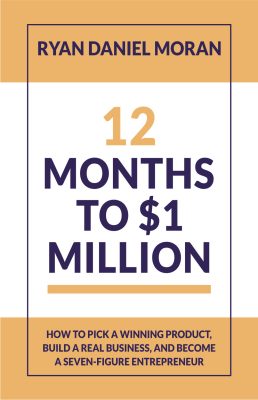
This book offers a roadmap for aspiring entrepreneurs to build a million-dollar business within a year. It breaks down the journey into manageable steps, focusing on product selection, brand building, and scaling strategies. The author’s unique approach combines practical advice with motivational elements, making it stand out in the crowded entrepreneurship genre. It’s not just another get-rich-quick scheme, but a detailed guide that challenges readers to think differently about business growth and personal success.
This book primarily targets aspiring entrepreneurs and small business owners who dream of rapid growth but feel overwhelmed by the process. It’s particularly suited for those in the e-commerce space or considering entering it. The secondary audience includes established business owners looking to scale their operations or pivot their strategies. Moran’s writing style makes complex business concepts accessible to readers without extensive business backgrounds, but the book still offers enough depth to engage more experienced entrepreneurs. The mix of practical steps and mindset advice makes it valuable for anyone serious about building a successful business, regardless of their current stage.
Imagine standing at the base of a towering mountain, your goal of reaching the million-dollar summit seeming impossibly distant. In 12 Months to $1 Million, Ryan Daniel Moran hands you a detailed map and a sturdy pair of hiking boots, showing you that the climb is not only possible but entirely achievable within a year. This book isn’t just another business guide; it’s a meticulously crafted blueprint for entrepreneurial success that challenges conventional wisdom and provides a clear path to seven-figure success.
Moran’s approach is refreshingly practical. He breaks down the journey to a million-dollar business into three distinct phases: The Grind (months 1-4), The Growth (months 5-8), and The Gold (months 9-12). Each phase comes with its own set of challenges and objectives, but Moran’s step-by-step guidance makes the process feel manageable and even exciting. He emphasizes the importance of starting with just one product and building a brand around it, rather than trying to juggle multiple offerings from the get-go.
One of the book’s most compelling aspects is its focus on mindset. Moran argues that becoming a successful entrepreneur is as much about personal growth as it is about business acumen. He challenges readers to think bigger, overcome self-limiting beliefs, and develop the mental resilience needed to weather the inevitable storms of entrepreneurship. This holistic approach sets 12 Months to $1 Million apart from other business books that focus solely on tactics and strategies.
Throughout the book, Moran peppers his advice with real-world examples and case studies of entrepreneurs who have successfully implemented his methods. These stories serve not only as inspiration but also as practical illustrations of the principles in action. From selecting the right product to leveraging Amazon’s platform for rapid growth, each step of the process is illuminated through these real-life success stories.
Readers of 12 Months to $1 Million will learn a wealth of practical skills and strategies. They’ll discover how to conduct effective market research to identify profitable product opportunities, how to build a brand that resonates with customers, and how to scale a business through smart hiring and systems development. Moran also covers crucial topics like funding growth, managing cash flow, and preparing a business for eventual sale. Perhaps most importantly, readers will learn how to think like a seven-figure entrepreneur, developing the mindset and habits that set successful business owners apart.
The core message of 12 Months to $1 Million is that building a seven-figure business is an achievable goal for anyone willing to follow a proven system and put in the necessary work. Moran’s central thesis is that success in business is not about reinventing the wheel or coming up with a revolutionary new product. Instead, it’s about executing a series of well-defined steps with discipline and consistency.
12 Months to $1 Million has made a significant impact in the field of entrepreneurship and business literature. Its fresh approach to rapid business growth has challenged traditional notions about the time and resources needed to build a successful company. By providing a concrete, actionable plan that can be executed within a year, Moran has democratized the path to entrepreneurial success, making it seem attainable for a wider audience.
The book has garnered praise from notable figures in the business world, including entrepreneurs and investors who have successfully implemented Moran’s strategies. Its practical, results-oriented approach has resonated with readers, leading to its status as a bestseller in multiple business categories on Amazon.
However, the book is not without its controversies. Some critics argue that the promise of building a million-dollar business in just 12 months is overly optimistic and may set unrealistic expectations for new entrepreneurs. Others question whether the strategies outlined in the book are sustainable in the long term, or if they prioritize rapid growth over building a solid, lasting business foundation.
Despite these criticisms, the book’s impact is undeniable. It has sparked important conversations about the nature of entrepreneurship in the digital age and the potential for rapid business growth using online platforms. Moran’s emphasis on personal development alongside business strategies has also contributed to a growing trend in entrepreneurship literature that recognizes the importance of mindset in achieving business success.
12 Months to $1 Million by Ryan Daniel Moran offers a compelling and actionable roadmap for entrepreneurs looking to build a successful e-commerce business rapidly. We find that the book’s greatest strength lies in its structured approach, breaking down the daunting task of building a seven-figure business into manageable phases. Moran’s emphasis on mindset development alongside practical strategies provides a holistic guide to entrepreneurship that we believe many readers will find valuable.
We appreciate the book’s focus on brand building and its balanced approach to leveraging e-commerce platforms. These aspects set it apart from many other business guides and provide insights that are particularly relevant in today’s digital marketplace. The inclusion of real-world examples and case studies helps ground the book’s teachings in practical reality, making it easier for readers to envision applying these strategies to their own ventures.
However, we also recognize that the book has some limitations. The promise of achieving seven-figure success in just 12 months may create unrealistic expectations for some readers. We believe it’s important for potential readers to approach the book’s timeline with a degree of skepticism, understanding that individual results may vary significantly based on factors such as market conditions, personal circumstances, and unforeseen challenges.
We also note that the book’s strategies are primarily geared towards product-based businesses that can leverage e-commerce platforms. While many of the principles can be applied more broadly, entrepreneurs in service-based industries or those pursuing more innovative business models may find the book less directly applicable to their situations.
The book’s focus on rapid growth, while motivating, may not align with building businesses that are sustainable over the long term. We believe that readers would benefit from supplementing this book with resources that provide a longer-term perspective on business development and sustainability.
Our Recommendation
We recommend 12 Months to $1 Million to aspiring entrepreneurs who are specifically interested in building e-commerce businesses and are ready to commit significant time and effort to rapid growth. The book provides valuable insights into product selection, brand building, and leveraging online platforms that many will find useful. It’s particularly well-suited for those who have a basic understanding of business concepts and are looking for a structured approach to scaling their operations.
However, we suggest that readers approach the book’s promises of rapid success with realistic expectations. We recommend pairing this book with other resources that offer different perspectives on business building, such as those focusing on long-term sustainability, innovative business models, or industry-specific challenges. Overall, while 12 Months to $1 Million may not be a comprehensive guide to all aspects of entrepreneurship, it offers a focused and actionable strategy for a specific type of business growth that many readers will find inspiring and practical.
The essence of 12 Months to $1 Million by Ryan Daniel Moran lies in its systematic approach to building a seven-figure business within a year. At its core, the book emphasizes the power of focus and simplicity in entrepreneurship. Moran advocates for starting with a single product and building a brand around it, rather than diversifying too early. This approach allows entrepreneurs to concentrate their efforts and resources, maximizing their chances of success. The author argues that by focusing on one product, entrepreneurs can more easily master the nuances of marketing, customer service, and scaling, which are crucial for rapid growth.
Another key element of the book’s essence is the three-phase framework Moran introduces: The Grind, The Growth, and The Gold. Each phase represents a distinct stage in the journey to a million-dollar business, with specific goals and challenges. The Grind (months 1-4) focuses on product selection, initial sales, and brand building. The Growth (months 5-8) emphasizes scaling operations and increasing sales velocity. The Gold (months 9-12) is about leveraging the established brand and product for exponential growth. This framework provides a clear roadmap for entrepreneurs, breaking down the daunting task of building a seven-figure business into manageable chunks.
Moran places significant emphasis on the importance of mindset in entrepreneurial success. He contends that the right mental approach is just as crucial as business tactics. The book encourages readers to develop a growth mindset, overcome limiting beliefs, and cultivate the resilience necessary to weather the ups and downs of entrepreneurship. Moran argues that many of the obstacles entrepreneurs face are self-imposed, and by shifting their mindset, they can unlock their full potential.
The concept of brand building is another crucial aspect of the book’s essence. Moran stresses that in today’s crowded marketplace, having a great product isn’t enough; entrepreneurs need to build a brand that resonates with their target audience. He provides strategies for creating a brand identity, developing a compelling brand story, and fostering customer loyalty. The author argues that a strong brand can command premium prices, attract repeat customers, and create opportunities for expansion.
Lastly, the book emphasizes the importance of leveraging existing platforms and systems for rapid growth. Moran particularly focuses on using Amazon as a launchpad for new products and brands. He provides detailed strategies for optimizing product listings, managing inventory, and leveraging Amazon’s advertising tools. However, he also stresses the importance of diversifying beyond Amazon to build a truly sustainable business. This balanced approach acknowledges the power of existing e-commerce platforms while encouraging entrepreneurs to build their own assets and customer base.
The Power Bar Success Story: Moran uses the example of Power Bar to illustrate the concept of starting with one product and building a brand around it. Power Bar began with a single energy bar product, which the founders sold out of their car at athletic events. By focusing on this one product and the specific needs of athletes, they were able to create a strong brand identity and loyal customer base. As the brand grew, they expanded their product line, eventually becoming a household name in sports nutrition. This example underscores Moran’s argument that starting with a single, well-executed product can lead to significant business success.
The Foam Roller Entrepreneur: To demonstrate the effectiveness of his three-phase framework, Moran shares the story of an entrepreneur who followed his system to build a successful business selling foam rollers. In The Grind phase, the entrepreneur identified foam rollers as a product with growth potential, created a unique brand, and started selling on Amazon. During The Growth phase, they optimized their Amazon listing, expanded their marketing efforts, and increased their inventory to meet growing demand. In The Gold phase, they leveraged their brand recognition to launch complementary products and expand to other sales channels. This case study provides a concrete example of how Moran’s system can be applied to build a seven-figure business within a year.
The Mindset Shift of a Struggling Entrepreneur: Moran recounts the story of a client who was struggling to grow her business despite having a good product. Through coaching, it became clear that her limiting beliefs about money and success were holding her back. She believed that making a lot of money was somehow unethical or would change her as a person. By working on her mindset, challenging these beliefs, and reframing her relationship with money and success, she was able to overcome her mental blocks. This mindset shift allowed her to make bolder business decisions, resulting in significant growth for her company. This example illustrates the critical role of mindset in entrepreneurial success, a key theme in Moran’s book.
The Brand-Building Journey of Bulletproof Coffee: To illustrate the power of brand building, Moran discusses the success of Bulletproof Coffee. Founded by Dave Asprey, Bulletproof started with a single product – coffee blended with grass-fed butter and MCT oil. Asprey built a strong brand around the concepts of biohacking and performance enhancement. Through consistent messaging, content marketing, and a compelling personal story, Asprey transformed a unique coffee recipe into a lifestyle brand. This example demonstrates how a strong brand can turn a single product into a multi-million dollar business, supporting Moran’s emphasis on brand building as a crucial element of entrepreneurial success.
The Amazon Success of Anker: Moran uses the example of Anker, a company that started by selling replacement laptop batteries on Amazon, to demonstrate the potential of leveraging existing platforms for rapid growth. Anker identified a gap in the market for high-quality, affordable electronic accessories and used Amazon’s platform to reach customers. By focusing on product quality, customer service, and optimizing their Amazon presence, Anker was able to build a multi-million dollar business. They later expanded beyond Amazon, developing their own e-commerce site and retail partnerships. This case study supports Moran’s strategy of using Amazon as a launchpad while also building a brand that can thrive independently.
Start with One Product
Moran strongly advocates for starting with a single product rather than trying to launch multiple products simultaneously. This approach allows entrepreneurs to focus their resources and attention on perfecting one offering before expanding. To apply this insight, identify a product with high potential in your chosen niche. Conduct thorough market research to ensure there’s demand for the product. Once you’ve selected your product, invest time in optimizing its design, packaging, and marketing. Perfect your manufacturing process and supply chain for this single product. As you gain traction and build a customer base with this initial offering, you’ll be in a better position to expand your product line strategically.
Build a Brand, Not Just a Product
While having a great product is important, Moran emphasizes that building a strong brand is crucial for long-term success. A brand creates an emotional connection with customers and differentiates your product in a crowded marketplace. To apply this insight, start by defining your brand’s values, mission, and unique selling proposition. Develop a consistent brand voice and visual identity that resonates with your target audience. Create content that goes beyond just promoting your product – share your brand’s story, values, and vision. Engage with your customers on social media and through email marketing to build a community around your brand. Remember, a strong brand can command premium prices and foster customer loyalty, which are essential for scaling to seven figures.
Leverage Existing Platforms
Moran encourages entrepreneurs to take advantage of existing e-commerce platforms, particularly Amazon, to kickstart their business. These platforms provide access to a large customer base and handle much of the logistics, allowing you to focus on product development and marketing. To apply this insight, start by thoroughly researching Amazon’s policies and best practices for sellers. Optimize your product listing with high-quality images, compelling copy, and relevant keywords. Utilize Amazon’s advertising tools to increase visibility for your product. However, don’t rely solely on Amazon – use it as a launchpad while simultaneously building your own e-commerce presence. This could involve creating your own website, building an email list, and exploring other sales channels to diversify your revenue streams.
Master the Art of Preselling
One of Moran’s key strategies for rapid growth is preselling products before they’re manufactured. This approach allows entrepreneurs to gauge demand, secure funding, and minimize inventory risks. To apply this insight, start by creating a compelling product page or crowdfunding campaign that clearly communicates the value of your upcoming product. Use high-quality renderings or prototypes to showcase the product. Offer early-bird discounts or exclusive perks to incentivize presales. Leverage your existing network and social media to promote the presale. Be transparent about the production timeline and keep customers updated on the progress. This strategy not only provides capital for production but also creates buzz and a sense of exclusivity around your product.
Implement Systems for Scaling
Moran emphasizes that to reach seven figures, entrepreneurs need to build systems that allow the business to run efficiently without constant personal intervention. This involves creating standard operating procedures, automating processes where possible, and building a team. To apply this insight, start by documenting all the processes in your business, from order fulfillment to customer service. Identify areas that can be automated using tools like chatbots for customer service or inventory management software. For tasks that can’t be automated, create detailed standard operating procedures that anyone can follow. As you grow, hire strategically to fill key roles, focusing on individuals who can manage and improve these systems. Remember, your goal is to work on the business, not in the business.
Focus on Cash Flow Management
A critical insight from Moran’s book is the importance of managing cash flow effectively, especially during rapid growth phases. Poor cash flow management can sink a business even if sales are strong. To apply this insight, start by creating a detailed cash flow forecast. Track all incoming and outgoing cash meticulously. Negotiate favorable payment terms with suppliers to extend your payables where possible. On the flip side, incentivize customers to pay quickly, perhaps offering small discounts for early payment. Consider using factoring or inventory financing to bridge cash flow gaps during growth periods. Always maintain a cash reserve to cover unexpected expenses or opportunities. Remember, in the journey to seven figures, it’s not just about how much you sell, but how you manage the money that comes in and goes out.
Cultivate a Growth Mindset
Moran places significant emphasis on the mindset required for entrepreneurial success. He argues that many of the limitations entrepreneurs face are self-imposed and can be overcome with the right mental approach. To apply this insight, start by identifying your limiting beliefs about money, success, and your own capabilities. Challenge these beliefs by seeking out evidence that contradicts them. Surround yourself with successful entrepreneurs and learn from their experiences. Practice visualizing your success and the impact your business will have. Embrace failures as learning opportunities rather than setbacks. Consistently invest in your personal development through books, courses, and mentorship. Remember, building a seven-figure business is as much a mental game as it is a tactical one.
Strategic Networking and Partnerships
While much of the book focuses on individual effort, Moran also highlights the power of strategic networking and partnerships in accelerating business growth. To apply this insight, identify key players in your industry – influencers, complementary businesses, and potential mentors. Attend industry events and conferences to build relationships. Look for win-win partnership opportunities, such as joint product launches or cross-promotions. Consider joining or forming a mastermind group with other entrepreneurs at a similar stage in their journey. These relationships can provide valuable advice, open up new opportunities, and even lead to potential exits down the line. Remember, in the journey to seven figures, who you know can be just as important as what you know.
Actionable Framework
One of the most significant strengths of 12 Months to $1 Million is its highly actionable framework. Ryan Daniel Moran doesn’t just provide vague advice or theoretical concepts; he offers a step-by-step roadmap that entrepreneurs can follow. The book’s three-phase approach (The Grind, The Growth, and The Gold) breaks down the daunting task of building a seven-figure business into manageable chunks. Each phase has specific goals, strategies, and milestones, giving readers a clear path forward. This structured approach is particularly valuable for first-time entrepreneurs who might otherwise feel overwhelmed by the prospect of building a business from scratch. The framework is also flexible enough to be adapted to various industries and product types, enhancing its applicability to a wide range of readers.
Focus on Mindset
Moran’s emphasis on the importance of mindset sets this book apart from many other business guides. He recognizes that success in entrepreneurship is not just about tactics and strategies, but also about overcoming mental barriers and developing the right psychological approach. The book dedicates significant attention to helping readers identify and overcome limiting beliefs, develop resilience, and cultivate a growth mindset. This focus on the mental aspect of entrepreneurship is crucial, as it addresses a often-overlooked factor in business success. By providing exercises and techniques for mindset development, Moran equips readers with tools to overcome the psychological challenges that often derail aspiring entrepreneurs.
Practical Examples and Case Studies
The book is rich with real-world examples and case studies that illustrate the principles Moran teaches. These examples range from Moran’s own experiences to those of his clients and other successful entrepreneurs. By grounding his advice in concrete examples, Moran makes his strategies more relatable and easier to understand. The case studies serve not only as inspiration but also as practical demonstrations of how the book’s principles can be applied in various scenarios. This approach helps readers see how abstract concepts translate into real-world business decisions and outcomes, making the book’s teachings more tangible and actionable.
Balanced Approach to Platform Utilization
Moran presents a balanced and nuanced approach to using e-commerce platforms, particularly Amazon. He recognizes the power of these platforms in providing access to a large customer base and handling complex logistics. However, he also emphasizes the importance of building a brand that can exist independently of any single platform. This balanced perspective is valuable in today’s e-commerce landscape, where many businesses rely heavily on platforms like Amazon. By advocating for a strategy that leverages these platforms while also building independent brand equity, Moran provides a more sustainable and resilient approach to business building.
Emphasis on Brand Building
The book’s strong focus on brand building is another significant strength. Moran goes beyond just teaching how to sell a product; he emphasizes the importance of creating a brand that resonates with customers. He provides strategies for developing a brand identity, crafting a compelling brand story, and fostering customer loyalty. This emphasis on branding is crucial in today’s crowded marketplace, where product differentiation is increasingly challenging. By teaching readers how to build a strong brand, Moran equips them with a powerful tool for long-term business success and value creation.
Integration of Personal and Business Development
Moran effectively integrates personal development with business strategies throughout the book. He recognizes that the growth of a business is intimately tied to the growth of the entrepreneur. This holistic approach addresses not just the tactical aspects of building a business, but also the personal challenges entrepreneurs face. By linking personal growth to business success, Moran provides a more comprehensive guide to entrepreneurship that goes beyond mere business tactics. This integration makes the book valuable not just as a business guide, but also as a tool for personal growth and development.
Potential for Unrealistic Expectations
One of the main weaknesses of 12 Months to $1 Million is the potential for setting unrealistic expectations. The title itself suggests that building a seven-figure business in just one year is achievable for anyone who follows the book’s strategies. While this may be possible for some, it’s unlikely to be the case for all, or even most, readers. Factors such as market conditions, personal circumstances, and unforeseen challenges can significantly impact the timeline for business growth. The book could benefit from more explicit acknowledgment of these variables and a more nuanced discussion of the potential timelines for reaching the million-dollar milestone. This could help prevent readers from becoming discouraged if they don’t achieve the same rapid growth described in the book.
Limited Discussion of Potential Risks
While the book provides a comprehensive roadmap for building a business, it could benefit from a more thorough discussion of potential risks and pitfalls. Entrepreneurship is inherently risky, and while Moran does touch on some challenges, a more in-depth exploration of potential obstacles and strategies for overcoming them would provide a more balanced perspective. This could include a deeper dive into topics such as managing debt, dealing with competition, navigating regulatory challenges, or handling rapid growth. A more comprehensive treatment of these potential pitfalls would better prepare readers for the realities of entrepreneurship and provide strategies for mitigating risks.
Focus on Product-Based Businesses
The strategies outlined in the book are primarily geared towards product-based businesses, particularly those that can leverage e-commerce platforms like Amazon. While many of the principles can be applied more broadly, the book may be less directly applicable to service-based businesses or those in industries that don’t align well with the e-commerce model. A broader discussion of how the book’s strategies could be adapted for different business models would increase its relevance to a wider audience of aspiring entrepreneurs.
Limited Long-Term Perspective
While the book excels at providing strategies for rapid growth, it could benefit from more discussion on long-term sustainability. The focus on reaching the million-dollar mark within a year, while motivating, may not align with building a business that’s sustainable over the long term. More attention could be given to strategies for maintaining growth beyond the first year, managing the challenges that come with rapid scaling, and building a business that can withstand market changes and increased competition over time. This longer-term perspective would provide a more complete picture of what it takes to build not just a successful business, but a lasting one.
Overemphasis on Speed
One significant blind spot in 12 Months to $1 Million is its strong emphasis on rapid growth, potentially overlooking the value of slow, sustainable development. While the book’s promise of quick success is appealing, it may lead readers to prioritize speed over building a solid foundation. This focus on rapid growth might cause entrepreneurs to overlook important aspects of business development, such as thorough market research, product refinement, or building strong customer relationships. The pressure to achieve seven-figure success in a year could lead to rushed decisions, cutting corners, or taking on unnecessary risks. In contrast, books like Good to Great by Jim Collins emphasize the importance of patience and consistent effort in building lasting businesses. Collins’ research shows that many of the most successful companies took years to lay the groundwork for their eventual breakthroughs. Similarly, The Lean Startup by Eric Ries advocates for a more measured approach, focusing on iterative development and validated learning rather than rapid scaling. These alternative perspectives suggest that while quick growth is possible, it’s not always the most sustainable or reliable path to long-term success.
Underestimation of Market Saturation
Another blind spot in Moran’s approach is the potential underestimation of market saturation, particularly in the e-commerce space. The book’s strategies heavily rely on leveraging platforms like Amazon, which have become increasingly crowded and competitive. Readers might come away with the impression that success on these platforms is more accessible than it actually is, overlooking the challenges of standing out in a saturated market. This blind spot could lead entrepreneurs to invest heavily in products or niches that are already oversaturated, making it difficult to achieve the rapid growth the book promises. Blue Ocean Strategy by W. Chan Kim and Renée Mauborgne offers a different perspective, encouraging businesses to create uncontested market spaces rather than competing in existing ones. Their approach might be more realistic in today’s crowded e-commerce landscape. Additionally, The Everything Store by Brad Stone, which chronicles the rise of Amazon, provides insights into the complexities and challenges of succeeding on the platform, offering a more nuanced view of the e-commerce ecosystem.
Overlooking the Importance of Team Building
While 12 Months to $1 Million focuses heavily on the individual entrepreneur’s journey, it may underestimate the importance of team building in scaling a business. The book’s emphasis on personal mindset and individual action might lead readers to overlook the crucial role that a strong team plays in building a seven-figure business. This blind spot could result in entrepreneurs trying to do too much on their own, potentially limiting their growth or leading to burnout. Books like The E-Myth Revisited by Michael E. Gerber stress the importance of building systems and teams that allow the business to run without the constant involvement of the founder. Similarly, Scaling Up by Verne Harnish provides detailed strategies for building and managing teams as a business grows. These resources highlight the fact that reaching and sustaining seven-figure success often requires more than just the efforts of a single, driven entrepreneur.
Underemphasis on Industry-Specific Challenges
Moran’s book provides a general framework for building a successful business, but it may not adequately address the unique challenges of specific industries. This blind spot could lead readers to underestimate the complexity of their chosen field, potentially resulting in oversimplified strategies that don’t account for industry-specific obstacles. For example, businesses in highly regulated industries like healthcare or finance might find that the rapid growth strategies outlined in the book are difficult to implement due to regulatory constraints. Books like The Hard Thing About Hard Things by Ben Horowitz offer a more nuanced look at the challenges of building a business, acknowledging that different industries and circumstances require different approaches. Similarly, Zero to One by Peter Thiel challenges the idea that there’s a one-size-fits-all approach to building successful businesses, emphasizing the importance of creating unique value in specific markets.
Neglecting the Role of Economic Cycles
A significant blind spot in 12 Months to $1 Million is its limited consideration of broader economic cycles and their impact on business success. The book’s strategies are presented as if they can be equally effective regardless of the economic climate, which may not always be the case. This oversight could lead entrepreneurs to apply the book’s advice without considering how economic conditions might affect their chances of success. During economic downturns, for instance, consumer spending patterns change, credit may be harder to access, and the risk landscape shifts significantly. Books like The Investor’s Guide to Economic Cycles by John Authers provide valuable insights into how economic cycles affect different industries and business models. Additionally, Antifragile by Nassim Nicholas Taleb offers a perspective on building businesses that can thrive in uncertain economic conditions, providing a valuable counterpoint to Moran’s more straightforward growth narrative. These resources highlight the importance of considering broader economic factors when planning for business growth and success.
The 4-Hour Work Week by Timothy Ferriss
12 Months to $1 Million shares some similarities with Timothy Ferriss’s The 4-Hour Work Week, as both books promise rapid business success through unconventional methods. However, their approaches differ significantly. Ferriss focuses on creating automated businesses that require minimal time investment, emphasizing lifestyle design over rapid scaling. In contrast, Moran’s book advocates for intense focus and effort during the initial growth phase. While Ferriss promotes outsourcing and passive income streams, Moran emphasizes hands-on brand building and product development. Both books leverage online platforms, but Moran’s approach is more focused on e-commerce and Amazon specifically. Ferriss’s book might appeal more to those seeking work-life balance, while Moran’s is better suited for entrepreneurs willing to invest significant time and effort for rapid growth.
The Lean Startup by Eric Ries
Eric Ries’s The Lean Startup offers a different perspective on building a successful business compared to 12 Months to $1 Million. While both books aim to help entrepreneurs succeed, their methodologies differ substantially. Ries advocates for a scientific approach to creating and managing startups, emphasizing validated learning, experimentation, and iterative product releases. In contrast, Moran’s book focuses more on rapid execution and scaling once a product-market fit is found. Ries’s approach might be more suitable for innovative or untested business ideas, while Moran’s strategies are more applicable to businesses entering established markets. The Lean Startup methodology encourages starting small and pivoting based on customer feedback, whereas Moran’s approach aims for rapid scaling once a winning product is identified.
Zero to One by Peter Thiel
Peter Thiel’s Zero to One presents a stark contrast to Moran’s approach in 12 Months to $1 Million. While Moran focuses on building businesses in existing markets, often through e-commerce, Thiel argues for creating entirely new markets and achieving monopoly status. Thiel emphasizes the importance of proprietary technology and network effects, whereas Moran’s strategies rely more on effective marketing and leveraging existing platforms. Zero to One is more philosophical in nature, challenging readers to think deeply about the nature of innovation and progress. In contrast, Moran’s book is more practical and action-oriented. Thiel’s approach might be more suitable for tech startups and highly innovative businesses, while Moran’s strategies are more applicable to entrepreneurs looking to enter established markets with improved products or branding.
Rich Dad Poor Dad by Robert Kiyosaki
While Rich Dad Poor Dad and 12 Months to $1 Million both aim to educate readers about wealth creation, their approaches and focus areas differ significantly. Kiyosaki’s book is more foundational, focusing on changing the reader’s mindset about money and introducing basic financial concepts. It emphasizes the importance of financial education and advocates for building wealth through investments and passive income. Moran’s book, on the other hand, provides a specific roadmap for building a seven-figure business, focusing on practical strategies and tactics. Kiyosaki’s approach is broader and applicable to various wealth-building strategies, while Moran’s is specifically tailored to e-commerce entrepreneurs. Rich Dad Poor Dad might be more suitable for beginners looking to understand wealth creation concepts, while 12 Months to $1 Million is better suited for those ready to take action in building an online business.
Step 1: Mindset Shift and Goal Setting
Begin your journey by adopting the mindset Moran emphasizes in 12 Months to $1 Million. Start by identifying and challenging your limiting beliefs about money, success, and your own capabilities. Write down these beliefs and actively work to replace them with more empowering ones. Set a clear, ambitious goal for your business – aim for that seven-figure mark, but also establish smaller milestones along the way. Create a vision board or a detailed written description of what your life and business will look like when you reach your goal. This will serve as a powerful motivator during challenging times. Commit to daily mindset exercises, such as positive affirmations or visualization techniques, to reinforce your new, growth-oriented mindset.
Step 2: Market Research and Product Selection
Devote significant time to thorough market research. Start by identifying potential niches that align with your interests and expertise. Use tools like Google Trends, Amazon Best Sellers, and social media platforms to gauge market demand and trends. Create a spreadsheet to track and compare different product ideas based on criteria such as market size, competition, potential profit margins, and scalability. Once you’ve narrowed down your options, conduct deeper research into your top choices. This could involve surveying potential customers, analyzing competitor products, and estimating production costs. Remember Moran’s advice to focus on a single product initially – choose the one that offers the best balance of market potential and your ability to add unique value.
Step 3: Brand Development
With your product selected, focus on creating a strong brand identity. Start by defining your brand’s core values, mission, and unique selling proposition. Develop a brand story that resonates with your target audience and differentiates you from competitors. Create a consistent visual identity, including a logo, color scheme, and typography that reflect your brand’s personality. Craft a brand voice and messaging guidelines to ensure consistency across all communications. Consider working with a professional designer if budget allows, or use tools like Canva for DIY design. Remember, your brand should go beyond just your product – it should create an emotional connection with your customers and represent a lifestyle or set of values they aspire to.
Step 4: Product Development and Sourcing
Begin the process of bringing your product to life. If you’re creating a physical product, start by developing detailed product specifications and creating prototypes. Reach out to multiple manufacturers or suppliers to get quotes and samples. Pay close attention to quality control and be prepared to go through several iterations to perfect your product. If you’re developing a digital product, begin the creation process, whether it’s writing an ebook, recording a course, or developing software. Throughout this process, keep your target customer in mind and continuously gather feedback to refine your offering. Also, begin planning your packaging and presentation, as these are crucial elements of your overall brand experience.
Step 5: E-commerce Platform Setup
Following Moran’s advice, set up your product on Amazon as your primary sales channel. Start by creating a professional seller account on Amazon. Optimize your product listing with high-quality images, compelling copy, and relevant keywords. Familiarize yourself with Amazon’s rules and best practices for sellers. While focusing on Amazon, also set up your own e-commerce website using platforms like Shopify or WooCommerce. This will serve as a foundation for building your independent brand presence. Ensure your website reflects your brand identity and offers a smooth user experience. Set up analytics tools on both Amazon and your website to track key metrics.
Step 6: Marketing and Launch Strategy
Develop a comprehensive marketing strategy for your product launch. Start building an email list and social media following even before your product is ready. Create content that provides value to your target audience and builds anticipation for your product. Plan a series of teaser posts or emails leading up to your launch date. Consider offering pre-orders or an exclusive “founding member” offer to generate early sales and buzz. Prepare a press release and reach out to relevant bloggers or influencers in your niche for potential coverage. Set up Amazon PPC campaigns and consider other advertising channels like Facebook or Google Ads. Plan a launch day event, such as a live stream or Q&A session, to engage with your audience and drive initial sales.
Step 7: Customer Service and Feedback Loop
Implement robust customer service processes from day one. Set up systems to promptly respond to customer inquiries and address any issues. This could involve using customer service software, setting up autoresponders, and creating FAQ documents. Develop a strategy for soliciting and responding to customer reviews, as these are crucial for success on Amazon and for building trust in your brand. Create a system for regularly analyzing customer feedback and using it to improve your product and processes. Consider implementing a loyalty program or referral system to encourage repeat purchases and word-of-mouth marketing.
Step 8: Scaling and Systems Development
As your business begins to grow, focus on creating systems and processes that allow for scalability. Document all your business processes in detail, from order fulfillment to customer service to marketing. Look for opportunities to automate tasks using tools like Zapier or IFTTT. Begin delegating tasks that don’t require your direct involvement. This might involve hiring virtual assistants, freelancers, or employees. Implement inventory management systems to ensure you can meet growing demand without overstocking. Continuously optimize your Amazon listings and expand to other marketplaces or sales channels as appropriate. Regularly review your financials and adjust your strategies based on performance data.
Step 9: Brand Expansion
Once you’ve established success with your initial product, begin planning for brand expansion. Use the data and customer feedback you’ve gathered to identify opportunities for new products or product variations. Apply the lessons learned from your first product launch to streamline the process for subsequent products. Consider expanding into complementary product categories that align with your brand identity and customer needs. As you expand your product line, maintain a cohesive brand identity across all offerings. Continue to build your off-Amazon presence, focusing on growing your direct-to-consumer sales through your website and other channels.
Step 10: Long-term Strategy and Exit Planning
While focusing on reaching the seven-figure milestone, also think about your long-term strategy. Consider whether you want to continue growing the business indefinitely or if you’re building towards an eventual exit. If aiming for an exit, start researching potential acquirers in your industry and understand what makes businesses attractive to them. Work on building strategic partnerships or relationships that could lead to acquisition opportunities. Continue to innovate and stay ahead of market trends to maintain your competitive edge. Regularly reassess your personal and professional goals to ensure your business continues to align with your overall life vision. Remember, reaching seven figures is an impressive milestone, but it’s not the end of the journey – continue to challenge yourself and set new goals for personal and professional growth.
Streamline Product Development and Launch
Moran’s emphasis on starting with a single, well-researched product can be applied to businesses of all sizes. By focusing resources on one product, companies can streamline their development process, reduce costs, and increase the likelihood of a successful launch. This approach allows for deeper market research, more thorough product testing, and a more focused marketing strategy. It also aligns with lean startup principles, enabling businesses to validate their product-market fit before investing in a broader product line.
However, implementing this strategy can be challenging for established businesses with diverse product lines or stakeholders pushing for multiple product launches. There may be resistance from different departments who fear their projects will be deprioritized. Additionally, there’s a risk of putting “all eggs in one basket,” which can be daunting for risk-averse organizations.
To overcome these challenges, businesses can implement a phased approach. Start by selecting one high-potential product for the streamlined process as a pilot project. Clearly communicate the rationale behind this approach to all stakeholders, emphasizing the potential for learning and efficiency gains. Set clear metrics for success and agree on a timeline for evaluating the results. If successful, this approach can be gradually expanded to other product lines or departments, using the initial success as a case study to gain buy-in from skeptical stakeholders.
Leverage E-commerce Platforms
Moran’s strategy of leveraging existing e-commerce platforms, particularly Amazon, can be highly beneficial for businesses looking to expand their reach and streamline their operations. By tapping into established marketplaces, companies can access a vast customer base, benefit from built-in logistics and payment systems, and gain valuable data insights. This approach can be especially useful for businesses looking to test new markets or product lines with minimal upfront investment.
However, relying heavily on third-party platforms comes with risks. Businesses may become overly dependent on a single channel, leaving them vulnerable to changes in platform policies or algorithms. There’s also the challenge of standing out in a crowded marketplace and the potential for reduced profit margins due to platform fees. Additionally, businesses may struggle to build brand loyalty when customers are primarily interacting with the platform rather than the brand directly.
To mitigate these risks, businesses should adopt a multi-channel strategy. While leveraging platforms like Amazon, they should simultaneously invest in building their own e-commerce presence and direct customer relationships. This could involve developing a robust, branded website, implementing email marketing campaigns, and utilizing social media to engage directly with customers. By diversifying their sales channels and focusing on brand building, businesses can reap the benefits of e-commerce platforms while reducing their vulnerability to any single channel.
Implement a Growth-Oriented Mindset
Moran’s emphasis on mindset as a crucial factor in business success can be transformative for organizations. By fostering a growth-oriented culture, businesses can increase innovation, improve problem-solving, and enhance employee engagement. This involves encouraging calculated risk-taking, viewing failures as learning opportunities, and continuously seeking ways to improve and expand.
However, shifting organizational culture can be extremely challenging, especially in larger or more established businesses. Employees may be resistant to change, particularly if they’ve become accustomed to a more conservative or risk-averse environment. There may also be structural or procedural barriers that inhibit the adoption of a more dynamic, growth-oriented approach.
To overcome these challenges, businesses can start by implementing a comprehensive change management strategy. This could involve leadership training programs focused on growth mindset principles, regular workshops or seminars to reinforce these concepts, and adjusting performance evaluation criteria to reward innovation and calculated risk-taking. Creating cross-functional teams or innovation hubs can also help to break down silos and foster a more dynamic culture. It’s crucial to lead by example, with top management embodying the growth mindset principles they wish to see throughout the organization.
Focus on Brand Building
Moran’s emphasis on brand building as a key factor in business success is highly relevant in today’s crowded marketplace. By developing a strong, distinctive brand, businesses can differentiate themselves from competitors, command premium prices, and foster customer loyalty. This involves not just visual branding elements, but also developing a compelling brand story, values, and personality that resonate with the target audience.
However, brand building can be challenging, especially for businesses that have historically focused more on product features or price competitiveness. It requires a shift in mindset and resources, potentially involving significant investment in areas like market research, design, and content creation. There’s also the challenge of maintaining brand consistency across all touchpoints, especially in larger organizations with multiple departments or locations.
To address these challenges, businesses can start by conducting a comprehensive brand audit to understand their current brand perception and identify areas for improvement. Develop a clear brand strategy that aligns with the company’s overall business objectives. This should involve input from various departments to ensure buy-in across the organization. Implement brand guidelines and training programs to ensure consistency in brand expression across all touchpoints. Consider creating a dedicated brand management team or appointing brand ambassadors within different departments. Regularly measure brand perception and adjust strategies as needed. Remember that brand building is an ongoing process, not a one-time effort.
Implement Data-Driven Decision Making
While not explicitly emphasized in Moran’s book, the importance of data-driven decision making is implicit in his approach to business growth. By leveraging data analytics, businesses can make more informed decisions about product development, marketing strategies, and overall business operations. This aligns with Moran’s emphasis on understanding market trends and customer needs.
However, implementing a data-driven approach can be challenging, especially for businesses that have traditionally relied more on intuition or experience. There may be a lack of necessary skills within the organization to effectively collect, analyze, and interpret data. There’s also the risk of data overload, where businesses collect vast amounts of data but struggle to derive actionable insights from it.
To overcome these challenges, businesses should start by identifying key performance indicators (KPIs) that align with their strategic objectives. Invest in appropriate data analytics tools and training for staff to effectively use these tools. Consider hiring data analysts or partnering with data analytics firms if the necessary skills are not available in-house. Implement a culture of data-driven decision making by regularly incorporating data insights into strategy meetings and decision-making processes. Start with small, manageable data projects to demonstrate the value of this approach before scaling up to more comprehensive data strategies.
Develop Scalable Systems and Processes
Moran’s emphasis on building systems that allow for rapid scaling is crucial for businesses aiming for significant growth. By developing scalable systems and processes from the outset, businesses can more easily handle increased demand, enter new markets, or launch new products without a proportional increase in resources or complexity.
However, developing scalable systems can be challenging, especially for smaller businesses or those with limited resources. It often requires significant upfront investment in technology and process redesign. There’s also the risk of over-engineering systems for a scale that may not be reached, potentially wasting resources and creating unnecessary complexity.
To address these challenges, businesses should adopt an iterative approach to system development. Start by identifying the core processes that are most critical to the business’s operations and growth potential. Develop these systems with scalability in mind, but avoid over-complicating them initially. Utilize cloud-based technologies and software-as-a-service (SaaS) solutions that can easily scale with the business. Regularly review and optimize these systems as the business grows. Consider implementing agile methodologies to allow for more flexible and responsive system development. Remember that scalability isn’t just about technology – it also involves developing scalable organizational structures, training programs, and leadership capabilities.
Rise of Direct-to-Consumer (DTC) Brands
The strategies outlined in 12 Months to $1 Million align closely with the growing trend of direct-to-consumer brands. Moran’s emphasis on brand building and leveraging e-commerce platforms is particularly relevant in this context. As consumers increasingly seek unique, personalized products, DTC brands are well-positioned to meet these needs. The book’s approach to rapid product development and launch could be especially valuable for entrepreneurs entering this space.
In the future, we may see an even greater proliferation of niche DTC brands. Moran’s strategies could become a blueprint for launching these brands quickly and efficiently. However, as the DTC space becomes more crowded, the importance of strong branding and customer loyalty – aspects Moran emphasizes – will likely become even more crucial.
Artificial Intelligence and Automation in E-commerce
While not explicitly addressed in Moran’s book, the increasing role of AI and automation in e-commerce will likely impact how entrepreneurs implement his strategies. AI-driven tools for market research, customer segmentation, and predictive analytics could enhance the product selection and marketing processes Moran describes.
Automation in areas like inventory management and customer service could allow entrepreneurs to scale their businesses more rapidly. This aligns with Moran’s emphasis on building systems for growth. In the future, successful implementation of Moran’s strategies may require a deeper understanding of these technologies.
However, as AI and automation become more prevalent, the human elements of brand building that Moran emphasizes – storytelling, personal connection, authenticity – may become even more valuable differentiators.
Sustainability and Ethical Consumerism
The growing consumer emphasis on sustainability and ethical business practices may impact how entrepreneurs apply Moran’s strategies in the future. While Moran focuses primarily on rapid growth and profitability, future entrepreneurs may need to balance these goals with sustainability considerations.
This trend could influence product selection, with a greater emphasis on eco-friendly or ethically sourced products. It may also affect brand building strategies, with transparency and social responsibility becoming key brand values.
Entrepreneurs following Moran’s roadmap in the future might need to consider the environmental and social impact of their rapid growth strategies. This could lead to modifications in areas like product sourcing, packaging, and shipping methods.
Decentralized and Blockchain-based E-commerce
The emergence of blockchain technology and decentralized marketplaces could significantly impact the e-commerce landscape that Moran’s strategies rely on. While currently nascent, these technologies could create new opportunities and challenges for entrepreneurs.
Decentralized marketplaces could offer alternatives to the centralized platforms like Amazon that Moran recommends leveraging. These new platforms might provide different advantages, such as lower fees or greater control over customer data.
Blockchain technology could also impact areas like supply chain management and customer loyalty programs. Future entrepreneurs might need to understand and integrate these technologies to fully implement Moran’s growth strategies.
However, the core principles of Moran’s approach – focused product development, strong branding, and systematic scaling – are likely to remain relevant even in a more decentralized e-commerce ecosystem.
12 Months to $1 Million has the potential to significantly influence the field of entrepreneurship and e-commerce. By providing a detailed, actionable roadmap for rapid business growth, it may inspire a new wave of entrepreneurs to enter the market. This could lead to increased innovation and competition in the e-commerce space, potentially benefiting consumers through improved products and services.
The book’s emphasis on leveraging existing platforms like Amazon could accelerate the trend of entrepreneurs building businesses around these ecosystems. This might further solidify the dominance of major e-commerce platforms, potentially raising concerns about market concentration and the bargaining power of these platforms vis-à-vis small businesses.
Moran’s focus on mindset and personal development alongside business strategies could contribute to a broader trend of integrating personal growth with entrepreneurship. This holistic approach might lead to more resilient and adaptable entrepreneurs, potentially increasing the success rate of new businesses.
However, the book’s promise of rapid success could also have some negative implications. It might create unrealistic expectations among aspiring entrepreneurs, potentially leading to disappointment or rash decision-making. The emphasis on quick growth could also contribute to a ‘get-rich-quick’ mentality, potentially overshadowing the importance of building sustainable, long-term businesses.
The strategies outlined in the book, if widely adopted, could lead to market saturation in certain product categories, particularly on platforms like Amazon. This could make it increasingly difficult for new entrants to achieve the level of success described in the book, potentially leading to a ‘gold rush’ mentality followed by disillusionment.
On a broader societal level, the book’s message of entrepreneurial empowerment could contribute to a shift away from traditional employment models. If successful, it could lead to more individuals pursuing entrepreneurship, potentially changing workforce dynamics and challenging traditional notions of career progression.
The book’s approach to building businesses quickly and efficiently could also have implications for economic growth and job creation. If it leads to the creation of more successful businesses, it could contribute to economic dynamism and job opportunities. However, the focus on lean, efficient operations might also result in businesses that create fewer jobs than traditional companies.
Lastly, the book’s strategies, which rely heavily on e-commerce, could accelerate the ongoing shift from brick-and-mortar retail to online shopping. This could have far-reaching implications for urban planning, commercial real estate, and the nature of community spaces in the future.
The Lean Startup by Eric Ries
The Lean Startup offers a complementary perspective to Moran’s rapid growth strategy. While Moran focuses on quickly scaling a proven product, Ries emphasizes the importance of validated learning and iterative development. This book is particularly valuable for readers of 12 Months to $1 Million who are still in the early stages of product development or those entering more uncertain markets. Ries’s methodology of building-measuring-learning can help entrepreneurs refine their product and business model before scaling, potentially increasing the chances of success when implementing Moran’s growth strategies.
Zero to One by Peter Thiel
Peter Thiel’s Zero to One provides a contrasting viewpoint to Moran’s approach. While Moran focuses on entering existing markets with improved products, Thiel argues for creating entirely new markets. This book challenges readers to think more radically about innovation and competitive advantage. For entrepreneurs inspired by Moran’s rapid growth strategies, Zero to One offers a valuable perspective on long-term sustainability and the importance of creating unique value propositions. It’s particularly relevant for those considering how to maintain their competitive edge beyond the initial growth phase.
Building a StoryBrand by Donald Miller
Donald Miller’s Building a StoryBrand expands on Moran’s emphasis on brand building. Miller provides a systematic approach to crafting a brand narrative that resonates with customers. This book can help readers of 12 Months to $1 Million develop more compelling brand stories and marketing messages, potentially enhancing the effectiveness of their product launches and marketing campaigns. Miller’s framework is particularly useful for entrepreneurs who are struggling to differentiate their brand in crowded markets.
Scaling Up by Verne Harnish
Scaling Up offers a more comprehensive look at the challenges of growing a business beyond the initial stages described in Moran’s book. Harnish provides detailed strategies for managing the complexities that come with rapid growth, including team building, strategic planning, and cash flow management. This book is an excellent follow-up for readers who have successfully implemented Moran’s strategies and are now facing the challenges of managing a larger, more complex organization.
The E-Myth Revisited by Michael E. Gerber
Michael E. Gerber’s The E-Myth Revisited complements Moran’s work by focusing on the importance of systems and processes in building a scalable business. While Moran provides a roadmap for rapid growth, Gerber offers insights into creating a business that can function without the constant involvement of the founder. This book is particularly valuable for entrepreneurs who want to ensure their business can sustain its growth over the long term and potentially position itself for sale or further expansion.
Traction by Gabriel Weinberg and Justin Mares
Traction provides a comprehensive framework for customer acquisition, which complements Moran’s strategies for product development and launch. Weinberg and Mares present 19 different channels for gaining traction and offer a systematic approach to identifying the most effective channels for a given business. This book can help readers of 12 Months to $1 Million diversify their customer acquisition strategies beyond the primary focus on Amazon, potentially accelerating their path to seven figures.
Blue Ocean Strategy by W. Chan Kim and Renée Mauborgne
Blue Ocean Strategy offers a different perspective on market entry and competition compared to Moran’s approach. While Moran focuses on entering existing markets with superior products, Kim and Mauborgne argue for creating uncontested market spaces. This book can help readers of 12 Months to $1 Million think more strategically about their product positioning and market selection. It’s particularly valuable for entrepreneurs who are finding it challenging to differentiate their products in crowded markets or those looking for opportunities to create entirely new product categories.
Atomic Habits by James Clear
While not directly related to business building, Atomic Habits provides valuable insights into personal development and habit formation that can support the mindset shifts Moran advocates. Clear’s strategies for building positive habits and breaking negative ones can help entrepreneurs develop the discipline and consistency needed to execute Moran’s rapid growth strategies. This book is particularly useful for readers who struggle with the day-to-day execution of business-building tasks or those looking to develop more productive work habits.
Amazon Seller Central (sell.amazon.com) Amazon Seller Central is an essential resource for entrepreneurs following Moran’s strategies. This platform provides all the tools and information needed to start and manage an Amazon selling business. It offers detailed analytics, inventory management tools, and access to Amazon’s vast customer base. Sellers can learn about Amazon’s policies, best practices, and various programs like Fulfillment by Amazon (FBA). Regular use of this platform can help entrepreneurs optimize their product listings and scale their businesses effectively.
Shopify (www.shopify.com) Shopify is a comprehensive e-commerce platform that aligns well with Moran’s emphasis on building an independent brand presence. It offers easy-to-use tools for creating online stores, managing inventory, processing payments, and analyzing business performance. Shopify’s app store provides numerous integrations, including those for social media selling and dropshipping. The platform’s blog and learning resources offer valuable insights into e-commerce trends and strategies, making it a useful tool for entrepreneurs at various stages of their journey.
Jungle Scout (www.junglescout.com) Jungle Scout is a powerful tool for Amazon product research and optimization, crucial for implementing Moran’s strategies. It provides data on product demand, competition, and potential profitability on Amazon. The platform offers features like product tracking, keyword research, and sales analytics. Jungle Scout’s learning resources, including webinars and blog posts, provide valuable insights into Amazon selling strategies. This tool can significantly streamline the product selection and optimization process Moran describes.
Amazon Accelerate Amazon Accelerate is an annual conference for Amazon sellers, highly relevant for entrepreneurs following Moran’s Amazon-centric strategies. The conference offers insights into Amazon’s latest tools and programs, best practices for selling on the platform, and opportunities to network with other sellers. Sessions cover topics like brand building, advertising strategies, and inventory management. Attending this conference can provide valuable, up-to-date knowledge for optimizing Amazon-based businesses.
Shopify Unite Shopify Unite is an annual conference for Shopify partners and developers. While more technical in nature, it offers valuable insights into the future of e-commerce and Shopify’s upcoming features. For entrepreneurs looking to build robust, independent online stores alongside their Amazon presence, as Moran suggests, this conference can provide valuable knowledge about leveraging Shopify’s platform effectively. It’s particularly useful for understanding how to integrate various technologies into an e-commerce business.
eCommerce Fuel (www.ecommercefuel.com) eCommerce Fuel is a private community for established e-commerce store owners. While it requires a certain level of revenue to join, it’s an excellent resource for entrepreneurs who have successfully implemented Moran’s strategies and are looking to scale further. The community offers forums, meetups, and an annual conference. Members can access exclusive content, tools, and a network of experienced e-commerce entrepreneurs. This platform can provide valuable peer support and advanced strategies for growing an e-commerce business.
Entrepreneurs’ Organization (EO) (www.eonetwork.org) The Entrepreneurs’ Organization is a global network of business owners. While not specific to e-commerce, it offers valuable resources for entrepreneurs at various stages of their journey. EO provides peer-to-peer learning opportunities, mentorship programs, and global events. For entrepreneurs implementing Moran’s strategies and facing the challenges of rapid growth, EO can provide a supportive community and access to experienced business owners across various industries.
My Wife Quit Her Job Podcast Hosted by Steve Chou, this podcast focuses on e-commerce entrepreneurship, particularly in the context of building a business that can replace a full-time income. It features interviews with successful e-commerce entrepreneurs and covers topics like product sourcing, marketing strategies, and scaling an online business. The podcast’s content aligns well with Moran’s strategies and can provide additional perspectives and real-world examples of successful e-commerce businesses.
eCommerce Fuel Podcast Hosted by Andrew Youderian, this podcast is an extension of the eCommerce Fuel community. It features in-depth discussions on advanced e-commerce topics, making it particularly valuable for entrepreneurs who have achieved initial success with Moran’s strategies and are looking to scale further. The podcast covers topics like conversion optimization, hiring for e-commerce, and emerging trends in online retail.
Amazing Selling Machine (www.amazingsellingmachine.com) The Amazing Selling Machine is a comprehensive course on building an Amazon FBA business. It covers many of the strategies Moran discusses, including product selection, sourcing, and scaling. The course provides step-by-step video training, tools, and resources for launching and growing an Amazon business. While it represents a significant investment, it can provide valuable, detailed guidance for implementing the Amazon-focused aspects of Moran’s strategies.
Zipify Apps Ads Course (www.zipify.com) Created by Ezra Firestone, a successful e-commerce entrepreneur, this course focuses on Facebook advertising for e-commerce businesses. It provides strategies for customer acquisition and retargeting, which can complement Moran’s emphasis on rapid scaling. The course offers practical, step-by-step guidance on creating effective ad campaigns, making it valuable for entrepreneurs looking to diversify their traffic sources beyond Amazon.
Generation Startup This documentary follows six recent college graduates as they build startups in Detroit. While not specifically about e-commerce, it provides insights into the challenges and rewards of entrepreneurship. The film can offer inspiration and a realistic look at the startup journey, complementing Moran’s more strategic focus with personal stories of entrepreneurial struggles and triumphs.
The New Hustle This Australian documentary follows the founders of three successful startups. It provides a behind-the-scenes look at the realities of building a high-growth business. The film can offer valuable perspectives on the personal and professional challenges of rapid business growth, providing a real-world context for the strategies Moran outlines in his book.