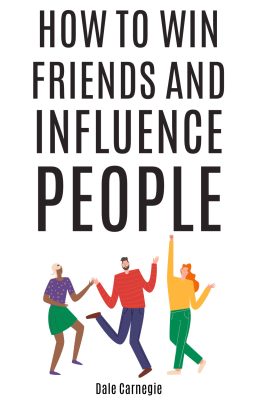
In a world where personal and professional success often hinges on interpersonal relationships, this book stands out by offering timeless principles for enhancing one’s social skills. The author presents actionable advice and strategies designed to help readers connect with others, win their trust, and influence their decisions. What sets this book apart is its practical approach, illustrated with numerous real-life examples, making it not just a manual for success but a guide to improving everyday interactions.
This book is ideal for anyone looking to enhance their social skills and build better relationships. The primary audience includes business professionals, managers, and entrepreneurs who need to influence others regularly. The secondary audience comprises students, educators, and individuals interested in personal growth. The book’s language is straightforward and accessible, making it easy for readers of all backgrounds to grasp and apply its concepts.
Imagine walking into a room filled with strangers, where the first impression you make could determine the course of your career or social life. How to Win Friends & Influence People by Dale Carnegie is your guide to navigating such situations with confidence and charm. This classic book, first published in 1936, offers timeless wisdom on the art of effective communication and relationship building. Carnegie draws from a rich array of real-life examples and success stories to illustrate his points, making the advice both relatable and actionable.
At its core, the book teaches the power of understanding and influencing human behavior. Carnegie argues that the key to success lies not in technical knowledge or hard skills, but in the ability to connect with people on a personal level. Through principles such as showing genuine interest in others, remembering names, and listening actively, readers learn how to foster trust and build lasting relationships. These skills are not just for business; they are crucial for improving interactions in all areas of life.
Readers will discover practical techniques for winning others over to their way of thinking. Carnegie emphasizes the importance of avoiding arguments, showing respect for others’ opinions, and admitting when you are wrong. He illustrates these points with stories from historical figures and successful business leaders, demonstrating how these methods have been applied to achieve remarkable results. By following his advice, readers can learn to influence others without resorting to manipulation or coercion.
One of the book’s strengths is its focus on positive reinforcement. Carnegie encourages readers to give honest and sincere appreciation, rather than criticism. This approach helps create a positive atmosphere where people feel valued and motivated. The book also covers ways to inspire enthusiasm in others, making them more likely to cooperate and support your ideas. These principles are illustrated with vivid anecdotes that bring the concepts to life.
What sets How to Win Friends & Influence People apart is its enduring relevance. Despite being written nearly a century ago, the advice remains applicable in today’s fast-paced, digital world. The emphasis on empathy, kindness, and effective communication transcends time and cultural changes, proving that human nature remains constant. Readers will gain insights that can transform their personal and professional lives, making this book a must-read for anyone looking to improve their social skills.
The central message of How to Win Friends & Influence People is that success is largely dependent on our ability to communicate effectively and build strong relationships. Dale Carnegie presents this idea through a series of principles that teach readers how to interact with others in a way that fosters trust and cooperation. For instance, he uses the metaphor of a bank account to describe relationships: each positive interaction is a deposit, and each negative interaction is a withdrawal. By consistently making deposits, or positive interactions, we build up a reserve of goodwill that can withstand occasional withdrawals.
Carnegie’s principles are rooted in the idea that people want to feel important and appreciated. By focusing on others’ needs and showing genuine interest in them, we can create meaningful connections. This involves simple acts such as remembering someone’s name, listening attentively, and offering sincere compliments. These small gestures go a long way in making others feel valued and respected, which in turn makes them more likely to respond positively to us.
How to Win Friends & Influence People has had a profound impact on the field of self-help and personal development. It has sold over 30 million copies worldwide and has been translated into multiple languages, making it one of the best-selling books of all time. The book has influenced countless individuals, from business leaders to politicians, who credit Carnegie’s principles with helping them achieve their goals.
The book’s emphasis on empathy and understanding has sparked some controversy, with critics arguing that it promotes manipulation. However, Carnegie’s approach is based on the idea of creating genuine, mutually beneficial relationships rather than exploiting others. The focus on positive reinforcement and mutual respect distinguishes his methods from more manipulative tactics.
Over the years, How to Win Friends & Influence People has received numerous accolades and remains a staple in the personal development genre. Its principles have been integrated into many corporate training programs and are often recommended by career coaches and leadership experts. The book’s timeless wisdom continues to resonate with new generations of readers, proving that the fundamentals of human interaction are universal and enduring.
How to Win Friends & Influence People by Dale Carnegie remains a cornerstone of personal development literature, even decades after its initial publication. We find that the book offers timeless wisdom that transcends generations, making it a valuable read for anyone looking to improve their interpersonal skills. Carnegie’s principles are straightforward, practical, and easy to implement, making them accessible to a wide audience. Whether you are a student, a professional, or someone simply looking to improve personal relationships, the lessons in this book are applicable and beneficial.
The strength of the book lies in its focus on empathy, positive reinforcement, and effective communication. Carnegie’s advice to show genuine interest in others, remember and use their names, and listen actively are not just tips but foundational principles for building strong relationships. These principles are illustrated with numerous real-life examples and anecdotes, which not only make the concepts clear but also engaging. Carnegie’s conversational writing style makes the book an easy read, and his use of storytelling keeps the reader hooked from start to finish.
However, we also recognize that the book has some limitations. The examples can feel dated, and the advice occasionally leans heavily towards conformity and avoiding conflict, which might not always be the best approach in every situation. Moreover, the potential for misinterpreting the advice as manipulative is a concern. These points aside, the core principles of empathy and understanding remain relevant and useful. Supplementing Carnegie’s advice with more contemporary perspectives and additional reading on conflict resolution and cultural sensitivity can provide a more rounded understanding.
We appreciate that How to Win Friends & Influence People has influenced countless individuals and has become a staple in personal and professional development programs. Its emphasis on kindness, empathy, and genuine appreciation has contributed to a more humane approach to leadership and interpersonal relations. While it may benefit from updates and a broader context, the fundamental messages are sound and have stood the test of time.
Our Recommendation
We highly recommend How to Win Friends & Influence People to anyone interested in improving their social skills and building better relationships. The book’s practical advice is easy to implement and can make a significant difference in how you interact with others. It’s an excellent starting point for those new to personal development and a valuable refresher for those familiar with the concepts.
For a more comprehensive understanding, we suggest reading it alongside other significant works like The 7 Habits of Highly Effective People by Stephen R. Covey and Emotional Intelligence by Daniel Goleman. These books complement Carnegie’s principles and provide deeper insights into character development and emotional intelligence. Overall, Carnegie’s classic remains a must-read, offering timeless advice that is as relevant today as it was when first published.
The essence of How to Win Friends & Influence People lies in its practical advice on improving interpersonal relationships. Dale Carnegie emphasizes the importance of genuine interest in others as a foundation for building trust and rapport. By focusing on the needs, desires, and feelings of others, we can create meaningful connections that pave the way for cooperation and influence. Carnegie’s approach is grounded in empathy and respect, making it a humane and effective strategy for personal and professional success.
One of the key topics is the power of appreciation and praise. Carnegie argues that sincere appreciation, as opposed to flattery, is a powerful tool in motivating others and fostering positive relationships. People crave recognition and a sense of importance, and by acknowledging their efforts and achievements, we can inspire them to greater heights. This concept is pivotal in Carnegie’s philosophy and is illustrated through numerous anecdotes and examples.
Another critical element is the skill of effective listening. Carnegie stresses that listening is not just about hearing words but about understanding the speaker’s emotions and intentions. Active listening involves paying full attention, showing empathy, and responding thoughtfully. This skill not only helps in building rapport but also in resolving conflicts and influencing others. Effective listening is presented as a cornerstone of effective communication and leadership.
Carnegie also highlights the significance of avoiding criticism and instead focusing on positive reinforcement. He argues that criticism often leads to defensiveness and resentment, whereas positive reinforcement encourages desirable behavior. By shifting our focus from pointing out mistakes to acknowledging and rewarding good behavior, we can create a more supportive and productive environment. This approach is shown to be effective in both personal relationships and professional settings.
In addition to these interpersonal skills, Carnegie discusses the importance of influencing others by aligning with their interests and perspectives. He suggests that to win others to our way of thinking, we must first understand their viewpoint and find common ground. This involves asking questions, listening to their concerns, and presenting ideas in a way that appeals to their values and motivations. This strategy is depicted as a fundamental aspect of persuasive communication.
Charles Schwab and Positive Reinforcement: Carnegie recounts the story of Charles Schwab, a steel magnate who used positive reinforcement to motivate his workers. Schwab once visited a steel mill where productivity was low. Instead of reprimanding the workers, he asked how many heats (batches of steel) they had completed that day and wrote the number on the floor. The next shift, seeing the number, strove to beat it and succeeded. This simple act of setting a visible goal and acknowledging the workers’ efforts resulted in increased productivity without any criticism.
Lincoln’s Letters of Non-Criticism: Another powerful example comes from Abraham Lincoln, who often wrote letters to his generals during the Civil War. Instead of sending these letters, which were sometimes critical, Lincoln would put them aside and wait until his emotions had cooled. Many of these letters were never sent. This practice highlights Lincoln’s understanding that immediate criticism could harm relationships and morale. By refraining from criticism, Lincoln maintained the respect and cooperation of his generals, which was crucial for the war effort.
Benjamin Franklin’s Humility Strategy: Carnegie also shares the story of Benjamin Franklin, who adopted a strategy of humility to win friends and influence people. Franklin realized that his argumentative nature was alienating others, so he made a conscious effort to be more humble and agreeable. He started listening more, speaking less, and acknowledging when others were right. This shift in behavior helped Franklin gain the respect and support of his peers, contributing to his success as a diplomat and statesman.
Rufus Isaacs and Understanding Others’ Perspectives: The book includes an example of Rufus Isaacs, a British lawyer and politician who was known for his ability to understand and align with others’ perspectives. Isaacs would meticulously prepare for negotiations by studying the interests and concerns of the other party. During one negotiation, he anticipated the objections and questions of the opposing side and addressed them proactively. This thorough understanding and strategic alignment allowed Isaacs to secure favorable outcomes in his negotiations.
Theodore Roosevelt’s Personal Touch: Theodore Roosevelt’s ability to remember names and personal details is another example Carnegie uses to illustrate the importance of showing genuine interest in others. Roosevelt would often take the time to learn about the people he met, including their names, families, and interests. This habit made people feel valued and respected, enhancing Roosevelt’s ability to connect with and influence them. His personal touch and attention to detail were key factors in his political success.
Show Genuine Interest in Others: One of the key insights from the book is the importance of showing genuine interest in other people. Carnegie emphasizes that people appreciate when others take a sincere interest in them. To apply this, make a habit of asking questions about others’ lives, interests, and opinions. Listen attentively and remember details from your conversations. For instance, if a colleague mentions their child’s upcoming soccer game, ask about it the next time you see them. This shows that you care and are attentive, which strengthens your relationship and builds trust.
Remember and Use People’s Names: Carnegie highlights the significance of remembering and using people’s names, noting that a person’s name is the sweetest sound to them in any language. To implement this, make a conscious effort to remember names by associating them with a particular characteristic or repeating the name several times during your conversation. For example, if you meet someone named John who likes to play golf, think of him as “John the golfer.” Use their name in your conversation to make them feel valued and recognized, which enhances rapport and connection.
Give Honest and Sincere Appreciation: Another crucial insight is the power of giving honest and sincere appreciation. Carnegie advises against flattery, which can come off as insincere, and instead encourages genuine recognition of others’ efforts and qualities. To apply this, make it a point to acknowledge the good work or positive traits of those around you. For instance, if a team member did an excellent job on a project, tell them specifically what you appreciated about their work, such as their attention to detail or creativity. This boosts their morale and encourages them to continue performing well.
Talk in Terms of Others’ Interests: Carnegie suggests that one of the most effective ways to connect with people is by talking in terms of their interests. This means aligning your conversation with what matters to the other person. To practice this, find out what interests or excites the person you are speaking with and steer the conversation in that direction. For example, if you know a colleague is passionate about photography, ask them about their latest photo project or share a relevant article you came across. This shows that you value their interests and are willing to engage with them on topics they care about.
Be a Good Listener: Effective listening is a cornerstone of good communication, according to Carnegie. He emphasizes that being a good listener is more than just hearing words; it involves giving full attention and showing empathy. To improve your listening skills, practice active listening by maintaining eye contact, nodding, and providing feedback that shows you understand what the speaker is saying. For example, when someone is sharing a problem, avoid interrupting and instead summarize what they said and ask follow-up questions to show your engagement and understanding.
Make the Other Person Feel Important: Carnegie advises making others feel important as a key strategy for building strong relationships. This can be achieved by recognizing their achievements, showing respect for their opinions, and treating them with kindness. To put this into action, make an effort to highlight others’ contributions and give them credit where it is due. For example, in a team meeting, acknowledge a colleague’s hard work and specific contributions to a project, making them feel valued and respected.
Avoid Arguments: Carnegie strongly advises against engaging in arguments, as they often lead to negative outcomes and damaged relationships. Instead, he suggests finding common ground and understanding the other person’s perspective. To apply this, when you find yourself in a disagreement, stay calm and try to see the situation from the other person’s point of view. For instance, if a colleague disagrees with your approach to a project, ask them to explain their reasoning and genuinely consider their perspective before responding. This fosters a more collaborative and respectful environment.
Admit When You Are Wrong: Admitting mistakes is another important insight from Carnegie. He argues that owning up to your errors can disarm criticism and build credibility. To apply this, practice humility by acknowledging your mistakes promptly and sincerely. For example, if you made an error in a report, inform your team and apologize for the oversight. Then, explain how you plan to correct it. This shows integrity and a willingness to improve, which strengthens your relationships and trustworthiness.
Encourage Others to Talk About Themselves: Carnegie notes that people enjoy talking about themselves and their experiences. Encouraging others to share can help build a strong connection. To apply this, ask open-ended questions that invite others to share their thoughts and experiences. For example, instead of asking yes/no questions, ask someone to describe their favorite part of a recent trip or project they worked on. This not only makes the conversation more engaging but also helps you learn more about the other person.
Let the Other Person Feel That the Idea Is Theirs: One of Carnegie’s insights is the power of letting others feel that an idea is theirs. This can lead to greater buy-in and cooperation. To practice this, when discussing a project or initiative, guide the conversation in a way that allows the other person to come to the desired conclusion on their own. For instance, if you want to implement a new process at work, present the problem and ask for suggestions, subtly steering the discussion towards your idea. When the other person suggests something similar, acknowledge their input and build on it, making them feel like a key contributor.
Timeless Practical Advice: One of the most significant strengths of How to Win Friends & Influence People is its timeless practical advice. Dale Carnegie’s principles for improving interpersonal relationships are as relevant today as they were when the book was first published. The strategies he outlines, such as showing genuine interest in others, giving sincere appreciation, and being a good listener, are universally applicable. These concepts are not only easy to understand but also straightforward to implement in everyday interactions. The practical nature of the advice makes the book a valuable resource for anyone looking to enhance their social skills and build stronger relationships.
Engaging Writing Style: Carnegie’s engaging writing style is another notable strength. He uses a conversational tone that makes the book easy to read and relatable. The inclusion of numerous anecdotes and real-life examples helps to illustrate his points effectively, making the lessons more memorable. Carnegie’s ability to distill complex human behaviors into simple, actionable advice is commendable. His storytelling approach keeps the reader engaged and makes the book enjoyable to read, which is crucial for retaining the information and applying it in real-life situations.
Focus on Positive Reinforcement: The book’s focus on positive reinforcement rather than criticism is a refreshing approach. Carnegie emphasizes the importance of encouraging and appreciating others, which creates a positive atmosphere and motivates people to perform better. This principle is illustrated through various examples, showing how leaders and influential figures have successfully used positive reinforcement to inspire and lead. By promoting a positive and supportive environment, the book encourages readers to adopt a more empathetic and constructive approach in their interactions.
Wide Range of Real-Life Examples: Carnegie supports his principles with a wide range of real-life examples from different contexts, including business, politics, and personal relationships. These examples not only validate his advice but also provide practical illustrations of how to apply the concepts. The diversity of examples helps readers see the relevance of Carnegie’s principles in various situations, enhancing their understanding and confidence in using the strategies. The use of well-known historical figures and successful leaders adds credibility to the advice and makes it more compelling.
Accessibility and Simplicity: The accessibility and simplicity of Carnegie’s advice are major strengths. The book is written in a straightforward and jargon-free language, making it accessible to a broad audience. Carnegie breaks down his principles into clear, actionable steps that readers can easily follow. This simplicity ensures that the book’s lessons are not only understood but also implemented effectively. The approachable nature of the content makes it suitable for readers of all backgrounds and experience levels, from novices to seasoned professionals.
Emphasis on Empathy and Understanding: Carnegie’s emphasis on empathy and understanding is a significant strength of the book. He advocates for seeing things from others’ perspectives and genuinely caring about their needs and feelings. This approach fosters deeper connections and more meaningful relationships. By encouraging readers to be empathetic and considerate, Carnegie promotes a more humane and compassionate way of interacting with others. This principle is particularly important in today’s fast-paced world, where genuine human connections are often overlooked.
Lack of Depth in Psychological Insights: One of the weaknesses of the book is its lack of depth in psychological insights. While Carnegie provides practical advice on how to interact with others, he does not delve deeply into the psychological mechanisms underlying these behaviors. A more thorough exploration of the psychological theories and research that support his principles would have added depth and credibility to the book. This could help readers understand not only what to do but also why these strategies work, enhancing their ability to apply the concepts more effectively.
Outdated Examples and Contexts: Although the principles in the book are timeless, some of the examples and contexts used are outdated. Many of the anecdotes are drawn from early 20th-century figures and events, which may not resonate with modern readers. Updating the examples to include more contemporary figures and situations could make the book more relatable and relevant to today’s audience. This would help bridge the gap between the historical context of the original publication and the current social and professional environment.
Overemphasis on Conformity: Carnegie’s advice often emphasizes conformity and the importance of aligning with others’ interests and viewpoints. While this can be effective in building relationships and avoiding conflict, it may sometimes discourage authentic self-expression and critical thinking. In certain situations, standing out and challenging the status quo can be just as important as fitting in. A more balanced approach that acknowledges the value of both conformity and individuality would provide a more comprehensive guide to interpersonal success.
Potential for Misuse: Another critique is the potential for misuse of Carnegie’s principles. The techniques outlined in the book can be highly effective in influencing others, but they could also be used manipulatively if not applied with genuine intent. Carnegie’s focus on sincerity and honesty is crucial, but some readers might overlook this aspect and use the strategies purely for personal gain. Including more explicit warnings about the ethical considerations and potential pitfalls of using these techniques would be beneficial in ensuring they are applied responsibly.
Superficial Interactions: One potential blind spot in How to Win Friends & Influence People is the risk of fostering superficial interactions. While Carnegie’s principles are effective for initiating and maintaining positive relationships, they may inadvertently encourage interactions that lack depth. For instance, the emphasis on showing interest in others, remembering names, and giving praise could lead to a focus on external behaviors rather than genuine emotional connections. Readers might apply these techniques as a checklist without truly engaging with the underlying intent. In contrast, The 7 Habits of Highly Effective People by Stephen R. Covey addresses the importance of character ethics and building deep, meaningful relationships. Covey’s work emphasizes aligning actions with core values and principles, ensuring that interactions are not only pleasant but also authentic and impactful.
Neglect of Conflict Resolution: Carnegie’s book largely focuses on avoiding conflict and promoting harmony, which can be a blind spot in situations where conflict is inevitable or necessary. By encouraging readers to sidestep arguments and align with others’ views, the book may leave readers ill-equipped to handle direct confrontations or negotiate differences effectively. Conflict resolution skills are crucial in both personal and professional settings, and an overemphasis on avoidance can be detrimental. Crucial Conversations: Tools for Talking When Stakes Are High by Kerry Patterson, Joseph Grenny, Ron McMillan, and Al Switzler provides a comprehensive guide to managing high-stakes discussions and resolving conflicts constructively. This book complements Carnegie’s principles by offering strategies for addressing disagreements while maintaining respect and understanding.
Cultural and Contextual Variations: Another blind spot in Carnegie’s book is its limited consideration of cultural and contextual variations in communication and relationship-building. The principles in How to Win Friends & Influence People are primarily based on Western, individualistic cultural norms, which may not be as effective or appropriate in other cultural settings. Different cultures have varied approaches to communication, respect, and relationship dynamics. For example, in some cultures, direct praise or frequent use of names might be seen as insincere or inappropriate. The Culture Map: Breaking Through the Invisible Boundaries of Global Business by Erin Meyer offers insights into navigating cross-cultural differences and understanding diverse communication styles. Meyer’s work highlights the importance of adapting interpersonal strategies to fit different cultural contexts, thereby addressing a gap in Carnegie’s approach.
Overemphasis on Manipulation Potential: Carnegie’s techniques can sometimes be misunderstood as manipulative, leading to ethical concerns. Although the book stresses sincerity, readers might misinterpret the advice and use it purely to achieve personal gains, potentially harming their relationships in the long run. This misunderstanding can result in the erosion of trust and authenticity. To mitigate this risk, it is essential to balance Carnegie’s principles with a strong ethical foundation. Influence: The Psychology of Persuasion by Robert B. Cialdini provides a deeper understanding of the psychological principles behind persuasion and emphasizes the ethical application of these techniques. Cialdini’s work highlights the importance of using influence strategies responsibly and with integrity, ensuring that they benefit all parties involved.
Lack of Long-Term Relationship Dynamics: How to Win Friends & Influence People excels in teaching initial steps to build rapport and influence others, but it falls short in addressing the long-term dynamics of maintaining relationships. Relationships evolve over time, and sustaining them requires ongoing effort, adaptability, and deeper emotional intelligence. The book’s focus on initial interactions might lead readers to overlook the importance of continuous growth and adaptation in relationships. Emotional Intelligence by Daniel Goleman delves into the role of emotional intelligence in sustaining long-term relationships. Goleman’s insights into self-awareness, self-regulation, empathy, and social skills provide a more comprehensive understanding of how to nurture and maintain relationships over the long haul.
The 7 Habits of Highly Effective People by Stephen R. Covey: Stephen R. Covey’s The 7 Habits of Highly Effective People provides a more structured and principle-centered approach to personal and professional effectiveness compared to Dale Carnegie’s more interpersonal and situational advice. Covey emphasizes character ethics and foundational principles that guide behavior over the long term. His approach starts with internal changes, advocating for self-mastery through habits like proactivity and beginning with the end in mind, before focusing on public victories like empathic communication and synergy. While Carnegie focuses more on external behaviors to influence others, Covey’s work integrates internal character development as essential for genuine, sustainable relationships.
Emotional Intelligence by Daniel Goleman: Daniel Goleman’s Emotional Intelligence brings a scientific perspective to the discussion of interpersonal skills by emphasizing the importance of emotional intelligence (EQ) over traditional cognitive intelligence (IQ). Goleman’s research highlights self-awareness, self-regulation, motivation, empathy, and social skills as crucial components for personal and professional success. While Carnegie’s book offers practical techniques for interacting with others, Goleman provides a framework for understanding the underlying emotional and psychological processes that drive effective communication and relationship-building. Goleman’s focus on emotional intelligence complements Carnegie’s principles, adding depth and context to the behaviors Carnegie advocates.
Influence: The Psychology of Persuasion by Robert B. Cialdini: Robert B. Cialdini’s Influence: The Psychology of Persuasion dives into the psychology behind why people say “yes” and how to apply these understandings ethically. Cialdini outlines six principles of persuasion: reciprocity, commitment and consistency, social proof, authority, liking, and scarcity. While Carnegie’s book provides practical advice on how to make friends and influence people, Cialdini’s work explains the psychological mechanisms that make these techniques effective. Cialdini also stresses the ethical use of these principles, a point that complements Carnegie’s advice and addresses potential concerns about manipulation. Cialdini’s scientific approach provides a theoretical underpinning to many of Carnegie’s observations.
The Culture Map by Erin Meyer: Erin Meyer’s The Culture Map offers a global perspective on interpersonal communication, addressing the complexities of interacting across different cultures. Meyer’s book highlights how cultural differences impact communication styles, feedback mechanisms, decision-making processes, and more. While Carnegie’s principles are rooted in a Western context, Meyer’s insights are invaluable for applying these principles in a globalized world. Understanding cultural nuances helps avoid miscommunications and enhances the effectiveness of Carnegie’s techniques in diverse environments. Meyer’s work underscores the importance of cultural sensitivity, expanding the applicability of Carnegie’s principles.
Show Genuine Interest in Others
Remember and Use People’s Names
Give Honest and Sincere Appreciation
Talk in Terms of Others’ Interests
Be a Good Listener
Make the Other Person Feel Important
Avoid Arguments
Admit When You Are Wrong
Encourage Others to Talk About Themselves
Let the Other Person Feel That the Idea Is Theirs
Enhance Employee Engagement through Genuine Interest
How to Win Friends & Influence People emphasizes the importance of showing genuine interest in others. In a business context, this principle can be applied to enhance employee engagement and morale. Managers who take the time to understand their employees’ interests, aspirations, and personal lives can build stronger, more trusting relationships. This fosters a positive work environment where employees feel valued and motivated.
However, implementing this strategy can be challenging due to time constraints and the sheer size of many organizations. Managers might struggle to find time to connect with each employee on a personal level, especially in large teams or companies with a high turnover rate. Additionally, some employees might perceive such interest as intrusive or insincere if not handled appropriately.
To overcome these challenges, businesses can implement structured programs that facilitate personal interactions, such as regular one-on-one meetings, team-building activities, and informal social gatherings. Providing training for managers on emotional intelligence and communication skills can also help them engage with employees more effectively. Utilizing employee feedback tools to gauge comfort levels and adjust approaches can ensure that the interest shown is both genuine and well-received.
Improve Customer Relations through Active Listening
Carnegie’s principle of active listening is crucial for improving customer relations. By training employees to listen attentively to customers’ needs and concerns, businesses can build trust and loyalty. Active listening involves paying full attention, reflecting on what the customer says, and responding thoughtfully, which can lead to higher customer satisfaction and retention.
The main obstacle to implementing active listening in customer service is the high volume of interactions and the pressure to resolve issues quickly. Employees may feel rushed and may not take the time to fully listen to customers, leading to misunderstandings and frustration. Additionally, remote or automated customer service solutions can make it difficult to practice active listening effectively.
To address these challenges, businesses can invest in training programs that emphasize the importance of active listening and equip employees with the skills to practice it even in high-pressure situations. Implementing systems that allow for longer interaction times and reducing the emphasis on quick resolution metrics can encourage more meaningful conversations. Utilizing technology to streamline routine inquiries can free up time for employees to focus on complex issues that require active listening.
Boost Team Collaboration through Positive Reinforcement
Positive reinforcement is a powerful tool for boosting team collaboration and productivity. Recognizing and appreciating team members’ efforts and achievements can create a supportive and motivating work environment. Managers who consistently acknowledge good work help to build a culture of positivity and mutual respect, which can enhance team dynamics and performance.
A potential challenge in implementing positive reinforcement is ensuring that it is perceived as genuine and fair. If recognition is not given consistently or appears biased, it can lead to resentment and decreased motivation among team members. Furthermore, cultural differences and personal preferences might influence how recognition is received and valued.
To overcome these challenges, businesses can establish clear criteria for recognition and ensure that all team members have equal opportunities to be acknowledged. Training managers to recognize and celebrate diverse forms of contribution can help ensure that reinforcement is seen as genuine. Creating a formal recognition program that includes peer nominations and diverse reward options can cater to different preferences and cultural sensitivities.
Foster a Positive Corporate Culture by Avoiding Criticism
Avoiding criticism and focusing on constructive feedback is essential for fostering a positive corporate culture. Constructive feedback helps employees improve without feeling demoralized, promoting a culture of continuous learning and development. Carnegie’s approach encourages leaders to frame feedback in a way that highlights opportunities for growth rather than focusing on faults.
The challenge in implementing this strategy lies in balancing the need for honest feedback with the desire to avoid demoralizing employees. Some managers may struggle with providing constructive criticism without it being perceived as criticism. Additionally, employees might misinterpret a lack of direct criticism as complacency or lack of concern about their performance.
To address these challenges, businesses can train managers in effective communication techniques that emphasize constructive feedback. Role-playing scenarios and workshops can help managers practice delivering feedback in a supportive and positive manner. Encouraging a culture of regular, informal feedback can also normalize the process and help employees see feedback as an ongoing developmental tool rather than a negative judgment.
Increase Persuasion Skills through Understanding Others’ Perspectives
Understanding and aligning with others’ perspectives can significantly enhance persuasion skills within a business context. Whether negotiating with clients, leading a team, or collaborating with colleagues, seeing things from the other person’s point of view can lead to more effective communication and better outcomes. This principle helps in building consensus and gaining buy-in for ideas and initiatives.
One obstacle to implementing this strategy is the tendency for individuals to be entrenched in their own viewpoints, particularly in high-stakes or competitive environments. Cognitive biases and a lack of empathy can hinder the ability to genuinely understand and consider other perspectives. Additionally, fast-paced work settings might limit the time available for in-depth discussions and understanding.
To overcome these challenges, businesses can provide training on empathy, active listening, and conflict resolution. Encouraging a culture of open dialogue and regular check-ins can create opportunities for understanding diverse viewpoints. Implementing structured decision-making processes that require considering multiple perspectives can institutionalize this practice, ensuring it becomes a natural part of the organizational culture.
Remote and Hybrid Work Environments
The principles in How to Win Friends & Influence People are highly relevant in the context of remote and hybrid work environments. As more companies adopt flexible work arrangements, the ability to build and maintain strong relationships virtually becomes critical. Carnegie’s emphasis on genuine interest, active listening, and positive reinforcement can help bridge the gap created by physical distance. Virtual meetings and online interactions require heightened awareness of communication cues and a proactive approach to fostering connections. These skills ensure that team cohesion and morale remain high, even when colleagues are not physically present.
Emotional Intelligence in Leadership
Emotional intelligence is increasingly recognized as a vital trait for effective leadership. Carnegie’s ideas align well with this trend, as they emphasize understanding and managing interpersonal relationships judiciously and empathetically. Future leaders who prioritize emotional intelligence will find Carnegie’s principles a valuable foundation. By practicing empathy, active listening, and constructive feedback, leaders can create a supportive work environment that encourages growth and collaboration. These skills are essential in navigating complex human dynamics in diverse and inclusive workplaces.
Customer-Centric Business Models
The shift towards customer-centric business models underscores the importance of Carnegie’s principles. Companies are increasingly focusing on delivering exceptional customer experiences to build loyalty and drive growth. Understanding customers’ needs, showing genuine interest, and providing personalized service are key strategies highlighted in the book. As businesses leverage data and technology to better understand their customers, applying Carnegie’s techniques can enhance these efforts. Companies that excel in customer relationships will differentiate themselves in competitive markets.
Diversity and Inclusion Initiatives
Diversity and inclusion are at the forefront of modern organizational priorities. Carnegie’s principles of empathy and genuine interest are crucial for fostering an inclusive culture. By understanding and valuing diverse perspectives, organizations can create environments where all employees feel respected and valued. Carnegie’s advice on avoiding criticism and focusing on positive reinforcement supports inclusive leadership practices. These approaches help mitigate unconscious biases and promote a culture of equity and belonging.
Digital Transformation and AI
As digital transformation and AI continue to reshape industries, human-centric skills remain indispensable. While technology can automate many tasks, the human touch in communication and relationship-building cannot be replicated. Carnegie’s principles provide a framework for maintaining meaningful human interactions in a digital age. Whether through personalized customer service or empathetic leadership, these skills will complement technological advancements. Businesses that integrate human-centric approaches with digital tools will likely see greater success and innovation.
How to Win Friends & Influence People by Dale Carnegie, first published in 1936, remains remarkably relevant even in today’s fast-paced, digital age. The principles Carnegie outlined decades ago continue to resonate because they address fundamental aspects of human nature and interpersonal communication. The book’s focus on empathy, active listening, and sincere appreciation transcends the specific contexts of its time, offering timeless advice that applies to modern-day interactions both in personal and professional settings.
In the current era, where technology often mediates communication, the core tenets of Carnegie’s work are perhaps more crucial than ever. With the rise of remote work and virtual meetings, the ability to connect genuinely with others can be challenging. However, Carnegie’s principles provide a solid foundation for fostering meaningful relationships, even through digital platforms. For instance, showing genuine interest in colleagues and clients, and remembering personal details, can bridge the gap created by physical distance and foster a sense of connection and trust.
As businesses increasingly prioritize customer-centric models and employee engagement, the strategies outlined in Carnegie’s book are invaluable. Organizations that implement his advice on positive reinforcement and constructive feedback can create more supportive and motivating environments. This, in turn, can lead to higher employee satisfaction and productivity, as well as stronger customer loyalty. Companies that adopt these principles are likely to see a positive impact on their organizational culture and overall success.
The book’s emphasis on avoiding criticism and focusing on positive aspects aligns well with contemporary leadership trends that value emotional intelligence and empathetic management. Leaders who practice these skills can build more resilient and high-performing teams. In a world where diverse and inclusive workplaces are increasingly recognized as vital, Carnegie’s advice on understanding and valuing different perspectives is particularly relevant. These principles help create an environment where all employees feel respected and valued, which is essential for fostering innovation and collaboration.
Looking to the future, How to Win Friends & Influence People will likely continue to influence the fields of personal development, leadership, and communication. Its timeless wisdom is adaptable to changing societal norms and technological advancements. As artificial intelligence and automation become more prevalent, the uniquely human skills of empathy and effective communication will remain irreplaceable. Carnegie’s principles offer a blueprint for maintaining the human touch in an increasingly digital world, ensuring that personal connections and genuine relationships endure.
Moreover, as global interactions become more frequent and complex, Carnegie’s emphasis on understanding and aligning with others’ perspectives will be essential. In multicultural environments, the ability to navigate different communication styles and cultural norms can make or break relationships. Carnegie’s strategies provide a universal approach that can be tailored to diverse contexts, making his work a valuable resource for global leaders and professionals.
In education, Carnegie’s book continues to be a staple in business and communication courses, underscoring its lasting relevance. As new generations of students and professionals seek to develop their interpersonal skills, the principles in How to Win Friends & Influence People offer a solid foundation for building successful careers and fulfilling personal lives. The enduring popularity of Carnegie’s work suggests that its influence will persist, shaping the way people interact and connect for years to come.
Ultimately, the long-term impact of How to Win Friends & Influence People is its ability to foster better, more empathetic interactions in a variety of settings. Whether in personal relationships, professional environments, or broader societal interactions, the principles of genuine interest, positive reinforcement, and effective communication are key to building a more connected and understanding world.
The 7 Habits of Highly Effective People by Stephen R. Covey
The 7 Habits of Highly Effective People by Stephen R. Covey offers a structured approach to personal and professional effectiveness, focusing on internal character development. Covey’s principles complement Carnegie’s interpersonal strategies by emphasizing self-mastery and proactive behavior. The integration of private and public victories provides a holistic framework for achieving long-term success. This book is a great follow-up for readers looking to build a solid foundation of personal ethics and habits that support effective relationships.
Emotional Intelligence by Daniel Goleman
Daniel Goleman’s Emotional Intelligence explores the critical role of emotional intelligence (EQ) in personal and professional success. Goleman’s insights into self-awareness, self-regulation, motivation, empathy, and social skills align well with Carnegie’s focus on interpersonal relationships. The scientific basis of emotional intelligence adds depth to the practical advice found in Carnegie’s book. This read is essential for understanding the psychological mechanisms behind effective communication and relationship-building.
Influence: The Psychology of Persuasion by Robert B. Cialdini
Influence: The Psychology of Persuasion by Robert B. Cialdini delves into the psychological principles that drive human behavior and decision-making. Cialdini’s six principles of persuasion—reciprocity, commitment, social proof, authority, liking, and scarcity—offer a theoretical foundation that complements Carnegie’s practical techniques. Understanding these principles helps readers apply Carnegie’s advice more effectively and ethically, enhancing their ability to influence and persuade others.
Crucial Conversations: Tools for Talking When Stakes Are High by Kerry Patterson, Joseph Grenny, Ron McMillan, and Al Switzler
Crucial Conversations provides tools for handling high-stakes conversations and resolving conflicts constructively. This book addresses a potential gap in Carnegie’s work by offering strategies for navigating disagreements and difficult discussions. The skills outlined in Crucial Conversations help readers maintain positive relationships while addressing sensitive issues, making it a valuable addition to Carnegie’s principles of effective communication.
The Culture Map: Breaking Through the Invisible Boundaries of Global Business by Erin Meyer
Erin Meyer’s The Culture Map is essential for anyone working in a global or multicultural environment. The book offers insights into how cultural differences impact communication, feedback, and decision-making. Meyer’s work complements Carnegie’s principles by providing a framework for adapting interpersonal strategies to diverse cultural contexts. Understanding these nuances is crucial for building effective relationships in today’s interconnected world.
Never Split the Difference: Negotiating As If Your Life Depended On It by Chris Voss
Chris Voss’s Never Split the Difference brings a unique perspective to negotiation techniques, grounded in the author’s experience as an FBI hostage negotiator. Voss’s emphasis on tactical empathy and active listening aligns with Carnegie’s advice on understanding others’ perspectives. The high-stakes scenarios in Voss’s book provide additional strategies for influencing outcomes and negotiating effectively, enriching the reader’s toolkit for persuasion and conflict resolution.
Drive: The Surprising Truth About What Motivates Us by Daniel H. Pink
Drive by Daniel H. Pink explores the science of motivation, offering insights into what drives human behavior beyond traditional rewards and punishments. Pink’s focus on autonomy, mastery, and purpose complements Carnegie’s principles by providing a deeper understanding of what motivates people. This book helps readers create environments that foster intrinsic motivation, enhancing their ability to inspire and lead others.
Dare to Lead: Brave Work. Tough Conversations. Whole Hearts. by Brené Brown
Brené Brown’s Dare to Lead emphasizes the importance of vulnerability, courage, and empathy in leadership. Brown’s research on shame and resilience offers a modern take on building trust and authentic connections, complementing Carnegie’s focus on positive reinforcement and genuine interest. This book is a valuable resource for leaders looking to cultivate a culture of trust and innovation in their organizations.
Dale Carnegie Training
The official Dale Carnegie Training website (www.dalecarnegie.com) offers a wealth of resources, including articles, blogs, and videos that delve deeper into the principles outlined in How to Win Friends & Influence People. The platform also provides information on courses and workshops that can help individuals and businesses apply Carnegie’s methods more effectively in real-life scenarios.
Mind Tools
Mind Tools (www.mindtools.com) is an online resource offering practical guides and articles on personal development, leadership, and management skills. Their sections on communication and relationship-building provide valuable insights and strategies that complement the teachings of Dale Carnegie. This platform is useful for both individuals looking to enhance their interpersonal skills and professionals aiming to improve team dynamics.
Coursera
Coursera (www.coursera.org) offers various courses related to communication, leadership, and emotional intelligence, many of which align with the principles in Carnegie’s book. Courses like “Leading People and Teams” from the University of Michigan or “Introduction to Negotiation” from Yale University provide structured learning paths to deepen your understanding and application of these concepts.
Dale Carnegie Annual Conference
The Dale Carnegie Annual Conference brings together experts and practitioners of Carnegie’s principles to share insights and experiences. This event offers workshops, keynote speeches, and networking opportunities focused on effective communication, leadership, and personal development. Attending this conference can provide practical knowledge and inspiration for implementing Carnegie’s teachings in your professional life.
Global Leadership Summit
The Global Leadership Summit (globalleadership.org) is a premier leadership event featuring speakers from diverse fields who share their expertise on leadership and personal development. Many of the themes discussed at the summit, such as empathy, influence, and effective communication, align closely with Carnegie’s principles. This conference is ideal for professionals seeking to enhance their leadership skills and apply Carnegie’s methods in their organizations.
International Association of Business Communicators (IABC)
The International Association of Business Communicators (www.iabc.com) offers resources, networking opportunities, and professional development for those interested in business communication. Their focus on effective communication strategies aligns well with Carnegie’s teachings, providing members with tools and knowledge to improve their interpersonal skills in a business context.
Society for Human Resource Management (SHRM)
The Society for Human Resource Management (www.shrm.org) is a global organization that provides resources and support for HR professionals. SHRM’s emphasis on leadership development, communication, and employee engagement complements Carnegie’s principles. Membership offers access to articles, webinars, and conferences that help integrate these concepts into HR practices.
The Art of Charm
The Art of Charm (theartofcharm.com/podcast) is a popular podcast that explores topics related to social dynamics, communication, and personal development. Episodes often feature experts who discuss techniques for building relationships and influencing others, echoing the principles found in Carnegie’s book. This podcast provides practical advice and insights for anyone looking to improve their interpersonal skills.
HBR IdeaCast
Harvard Business Review’s IdeaCast (hbr.org/2018/01/podcast-ideacast) is a podcast that covers a wide range of topics related to leadership, management, and personal development. Many episodes focus on communication and influence, offering insights that complement Carnegie’s teachings. This podcast is a valuable resource for professionals seeking to apply Carnegie’s principles in a business environment.
Dale Carnegie Courses
Dale Carnegie Training offers a variety of courses that build on the principles outlined in How to Win Friends & Influence People. Courses such as “Effective Communications and Human Relations” and “Leadership Training for Managers” provide in-depth training on applying Carnegie’s methods in personal and professional contexts. These courses are available both in-person and online, making them accessible to a wide audience.
Emotional Intelligence Courses on LinkedIn Learning
LinkedIn Learning (www.linkedin.com/learning) offers numerous courses on emotional intelligence and effective communication. Courses like “Developing Your Emotional Intelligence” by Gemma Leigh Roberts provide practical techniques that align with Carnegie’s principles. These courses help professionals enhance their interpersonal skills and apply them in various settings.
The Power of Empathy
The Power of Empathy is a documentary that explores the impact of empathy in personal and professional relationships. It features interviews with experts and real-life stories that highlight the importance of understanding and connecting with others. The themes of empathy and connection align closely with Carnegie’s teachings, providing a visual and emotional complement to the book’s principles.
The Human Element
The Human Element is a film that examines the role of human connections in creating meaningful and impactful change. It features stories from various fields, including business, education, and healthcare, demonstrating how empathy and effective communication can lead to positive outcomes. This film reinforces the ideas presented in How to Win Friends & Influence People, showcasing their application in diverse contexts.